
Karagol Lake Trail - A Gem in the Anatolian Highlands
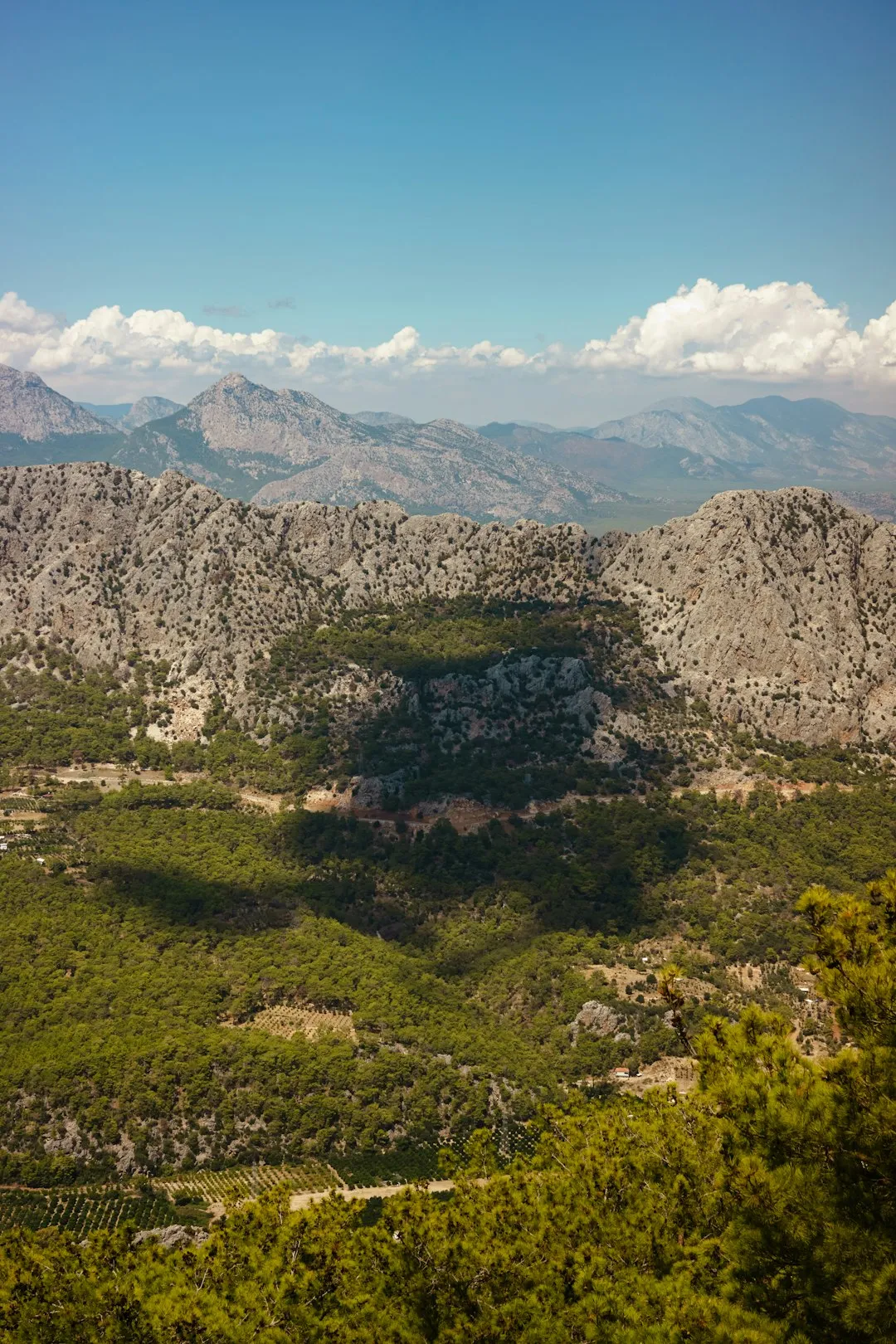
The Karagol Lake Trail is a captivating day walk nestled within the picturesque Bolu Province of Turkey, offering a refreshing escape into nature's embrace. This trail leads hikers to the stunning Karagol (Black Lake), a serene alpine lake renowned for its crystal-clear waters and the dramatic backdrop of surrounding pine forests and rolling hills. It's a journey that balances moderate physical exertion with immense scenic reward, making it an ideal destination for nature enthusiasts, photographers, and families seeking a tranquil outdoor experience. The trail is well-defined, making it accessible for a wide range of hikers, and its relatively short distance belies the profound sense of peace and natural beauty it offers.
- Distance: 12.0 km one-way
- Duration: 4-5 hours
- Elevation Gain: 400 m
- Difficulty: Moderate
- Season: May to October
- Closest City: Bolu
- Trailhead Access: Accessible by car via a well-maintained road
- Coordinates: 40.6833, 32.5667
Overview
The Karagol Lake Trail is a testament to the understated beauty of Turkey's natural landscapes. Unlike the dramatic, world-famous treks, this trail offers a more intimate connection with nature, focusing on the serene beauty of an alpine lake and its surrounding temperate forest. The journey begins with a gentle ascent, gradually winding through fragrant pine forests where the air is crisp and clean. As you gain elevation, the landscape opens up, revealing panoramic views of the verdant valleys and distant mountains that characterise the Bolu region. The trail is a symphony of natural sounds—the rustling of leaves, the chirping of birds, and the distant murmur of streams—creating a tranquil auditory experience.
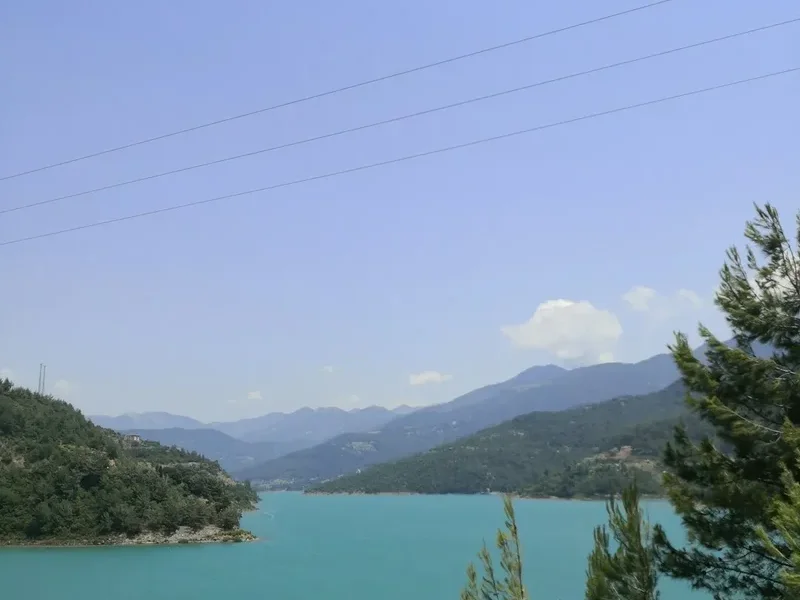
The highlight of the trek is undoubtedly Karagol itself. This pristine lake, often reflecting the deep blue of the sky and the surrounding evergreen trees, offers a perfect spot for rest and reflection. The water is so clear that you can often see the lakebed, and the peaceful atmosphere is palpable. The trail's moderate difficulty means it's achievable for most fitness levels, allowing walkers to focus on enjoying the scenery rather than battling extreme terrain. The path is generally well-trodden, with clear markers guiding the way, though a basic understanding of navigation is always advisable.
The trail's accessibility from Ankara, a major city, makes it a popular day trip or weekend getaway for urban dwellers seeking respite. The journey to the trailhead itself is part of the experience, with scenic drives through the Anatolian countryside. Whether you're a seasoned hiker or a casual walker, the Karagol Lake Trail promises a memorable encounter with Turkey's natural splendour, leaving you refreshed and rejuvenated.
History and Cultural Context
The region surrounding Karagol Lake has a rich, albeit less documented, history compared to more prominent historical sites. The area, part of the ancient Anatolian plateau, has likely been traversed by various peoples for millennia, serving as a natural corridor and a source of sustenance. The forests provided timber and game, while the lakes and streams offered vital water sources. Archaeological evidence in the broader Bolu province suggests human settlement dating back to the Hittite period, and later, Phrygian and Roman influences are evident in the region's historical remnants.
Karagol Lake itself, like many natural lakes in mountainous regions, has likely held cultural significance for local communities throughout history. Such pristine water bodies often feature in local folklore and mythology, sometimes considered sacred or imbued with spiritual properties. The name "Karagol" (Black Lake) might stem from the lake's depth, its dark, reflective surface, or perhaps from the surrounding dense, dark forests that give it a mysterious aura.
In more recent history, the area has been recognised for its ecological importance and natural beauty, leading to its designation as part of a protected natural park or reserve. This conservation effort ensures that the Karagol Lake Trail remains a pristine natural environment, preserving its ecological integrity and offering a sanctuary for local flora and fauna. The trail's development as a hiking route is a modern initiative, aimed at promoting eco-tourism and allowing visitors to experience the natural heritage of the Bolu region responsibly.
Seasonal Highlights and Weather Reality
The Karagol Lake Trail is best experienced during the warmer months, typically from May to October. During this period, the weather is generally favourable for hiking, with mild temperatures and clear skies being common.
Spring (May-June): This is a beautiful time to visit as nature awakens. Wildflowers bloom profusely along the trail, and the forests are a vibrant green. The air is fresh, and the temperatures are pleasant, making for comfortable hiking. However, occasional spring showers are possible, so carrying waterproof gear is advisable.
Summer (July-August): The summer months offer the most reliable weather for hiking, with warm to hot temperatures. The lake is at its most inviting, and the long daylight hours allow for extended exploration. However, this is also the peak season for visitors, and the trail can be busier. Sun protection is essential due to the intensity of the sun at higher altitudes.
Autumn (September-October): Autumn transforms the landscape into a spectacle of colour. The deciduous trees in the surrounding forests turn shades of gold, red, and orange, creating a breathtaking visual display. The air becomes cooler and crisper, and the crowds thin out, offering a more tranquil hiking experience. This season is particularly favoured by photographers.
Winter (November-April): While the trail is technically accessible in winter, it is generally not recommended for casual hikers. Snowfall can be heavy, making the trail difficult to navigate and potentially dangerous. Temperatures drop significantly, and icy conditions are common. Only experienced winter hikers with appropriate gear and knowledge should consider attempting the trail during this period.
Recommended Itinerary
Day Walk: Karagol Lake Trail
Early Morning: Departure from Ankara
- Depart from Ankara by car.
- The drive to the Bolu region typically takes 2.5 to 3 hours, depending on traffic and road conditions.
- Enjoy the scenic transition from urban landscapes to the rolling hills and forests of Anatolia.
Morning: Arrival at Trailhead and Ascent Begins
- Arrive at the designated trailhead for Karagol Lake.
- Park your vehicle and prepare for the hike. Ensure you have water, snacks, and appropriate gear.
- Begin the ascent towards Karagol Lake. The initial part of the trail is generally well-maintained and may involve some gentle inclines through pine forests.
- Distance covered: Approximately 3-4 km.
- Elevation gain: Approximately 100-150 m.
- Time: 1.5–2 hours.
Midday: Reaching the Lake and Lunch Break
- Continue the hike, with the terrain becoming slightly more challenging as you gain altitude.
- The trail may feature some rocky sections or steeper gradients.
- Arrive at Karagol Lake. Take time to admire the stunning views, the clear water, and the surrounding natural beauty.
- Find a scenic spot to enjoy your packed lunch. Relax, take photographs, and soak in the peaceful atmosphere.
- Distance covered: Approximately 5-6 km (cumulative).
- Elevation gain: Approximately 250-300 m (cumulative).
- Time: 2–3 hours (including lunch break).
Afternoon: Descent and Return Journey
- Begin the descent back towards the trailhead. The descent can be quicker but requires careful footing, especially on steeper or uneven sections.
- Enjoy the changing perspectives of the landscape as you retrace your steps.
- Arrive back at the trailhead.
- Begin the drive back to Ankara.
- Distance covered: Approximately 12.0 km (total).
- Elevation change: 400 m gain, 400 m loss.
- Time: 4-5 hours (hiking time).
Important Notes:
- This is a day hike, so no overnight accommodation is required.
- Carry sufficient water and food, as facilities are limited at the trailhead and none exist along the trail.
- Wear sturdy hiking boots and dress in layers suitable for changing mountain weather.
- Inform someone of your hiking plans and expected return time.
- Mobile phone reception may be intermittent along the trail.
Planning and Bookings
Book Your Trip
Everything you need to plan your journey
Accommodation
Find places to stay near Ankara
Flights
Search flights to Ankara
Essential Preparation
The Karagol Lake Trail is a popular day hike, primarily accessed from Ankara. The key to a successful trip lies in thorough preparation, especially regarding transportation and supplies. Since this is a day walk, the primary logistical challenge is reaching the trailhead and ensuring you have everything you need for a comfortable and safe excursion. The closest major city offering comprehensive services is Ankara, which serves as the main gateway for most visitors. Bolu city itself is closer and offers local amenities, but Ankara provides a wider range of accommodation and transport options.
Logistics: The most common way to access the trailhead is by private vehicle or rental car from Ankara. The drive is scenic and takes approximately 2.5 to 3 hours. Public transport options to the immediate vicinity of the trailhead are limited, making a car highly recommended. If travelling without a car, consider hiring a taxi for the day from Bolu or arranging a private tour from Ankara. Ensure your vehicle is in good condition, as some access roads might be unpaved or uneven.
Base Town/City Information:
- Ankara: As the capital of Turkey, Ankara offers a vast array of accommodation options, from luxury hotels to budget-friendly hostels. It has a major international airport and extensive public transport networks. It's the ideal starting point for planning your trip, allowing you to gather supplies and arrange transport.
- Bolu: A smaller city located closer to the trailhead, Bolu provides more local amenities, including hotels, restaurants, and basic shops. It can serve as a convenient overnight stop if you wish to break up the journey or start your hike early in the morning.
Trail Accommodation
This is a day hike requiring no overnight accommodation.
Required Gear
- Hiking Boots: Sturdy, waterproof hiking boots with good ankle support are essential. Ensure they are well broken-in to prevent blisters.
- Clothing: Wear moisture-wicking base layers, an insulating mid-layer (fleece or down jacket), and a waterproof and windproof outer shell. Trousers should be comfortable and durable, ideally quick-drying.
- Navigation: While the trail is generally well-marked, a map of the area and a compass or GPS device are recommended. A smartphone with offline maps downloaded is also useful.
- Safety Gear: A basic first-aid kit including plasters, antiseptic wipes, pain relievers, and any personal medications. A head torch with spare batteries is advisable, even for a day hike, in case of unexpected delays.
- Sun Protection: A wide-brimmed hat, sunglasses, and high-SPF sunscreen are crucial, especially during summer months, as the sun can be intense at higher altitudes.
What to Bring
- Food: Pack plenty of high-energy snacks such as nuts, dried fruit, energy bars, and sandwiches. Ensure you have enough for the entire duration of the hike, plus a little extra.
- Water: Carry at least 2-3 litres of water per person. Water sources along the trail may not be potable, so it's best to bring all the water you'll need or a reliable water filter/purification tablets if you plan to refill from natural sources (though this is not recommended for a day hike).
- Toiletries: Biodegradable wet wipes, hand sanitiser, and any personal hygiene items. Pack out all rubbish, including used tissues.
- Personal Items: A small backpack to carry your essentials, a mobile phone (fully charged), a power bank, and a camera to capture the stunning scenery.
- Insect Repellent: Depending on the season, insects like mosquitoes or flies may be present.
Permits
The Karagol Lake Trail does not typically require specific permits for day hikers. As it is a natural area, access is generally free and open to the public. However, it is always advisable to check with local authorities or the nearest tourism information centre in Bolu or Ankara for any updated regulations or seasonal access restrictions, especially if visiting during peak times or if there are any specific conservation notices in place.
Important Considerations:
- Park Entrance Fees: While there might not be a specific permit fee for hiking, some natural parks in Turkey may charge a nominal entrance fee for vehicles or individuals. It is prudent to inquire about this possibility before your visit.
- Conservation Areas: If the trail passes through or is adjacent to a designated national park or protected area, there might be rules regarding camping, fires, or waste disposal that must be adhered to.
- Seasonal Access: As mentioned in the seasonal section, winter access can be restricted due to snow. Ensure the road to the trailhead is open and safe for travel.
Recommendation: Before your trip, it is best to contact the Bolu Provincial Directorate of Culture and Tourism or the nearest park authority for the most current information regarding access and any potential fees or regulations. This proactive step ensures a smooth and enjoyable hiking experience.
Other Activities in the Area
The Bolu region offers a variety of activities for those looking to extend their stay or explore beyond the Karagol Lake Trail:
- Abant Lake: Another stunning alpine lake, Abant is a popular recreational area with walking paths, picnic spots, and opportunities for horse riding. It's a larger and more developed tourist destination than Karagol.
- Gölcük Nature Park: Known for its picturesque lake and charming wooden bungalows, Gölcük offers a tranquil setting for walks and photography. It's particularly beautiful in autumn.
- Yedigöller National Park (Seven Lakes National Park): This park is famous for its seven interconnected lakes, formed by landslides. It's a prime location for nature walks, camping, and observing diverse flora and fauna, especially vibrant in autumn.
- Kartalkaya Ski Centre: During winter months, Kartalkaya is a popular destination for skiing and snowboarding, offering a stark contrast to the summer hiking experience.
- Bolu City Exploration: Explore the city of Bolu itself, which has a history dating back to Roman times. Visit local markets, sample regional cuisine, and discover historical sites.
- Local Cuisine: Bolu is renowned for its culinary traditions, particularly its desserts and meat dishes. Seek out local restaurants to experience authentic Turkish flavours.
Safety and Conditions
Pre-Hike Checks:
- Weather Forecast: Always check the local weather forecast for Bolu and the surrounding mountainous regions before you set out. Mountain weather can change rapidly, so be prepared for unexpected shifts in temperature, wind, and precipitation.
- Trail Conditions: While the Karagol Lake Trail is generally well-maintained, it's wise to inquire locally about any recent conditions, such as recent rainfall affecting trail slipperiness or any temporary closures.
- Road Access: Verify the condition of the road leading to the trailhead. Unpaved sections can become challenging after heavy rain.
On the Trail:
- Navigation: Stay on the marked path. While the trail is generally clear, it's easy to get disoriented if you stray, especially in dense forest or if visibility is poor. Carry a map and compass or GPS device.
- Terrain: Be mindful of uneven ground, loose rocks, and potential slippery sections, particularly on descents. Wear appropriate footwear.
- Wildlife: While large dangerous wildlife is uncommon in this specific area, be aware of your surroundings. Respect any wildlife you encounter and maintain a safe distance.
- Hydration and Nutrition: Drink water regularly, even if you don't feel thirsty, and consume energy-rich snacks to maintain your stamina.
- Communication: Mobile phone reception can be unreliable in mountainous areas. Inform someone of your hiking plans, including your expected return time, and carry a fully charged phone and a power bank. A personal locator beacon (PLB) is recommended for remote hikes, though less critical for a popular day hike like this.
- Emergency Preparedness: Carry a well-stocked first-aid kit and know how to use its contents. Be aware of basic first-aid procedures for common hiking injuries.
Environmental Hazards:
- Sun Exposure: The sun's rays can be intense at higher altitudes, even on cloudy days. Use sun protection diligently.
- Insects: Depending on the season, mosquitoes and other biting insects may be present. Use insect repellent.
Emergency Contacts: In case of an emergency, dial 112 (the general emergency number in Turkey). Have the coordinates of your location ready if possible.
Side Trips and Points of Interest
While the Karagol Lake Trail is primarily focused on reaching the lake, the journey itself offers several points of interest:
The Forest Environment: The trail winds through mature pine forests, characteristic of the Anatolian highlands. Take time to appreciate the scent of pine needles, the dappled sunlight filtering through the canopy, and the diverse undergrowth. The changing textures and colours of the forest provide a constant visual feast.
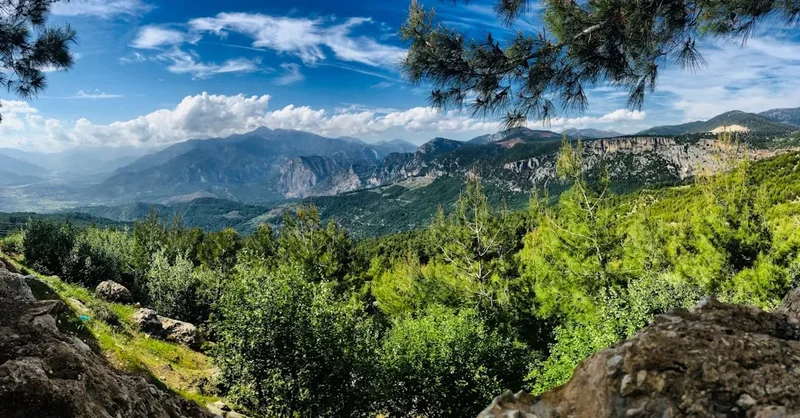
Panoramic Viewpoints: As you ascend, there are several natural clearings or higher points along the trail that offer expansive views of the surrounding valleys and distant mountain ranges. These are excellent spots for a brief rest, to take photographs, and to appreciate the scale of the landscape.
Karagol Lake Itself: The destination is the primary point of interest. The lake's pristine, dark waters, often reflecting the surrounding trees and sky, create a serene and almost mystical atmosphere. The clarity of the water allows you to see the lakebed in shallower areas. It's an ideal location for quiet contemplation, photography, and enjoying a packed lunch in a beautiful natural setting.
Flora and Fauna: Keep an eye out for the local flora and fauna. Depending on the season, you might spot various wildflowers, fungi, and bird species. The area is a habitat for diverse plant life adapted to the mountain climate.
The Access Road: The drive to the trailhead itself can be considered a point of interest. The route often passes through charming rural landscapes, offering glimpses of local life and agricultural practices in the Bolu region.
Leave No Trace
The Karagol Lake Trail traverses a beautiful natural environment, and it is crucial for all visitors to practice Leave No Trace principles to preserve its pristine condition for future generations. These principles are designed to minimise human impact on the natural world.
Your responsibility as a hiker:
- Plan Ahead and Prepare: Know the trail, weather conditions, and any regulations before you go. Pack appropriately for the conditions.
- Travel and Camp on Durable Surfaces: Stick to the marked trail. Avoid walking on vegetation or creating new paths, as this can damage fragile ecosystems.
- Dispose of Waste Properly: Pack out everything you pack in. This includes all food scraps, wrappers, and any other litter. Use designated bins if available at the trailhead, but never leave waste behind.
- Leave What You Find: Do not take natural objects such as rocks, plants, or flowers. Leave them for others to enjoy and for the ecosystem to thrive.
- Minimise Campfire Impacts: Campfires are generally not permitted on day hikes and should be avoided. If permitted in designated areas (which is unlikely for this day hike), use established fire rings and ensure fires are completely extinguished.
- Respect Wildlife: Observe wildlife from a distance. Never feed animals, as this can disrupt their natural behaviours and diets, and can be harmful to their health.
- Be Considerate of Other Visitors: Keep noise levels down, yield to other hikers, and maintain a respectful attitude towards fellow visitors and the natural environment.
By adhering to these principles, you help ensure that the Karagol Lake Trail remains a beautiful and healthy natural space for everyone to enjoy.