
Kapuche Glacier Lake Hike
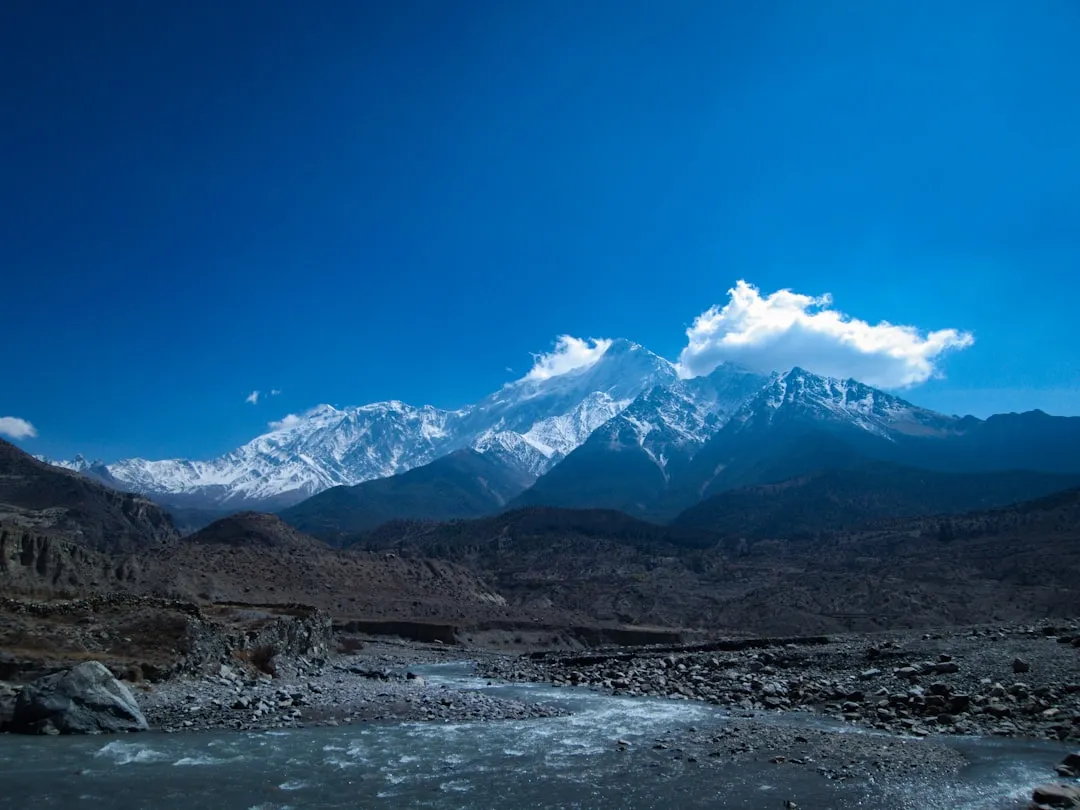
The Kapuche Glacier Lake Hike is a breathtaking day walk located in the Annapurna region of Nepal, offering unparalleled views of the Annapurna mountain range and a stunning glacial lake. This trail is renowned for its accessibility as a day hike, yet it delivers an experience typically associated with multi-day treks, including dramatic alpine scenery, challenging ascents, and the reward of a pristine, high-altitude lake.
- Distance: 15.0 km one-way
- Duration: 6–8 hours round trip
- Elevation gain: 800 m
- Difficulty: Moderate
- Season: October–November (autumn) or March–May (spring)
- Closest City: Pokhara
- Trailhead Access: Jeep/taxi from Pokhara to Kimrong (approx. 4–5 hours)
- Permits: TIMS card and Annapurna Conservation Area Permit (ACAP) required
Overview
The Kapuche Glacier Lake Hike is a gem for trekkers seeking a challenging yet rewarding day trip from Pokhara, Nepal. This trail ascends steeply through diverse landscapes, starting from the lower foothills and climbing towards the dramatic alpine environment surrounding the Kapuche Glacier. The journey is characterised by its significant elevation gain over a relatively short distance, demanding good physical fitness and a steady pace. As you climb, the vegetation transitions from lush rhododendron forests and terraced fields to sparser alpine scrub and rocky terrain, offering increasingly expansive vistas of the Annapurna South, Hiunchuli, and Machhapuchhre (Fishtail) peaks.
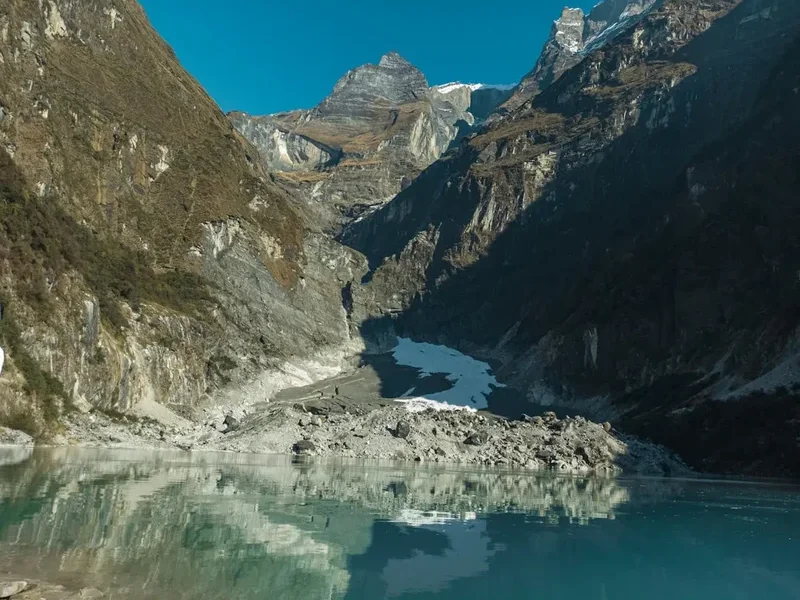
The highlight of the trek is undoubtedly Kapuche Glacier Lake itself. Nestled at the foot of the Kapuche Glacier, the lake is a mesmerizing turquoise colour, fed by glacial meltwater. The sheer scale of the surrounding mountains, combined with the raw beauty of the glacial lake and the active glacier, creates a profoundly awe-inspiring atmosphere. The air is crisp and cool, and the silence is broken only by the sounds of nature – the wind, the distant rumble of the glacier, and perhaps the calls of high-altitude birds. This hike is a testament to the accessibility of Nepal's majestic Himalayan scenery, offering a taste of the high mountains without the commitment of a multi-day expedition.
The trail is well-defined but can be steep and rocky in places, particularly in the upper sections. The moderate difficulty rating reflects the sustained climb and the altitude, which can affect some walkers. However, the well-trodden path and the clear destination make it a popular choice for those with a single day to spare for an unforgettable mountain experience. The best times to undertake this hike are during the autumn (October-November) and spring (March-May) months, when the skies are typically clear, offering excellent mountain views, and the temperatures are moderate.
History and Cultural Context
The region surrounding Kapuche Glacier Lake, like much of the Annapurna Conservation Area, has a rich history intertwined with local Gurung and Magar communities. These communities have traditionally relied on agriculture and animal husbandry, with their lives deeply connected to the rhythms of the mountains. For centuries, these trails have served as vital routes for local people, connecting villages and providing access to grazing lands and medicinal plants.
The specific history of Kapuche Glacier Lake as a trekking destination is more recent. As Nepal's tourism industry developed, particularly after the establishment of the Annapurna Conservation Area Project (ACAP) in 1986, previously remote areas began to open up to trekkers. The Kapuche Glacier Lake hike, while not as historically significant as ancient trade routes or pilgrimage paths, has gained popularity due to its spectacular scenery and its status as one of the lowest-altitude glacial lakes accessible as a day hike in the Annapurna region. Its accessibility from Pokhara has made it an attractive option for travellers seeking a quick immersion into the Himalayan grandeur.
The development of this trail has brought economic benefits to the local communities through increased tourism, providing employment opportunities for guides, porters, and teahouse owners. However, it also brings the responsibility of managing tourism sustainably to protect the fragile alpine environment and preserve the cultural heritage of the region.
Seasonal Highlights and Weather Reality
The Kapuche Glacier Lake Hike is best enjoyed during specific seasons, each offering a unique experience and set of conditions:
Autumn (October–November): This is widely considered the prime season for this hike. The monsoon rains have ceased, leaving the air clear and the skies a brilliant blue. Mountain views are at their most spectacular, with the Annapurna range standing out in sharp relief. Temperatures are pleasant, ranging from cool mornings to mild afternoons. The rhododendron forests, though past their peak bloom, are still beautiful, and the overall trekking experience is comfortable and visually stunning. This is the period of lowest humidity and minimal rainfall.
Spring (March–May): Another excellent season for the hike. The weather is generally warm and pleasant, with clear skies offering good mountain visibility. This is also the season when the rhododendron forests burst into vibrant bloom, painting the lower slopes with vivid reds, pinks, and whites. While the mountain views are excellent, they can sometimes be slightly hazier than in autumn due to increased dust and pollen in the air. Temperatures are warmer than in autumn, which can make the ascent feel more strenuous, especially in the midday sun.
Monsoon (June–September): This season is generally not recommended for the Kapuche Glacier Lake hike. Heavy rainfall is frequent, leading to muddy and slippery trails, reduced visibility of the mountains due to cloud cover, and an increased risk of landslides. While the landscape is lush and green, the primary draw – the panoramic mountain views – is often obscured. The trails can become challenging to navigate, and the overall experience is significantly diminished.
Winter (December–February): While possible, winter offers a different kind of experience. Temperatures can be very cold, especially at higher elevations and in the early mornings and evenings. Snowfall is possible, particularly on the upper reaches of the trail, which can make it treacherous without appropriate winter gear and experience. However, on clear winter days, the snow-capped peaks offer a starkly beautiful landscape, and there are fewer crowds. The lake itself may be partially frozen.
Weather Reality: Regardless of the season, mountain weather is unpredictable. Even during the best seasons, conditions can change rapidly. Hikers should always be prepared for sudden shifts in temperature, wind, and precipitation. The altitude means that even on a sunny day, the wind can feel biting, and temperatures can drop significantly, especially near the glacier lake.
Recommended Itinerary
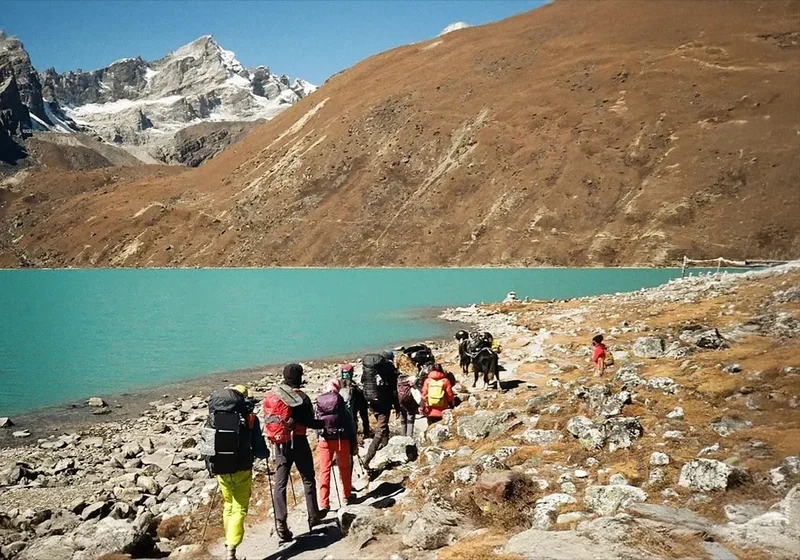
Kapuche Glacier Lake Day Hike Itinerary
Early Morning (6:00 AM - 7:00 AM): Departure from Pokhara
- Arrange a jeep or taxi from Pokhara to Kimrong (trailhead).
- The journey takes approximately 4–5 hours, often on rough, unpaved roads, requiring a 4x4 vehicle.
- Enjoy the changing scenery as you leave the city and enter rural landscapes.
Morning (11:00 AM - 12:00 PM): Arrival at Kimrong and Start of Hike
- Arrive at Kimrong, the designated trailhead.
- Final preparations: check gear, have a quick snack, and begin the ascent.
- The initial part of the trail is often through terraced fields and local villages.
Late Morning to Midday (12:00 PM - 2:00 PM): Ascent through Forests
- The trail begins to climb more steeply, entering rhododendron and pine forests.
- You will gain significant elevation during this phase.
- Keep an eye out for local flora and fauna.
- The air becomes cooler and fresher as you ascend.
Afternoon (2:00 PM - 3:30 PM): Reaching Kapuche Glacier Lake
- The terrain becomes more rugged and rocky as you approach the glacier.
- You will start to hear the sounds of the glacier and see the lake.
- Arrive at Kapuche Glacier Lake.
- Spend time admiring the lake, the glacier, and the surrounding peaks (Annapurna South, Hiunchuli, Machhapuchhre).
- Take photos and enjoy the serene, high-altitude environment.
Late Afternoon (3:30 PM - 5:30 PM): Descent to Kimrong
- Begin the descent back towards Kimrong.
- The descent can be faster but requires careful footing, especially on loose or rocky sections.
- Enjoy the changing light and views as you descend.
Evening (5:30 PM - 6:30 PM): Return Journey to Pokhara
- Arrive back at Kimrong.
- Meet your pre-arranged jeep/taxi for the return journey to Pokhara.
- The drive back will take approximately 4–5 hours.
Important Notes:
- This is a strenuous day hike due to the significant elevation gain.
- Carry plenty of water and high-energy snacks.
- Wear sturdy hiking boots and layered clothing.
- Be prepared for changing weather conditions.
- The road to Kimrong can be rough; a 4x4 vehicle is highly recommended.
- No accommodation is available on this trail; it is strictly a day hike.
Planning and Bookings
Book Your Trip
Everything you need to plan your journey
Accommodation
Find places to stay near Pokhara
Flights
Search flights to Pokhara
Essential Preparation
The Kapuche Glacier Lake Hike is a demanding day trip that requires careful planning to ensure a safe and enjoyable experience. Given its location and the nature of the terrain, preparation is key. The closest major city and logistical hub is Pokhara. From Pokhara, you will need to arrange transportation to the trailhead at Kimrong. This typically involves hiring a jeep or a 4x4 vehicle, as the road conditions are often rough, unpaved, and can be challenging, especially after rain. The drive itself can take 4–5 hours, so an early start from Pokhara is essential to allow ample time for the hike and the return journey.
Fitness is a crucial aspect of preparation. The hike involves a significant elevation gain of 800 metres over a distance of approximately 7.5 km to the lake (one way), meaning a sustained and steep ascent. Individuals should be comfortable with hiking for 6–8 hours round trip, including a challenging climb. It is advisable to have a good level of cardiovascular fitness and leg strength. Acclimatisation is less of a concern for a day hike compared to multi-day treks, but being well-rested before the hike is important. Ensure you have all necessary permits (TIMS card and ACAP) obtained in Pokhara before heading to the trailhead.
Trail Accommodation
This is a day hike requiring no overnight accommodation.
Required Gear
- Sturdy Hiking Boots: Waterproof and with good ankle support are essential for navigating the steep and potentially rocky terrain. Ensure they are well broken-in to prevent blisters.
- Waterproof and Windproof Jacket: Mountain weather can change rapidly. A good quality jacket is vital for protection against rain and wind, especially at higher altitudes and near the glacier.
- Warm Layers: Bring fleece or down jackets, thermal base layers (merino wool or synthetic), and a warm hat and gloves. Temperatures can be significantly colder at the lake and glacier compared to Pokhara.
- Sun Protection: High SPF sunscreen, sunglasses, and a wide-brimmed hat are necessary, as the sun's rays are intense at altitude, even on cloudy days.
- Backpack: A comfortable daypack (20–30 litres) to carry water, snacks, extra clothing, and personal items. A rain cover for the backpack is also recommended.
- Head Torch: Essential in case of a delayed descent or if starting very early. Ensure it has fresh batteries.
- First-Aid Kit: Include essentials like blister plasters, pain relievers, antiseptic wipes, bandages, and any personal medications.
- Trekking Poles: Highly recommended for the steep ascents and descents, as they help reduce strain on knees and improve balance.
What to Bring
- Water: Carry at least 2–3 litres of water per person. Water sources may be available along the trail, but purification (filter or tablets) is strongly advised.
- Food: High-energy snacks such as nuts, dried fruit, energy bars, and chocolate are crucial for maintaining energy levels during the hike. A packed lunch is also recommended.
- Toiletries: Biodegradable wet wipes, hand sanitiser, and any personal hygiene items.
- Camera: To capture the stunning scenery and the glacial lake. Ensure you have spare batteries or a power bank.
- Mobile Phone: For emergencies, though signal coverage may be intermittent.
- Cash: Small denominations of Nepali Rupees for any unexpected purchases or in case of emergencies.
- Permits: TIMS card and ACAP permit.
Permits
To undertake the Kapuche Glacier Lake Hike, trekkers are required to obtain two essential permits: the Trekkers' Information Management System (TIMS) card and the Annapurna Conservation Area Permit (ACAP). These permits are crucial for ensuring the safety of trekkers and for contributing to the conservation efforts within the Annapurna region.
TIMS Card: The TIMS card is a mandatory permit for all trekkers in Nepal. It helps in managing trekking activities, ensuring trekkers are registered, and providing a database for rescue operations. TIMS cards can be obtained from the Nepal Tourism Board office in Kathmandu or Pokhara, or through registered trekking agencies.
Annapurna Conservation Area Permit (ACAP): This permit is required for entry into the Annapurna Conservation Area, which encompasses the Kapuche Glacier Lake. The ACAP fee contributes directly to the conservation of the region's natural resources, biodiversity, and the welfare of local communities. ACAP permits can also be obtained from the Nepal Tourism Board office in Kathmandu or Pokhara, or from designated check points in the Annapurna region.
Where to Obtain Permits:
- Pokhara: The most convenient place to obtain both TIMS cards and ACAP permits for this hike is in Pokhara. The Nepal Tourism Board office in Pokhara or various trekking agencies can assist you. It is advisable to get these permits a day or two before your planned hike to avoid last-minute rushes.
- Kathmandu: If you are starting your Nepal journey in Kathmandu, you can obtain the permits from the Nepal Tourism Board office there.
Cost of Permits (subject to change):
- TIMS Card: Approximately NPR 2,000 for individual trekkers (check current rates).
- ACAP Permit: Approximately NPR 3,000 for foreign trekkers (check current rates).
It is essential to carry your permits with you at all times during the hike, as they may be checked at various points along the trail or at the trailhead.
Other Activities in the Area
While the Kapuche Glacier Lake Hike is a spectacular day trip, Pokhara and its surrounding areas offer a wealth of other activities for travellers:
- Boating on Phewa Lake: Enjoy a serene boat ride on the largest lake in Pokhara, with stunning reflections of the Annapurna range. Visit the Tal Barahi Temple located on an island in the middle of the lake.
- Paragliding: Pokhara is a world-renowned destination for paragliding, offering breathtaking aerial views of the Himalayas, lakes, and valleys.
- Zip Flyer: Experience one of the world's longest and steepest zip lines, offering an adrenaline-pumping ride with incredible scenery.
- World Peace Pagoda: Hike or drive up to this iconic stupa for panoramic views of Pokhara Valley, Phewa Lake, and the Annapurna massif.
- Sarangkot Sunrise Viewpoint: Wake up early for a spectacular sunrise over the Himalayas from Sarangkot, a popular viewpoint accessible by road or a short hike.
- Devi's Fall and Gupteshwor Cave: Explore these natural attractions, including a waterfall that disappears into an underground cave system.
- International Mountain Museum: Learn about the history of mountaineering in Nepal, the cultures of mountain communities, and the geography of the Himalayas.
- Day Hikes: Explore other shorter hiking routes around Pokhara, such as the hike to the Australian Camp or Dhampus village, offering different perspectives of the Annapurna range.
Safety and Conditions
Pre-Hike Checks:
- Weather Forecast: Always check the latest weather forecast for the Pokhara region and the higher altitudes before you set out. Mountain weather can be unpredictable and change rapidly.
- Road Conditions: Inquire about the current road conditions to Kimrong. Heavy rainfall can make the road impassable for regular vehicles, necessitating a 4x4.
- Trail Conditions: While generally well-maintained, the trail can become slippery and muddy after rain, especially in the forested sections. The upper, rocky parts can be challenging.
Altitude Considerations: While this is a day hike, the elevation gain is significant (800m). Listen to your body. If you experience symptoms of altitude sickness (headache, nausea, dizziness), descend immediately. Staying hydrated and moving at a steady pace can help mitigate these risks.
Trail Hazards:
- Steep Terrain: The trail is steep in many sections, requiring careful footing.
- Loose Rocks: Be mindful of loose rocks, especially on the descent.
- Slippery Surfaces: Mud and wet rocks can make the trail slippery, particularly during or after rainfall.
- Sun Exposure: The sun can be intense at higher altitudes. Ensure you are protected with sunscreen, a hat, and sunglasses.
- Cold Temperatures: The temperature near the glacier lake can be significantly colder than in Pokhara. Be prepared with warm clothing.
Emergency Preparedness:
- Mobile Signal: Mobile phone coverage can be intermittent along the trail. Ensure your phone is fully charged.
- Emergency Contacts: Have the contact details of your trekking agency, local emergency services, and your accommodation in Pokhara readily available.
- First-Aid: Carry a comprehensive first-aid kit and know how to use its contents.
- Guides: Hiring a local guide is highly recommended. They are familiar with the trail, weather patterns, and can assist in emergencies.
Travel Insurance: It is strongly advised to have comprehensive travel insurance that covers trekking activities and potential emergency evacuation.
Side Trips and Points of Interest
Kapuche Glacier Lake: The primary destination, this stunning turquoise lake sits at the foot of the Kapuche Glacier. The sheer scale of the surrounding Annapurna peaks – Annapurna South, Hiunchuli, and Machhapuchhre – provides a dramatic backdrop. The active glacier itself is a powerful natural spectacle, and the lake is a testament to the raw beauty of glacial landscapes.
Kapuche Glacier: While you cannot walk on the glacier itself due to safety concerns, observing its immense size and the meltwater feeding the lake is a highlight. The sounds of the glacier, such as creaking ice and falling debris, add to the wild atmosphere.
Panoramic Mountain Views: Throughout the hike, and especially as you gain altitude, you will be treated to breathtaking panoramic views of the Annapurna mountain range. Annapurna South (7,219m), Hiunchuli (6,441m), and the iconic Machhapuchhre (Fishtail, 6,993m) are prominent features. These views are particularly spectacular on clear days during the autumn and spring seasons.
Rhododendron Forests: During the spring season (March-May), the lower and middle sections of the trail are adorned with vibrant rhododendron blooms. These forests, a signature of the Nepalese Himalayas, add a splash of colour and natural beauty to the trek.
Terraced Fields and Local Villages: The initial part of the hike passes through agricultural landscapes and small villages. Observing the traditional farming methods and the way of life of the local Gurung and Magar communities offers a glimpse into rural Nepalese culture.
Diverse Flora and Fauna: As you ascend, you will encounter a variety of plant life, from subtropical vegetation at lower altitudes to alpine shrubs and hardy mountain flora higher up. Keep an eye out for local bird species that inhabit these mountain environments.
Leave No Trace
The Kapuche Glacier Lake Hike traverses a pristine alpine environment within the Annapurna Conservation Area. It is imperative that all visitors adhere to Leave No Trace principles to preserve the natural beauty and ecological integrity of this fragile ecosystem for future generations.
Plan Ahead and Prepare: Research the trail, understand its challenges, and pack appropriately. Ensure you have the necessary permits and are physically prepared for the strenuous ascent.
Travel and Camp on Durable Surfaces: Stick to the marked trail at all times. Avoid cutting switchbacks or walking on vegetation, which can cause erosion and damage delicate plant life. The trail itself is the designated durable surface.
Dispose of Waste Properly: Pack out everything you pack in. This includes all food wrappers, fruit peels, and any other refuse. There are no bins along the trail. Use designated toilet facilities where available, or dig a cathole at least 60 metres away from water sources, trails, and campsites if necessary (though this is a day hike, so waste disposal is primarily about packing out). Carry out all toilet paper.
Leave What You Find: Do not take any natural souvenirs, such as rocks, plants, or flowers. Respect the natural environment and leave it as you found it.
Minimize Campfire Impacts: This is a day hike, so campfires are not applicable. However, if you were to camp in the wider region, always use established fire rings and keep fires small and manageable.
Respect Wildlife: Observe wildlife from a distance and never feed them. Feeding wild animals can alter their natural behaviours and diets, and can be harmful to their health.
Be Considerate of Other Visitors: Keep noise levels down, especially in natural settings. Yield to uphill hikers. Be courteous and respectful of local culture and customs.
By following these principles, you help ensure that the Kapuche Glacier Lake remains a beautiful and wild place for everyone to enjoy.
 Nepal
Nepal