
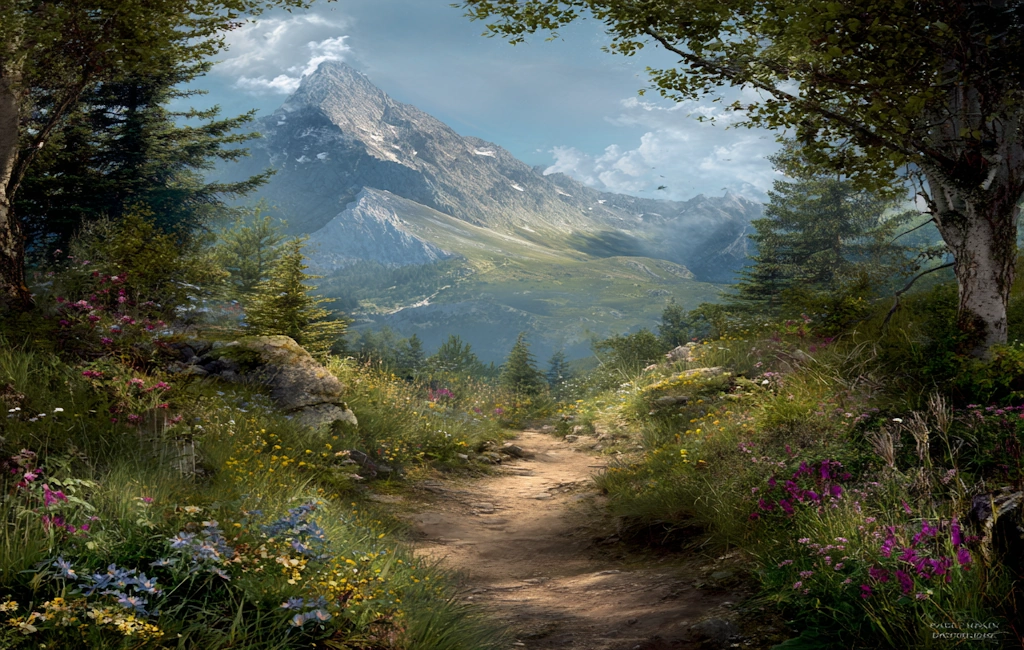
Kangaroo Island Wilderness Trail
The Kangaroo Island Wilderness Trail is a spectacular 61-kilometre, five-day journey across the rugged western end of South Australia's iconic Kangaroo Island. This trail offers an immersive experience through diverse landscapes, from coastal heathlands and dramatic cliff tops to ancient eucalyptus forests and secluded beaches. It's a chance to connect with nature, witness abundant wildlife in its natural habitat, and explore one of Australia's most pristine natural environments. The trail is designed for independent walkers, providing a challenging yet rewarding adventure for those seeking a true wilderness escape.
- Distance: 61.0 km one-way
- Duration: 5 days / 4 nights
- Season: October to April (Spring, Summer, Autumn)
- Accommodation: Huts and campsites
- Highest point: Varies, generally coastal and rolling terrain
- Daily walkers: No daily limit, but bookings essential for accommodation
- Direction: West to East (Flinders Chase Visitor Centre to West End River Mouth)
Overview
The Kangaroo Island Wilderness Trail is a testament to the raw, untamed beauty of South Australia's largest island. Stretching 61 kilometres across the island's western extremity, it traverses a remarkable mosaic of ecosystems. The trail begins at the iconic Flinders Chase Visitor Centre, a gateway to the island's natural wonders, and concludes at the remote West End River Mouth, a secluded coastal location accessible only by foot. This journey is a deep dive into a landscape shaped by wind, sea, and time, offering encounters with unique Australian flora and fauna.
Each day presents a distinct character. You'll walk through dense coastal scrub, where the air is thick with the scent of eucalyptus and the calls of unseen birds. Dramatic cliff-top sections offer breathtaking ocean vistas, with the Southern Ocean stretching endlessly before you. Inland, ancient forests provide a cool, shaded respite, their towering trees a stark contrast to the open coastal plains. The trail is punctuated by opportunities to spot kangaroos, wallabies, echidnas, and a myriad of bird species, including the endangered glossy black-cockatoo. The soundscape is dominated by the crashing waves, the rustling leaves, and the calls of wildlife, creating a truly immersive natural experience.
While the trail is not technically demanding, its length and the variable terrain require a good level of fitness and preparedness. The remoteness of the western end means self-sufficiency is key. The reward for your efforts is unparalleled: solitude, stunning natural beauty, and a profound connection with a wild and precious environment. The Kangaroo Island Wilderness Trail is more than just a walk; it's an expedition into the heart of an island sanctuary.
History and Cultural Context
Kangaroo Island has a rich human history stretching back millennia. Archaeological evidence suggests Indigenous Australians, likely the Peramangk people, visited the island thousands of years ago, using it as a source of food and resources. These visits were likely seasonal, with the challenging sea crossing making permanent settlement unlikely. The island holds significant cultural and spiritual importance for Indigenous Australians, representing a connection to ancestral lands and traditional practices.
European exploration of Kangaroo Island began in the early 19th century. Matthew Flinders charted the island in 1802, naming it "Kanguroo Island" due to the abundance of kangaroos he observed. This discovery, however, also marked the beginning of significant changes. Whalers and sealers soon followed, exploiting the island's natural resources. Later, in the 1830s, the island became a focal point for early British colonisation efforts, with settlers establishing farms and pastoral leases, often in conflict with the island's natural inhabitants and the Indigenous heritage.
The western end of Kangaroo Island, where the Wilderness Trail is located, has remained largely undeveloped and protected. Flinders Chase National Park, established in 1919, was one of South Australia's first national parks, safeguarding a significant portion of the island's unique biodiversity. The creation of the Wilderness Trail in recent years represents a modern effort to provide managed access to this pristine environment, allowing visitors to experience its natural grandeur while ensuring its long-term preservation. The trail's route often follows historic tracks and routes used by early settlers and park rangers, connecting modern walkers to the island's layered past.
Seasonal Highlights and Weather Reality
The Kangaroo Island Wilderness Trail is best experienced during the warmer months, from October to April. This period generally offers the most stable weather conditions, with longer daylight hours and lower rainfall.
Spring (October–November): This is a particularly beautiful time to walk. The landscape bursts into bloom with wildflowers, and the weather is typically mild and pleasant. Wildlife is active, with young animals often seen. Temperatures are generally comfortable for walking, ranging from 10°C to 20°C.
Summer (December–February): Summer brings warmer temperatures, often reaching the mid-20s Celsius and occasionally higher. While days are long and sunny, heat can be a factor, especially on exposed coastal sections. It's crucial to carry ample water and protect yourself from the sun. The sea breeze can offer some relief, but inland sections can feel very warm.
Autumn (March–April): Autumn offers a transition to cooler, more settled weather. Temperatures are pleasant, typically ranging from 15°C to 25°C. The humidity decreases, and the risk of heatwaves lessens. This can be an ideal time for walking, with fewer crowds and comfortable conditions. Rainfall may start to increase towards the end of April.
Winter (May–September): While the trail is technically open year-round, winter is generally not recommended for the Wilderness Trail. This period is characterised by cooler temperatures (5°C to 15°C), higher rainfall, and stronger winds. The trail can become muddy and challenging, and some sections may be affected by weather. Wildlife viewing might also be less predictable.
Weather Considerations: Kangaroo Island's weather can be unpredictable, even during the recommended season. Coastal winds can be strong and persistent, and sudden changes in temperature or rainfall are possible. Always check the forecast before you depart and be prepared for a range of conditions.
Recommended Itinerary
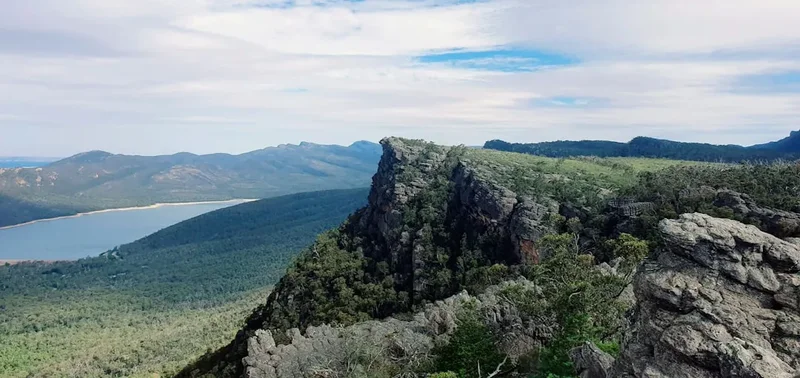
5-Day Kangaroo Island Wilderness Trail Itinerary
Day 1: Flinders Chase Visitor Centre to Rocky River Campground
- Distance: 12.0 km
- Elevation gain: Moderate rolling terrain
- Time: 3–4 hours
- Start at Flinders Chase Visitor Centre
- Walk through diverse coastal heath and woodlands
- Pass by iconic Remarkable Rocks and Admirals Arch
- Arrive at Rocky River Campground
- Set up camp and explore the immediate surroundings
- Opportunity to spot wallabies and diverse birdlife
Day 2: Rocky River Campground to Shackleford Hut
- Distance: 15.0 km
- Elevation gain: Rolling terrain with some ascents
- Time: 4–5 hours
- Continue through coastal scrub and eucalyptus forests
- Experience stunning ocean views from cliff-top sections
- Pass through areas known for echidna sightings
- Arrive at Shackleford Hut
- Enjoy the remote coastal setting
Day 3: Shackleford Hut to Middle River Hut
- Distance: 14.0 km
- Elevation gain: Varied, including some steeper climbs
- Time: 4–5 hours
- Journey inland through denser eucalyptus forests
- Cross creeks and potentially encounter seasonal watercourses
- Observe changes in vegetation and wildlife
- Arrive at Middle River Hut
- A more sheltered, inland experience compared to previous days
Day 4: Middle River Hut to Grassdale Hut
- Distance: 13.0 km
- Elevation gain: Gentle rolling terrain
- Time: 3–4 hours
- Walk through a mix of open grasslands and woodland
- Potential for sightings of kangaroos and emus
- Pass through areas with historical significance
- Arrive at Grassdale Hut
- Enjoy the expansive views and open country
Day 5: Grassdale Hut to West End River Mouth
- Distance: 7.0 km
- Elevation gain: Mostly downhill and flat towards the coast
- Time: 2–3 hours
- Final section of the trail, descending towards the coast
- Experience the rugged beauty of the western coastline
- Arrive at the West End River Mouth, the trail's end
- Arrange for pre-booked transport from this remote location
Important Notes:
- All accommodation (huts and campsites) must be booked in advance.
- Water sources can be seasonal; carry sufficient water or be prepared to treat it.
- The trail is remote; self-sufficiency is essential.
- Weather can change rapidly; be prepared for all conditions.
- Wildlife encounters are common; maintain a safe distance.
Planning and Bookings
Book Your Trip
Everything you need to plan your journey
Accommodation
Find places to stay near Kingscote
Flights
Search flights to Kingscote
Essential Preparation
The Kangaroo Island Wilderness Trail requires careful planning due to its remote location and the need for self-sufficiency. The closest major city is Adelaide, from which you will need to take a ferry or a short flight to Kangaroo Island. Kingscote is the main town on the island, offering essential services like supermarkets, pharmacies, and accommodation. However, the Wilderness Trail is located at the western end of the island, approximately a 2-hour drive from Kingscote. It is highly recommended to arrange transport and supplies in Kingscote before heading to the trailhead at Flinders Chase Visitor Centre.
Fitness is a key consideration. While not technically difficult, the trail's length and the need to carry all your supplies for five days demand a good level of cardiovascular fitness and endurance. Practice walking with a fully loaded pack in the weeks leading up to your trip. Familiarise yourself with the route using maps and the provided trail notes. Ensure you have a reliable way to communicate in emergencies, as mobile phone coverage is extremely limited along the trail.
Trail Accommodation
The Kangaroo Island Wilderness Trail offers a combination of huts and designated campsites for overnight stays. All accommodation must be booked in advance through the relevant authorities.
Huts:
- Types: Basic, purpose-built huts are located at strategic points along the trail (e.g., Shackleford Hut, Middle River Hut, Grassdale Hut).
- Facilities: Huts typically provide sleeping platforms or bunks (bring your own sleeping bag and mat), a communal area, and basic cooking facilities (e.g., gas stoves, bench space). Water is usually available from nearby sources but requires treatment. Toilets are typically composting or pit toilets.
- What's NOT provided: Food, cooking utensils, pots, pans, cutlery, bedding, electricity, heating, or charging facilities.
- Seasonal Availability: Huts are generally available year-round, but booking is essential.
- Costs: Fees apply per person per night. Specific costs should be verified at the time of booking.
Campsites:
- Types: Designated campsites are available at some locations, including Rocky River Campground at the start of the trail.
- Facilities: Campsites usually offer a flat area for pitching a tent, access to water (treatment required), and nearby toilet facilities. Some may have basic shelters or picnic tables.
- What's NOT provided: Tents, sleeping gear, food, cooking equipment, electricity.
- Seasonal Availability: Campsites are generally available year-round, but booking is essential.
- Costs: Fees apply per person per night.
Booking Requirements: Accommodation must be booked online in advance. Availability can be limited, especially during peak seasons, so early booking is highly recommended.
Required Gear
- Sturdy hiking boots: Waterproof, well-worn-in boots with good ankle support are essential for varied terrain.
- Backpack: A comfortable, well-fitting backpack (50-70 litres) with a rain cover.
- Waterproof jacket and overtrousers: Essential for protection against wind and rain, which can occur unexpectedly.
- Warm layers: Including thermal base layers, fleece or down mid-layers, and a warm hat and gloves. Temperatures can drop significantly, especially in the evenings and at higher elevations.
- Sleeping bag: A 3-season sleeping bag rated for temperatures down to 0-5°C is recommended.
- Sleeping mat: For insulation and comfort on hut bunks or campsites.
- Head torch or flashlight: With spare batteries, as huts and campsites have no lighting.
- Navigation tools: Map of the trail, compass, and/or GPS device. Mobile phone reception is unreliable.
- First-aid kit: Comprehensive kit including blister treatment, pain relievers, antiseptic wipes, bandages, and any personal medications.
- Sun protection: High SPF sunscreen, wide-brimmed hat, and sunglasses.
- Insect repellent: Particularly important for sandflies and mosquitoes, especially near water sources.
What to Bring
- Food: Sufficient non-perishable food for five days, including breakfast, lunch, dinner, and snacks. Plan meals carefully to minimise weight.
- Water bottles or hydration reservoir: Capacity for at least 2-3 litres per person.
- Water treatment: Water filter, purification tablets, or a method to boil water, as all water sources must be treated.
- Cooking equipment: Lightweight camping stove, fuel, pot, mug, bowl, and eating utensils.
- Toiletries: Biodegradable soap, toothbrush, toothpaste, toilet paper, hand sanitiser, and any personal hygiene items.
- Trowel: For burying human waste if away from designated toilets (follow Leave No Trace principles).
- Rubbish bags: To pack out all waste, including food scraps.
- Repair kit: Duct tape, cordage, safety pins for gear repairs.
- Personal items: Camera, book, journal, binoculars.
- Cash: For any unexpected needs or purchases in Kingscote.
Permits
Access to the Kangaroo Island Wilderness Trail and its associated accommodation requires booking and payment of fees. These bookings are managed through the South Australian National Parks and Wildlife Service or their designated booking system.
Booking Process:
- Online Booking: The primary method for securing your spot is through the official South Australian National Parks and Wildlife Service website.
- Advance Booking: It is highly recommended to book well in advance, especially if you plan to walk during peak season (spring and autumn). Availability can be limited, and popular dates can sell out quickly.
- Accommodation Types: When booking, you will select your preferred accommodation type (hut or campsite) for each night of your itinerary.
- Permit Fees: Fees are charged per person, per night, for the use of huts and campsites. These fees contribute to the maintenance and upkeep of the trail and facilities.
- Park Entry Fees: While the trail itself may not have a separate entry fee, Flinders Chase National Park, where the trail begins, typically has an entry fee. This is usually covered by the accommodation booking or can be paid separately.
Important Considerations:
- Flexibility: Have a few alternative date options in mind when booking, as popular periods can fill up fast.
- Group Size: Be aware of any group size limitations for bookings.
- Cancellation Policy: Familiarise yourself with the cancellation policy in case your plans change.
- Confirmation: Ensure you receive a booking confirmation and keep a copy with you during your walk.
Contact Information: For the most up-to-date information on booking procedures, fees, and availability, it is advisable to visit the official website of the South Australian National Parks and Wildlife Service or contact their visitor information centre directly.
Other Activities in the Area
The western end of Kangaroo Island, particularly around Flinders Chase National Park, offers a wealth of activities beyond the Wilderness Trail itself:
- Flinders Chase National Park Exploration: Dedicate time to exploring the park's iconic landmarks before or after your hike.
- Remarkable Rocks: Marvel at these ancient, wind-sculpted granite formations, a photographer's dream.
- Admirals Arch: Witness the natural rock archway and observe the colony of New Zealand fur seals that often bask on the rocks below.
- Lighthouse Visits: The Cape du Couedic Lighthouse and the Cape Borda Lighthouse offer historical insights and stunning coastal views.
- Wildlife Spotting: Kangaroo Island is renowned for its abundant and unique wildlife. Beyond the trail, look for:
- Koalas: Often found in eucalyptus trees.
- Sea Lions: Visit Seal Bay Conservation Park (on the south coast) for guided tours to see Australian sea lions.
- Little Penguins: Observe these charming creatures at Penneshaw.
- Birds: Kangaroo Island is a birdwatcher's paradise, with many endemic and rare species.
- Scenic Drives: Explore the island's diverse landscapes by car, taking in coastal vistas, rolling hills, and agricultural land.
- Local Produce Tasting: Kangaroo Island is known for its artisanal food and drink. Visit local producers for honey, olive oil, wine, and spirits.
- Beaches: Discover secluded beaches for swimming, fishing, or simply relaxing.
Safety and Conditions
Pre-Trip Safety Checks:
- Weather Forecast: Always check the latest weather forecast for Kangaroo Island and the western region before and during your hike. Conditions can change rapidly.
- Trail Conditions: Obtain the latest information on trail conditions from the South Australian National Parks and Wildlife Service. They can advise on any closures, hazards, or recent weather impacts.
- Emergency Contacts: Ensure you have the contact details for park rangers and emergency services.
- Inform Someone: Leave your detailed itinerary, expected return time, and contact information with a reliable person.
On-Trail Safety:
- Water Management: Carry sufficient water for each day's walk, especially during warmer months. Always treat water from natural sources before drinking. Be aware that water sources can be seasonal and may dry up.
- Navigation: Stay on marked trails. Carry a map and compass and know how to use them. Mobile phone reception is extremely limited or non-existent in many areas. Consider carrying a personal locator beacon (PLB) or satellite phone for emergencies.
- Wildlife Encounters: Maintain a safe distance from all wildlife. Do not feed animals, as this can harm their health and alter their natural behaviour. Be aware of snakes, especially during warmer months.
- Terrain: The trail involves varied terrain, including uneven surfaces, rocky sections, and some steep ascents and descents. Wear appropriate footwear and take your time.
- Coastal Hazards: Be cautious on cliff-top sections, especially in windy conditions. Do not venture too close to cliff edges.
- Heat and Sun: Protect yourself from the sun with sunscreen, a hat, and sunglasses. Walk during cooler parts of the day if temperatures are high.
- Hypothermia: Even in warmer months, conditions can become cool and wet, especially with wind. Carry adequate warm and waterproof layers.
Emergency Procedures: In case of an emergency, stay calm. If you have a PLB or satellite phone, activate it. If not, try to reach a point with mobile reception or seek assistance from other walkers. Know the location of the nearest ranger station or visitor centre.
Side Trips and Points of Interest
While the Kangaroo Island Wilderness Trail is a comprehensive experience in itself, several significant landmarks and points of interest are located along or near the route, offering opportunities for exploration and enhancing the overall journey.
Remarkable Rocks: Located within Flinders Chase National Park, these ancient, weathered granite boulders are a spectacular natural sculpture garden. The trail passes close to this iconic site, allowing walkers to marvel at the intricate shapes carved by wind and sea over millions of years. The formations are particularly striking at sunrise and sunset.
Admirals Arch: Also within Flinders Chase National Park, this natural limestone archway is a dramatic coastal feature. It provides a unique vantage point to observe the colony of New Zealand fur seals that often haul out on the rocks below. The boardwalk leading to the arch offers excellent views and photo opportunities.
Cape du Couedic Lighthouse: Situated near Admirals Arch, this historic lighthouse offers panoramic views of the rugged coastline. While not directly on the trail, it's a significant landmark in the vicinity and can be visited as a short detour from the main path, particularly on Day 1.
Rocky River Campground Area: The starting point of the trail, Rocky River, is a hub for wildlife. Keep an eye out for kangaroos, wallabies, and diverse bird species in the surrounding woodlands and grasslands. The area offers a good introduction to the island's fauna.
Coastal Views: Throughout the trail, particularly on Days 1, 2, and 5, there are numerous sections offering breathtaking views of the Southern Ocean. These exposed coastal paths provide dramatic vistas of cliffs, beaches, and the vast expanse of water.
Eucalyptus Forests: Inland sections of the trail, especially on Days 3 and 4, traverse dense eucalyptus forests. These provide a different sensory experience, with the scent of eucalyptus filling the air and the sounds of the forest surrounding you. Look for koalas and various bird species within these habitats.
Leave No Trace
The Kangaroo Island Wilderness Trail traverses a fragile and unique ecosystem, home to endemic species and ancient landscapes. Adhering to Leave No Trace principles is paramount to preserving this environment for future generations and ensuring a positive experience for all visitors.
Plan Ahead and Prepare: Research the trail, understand its challenges, and pack appropriately. Know the regulations and guidelines for the area.
Travel and Camp on Durable Surfaces: Stick to the marked trail to avoid damaging vegetation. Use designated campsites and huts. If camping outside designated areas (where permitted), choose sites that are already impacted or are highly resistant to damage.
Dispose of Waste Properly: Pack out everything you pack in, including all food scraps, wrappers, and toilet paper. Use designated toilet facilities. If away from facilities, dig a cathole at least 10 metres from water sources, trails, and campsites.
Leave What You Find: Do not remove or disturb natural objects, plants, or cultural artifacts. Take only photographs and memories.
Minimise Campfire Impacts: Campfires are generally not permitted on the Kangaroo Island Wilderness Trail. Use a lightweight stove for cooking. If fires are permitted in specific areas, use established fire rings and ensure they are completely extinguished.
Respect Wildlife: Observe wildlife from a distance. Never feed animals, as this can disrupt their natural behaviours and diets. Store food securely to prevent attracting animals.
Be Considerate of Other Visitors: Keep noise levels down, especially in huts and campsites. Yield to other walkers. Respect the solitude and natural quiet of the wilderness.
By following these principles, you help protect the natural and cultural heritage of Kangaroo Island, ensuring its beauty and ecological integrity are maintained.
 Australia