
Kanchanjunga Base Camp Trek - Nepal's Hidden Gem
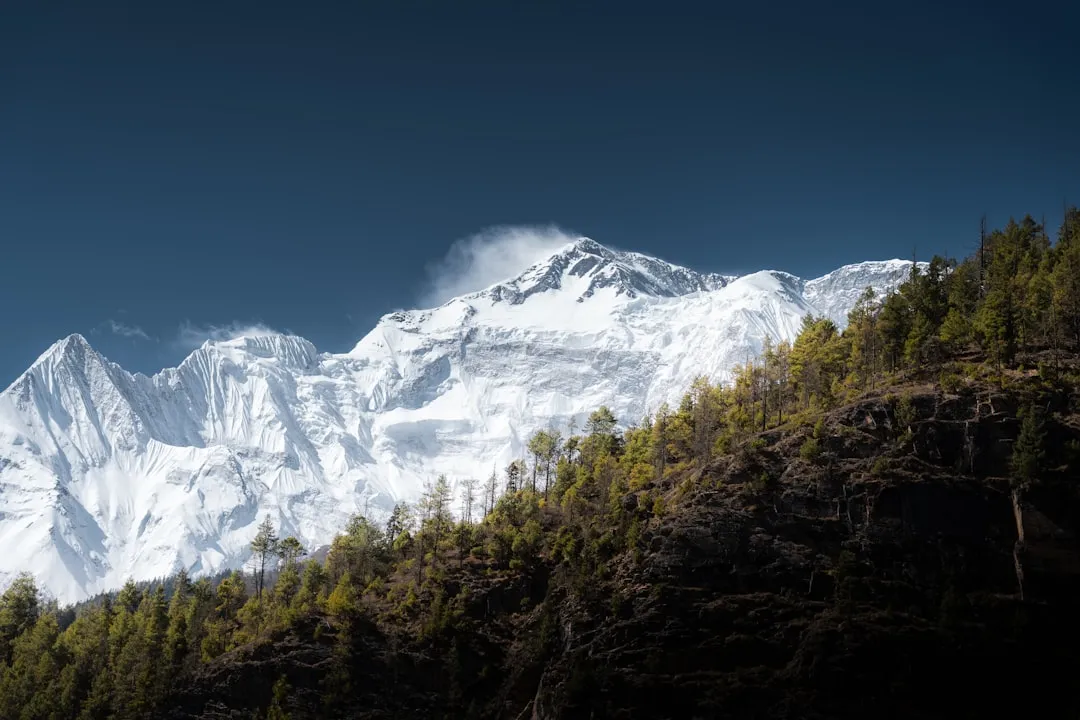
The Kanchanjunga Base Camp Trek is an epic journey into the heart of Nepal's most remote and spectacular mountain wilderness. This challenging multi-day walk leads to the foot of the world's third-highest mountain, Kanchanjunga (8,586 m), a majestic massif straddling the border between Nepal and India. Unlike more popular treks, Kanchanjunga remains relatively untouched, offering a profound sense of solitude and an authentic cultural experience as you traverse through diverse landscapes, from lush rhododendron forests and terraced fields to high alpine meadows and glacial moraines.
The trek is divided into two main routes: the North Base Camp and the South Base Camp, often combined for a comprehensive exploration of the region. This trek is not for the faint-hearted; it demands excellent physical fitness, mental fortitude, and a willingness to embrace basic teahouse accommodation and the unpredictable nature of Himalayan weather. However, the rewards are immense: unparalleled mountain vistas, encounters with unique flora and fauna, and a deep connection with the Sherpa and Rai communities who call this remote region home.
- Distance: Approximately 90 km (one-way to North Base Camp, or combined routes)
- Duration: 12–18 days (depending on route and pace)
- Season: October–November (autumn) and March–May (spring)
- Highest point: Kanchanjunga Base Camp (approx. 5,100 m)
- Difficulty: Challenging
- Accommodation: Basic teahouses/lodges
- Permits: Kanchanjunga Conservation Area Permit (KCAP), TIMS card (sometimes required)
- Closest City: Taplejung (access point)
Overview
The Kanchanjunga Base Camp Trek is a true adventure into the "Abode of the Snows," a region that has captivated mountaineers and trekkers for decades. The trek is renowned for its raw, untamed beauty and the sheer scale of the surrounding peaks. Kanchanjunga itself, meaning "Five Treasures of Snow," is a formidable presence, its five summits dominating the skyline. The trek offers a journey through a remarkable diversity of ecosystems, starting in the subtropical lowlands and ascending through temperate forests, alpine meadows, and finally into the stark, glacial environment of the high Himalayas.
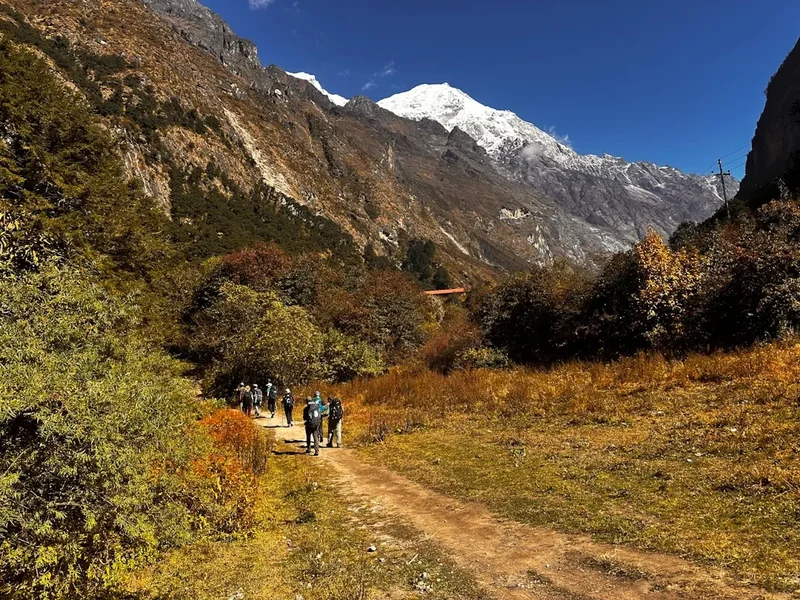
The trail is less frequented than Everest or Annapurna circuits, meaning you'll experience a greater sense of isolation and a more intimate connection with the natural environment. You'll pass through remote villages inhabited by Rai, Limbu, and Sherpa communities, offering a glimpse into traditional mountain life. The cultural immersion is as significant as the physical challenge, with opportunities to interact with locals, observe their customs, and understand their deep reverence for the mountains.
The trek typically begins from Suketar, near Taplejung, and winds its way northwards. The route to the South Base Camp (Yalung Valley) and North Base Camp (Pangpema) offers distinct but equally breathtaking experiences. The South Base Camp route ascends through lush valleys, while the North Base Camp route takes you across high passes and into more exposed alpine terrain. Both routes culminate in awe-inspiring views of Kanchanjunga and its surrounding peaks, including Jannu, Kumbhakarna, and Makalu.
This trek is a significant undertaking, requiring careful planning and preparation. The remoteness means that facilities are basic, and you must be self-sufficient in terms of food, gear, and first aid. However, for those seeking an authentic Himalayan adventure away from the crowds, Kanchanjunga offers an unforgettable experience of grandeur, solitude, and cultural richness.
History and Cultural Context
The Kanchanjunga region has a rich history intertwined with both ancient spiritual beliefs and modern mountaineering endeavours. For centuries, the local Rai, Limbu, and Sherpa communities have inhabited these valleys, their lives and cultures deeply connected to the land and the towering mountains they consider sacred. Kanchanjunga, in particular, is revered as a deity, and local legends speak of its protective spirit.
The first recorded ascent of Kanchanjunga was in 1955 by a British expedition led by George Band and Joe Brown, who reached the summit on May 25th. However, the mountain had been a subject of fascination and attempted expeditions long before this. In 1852, the Great Trigonometrical Survey of India identified Kanchanjunga as the world's highest peak, a title it held until 1856 when calculations proved Mount Everest to be taller. The early attempts to climb Kanchanjunga were fraught with peril due to its formidable technical challenges and the harsh environment.
The region remained largely closed to foreigners for many years, preserving its pristine environment and unique cultural heritage. It was only in the late 1980s that trekking permits for the Kanchanjunga Conservation Area were gradually opened up, allowing a limited number of trekkers to experience its wonders. This controlled access has been crucial in maintaining the area's ecological integrity and the traditional way of life for its inhabitants.
The establishment of the Kanchanjunga Conservation Area (KCA) in 1997 was a significant step towards protecting the region's biodiversity and supporting sustainable tourism. The KCA encompasses a vast area of diverse habitats, from subtropical forests to high-altitude alpine zones, and is home to endangered species like the snow leopard and red panda. The trek today is a testament to the balance between preserving this natural and cultural heritage and allowing responsible access for adventurers.
Seasonal Highlights and Weather Reality
The Kanchanjunga Base Camp Trek is best undertaken during two primary seasons, each offering distinct advantages and challenges:
Autumn (October–November): This is widely considered the prime trekking season for Kanchanjunga. The monsoon rains have subsided, leaving the skies clear and offering excellent visibility of the towering peaks. The air is crisp and cool, making for comfortable trekking conditions. Temperatures are moderate, though they can drop significantly at higher altitudes, especially at night. The rhododendron forests, while past their peak bloom, still offer beautiful scenery. This season provides the highest probability of stable weather and unobstructed mountain views.
Spring (March–May): Spring is another popular season, marked by warmer temperatures and the blooming of rhododendrons and other wildflowers, painting the lower slopes in vibrant colours. The weather can be more unpredictable than in autumn, with a higher chance of afternoon showers or thunderstorms. However, the longer daylight hours and the lush, verdant landscape make for a visually stunning trek. As spring progresses towards summer, the chances of haze obscuring distant views increase.
Monsoon (June–September): This season is generally not recommended for trekking in Kanchanjunga. Heavy rainfall can lead to landslides, making trails impassable and increasing the risk of travel disruptions. Visibility is poor, and the trails can be muddy and slippery. While the landscape is lush and green, the mountain views are often obscured by clouds.
Winter (December–February): Winter trekking is possible but extremely challenging. Snowfall can block high passes, and temperatures plummet to well below freezing. Accommodation options become very limited as many teahouses close. This season is only suitable for experienced mountaineers with specialised winter gear and extensive knowledge of the region.
Weather Considerations: Regardless of the season, weather in the Himalayas is notoriously unpredictable. Temperatures can fluctuate dramatically with altitude and time of day. Even during the best seasons, expect cold nights at higher elevations and be prepared for sudden changes in weather, including wind, rain, or even snow, particularly at the base camps and higher passes.
Recommended Itinerary
15-Day Kanchanjunga Base Camp Trek (South & North)
Day 1: Arrival in Kathmandu (1,400 m)
- Arrive at Tribhuvan International Airport (KTM)
- Transfer to your hotel in Kathmandu
- Rest and acclimatise to the city's altitude and atmosphere
- Final gear check and briefing with your trekking agency
Day 2: Fly to Bhadrapur (BDP) & Drive to Taplejung (1,820 m)
- Morning flight from Kathmandu to Bhadrapur (approx. 45 minutes)
- Meet your trekking crew and begin the scenic drive to Taplejung (approx. 4–5 hours by jeep)
- The drive offers glimpses of rural Nepal and the foothills of the Himalayas
- Check into a local teahouse in Taplejung
Day 3: Trek from Taplejung to Chiruwa (1,270 m)
- Distance: Approx. 10 km
- Time: 4–5 hours
- Begin your trek with a descent through terraced fields and small villages
- Follow the banks of the Tamur River
- The trail is relatively easy, allowing you to warm up your legs
Day 4: Trek from Chiruwa to Sekathum (1,620 m)
- Distance: Approx. 12 km
- Time: 5–6 hours
- Continue along the Tamur River valley
- The path involves some ascents and descents through lush vegetation
- Pass through small settlements and cross suspension bridges
Day 5: Trek from Sekathum to Amjilosa (2,300 m)
- Distance: Approx. 11 km
- Time: 6–7 hours
- The trail starts to gain altitude more noticeably
- Enter denser forests of rhododendron and bamboo
- The landscape becomes more rugged and remote
Day 6: Trek from Amjilosa to Gyabla (2,730 m)
- Distance: Approx. 10 km
- Time: 5–6 hours
- Ascend through beautiful rhododendron forests
- The air becomes cooler as you gain elevation
- Reach the Tibetan-influenced village of Gyabla
Day 7: Trek from Gyabla to Phale (3,150 m) & onwards to Ghunsa (3,595 m)
- Distance: Approx. 12 km
- Time: 6–7 hours
- Continue through forests and open meadows
- Pass through Phale, another village with Tibetan cultural influences
- Arrive in Ghunsa, a larger settlement and a key junction for the trek
Day 8: Acclimatisation Day in Ghunsa
- Rest and acclimatise to the altitude
- Explore the village and its monastery
- Optional short hike to a nearby viewpoint for panoramic mountain vistas
- Crucial for preventing altitude sickness
Day 9: Trek from Ghunsa to Kambachen (4,050 m)
- Distance: Approx. 10 km
- Time: 5–6 hours
- The trail becomes more challenging as you ascend towards higher altitudes
- Pass through dense forests and cross streams
- The views of surrounding peaks begin to open up
Day 10: Trek from Kambachen to Lhonak (4,780 m)
- Distance: Approx. 11 km
- Time: 6–7 hours
- A significant ascent to a high-altitude plateau
- The landscape transforms into a barren, rocky terrain
- Reach Lhonak, a campsite with basic teahouse facilities
Day 11: Day Trip to Kanchanjunga Base Camp (North - Pangpema, 5,100 m) & return to Lhonak
- Distance: Approx. 8 km round trip
- Time: 4–5 hours
- An early start for the trek to Pangpema
- Walk across moraines and glacial debris
- Reach North Base Camp for spectacular views of Kanchanjunga's north face
- Return to Lhonak for the night
Day 12: Trek from Lhonak to Ghunsa (3,595 m)
- Distance: Approx. 21 km
- Time: 7–8 hours
- Begin the descent, retracing your steps
- A long day of walking, but downhill is generally faster
Day 13: Trek from Ghunsa to Yamphudin (2,080 m)
- Distance: Approx. 18 km
- Time: 7–8 hours
- Continue descending through forests and villages
- The landscape becomes greener and more populated
- Reach the village of Yamphudin
Day 14: Trek from Yamphudin to Phidim (1,250 m)
- Distance: Approx. 15 km
- Time: 6–7 hours
- A final day of trekking through rural Nepal
- The trail follows river valleys and passes through agricultural land
- Arrive in Phidim, a larger town with better amenities
Day 15: Drive from Phidim to Bhadrapur & Fly to Kathmandu
- Morning drive from Phidim to Bhadrapur airport (approx. 4–5 hours)
- Fly from Bhadrapur back to Kathmandu
- Transfer to your hotel and enjoy a final evening in Nepal
Note: This itinerary is a guideline and can be adjusted based on your pace, fitness, and desired duration. An alternative route involves trekking to South Base Camp (Yalung Valley) first, which adds several days. Some trekkers combine both base camps for a more comprehensive experience.
Planning and Bookings
Book Your Trip
Everything you need to plan your journey
Accommodation
Find places to stay near Taplejung
Flights
Search flights to Taplejung
Essential Preparation
The Kanchanjunga Base Camp Trek is a serious undertaking that requires meticulous planning. Due to its remoteness, it's highly recommended to book your trek through a reputable local trekking agency. They will handle permits, arrange guides and porters, organise accommodation in teahouses, and manage transportation. Independent trekking is possible but requires extensive experience in remote Himalayan regions, excellent navigation skills, and a thorough understanding of local conditions and regulations.
Fitness: This trek is graded as challenging. You must have a high level of cardiovascular fitness and stamina. Regular training, including hiking with a weighted backpack, uphill and downhill walking, and endurance exercises, is essential. The altitude gain is significant, and you'll be walking for many hours each day over varied terrain.
Logistics: The primary gateway to the Kanchanjunga region is Taplejung. Access typically involves flying from Kathmandu to Bhadrapur (or Biratnagar) and then taking a jeep or bus to Taplejung. The road conditions can be rough and prone to delays, especially during the monsoon season. Allow ample buffer time for travel to and from the trekking region.
Base Town/City: Kathmandu is the international gateway and the hub for all trekking arrangements. Taplejung is the closest town to the trailhead and serves as a staging point for the trek. It offers basic amenities, including teahouses, small shops, and local transport.
Trail Accommodation
Accommodation along the Kanchanjunga Base Camp Trek consists of basic teahouses or lodges. These are simple establishments run by local families, offering a bed and meals. They are a vital part of the trekking experience, providing warmth, sustenance, and a glimpse into local life.
Huts/Lodges:
- Rooms: Typically small, basic rooms with two single beds. Bedding is usually provided, but it's advisable to bring your own sleeping bag for warmth and hygiene.
- Common Area: Most teahouses have a communal dining area, often heated by a wood-burning stove, where trekkers eat and socialise.
- Toilets: Shared squat toilets are standard. Some higher-altitude lodges may have basic western-style toilets, but this is not guaranteed.
- Showers: Hot showers are often available at lower altitudes, usually for an extra fee. At higher elevations, they are rare, and cold showers might be the only option.
Booking Requirements: While pre-booking is not always possible or necessary for individual teahouses (especially outside peak season), your trekking agency will arrange accommodation for you. For independent trekkers, it's generally first-come, first-served. During peak seasons, arriving early in the day is advisable to secure a room.
Facilities Provided: Basic shelter, beds with mattresses, blankets (usually), and meals (breakfast, lunch, dinner).
What's NOT Provided: Hot water for bathing (unless paid for), electricity for charging devices (charging facilities may be available for a fee in some lodges), toiletries, personal medications, and any form of luxury. Wi-Fi is extremely rare and unreliable at higher altitudes.
Seasonal Availability: Teahouses are generally open year-round, but services can be significantly reduced during the monsoon and winter seasons. During peak autumn and spring seasons, they are fully operational.
Costs: Accommodation costs are relatively low, typically ranging from US$5–15 per night for a basic room. Meals are separate and can cost US$5–15 per meal, depending on the altitude and availability of ingredients.
Required Gear
- Sturdy Trekking Boots: Waterproof, well-broken-in hiking boots with good ankle support are essential.
- Waterproof Jacket and Trousers: Essential for protection against rain and wind. Gore-Tex or similar breathable, waterproof material is recommended.
- Warm Layers: Multiple layers of clothing are crucial for adapting to changing temperatures. This includes thermal base layers (merino wool or synthetic), fleece jackets or down vests for insulation, and a warm, insulated outer jacket.
- Sleeping Bag: A 3- or 4-season sleeping bag (rated to at least -10°C or -15°C) is highly recommended, as teahouse blankets can be thin and insufficient at higher altitudes.
- Trekking Pack: A comfortable backpack of 40–60 litres capacity with a rain cover.
- Head Torch: With spare batteries, as electricity is scarce and unreliable at higher elevations.
- First Aid Kit: Comprehensive kit including blister treatment, pain relievers, antiseptic wipes, bandages, any personal medications, and altitude sickness medication (consult your doctor).
- Sun Protection: High SPF sunscreen, lip balm with SPF, sunglasses (UV protection is vital at altitude), and a wide-brimmed hat or cap.
- Navigation Tools: While guides are recommended, a map, compass, and GPS device or app are useful for independent trekkers.
- Trekking Poles: Highly recommended for reducing strain on knees, especially during descents.
- Water Bottles/Hydration Reservoir: At least 2 litres capacity.
What to Bring
- Food and Snacks: While teahouses provide meals, carrying high-energy snacks like nuts, dried fruit, energy bars, and chocolate is advisable for between meals and for days when food options might be limited.
- Water Treatment: Water purification tablets or a filter are essential. Do not drink untreated water from streams or taps.
- Toiletries: Biodegradable soap, toothbrush, toothpaste, hand sanitiser, wet wipes, and toilet paper (many teahouses do not provide it).
- Personal Items: Camera, power bank for charging electronics (if available), book or journal, small towel.
- Clothing: Several pairs of trekking socks (wool or synthetic), comfortable trousers (quick-drying), t-shirts (moisture-wicking), warm hat (beanie), gloves, and possibly gaiters for muddy or snowy conditions.
- Duffel Bag: If using porters, a sturdy duffel bag (around 80-100 litres) is typically used for your main gear.
- Small Daypack: For essentials you need during the day's trek (water, snacks, camera, rain gear, first aid).
- Cash: Nepali Rupees are essential for teahouse meals, drinks, tips, and any personal expenses. ATMs are not available on the trek.
Permits
To trek in the Kanchanjunga region, you will need specific permits. These are crucial for conservation efforts and to ensure your trek is legal and well-managed.
Kanchanjunga Conservation Area Permit (KCAP): This is the primary permit required for entering the Kanchanjunga Conservation Area. It helps fund conservation activities, local community development, and the management of the trekking routes.
- Cost: Approximately US$20 per person for the first 7 days, and US$2.50 for each additional day.
- Issuance: KCAP permits can be obtained from the Nepal Tourism Board office in Kathmandu or from the Department of National Parks and Wildlife Conservation in Kathmandu. They can also sometimes be obtained at the entry points to the conservation area, but it is highly recommended to secure them in Kathmandu before commencing your trek.
TIMS Card (Trekkers' Information Management System): While not always strictly enforced for Kanchanjunga, it is generally recommended to obtain a TIMS card. This card helps track trekkers for safety purposes and contributes to the tourism industry's development.
- Cost: Approximately US$20 for individual trekkers or US$10 if trekking with a registered agency.
- Issuance: Can be obtained from the Nepal Tourism Board or registered trekking agencies in Kathmandu.
National Park Entry Fee: Depending on the exact route and entry points, there might be additional national park entry fees, though KCAP often covers this. Your trekking agency will clarify this.
Important Notes:
- It is highly advisable to arrange your permits through your trekking agency in Kathmandu. They will have the most up-to-date information on requirements and fees and will handle the application process for you.
- Carry your permits with you at all times, as they may be checked by authorities at various points along the trek.
- Ensure you have passport-sized photographs ready for permit applications.
Other Activities in the Area
While the Kanchanjunga Base Camp Trek is the primary draw, the region offers opportunities for other enriching experiences:
- Cultural Immersion: Spend time in the villages along the route, interacting with the local Rai, Limbu, and Sherpa communities. Learn about their unique traditions, customs, and way of life. Visiting local monasteries and observing daily activities can be a deeply rewarding experience.
- Bird Watching: The diverse ecosystems of the Kanchanjunga region are home to a rich variety of birdlife, including many endemic species. Keep an eye out for colourful pheasants, raptors, and various forest birds.
- Flora Exploration: During spring, the lower slopes are carpeted with blooming rhododendrons, magnolias, and other wildflowers. The trek offers a chance to witness the incredible botanical diversity of the Himalayas.
- Photography: The dramatic mountain landscapes, vibrant cultural scenes, and unique flora and fauna provide endless opportunities for stunning photography.
- Short Hikes and Viewpoints: During acclimatisation days or at teahouses with good locations, take short hikes to nearby viewpoints for even more spectacular panoramas of Kanchanjunga and its surrounding peaks.
- Exploring Local Markets: In towns like Taplejung and Phidim, you can explore local markets to see regional produce, handicrafts, and experience the bustling atmosphere of Nepali town life.
Safety and Conditions
Altitude Sickness (Acute Mountain Sickness - AMS): This is the most significant risk on the Kanchanjunga trek. Symptoms include headache, nausea, dizziness, and fatigue. The best prevention is gradual ascent, adequate hydration, and sufficient acclimatisation days. Listen to your body and your guide. If symptoms worsen, descend immediately.
Weather: Himalayan weather is unpredictable. Be prepared for rapid changes, including strong winds, rain, snow, and extreme cold, especially at higher altitudes. Always check the forecast with your guide and carry appropriate gear for all conditions.
Trail Conditions: Trails can be steep, rocky, and slippery, especially after rain or snow. Suspension bridges are common and can be intimidating but are generally safe when used correctly. Landslides can occur, particularly during the monsoon season, so always follow your guide's instructions and be aware of your surroundings.
Remoteness and Evacuation: The Kanchanjunga region is remote, and medical facilities are basic or non-existent. In case of a serious emergency, evacuation by helicopter may be necessary, which is expensive. Ensure you have comprehensive travel insurance that covers high-altitude trekking and emergency helicopter evacuation.
Hygiene and Food Safety: Drink only purified or boiled water. Be cautious with uncooked food and ensure all meals are thoroughly cooked. Use hand sanitiser regularly, especially before eating.
Guides and Porters: Hiring experienced local guides and porters is highly recommended. They possess invaluable knowledge of the terrain, weather, local culture, and safety protocols. Ensure your guides are certified and your porters are treated ethically and paid fairly.
Pre-Departure Health Check: Consult your doctor about necessary vaccinations and medications, including advice on altitude sickness prevention and treatment.
Side Trips and Points of Interest
Kanchanjunga Base Camp (North - Pangpema): The trek to Pangpema (5,100 m) offers a breathtaking close-up view of Kanchanjunga's imposing north face. The journey across the moraine and glacial debris is challenging but immensely rewarding. The sheer scale of the mountain from this vantage point is awe-inspiring.
Kanchanjunga Base Camp (South - Yalung Valley): This route leads to the base of the Yalung Glacier, offering a different perspective of Kanchanjunga's southern face. The journey through the Yalung Valley is known for its pristine beauty and the opportunity to witness the grandeur of the mountain from a more intimate setting.
Viewpoints near Ghunsa: Ghunsa is a strategic point for acclimatisation. Short hikes to nearby ridges or viewpoints can provide stunning panoramic vistas of the surrounding peaks and valleys, helping you adjust to the altitude and appreciate the vastness of the landscape.
Monasteries and Villages: Along the trek, you will pass through several villages with strong Tibetan Buddhist influences, such as Gyabla and Phale. Visiting their local monasteries offers a glimpse into the spiritual life of the region and provides opportunities to admire traditional Buddhist art and architecture.
Rhododendron Forests: Especially vibrant during the spring season (March-May), the lower and mid-altitude sections of the trek are adorned with blooming rhododendrons, creating a spectacular display of colour against the backdrop of the Himalayas.
Leave No Trace
The Kanchanjunga region is a pristine wilderness and a vital habitat for numerous species. Practising Leave No Trace principles is paramount to preserving its natural beauty and cultural integrity for future generations.
- Pack It In, Pack It Out: Carry out all your rubbish, including food wrappers, plastic bottles, and any other waste. Do not bury or burn trash.
- Stay on the Trail: Stick to marked trails to avoid damaging fragile vegetation and causing erosion. Venturing off-trail can disturb wildlife and damage sensitive ecosystems.
- Respect Wildlife: Observe animals from a distance and never feed them. Feeding wildlife can alter their natural behaviour and diet, leading to health problems and dependency.
- Dispose of Waste Properly: Use designated toilets at teahouses. If no facilities are available, dig a cathole at least 60 metres away from water sources, trails, and campsites. Pack out all toilet paper.
- Minimise Campfire Impacts: Campfires are generally discouraged and often prohibited in national parks and conservation areas due to the risk of wildfires and damage to vegetation. Use a stove for cooking.
- Leave What You Find: Do not take rocks, plants, or cultural artefacts from the area. Leave them for others to enjoy and to maintain the natural and cultural heritage.
- Be Considerate of Other Visitors: Respect the solitude and tranquility of the mountains. Keep noise levels down and be mindful of other trekkers and local communities.
- Respect Local Culture: Dress modestly when visiting villages and monasteries. Ask permission before taking photographs of people. Be polite and respectful in your interactions.
By adhering to these principles, you contribute to the sustainable tourism of the Kanchanjunga region and help protect its invaluable natural and cultural resources.
 Nepal
Nepal