
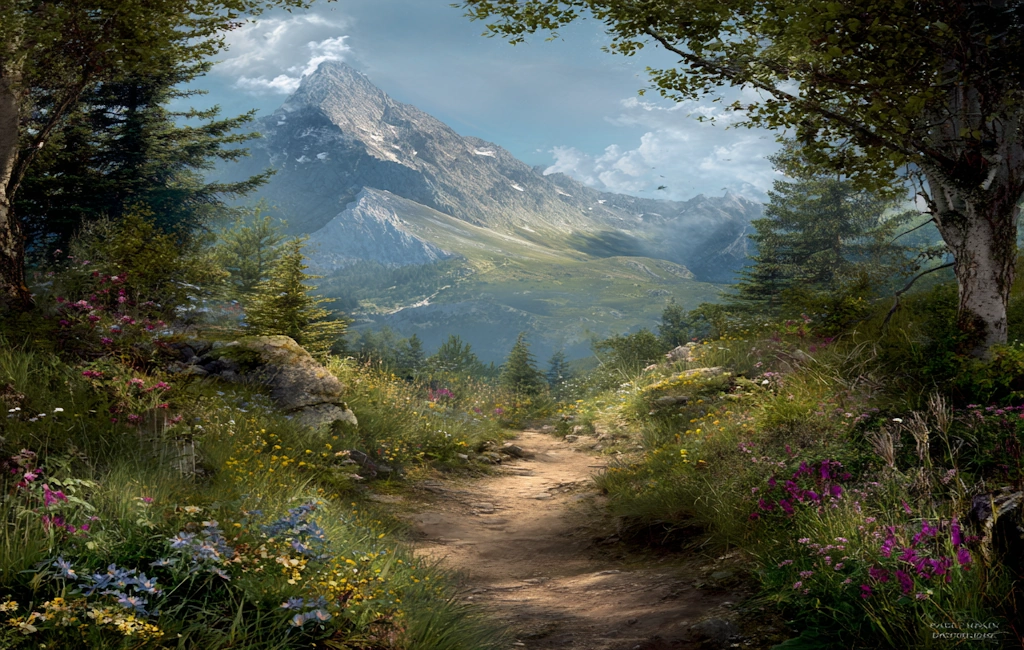
Kamikochi-Yari-Hotaka Circuit
The Kamikochi-Yari-Hotaka Circuit is a spectacular multi-day trek in the Northern Japan Alps, offering a profound immersion into Japan's most iconic mountain landscapes. This challenging route traverses dramatic ridgelines, visits sacred peaks, and winds through pristine alpine valleys, showcasing the raw beauty and spiritual significance of the Hotaka mountain range. Starting from the picturesque Kamikochi valley, a gateway to the Japanese Alps, the circuit ascends to the formidable Mount Yari (Yarigatake), often called the "Matterhorn of Japan" for its distinctive pyramid shape, before continuing along the exhilarating Hotaka ridgeline, culminating in a descent from Mount Hotaka-dake, Japan's third-highest peak. This trek is a true test of endurance and navigation, rewarding hikers with unparalleled panoramic views, a deep sense of accomplishment, and an unforgettable encounter with the wild heart of the Japanese Alps.
- Distance: 45.0 km
- Elevation Gain: 3500 m
- Duration: 4-6 days
- Difficulty: Very Challenging
- Best Time: Mid-June to Mid-October
- Closest City: Matsumoto
- Trailhead Access: Nearest airport: Matsumoto Airport (MMJ). From Matsumoto Station, take the Alpico Kotsu bus to Kamikochi Bus Terminal (approx. 1.5 hours). Limited private car access; park at Sawando Parking and take a bus/taxi to Kamikochi. No private vehicles are allowed past Sawando. Reservation for camping/lodging is necessary.
- Coordinates: 36.2453, 137.6373
Overview
The Kamikochi-Yari-Hotaka Circuit is a journey through some of Japan's most revered alpine terrain. Kamikochi itself, a stunning valley floor at an elevation of 1,500 metres, is renowned for its crystal-clear Azusa River, iconic Kappa Bridge, and the majestic backdrop of the Hotaka mountain range. This circuit is not for the faint of heart; it demands significant physical fitness, excellent acclimatisation, and a high degree of self-sufficiency. The route is characterised by steep ascents, exposed ridgelines, and long days of strenuous hiking, often above the treeline.
The trek typically begins with an ascent from Kamikochi towards Mount Yari. This initial climb is demanding, taking hikers through dense forests before emerging into the alpine zone. Mount Yari (3,180 m) is a spiritual centre for many Japanese hikers, and reaching its summit is a significant achievement. From Yari, the circuit follows the dramatic Daikuretō ridge, a narrow and exposed section that requires careful footing and a good head for heights. This ridge connects Yari to the Hotaka massif, a complex of peaks including Mount Oku-Hotaka-dake (3,190 m), Japan's third-highest summit, and Mount Mae-Hotaka-dake (3,008 m).
The descent from the Hotaka peaks often leads through areas like the Yoko-dake or Karasawa area, offering further stunning vistas and challenging terrain. The circuit's duration of 4-6 days allows for a more measured pace, enabling hikers to acclimatise properly, enjoy the scenery, and manage the demanding ascents and descents. The best time to undertake this trek is from mid-June to mid-October, when snow has generally cleared from the higher passes, though early snow can occur in autumn and late snow in spring. Outside of this window, the mountains become a serious winter mountaineering challenge.
History and Cultural Context
The Northern Japan Alps, including the Hotaka and Yari ranges, have a long history of human interaction, primarily driven by spiritual reverence and the pursuit of challenging ascents. For centuries, these mountains have been considered sacred places, attracting pilgrims and ascetics seeking enlightenment and connection with the divine. The peaks were often seen as abodes of gods and spirits, and reaching their summits was a profound spiritual undertaking.
Mount Yari, in particular, holds a special place in Japanese mountaineering history. Its distinctive shape has made it a symbol of the Alps, and its ascent has been a goal for generations of climbers. The development of modern mountaineering in Japan in the late 19th and early 20th centuries saw increased exploration and charting of these routes. Early trails were often rudimentary, carved by local guides and hunters, and the establishment of mountain huts was a crucial step in making these remote areas accessible to a wider range of hikers.
Kamikochi itself gained prominence in the early 20th century. Its stunning natural beauty was recognised, and efforts were made to preserve it. The establishment of the Chubu Sangaku National Park in 1934, which encompasses Kamikochi and the surrounding peaks, was instrumental in protecting this fragile alpine environment. The park status helped regulate access and promote responsible tourism, ensuring that the area's natural and cultural heritage would be preserved.
The trails that form the Kamikochi-Yari-Hotaka Circuit are a testament to the enduring human desire to explore and connect with nature's grandeur. They represent a blend of ancient spiritual traditions and modern mountaineering endeavours, offering a unique cultural experience alongside the physical challenge of traversing Japan's highest peaks.
Seasonal Highlights and Weather Reality
The Kamikochi-Yari-Hotaka Circuit is a high-altitude trek, and its accessibility and conditions are heavily dictated by the seasons.
Mid-June to July: This period marks the opening of the higher trails after the winter snowmelt. The landscape is vibrant with alpine flowers, and the rivers are at their most powerful. However, snow patches can linger in shaded areas and on north-facing slopes, potentially making navigation challenging. Weather can be unpredictable, with frequent rain showers and thunderstorms common in the afternoons. Temperatures at higher elevations can still be cool, especially at night.
August to September: This is generally considered the peak season for trekking in the Japanese Alps. The weather is typically more stable, with longer periods of sunshine. The alpine meadows are in full bloom, and the views from the ridgelines are often spectacular. However, this is also the busiest time, and mountain huts can be crowded. Typhoons can occur during this period, bringing heavy rain and strong winds, so it's crucial to monitor weather forecasts.
October: As autumn arrives, the landscape transforms into a breathtaking display of autumn colours, particularly in the lower valleys and on the slopes leading up to the treeline. The air becomes crisp and clear, offering excellent visibility. However, temperatures drop significantly, and snow can begin to fall at higher elevations, especially in the latter half of the month. Mountain huts may begin to close towards the end of October, and trails can become hazardous due to ice and snow. This is a beautiful but more challenging time to hike.
Weather: The weather in the Japanese Alps is notoriously fickle. Even during the summer months, conditions can change rapidly. Hikers should be prepared for all types of weather, including strong winds, heavy rain, fog, and even snow, regardless of the season. Afternoon thunderstorms are a common occurrence, so starting hikes early in the day is highly recommended.
Recommended Itinerary
4-Day Kamikochi-Yari-Hotaka Circuit Itinerary
Day 1: Kamikochi to Yarisawa Hut
- Distance: 12.0 km
- Elevation Gain: 1200 m
- Time: 5–7 hours
- Start at Kamikochi Bus Terminal, walk through the valley towards Myojin Pond and then towards Yokoo Sanso.
- Follow the Azusa River upstream, passing through forests.
- The trail begins a steady ascent towards Yarisawa Hut.
- Arrive at Yarisawa Hut (approx. 1,600 m), a key resting point before the major climb to Mount Yari.
- Settle in, prepare for the next day's challenging ascent.
Day 2: Yarisawa Hut to Mount Yari summit and Goken-goya Hut
- Distance: 7.0 km
- Elevation Gain: 1600 m
- Time: 6–8 hours
- Early start from Yarisawa Hut.
- Steep and sustained climb towards Mount Yari. The trail becomes increasingly rocky and exposed.
- Final ascent to Mount Yari summit (3,180 m) involves chains and ladders due to the steep, rocky terrain.
- Enjoy panoramic views from the summit (weather permitting).
- Descend from Mount Yari to Goken-goya Hut (approx. 2,800 m), located near the summit.
- This is a physically demanding day with significant elevation gain and technical sections.
Day 3: Goken-goya Hut to Mount Oku-Hotaka-dake and Karasawa Hut
- Distance: 10.0 km
- Elevation Gain: 400 m (net gain, with significant ups and downs)
- Time: 6–8 hours
- Depart Goken-goya Hut, traversing the Daikuretō ridge.
- This section is highly exposed with narrow paths and steep drop-offs. Requires careful footing and concentration.
- Pass through areas with chains and ladders for safety.
- Ascend to Mount Oku-Hotaka-dake (3,190 m), the highest peak in the Hotaka range.
- Descend towards Karasawa Hut (approx. 2,300 m), a major hub in the Hotaka area, situated in the stunning Karasawa Cirque.
- The ridgeline traverse is a highlight of the circuit, offering breathtaking, continuous mountain vistas.
Day 4: Karasawa Hut to Kamikochi
- Distance: 16.0 km
- Elevation Loss: 800 m
- Time: 5–7 hours
- Descend from Karasawa Hut, initially through the Karasawa Cirque.
- The trail follows the Kiso-gawa River downstream, gradually descending through forests.
- Pass through areas like Yokoo Sanso and eventually reach the familiar Kamikochi valley floor.
- Arrive back at Kamikochi Bus Terminal.
- This is a long descent day, offering a different perspective of the mountains as you return to the valley.
Alternative Itinerary (5-6 Days): For a more relaxed pace, consider adding a day to explore the Karasawa Cirque more thoroughly, or to include a side trip to Mount Mae-Hotaka-dake. An extra day can also be beneficial for acclimatisation or in case of weather delays.
Important Notes:
- Mountain huts require advance reservations, especially during peak season.
- Carry sufficient food and water, as resupply points are limited and expensive.
- Be prepared for rapidly changing weather conditions.
- This circuit involves significant exposure and technical sections; not suitable for those with a fear of heights.
- Check trail conditions and hut availability before your trip.
Planning and Bookings
Book Your Trip
Everything you need to plan your journey
Accommodation
Find places to stay near Matsumoto
Flights
Search flights to Matsumoto
Essential Preparation
The Kamikochi-Yari-Hotaka Circuit is a serious undertaking that requires meticulous planning. Given its remote location and challenging terrain, thorough preparation is paramount. Begin by assessing your fitness level; this trek demands excellent cardiovascular endurance, leg strength, and the ability to carry a pack for extended periods over steep and uneven ground. Acclimatisation is crucial, especially if you are arriving from sea level. Spending a day or two in Matsumoto or Kamikochi before starting the trek can help your body adjust to the altitude.
Logistics for accessing Kamikochi are straightforward but require adherence to regulations. Private vehicles are restricted beyond Sawando Parking. From Matsumoto Station, the Alpico Kotsu bus is the primary mode of transport to Kamikochi Bus Terminal, taking approximately 1.5 hours. It is advisable to book bus tickets in advance, especially during peak season. Accommodation in Matsumoto offers a range of options from budget hostels to comfortable hotels, serving as an ideal base for pre- and post-trek preparations.
Trail Accommodation
Accommodation along the Kamikochi-Yari-Hotaka Circuit consists of mountain huts (yamagoya) and designated campsites. Reservations are essential, particularly during the popular hiking season from mid-June to mid-October. Huts are typically basic but provide a vital refuge from the elements and a place to rest.
Hut Facilities:
- Bunk beds with thin mattresses (sleeping bags are mandatory; no bedding provided).
- Communal dining areas for meals and socialising.
- Basic toilet facilities (often pit toilets or flush toilets where water is available).
- Access to potable water, usually from mountain springs or streams (treatment is recommended).
- Some huts offer simple meals (breakfast, dinner) for an additional fee, but it is advisable to confirm this when booking.
- No electricity for charging devices is typically available, so bring a power bank.
What Huts Don't Provide:
- Pillows, blankets, or sleeping bag liners.
- Cooking equipment (stoves, pots, utensils) unless you are camping.
- Food supplies (unless pre-ordered meals are available).
- Showers or extensive washing facilities.
- Wi-Fi or mobile phone signal (very limited or non-existent).
Campsites: Some locations, like Karasawa, have designated camping areas. Campsites usually have basic toilet facilities and access to water. Campers must bring their own tents and cooking gear.
Booking Requirements: Huts can be booked directly through their individual websites or via online booking platforms. It is highly recommended to book several months in advance, especially for popular huts like Yarisawa Hut, Goken-goya Hut, and Karasawa Hut.
Seasonal Availability: Huts and trails are generally open from mid-June to mid-October. Outside these dates, they may be closed or operate with significantly reduced services, and the trails become dangerous due to snow and ice.
Costs: Hut stays typically range from ¥7,000 to ¥10,000 per person per night, including a basic breakfast. Dinner is usually an additional ¥1,500-¥2,500. Camping fees are generally lower, around ¥1,000-¥2,000 per person per night.
Required Gear
- Sturdy Hiking Boots: Waterproof, broken-in hiking boots with good ankle support are essential for navigating the rugged terrain.
- Waterproof Jacket and Trousers: High-quality, breathable waterproofs are non-negotiable due to the unpredictable mountain weather.
- Warm Layers: Multiple layers of synthetic or merino wool clothing (base layers, mid-layers like fleece or down jacket) are necessary for fluctuating temperatures.
- Sleeping Bag: A warm sleeping bag rated for sub-zero temperatures (e.g., -5°C to 0°C comfort rating) is required as huts are unheated.
- Backpack: A 45-65 litre backpack with a comfortable harness and hip belt to carry your gear. A rain cover is also recommended.
- Head Torch: With spare batteries, essential for early morning starts and navigating huts after dark.
- Navigation Tools: A detailed topographic map of the area, a compass, and a GPS device or smartphone with offline maps. Familiarity with their use is vital.
- First-Aid Kit: Comprehensive kit including blister treatment, pain relievers, antiseptic wipes, bandages, and any personal medications.
- Sun Protection: High SPF sunscreen, sunglasses, and a wide-brimmed hat or cap. The sun at high altitudes is intense.
- Trekking Poles: Highly recommended for stability on ascents and descents, and to reduce strain on knees.
What to Bring
- Food: Sufficient high-energy food for the duration of your trek. This includes breakfast, lunch, and dinner, plus plenty of snacks. Consider freeze-dried meals, energy bars, nuts, and dried fruit.
- Water Bottles/Hydration Reservoir: Carry at least 2-3 litres of water capacity.
- Water Purification Method: A water filter or purification tablets are recommended, even if water sources appear clean.
- Personal Toiletries: Toothbrush, toothpaste, biodegradable soap, small towel, hand sanitiser.
- Toilet Paper: Essential, as it is not always provided in huts or at campsites.
- Plastic Bags: For packing out all rubbish, including food scraps and wrappers.
- Cash: Many mountain huts and smaller establishments do not accept credit cards. Carry sufficient Japanese Yen for hut fees, meals, and any emergency purchases.
- Power Bank: For charging electronic devices like phones or GPS units.
- Insect Repellent: Especially important for Kamikochi valley floor and lower elevations.
- Small Repair Kit: Duct tape, needle and thread, safety pins for minor gear repairs.
- Personal Items: Camera, book, journal, identification.
Permits
While there are no specific "permits" in the traditional sense for hiking the Kamikochi-Yari-Hotaka Circuit itself, access to Kamikochi valley is regulated, and overnight stays in mountain huts or designated campsites require advance reservations. These reservations function as your de facto permit for accessing and staying within the national park's high-use areas.
Kamikochi Access:
- Private vehicles are prohibited from entering the Kamikochi valley. Access is via bus or taxi from Sawando Parking or Hirayu Onsen.
- A fee is typically charged for parking at Sawando.
- Bus tickets to Kamikochi Bus Terminal should be purchased in advance, especially during peak season, as capacity is limited.
Mountain Hut Reservations:
- Reservations for mountain huts are mandatory and should be made as far in advance as possible, ideally several months before your planned trek.
- Popular huts like Yarisawa Hut, Goken-goya Hut, and Karasawa Hut are highly sought after and can book out quickly.
- Reservations can usually be made directly through the huts' official websites or via dedicated Japanese mountain lodging booking platforms.
- When booking, you will typically need to provide your name, the number of people, your desired dates, and whether you require meals.
- Payment is usually required upon arrival at the hut, though some may require a deposit.
Campsite Reservations:
- If you plan to camp, you will need to reserve a spot at designated campsites.
- Similar to huts, campsite reservations are often required and should be made in advance.
- Check the specific regulations for each campsite, as some may have limited facilities.
National Park Regulations:
- The Chubu Sangaku National Park has regulations in place to protect its fragile environment. Hikers are expected to adhere to these rules, which include staying on marked trails, not disturbing wildlife, and properly disposing of waste.
- Fires are generally prohibited except in designated areas at campsites.
Important Considerations:
- Language Barrier: Many hut reservation websites and communication may be primarily in Japanese. Using translation tools or seeking assistance from someone who speaks Japanese can be very helpful.
- Flexibility: Have alternative dates or huts in mind, as your first choices may be fully booked.
- Cancellation Policies: Familiarise yourself with the cancellation policies of the huts and campsites you book.
Other Activities in the Area
The region surrounding Kamikochi and the Northern Japan Alps offers a wealth of activities beyond the main circuit, allowing for a richer and more varied experience:
- Onsen (Hot Springs): After a strenuous trek, soaking in a natural hot spring is incredibly rejuvenating. Many towns and villages in the vicinity, including Hirayu Onsen and Okuhida Onsen-go, offer a wide array of onsen facilities, from traditional ryokan baths to public bathhouses.
- Exploring Kamikochi Valley: Even without undertaking the full circuit, Kamikochi itself is a destination. Spend a day or two exploring the valley floor, walking to Myojin Pond with its serene shrine, visiting the iconic Kappa Bridge, and enjoying the easy, flat trails through the forest.
- Mounting other peaks: For experienced mountaineers, the Northern Japan Alps offer numerous other challenging peaks and routes, such as Mount Tsurugi, Mount Jonen, and the extensive network of trails around the Norikura mountain range.
- Scenic Drives: The roads leading to the gateways of Kamikochi, such as the Shinhotaka Ropeway route, offer spectacular mountain scenery. The Shinhotaka Ropeway itself provides breathtaking panoramic views of the Hotaka range without the need for strenuous hiking.
- Cultural Experiences in Matsumoto: The city of Matsumoto, the main gateway to Kamikochi, boasts Matsumoto Castle, one of Japan's most beautiful original castles, and a vibrant arts and crafts scene.
- Photography: The dramatic landscapes, alpine flora, and unique mountain culture provide endless opportunities for photography enthusiasts.
Safety and Conditions
Pre-Trip Checks:
- Weather Forecasts: Always check the latest mountain weather forecasts from reliable sources like the Japan Meteorological Agency (JMA) or local weather services before and during your trek. Be prepared for rapid changes.
- Trail Conditions: Consult with local information centres or hut wardens regarding current trail conditions, especially regarding snow, ice, or any reported hazards. Websites like the Japan Alps Trail Information Network can be useful.
- Hut Availability: Confirm your hut reservations and check for any last-minute changes or closures.
- Emergency Contacts: Have a list of emergency contact numbers, including local police, mountain rescue services, and your embassy.
Altitude Sickness: The circuit reaches elevations over 3,000 metres. Altitude sickness (Acute Mountain Sickness - AMS) can affect anyone, regardless of fitness. Symptoms include headache, nausea, dizziness, and fatigue. Ascend gradually, stay hydrated, avoid alcohol, and if symptoms worsen, descend immediately. Spending a night in Kamikochi (1,500 m) before ascending can aid acclimatisation.
Terrain Hazards:
- Exposure: The ridgeline sections, particularly between Mount Yari and Mount Oku-Hotaka-dake, are very exposed with steep drop-offs. Chains and ladders are installed for safety, but a fear of heights can make these sections extremely difficult and dangerous.
- Loose Scree and Rockfall: Be aware of loose scree on steep slopes, which can cause slips. Listen for and be aware of potential rockfall from above, especially in areas with loose rock.
- Snow and Ice: Even in summer, shaded areas and north-facing slopes can retain snow and ice. If encountered, assess conditions carefully. Crampons and an ice axe may be necessary outside the main hiking season or if conditions are particularly icy.
- River Crossings: While the main trails are well-established, some smaller stream crossings may be encountered. Assess water levels and flow carefully before crossing.
Weather: Mountain weather can change dramatically and without warning. Be prepared for strong winds, heavy rain, fog, and sudden drops in temperature. Hypothermia is a risk, even in summer, if you become wet and cold. Always carry adequate warm and waterproof clothing.
Navigation: While trails are generally well-marked, fog can reduce visibility to mere metres. A map, compass, and GPS device are essential, and you must know how to use them. Do not rely solely on mobile phone apps, as battery life can be an issue and signal is unreliable.
Communication: Mobile phone reception is extremely limited or non-existent in most of the high mountain areas. Consider carrying a personal locator beacon (PLB) or satellite messenger for emergencies.
Travel Insurance: Ensure your travel insurance covers high-altitude trekking and potential emergency evacuation. This is crucial for peace of mind and financial protection.
Side Trips and Points of Interest
Mount Yari Summit (3,180 m): The iconic "Matterhorn of Japan" is a must-visit. The final ascent involves steep, exposed sections with chains and ladders, making it a thrilling and rewarding climb. The 360-degree views from the summit are unparalleled, offering a sweeping panorama of the Japanese Alps.
Daikuretō Ridge: This narrow, exposed ridgeline connecting Mount Yari to the Hotaka massif is a highlight of the circuit. Walking along this ridge, with dramatic drop-offs on either side, provides a true sense of alpine adventure and offers continuous, breathtaking views of the surrounding peaks and valleys.
Mount Oku-Hotaka-dake Summit (3,190 m): As the third-highest peak in Japan, reaching the summit of Oku-Hotaka-dake is a significant achievement. The views from the top are expansive, encompassing much of the Northern Japan Alps.
Karasawa Cirque: Located at the base of the Hotaka peaks, Karasawa is a vast, U-shaped glacial cirque. In autumn, it transforms into a spectacular sea of red and gold foliage, making it a popular destination for photographers and hikers. The Karasawa Hut is a major hub for trekkers in this area.
Mount Mae-Hotaka-dake (3,008 m): For those with extra time and energy, a side trip to Mount Mae-Hotaka-dake, the second-highest peak in the Hotaka range, is possible from the vicinity of Oku-Hotaka-dake. This adds another significant summit and more incredible alpine scenery.
Kamikochi Valley Floor: Even if not undertaking the full circuit, exploring Kamikochi is highly recommended. The easy walking trails along the Azusa River, the iconic Kappa Bridge, Myojin Pond, and the surrounding forests offer a gentler but equally beautiful mountain experience.
Leave No Trace
The Kamikochi-Yari-Hotaka Circuit traverses pristine alpine environments within the Chubu Sangaku National Park, a region of immense natural beauty and ecological significance. Adhering to Leave No Trace principles is paramount to preserving this fragile ecosystem for future generations.
Plan Ahead and Prepare: Research your route thoroughly, understand the conditions, and be prepared for all weather. Make reservations for huts and campsites well in advance.
Travel and Camp on Durable Surfaces: Stick to marked trails to avoid damaging vegetation. When camping, use designated campsites and avoid trampling sensitive alpine meadows.
Dispose of Waste Properly: Pack out everything you pack in, including all food scraps, wrappers, and toilet paper. Use designated toilets in huts and at campsites. If no toilets are available, dig a cathole at least 60 metres away from water sources, trails, and campsites.
Leave What You Find: Do not remove any natural objects, such as rocks, plants, or flowers. Take only photographs and memories.
Minimise Campfire Impacts: Campfires are generally prohibited in the Japanese Alps. Use a lightweight stove for cooking. If fires are permitted in specific areas, use existing fire rings and ensure fires are completely extinguished.
Respect Wildlife: Observe wildlife from a distance. Never feed animals, as this can disrupt their natural behaviours and diets. Store food securely to prevent attracting animals.
Be Considerate of Other Visitors: Keep noise levels down, especially in huts and at campsites. Yield to other hikers on narrow trails. Respect the quiet solitude of the mountains.
By following these principles, you help ensure that the beauty and wildness of the Kamikochi-Yari-Hotaka Circuit can be enjoyed by all, now and in the future.
 Japan
Japan