
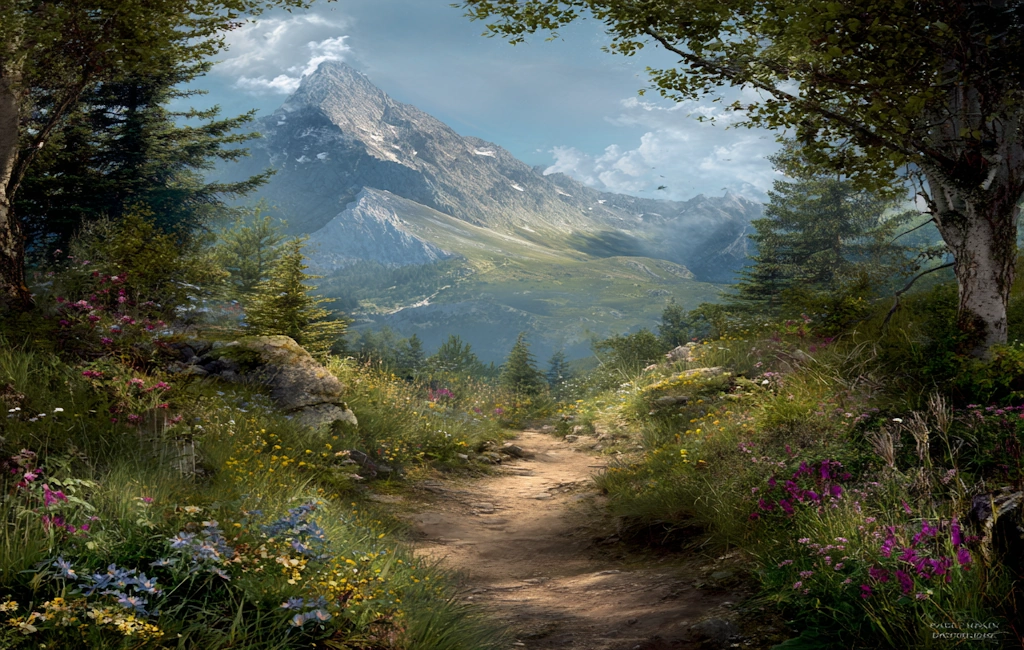
Kamikochi to Karasawa: A Japanese Alpine Gem
The Kamikochi to Karasawa trek is a spectacular mountain journey in the heart of the Japanese Alps, offering breathtaking vistas of rugged peaks, pristine alpine lakes, and vibrant autumn foliage. This route, primarily accessed from the popular Kamikochi valley, leads hikers into a dramatic alpine environment culminating in the expansive Karasawa Cirque, a natural amphitheatre surrounded by some of Japan's most iconic mountains. While Kamikochi itself is a well-developed and accessible mountain resort, the trail beyond quickly transitions into a more remote and challenging alpine experience, demanding good fitness and preparedness. The journey is renowned for its stunning natural beauty, particularly during the autumn months when the larch trees turn a brilliant golden hue, creating a truly unforgettable spectacle. This trek is a must for those seeking a quintessential Japanese alpine adventure, combining accessible beauty with the thrill of high mountain exploration.
- Distance: 23.0 km (one-way from Kamikochi to Karasawa Hut)
- Elevation Gain: 1500 m
- Duration: 2-3 days
- Difficulty: Challenging
- Best Time: Mid-September to mid-October (autumn foliage)
- Closest City: Matsumoto
- Trailhead Access: Nearest city: Matsumoto. Take the Alpico Kotsu bus from Matsumoto Bus Terminal to Kamikochi Bus Terminal (approx. 2 hours). Limited private car access; park at Sawando Parking and take a bus/taxi to Kamikochi. Registration at Kamikochi Visitor centre recommended.
- Coordinates: Kamikochi Bus Terminal: 36.2446, 137.6346
Overview
The Kamikochi to Karasawa trek is a journey into the soul of the Japanese Alps, a region celebrated for its dramatic granite peaks, crystal-clear rivers, and vibrant alpine meadows. Kamikochi, often referred to as the "Japanese Yosemite," serves as the gateway to this alpine wonderland. It's a valley floor of unparalleled beauty, with the Azusa River flowing through it, flanked by the majestic Hotaka mountain range. From Kamikochi, the trail gradually ascends, first through serene forests and then into more exposed alpine terrain, leading to the magnificent Karasawa Cirque. This vast, open basin is a natural amphitheatre, encircled by some of Japan's most famous peaks, including Mount Hotaka-dake (3,190 m), Mount Kita-dake (3,193 m), and Mount Aino-dake (3,190 m), forming the "Southern Alps" of the Northern Japan Alps. The highlight for many is the autumn foliage, typically peaking from mid-September to mid-October, when the larch trees that carpet the slopes of Karasawa transform into a breathtaking sea of gold. This trek offers a rewarding challenge, with significant elevation gain and varied terrain, but the panoramic views and the sheer scale of the alpine landscape make every step worthwhile. It's a route that appeals to both seasoned mountaineers and fit hikers looking for an immersive mountain experience.
The trail's character evolves significantly as you ascend. The initial section from Kamikochi is relatively gentle, following the Azusa River through picturesque woodlands. As you approach Yokoo, the valley begins to narrow, and the gradient steepens. The climb towards Karasawa is a sustained ascent, often on well-maintained but sometimes steep paths, passing through dense forests that eventually give way to more open, rocky terrain. The final approach to Karasawa Cirque is particularly dramatic, opening up to reveal the immense scale of the surrounding peaks. The cirque itself is a unique environment, a vast expanse of scree and alpine vegetation, dotted with numerous mountain huts that cater to climbers and hikers. From Karasawa, numerous challenging day hikes and multi-day expeditions can be undertaken, making it a central hub for alpine exploration in the region.
The accessibility of Kamikochi, combined with the challenging yet rewarding nature of the trek to Karasawa, makes this a highly sought-after destination. It offers a profound connection with Japan's wild mountain landscapes, a stark contrast to the country's bustling urban centres. The experience is amplified by the cultural aspect of staying in traditional Japanese mountain huts, enjoying hearty meals, and sharing the camaraderie of fellow trekkers and climbers.
History and Cultural Context
The Japanese Alps, including the Northern Alps where Kamikochi and Karasawa are located, have a long history of human interaction, primarily driven by spiritual beliefs and resource gathering. For centuries, these mountains were considered sacred places, inhabited by spirits and deities. Ascetic monks, known as Shugendō practitioners, would undertake arduous pilgrimages into these remote mountain ranges, seeking spiritual enlightenment and communion with nature. These early ascents were not for recreation but for religious devotion, and the routes they forged often followed natural contours and sacred sites.
The modern era of mountaineering in Japan began in the late 19th century, influenced by Western explorers and the Meiji Restoration's drive for modernisation. Foreigners began exploring the Japanese Alps, documenting their flora, fauna, and topography. The establishment of Kamikochi as a tourist destination gained momentum in the early 20th century, particularly after the construction of the Azusa River hydroelectric power station and the subsequent development of access roads and trails. The area's stunning beauty was recognised, and it began to attract hikers and climbers from across Japan and eventually from abroad.
Karasawa Cirque, while a natural geological formation, became a focal point for mountaineering activities due to its central location and proximity to major peaks. The establishment of mountain huts in the Karasawa area provided essential support for climbers aiming for the summits of the Hotaka range and other surrounding peaks. These huts, often run by local families, have become integral to the alpine culture of the region, offering a unique blend of traditional Japanese hospitality and the rugged practicality required for high-mountain living. The development of the trail from Kamikochi to Karasawa has been a gradual process, with ongoing efforts to maintain and improve its safety and accessibility while preserving its natural character. The area remains a vital part of Japan's natural heritage, attracting thousands of visitors each year who come to experience its dramatic landscapes and rich mountaineering history.
Seasonal Highlights and Weather Reality
The Kamikochi to Karasawa trek is highly seasonal, with the prime hiking period dictated by weather conditions and the accessibility of the trails. The most popular and arguably the most beautiful time to undertake this trek is during the autumn foliage season, which typically runs from mid-September to mid-October.
Autumn (Mid-September to Mid-October): This is the peak season for the Kamikochi to Karasawa trek. The larch trees that dominate the slopes of Karasawa Cirque turn a spectacular golden yellow, creating a breathtaking contrast against the grey granite peaks and blue sky. The weather during this period is generally more stable than in summer, with cooler temperatures and less rainfall. However, mountain weather is unpredictable, and early snowfalls can occur, especially at higher elevations. Hikers should be prepared for crisp mornings and evenings, with daytime temperatures pleasant for walking. The popularity of this season means that accommodation in Kamikochi and the mountain huts in Karasawa can be very busy, so booking well in advance is essential.
Summer (Late June to August): Summer offers warmer temperatures and longer daylight hours, making it a viable option for hiking. However, this is also the rainy season in Japan, and the Japanese Alps are prone to heavy thunderstorms, particularly in the afternoons. These storms can bring lightning, heavy rain, and reduced visibility, making the higher sections of the trail hazardous. The trails can be muddy and slippery. Despite the rain risk, summer is a popular time for hiking due to school holidays and generally pleasant temperatures. Kamikochi is fully operational during this period.
Late Spring (May to Early June): As the snow melts, the trails begin to open up. However, higher elevations, including the route to Karasawa, may still have significant snow cover, especially in shaded areas and on north-facing slopes. Avalanche risk can persist in early spring. The landscape is often vibrant with new growth, and the Azusa River is at its most powerful. This period is suitable for experienced hikers with appropriate snow gear and navigation skills. Kamikochi itself is usually accessible by road from late April.
Winter (November to April): The Kamikochi valley is closed to private vehicles and most public transport from mid-November to late April due to heavy snowfall and avalanche risk. The trails to Karasawa are covered in deep snow, and the mountain huts are closed. This period is strictly for experienced winter mountaineers with specialised equipment and knowledge of avalanche safety. Attempting this trek in winter without proper preparation and experience is extremely dangerous.
Recommended Itinerary
2-Day Kamikochi to Karasawa Itinerary
Day 1: Kamikochi to Karasawa Hut
- Distance: 13.0 km
- Elevation gain: 1100 m
- Time: 5–7 hours
- Start from Kamikochi Bus Terminal (1500 m)
- Walk through the scenic Kamikochi valley, passing landmarks like Kappa Bridge and Myojin Pond (optional detour)
- Follow the Azusa River upstream
- Reach Yokoo Sanso (1600 m), a popular resting point and the last major hut before the ascent
- The trail begins a steady, sustained climb from Yokoo
- Pass through dense forests of beech and larch
- The path becomes steeper and more rugged as you gain altitude
- Arrive at Karasawa Hut (2300 m) or a nearby alternative hut in Karasawa Cirque
- Enjoy the panoramic views of the surrounding peaks from the cirque
- Settle into your accommodation and prepare for the next day's activities
Day 2: Karasawa Cirque Exploration and Descent to Kamikochi
- Distance: 13.0 km (return to Kamikochi)
- Elevation loss: 1100 m
- Time: 4–6 hours
- Optional: Early morning hike to a higher viewpoint within Karasawa Cirque for sunrise views (e.g., towards Mount Hotaka-dake)
- Optional: Short hikes to explore the immediate surroundings of Karasawa Cirque
- Begin the descent back towards Yokoo Sanso
- Continue descending along the Azusa River
- Re-enter the Kamikochi valley
- Arrive back at Kamikochi Bus Terminal
- Allow time for a final meal or souvenir shopping in Kamikochi before departing
3-Day Kamikochi to Karasawa Itinerary (with summit attempt or more exploration)
Day 1: Kamikochi to Karasawa Hut
- Distance: 13.0 km
- Elevation gain: 1100 m
- Time: 5–7 hours
- Same as Day 1 of the 2-day itinerary.
Day 2: Karasawa Cirque - Summit Attempt or Exploration
- Distance: Varies greatly depending on chosen activity
- Elevation gain: Varies greatly
- Time: Full day
- Option 1 (Summit Attempt): For experienced mountaineers with appropriate gear and conditions, attempt a summit of Mount Hotaka-dake (requires significant climbing skills and potentially overnight stay at a higher hut).
- Option 2 (High-Level Exploration): Hike to a higher viewpoint within the cirque, such as the base of the Hotaka-dake ascent route, for more expansive views.
- Option 3 (Relaxed Exploration): Spend the day exploring the Karasawa Cirque, taking photographs, and enjoying the alpine environment.
- Return to Karasawa Hut for the night.
Day 3: Karasawa Hut to Kamikochi
- Distance: 13.0 km
- Elevation loss: 1100 m
- Time: 4–6 hours
- Same as Day 2 of the 2-day itinerary.
Important Notes:
- Book accommodation in Kamikochi and Karasawa huts well in advance, especially during peak season (autumn foliage).
- The trail beyond Yokoo Sanso is a mountain trail; sturdy hiking boots are essential.
- Carry sufficient water or a purification method, as water sources can be scarce on the ascent.
- Be prepared for rapidly changing weather conditions.
- Check the status of the Kamikochi access road and bus services before your trip.
Planning and Bookings
Book Your Trip
Everything you need to plan your journey
Accommodation
Find places to stay near Matsumoto
Flights
Search flights to Matsumoto
Essential Preparation
Planning for the Kamikochi to Karasawa trek involves understanding the logistics of reaching Kamikochi and securing accommodation in the mountains. Kamikochi is a protected area and has strict regulations regarding private vehicle access. The nearest major city is Matsumoto, from where you will take a bus to Kamikochi. It is crucial to book bus tickets in advance, especially during peak seasons, as they can sell out. Accommodation in Kamikochi ranges from hotels to more rustic lodges, while the mountain huts in Karasawa are basic but essential for overnight stays. Fitness is paramount; the ascent to Karasawa involves significant elevation gain over a relatively short distance, requiring good cardiovascular health and leg strength. Familiarise yourself with Japanese customs regarding hiking and mountain huts, such as removing shoes indoors and respecting quiet hours.
Trail Accommodation
Accommodation options for this trek are divided into two main categories: Kamikochi and Karasawa.
Kamikochi:
- Types: Hotels, lodges, and guesthouses. These offer a range of comfort levels, from modern amenities to more traditional Japanese inns.
- Booking Requirements: Highly recommended to book well in advance, especially during the peak autumn season and weekends. Many establishments have online booking systems.
- Facilities Provided: Varies by establishment, but typically includes private rooms, communal dining areas, and sometimes onsen (hot springs).
- What's NOT Provided: Specific hiking gear, food for the trail (though restaurants are available).
- Seasonal Availability: Generally open from late April to mid-November, coinciding with the road access period.
- Costs: Can range from ¥10,000 to ¥30,000+ per person per night, depending on the establishment and meal plans.
Karasawa Cirque:
- Types: Mountain huts (e.g., Karasawa Hut, Yokoo Sanso). These are basic shelters designed for hikers and climbers.
- Booking Requirements: Essential to book in advance, particularly for Karasawa Hut, which is the primary destination. Bookings can often be made via phone or through specific websites.
- Facilities Provided: Bunk beds in dormitory-style rooms, communal dining areas, basic toilets. Some huts offer hot water for washing. Meals (dinner and breakfast) are typically available for an additional charge and are highly recommended for convenience.
- What's NOT Provided: Sleeping bags (though blankets are usually provided), toiletries, cooking equipment, food for lunch or snacks.
- Seasonal Availability: Open during the hiking season, typically from late June to mid-October. Some may open earlier or close later depending on snow conditions.
- Costs: Approximately ¥8,000–¥12,000 per person per night, often including dinner and breakfast.
Required Gear
- Hiking Boots: Sturdy, waterproof, ankle-supporting hiking boots are essential. Ensure they are well broken-in to prevent blisters.
- Waterproof Jacket and Trousers: High-quality waterproof and breathable outer layers are crucial due to the unpredictable mountain weather.
- Backpack: A comfortable daypack (25-35 litres) for the ascent to Karasawa if staying overnight in Kamikochi, or a larger multi-day pack (40-55 litres) if carrying overnight gear to Karasawa Hut. A rain cover is recommended.
- Warm Layers: Fleece or down jacket, thermal base layers (merino wool or synthetic), and a warm hat and gloves. Temperatures can drop significantly at higher altitudes, even in summer.
- Navigation Tools: A detailed map of the area, a compass, and a GPS device or smartphone with offline maps. While trails are generally well-marked, it's vital to be prepared for poor visibility.
- Headlamp: With spare batteries, essential for early starts or unexpected delays.
- First-Aid Kit: Comprehensive kit including blister treatment, pain relievers, antiseptic wipes, bandages, and any personal medications.
- Sun Protection: High SPF sunscreen, sunglasses, and a wide-brimmed hat. The sun can be intense at altitude.
What to Bring
- Food: Pack high-energy snacks such as trail mix, energy bars, dried fruit, and nuts. For lunch, consider sandwiches or pre-made meals. If not opting for hut meals, bring sufficient food for all meals.
- Water Bottles/Hydration Reservoir: Carry at least 1.5-2 litres of water per person. Water purification tablets or a filter are recommended for refilling from streams, though water sources can be limited on the ascent.
- Toiletries: Biodegradable soap, toothbrush, toothpaste, small towel, hand sanitiser.
- Personal Items: Camera, power bank for electronics, insect repellent (especially for Kamikochi valley), personal medications.
- Cash: Many mountain huts and smaller establishments may not accept credit cards. Carry sufficient Japanese Yen for bus fares, hut fees, meals, and any purchases.
- Trekking Poles: Highly recommended for the steep ascents and descents, helping to reduce strain on knees and improve balance.
- Plastic Bags: For packing out all rubbish, as there are no bins on the trails or in the huts.
Permits
For the standard trek from Kamikochi to Karasawa and back, no specific permits are required for entry into Kamikochi itself or for hiking the trails. However, access to Kamikochi is regulated, and private vehicles are generally prohibited. Visitors must use public transport (buses) or taxis from designated parking areas.
Kamikochi Access Regulations:
- Private Vehicle Ban: From late April to mid-November, private cars are banned from entering the Kamikochi valley. Access is via shuttle buses or taxis from Sawando or Hirayu Onsen parking areas.
- Bus Tickets: It is highly advisable to purchase bus tickets in advance, especially during peak seasons (Golden Week in May, Obon in August, and the autumn foliage period). Tickets can be purchased online or at major bus terminals like Matsumoto Bus Terminal.
- Entrance Fee: A small environmental conservation fee may be applicable upon entering Kamikochi, collected at the bus terminal or checkpoints.
Mountain Hut Reservations:
- While no permits are required for the trails, booking accommodation in the mountain huts (e.g., Karasawa Hut, Yokoo Sanso) is absolutely essential, particularly during the popular autumn season.
- Reservations can typically be made by phone or through the huts' respective websites. It is recommended to book several weeks or even months in advance for peak dates.
- Failure to secure a hut booking means you will not have a place to stay overnight and will need to descend back to Kamikochi or make alternative arrangements, which may not be feasible given the trekking times.
Climbing Permits (for summit attempts):
- If your itinerary includes attempting to summit one of the major peaks like Mount Hotaka-dake from Karasawa, separate climbing permits may be required depending on the specific route and the regulations of the national park or local authorities. These are typically obtained at the trailhead or from designated offices in Matsumoto. It is crucial to research the specific requirements for any summit attempts well in advance.
Other Activities in the Area
Kamikochi and its surrounding areas offer a wealth of activities beyond the main trek to Karasawa, catering to various interests and fitness levels:
- Exploring Kamikochi Valley: Spend a day or two simply enjoying the beauty of Kamikochi itself. Walk along the Azusa River, visit the iconic Kappa Bridge, and explore the serene Myojin Pond with its small shrine.
- Day Hikes from Kamikochi: Numerous shorter hikes are available, such as the trail to Tokusawa, a pleasant walk through meadows and forests, or the more challenging ascent towards Mount Yakedake, an active volcano offering panoramic views.
- Onsen (Hot Springs): Many hotels and lodges in Kamikochi and nearby areas like Hirayu Onsen offer access to natural hot springs, perfect for relaxing tired muscles after a day of hiking.
- Photography: The dramatic landscapes, clear rivers, and vibrant autumn colours make Kamikochi and Karasawa a paradise for photographers.
- Wildlife Spotting: Keep an eye out for Japanese macaques (snow monkeys), various bird species, and other alpine wildlife.
- Climbing and Mountaineering: For experienced climbers, the Hotaka mountain range offers numerous challenging routes, with Karasawa serving as a base camp for ascents of Mount Hotaka-dake, Mount Kita-dake, and Mount Aino-dake.
- Cycling: In certain sections of Kamikochi, cycling is permitted, offering a different way to explore the valley floor.
Safety and Conditions
Weather: Mountain weather in the Japanese Alps can change rapidly and dramatically. Be prepared for sunshine, rain, fog, and even snow at higher elevations, regardless of the season. Always check the weather forecast before you depart and be aware of changing conditions. Hypothermia is a risk, even in summer, due to wind chill and rain.
Trail Conditions: The trail from Kamikochi to Karasawa is generally well-maintained but can be steep, rocky, and slippery, especially after rain. Sections may be exposed, and care should be taken. During spring, snow can linger on higher sections, requiring appropriate gear and navigation skills.
Altitude: While not extremely high, the altitude in Karasawa (2300 m) can affect some individuals. Ascend gradually and stay hydrated. If you experience symptoms of altitude sickness (headache, nausea, dizziness), descend to a lower elevation.
Water: Water is available from the Azusa River and streams along the route. However, it is strongly recommended to treat all water using a filter or purification tablets, as it may be contaminated. Carry sufficient water for the ascent, as reliable sources can be scarce on the steeper sections.
Wildlife: While generally shy, you may encounter Japanese macaques in Kamikochi. Do not feed them, as this can lead to aggressive behaviour and health problems for the animals. Be aware of your surroundings and store food securely in huts.
Emergency: Mobile phone reception can be unreliable in the mountains. Consider carrying a personal locator beacon (PLB) or satellite phone for emergencies. Know the location of mountain huts, as they are the primary points of contact for assistance. In case of emergency, contact the Kamikochi Ranger Station or the nearest mountain hut.
Insurance: Ensure you have adequate travel insurance that covers hiking and potential medical evacuation from remote mountain areas.
Side Trips and Points of Interest
Mount Hotaka-dake (3,190 m): For experienced mountaineers, Karasawa serves as a crucial base for attempting to summit Mount Hotaka-dake, one of Japan's highest peaks. The ascent is challenging, involving steep climbs, exposed ridges, and often requires technical climbing skills and overnight stays at higher mountain huts. The views from the summit are unparalleled.
Mount Kita-dake (3,193 m) and Mount Aino-dake (3,190 m): These peaks, part of the "Southern Alps" of the Northern Japan Alps, are also accessible from Karasawa for highly experienced and well-equipped mountaineers, typically as part of multi-day expeditions. They offer further opportunities for high-altitude trekking and climbing.
Karasawa Col (Karasawa-koya): Even if not attempting a summit, hiking a short distance further into the cirque towards the base of the climbing routes offers increasingly dramatic perspectives of the surrounding peaks. The sheer scale of the granite walls is awe-inspiring.
Myojin Pond: Located in Kamikochi, this picturesque pond is a slight detour from the main trail but is well worth the visit. It's a tranquil spot with a small shrine and offers beautiful reflections of the surrounding mountains.
Kappa Bridge: The iconic suspension bridge in Kamikochi, offering classic views of the Azusa River with the Hotaka mountain range as a backdrop. It's a popular spot for photos and a good starting point for exploring the valley.
Yokoo Sanso: This mountain hut marks the point where the trail begins its significant ascent. It's a good place to rest, refill water, and prepare for the climb ahead. The views from Yokoo are already impressive, hinting at the grandeur to come.
Leave No Trace
The Kamikochi and Karasawa region is a pristine natural environment, and adhering to Leave No Trace principles is paramount to preserving its beauty and ecological integrity for future generations. As a visitor, you play a vital role in protecting this delicate alpine ecosystem.
Plan Ahead and Prepare: Research your trip thoroughly, understand the regulations, and be prepared for all weather conditions. Pack appropriately and know your limits.
Travel and Camp on Durable Surfaces: Stick to marked trails to avoid damaging fragile vegetation. In Kamikochi, use designated paths and accommodation. In Karasawa, stay within the established hut areas and on the main trails.
Dispose of Waste Properly: Pack out everything you pack in, including all food scraps, wrappers, and any other litter. There are no rubbish bins in the mountains. Use designated toilets in huts and dispose of human waste appropriately. Avoid burying waste, as it can contaminate soil and water.
Leave What You Find: Do not remove any natural objects, such as rocks, plants, or flowers. Take only photographs and memories.
Minimize Campfire Impacts: Campfires are generally prohibited in Kamikochi and mountain huts. If permitted in specific areas (highly unlikely for this trek), use established fire rings and ensure fires are completely extinguished.
Respect Wildlife: Observe wildlife from a distance and never feed animals. Feeding can alter their natural behaviour, make them dependent on humans, and cause them harm.
Be Considerate of Other Visitors: Keep noise levels down, especially in huts and during quiet hours. Yield to uphill hikers. Respect the cultural norms of Japan, such as removing shoes indoors.
By following these principles, you contribute to the conservation of this magnificent alpine landscape and ensure a positive experience for yourself and others.
 Japan
Japan