
Kalinchowk Pilgrimage Hike
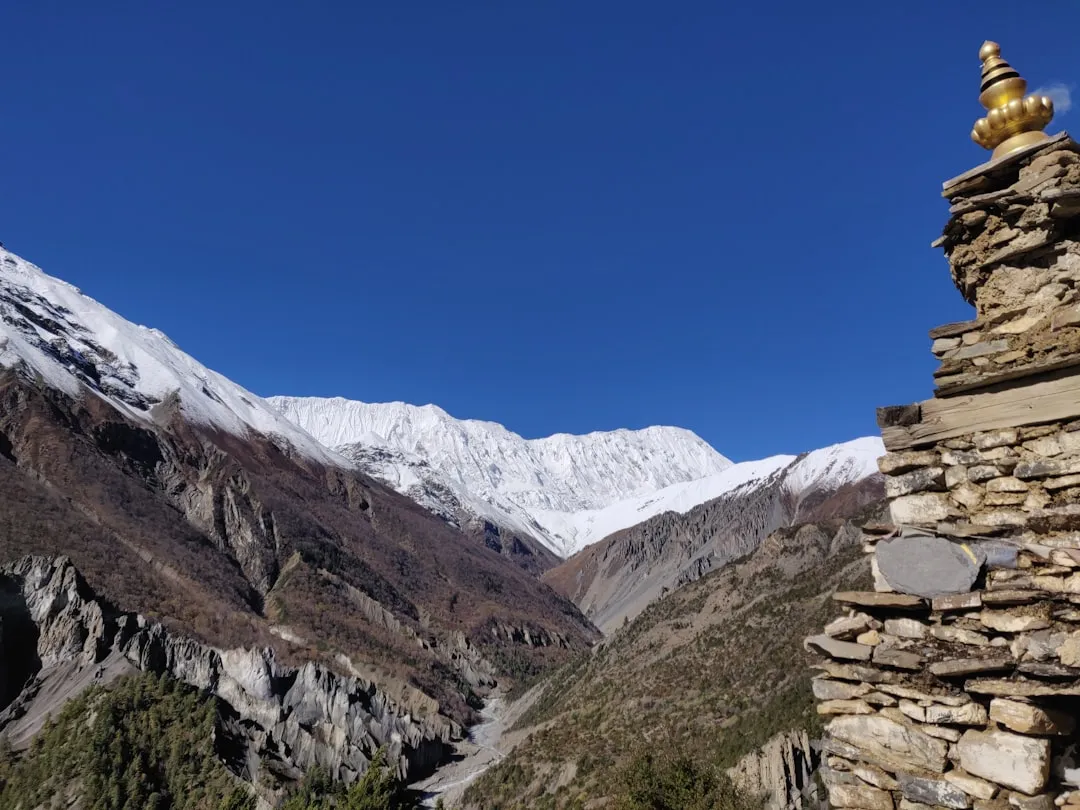
The Kalinchowk Pilgrimage Hike is a significant spiritual and natural journey located in the Dolakha District of Nepal. This moderate-difficulty day walk culminates at the revered Kalinchowk Bhagawati Temple, a sacred Hindu shrine perched at an altitude of approximately 3,842 metres. The trail offers a compelling blend of cultural immersion and breathtaking Himalayan vistas, making it a popular destination for both pilgrims and trekkers. Starting from the accessible village of Kuri, the path ascends through rhododendron forests and alpine meadows, providing increasingly spectacular views of the surrounding peaks, including Gauri Shankar, Langtang Lirung, and Shishapangma. The pilgrimage is particularly vibrant during the Dashain festival, when thousands of devotees make the ascent to offer prayers and seek blessings.
- Distance: 7.0 km one-way
- Elevation Gain: 1,100 m
- Duration: 5–7 hours (round trip)
- Season: October–November and March–April
- Difficulty: Moderate
- Highest point: Kalinchowk Bhagawati Temple (3,842 m)
- Closest City: Kathmandu
- Trailhead Access: Kuri Village
- Permits: Not required for the trail itself, but local temple regulations may apply.
Overview
The Kalinchowk Pilgrimage Hike is a relatively short but intensely rewarding day walk that ascends to one of Nepal's most sacred Hindu temples. The journey begins in Kuri Village, a charming settlement that serves as the primary gateway to the pilgrimage site. From Kuri, the trail embarks on a steady, sometimes steep, climb through diverse landscapes. Initially, the path winds through dense rhododendron and pine forests, offering a cool and shaded environment. As the altitude increases, the forest gradually gives way to open alpine meadows, providing expansive panoramic views of the majestic Himalayas. The trail is well-trodden, indicating its importance as a pilgrimage route, and is often dotted with fellow devotees and trekkers.
The highlight of the hike is undoubtedly the Kalinchowk Bhagawati Temple itself. Perched on a ridge, the temple offers unparalleled 360-degree views of the snow-capped peaks. On a clear day, trekkers can witness the grandeur of the eastern Himalayas, including prominent mountains like Gauri Shankar (7,134 m), Langtang Lirung (7,227 m), and even Shishapangma (8,027 m) in Tibet. The temple is dedicated to the goddess Bhagawati, an incarnation of Durga, and is believed to fulfil the wishes of her devotees. The atmosphere at the summit is often charged with spiritual energy, especially during festival times.
While the hike can be completed in a single day, many visitors choose to stay overnight in Kuri Village to experience the sunrise over the mountains and to allow for a more relaxed pace. The accessibility from Kathmandu, coupled with the spiritual significance and stunning natural beauty, makes the Kalinchowk Pilgrimage Hike a unique and memorable experience in the Nepalese Himalayas.
History and Cultural Context
The Kalinchowk Bhagawati Temple holds deep historical and religious significance for Hindus in Nepal. Legend has it that the temple was established centuries ago, though precise historical records are scarce. The goddess Bhagawati, a fierce form of Durga, is revered as a protector and bestower of blessings. The location of the temple, high in the Himalayas with commanding views, is considered auspicious and spiritually potent.
The pilgrimage to Kalinchowk has been a tradition for generations. Devotees undertake the arduous journey, often on foot, to offer prayers, perform rituals, and seek divine intervention for their well-being, prosperity, and the fulfilment of their desires. The temple is particularly crowded during the Dashain festival, the most important Hindu festival in Nepal, which typically falls in September or October. During Dashain, thousands of pilgrims ascend to Kalinchowk to offer animal sacrifices (primarily goats and buffaloes) and to receive blessings from the goddess.
The trail itself has evolved from a simple mountain path to a more defined trekking route. The development of Kuri Village as a base settlement has facilitated easier access for pilgrims and tourists. The surrounding region is also rich in natural beauty, with its diverse flora and fauna, including the national flower of Nepal, the rhododendron, which blooms vibrantly in spring. The cultural fabric of the area is woven with the threads of faith, tradition, and the enduring connection between the people and the powerful Himalayan landscape.
Seasonal Highlights and Weather Reality
The best times to undertake the Kalinchowk Pilgrimage Hike are during the post-monsoon autumn months (October–November) and the pre-monsoon spring months (March–April). These periods offer the most favourable weather conditions for trekking in the Nepalese Himalayas.
Autumn (October–November): This is considered the prime trekking season. The monsoon rains have cleared, leaving the skies crisp and clear, offering excellent visibility of the Himalayan peaks. The air is cool and pleasant, making the ascent comfortable. The rhododendron forests may still have some late blooms in early October. This season is ideal for photography and enjoying the panoramic mountain views.
Spring (March–April): Spring is another excellent time to visit. The weather is generally stable, and the temperatures begin to warm up. This is when the rhododendron forests are in full bloom, painting the hillsides with vibrant shades of red, pink, and white. The contrast between the colourful flowers and the snow-capped mountains is spectacular. However, spring can sometimes bring dust and haze, which might slightly reduce visibility compared to autumn.
Monsoon (June–September): This period is generally not recommended for trekking. Heavy rainfall can make the trails muddy, slippery, and prone to landslides. Visibility is often poor due to clouds and fog, obscuring the mountain views. While the landscape is lush and green, the practical challenges and reduced scenic rewards make it less ideal for this hike.
Winter (December–February): While possible, winter trekking can be challenging. Temperatures drop significantly, and there is a risk of snow and ice on the higher sections of the trail, particularly near the summit. The mountain views can be stunning on clear winter days, but the cold can be intense, and access to Kuri Village might be affected by snowfall. Warm clothing and appropriate gear are essential.
Recommended Itinerary
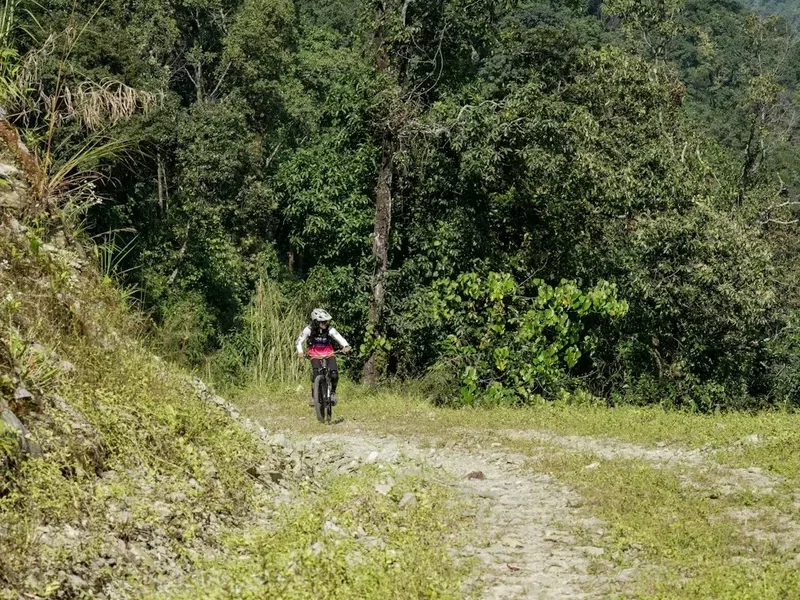
Kalinchowk Pilgrimage Hike - Day Trip Itinerary
Early Morning (Approx. 6:00 AM): Departure from Kathmandu
- Depart from Kathmandu by private jeep or local bus.
- The journey to Charikot takes approximately 5–6 hours, depending on road conditions and traffic.
- Enjoy the changing landscapes as you leave the urban sprawl and enter the foothills of the Himalayas.
Morning (Approx. 11:00 AM): Arrival in Charikot & Transfer to Kuri Village
- Arrive in Charikot, the district headquarters of Dolakha.
- From Charikot, hire a local jeep for the rough and winding drive to Kuri Village. This journey can take 2–3 hours.
- The road to Kuri is often challenging, especially after rain, and requires a sturdy 4WD vehicle.
- Settle into Kuri Village, a small settlement that serves as the base for the hike.
- Have a brief rest and a light lunch or snacks to prepare for the ascent.
Midday (Approx. 1:00 PM): Ascent to Kalinchowk Bhagawati Temple
- Begin the hike from Kuri Village towards Kalinchowk Bhagawati Temple.
- Distance: Approximately 3.5 km (one way from Kuri Village).
- Elevation Gain: Approximately 1,100 metres from Kuri Village to the temple.
- Time: 2.5–3.5 hours for the ascent, depending on fitness and pace.
- The trail is a mix of stone steps and dirt paths, with some steeper sections.
- Pass through rhododendron and pine forests, with occasional clearings offering glimpses of the surrounding hills.
- As you gain altitude, the air becomes cooler, and the views begin to open up.
Afternoon (Approx. 3:30 PM - 4:30 PM): At the Summit & Temple Visit
- Arrive at the Kalinchowk Bhagawati Temple.
- Spend time exploring the temple complex and offering prayers.
- Take in the spectacular 360-degree panoramic views of the Himalayan range, including Gauri Shankar, Langtang Lirung, and Shishapangma.
- Enjoy the sense of accomplishment and the spiritual atmosphere.
- There are small tea stalls near the temple where you can rest and have a warm drink.
Late Afternoon (Approx. 4:30 PM): Descent to Kuri Village
- Begin the descent back to Kuri Village.
- Time: Approximately 1.5–2 hours for the descent.
- The descent is generally quicker but can be hard on the knees.
- Take care on the steeper sections and loose gravel.
Evening (Approx. 6:30 PM): Return Journey to Kathmandu
- Depart from Kuri Village by jeep back to Charikot.
- From Charikot, board your pre-arranged bus or jeep for the return journey to Kathmandu.
- The drive back will be in the dark, but the memories of the day's adventure will be vivid.
Alternative: Overnight Stay in Kuri Village
- If time permits and you wish for a more relaxed experience, consider staying overnight in Kuri Village.
- This allows for an early morning hike to witness the sunrise over the Himalayas, which is often spectacular.
- Enjoy local hospitality and a peaceful evening in the mountain village.
- Depart for Kathmandu the following morning.
Planning and Bookings
Book Your Trip
Everything you need to plan your journey
Accommodation
Find places to stay near Kathmandu
Flights
Search flights to Kathmandu
Essential Preparation
The Kalinchowk Pilgrimage Hike is a day trip, but proper preparation is still crucial for a safe and enjoyable experience. The journey from Kathmandu to the trailhead at Kuri Village is long and involves varied road conditions. It is advisable to book transport in advance, especially if travelling during peak seasons or festivals. Hiring a private jeep offers the most flexibility and comfort for the journey to Kuri, as the roads can be rough and challenging for standard vehicles. If travelling by public transport, be prepared for longer travel times and potential changes in bus schedules.
Kuri Village is the primary base for the hike. Accommodation options here are basic but comfortable, typically consisting of guesthouses or lodges offering simple rooms and meals. It's recommended to book accommodation in Kuri in advance if you plan to stay overnight, particularly during festival periods like Dashain. The village has limited facilities, so carrying essential personal items and any specific food or medication you might need is wise. The altitude at Kuri Village is around 2,700 metres, and the temple is at 3,842 metres, so be mindful of acclimatisation, especially if you are coming directly from sea level.
Trail Accommodation
This is a day hike requiring no overnight accommodation on the trail itself. However, if you choose to extend your visit, Kuri Village offers basic lodging options.
Kuri Village Lodging:
- Type: Guesthouses and lodges.
- Facilities: Rooms typically include beds with mattresses, and shared or attached bathrooms. Basic dining areas serving local Nepali cuisine are usually available.
- What's NOT provided: Luxury amenities, heating in rooms (though blankets are provided), Wi-Fi, or extensive food menus.
- Seasonal Availability: Generally available year-round, but services might be reduced during the monsoon season.
- Booking Requirements: Recommended to book in advance, especially during peak seasons (October-November, March-April) and festivals like Dashain.
- Costs: Expect costs to be modest, typically ranging from NPR 800 to NPR 2,000 per night for a double room.
Required Gear
- Sturdy Hiking Boots: Waterproof and well broken-in, with good ankle support for the uneven terrain and potential slippery sections.
- Waterproof Jacket: Essential for protection against rain and wind, especially at higher altitudes where weather can change rapidly.
- Warm Layers: Fleece jacket, thermal base layers, and a warm hat (beanie) are crucial, as temperatures can be cold, particularly at the summit and during early mornings/evenings.
- Trekking Trousers: Comfortable, quick-drying trousers suitable for hiking. Avoid jeans.
- Backpack: A daypack (20–30 litres) to carry essentials like water, snacks, extra layers, and a camera.
- Head Torch: With spare batteries, useful for early morning starts or if your return journey is delayed into the evening.
- First-Aid Kit: Including personal medications, blister treatment, pain relievers, antiseptic wipes, and bandages.
- Sun Protection: Sunglasses, sunscreen (SPF 30+), and a wide-brimmed hat or cap, as the sun can be intense at higher altitudes.
What to Bring
- Water: At least 1.5–2 litres of water per person. Refillable water bottles or a hydration reservoir are recommended.
- Water Treatment: Water purification tablets or a filter are advisable if you plan to refill from natural sources, though bottled water is available in Kuri Village.
- Food/Snacks: High-energy snacks such as nuts, dried fruits, energy bars, and biscuits. While tea and snacks are available at the temple, carrying your own ensures you have sustenance.
- Camera: To capture the stunning mountain vistas and cultural sights.
- Personal Toiletries: Including hand sanitiser, wet wipes, and any personal hygiene items.
- Cash: Nepali Rupees (NPR) are essential for transport, food, accommodation (if staying overnight), and any temple donations. ATMs are not available in Kuri Village.
- Mobile Phone: For communication, though signal can be intermittent. Ensure it is fully charged.
- Trekking Poles: Optional but highly recommended for stability on ascents and descents, especially on steep or slippery sections.
Permits
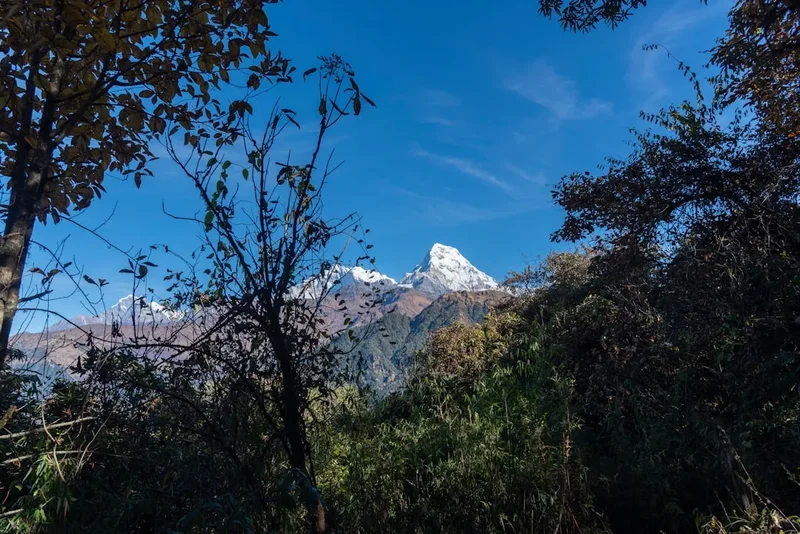
No specific permits are required to trek the Kalinchowk Pilgrimage Hike itself. The trail is open to all, and the path from Kuri Village to the Kalinchowk Bhagawati Temple is a public route. However, as it is a sacred religious site, visitors are expected to adhere to local customs and temple regulations. This may include dress codes (modest clothing is advisable) and rules regarding photography or offerings within the temple premises.
Important Considerations:
- Temple Etiquette: Visitors should be respectful of the religious nature of the site. Remove shoes before entering the main temple area and dress modestly.
- Donations: While not mandatory, donations to the temple are welcomed and contribute to its upkeep.
- Local Regulations: Always be mindful of any local rules or guidelines communicated by temple authorities or village elders.
- National Park Fees: This hike does not fall within a designated national park that requires entry fees.
The primary logistical requirement is arranging transportation to Kuri Village, which involves road travel and potentially hiring local jeeps. Ensure your transport arrangements are confirmed, especially if travelling during peak times.
Other Activities in the Area
While the Kalinchowk Pilgrimage Hike is the main attraction, the surrounding region offers several other points of interest and activities:
- Sunrise/Sunset Viewing: If you choose to stay overnight in Kuri Village, waking up early to witness the sunrise over the Himalayas from the vicinity of the temple is an unforgettable experience. The changing colours of the sky and the illuminated peaks are breathtaking.
- Exploring Kuri Village: The village itself offers a glimpse into rural Nepali life. You can interact with the local Tamang and Sherpa communities, observe their daily routines, and enjoy the peaceful mountain atmosphere.
- Local Cuisine: Sample traditional Nepali dishes like Dal Bhat (lentil soup with rice), momos (dumplings), and local tsampa (roasted barley flour) in the teahouses of Kuri Village.
- Photography: The entire region is a photographer's paradise, from the vibrant rhododendron forests in spring to the majestic snow-capped peaks and the cultural scenes in the village.
- Short Nature Walks: Beyond the main trail to the temple, there are opportunities for shorter walks around Kuri Village, offering different perspectives of the valleys and surrounding hills.
- Cultural Immersion: If your visit coincides with local festivals or events, you may have the chance to witness traditional music, dance, and religious ceremonies, offering a deeper insight into the local culture.
Safety and Conditions
Altitude Sickness: While Kalinchowk is a day hike, the altitude (up to 3,842 metres) can still pose a risk. Ascend gradually, stay hydrated, and avoid strenuous activity immediately upon arrival at higher elevations. If you experience symptoms like headache, nausea, dizziness, or fatigue, descend immediately. Kuri Village (approx. 2,700 m) is a good place to acclimatise briefly before the final ascent.
Trail Conditions: The trail from Kuri Village to the temple is generally well-maintained but can be steep and uneven. It consists of stone steps and dirt paths. After rain, sections can become muddy and slippery. In winter, there is a risk of ice and snow, making the trail hazardous without proper equipment.
Weather: Mountain weather is unpredictable. Be prepared for rapid changes, including sudden drops in temperature, strong winds, fog, and rain, even during the recommended seasons. Always check the weather forecast before you depart and carry appropriate clothing layers.
Road Conditions: The road from Charikot to Kuri Village is rough and often unpaved. It can be impassable for standard vehicles, especially during and after the monsoon season. Hiring a sturdy 4WD jeep is highly recommended. Road closures due to landslides can occur, so it's wise to have some flexibility in your travel plans.
Health and Hydration: Drink plenty of water throughout the hike to stay hydrated and help prevent altitude sickness. Carry a basic first-aid kit for minor injuries. Ensure you have any personal medications you require.
Communication: Mobile phone reception can be intermittent in the mountains. Inform someone of your trekking plans and expected return time. Consider carrying a power bank for your phone.
Respect Local Customs: Dress modestly when visiting the temple and be mindful of local traditions and religious practices.
Side Trips and Points of Interest
Kalinchowk Bhagawati Temple: The primary destination, this sacred Hindu shrine is perched at 3,842 metres. It is dedicated to Goddess Bhagawati, an incarnation of Durga. The temple is a significant pilgrimage site, especially during the Dashain festival. The spiritual atmosphere and the panoramic views from this vantage point are the main draws.
Panoramic Himalayan Views: From the temple and its surroundings, on a clear day, you are treated to breathtaking 360-degree vistas of the majestic Himalayan range. Key peaks visible include:
- Gauri Shankar (7,134 m): A sacred mountain revered by both Hindus and Buddhists.
- Langtang Lirung (7,227 m): The highest peak in the Langtang region.
- Shishapangma (8,027 m): The 14th highest mountain in the world, located in Tibet, China.
- Other prominent peaks like Dorje Lakpa and Jugal Himal may also be visible.
Rhododendron Forests: During the spring season (March–April), the slopes surrounding the trail and Kuri Village are carpeted with blooming rhododendrons. These vibrant red, pink, and white flowers create a spectacular natural display against the backdrop of the mountains, making it a prime time for nature lovers and photographers.
Kuri Village: This small, traditional village serves as the base for the hike. It offers a glimpse into the local Tamang and Sherpa culture. You can find basic teahouses and lodges here, providing a taste of rural Nepali life and hospitality. The village itself is picturesque, nestled amidst rolling hills.
Sunrise/Sunset Views: If you opt for an overnight stay in Kuri Village, the opportunity to witness the sunrise or sunset from the higher vantage points near the temple is a significant point of interest. The golden light illuminating the snow-capped peaks is a truly magical experience.
Leave No Trace
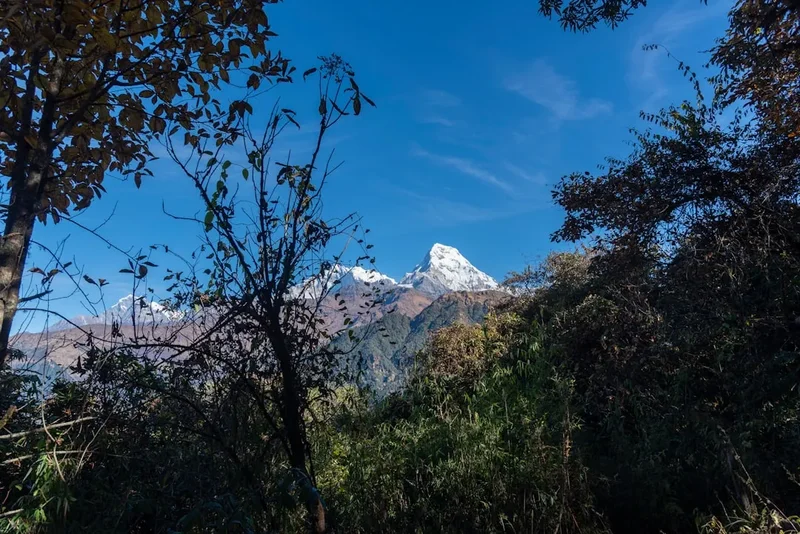
The Kalinchowk Pilgrimage Hike traverses a beautiful natural environment and a sacred cultural site. Practising Leave No Trace principles is essential to preserve its pristine condition for future pilgrims and visitors.
Plan Ahead and Prepare: Research the trail, weather, and local customs before you go. Pack appropriately for the conditions and carry all necessary supplies. Inform someone of your itinerary.
Travel and Camp on Durable Surfaces: Stick to the marked trail to avoid damaging vegetation. The path from Kuri Village is well-defined, but avoid straying off it, especially in forested areas.
Dispose of Waste Properly: Pack out everything you pack in. This includes all food wrappers, plastic bottles, and any other refuse. There are no waste disposal facilities on the trail or at the temple. Use the designated toilets in Kuri Village or the temple area and carry out any sanitary waste.
Leave What You Find: Do not pick flowers, disturb wildlife, or remove any natural or cultural objects from the site. The rhododendrons are a key part of the spring beauty, and they should be left for others to enjoy.
Minimise Campfire Impacts: Campfires are not permitted on this day hike. If you were to stay overnight in Kuri Village, use designated cooking facilities and be mindful of fuel consumption.
Respect Wildlife: Observe wildlife from a distance and never feed them. While large wildlife is uncommon on this specific trail, smaller animals and birds inhabit the area.
Be Considerate of Other Visitors: Respect the spiritual nature of the Kalinchowk Bhagawati Temple. Keep noise levels down, especially near the temple, and be mindful of other pilgrims and trekkers. Allow faster hikers to pass and yield to those ascending when descending.
 Nepal
Nepal