
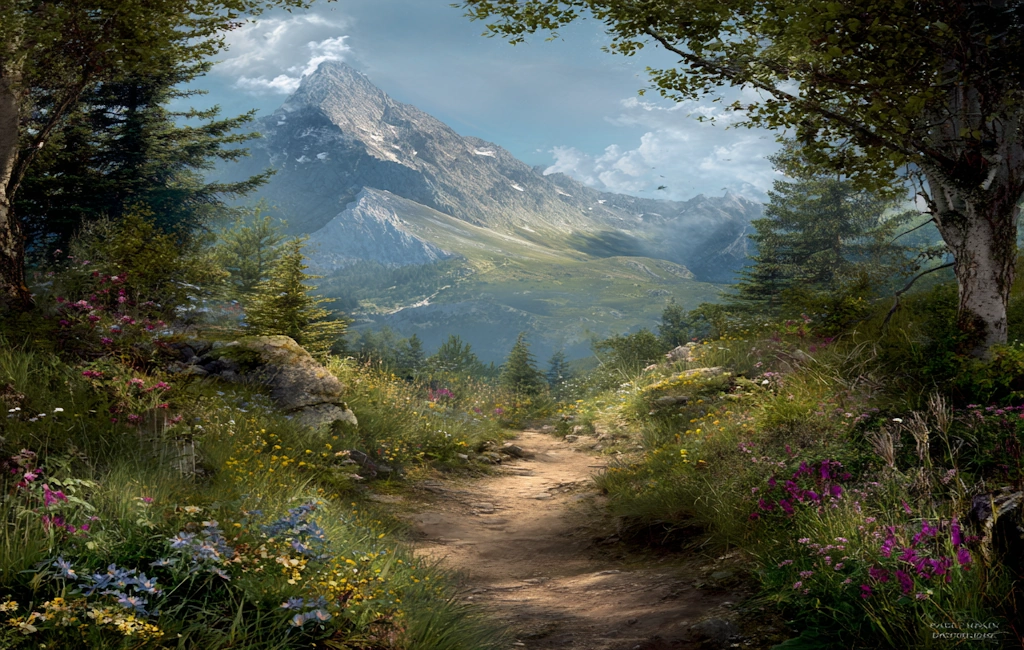
Kalalau Trail (Hanakapiai Falls) - Kauai's Coastal Gem
The Kalalau Trail, specifically the section leading to Hanakapi'ai Falls, is a world-renowned coastal hike on the Nā Pali Coast of Kauai, Hawaii. This iconic trail offers a dramatic introduction to one of the most breathtaking coastlines on Earth, a place of sheer emerald cliffs, lush valleys, and the powerful Pacific Ocean. While the full Kalalau Trail is a challenging multi-day trek, the day hike to Hanakapi'ai Falls provides a substantial and rewarding experience, showcasing the raw beauty and unique ecosystem of this protected area. It's a journey that demands respect for the elements, a good level of fitness, and a willingness to immerse oneself in a truly wild and spectacular environment. The trail is a testament to the enduring power of nature and the allure of remote, untamed landscapes.
- Distance: 6.4 km (return to Hanakapi'ai Falls)
- Duration: 4-6 hours
- Elevation Gain: 305 m
- Difficulty: Challenging
- Season: April-October (dry season recommended)
- Trailhead Access: Ha'ena State Park, Kauai
- Permits: Reservations required for Ha'ena State Park entry
Overview
The Kalalau Trail is a legendary 17-mile (27 km) path that hugs the Nā Pali Coast, a rugged and inaccessible stretch of Kauai's northern shore. The day hike to Hanakapi'ai Falls, however, offers a potent taste of this extraordinary landscape without requiring an overnight commitment. Starting at Ke'e Beach, the trail immediately plunges into a dense, tropical rainforest, a stark contrast to the sun-drenched beaches that often define Hawaii. The path is a rollercoaster of ups and downs, traversing narrow ridges with sheer drop-offs to the ocean on one side and plunging valleys on the other. The air is thick with the scent of ginger and guava, and the sounds of the jungle are punctuated by the roar of the Pacific below.
The first two miles (3.2 km) of the trail lead to Hanakapi'ai Beach, a stunning, often dangerous, crescent of sand. From here, the trail continues inland for another mile (1.6 km) to the magnificent Hanakapi'ai Falls, a 300-foot (91 m) cascade plunging into a serene pool. This section of the trail is significantly more challenging, involving stream crossings and a steeper ascent through the valley. The reward is immense: a secluded oasis surrounded by towering, verdant cliffs, a place that feels a world away from civilisation.
The Nā Pali Coast is a place of immense natural beauty and ecological significance. Its dramatic cliffs, carved by millennia of erosion, are home to a unique array of flora and fauna. The trail itself is a testament to the resilience of nature, with sections that can be challenging due to mud, roots, and stream crossings, especially after rain. The experience is not just about the destination but the journey—the immersion in a vibrant, living ecosystem and the awe-inspiring vistas that unfold at every turn.
History and Cultural Context
The Nā Pali Coast has been inhabited by Native Hawaiians for over a thousand years. Ancient Hawaiians were skilled navigators and farmers who cultivated taro in the fertile valleys, utilising the abundant rainfall and rich soil. The valleys, such as Hanakapi'ai, were once home to small agricultural communities, with stone terraces and heiau (temples) dotting the landscape. The Kalalau Trail itself is believed to have originated as an ancient Hawaiian footpath, used for travel, trade, and spiritual journeys between the valleys.
In the 19th century, after the arrival of Westerners, the population in these remote valleys dwindled due to disease and the disruption of traditional lifestyles. The Kalalau Trail, however, persisted as a vital link for the few remaining inhabitants and later for adventurers and explorers. It gained notoriety in the early 20th century as a challenging and remote hiking destination, attracting those seeking to experience the wild beauty of Kauai.
The trail's modern history is intertwined with conservation efforts. In the late 20th century, concerns grew about the impact of increasing visitor numbers on the fragile Nā Pali Coast. This led to the establishment of Ha'ena State Park and the implementation of strict regulations, including the reservation system, to manage visitor access and protect the natural and cultural resources. The trail is not just a hiking path; it's a living testament to the enduring spirit of the land and its people, a place where history and nature converge.
Seasonal Highlights and Weather Reality
The best time to hike the Kalalau Trail to Hanakapi'ai Falls is during the dry season, which generally runs from April to October. During these months, rainfall is less frequent, and the trail is typically drier and less prone to mud and slippery conditions. The ocean is also generally calmer, though caution is always advised.
Spring (April-May): The weather begins to warm, and the landscape is lush and green from winter rains. Wildflowers may be in bloom, adding to the scenic beauty. The crowds are generally smaller than in the peak summer months.
Summer (June-August): This is the peak season for visitors. The weather is typically warm and sunny, with long daylight hours. However, it can also be the busiest time, and parking at Ke'e Beach can be extremely challenging. Sandflies can also be more prevalent during warmer months.
Autumn (September-October): The weather remains pleasant, and the crowds begin to thin out. The ocean conditions are usually still favourable. This can be an excellent time to visit for a balance of good weather and fewer people.
Winter (November-March): This is the wet season on Kauai's north shore. Rainfall increases significantly, making the trail muddy, slippery, and potentially hazardous. Stream crossings can become dangerous, and flash floods are a risk. The ocean is also rougher, with large waves common along the coast, making Hanakapi'ai Beach particularly dangerous. While still beautiful, hiking during this period requires extra caution, appropriate gear, and a thorough understanding of the risks.
Regardless of the season, weather on the Nā Pali Coast can change rapidly. Always be prepared for rain, even during the dry season, and check the forecast before you go.
Recommended Itinerary
Day Hike: Ke'e Beach to Hanakapi'ai Falls
Early Morning (Approx. 7:00 AM - 8:00 AM): Arrival and Start
- Arrive at Ha'ena State Park. Ensure you have your pre-booked entry reservation.
- Park at the designated parking area near Ke'e Beach.
- Begin the hike from the trailhead at the end of the road at Ke'e Beach.
- The initial section of the trail is paved and well-maintained, offering stunning ocean views.
- Be aware of the time limit for your park reservation.
Morning (Approx. 8:00 AM - 10:00 AM): Hike to Hanakapi'ai Beach
- Distance: 3.2 km (3.2 km) one-way
- Elevation Gain: Gradual, with some ups and downs
- Time: 1.5–2 hours
- The trail winds through lush tropical vegetation, with occasional glimpses of the dramatic Nā Pali coastline.
- You will encounter several stream crossings, which can be challenging after rain.
- Arrive at Hanakapi'ai Beach. This is a beautiful but often dangerous beach due to strong currents and shore break. Swimming is strongly discouraged.
- Take a short break, enjoy the views, but be mindful of the time and the next section of the hike.
Midday (Approx. 10:00 AM - 1:00 PM): Hike to Hanakapi'ai Falls
- Distance: 1.6 km (1.6 km) one-way from Hanakapi'ai Beach
- Elevation Gain: Significant, approximately 150 m (152 m)
- Time: 1–1.5 hours
- The trail becomes more rugged and challenging, ascending into the Hanakapi'ai Valley.
- Expect muddy sections, exposed roots, and more challenging stream crossings.
- The vegetation becomes denser, creating a true rainforest atmosphere.
- Listen for the sound of the waterfall as you approach.
- Arrive at Hanakapi'ai Falls. Admire the impressive 300-foot (91 m) cascade and the serene pool at its base.
- Enjoy your packed lunch and the tranquil surroundings. Swimming in the pool is possible but can be cold and is at your own risk.
Afternoon (Approx. 1:00 PM - 4:00 PM): Return Hike to Ke'e Beach
- Distance: 4.8 km (4.8 km) return from falls to Ke'e Beach
- Time: 2–3 hours
- Retrace your steps back down the valley and along the coast.
- Be cautious on the descent, especially if the trail is wet.
- Allow ample time to return to your vehicle before your park reservation expires.
- The return journey offers a different perspective on the landscape.
Important Notes:
- Reservations for Ha'ena State Park are mandatory and must be made in advance.
- Parking is extremely limited; consider using the shuttle service if available.
- The trail can be very muddy and slippery, especially after rain. Wear appropriate footwear.
- Stream crossings can be dangerous. Do not attempt to cross if the water is high or fast-flowing.
- Swimming at Hanakapi'ai Beach is extremely dangerous and not recommended.
- Pack plenty of water, snacks, and sun protection.
- Leave no trace: pack out everything you pack in.
Planning and Bookings
Book Your Trip
Everything you need to plan your journey
Accommodation
Find places to stay near Lihue, Kauai
Flights
Search flights to Lihue, Kauai
Essential Preparation
Hiking the Kalalau Trail to Hanakapi'ai Falls requires careful planning, especially regarding access to Ha'ena State Park. Reservations are mandatory for entry into the park, which includes the trailhead for the Kalalau Trail. These reservations are released on a rolling basis and can sell out quickly, particularly during peak season. It is crucial to book your park entry well in advance through the official state park website.
The closest major airport is Lihue Airport (LIH) on Kauai. From Lihue, you will need to drive north on Kuhio Highway (56) towards the end of the road at Ke'e Beach. The drive takes approximately 1 to 1.5 hours, depending on traffic. Parking at Ke'e Beach is extremely limited and often fills up by mid-morning. Many visitors opt to use the shuttle service that operates from designated pick-up points, which is often a more reliable and less stressful option. Familiarise yourself with the shuttle schedules and pick-up locations.
Given the challenging nature of the trail and the potential for rapid weather changes, it is advisable to be in good physical condition. Ensure you have adequate fitness for sustained walking, uphill climbs, and navigating uneven terrain. Base town information: Hanalei is the nearest town with amenities like restaurants, grocery stores, and accommodation options. Lihue offers more extensive services and is the main gateway to the island.
Trail Accommodation
This is a day hike requiring no overnight accommodation. The trail to Hanakapi'ai Falls is typically completed within a single day, with hikers returning to their vehicles at Ke'e Beach by late afternoon.
Required Gear
- Sturdy hiking boots or trail shoes with good grip: Waterproofing is beneficial, as the trail can be muddy and wet. Ensure they are well broken-in to prevent blisters.
- Waterproof jacket: Essential for protection against sudden rain showers, which are common in the tropical environment.
- Backpack: A comfortable daypack (20-30 litres) to carry essentials.
- Navigation: While the trail to Hanakapi'ai Falls is generally well-trodden, a map or GPS device with an offline map of the area is recommended, especially for understanding distances and elevation.
- First-aid kit: Including blister treatment, bandages, antiseptic wipes, pain relievers, and any personal medications.
- Sun protection: High SPF sunscreen, a wide-brimmed hat, and sunglasses are crucial, even on cloudy days, due to the tropical sun.
- Insect repellent: Especially important for warding off sandflies and mosquitoes, particularly in the shaded, humid valley sections.
- Trekking poles (optional): Can provide extra stability on slippery or uneven terrain and help with stream crossings.
What to Bring
- Water: Carry at least 2-3 litres of water per person. There are no reliable water sources for refilling on the trail, and any stream water should be treated.
- Food: Plenty of high-energy snacks and a packed lunch. Options include trail mix, energy bars, fruit, sandwiches.
- Water treatment: A water filter or purification tablets if you plan to refill from streams (not recommended unless absolutely necessary and you have the means to treat it effectively).
- Toiletries: Hand sanitiser, biodegradable wet wipes. There are no facilities on the trail.
- Camera: To capture the stunning scenery.
- Dry bag: To protect electronics and valuables from moisture.
- Change of clothes: For after the hike, especially if you get wet or muddy.
Permits
Access to Ha'ena State Park, which includes the trailhead for the Kalalau Trail to Hanakapi'ai Falls, requires a reservation. These reservations are managed by the State of Hawaii and are released on a rolling basis. It is imperative to book your entry reservation well in advance of your planned hiking date.
Reservation System:
- Where to book: Reservations are made through the official Ha'ena State Park website or a designated third-party booking platform.
- Release Schedule: Reservations are typically released in blocks, often 30 days in advance. Check the official website for the most up-to-date release schedule.
- Demand: Demand is extremely high, especially during peak tourist seasons (summer, holidays). Reservations can sell out within minutes of being released.
- Types of Reservations: You will need to book a specific entry time slot and potentially a parking reservation if you plan to drive.
- Shuttle Option: An alternative to driving and parking is to book a shuttle service. This often includes your park entry fee and is a convenient way to access the trailhead, especially given the limited parking.
- Cost: There is an entrance fee for the park and potentially a separate fee for parking or the shuttle.
Important Considerations:
- Book Early: Do not wait until the last minute. Plan your trip and secure your reservation as soon as they become available.
- Flexibility: Have a few alternative dates in mind in case your preferred date is unavailable.
- Official Website: Always use the official booking channels to avoid scams or unofficial third-party sites.
- No Walk-ups: It is highly unlikely to get a reservation on the day of arrival.
Failure to secure a reservation will prevent you from accessing the trailhead and hiking the Kalalau Trail to Hanakapi'ai Falls.
Other Activities in the Area
Beyond the hike to Hanakapi'ai Falls, the Nā Pali Coast and surrounding areas offer a wealth of experiences:
- Nā Pali Coast Boat Tours: Explore the dramatic coastline from the water. Various tours offer opportunities to see sea caves, waterfalls, and marine life like dolphins and sea turtles. Some tours include snorkelling.
- Nā Pali Coast Helicopter Tours: Get a bird's-eye view of the entire Nā Pali Coast, including the Kalalau Valley, which is inaccessible by trail. This offers unparalleled perspectives of the sheer cliffs and remote valleys.
- Kayaking the Nā Pali Coast: For the adventurous, guided sea kayaking tours offer an intimate way to experience the coast. This is typically a summer activity due to ocean conditions.
- Snorkelling and Diving: While the Nā Pali Coast itself can be rough, nearby areas like Tunnels Beach (Makua) offer excellent snorkelling and diving opportunities in calmer waters, with vibrant coral reefs and diverse marine life.
- Exploring Hanalei Town: A charming surf town with shops, art galleries, and restaurants. It's a great place to relax after a hike and enjoy local cuisine.
- Hanalei Bay: A beautiful crescent-shaped bay perfect for swimming, paddleboarding, and enjoying the sunset.
- Limahuli Garden and Preserve: Located within Ha'ena State Park, this botanical garden showcases native Hawaiian plants and offers insights into traditional Hawaiian agriculture and culture.
- Wailua River State Park: Visit the Fern Grotto, take a kayak trip up the Wailua River, or explore the Opaeka'a Falls.
Safety and Conditions
Trail Conditions: The Kalalau Trail is a challenging and often rugged path. Expect it to be muddy, slippery, and uneven, especially after rain. Roots and rocks can create tripping hazards. The trail involves steep ascents and descents, and narrow sections with significant drop-offs. Always wear appropriate footwear with good traction.
Stream Crossings: There are multiple stream crossings on the trail to Hanakapi'ai Falls. These streams can swell rapidly after rainfall, becoming dangerous or impassable. Never attempt to cross a stream if the water is high, fast-flowing, or if you are unsure of its depth. If in doubt, turn back. Flash floods are a real danger in the valleys.
Ocean Safety: Hanakapi'ai Beach is beautiful but notoriously dangerous. The ocean currents and shore break are extremely strong, and swimming is strongly discouraged. Heed all warning signs and never turn your back on the ocean.
Weather: Kauai's north shore can experience sudden and heavy rainfall, even during the dry season. Be prepared for changing weather conditions. Hypothermia is a risk if you get wet and cold, especially in the shaded, humid valley. Carry a waterproof jacket and extra layers.
Sun Exposure: While parts of the trail are shaded, the coastal sections can be very exposed to the sun. Use high SPF sunscreen, wear a hat, and stay hydrated.
Sandflies: Sandflies are prevalent, particularly in the more humid, vegetated areas of the trail. They are most active in the early morning and late afternoon. Use effective insect repellent containing DEET or picaridin.
Wildlife: Be aware of your surroundings. While large dangerous animals are not common, respect all wildlife. Do not feed any animals.
Emergency Preparedness: Cell phone service is unreliable on the trail. Inform someone of your hiking plans, including your expected return time. Carry a fully charged phone and a portable power bank. Consider carrying a personal locator beacon (PLB) for emergencies.
Respect the Environment: Stay on the marked trail to protect fragile vegetation and prevent erosion. Pack out everything you pack in.
Side Trips and Points of Interest
Hanakapi'ai Falls: The primary destination for this day hike, the 300-foot (91 m) waterfall is a spectacular sight. The pool at its base offers a refreshing, albeit chilly, place for a dip for those brave enough. The journey into the valley to reach the falls is as much a part of the experience as the falls themselves, with the dense rainforest and the sound of the cascading water creating a truly immersive atmosphere.
Hanakapi'ai Beach: While swimming is not recommended due to dangerous currents, Hanakapi'ai Beach is a stunningly beautiful and remote stretch of sand. It serves as a natural resting point and a dramatic visual marker on the trail. The sheer cliffs of the Nā Pali Coast rise dramatically behind the beach, offering incredible photographic opportunities. It's a place to appreciate the raw power and beauty of the Pacific Ocean.
Coastal Views: The first two miles of the trail from Ke'e Beach offer some of the most iconic views of the Nā Pali Coast. Look back towards Ke'e Beach and the iconic volcanic sea arch, and gaze out at the vast expanse of the Pacific. The trail traverses narrow ridges, providing breathtaking panoramas of the rugged coastline, with the turquoise ocean crashing against the emerald cliffs.
Tropical Flora and Fauna: The trail is a journey through a vibrant tropical ecosystem. Keep an eye out for the diverse plant life, including native ferns, ginger flowers, and guava trees. The air is filled with the sounds of tropical birds. The sheer density and lushness of the vegetation are a constant point of interest.
Leave No Trace
The Kalalau Trail, and the Nā Pali Coast in general, is a fragile and ecologically sensitive environment. Adhering to Leave No Trace principles is paramount to preserving its beauty and integrity for future generations. Your actions on the trail have a direct impact.
Plan Ahead and Prepare: Research the trail, understand its challenges, and book necessary reservations. Pack appropriate gear and sufficient supplies. Know the regulations for Ha'ena State Park.
Travel and Camp on Durable Surfaces: While this is a day hike, the principle applies to staying on the marked trail. Avoid cutting switchbacks or walking on vegetation, which can cause erosion and damage delicate plant life.
Dispose of Waste Properly: Pack it in, pack it out. This includes all food scraps, wrappers, and any other trash. There are no trash receptacles on the trail. Use designated toilet facilities at the trailhead and pack out all used toilet paper. Do not bury human waste.
Leave What You Find: Do not take any natural objects (rocks, plants, shells) or cultural artifacts. Leave the environment as you found it.
Minimise Campfire Impacts: Not applicable for this day hike, but a reminder for those considering overnight trips on the full Kalalau Trail.
Respect Wildlife: Observe wildlife from a distance. Never feed animals, as it can disrupt their natural behaviours and diets, and can be harmful to their health. Be aware of your surroundings and store food properly if you were to stop for an extended period.
Be Considerate of Other Visitors: Keep noise levels down, yield to other hikers, and be courteous. The trail can be busy, especially during peak season.
By following these principles, you help ensure that the magic of the Nā Pali Coast remains for all to experience.
 USA
USA