
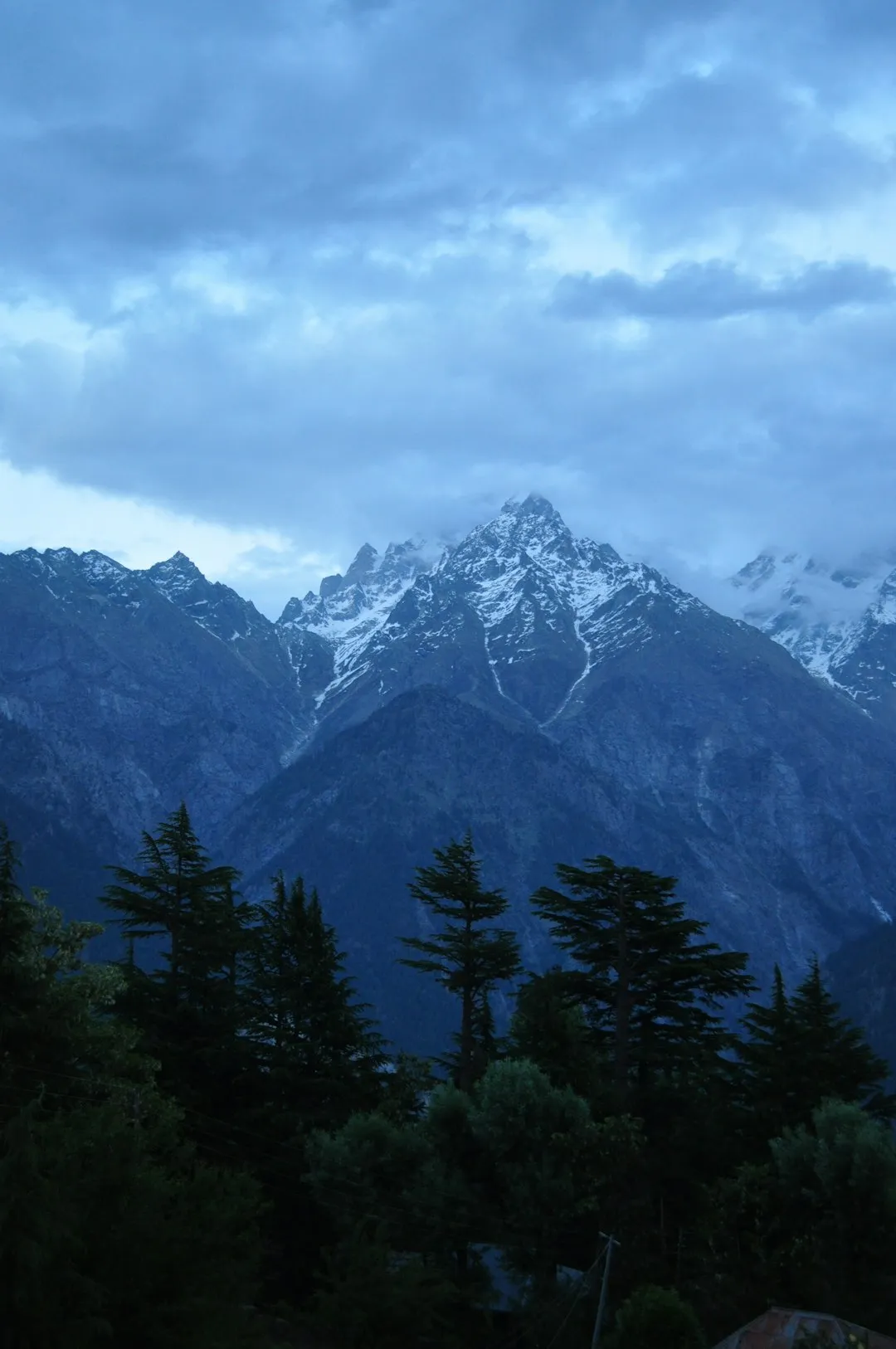
Kailash Mansarovar Trek (Indian Side)
The Kailash Mansarovar Yatra, particularly the trek undertaken from the Indian side, is one of the most revered and challenging pilgrimage circuits in the world. This arduous journey circumnavigates the sacred Mount Kailash, a peak considered the abode of Lord Shiva and a spiritual centre for Hindus, Buddhists, Jains, and Bon followers. The trek, often referred to as the 'Kora' or 'Parikrama', is not merely a physical expedition but a profound spiritual undertaking, demanding immense devotion, physical endurance, and mental fortitude. The route traverses high-altitude desert landscapes, crosses formidable mountain passes, and offers breathtaking, albeit often fleeting, views of the majestic Kailash massif. This description focuses on the pilgrimage as experienced from the Indian subcontinent, typically involving travel through Uttarakhand, India, and then into the Tibetan Autonomous Region of China.
- Distance: Approximately 56.0 km (Kora/Parikrama)
- Duration: 12-15 days (including travel to/from base camp)
- Season: May to October (avoiding monsoon and extreme winter conditions)
- Highest point: Dolma La Pass (5,630 m)
- Difficulty: Challenging to Extreme (due to altitude, terrain, and weather)
- Base Town (India): Pithoragarh, Uttarakhand
- Access: Requires permits and organised tours, often via Nepal or direct entry into Tibet
Overview
The Kailash Mansarovar Yatra is a spiritual odyssey that tests the limits of human endurance and devotion. The core of the pilgrimage is the circumambulation of Mount Kailash, a 56-kilometre circuit that takes approximately three days to complete. This trek is undertaken at extreme altitudes, with the highest point being the Dolma La Pass at a staggering 5,630 metres. The landscape is starkly beautiful, characterised by high-altitude desert, barren mountains, and glacial streams. The air is thin, the temperatures can fluctuate wildly, and the terrain is often rough and uneven.
The journey typically begins in India, with pilgrims travelling to a base town like Pithoragarh in Uttarakhand. From here, the route progresses towards the Tibetan border, often via Nepal, before entering the Tibetan Autonomous Region of China. The actual trek around Kailash is a profound spiritual experience. Devotees perform prostrations, chant mantras, and offer prayers as they move clockwise around the sacred mountain. The views of Kailash are often obscured by clouds, adding to its mystique and the sense of divine presence. The pilgrimage is not just about reaching the destination but about the inner transformation that occurs during the arduous journey.
The pilgrimage is undertaken by people of various faiths, each with their own interpretations and rituals. For Hindus, it is the abode of Lord Shiva. For Buddhists, it is the centre of the universe, where the Buddha, Bodhisattvas, and demons reside. For Jains, it is the site where their first Tirthankara, Rishabhanatha, attained enlightenment. For followers of Bon, it is a sacred mountain where their founder Shenrab Mibe performed miracles. This shared reverence makes the Kailash Mansarovar Yatra a unique interfaith experience.
The logistical challenges are significant. Obtaining permits for Tibet, arranging transportation, and acclimatising to the extreme altitude are crucial aspects of planning. The journey is often facilitated by specialised tour operators who manage the complex arrangements, including guides, porters, accommodation, and medical support. The Yatra is a testament to faith, resilience, and the enduring human quest for spiritual enlightenment.
History and Cultural Context
Mount Kailash has been a sacred site for millennia, revered by multiple religions and cultures. Its spiritual significance predates recorded history, with ancient texts from Hinduism, Buddhism, Jainism, and Bon all referencing its divine status. The concept of circumambulating sacred mountains is an ancient practice found across many cultures, symbolising a journey towards spiritual purification and enlightenment.
In Hinduism, Kailash is considered the earthly manifestation of Mount Meru, the cosmic axis of the universe, and the eternal abode of Lord Shiva and his consort Parvati. The Puranas describe Shiva meditating at the summit, a powerful image that draws millions of devotees seeking spiritual merit and liberation. The act of performing the Kora is believed to cleanse sins and bring one closer to divine consciousness.
For Buddhists, Kailash is known as Mount Sumeru, a place of immense spiritual power and the dwelling of various deities. The circumambulation is seen as a way to accumulate merit and purify negative karma. Tibetan Buddhists believe that the mountain is a mandala, a symbolic representation of the cosmos, and walking around it helps one understand the interconnectedness of all things.
Jains consider Kailash to be the place where their first Tirthankara, Rishabhanatha, attained liberation (Moksha). The mountain is thus a pilgrimage site for Jains seeking to connect with this profound spiritual event.
The Bon religion, indigenous to Tibet, also holds Kailash in high regard. They believe that their founder, Shenrab Mibe, descended from the heavens onto the summit of Kailash. The Bon tradition performs the Kora in a counter-clockwise direction, a practice that highlights their distinct spiritual path while acknowledging the mountain's supreme sanctity.
Historically, the journey to Kailash was an arduous and dangerous undertaking, often undertaken by ascetics and highly devoted individuals. Over centuries, routes were established, and pilgrimage became a more organised, though still challenging, endeavour. The modern Yatra, facilitated by organised tours and improved (though still basic) infrastructure, allows more people to undertake this sacred journey, but the spiritual essence and physical demands remain.
Seasonal Highlights and Weather Reality
The Kailash Mansarovar Yatra is highly dependent on the season, with specific windows offering the best conditions for travel and trekking. The primary season for the Yatra is from May to October. Outside these months, the region experiences extreme winter conditions, with heavy snowfall, sub-zero temperatures, and impassable roads and passes.
Spring (May to June): This is the beginning of the pilgrimage season. The weather starts to improve after the harsh winter. Temperatures are cold but manageable, especially during the day. Snow begins to melt, making the passes more accessible. However, there can still be lingering snow on the higher reaches, and the landscape is gradually coming to life. This period is ideal for those who prefer fewer crowds and are prepared for cooler temperatures.
Summer (July to August): This is the peak pilgrimage season. The weather is generally warmer, and the days are longer. However, this period also coincides with the monsoon season in the Himalayas, which can bring rain and snow, particularly at higher altitudes. The skies can be cloudy, potentially obscuring views of Mount Kailash. Despite the possibility of rain, this is a popular time due to more favourable travel conditions in the lower regions and the general accessibility of the route.
Autumn (September to October): This is often considered the best time for the Kailash Mansarovar Yatra. The monsoon rains have subsided, and the skies are typically clear, offering excellent, unobstructed views of Mount Kailash. The temperatures are crisp and cool, making trekking more comfortable. The autumn colours in the lower valleys can also be beautiful. However, as October progresses, temperatures begin to drop significantly, and the risk of early snowfall increases.
Winter (November to April): The region is largely inaccessible during these months due to heavy snowfall and extreme cold. Temperatures can plummet to -20°C or lower. The passes are blocked by snow, and most routes are closed. This period is unsuitable for pilgrimage.
Weather Reality: It is crucial to understand that weather in the high Himalayas is unpredictable and can change rapidly at any time of the year. Even during the peak season, pilgrims can experience sunshine, rain, snow, and strong winds all within a single day. Altitude sickness is a significant concern, and acclimatisation is paramount. The thin air, extreme temperatures, and challenging terrain demand respect and careful preparation.
Recommended Itinerary
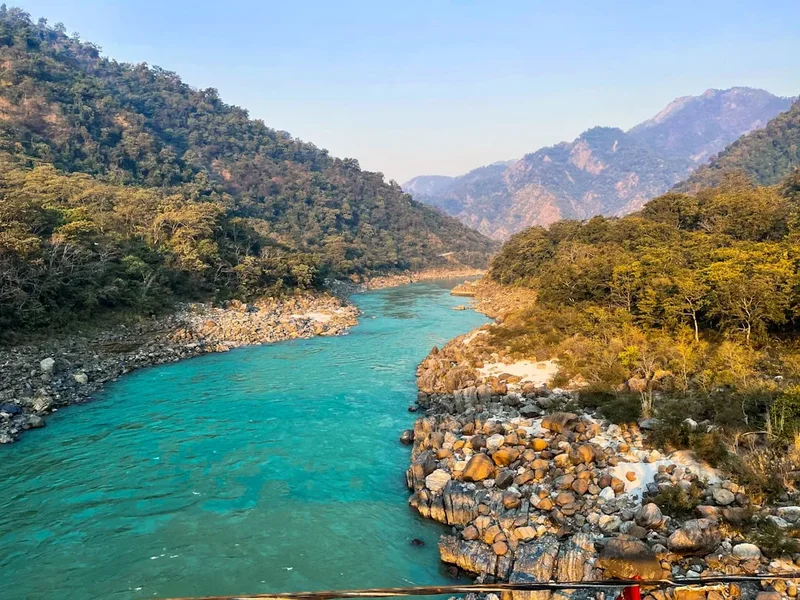
Typical Kailash Mansarovar Yatra Itinerary (Indian Side)
Day 1: Arrival in Delhi, India
- Arrive in Delhi, the starting point for many international pilgrims.
- Rest and prepare for the journey ahead.
- Briefing session with the tour operator regarding the Yatra.
Day 2: Delhi to Haridwar/Rishikesh
- Travel from Delhi to Haridwar or Rishikesh by train or private vehicle.
- These holy cities are important spiritual centres and serve as gateways to the Himalayas.
- Attend Ganga Aarti in Haridwar for a spiritual start.
Day 3: Haridwar/Rishikesh to Uttarkashi
- Drive towards Uttarkashi, a significant town in the Garhwal region of Uttarakhand.
- The drive offers scenic views of the Himalayan foothills.
- Begin acclimatisation to higher altitudes.
Day 4: Uttarkashi to Harsil/Gangotri
- Continue the journey towards Harsil or Gangotri.
- Gangotri is the source of the River Ganges and a major pilgrimage site.
- Visit the Gangotri temple and soak in the spiritual atmosphere.
Day 5: Harsil/Gangotri to Yamunotri (via Janki Chatti)
- Trek or take a pony ride to Yamunotri, the source of the River Yamuna.
- This is a significant part of the Char Dham Yatra.
- Perform rituals at the Yamunotri temple.
Day 6: Yamunotri to Uttarkashi/Chamba
- Descend from Yamunotri and drive back towards Uttarkashi or Chamba.
- Rest and prepare for the onward journey towards the Tibetan border.
Day 7: Uttarkashi/Chamba to Pipalkoti/Joshimath
- Drive further into the Himalayas, heading towards Pipalkoti or Joshimath.
- These towns are gateways to Badrinath and other important pilgrimage sites.
- Continue acclimatisation.
Day 8: Pipalkoti/Joshimath to Badrinath
- Visit Badrinath, one of the most important Hindu temples dedicated to Lord Vishnu.
- Spend time at this sacred site, which is at a significant altitude.
- The journey to Badrinath itself is a spiritual experience.
Day 9: Badrinath to Mana Pass/Chhaker (Tibet Border Area)
- Drive towards the border region of Tibet, often near Mana Pass.
- This is where border formalities and permit checks will occur.
- The landscape becomes more arid and rugged.
Day 10: Border Crossing and Drive to Taklakot (Purang), Tibet
- Complete border crossing procedures.
- Enter the Tibetan Autonomous Region of China.
- Drive to Taklakot (Purang), a major trading town and the first stop in Tibet.
- Begin acclimatisation to the extreme altitude of the Tibetan plateau.
Day 11: Taklakot to Mansarovar Lake (Chiu Gompa)
- Drive to the sacred Mansarovar Lake, one of the highest freshwater lakes in the world.
- Visit Chiu Gompa monastery, perched on a cliff overlooking the lake.
- Perform rituals and take a holy dip (optional and weather permitting).
- Rest and continue acclimatisation.
Day 12: Mansarovar to Darchen
- Drive to Darchen, the base camp for the Kailash Kora.
- Final preparations for the trek.
- Rest and hydrate well.
Day 13: Kailash Kora - Day 1: Darchen to Dira Phuk Monastery
- Distance: Approx. 18 km
- Elevation gain: Significant, gradual climb
- Time: 6-8 hours
- Begin the circumambulation of Mount Kailash.
- Walk through the valley, with initial views of Kailash.
- Reach Dira Phuk Monastery, offering a closer view of the north face of Kailash.
- Overnight stay in a guesthouse or basic lodge.
Day 14: Kailash Kora - Day 2: Dira Phuk to Zuthul Phuk Monastery via Dolma La Pass
- Distance: Approx. 20 km
- Elevation gain: Steep climb to Dolma La Pass (5,630 m), then descent
- Time: 8-10 hours
- The most challenging day, crossing the high Dolma La Pass.
- Pass through sacred sites like Gauri Kund.
- Descend into the valley towards Zuthul Phuk Monastery.
- Overnight stay in a guesthouse or basic lodge.
Day 15: Kailash Kora - Day 3: Zuthul Phuk Monastery to Darchen
- Distance: Approx. 18 km
- Elevation: Mostly downhill
- Time: 4-6 hours
- Complete the final circuit of Kailash.
- The path is relatively easier, with views of the south face of Kailash.
- Return to Darchen, completing the sacred Kora.
Day 16: Darchen to Saga/Shigatse
- Begin the journey back from Darchen.
- Drive towards Saga or Shigatse, major towns in Tibet.
- This is a long driving day across the Tibetan plateau.
Day 17: Saga/Shigatse to Lhasa
- Continue the drive towards Lhasa, the capital of Tibet.
- The journey offers vast landscapes and glimpses of Tibetan life.
Day 18: Lhasa Sightseeing
- Explore Lhasa, including the Potala Palace, Jokhang Temple, and Barkhor Street.
- A day to rest and experience Tibetan culture.
Day 19: Lhasa to Kathmandu (via flight) or Drive back to China Border
- Option 1: Fly from Lhasa to Kathmandu, Nepal.
- Option 2: Begin the long drive back towards the Chinese border for onward travel.
Day 20 onwards: Departure
- Depart from Kathmandu or your chosen exit point.
Note: This is a sample itinerary and can vary significantly based on the tour operator, entry/exit points, and specific permit requirements. The Indian side of the Yatra often involves extensive travel within India before crossing into Tibet. Some itineraries might bypass the Char Dham Yatra and focus directly on reaching the Tibetan border.
Planning and Bookings
Book Your Trip
Everything you need to plan your journey
Accommodation
Find places to stay near Pithoragarh
Flights
Search flights to Pithoragarh
Essential Preparation
The Kailash Mansarovar Yatra is a complex undertaking requiring meticulous planning, often months or even a year in advance. The primary challenge lies in securing permits for Tibet and coordinating travel logistics, which are typically managed by specialised tour operators. These operators handle visa applications, border crossings, internal transportation within Tibet, accommodation, and guides.
Visa and Permits: Indian nationals typically require a special permit to enter Tibet, which is arranged by the Chinese Embassy in India through authorised tour agencies. Foreign nationals will need a Chinese visa and a Tibet Travel Permit, which is also arranged by tour operators. The process can be lengthy and requires submitting passports and other documentation well in advance.
Tour Operators: Due to the remote location and strict regulations, travelling independently to Kailash is virtually impossible. Engaging a reputable tour operator is essential. Research operators thoroughly, checking their experience, safety records, and the inclusions in their packages. They will guide you through the entire process, from initial booking to your return.
Physical Fitness: The Yatra is physically demanding due to the extreme altitude, long travel days, and the trek around Kailash. A high level of fitness is required. Begin a rigorous training regimen at least 3-6 months before your departure, focusing on cardiovascular endurance, strength training, and hiking with a backpack. Practice walking at altitude if possible.
Acclimatisation: Proper acclimatisation is critical to prevent altitude sickness. The itinerary is designed to gradually ascend, but it is crucial to follow the advice of your guides, rest when advised, stay hydrated, and avoid strenuous activity upon arrival at high altitudes.
Base Town Information: For pilgrims starting from India, Pithoragarh in Uttarakhand is a common gateway. It offers basic amenities, guesthouses, and is a hub for arranging local transport and permits. Other starting points in India might include Delhi, where tour operators have their offices and initial briefings are held.
Trail Accommodation
Accommodation along the Kailash Mansarovar Yatra varies significantly depending on the location and the stage of the journey. It ranges from comfortable hotels in major cities to basic guesthouses and lodges in remote areas, and simple dormitory-style accommodation or tents during the Kora itself.
Cities (Delhi, Haridwar, Rishikesh, Lhasa): Hotels range from budget to mid-range, offering private rooms with attached bathrooms, heating, and basic amenities. These are generally comfortable and provide a good place to rest and prepare.
Transit Towns (Uttarkashi, Harsil, Taklakot): Accommodation here is more basic. Expect guesthouses or lodges with shared facilities. Rooms may be simple, and amenities are limited. Hot water might not always be available.
Mansarovar Lake: Pilgrims often stay in guesthouses or camps near the lake. These are typically basic, with shared dormitory-style rooms or tents. Facilities are minimal, focusing on providing shelter and a place to rest.
Kailash Kora (Darchen, Dira Phuk, Zuthul Phuk): This is the most basic accommodation. In Darchen, there are a few guesthouses. During the Kora, pilgrims stay in either basic guesthouses or dormitories at monasteries like Dira Phuk and Zuthul Phuk, or in tents provided by the tour operator. These facilities are rudimentary, with shared sleeping spaces, basic toilets (often pit latrines), and limited or no heating. Sleeping bags are essential.
Booking Requirements: Accommodation is typically included as part of the tour package booked through a specialised operator. Independent booking is generally not feasible or recommended for the Tibetan portion of the Yatra.
Facilities Provided: Basic bedding (mattresses, blankets), common dining areas, and toilets.
What's NOT Provided: Personal toiletries, sleeping bags, hot water on demand, heating in remote areas, charging facilities for electronics (carry power banks), and any form of luxury.
Seasonal Availability: Accommodation is available throughout the pilgrimage season (May to October). Outside this season, most facilities in remote areas are closed.
Costs: Accommodation costs are bundled into the overall tour package price. The quality and type of accommodation vary significantly, impacting the overall cost of the Yatra.
Required Gear
- Sturdy Trekking Boots: Waterproof, well-broken-in boots with good ankle support are essential for the varied terrain.
- Warm Clothing Layers: Thermal base layers (merino wool or synthetic), fleece mid-layers, and a warm, insulated outer jacket (down or synthetic). Temperatures can drop significantly, especially at night and on the pass.
- Waterproof and Windproof Outerwear: A high-quality waterproof and breathable jacket and trousers are crucial for protection against rain, snow, and strong winds.
- Warm Hat and Gloves: A woolly hat that covers the ears and warm, waterproof gloves are vital.
- Sun Protection: High SPF sunscreen, lip balm with SPF, sunglasses (UV protection is critical at high altitudes), and a wide-brimmed hat or cap.
- Sleeping Bag: A warm sleeping bag rated for at least -10°C to -15°C is essential, as huts and guesthouses are unheated and basic.
- Backpack: A comfortable daypack (25-35 litres) for daily essentials during the Kora, and a larger trekking backpack (50-70 litres) for carrying personal belongings if porters are not used.
- Headlamp or Torch: With spare batteries, essential for navigating in the dark, especially in guesthouses and during early morning starts.
- First-Aid Kit: Comprehensive kit including personal medications, blister treatment, pain relievers (e.g., ibuprofen), antiseptic wipes, bandages, and medication for altitude sickness (e.g., Diamox, consult your doctor).
- Water Bottles/Hydration Reservoir: At least 2-3 litres capacity.
- Trekking Poles: Highly recommended for stability and reducing strain on knees, especially during descents and ascents.
What to Bring
- Food and Snacks: While meals are usually provided by tour operators, carry high-energy snacks like nuts, dried fruits, energy bars, and chocolate for supplementary energy during treks.
- Water Purification: Water purification tablets or a portable water filter are essential, as treated water may not always be available.
- Toiletries: Biodegradable soap, toothbrush, toothpaste, wet wipes, hand sanitiser, and toilet paper (carry your own).
- Personal Medications: Any prescription medications you regularly take, plus a sufficient supply for the entire trip.
- Camera and Extra Batteries/Power Bank: To capture the stunning scenery. Power sources can be unreliable.
- Small Towel: Quick-drying travel towel.
- Duct Tape: Useful for quick repairs to gear.
- Cash: Sufficient local currency (Indian Rupees for India, Chinese Yuan for Tibet) for personal expenses, tips, and any unexpected needs. ATMs are scarce in remote areas.
- Documents: Passport, visa, permits, travel insurance details, and copies of all important documents.
- Comfort Items: Earplugs and an eye mask can be helpful for sleeping in shared accommodation.
- Small Gifts: For guides, drivers, and hosts, if desired.
Permits
Securing the necessary permits is one of the most critical and complex aspects of planning the Kailash Mansarovar Yatra. The process is strictly regulated by the Chinese government for entry into the Tibet Autonomous Region (TAR) and involves multiple layers of authorisation.
Tibet Travel Permit (TTP): This is the primary permit required for any foreigner to enter Tibet. It is issued by the Tibet Tourism Bureau and can only be applied for through an officially approved Tibetan travel agency or a registered Chinese tour operator. Independent travel to Tibet is not permitted.
Alien's Travel Permit: Depending on the specific regions you plan to visit within Tibet, an Alien's Travel Permit may also be required. This is issued by the Public Security Bureau (PSB) and is often obtained in cities like Lhasa or Shigatse.
Military Permit: For certain sensitive border areas, such as those near Kailash and the Indian border, a Military Permit might be necessary. This is usually arranged by the tour operator.
Chinese Visa: All foreign nationals (except those from a few visa-exempt countries) will need a Chinese visa to enter China, which is a prerequisite for obtaining the Tibet Travel Permit.
Indian Nationals' Special Permits: Indian citizens undertaking the Yatra often have a specific route and permit process managed through agreements between the Indian and Chinese governments. This typically involves applying through designated Indian tour operators or government-authorised channels. The permits are often issued for specific batches of pilgrims and dates.
Application Process:
- Tour Operator is Key: You must book your Yatra through a registered tour operator who will handle all permit applications on your behalf.
- Documentation: You will need to provide copies of your passport, visa, passport-sized photographs, and potentially other supporting documents.
- Timing: Permit applications need to be submitted well in advance, often several months before the travel date, as the process can be lengthy and subject to quotas.
- Quotas: The number of permits issued for Tibet is limited, and there are often quotas for different nationalities and for specific pilgrimage seasons. This is why booking early is crucial.
- Changes: Permit regulations can change, and it is essential to stay updated through your tour operator.
Cost: The cost of permits is usually included in the overall tour package price. However, it is advisable to clarify what is included and what might be an additional expense.
Important Note: It is illegal to travel in Tibet without the required permits. Border police and military checkpoints are common, and failure to produce valid permits can result in fines, detention, or deportation.
Other Activities in the Area
While the primary focus of the Kailash Mansarovar Yatra is the spiritual circumambulation of Mount Kailash, the journey offers opportunities to engage with the rich culture and stunning landscapes of the region.
- Visiting Mansarovar Lake: Beyond the Kora, spending time at the sacred Mansarovar Lake is a profound experience. Pilgrims often perform rituals, take holy dips (considered purifying), and meditate by its shores. The views of Kailash reflected in the lake are breathtaking.
- Exploring Monasteries: Tibet is dotted with ancient and vibrant monasteries. During the Yatra, opportunities may arise to visit significant sites like Chiu Gompa near Mansarovar, or monasteries in towns like Taklakot, Shigatse, and Lhasa (if the itinerary includes it). These offer insights into Tibetan Buddhism, art, and architecture.
- Cultural Immersion in Lhasa: If your itinerary includes Lhasa, the capital of Tibet, you can explore iconic landmarks such as the Potala Palace (the former residence of the Dalai Lama), the Jokhang Temple (Tibet's holiest temple), and the bustling Barkhor Street, a pilgrimage circuit and marketplace.
- Experiencing Tibetan Nomadic Life: The Tibetan plateau is home to nomadic herders. Depending on the route and season, you might catch glimpses of their traditional lifestyle, yaks, and tents.
- Photography: The stark, majestic beauty of the Tibetan plateau, the snow-capped peaks, turquoise lakes, and unique cultural sites offer unparalleled photographic opportunities.
- Stargazing: At high altitudes with minimal light pollution, the night sky over Tibet is spectacular. On clear nights, the Milky Way is often visible in stunning detail.
- Local Markets: In towns like Taklakot and Shigatse, local markets offer a chance to see and purchase Tibetan handicrafts, prayer flags, thangkas, and other traditional items.
Safety and Conditions
The Kailash Mansarovar Yatra is an expedition that demands utmost attention to safety due to the extreme conditions encountered.
Altitude Sickness (AMS): This is the most significant risk. Symptoms include headache, nausea, dizziness, fatigue, and shortness of breath. Prevention is key: gradual ascent, adequate hydration, avoiding alcohol and smoking, and getting enough rest. Diamox (Acetazolamide) is often prescribed by doctors to aid acclimatisation, but it is not a substitute for proper ascent. Listen to your body and your guides; descend if symptoms worsen.
Extreme Weather: Temperatures can fluctuate dramatically, from freezing at night to surprisingly warm in direct sunlight during the day. Be prepared for sudden snowstorms, high winds, and rain, especially at higher altitudes and on the Dolma La Pass. Hypothermia is a real danger.
Terrain: The trekking paths are often uneven, rocky, and can be slippery, especially after rain or snow. Steep ascents and descents are common. Trekking poles are highly recommended for stability.
Road Conditions: Roads in Tibet, especially those leading to Kailash, can be rough, unpaved, and prone to landslides or blockages due to weather. Long driving days are common, and travel can be delayed.
Health and Hygiene: Carry a comprehensive first-aid kit and any personal medications. Drink only purified or bottled water. Be cautious with street food. Maintain good personal hygiene to avoid gastrointestinal issues.
Communication: Mobile phone coverage is limited and unreliable in remote areas. Satellite phones are sometimes carried by tour operators for emergencies.
Emergency Evacuation: Ensure your travel insurance covers emergency medical evacuation from high-altitude regions. This can be extremely expensive if not covered.
Guides and Support: Travel with a reputable tour operator that provides experienced guides, support staff, and potentially medical personnel. They are trained to handle emergencies and acclimatisation issues.
Respect Local Customs: Be mindful of local customs and religious practices. Dress modestly, especially when visiting monasteries. Ask permission before taking photographs of people.
Pre-Trip Medical Check-up: Consult your doctor well in advance of your trip. Discuss the altitude, the physical demands, and get advice on necessary vaccinations and medications, including those for altitude sickness.
Side Trips and Points of Interest
While the primary focus is the Kailash Kora, several significant sites and potential side trips enhance the pilgrimage experience:
Gauri Kund: Located near the Dolma La Pass, Gauri Kund is a small, emerald-green lake considered sacred by Hindus. It is believed to be the bathing spot of Goddess Parvati. Pilgrims often offer prayers and leave offerings here. The lake is at a very high altitude and can be covered in snow.
Chiu Gompa: This ancient monastery is dramatically perched on a cliff overlooking the sacred Mansarovar Lake. It offers panoramic views of the lake and Mount Kailash. It's a significant spiritual site and a popular spot for meditation and reflection.
Rakshas Tal (Ravan Tal): Adjacent to Mansarovar Lake, Rakshas Tal is a large, deep blue lake considered to be associated with the demon king Ravana. While Mansarovar is serene and life-affirming, Rakshas Tal is often described as having a more intense, powerful energy. Some pilgrims visit both lakes to symbolise the balance of opposing forces.
Darchen Town: As the base camp for the Kailash Kora, Darchen is a small, dusty town that serves as a hub for pilgrims. It has basic guesthouses, shops selling trekking supplies, and is where most pilgrims begin and end their circumambulation.
North Face of Kailash Viewpoint: From Dira Phuk Monastery, the north face of Mount Kailash is visible. This is often considered the most striking and awe-inspiring view of the mountain, a sheer wall of rock and ice that commands reverence.
Saga Dawa Festival: If your Yatra coincides with the Saga Dawa festival (usually in May or June), you will witness one of the most important Buddhist festivals. It commemorates the birth, enlightenment, and parinirvana of Lord Buddha, and the region around Kailash becomes a focal point for celebrations and prayers.
Leave No Trace
The Kailash Mansarovar region is not only a sacred pilgrimage site but also a fragile high-altitude ecosystem. Adhering to Leave No Trace principles is paramount to preserving its sanctity and environmental integrity for future generations of pilgrims and inhabitants.
Pack It In, Pack It Out: This is the golden rule. Carry out all your waste, including food wrappers, plastic bottles, batteries, and any other non-biodegradable items. Do not bury waste, as it can be exposed by wind or animals and pollute the environment.
Dispose of Waste Properly: Use designated waste disposal facilities where available. If not, carry your waste back to a town where proper disposal can be arranged. Human waste should be disposed of in designated toilets or buried at least 60 metres away from water sources, trails, and campsites.
Stay on the Trail: The terrain around Kailash is often delicate. Stick to established paths to avoid damaging fragile vegetation, causing erosion, and disturbing wildlife habitats. The Kora route is well-trodden, but care is still needed.
Respect Wildlife: Observe wildlife from a distance and never feed them. Feeding animals can disrupt their natural behaviours, diets, and lead to dependency or aggression. The high-altitude environment supports unique flora and fauna that are sensitive to human interference.
Minimise Campfire Impacts: Campfires are generally not permitted in high-altitude areas due to the risk of wildfires and the scarcity of fuel. Use portable stoves for cooking. If a campfire is absolutely necessary and permitted, use existing fire rings and ensure it is completely extinguished before leaving.
Be Considerate of Other Visitors: The Yatra is a spiritual journey for many. Maintain a respectful and quiet demeanour, especially in sacred areas and during prayer times. Avoid loud music or disruptive behaviour.
Respect Sacred Sites: Mount Kailash and its surroundings are deeply sacred. Treat all sites with reverence. Do not disturb religious artefacts, prayer flags, or cairns. Follow the guidance of your local guides regarding appropriate behaviour in religious areas.
Water Sources: Use water sources responsibly. Avoid contaminating them with soap, detergents, or waste. Filter or purify all water collected from natural sources.
By practising these principles, pilgrims can ensure that their journey contributes positively to the preservation of this extraordinary place, honouring its spiritual significance and natural beauty.