
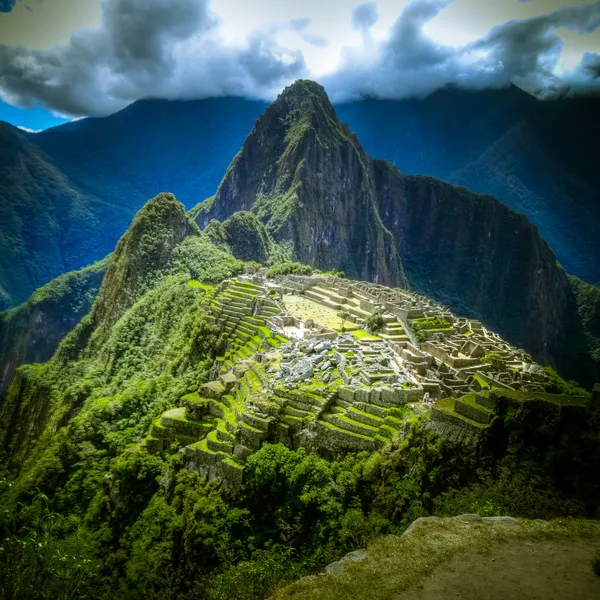
Jungle Trek to Machu Picchu - The Adventurous Path to the Lost City
The Jungle Trek to Machu Picchu, often referred to as the Inca Jungle Trek, is the ultimate multi-sport odyssey for those seeking a more dynamic and adrenaline-fuelled alternative to the traditional Inca Trail. Spanning approximately 45 kilometres over four days, this route descends from the frigid, glaciated heights of the Abra Malaga pass at 4,316 metres down into the lush, humid depths of the Peruvian high jungle. It is a journey of extreme contrasts, where travellers transition from mountain biking down winding Andean roads to trekking through dense cloud forests and coffee plantations, eventually culminating at the world-renowned sanctuary of Machu Picchu. Unlike the more rigid Classic Inca Trail, the Jungle Trek offers a blend of physical challenge, cultural immersion, and high-octane activities like white-water rafting and zip-lining, making it the preferred choice for active explorers who want to experience the full ecological spectrum of the Cusco region.
- Distance: 45.0 km (combined biking and hiking)
- Duration: 4 days / 3 nights
- Elevation Gain: 2,200 m (total cumulative ascent)
- Highest Point: Abra Malaga (4,316 m)
- Difficulty: Moderate (requires good cardiovascular fitness and agility)
- Best Time: May to September (the Andean dry season)
- Closest City: Cusco, Peru
- Trailhead Access: Vehicle transfer from Cusco to Abra Malaga
Overview
The Jungle Trek to Machu Picchu is not merely a hike; it is a carefully orchestrated descent through several distinct ecological tiers of the Andes. The journey begins with a dramatic mountain bike descent from the high-altitude pass of Abra Malaga. Over the course of several hours, riders drop nearly 3,000 vertical metres, watching the landscape transform from barren, windswept puna grasslands to the vibrant, emerald-green canopy of the "Selva Alta" or high jungle. This transition is one of the most rapid ecological shifts achievable on foot or bike anywhere in South America. The air warms, the oxygen levels rise, and the scent of damp earth and tropical flora replaces the thin, crisp air of the high mountains.
Once in the jungle, the trek follows ancient paths that were once part of the sprawling Qhapaq Ñan (Inca Road System). These trails wind through steep valleys where the Urubamba River thunders below. Walkers encounter a landscape teeming with life: wild orchids, bromeliads, and exotic fruits like granadilla, avocado, and cacao grow in profusion. The route is punctuated by visits to local organic coffee farms, where the process of harvesting, drying, and roasting beans is still performed using traditional methods. This cultural layer adds a profound dimension to the trek, allowing walkers to connect with the modern inhabitants of the sacred valley who continue to live in harmony with the rugged terrain.
The physical challenge of the trek is moderate but sustained. While the biking is largely downhill, the subsequent days involve significant trekking on undulating terrain, often in high humidity. The second day, in particular, features a climb along a preserved section of original Inca stonework that clings to the side of a precipitous cliff, offering dizzying views of the valley floor. The trek concludes with a walk along the railway lines from Hidroeléctrica to Aguas Calientes, a flat but scenic stretch that serves as the final approach to the base of the mountain. The ultimate reward is the sunrise visit to Machu Picchu, where the physical efforts of the previous three days find their spectacular resolution amidst the granite ruins of the Inca Empire.
History and Cultural Context
The region traversed by the Jungle Trek holds deep historical significance as the "back door" to the Vilcabamba region—the final stronghold of the Inca resistance against the Spanish conquistadors. While the Classic Inca Trail was a royal pilgrimage route, the paths through the high jungle were vital arteries for trade and communication between the mountain citadels and the Amazonian tribes. These routes were used to transport essential goods such as coca leaves, feathers, and medicinal plants from the jungle to the heart of the empire in Cusco. Walking these trails today provides a tangible link to the logistical genius of the Inca civilisation, who managed to tame one of the most vertical landscapes on Earth.
The cultural heart of the trek lies in the "Ceja de Selva" (the eyebrow of the jungle). This area has been inhabited for millennia, and the modern Quechua-speaking communities are the custodians of a rich agricultural heritage. During the trek, walkers pass through small settlements like Santa Maria and Santa Teresa, which rose to prominence during the rubber and coffee booms of the 19th and 20th centuries. Today, these towns are centres for organic agriculture. The interaction with local families—often involving a shared cup of freshly brewed coffee or a demonstration of coca leaf chewing—offers a glimpse into a way of life that remains deeply rooted in the concept of "Ayni" or sacred reciprocity.
Machu Picchu itself, the destination of the trek, remains one of the world's greatest archaeological mysteries. Built in the mid-15th century, likely under the orders of the Emperor Pachacuti, it served as a royal estate and religious retreat. Its location was chosen with astronomical precision, aligned with sacred peaks (Apus) and the movements of the sun. Because the Spanish never discovered Machu Picchu, it remained untouched until its scientific "discovery" by Hiram Bingham in 1911. The Jungle Trek allows modern explorers to approach this site with a sense of discovery similar to those early explorers, emerging from the jungle to find the stone city perched precariously between the mountains and the sky.
Want more background? Read extended notes on history and cultural context → Learn more
Seasonal Highlights and Weather Reality
The weather on the Jungle Trek is dictated by the distinct seasons of the Peruvian Andes and the transition from high-altitude mountains to tropical jungle. Understanding these cycles is crucial for a safe and enjoyable experience.
Dry Season (May to September): This is the peak trekking window. Days are typically characterised by clear, blue skies and intense solar radiation. In the high mountains (Abra Malaga), temperatures can hover near freezing in the early morning, but as you descend into the jungle, they quickly rise to 25–30°C. This season offers the most stable conditions for mountain biking and the clearest views of the surrounding peaks. However, it is also the busiest time, and popular spots like the Cocalmayo hot springs can be crowded.
Shoulder Season (April and October): These months offer a balance between manageable crowds and relatively stable weather. April marks the end of the rains, resulting in a landscape that is exceptionally lush and vibrant. October sees the first clouds of the coming wet season, which can create dramatic atmospheric conditions in the cloud forest, with mist swirling through the trees.
Wet Season (November to March): Trekking during this time is more challenging and requires a high degree of resilience. Heavy rainfall is common, particularly in January and February. The trails can become muddy and slippery, and the mountain biking section may be restricted if road conditions are deemed unsafe due to landslides or fog. However, the waterfalls are at their most spectacular, and the jungle feels truly alive. Temperatures remain warm in the jungle, but the humidity is significantly higher. It is essential to have high-quality waterproof gear during these months.
Regardless of the season, walkers must be prepared for "four seasons in one day." The temperature gradient from the start of Day 1 to the end of Day 2 is immense, requiring a versatile layering system that can handle both alpine chill and tropical heat.
Recommended Itinerary
4-Day Jungle Trek Itinerary
Day 1: Cusco to Santa Maria (The Descent)
- Distance: 55 km (Biking) / 10 km (Optional Rafting)
- Elevation: Start at 4,316 m, end at 1,200 m
- Time: 6–7 hours
- Early morning departure from Cusco (approx. 06:00) for a 3-hour drive to Abra Malaga
- Begin the 3-hour mountain bike descent on paved roads, dropping from the alpine zone into the cloud forest
- Pass through small hamlets and witness the rapid change in flora and fauna
- Arrive in Alfamayo for lunch before continuing to Santa Maria
- OPTIONAL: Afternoon white-water rafting on the Urubamba River (Class II and III rapids)
- Overnight in a basic hostel or eco-lodge in Santa Maria
Day 2: Santa Maria to Santa Teresa (The Jungle Walk)
- Distance: 18 km
- Elevation gain: 600 m
- Time: 7–8 hours
- The most demanding trekking day, following narrow paths through the high jungle
- Ascend an original section of the Inca Road (Qhapaq Ñan) with steep drop-offs and stunning valley views
- Visit a local coffee plantation to learn about the "bean to cup" process and sample organic fruit
- Cross the Urubamba River via a traditional cable car (oroyola) or a modern footbridge
- Arrive in Santa Teresa in the late afternoon
- Evening visit to the Cocalmayo Hot Springs (highly recommended for muscle recovery)
- Overnight in a hostel in Santa Teresa
Day 3: Santa Teresa to Aguas Calientes (The Approach)
- Distance: 16 km
- Elevation gain: 300 m
- Time: 5–6 hours
- OPTIONAL: Morning zip-lining in Santa Teresa (one of the highest in South America)
- Trek from Santa Teresa to Hidroeléctrica, following the river valley
- Lunch at Hidroeléctrica before beginning the final 10 km walk along the railway tracks
- This flat section winds around the base of the Machu Picchu mountain, offering glimpses of the ruins high above
- Pass through the Mandor Botanical Gardens, home to diverse orchid species
- Arrive in Aguas Calientes (Machu Picchu Pueblo) by late afternoon
- Final briefing for the Machu Picchu visit and overnight in a hotel
Day 4: Machu Picchu to Cusco (The Finale)
- Distance: 4–6 km (exploring the ruins)
- Elevation: 2,430 m
- Time: 4–5 hours (tour) + return travel
- Early morning ascent to the Machu Picchu sanctuary (either by bus or a steep 1-hour hike up stone stairs)
- Guided tour of the main sectors: Temple of the Sun, Intihuatana, and the Royal Quarters
- Optional climb of Huayna Picchu or Machu Picchu Mountain (requires advance booking)
- Descend back to Aguas Calientes for lunch
- Afternoon train to Ollantaytambo, followed by a bus transfer back to Cusco
- Arrive in Cusco late evening (approx. 20:00–21:00)
Important Notes:
- The biking section is on a shared road; caution regarding vehicle traffic is essential
- Machu Picchu entrance tickets must be booked months in advance
- The walk along the railway tracks is active; stay alert for passing trains
- Hydration is critical in the jungle humidity; carry at least 2 litres of water daily
- Insect repellent is mandatory to protect against "sandflies" (biting midges)
Planning and Bookings
Book Your Trip
Everything you need to plan your journey
Accommodation
Find places to stay near Cusco
Flights
Search flights to Cusco
Essential Preparation
The Jungle Trek requires a unique blend of preparation due to its multi-sport nature. Physical fitness is important, particularly for the long trekking days in humid conditions. Cardiovascular training and hiking on uneven terrain will significantly enhance your enjoyment. Equally important is acclimatisation. Although the trek descends, the starting point at Abra Malaga is over 4,300 metres. It is strongly recommended to spend at least 2–3 days in Cusco (3,400 m) prior to departure to allow your body to adjust to the altitude and prevent soroche (altitude sickness).
Logistically, most walkers book this trek through an organised tour operator in Cusco. While it is possible to do it independently, the coordination of mountain bikes, rafting gear, zip-lining, and transport makes a guided group more practical for most. Ensure your operator provides high-quality safety equipment (helmets, body armour for biking) and has a clear emergency protocol. If booking independently, you must secure your Machu Picchu tickets and return train from Aguas Calientes well in advance, as these sell out rapidly.
Trail Accommodation
Accommodation on the Jungle Trek is generally more comfortable than the high-altitude camping found on the Salkantay or Classic Inca Trail, as the route passes through established settlements.
Types of Accommodation:
- Santa Maria: Basic family-run hostels or eco-lodges. Facilities are simple, usually with shared bathrooms and cold or lukewarm showers. Electricity is available for charging devices.
- Santa Teresa: A range of hostels and small hotels. Many offer private rooms and hot showers. This town is more developed due to the proximity of the hot springs.
- Aguas Calientes: A full tourist town with everything from budget hostels to luxury hotels. Most trek packages include a standard 2 or 3-star hotel with private bathrooms and Wi-Fi.
Facilities Provided: Most hostels provide beds with blankets, though a lightweight sleeping bag liner is recommended for hygiene. Meals are typically served in communal dining areas. Wi-Fi is increasingly common but can be slow and unreliable in the deeper jungle sections.
What is NOT Provided: Toiletries (soap, shampoo, towels) are rarely provided in the basic hostels. You must also manage your own laundry, though the humidity makes drying clothes difficult overnight.
Required Gear
- Footwear: Sturdy, waterproof hiking boots with good ankle support. A pair of lightweight trainers or sandals for the evenings is essential.
- Clothing: Moisture-wicking base layers (merino or synthetic), lightweight trekking trousers (zip-offs are ideal), and a breathable waterproof jacket.
- Biking Gear: While operators provide helmets, bringing your own padded cycling shorts will greatly increase comfort during the 3-hour descent.
- Backpack: A 30–40L daypack with a rain cover. If you are using a porter or transport for your main luggage, this daypack will carry your essentials.
- Protection: A wide-brimmed hat, high-quality sunglasses with UV protection, and a lightweight buff for dust and sun protection.
- Head Torch: Essential for navigating hostels at night and for the early morning start on Day 4.
What to Bring
- Water Treatment: Purification tablets or a filter bottle (e.g., LifeStraw or Grayl). Avoid buying single-use plastic bottles to reduce environmental impact.
- Insect Repellent: High-strength DEET (at least 40%) or Picaridin. The jungle midges (sandflies) are persistent and their bites can be extremely itchy.
- Sunscreen: SPF 50+ is mandatory. The tropical sun at high altitude is exceptionally strong, even on cloudy days.
- Personal First Aid: Blister pads (Compeed), rehydration salts, ibuprofen, and any personal medications. Include anti-diarrheal tablets just in case.
- Snacks: Energy bars, nuts, and dried fruit. While meals are provided, the high energy expenditure requires supplemental calories.
- Cash: Small denominations of Peruvian Soles (PEN) for tips, snacks, hot springs entry, and the bus at Machu Picchu. ATMs are only available in Cusco and Aguas Calientes.
- Documents: Your original passport (required for Machu Picchu entry and train boarding) and a printed copy of your trek voucher.
Permits
Unlike the Classic Inca Trail, which requires a specific trekking permit limited to 500 people per day, the Jungle Trek itself does not require a trail permit. However, the destination—Machu Picchu—is strictly regulated, and securing the correct tickets is the most critical part of your planning.
Machu Picchu Entrance Tickets: As of 2024, the Ministry of Culture has implemented a complex circuit system to manage visitor flow. You must choose a specific circuit (e.g., Circuit 1, 2, or 3) and a specific entry time. Circuit 2 is generally considered the most comprehensive for first-time visitors. Tickets must be booked online months in advance, especially for the dry season. If you wish to climb Huayna Picchu or Machu Picchu Mountain, you must purchase a specific "Circuit + Mountain" ticket, which are even more limited.
Booking Process:
- Visit the official government website (tuboleto.cultura.pe) or book through a registered agency.
- Ensure the name on the ticket matches your passport exactly.
- Print your ticket; digital copies are sometimes accepted, but a physical backup is safer.
- Note that tickets are non-refundable and non-transferable.
Other Requirements:
- Train Tickets: The return journey from Aguas Calientes to Ollantaytambo (PeruRail or Inca Rail) should be booked simultaneously with your Machu Picchu tickets.
- Bus Tickets: The shuttle bus from Aguas Calientes to the Machu Picchu entrance can be purchased in town the day before or on the morning of your visit. There is no limit on these, but queues can be long.
- Cocalmayo Hot Springs: Entry is paid on-site (approx. 10–15 PEN) and does not require pre-booking.
Other Activities in the Area
The region surrounding the Jungle Trek and Cusco is a playground for outdoor enthusiasts. Consider these additions to your itinerary:
- Cocalmayo Hot Springs: Located near Santa Teresa, these are arguably the most beautiful thermal baths in Peru. Three large pools of clear, volcanic-heated water sit at the base of a cliff, right next to the roaring Urubamba River. It is the perfect way to soothe muscles on Day 2.
- Zip-lining in Santa Teresa: For those who haven't had enough adrenaline, the "Cola de Mono" zip-line offers six cables, including one that is 500 metres high and 1 kilometre long. It is a thrilling way to see the jungle canopy.
- Coffee and Cacao Tours: Many local farms in the Santa Maria area offer in-depth tours where you can pick your own coffee cherries and learn the traditional art of chocolate making from raw cacao beans.
- Sacred Valley Exploration: Before or after your trek, visit the massive Inca fortresses of Pisac and Ollantaytambo. These sites provide essential context for the engineering marvels you will see at Machu Picchu.
- Rainbow Mountain (Vinicunca): A popular but strenuous day trip from Cusco to see the multi-coloured mineral stripes of the high Andes (5,200 m).
- Maras Salt Mines and Moray: Visit the thousands of ancient salt evaporation ponds at Maras and the mysterious circular agricultural terraces of Moray.
Safety and Conditions
Altitude Management: While the Jungle Trek is a descent, the start at 4,316 metres is high enough to cause Acute Mountain Sickness (AMS). Symptoms include headache, nausea, and dizziness. The best prevention is acclimatisation in Cusco, staying hydrated, and avoiding alcohol. Coca tea (mate de coca) is a traditional and effective local remedy for mild symptoms.
Mountain Biking Safety: The descent from Abra Malaga is exhilarating but carries risks. The road is winding and shared with trucks and buses. Always wear the provided safety gear, maintain a safe distance from other riders, and control your speed. If you are not a confident cyclist, most operators allow you to ride in the support vehicle for the steepest sections.
Jungle Hazards: The high jungle is home to various biting insects. While malaria is not typically a concern at these altitudes, Zika and Dengue are occasionally reported in the lower valleys. Use high-DEET repellent and wear long sleeves in the evenings. Be cautious of "bullet ants" and other stinging insects when walking through dense vegetation. Always check your boots for spiders or scorpions before putting them on.
Water Safety: Never drink tap water or untreated stream water. Use a reliable purification method. When rafting, follow your guide's instructions implicitly and ensure your life jacket and helmet are securely fastened. The Urubamba River can be powerful, especially after rain.
Trail Conditions: During the wet season, landslides can occur. If a path looks unstable or a river crossing seems too high, do not attempt it. Guided groups have the advantage of local knowledge regarding alternative routes.
Side Trips and Points of Interest
Llactapata Ruins: Some variations of the Jungle Trek include a climb to the ruins of Llactapata on Day 3. This site was rediscovered by Hiram Bingham and sits directly across the valley from Machu Picchu. It offers a unique, "eye-level" perspective of the citadel that few tourists ever see. The view of Machu Picchu framed by the peaks of Huayna Picchu and Salkantay from Llactapata is one of the most profound sights in the Andes.
Mandor Botanical Gardens: Located along the railway tracks between Hidroeléctrica and Aguas Calientes, these gardens are a haven for birdwatchers and orchid lovers. You can see the "Cock-of-the-Rock" (Peru's national bird) and numerous species of hummingbirds. A small waterfall within the gardens provides a peaceful spot for a break.
Putucusi Mountain: For the truly adventurous (and those not afraid of heights), the climb up Putucusi Mountain starts near Aguas Calientes. It involves ascending vertical wooden ladders attached to the cliff face. The summit provides a stunning 360-degree view of Machu Picchu and the surrounding canyon. Note: This is an unmaintained and potentially dangerous route; check local conditions before attempting.
The "Inca Bridge": Once inside Machu Picchu, a short 20-minute walk leads to the Inca Bridge. This was a secret entrance to the city, consisting of a narrow stone path carved into a sheer cliff, with a gap that could be bridged by wooden planks. It is a testament to the defensive strategy of the Inca.
Leave No Trace
The ecosystem of the Peruvian high jungle is incredibly biodiverse but increasingly under pressure from tourism and climate change. As a visitor, it is your responsibility to minimise your impact on this fragile environment.
Core Principles for the Jungle Trek:
- Waste Management: Carry out all trash, including organic waste like fruit peels, which can take a long time to decompose in the jungle and can disrupt local wildlife diets.
- Respect the Water: Do not use soaps or detergents in the rivers or hot springs. Even "biodegradable" products can harm aquatic life in small streams.
- Stay on the Path: The cloud forest is home to rare orchids and ground-nesting birds. Straying from the trail causes soil erosion and destroys micro-habitats.
- Protect Heritage: Never touch or lean on the stone walls of Inca ruins. The oils from human skin can accelerate the degradation of the ancient stonework.
- Wildlife Interaction: Observe animals from a distance. Never feed monkeys, birds, or the ubiquitous llamas at Machu Picchu. Feeding wildlife creates dependency and can lead to aggressive behaviour.
- Support Local: Buy snacks and crafts directly from the families living along the trail. This ensures that the economic benefits of tourism reach the local communities who maintain the paths.