
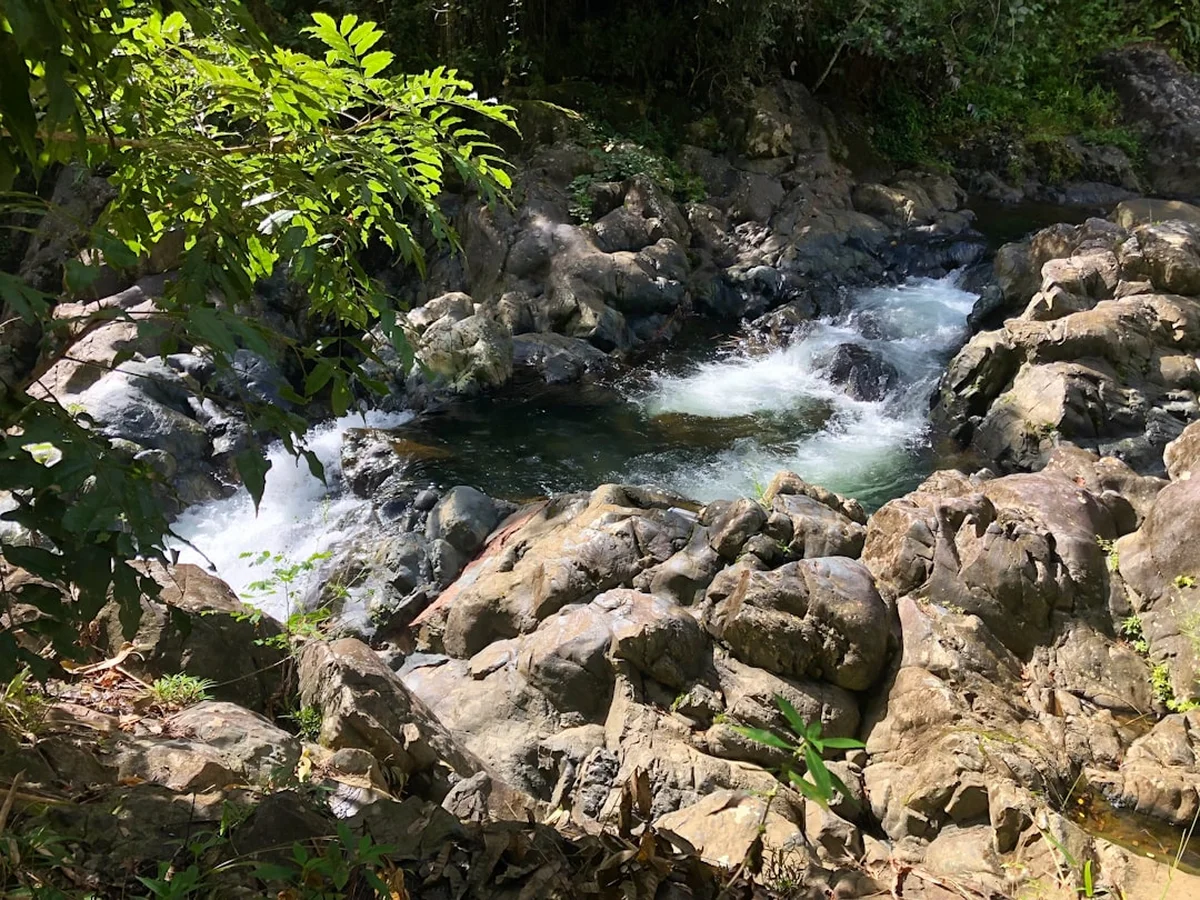
Juan Diego Falls Trail - A Tropical Oasis in El Yunque
The Juan Diego Falls Trail is a captivating short-distance trek located within the lush confines of El Yunque National Forest, the only tropical rainforest in the United States National Forest System. Spanning a modest 1.6 kilometres return, this trail offers an exceptional ratio of effort to reward, leading walkers through a dense canopy of tabonuco trees and giant ferns to a series of pristine waterfalls and natural swimming pools. Unlike the more heavily trafficked La Mina Trail, Juan Diego Falls provides a more intimate encounter with the Puerto Rican wilderness, characterised by the constant chorus of the coqui frog and the misty humidity of the Luquillo Mountains. The trail is classified as moderate, primarily due to the slippery nature of the terrain and a steep, unmaintained scramble required to reach the spectacular upper falls. For those seeking a quintessential rainforest experience that can be completed in a single morning, Juan Diego Falls stands as a premier destination in the Río Grande region.
- Distance: 1.6 km return
- Duration: 1–2 hours
- Season: Year-round (Best from December to April)
- Elevation Gain: 91 m
- Difficulty: Moderate (due to slippery rocks and steep sections)
- Trailhead: PR-191, Km 11, El Yunque National Forest
- Closest City: Río Grande (approx. 25 minutes)
Overview
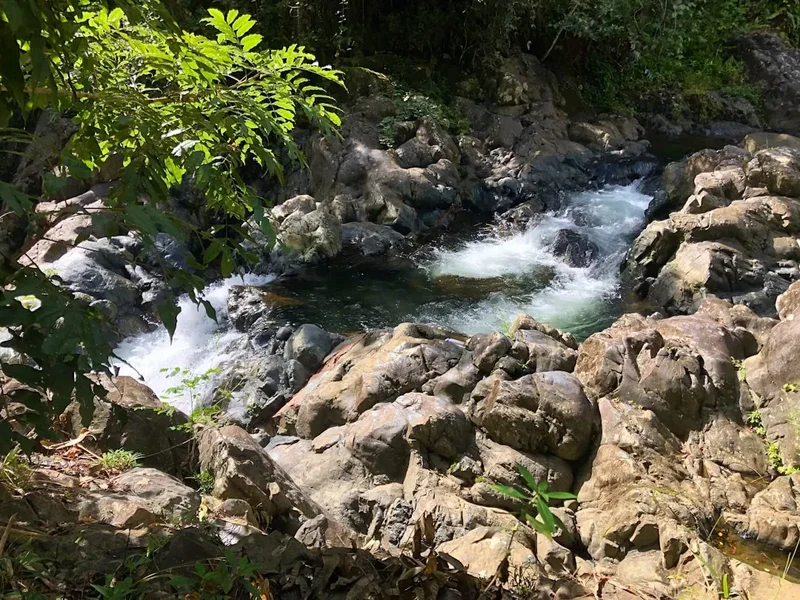
The Juan Diego Falls Trail serves as a perfect introduction to the biodiversity and geological splendour of El Yunque. While the distance is short, the environment is immersive. The journey begins at a small, easily missed trailhead along the PR-191 road, immediately plunging walkers into a world of vibrant greens and deep shadows. The path follows the Juan Diego Creek, a crystal-clear mountain stream that tumbles over volcanic rock formations. The trail is divided into two distinct experiences: the lower falls and the upper falls. The lower falls are easily accessible via a relatively flat, though often muddy, path. Here, a series of small cascades drop into shallow pools, perfect for wading and cooling off in the humid tropical heat.
For the more adventurous, a steep and narrow path to the right of the lower falls leads upward to the main attraction. This section requires careful footwork, as the clay-rich soil of the rainforest becomes incredibly slick after the frequent afternoon showers. The reward for this climb is a stunning 12-metre waterfall that plunges into a deep, emerald-coloured basin. Surrounded by sheer rock walls draped in moss and epiphytes, the upper falls feel like a hidden sanctuary. The air here is noticeably cooler, filled with the fine spray of the falling water. This is a landscape defined by its verticality and its moisture; the forest receives over 5,000 mm of rainfall annually, ensuring that the falls are always active, though they transform into a thundering torrent during periods of heavy rain.
The trail is not just about the destination but the sensory experience of the rainforest itself. Walkers will find themselves surrounded by the Sierra Palm, whose prop roots stabilise the soil on steep slopes, and the massive leaves of the "elephant ear" plants. The soundscape is dominated by the rushing water and the rhythmic calls of endemic bird species. Because the trail is shorter than many others in the park, it is an excellent choice for families or those with limited time, yet it retains a sense of wildness that is often lost on more developed routes. It is a place where the geological history of the Caribbean meets the vibrant life of the tropics.
History and Cultural Context
The land encompassing the Juan Diego Falls Trail has been a site of spiritual and ecological significance for centuries. Long before the arrival of European explorers, the indigenous Taíno people inhabited the Luquillo Mountains. They referred to the peaks as "Yuke," meaning "White Lands," a reference to the clouds that perpetually shroud the summits. To the Taíno, El Yunque was a sacred place, the home of the benevolent god Yúcahu, who protected them from the fierce hurricane deity, Juracán. While no specific archaeological sites are located directly on the Juan Diego path, the entire forest is considered a cultural landscape where the Taíno gathered medicinal plants and sought spiritual refuge.
In the colonial era, the Spanish Crown recognised the value of the timber and water resources in the region, leading to the establishment of the Sierra de Luquillo as a forest reserve in 1876, making it one of the oldest protected areas in the Western Hemisphere. Following the Spanish-American War in 1898, the land was transferred to the United States, eventually becoming the Luquillo National Forest and later El Yunque National Forest. The development of the trail system, including the roads that provide access to Juan Diego Falls, was largely the work of the Civilian Conservation Corps (CCC) during the 1930s. These workers built the stone bridges, shelters, and paths that still define the park's aesthetic today, using local materials to ensure the structures blended seamlessly with the natural environment.
The naming of the falls themselves is shrouded in local lore, often attributed to early settlers or forest rangers who managed the Juan Diego Creek area. Today, the trail is managed by the U.S. Forest Service, which balances the preservation of this delicate ecosystem with the demands of thousands of annual visitors. The forest was designated a UNESCO Biosphere Reserve in 1976, highlighting its global importance as a centre for tropical research and biodiversity conservation. Walking the Juan Diego Falls Trail is, therefore, a journey through both natural and human history, reflecting the evolving relationship between the people of Puerto Rico and their most cherished wilderness.
Want more background? Read extended notes on history and cultural context → Learn more
Seasonal Highlights and Weather Reality
El Yunque is a tropical rainforest, meaning that rain is a daily occurrence regardless of the season. However, there are distinct patterns that can influence your experience on the Juan Diego Falls Trail. The "dry" season typically runs from December to April. During these months, the rainfall is less intense and the humidity is slightly lower, making the hike more comfortable. This is also the peak tourist season, so expect more company on the trail and limited parking at the Km 11 marker. The temperatures during this period range from a pleasant 21°C in the early morning to 28°C in the afternoon.
The wet season, from May to November, brings heavier and more frequent downpours, often in the form of intense afternoon thunderstorms. While the rainforest is at its most vibrant and the waterfalls are at their most powerful during this time, the trail conditions can become challenging. The path to the upper falls can turn into a mud slide, and the creek levels can rise with startling speed. This is also hurricane season; walkers must be vigilant and check weather reports daily. If a tropical storm is approaching, the forest is often closed to the public for safety reasons.
Flash flooding is a genuine hazard in El Yunque. Because the mountains are steep and the soil is often saturated, a heavy rainstorm at higher elevations can cause the Juan Diego Creek to swell into a dangerous torrent within minutes, even if it is not raining at the trailhead. If you notice the water turning brown or see a sudden increase in debris like leaves and twigs, exit the water and move to higher ground immediately. Despite these risks, the "liquid sunshine" of the rainforest is part of its charm. The sight of mist rising from the canopy after a warm rain is a quintessential Puerto Rican experience that defines the seasonal character of the trail.
Recommended Itinerary
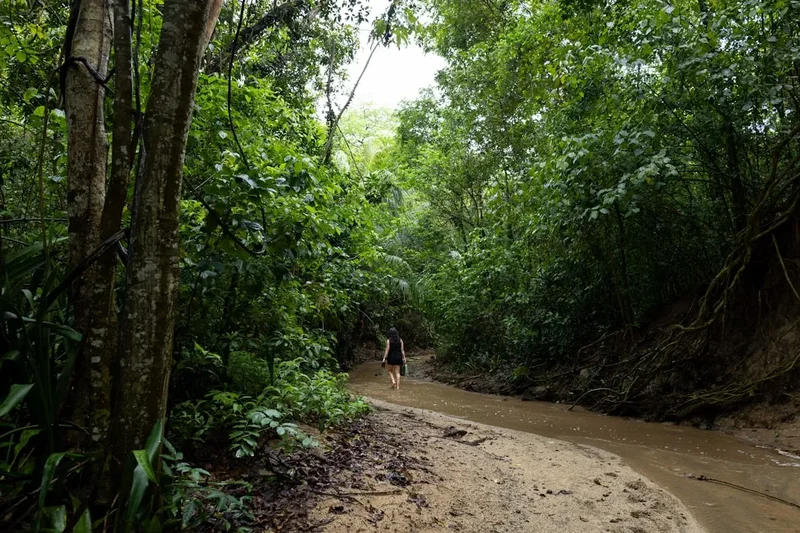
Juan Diego Falls Route Progression
Early Morning: Arrival and Trailhead
- 08:00 – 08:30: Arrive at the PR-191 Km 11 parking area. Parking is extremely limited (only a few spots), so early arrival is essential to secure a space near the trailhead.
- 08:30 – 08:40: Locate the trailhead sign. The entrance is discreet, tucked into the foliage on the right-hand side of the road as you head uphill.
- Ensure all valuables are removed from your vehicle or hidden from sight, as this is a remote area.
Morning: The Lower Falls
- 08:40 – 08:55: Begin the walk on the well-defined path. The trail is relatively flat here but can be muddy. You will immediately hear the sound of Juan Diego Creek on your left.
- 08:55 – 09:10: Reach the lower falls. This area features several small cascades and shallow pools. It is an excellent spot for photography and for those who prefer a gentle wade rather than a deep swim.
- Take a moment to observe the giant tree ferns (Cyathea arborea) that tower over the stream, some reaching heights of 10 metres.
Mid-Morning: The Scramble to the Upper Falls
- 09:10 – 09:30: Locate the narrow, steep path to the right of the lower falls. This is the "moderate" part of the hike. You will need to use your hands in some sections to pull yourself up over roots and rocks.
- 09:30 – 10:00: Arrive at the Upper Juan Diego Falls. This is the main event—a 12-metre drop into a beautiful swimming hole.
- Enjoy a refreshing swim in the cool mountain water. The pool is deep enough for swimming but always check for submerged rocks before entering.
- 10:00 – 10:30: Relax on the large boulders surrounding the pool. This is a prime spot for birdwatching; look for the Puerto Rican Tody, a tiny, bright green bird with a red throat.
Late Morning: Return Journey
- 10:30 – 11:00: Carefully descend the steep path back to the lower falls. Going down is often more difficult than going up due to the slippery mud. Take your time and maintain three points of contact where necessary.
- 11:00 – 11:15: Walk back to the PR-191 trailhead.
- 11:15 – 11:30: Return to your vehicle and continue exploring El Yunque or head back towards Río Grande for lunch.
Important Notes:
- The trail is short but the humidity can be draining; pace yourself.
- There are no toilet facilities or rubbish bins at the trailhead; the nearest facilities are at the Palo Colorado Information Centre.
- Cell phone service is intermittent at best within the forest.
- Always check the weather forecast before starting the climb to the upper falls.
Planning and Bookings
Book Your Trip
Everything you need to plan your journey
Accommodation
Find places to stay near Río Grande
Flights
Search flights to Río Grande
Essential Preparation
Planning a trip to Juan Diego Falls requires more than just showing up. The most critical factor is transport. There is no public transport to El Yunque National Forest, so renting a car from Luis Muñoz Marín International Airport (SJU) or San Juan is mandatory. The drive takes approximately 45 to 60 minutes depending on traffic. Ensure your rental car has decent tyres, as the mountain roads are steep and can be slippery when wet. While a 4WD is not strictly necessary for the paved PR-191, it provides extra confidence during heavy rain.
Physical fitness for this trail is generally low to moderate, but the "moderate" rating is earned on the scramble to the upper falls. If you have knee issues or a poor sense of balance, you may want to stick to the lower falls. Additionally, check the El Yunque National Forest official website or social media pages for any temporary closures. The forest is a dynamic environment, and landslides or fallen trees can close trails with little notice. Base yourself in Río Grande or Luquillo for the easiest access, allowing you to reach the park gates as soon as they open at 08:00.
Trail Accommodation
This is a day hike requiring no overnight accommodation on the trail itself. Camping is strictly prohibited within the Juan Diego Falls area and most of the El Yunque recreation zone to protect the sensitive ecosystem and prevent pollution of the watershed.
Nearby Options:
- Río Grande: Home to several high-end resorts and boutique guesthouses. This is the closest town to the forest entrance.
- Luquillo: Offers a range of holiday rentals and "paradores" (country inns). It is famous for its kiosks and beaches, making it a great post-hike base.
- El Yunque Foothills: There are several eco-lodges and bed-and-breakfasts located on the periphery of the forest that offer a more immersive rainforest stay without being inside the restricted national forest boundaries.
- San Juan: While further away, many visitors choose to stay in the capital and make El Yunque a day trip.
Required Gear
- Footwear: Trail running shoes or hiking boots with aggressive tread. Avoid flip-flops or smooth-soled sneakers, as they offer zero traction on wet clay and mossy rocks.
- Waterproof Bag: A dry bag or a waterproof pack cover is essential. Tropical downpours can happen in seconds, and you need to protect your phone, camera, and car keys.
- Clothing: Lightweight, moisture-wicking fabrics. Avoid heavy denim, which becomes heavy and uncomfortable when wet. A lightweight rain shell is recommended, though you will likely still get wet from sweat due to the high humidity.
- Navigation: Download an offline map of the area (such as AllTrails or Google Maps) before entering the forest, as GPS can be spotty under the thick canopy.
- First Aid: A basic kit with antiseptic wipes and plasters for minor scrapes from rocks or branches.
What to Bring
- Water: At least 1 litre per person. Even though the hike is short, the 90% humidity leads to rapid fluid loss. Do not drink the stream water without treatment.
- Snacks: High-energy items like nuts, fruit, or energy bars. Remember to pack out all wrappers.
- Sun Protection: While much of the trail is shaded, the Caribbean sun is intense. Apply biodegradable sunscreen if you plan on swimming to protect the aquatic life.
- Insect Repellent: Mosquitoes can be prevalent, especially near the standing pools of the lower falls. Use a repellent with DEET or Picaridin.
- Towel and Swimwear: Wear your swimwear under your hiking clothes, as there are no changing rooms at the falls. A small travel towel is useful for drying off before the hike back.
- Personal Identification: Keep your driver's licence and a small amount of cash on you for park fees or post-hike snacks at the kiosks.
Permits
As of the current management plan, no specific permit is required to hike the Juan Diego Falls Trail itself. However, access to the El Yunque National Forest recreation area (the PR-191 corridor) has historically been managed through a reservation system to prevent overcrowding and protect the environment. It is vital to check the official Recreation.gov website for El Yunque National Forest before your visit.
Access Requirements:
- Reservations: If the reservation system is active, tickets are typically released in two windows: one month in advance and 24 hours in advance. These tickets sell out within minutes.
- Entry Fee: There is usually a small processing fee (approx. US$2) per vehicle if booking through the online system. There is no "per person" entry fee for the forest itself at the gate.
- Operating Hours: The forest is generally open from 08:00 to 17:00. The gates are strictly managed, and you must be out of the park by closing time.
- Parking: Parking at Juan Diego Falls (Km 11) is extremely limited. If the designated spots are full, you must find parking at another lot (like Palo Colorado) and walk back along the road. Do not park on the grass or block the flow of traffic, as rangers frequently issue fines.
Pro Tip: If you cannot secure a reservation for the main PR-191 corridor, consider visiting the "Angelito Trail" or the "Puente Roto" area on the north side of the forest, which often do not require the same booking system, though they do not lead to Juan Diego Falls.
Other Activities in the Area
El Yunque and the surrounding Río Grande region offer a wealth of activities to complement your hike:
- Mt. Britton Tower: A slightly more strenuous hike (approx. 4 km return) that leads to a stone observation tower built by the CCC. On a clear day, you can see both the Atlantic Ocean and the Caribbean Sea.
- La Coca Falls: Located right next to the road at Km 8.1, this massive 26-metre waterfall is a perfect photo stop and requires no hiking.
- Luquillo Beach (Monserrate Balneario): After a humid hike, head to this world-class beach for a swim in the ocean. It features calm waters and excellent facilities.
- Luquillo Kiosks: A row of over 60 small restaurants and shops serving traditional Puerto Rican "alcapurrias," "bacalaítos," and fresh seafood. It is the perfect place for a post-hike meal.
- Bio-Bay Kayaking: In nearby Fajardo, you can take a night tour of the Laguna Grande, one of the few places in the world where you can see bioluminescent dinoflagellates glow in the water.
- Ziplining: Several adventure parks in the foothills of El Yunque offer canopy tours, providing a bird's-eye view of the rainforest you just walked through.
Safety and Conditions
Pre-Departure Checks:
- Check the National Weather Service (NWS) San Juan office for any flash flood watches or tropical storm warnings.
- Ensure your vehicle has enough fuel; there are no petrol stations within the national forest.
- Inform someone of your plans, as mobile reception is unreliable once you descend into the Juan Diego Creek valley.
Terrain Hazards: The primary danger on the Juan Diego Falls Trail is the slippery surface. The rocks in the creek are covered in a thin layer of algae that is as slick as ice. When climbing to the upper falls, the mud can be deceptive; what looks like solid ground may give way. Always test your footing before committing your weight. Avoid jumping into pools without first checking the depth and looking for submerged logs or rocks, as the water clarity can change after rain.
Flash Floods: This cannot be overstated. El Yunque is a high-drainage environment. If you hear a low rumble (which could be thunder or the sound of an approaching wall of water) or see the water level rising, get out of the creek immediately. Do not attempt to cross a swollen stream; wait for the water to recede, which usually happens within a few hours of the rain stopping.
Wildlife: While Puerto Rico has no venomous snakes, the forest is home to the "cienpiés" (giant centipede), which can deliver a painful bite. Watch where you place your hands when scrambling over logs. The coqui frogs are harmless and a joy to hear, but avoid touching them to protect their sensitive skin from the oils and chemicals on human hands.
Hydration and Heat: The combination of 28°C temperatures and 90% humidity can lead to heat exhaustion quickly. Drink water regularly, even if you don't feel thirsty. If you feel dizzy or nauseous, find shade and rest immediately.
Side Trips and Points of Interest
The "Secret" Upper Falls: While many visitors stop at the first waterfall they see, the true Juan Diego Falls is the upper one. The scramble is short—only about 10–15 minutes—but it transforms the experience from a roadside stop into a genuine adventure. The upper falls are taller, more secluded, and offer a much deeper swimming hole. The rock walls here are a vertical garden of tropical flora, providing a sense of enclosure that is incredibly peaceful.
Flora and Fauna Spotting: Keep an eye out for the Puerto Rican Parrot (Amazona vittata), one of the rarest birds in the world. While they are difficult to spot, their distinct squawk is often heard in the canopy. Look for the "Tree Ferns" which are living fossils, and the "Bromeliads" that grow on the branches of larger trees. These air plants act as miniature ecosystems, holding water that supports insects and tiny frogs high above the ground.
Geological Formations: The rocks along the Juan Diego Creek are primarily volcanic in origin, dating back to the Cretaceous period. You can see the smooth, water-worn surfaces of andesite and basalt, which have been shaped by thousands of years of erosion. The way the water has carved out the "potholes" in the lower falls is a fascinating display of the power of persistent water flow.
Palo Colorado Forest: Just a short drive further up PR-191 from the Juan Diego trailhead is the Palo Colorado forest type, named for the reddish bark of the Cyrilla racemiflora trees. This area feels different from the Tabonuco forest of Juan Diego, with more twisted, ancient-looking trees and a different set of bird species. It is worth a quick stop to see the transition between forest zones.
Leave No Trace
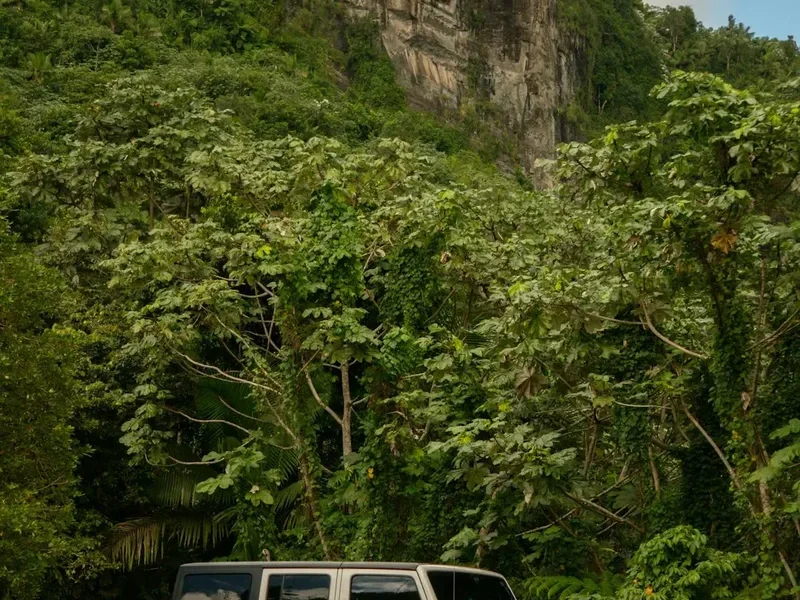
El Yunque is a fragile ecosystem under significant pressure from tourism and climate change. As a visitor, you have a responsibility to minimise your impact to ensure that Juan Diego Falls remains pristine for future generations. The "Leave No Trace" principles are not just guidelines; they are essential for the survival of the forest's endemic species.
Your responsibility as a walker:
- Pack it in, pack it out: There are no bins on the trail. Every piece of rubbish, including fruit peels and nut shells, must be carried back to your vehicle and disposed of outside the forest.
- Stay on the trail: Cutting switchbacks or creating new paths causes soil erosion and destroys the delicate root systems of rainforest plants.
- Respect the water: Do not use soap or shampoo in the falls, even if it is labelled as "biodegradable." These products can harm the freshwater shrimp and fish that live in the creek.
- No Graffiti: Carving names into trees or painting rocks is a federal offence and destroys the natural beauty of the site.
- Leave what you find: Do not take rocks, plants, or seeds from the forest. Each element plays a role in the nutrient cycle of the rainforest.
- Be Considerate: Keep noise levels down. Many people visit El Yunque to experience the sounds of nature. Avoid using portable speakers.
By following these simple rules, you help protect the "lungs of Puerto Rico" and honour the cultural heritage of the Taíno people who once walked these same paths.
 Australia