
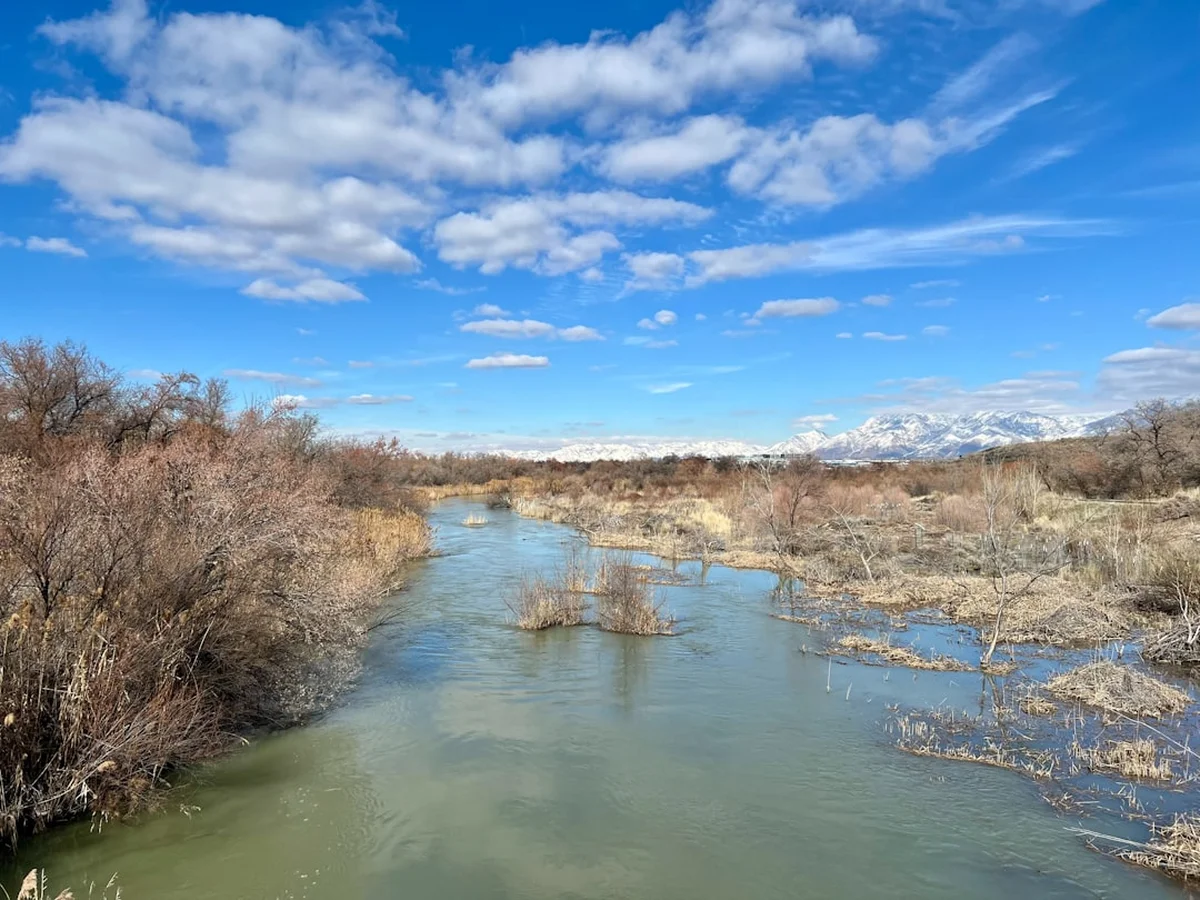
Jordan Trail - Desert Segment
The Jordan Trail is a long-distance hiking route traversing the length of Jordan, from the Syrian border in the north to the Red Sea in the south. This epic 750 km journey offers an unparalleled immersion into Jordan's diverse landscapes, rich history, and vibrant culture. From the rolling hills and ancient ruins of the north to the dramatic desert expanses of Wadi Rum and the coastal city of Aqaba, the trail winds through biblical sites, Roman cities, Crusader castles, and Bedouin encampments. It is a path that connects the past with the present, offering a profound understanding of the region's heritage and the resilience of its people.
This description focuses on the challenging and iconic Desert Segment, a significant portion of the Jordan Trail that takes hikers through the awe-inspiring landscapes of Petra and Wadi Rum. This segment is renowned for its stark beauty, vastness, and the unique geological formations that define southern Jordan. It is a journey that tests endurance, rewards with breathtaking vistas, and provides an intimate encounter with one of the world's most spectacular desert environments.
- Distance: 180.0 km (Desert Segment)
- Duration: 12–15 days (Desert Segment)
- Season: October to April (avoiding extreme summer heat)
- Difficulty: Challenging
- Category: Thru Hike (Desert Segment is a major section)
- Closest City: Aqaba (for southern access)
- Trailhead Access: Dana (northern end of segment), Wadi Rum Village, Petra
Overview
The Desert Segment of the Jordan Trail is a journey into the heart of Jordan's most iconic landscapes, a region sculpted by wind, water, and time. This 180 km stretch is not merely a walk; it's an expedition through geological wonders, ancient civilizations, and the enduring spirit of the desert. Beginning in the historic village of Dana, the trail descends into the dramatic canyons and rugged mountains, eventually leading to the rose-red city of Petra, a UNESCO World Heritage site and one of the New Seven Wonders of the World. From Petra, the path continues south, traversing vast, undulating desert plains and towering sandstone mountains, culminating in the otherworldly landscapes of Wadi Rum, a protected area famous for its dramatic rock formations, red sand dunes, and starry nights.
This segment is characterised by its remoteness, challenging terrain, and the sheer scale of its natural beauty. Hikers will encounter a variety of environments: the fertile, terraced slopes around Dana, the deep, rugged canyons of Wadi Feynan, the ancient Nabataean city of Petra, and the expansive, silent deserts of Wadi Rum. The trail demands self-sufficiency, careful navigation, and a respect for the desert's power and beauty. Days are often long, with significant elevation changes and exposure to the elements. However, the rewards are immense: unparalleled stargazing, encounters with local Bedouin communities, and the profound sense of accomplishment that comes from traversing such a magnificent and historically significant landscape.
The Desert Segment is a true test of a hiker's resilience and spirit. It offers a unique opportunity to connect with the raw, untamed beauty of the Jordanian desert, to walk in the footsteps of ancient traders and pilgrims, and to experience the hospitality of the people who call this land home. It is a segment that leaves an indelible mark on all who undertake it.
History and Cultural Context
The landscapes traversed by the Jordan Trail's Desert Segment are steeped in millennia of human history. This region has been a crossroads for civilizations, a vital artery for trade routes, and a sanctuary for diverse cultures. The Nabataeans, an ancient Arab people, established their magnificent capital at Petra, carving intricate temples, tombs, and dwellings directly into the rose-red sandstone cliffs. Their sophisticated water management systems allowed them to thrive in this arid environment, controlling vital trade routes that connected Arabia, Egypt, and the Mediterranean.
The Roman Empire later annexed the Nabataean kingdom, leaving behind impressive architectural remnants, including colonnaded streets and theatres, particularly visible in Petra. Following the Romans, the region saw periods of Byzantine and early Islamic rule, with evidence of churches and mosques scattered throughout the landscape. Crusader castles, such as those found near Dana, also dot the northern reaches of this segment, testaments to the strategic importance of these lands.
More recently, the Bedouin tribes have been the custodians of these desert lands. Their nomadic lifestyle, deeply intertwined with the rhythms of the desert, has shaped the cultural fabric of southern Jordan. Their knowledge of the terrain, water sources, and survival techniques is invaluable. The Jordan Trail aims to connect hikers with this living heritage, offering opportunities to interact with Bedouin communities, learn about their traditions, and experience their renowned hospitality.
The Desert Segment, therefore, is not just a physical journey through stunning scenery, but a cultural pilgrimage. It is a chance to walk through layers of history, from ancient trade routes and lost cities to the enduring traditions of the desert peoples. Understanding this rich historical and cultural context enhances the trekking experience immeasurably, transforming a hike into a profound exploration of human endeavour and adaptation in one of the world's most challenging yet beautiful environments.
Seasonal Highlights and Weather Reality
The Jordan Trail's Desert Segment is best experienced during the cooler months, from October to April. During this period, daytime temperatures are generally pleasant for hiking, ranging from 15°C to 25°C. Nights can be cool to cold, especially in the desert, with temperatures potentially dropping below freezing in December and January.
Autumn (October–November): This is an ideal time to hike. The intense summer heat has subsided, and the landscape is often still recovering from the winter rains, with some hardy desert flora potentially in bloom. Days are sunny and clear, and nights are cool and crisp, perfect for stargazing.
Winter (December–February): While the coldest months, winter offers a unique charm. Daytime temperatures are mild, and the desert can be surprisingly green after rainfall. However, this is also the period with the highest chance of rain, which can lead to flash floods in canyons and wadis, making certain sections impassable. Snow is rare but can occur at higher elevations, particularly around Petra and Dana.
Spring (March–April): Spring is another excellent season for hiking. Temperatures are warming up, and the desert landscape is often at its most vibrant, with wildflowers carpeting the plains. Days are long and sunny, and nights are mild. As spring progresses, temperatures can start to rise significantly, especially towards the end of April.
Summer (May–September): Hiking the Desert Segment during summer is strongly discouraged due to extreme heat. Daytime temperatures can regularly exceed 40°C, and even reach 50°C in the shade. The risk of heatstroke and dehydration is very high, and water sources can become scarce. If attempting any part of the trail during summer, it must be done with extreme caution, starting very early in the morning, carrying copious amounts of water, and having a support vehicle.
Weather Considerations: Flash floods are a significant hazard in the canyons and wadis, especially during and immediately after rainfall. Always check weather forecasts and be aware of the potential for sudden downpours. Wind can also be a factor, particularly in open desert areas, and can create sandstorms.
Recommended Itinerary
12-Day Jordan Trail Desert Segment Itinerary (Dana to Aqaba)
Day 1: Arrival in Dana & Dana Village Exploration
- Arrive at Dana village (approx. 2-3 hours from Aqaba airport)
- Check into accommodation (guesthouses or eco-lodge)
- Explore the historic Dana village, its castle ruins, and surrounding viewpoints
- Prepare gear and food for the upcoming trek
- Briefing with local guide if arranged
Day 2: Dana to Feynan (Wadi Dana)
- Distance: 16 km
- Elevation gain: 300 m descent
- Time: 5–6 hours
- Start from Dana village, descending into the Dana Biosphere Reserve
- Walk through dramatic canyons and along the Wadi Dana
- Pass ancient copper mines and Bedouin encampments
- Arrive at Feynan Ecolodge or designated camping area
- Experience the remote beauty of the Dana Valley
Day 3: Feynan to Shobak Castle Area
- Distance: 20 km
- Elevation gain: 700 m ascent
- Time: 7–8 hours
- Ascend out of the Feynan valley towards the highlands
- Terrain becomes more rugged and rocky
- Pass through varied desert landscapes
- Camp near the vicinity of Shobak Castle (or arrange transport to a nearby guesthouse)
- This day involves significant climbing and exposure
Day 4: Shobak Castle to Little Petra (Siq al-Barid)
- Distance: 18 km
- Elevation gain: 400 m ascent
- Time: 6–7 hours
- Explore Shobak Castle in the morning
- Hike through rolling desert hills and agricultural land
- Arrive at Little Petra (Siq al-Barid), a smaller but significant Nabataean site
- Camp near Little Petra or arrange accommodation in Wadi Musa
Day 5: Little Petra to Petra (The Monastery Trail)
- Distance: 12 km
- Elevation gain: 500 m ascent
- Time: 4–5 hours
- Begin the hike from Little Petra, following a less-travelled route into Petra
- Ascend to Ad-Deir (The Monastery) via the "back door" trail
- Explore The Monastery and surrounding viewpoints
- Descend into the main Petra site (or arrange transport to Wadi Musa)
- This is a spectacular introduction to Petra's grandeur
Day 6: Petra Exploration & Wadi Rum Transfer
- Full day exploring the main Petra archaeological park (Treasury, Siq, Royal Tombs, Theatre)
- Arrange for luggage transfer to Wadi Rum
- Late afternoon transfer to Wadi Rum Village (approx. 1.5–2 hours)
- Check into Bedouin camp in Wadi Rum
Day 7: Wadi Rum - Jebel Khazali & Lawrence's Spring
- Distance: 15 km
- Elevation gain: Minimal
- Time: 5–6 hours
- Guided jeep tour or hike to key sites within Wadi Rum
- Visit Jebel Khazali for ancient Nabataean inscriptions
- See Lawrence's Spring, a historic water source
- Explore sand dunes and rock formations
- Overnight in a Bedouin camp
Day 8: Wadi Rum - Um Fruth Rock Bridge & Burdah Rock Bridge
- Distance: 18 km
- Elevation gain: Moderate
- Time: 6–7 hours
- Hike to Um Fruth Rock Bridge, a popular natural arch
- Optional climb to Burdah Rock Bridge (requires guide and some scrambling)
- Continue exploring the vast desert landscapes
- Overnight in a Bedouin camp
Day 9: Wadi Rum - Alameleh Inscriptions & Red Sand Dunes
- Distance: 16 km
- Elevation gain: Minimal
- Time: 5–6 hours
- Explore the Alameleh inscriptions, ancient Thamudic petroglyphs
- Trek across vast expanses of red sand dunes
- Enjoy the silence and solitude of the desert
- Overnight in a Bedouin camp
Day 10: Wadi Rum to Aqaba (Coastal Desert)
- Distance: 22 km
- Elevation gain: 200 m descent
- Time: 6–7 hours
- Hike out of the main Wadi Rum protected area towards the south
- Terrain transitions to more gravelly desert plains
- Pass through areas with sparse vegetation and unique rock formations
- Arrive near Aqaba, arrange transport to your hotel
- Celebrate the completion of the desert segment
Day 11: Aqaba - Relaxation & Red Sea
- Rest and recover in Aqaba
- Enjoy the Red Sea coast
- Optional activities: snorkelling, diving, exploring Aqaba's souks and fort
Day 12: Departure
- Depart from Aqaba (AQJ)
Notes:
- This itinerary is a suggestion and can be adapted based on fitness, interests, and available support.
- A support vehicle is highly recommended for carrying supplies, water, and for transfers between key points, especially in Wadi Rum.
- Guides are essential for navigating Wadi Rum and for accessing certain sites like Burdah Rock Bridge.
- Accommodation options range from basic Bedouin camps to eco-lodges and hotels.
- Water availability can be challenging; always carry more than you think you'll need.
Planning and Bookings
Book Your Trip
Everything you need to plan your journey
Accommodation
Find places to stay near Aqaba
Flights
Search flights to Aqaba
Essential Preparation
The Desert Segment of the Jordan Trail is a challenging undertaking that requires meticulous planning and preparation. Given the remote nature of much of the route, particularly in Wadi Rum, self-sufficiency is paramount. It is highly recommended to arrange for a support vehicle and a local guide, especially for the Wadi Rum section. This vehicle can carry water, food, camping gear, and provide transport between trailheads and accommodation points. Guides are invaluable for navigation, cultural insights, and safety in the desert environment.
Base Towns/Cities:
- Dana: The starting point for this segment. Accommodation options include the Feynan Ecolodge (a unique experience) and various guesthouses within Dana village. It's a good place to finalise gear and food supplies.
- Wadi Musa: The gateway town to Petra. Offers a wide range of hotels, restaurants, and shops. Essential for exploring Petra and arranging logistics for the next stage.
- Wadi Rum Village: The entry point to the Wadi Rum Protected Area. Here you can arrange jeep tours, guides, and overnight stays in Bedouin camps.
- Aqaba: The coastal city at the southern end of the segment. A good place to rest and recuperate after the trek, with numerous hotels and amenities.
Logistics:
- Transport: Taxis and private drivers are readily available in Jordan. For longer distances between towns, consider booking in advance. Public buses connect major cities but may not be convenient for trail access.
- Water: This is the most critical resource. Plan to carry at least 4-6 litres of water per person per day, especially in Wadi Rum. Water sources are scarce and unreliable.
- Food: Pack high-energy, non-perishable food. Consider freeze-dried meals, energy bars, nuts, dried fruit, and jerky. Local markets in towns can supply fresh produce and staples.
- Communication: Mobile phone signal can be intermittent, especially in remote desert areas. Consider a satellite phone or personal locator beacon (PLB) for emergencies.
Trail Accommodation
Accommodation along the Desert Segment varies significantly, from historic villages and eco-lodges to basic Bedouin camps and hotels in towns.
- Dana Village: Offers guesthouses and the renowned Dana Biosphere Reserve Ecolodge. Booking in advance is essential, especially for the Ecolodge. Facilities typically include comfortable rooms, communal dining areas, and guided activities.
- Feynan: The Feynan Ecolodge is a unique, off-grid experience powered by solar energy, offering a tranquil escape in a remote valley. It provides meals and guided walks. Basic camping is also an option in designated areas.
- Shobak Castle Area: Accommodation is limited. Options include camping near the castle or arranging transport to a nearby village or guesthouse.
- Little Petra (Siq al-Barid): Camping is possible in the vicinity, or you can arrange accommodation in Wadi Musa.
- Wadi Musa (Petra): A wide range of hotels and hostels are available, catering to all budgets. This is the primary base for exploring Petra.
- Wadi Rum: Numerous Bedouin camps offer traditional tents or more modern facilities. These camps typically include meals (dinner and breakfast) and often offer jeep tours. Booking in advance is highly recommended.
- Aqaba: A full spectrum of hotels, from luxury resorts to budget-friendly options, are available.
What's NOT Provided: Huts or shelters are generally not available on this trail segment, except for basic facilities at some eco-lodges or camps. Hikers must be prepared for camping, carrying tents, sleeping bags, and cooking equipment if not using organised camps or lodges.
Seasonal Availability: All accommodation options are generally available year-round, but booking is crucial during peak seasons (spring and autumn). Summer months may see reduced availability or higher prices for air-conditioned rooms.
Costs: Costs vary widely. Basic camping can be very inexpensive. Bedouin camps in Wadi Rum typically range from $30-$100+ per person per night, including meals. Ecolodges and hotels in towns can range from $50-$200+ per night.
Required Gear
- Sturdy Hiking Boots: Waterproof, broken-in boots with good ankle support are essential for varied terrain, including rocky paths, sand, and scree.
- Backpack: A comfortable, well-fitting backpack (50-70 litres) with a rain cover.
- Tent: A lightweight, durable tent suitable for desert conditions (wind-resistant).
- Sleeping Bag: A 3-season sleeping bag rated for temperatures down to 0°C or lower, as desert nights can be cold.
- Sleeping Pad: For insulation and comfort.
- Water Bottles/Reservoir: Capacity for at least 4-6 litres per person per day. Hydration reservoirs are recommended for easy access.
- Water Filter/Purifier: Essential for treating any water found, though reliable sources are rare.
- Navigation Tools: GPS device or smartphone with offline maps (e.g., Maps.me, Gaia GPS), compass, and a detailed map of the trail. A physical map is a crucial backup.
- Head Torch: With spare batteries.
- First-Aid Kit: Comprehensive kit including blister treatment, pain relievers, antiseptic wipes, bandages, gauze, tape, and any personal medications.
- Sun Protection: Wide-brimmed hat, sunglasses, high SPF sunscreen (SPF 50+).
- Insect Repellent: Especially for evenings and near water sources.
- Trekking Poles: Highly recommended for stability on uneven terrain and for reducing strain on knees.
- Knife or Multi-tool: For various camp and trail tasks.
- Duct Tape: For repairs.
What to Bring
- Food: High-energy, non-perishable food for the duration of the trek. Plan meals carefully, including breakfast, lunch, dinner, and snacks. Examples: freeze-dried meals, pasta, rice, couscous, oats, nuts, dried fruit, energy bars, jerky, tinned fish/meat.
- Cooking Gear: Lightweight camping stove, fuel, cooking pot, utensils, mug, plate/bowl.
- Toiletries: Biodegradable soap, toothbrush, toothpaste, toilet paper, hand sanitiser, small trowel for burying waste (if not using designated facilities).
- Clothing:
- Moisture-wicking base layers (synthetic or merino wool)
- Insulating mid-layers (fleece or down jacket)
- Durable hiking trousers (quick-drying)
- Hiking shirts (long-sleeved for sun protection)
- Warm hat and gloves (for cold desert nights)
- Camp shoes or sandals
- Socks (wool or synthetic, multiple pairs)
- Personal Items: Camera, power bank for electronics, book or journal, identification, cash (for local purchases and tips).
- Emergency Whistle: For signalling.
- Small Towel: Quick-drying.
- Trash Bags: To pack out all waste.
Permits
While the Jordan Trail itself does not require a single overarching permit, specific sections and sites along the Desert Segment do have entry fees and regulations.
Petra: Entry to the Petra archaeological park requires a purchased ticket. Multi-day passes are available and recommended if you plan to spend more than one day exploring the site. Tickets can be purchased at the visitor centre. It is advisable to check the official Petra Development and Tourism Region Authority (PDTRA) website for current pricing and opening hours.
Wadi Rum: The Wadi Rum Protected Area has an entrance fee, typically paid upon arrival at the visitor centre or when arranging a jeep tour or camp stay. This fee contributes to the conservation of the area. If you are staying at a Bedouin camp or taking a guided tour, this fee is often included in the package price.
Dana Biosphere Reserve: While hiking through the reserve is generally free, there may be specific fees for accessing certain facilities or guided tours within the reserve. The Feynan Ecolodge operates within the reserve and has its own booking and pricing structure.
General Advice:
- Check Official Sources: Always verify the latest permit requirements and fees on the official websites of the relevant authorities (e.g., PDTRA for Petra, Royal Society for the Conservation of Nature for Dana, Jordan Tourism Board for general information).
- Guides and Tours: If you book with a tour operator or guide, they will typically handle the necessary permits and fees as part of their service.
- Cash: It is advisable to carry sufficient Jordanian Dinars (JOD) in cash, as some smaller sites or remote vendors may not accept credit cards.
Other Activities in the Area
The Desert Segment of the Jordan Trail offers numerous opportunities to engage with the region beyond hiking:
- Petra Exploration: Dedicate at least one full day, preferably two, to exploring the vast archaeological site of Petra. This includes the Siq, the Treasury, the Monastery, the Royal Tombs, and numerous other fascinating structures. Consider a guided tour to gain deeper historical context.
- Wadi Rum Jeep Tours: Experience the vastness of Wadi Rum with a guided jeep tour. These tours can take you to remote rock bridges, ancient inscriptions, sand dunes, and offer stunning panoramic views. Many tours include stops for Bedouin tea and traditional meals.
- Camel Riding in Wadi Rum: A classic desert experience. Enjoy a leisurely ride through the sand dunes, offering a unique perspective on the landscape.
- Stargazing in Wadi Rum: The clear, unpolluted desert skies of Wadi Rum offer some of the best stargazing opportunities in the world. Many Bedouin camps offer guided stargazing sessions.
- Snorkelling and Diving in Aqaba: The Red Sea coast near Aqaba boasts vibrant coral reefs and diverse marine life. Aqaba Marine Park offers excellent opportunities for snorkelling and diving.
- Aqaba City Exploration: Visit the Aqaba Fort, explore the local souks for souvenirs, and enjoy fresh seafood at one of the city's many restaurants.
- Dana Biosphere Reserve Activities: Beyond hiking, the Dana Reserve offers birdwatching, rock climbing (with permits and guides), and cultural experiences with local communities.
- Bedouin Hospitality: Embrace opportunities to interact with local Bedouin people. Sharing tea or a meal offers a glimpse into their traditional way of life and renowned hospitality.
Safety and Conditions
Desert Environment: The primary safety concern is the desert environment itself. Extreme heat, dehydration, and sunstroke are serious risks, especially during warmer months. Always carry ample water, wear sun protection, and hike during cooler parts of the day. Inform someone of your itinerary and expected return time.
Flash Floods: Canyons and wadis in the Dana and Petra regions are susceptible to flash floods, particularly during and after rainfall. Always check weather forecasts and avoid hiking in narrow canyons if there is any risk of rain. If caught in a flash flood, seek higher ground immediately.
Navigation: While the Jordan Trail is marked in many sections, navigation can be challenging, especially in Wadi Rum where trails can be indistinct and sandstorms can obscure landmarks. A GPS device or reliable offline maps and a compass are essential. Hiring a local guide for Wadi Rum is highly recommended.
Wildlife: While large dangerous animals are rare, be aware of scorpions and snakes. Wear sturdy boots and shake out your gear before use. Avoid reaching into dark crevices.
Health: Ensure you are up-to-date with vaccinations. Carry a comprehensive first-aid kit and know how to use it. Be cautious with food and water hygiene to avoid gastrointestinal issues.
Communication: Mobile phone coverage is unreliable in remote areas. Consider carrying a satellite phone or personal locator beacon (PLB) for emergencies. Inform your accommodation or a local contact of your daily plans.
Cultural Sensitivity: Dress modestly, especially when passing through villages or interacting with local communities. Respect local customs and traditions. Ask permission before taking photographs of people.
Support Vehicle: For the Desert Segment, a support vehicle is strongly advised. It can carry essential supplies, provide emergency transport, and offer a safe haven if conditions become too extreme.
Side Trips and Points of Interest
Little Petra (Siq al-Barid): A smaller, but equally fascinating, Nabataean site located north of Petra. It served as a suburb or trading post for the main city. Its carved facades and dining halls offer a glimpse into Nabataean life. It's a great place to start the hike into Petra from the north.
Shobak Castle: A formidable Crusader castle perched on a hilltop, offering commanding views of the surrounding landscape. Exploring its ramparts and chambers provides a tangible connection to the region's medieval history.
Jebel Khazali (Wadi Rum): This narrow canyon features ancient Nabataean and Thamudic inscriptions and petroglyphs, offering a window into the beliefs and daily lives of people who traversed these lands thousands of years ago.
Lawrence's Spring (Wadi Rum): A historic water source in Wadi Rum, named after T.E. Lawrence (Lawrence of Arabia), who referenced it in his writings. It's a significant landmark and a popular stop on jeep tours.
Um Fruth Rock Bridge (Wadi Rum): A striking natural sandstone arch that hikers can walk under or, for the more adventurous, climb to the top of for panoramic views of the desert.
Burdah Rock Bridge (Wadi Rum): One of the most iconic natural arches in Wadi Rum, requiring a guided climb and some scrambling to reach. The views from the top are spectacular.
Alameleh Inscriptions (Wadi Rum): Another site featuring ancient petroglyphs, providing further insight into the historical human presence in Wadi Rum.
Aqaba's Red Sea Coast: While not a "side trip" in the traditional sense, the opportunity to explore the underwater world of the Red Sea with snorkelling or diving is a significant attraction at the end of the desert trek.
Leave No Trace
The Jordan Trail, particularly its desert segments, traverses fragile ecosystems that are easily impacted by human activity. Adhering to Leave No Trace principles is crucial for preserving these landscapes for future generations and for the local communities who depend on them.
- Plan Ahead and Prepare: Research your route, understand the conditions, and pack appropriately. Arrange for support vehicles and guides where necessary.
- Travel and Camp on Durable Surfaces: Stick to established trails and camp in designated areas or on bare ground where vegetation is sparse. Avoid trampling fragile desert flora.
- Dispose of Waste Properly: Pack out everything you pack in, including all food scraps, wrappers, and toilet paper. Use designated toilets where available, or dig catholes at least 60 metres away from water sources, trails, and campsites.
- Leave What You Find: Do not remove rocks, plants, or historical artefacts. Take only photographs and memories.
- Minimize Campfire Impacts: Campfires are generally discouraged in desert environments due to the scarcity of fuel and the risk of wildfires. Use a lightweight camping stove for cooking. If a campfire is absolutely necessary and permitted, use existing fire rings and ensure it is completely extinguished.
- Respect Wildlife: Observe wildlife from a distance. Do not feed animals, as this can disrupt their natural behaviour and diet. Be aware of scorpions and snakes and take precautions.
- Be Considerate of Other Visitors: Keep noise levels down, especially in remote areas. Respect local customs and traditions.
The desert is a place of immense beauty and stark simplicity. By following these principles, you help maintain its pristine condition and ensure that others can experience its magic.
Useful Links
- The Jordan Trail Official Website
- Visit Jordan Official Tourism Site
- Petra Development and Tourism Region Authority (PDTRA)
- Dana Biosphere Reserve (RSCN)
- Wadi Rum Protected Area Official Information
- Aqaba Special Economic Zone Authority
- MetService - Fiordland mountain forecast (Note: This is a placeholder from the template, not relevant to Jordan)
- New Zealand Avalanche Advisory - Fiordland (Note: This is a placeholder from the template, not relevant to Jordan)