
Jomsom Muktinath Trek - Gateway to the Annapurna Sanctuary
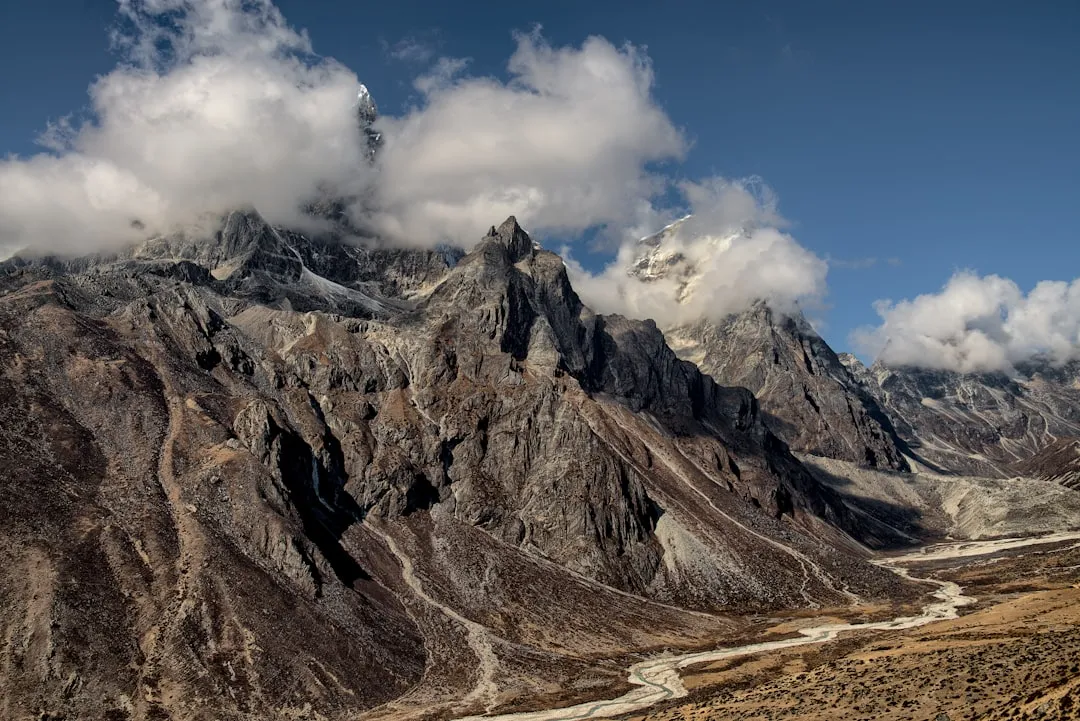
The Jomsom Muktinath Trek is a classic Himalayan journey in Nepal, offering a captivating blend of dramatic mountain scenery, rich cultural experiences, and spiritual pilgrimage. This trek takes you through the arid, windswept landscapes of the Mustang region, a trans-Himalayan territory that feels distinctly different from the lush valleys of central Nepal. Starting from the bustling tourist hub of Pokhara, the trek ascends through diverse terrain, from subtropical forests to high-altitude desert, culminating at the sacred Hindu and Buddhist shrine of Muktinath. The trail follows the Kali Gandaki River, the world's deepest gorge, with breathtaking views of the Annapurna and Dhaulagiri massifs providing a constant, awe-inspiring backdrop.
- Distance: Approximately 55 km (main trail)
- Duration: 7–10 days (including travel to/from Pokhara)
- Season: October–November (autumn) and March–May (spring)
- Highest point: Muktinath (3,710 m)
- Difficulty: Moderate
- Closest City: Pokhara
- Trailhead Access: Fly or drive to Jomsom (JMO airport), then trek or take a jeep to Muktinath.
Overview
The Jomsom Muktinath Trek is renowned for its accessibility and the sheer diversity of landscapes it traverses. Unlike many high-altitude treks that require weeks of arduous walking, this route can be completed in a more manageable timeframe, making it popular for those with limited time or seeking a less physically demanding Himalayan experience. The trek begins with a scenic flight or a thrilling jeep ride from Pokhara to Jomsom, a dusty but vibrant town situated at the confluence of the Kali Gandaki and Jomsom Khola rivers. From Jomsom, the trail winds its way northwards, gradually ascending through traditional Thakali villages, terraced fields, and dramatic canyons carved by the Kali Gandaki.
The defining feature of this trek is its location within the Kali Gandaki Gorge, often cited as the world's deepest gorge, with peaks like Annapurna I (8,091 m) and Dhaulagiri (8,167 m) soaring on either side. The trail offers unparalleled views of these giants, especially during the early mornings when the light paints the snow-capped summits in hues of gold and pink. As you move further north, the landscape transforms into a high-altitude desert, reminiscent of Tibet, with sparse vegetation, colourful prayer flags fluttering in the wind, and ancient monasteries dotting the hillsides.
The spiritual heart of the trek is Muktinath, a sacred pilgrimage site for both Hindus and Buddhists. The temple complex, perched at 3,710 metres, is a place of immense religious significance, drawing devotees from across the globe. The trek concludes with a descent back to Jomsom, often via a different route or by jeep, before returning to Pokhara. This trek is not just about the mountains; it's a journey into the heart of Tibetan-influenced culture, offering encounters with warm and hospitable local communities.
History and Cultural Context
The Mustang region, through which the Jomsom Muktinath Trek passes, has a long and fascinating history. Historically, it was part of the ancient Tibetan kingdom of Ngari, and its strategic location along the salt trade route between Tibet and India made it a vital commercial centre for centuries. The Thakali people, who inhabit the Kali Gandaki valley, were historically renowned traders and innkeepers, controlling much of the trade that passed through the region.
The town of Jomsom itself has a history tied to its role as a trading post and, more recently, as a vital transportation hub. Its airport, established in the 1960s, was crucial for connecting the remote region to the outside world, facilitating trade and tourism. The development of the road network, though often challenging, has further increased accessibility.
Muktinath, the ultimate destination for many trekkers, has been a sacred site for millennia. For Hindus, it is one of the 108 Divya Desams, a holy abode of Lord Vishnu. The temple is believed to have been consecrated by Adi Shankaracharya, the great philosopher and theologian. For Buddhists, Muktinath is a sacred place of Guru Rinpoche (Padmasambhava), who is said to have meditated in the area. The presence of both Hindu deities and Buddhist lamas in the same complex highlights the syncretic nature of religious practices in this region. The eternal flame burning in front of the Muktinath temple, fuelled by natural gas, is considered a divine manifestation and a testament to the sacredness of the site.
The region's isolation has helped preserve its unique cultural heritage, including traditional architecture, religious practices, and social customs. The Thakali people, in particular, have maintained their distinct identity, language, and cuisine, which are integral to the trekking experience.
Seasonal Highlights and Weather Reality
The Jomsom Muktinath Trek is best undertaken during the post-monsoon (autumn) and pre-monsoon (spring) seasons. These periods offer the most favourable weather conditions for trekking in the Himalayas.
Autumn (October–November): This is widely considered the prime trekking season in Nepal. The monsoon rains have cleared, leaving the skies crisp and clear, offering excellent visibility of the towering peaks. The air is cool and pleasant, making for comfortable trekking days. Temperatures are moderate, though nights can become quite cold, especially at higher altitudes. The autumn colours, though not as vibrant as in temperate forests, add a subtle beauty to the landscape. This season is ideal for photography due to the clear skies and dramatic mountain vistas.
Spring (March–May): Spring is another excellent time to trek to Muktinath. The weather is generally stable, and the days are getting warmer. The landscape begins to bloom with rhododendrons and other wildflowers, adding splashes of colour to the hillsides. Visibility is usually good, though there can be occasional haze. Temperatures are pleasant for trekking, but it can get quite warm in the lower valleys during the midday sun. This season is also popular for its agreeable temperatures and the reawakening of nature.
Monsoon (June–September): This season is generally not recommended for trekking in this region. Heavy rainfall can lead to landslides, making road travel to Jomsom difficult and potentially dangerous. The skies are often cloudy, obscuring mountain views, and the trails can be muddy and slippery. While some trekkers might brave the monsoon for fewer crowds and lush green landscapes, the risks and reduced visibility make it a less ideal choice.
Winter (December–February): While possible, winter trekking presents significant challenges. Temperatures drop well below freezing, especially at night and at higher elevations like Muktinath. Snowfall can block trails and roads, leading to travel disruptions. However, for those prepared for extreme cold and potential snow, winter offers a unique experience with dramatic, snow-covered landscapes and very few other trekkers. Muktinath itself can be covered in snow, adding to its serene beauty.
Recommended Itinerary
7-Day Jomsom Muktinath Trek Itinerary
Day 1: Arrival in Pokhara & Preparation
- Arrive in Pokhara (if not already there)
- Final gear check and purchase any last-minute items
- Obtain necessary permits (ACAP and TIMS)
- Relax and enjoy the lakeside city
- Overnight in Pokhara
Day 2: Fly to Jomsom (2,720 m) & Trek to Kagbeni (2,810 m)
- Morning flight from Pokhara to Jomsom (approx. 25 minutes)
- Experience the thrilling landing on the narrow airstrip
- Begin trek from Jomsom towards Kagbeni
- Walk along the Kali Gandaki riverbed, a wide, sandy path
- Pass through arid landscapes with views of Nilgiri and Dhaulagiri
- Kagbeni is a picturesque traditional village with ancient monasteries
- Distance: Approx. 10 km
- Time: 3–4 hours
Day 3: Kagbeni to Muktinath (3,710 m)
- Trek from Kagbeni to Muktinath
- The trail ascends steadily, offering increasingly spectacular views of the Annapurna and Dhaulagiri ranges
- Pass through arid, windswept terrain
- Reach the sacred pilgrimage site of Muktinath
- Explore the temple complex, including the eternal flame and 108 water spouts
- Distance: Approx. 12 km
- Time: 4–5 hours
Day 4: Exploration of Muktinath & Trek to Ranipauwa (3,670 m)
- Morning exploration of Muktinath Temple and surrounding monasteries
- Enjoy panoramic views of the Himalayas
- Descend slightly to Ranipauwa, a village near Muktinath with more teahouses
- Rest and acclimatise to the altitude
- Distance: Approx. 1 km (to Ranipauwa)
- Time: 1 hour
Day 5: Ranipauwa to Jomsom (2,720 m) via Jeep or Trek
- Option 1 (Jeep): Take a jeep from Ranipauwa back to Jomsom. This is a faster and more comfortable option, especially if time is limited or for those wanting to avoid the descent.
- Option 2 (Trek): Trek down from Ranipauwa to Jomsom. This route follows the Kali Gandaki riverbed, offering different perspectives of the valley.
- Distance (Trek): Approx. 18 km
- Time (Trek): 5–6 hours
- Time (Jeep): Approx. 1–1.5 hours
Day 6: Fly from Jomsom to Pokhara
- Morning flight from Jomsom back to Pokhara
- Enjoy the scenic flight over the Kali Gandaki Gorge
- Free time in Pokhara for relaxation, souvenir shopping, or exploring the lakeside
- Overnight in Pokhara
Day 7: Departure from Pokhara
- Depart from Pokhara for your onward journey
Note: This itinerary can be extended by adding days for further exploration of villages like Marpha or Tukuche, or by incorporating a longer trek from Pokhara to Nayapul and then proceeding towards Jomsom. The return from Ranipauwa to Jomsom can also be done by trekking the entire distance if preferred.
Planning and Bookings
Book Your Trip
Everything you need to plan your journey
Accommodation
Find places to stay near Pokhara
Flights
Search flights to Pokhara
Essential Preparation
The Jomsom Muktinath Trek is a moderate-difficulty trek that requires good physical fitness and proper acclimatisation. Given its popularity, it's advisable to book your flights to and from Jomsom, as well as accommodation in Jomsom and Pokhara, in advance, especially during peak seasons. The trek itself is relatively straightforward, with well-defined trails and numerous teahouses along the route, meaning you don't need to carry camping gear. However, securing permits is crucial. The Annapurna Conservation Area Permit (ACAP) and the Trekkers' Information Management System (TIMS) card are mandatory for all trekkers entering the Annapurna region. These can be obtained in Kathmandu or Pokhara.
Pokhara serves as the primary gateway city for this trek. It offers a wide range of accommodation options, from budget guesthouses to luxury hotels, and a plethora of restaurants serving local and international cuisine. It's also a hub for trekking gear shops, where you can rent or purchase any necessary equipment. Allow at least one full day in Pokhara before your trek begins to finalise preparations, obtain permits, and brief your guide if you have one.
Trail Accommodation
The Jomsom Muktinath Trek is a teahouse trek, meaning accommodation is readily available in local teahouses and lodges along the route. These establishments offer basic but comfortable rooms and serve meals. There are no campsites required for this trek.
Teahouse Facilities:
- Private rooms with twin beds and mattresses
- Blankets are usually provided, but a sleeping bag is recommended for warmth and hygiene
- Communal dining areas, often with a stove for warmth
- Basic toilets (squat or western style)
- Showers are sometimes available, often with an extra charge and may be solar-heated (limited hot water)
- Wi-Fi is increasingly available in teahouses, though often at a cost and can be slow
What's NOT Provided:
- Hot water for bathing is usually an extra charge
- Electricity for charging devices may be available but can be unreliable and often incurs a fee
- No heating in rooms; rely on your sleeping bag and layers
- No cooking equipment or food supplies provided; meals are ordered from the teahouse menu
Seasonal Availability: Teahouses are generally open year-round, but services might be more limited during the off-season (monsoon and winter). During peak seasons (autumn and spring), it's advisable to book accommodation in advance, especially in popular villages like Kagbeni and Muktinath, or if travelling in a group.
Costs: Room rates are generally low, typically ranging from US$5–15 per night. Meals are priced separately and are more expensive at higher altitudes. Expect to pay around US$3–7 for a main meal.
Required Gear
- Hiking Boots: Sturdy, waterproof, and well-broken-in hiking boots with good ankle support are essential.
- Backpack: A comfortable trekking backpack (30–45 litres) with a rain cover. If you hire a porter, a smaller daypack will suffice.
- Sleeping Bag: A 3-season sleeping bag (rated to -5°C to 0°C) is recommended for warmth and hygiene in teahouses.
- Waterproof Jacket: A good quality waterproof and windproof jacket with a hood.
- Waterproof Trousers: Essential for protection against rain and wind.
- Warm Layers: Fleece jackets, thermal base layers (merino wool or synthetic), and a warm hat (beanie).
- Gloves: Warm gloves, preferably waterproof.
- Headlamp/Torch: With spare batteries, for navigating in the dark or during power outages.
- First-Aid Kit: Including personal medications, blister treatment, pain relievers, antiseptic wipes, and bandages.
- Sun Protection: High SPF sunscreen, lip balm with SPF, sunglasses, and a wide-brimmed hat or cap.
- Trekking Poles: Highly recommended for stability on descents and ascents, and to reduce strain on knees.
What to Bring
- Clothing: Several pairs of moisture-wicking socks, hiking trousers (quick-drying), t-shirts (synthetic or merino wool), and a warm fleece or down jacket.
- Water Bottles/Hydration Reservoir: At least 2 litres capacity.
- Water Purification: Water purification tablets or a filter are essential as tap water is not safe to drink.
- Toiletries: Biodegradable soap, toothbrush, toothpaste, wet wipes, hand sanitiser, and toilet paper (often not provided in teahouses).
- Personal Items: Camera, power bank for charging electronics, book or journal, snacks (energy bars, nuts, dried fruit).
- Documents: Passport, visa, permits (ACAP and TIMS), and travel insurance details. Keep copies separate.
- Cash: Nepali Rupees (NPR) are essential as ATMs are scarce outside Pokhara and Jomsom, and credit cards are rarely accepted in teahouses.
- Small Towel: Quick-drying travel towel.
Permits
To trek in the Annapurna region, including the Jomsom Muktinath Trek, you are required to obtain two main permits:
1. Annapurna Conservation Area Permit (ACAP):
- This permit is mandatory for entry into the Annapurna Conservation Area, which encompasses the entire trekking route.
- Cost: Approximately NPR 3,000 per person for foreigners.
- Where to obtain: Can be purchased at the Nepal Tourism Board office in Kathmandu or Pokhara, or at designated check points along the trekking route. It is highly recommended to obtain this in Pokhara before starting your trek.
2. Trekkers' Information Management System (TIMS) Card:
- This card helps in tracking trekkers and provides assistance in case of emergencies.
- Cost: Approximately NPR 2,000 for individual trekkers (if not part of a group organised by a registered trekking agency) or NPR 1,000 if trekking with a registered agency.
- Where to obtain: Can be purchased at the Nepal Tourism Board office in Kathmandu or Pokhara, or from registered trekking agencies.
Important Notes:
- Always carry your permits with you as they will be checked at various checkpoints along the trail.
- Keep photocopies of your permits in a separate place from the originals.
- Ensure you have passport-sized photographs ready when applying for permits.
- The costs mentioned are approximate and subject to change by the Nepali government.
Other Activities in the Area
Beyond the trek itself, the Jomsom Muktinath region offers several other attractions and activities:
- Marpha Village Exploration: Marpha is a beautiful traditional village known for its apple orchards and apple brandy. Spend time wandering through its narrow, stone-paved alleys, visit the local monastery, and sample the local produce.
- Tukuche Village: Another charming village with a rich history as a former trading hub. It offers insights into the traditional Thakali way of life and has a small museum.
- Jeep Safari to Upper Mustang (requires separate permit): For those with more time and a desire for deeper cultural immersion, a jeep tour into Upper Mustang (a restricted area) offers a glimpse into a preserved Tibetan kingdom. This requires a special, expensive permit.
- Paragliding in Pokhara: Before or after your trek, experience the thrill of paragliding over Phewa Lake in Pokhara, with stunning views of the Annapurna range.
- Boating on Phewa Lake: Enjoy a peaceful boat ride on Phewa Lake in Pokhara, visit the Tal Barahi Temple located on an island in the middle of the lake.
- Exploring Pokhara: Pokhara itself offers numerous attractions, including Devi's Fall, Gupteshwor Cave, the World Peace Pagoda, and the International Mountain Museum.
Safety and Conditions
Altitude Sickness (AMS): While the Jomsom Muktinath trek does not reach extremely high altitudes, Muktinath is at 3,710 metres. It is crucial to acclimatise properly. Ascend gradually, stay hydrated, and avoid alcohol and smoking. If you experience symptoms of altitude sickness (headache, nausea, dizziness), descend to a lower altitude immediately. Consider consulting your doctor about Diamox (acetazolamide) before your trip.
Weather: Weather in the Himalayas can change rapidly. Be prepared for sunny days, strong winds, and potential rain or snow, especially at higher elevations. Always check the weather forecast before setting out each day.
Trail Conditions: The trails are generally well-maintained, but the path along the Kali Gandaki riverbed can be sandy and exposed to strong winds. The ascent to Muktinath involves steeper sections. Trekking poles are highly recommended for stability.
Health and Hygiene: Drink only purified or boiled water. Eat well-cooked food from reputable teahouses. Carry a personal first-aid kit and any necessary personal medications. Hand sanitiser is useful for maintaining hygiene.
Communication: Mobile phone reception is available in most villages, but can be intermittent. Consider purchasing a local SIM card (Ncell or Nepal Telecom) for better coverage. Satellite phones are an option for remote areas, but not typically necessary for this trek.
Emergency Procedures: In case of a serious emergency, contact your trekking agency or local authorities. Your TIMS card helps in tracking trekkers. Travel insurance that covers high-altitude trekking and emergency evacuation is strongly recommended.
Respect Local Customs: Dress modestly when visiting religious sites. Ask permission before taking photographs of people. Be mindful of local traditions and customs.
Side Trips and Points of Interest
Eternal Flame at Muktinath: One of the most fascinating aspects of Muktinath is the eternal flame that burns in front of the temple. This natural phenomenon is fuelled by a natural gas spring and is considered sacred by both Hindus and Buddhists. The flame is said to burn continuously, symbolising divine energy.
108 Water Spouts: Surrounding the main temple at Muktinath are 108 water spouts, shaped like the heads of bulls. Pilgrims believe that bathing in the icy water from these spouts washes away sins and brings spiritual merit. The water is frigid, and many visitors opt for a quick dip or just a splash.
Gompas and Monasteries: Along the trek, particularly in Kagbeni and around Muktinath, you will encounter numerous Buddhist monasteries (Gompas) and Tibetan-style temples. These offer a glimpse into the region's rich Buddhist heritage, with intricate murals, statues, and prayer wheels.
Thakali Culture and Cuisine: The Thakali people are known for their hospitality and delicious cuisine. Be sure to try "Dal Bhat Tarkari" (lentil soup, rice, and vegetable curry), a staple in Nepal, and local Thakali specialties like "Gundruk" (fermented leafy green vegetable) and "Dhido" (a type of porridge). Apple products from Marpha are also a must-try.
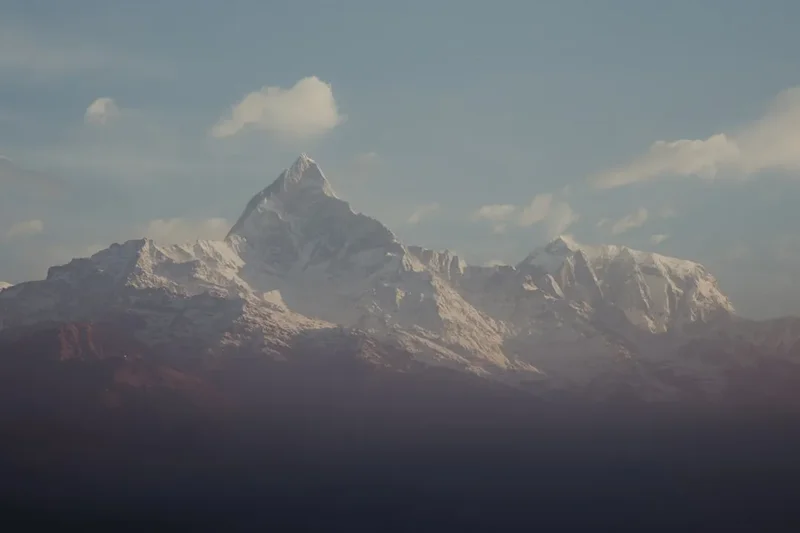
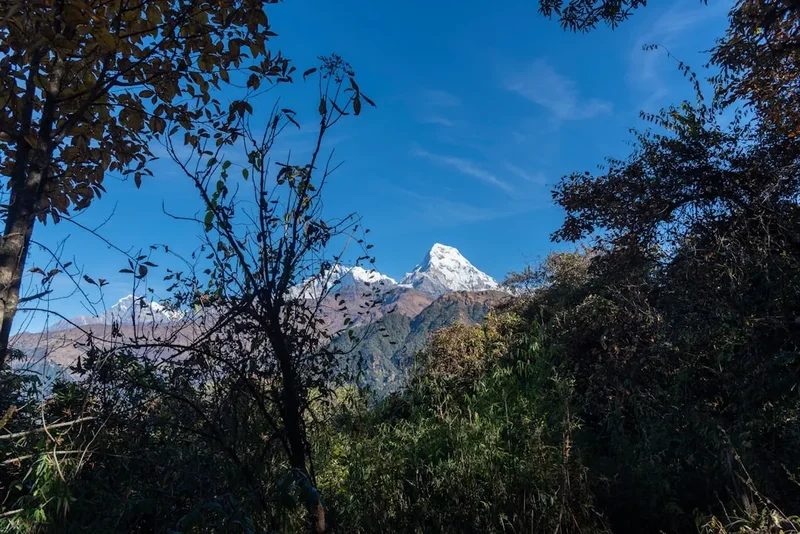
Views of Annapurna and Dhaulagiri: The trek offers constant, spectacular views of some of the world's highest peaks, including Annapurna I (8,091 m), Dhaulagiri (8,167 m), Nilgiri (7,061 m), and Machhapuchhre (Fishtail) (6,993 m). The vantage points from Kagbeni and Muktinath are particularly breathtaking.
Leave No Trace
The Jomsom Muktinath Trek traverses a fragile mountain environment and passes through culturally significant sites. Practising Leave No Trace principles is essential to preserve the natural beauty and cultural heritage of the region for future generations.
Plan Ahead and Prepare: Research the trek, understand the conditions, and pack appropriately. This minimises the need for last-minute purchases that might have a larger environmental footprint.
Travel and Camp on Durable Surfaces: Stick to the established trails and paths. Avoid cutting across switchbacks, as this causes erosion. In villages, use designated teahouses rather than camping outside designated areas.
Dispose of Waste Properly: Pack out everything you pack in, including all trash, food scraps, and wrappers. Do not bury waste. Use designated waste bins in villages or carry your trash back to Pokhara. Use teahouse toilets and dispose of human waste appropriately.
Leave What You Find: Do not take rocks, plants, or cultural artefacts from the trail or villages. Respect the natural and cultural environment.
Minimise Campfire Impacts: Campfires are generally not permitted on this trek as accommodation is in teahouses. If you were to camp, use a lightweight stove for cooking.
Respect Wildlife: Observe wildlife from a distance. Do not feed animals, as it can disrupt their natural behaviours and diets.
Be Considerate of Other Visitors: Keep noise levels down, especially in villages and at religious sites. Yield to uphill trekkers. Respect the local culture and traditions.
By adhering to these principles, you contribute to the sustainability of the Jomsom Muktinath Trek and ensure a positive experience for both yourself and the local communities.
 Nepal
Nepal