
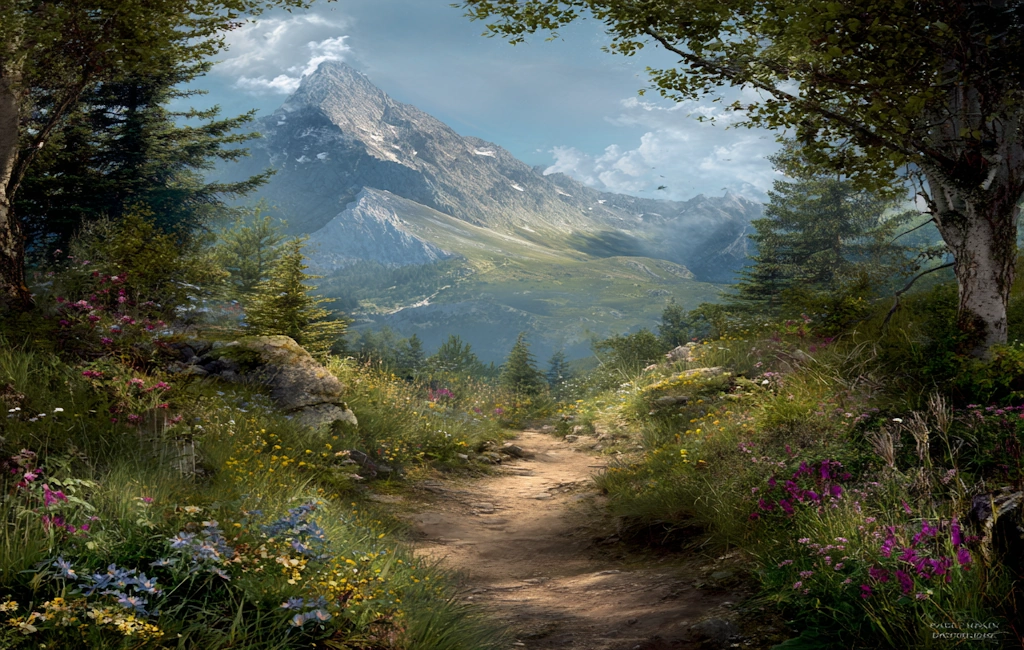
Jomolhari Trek - The Sacred Heart of the Bhutanese Himalayas
The Jomolhari Trek is Bhutan’s most iconic high-altitude journey, a 65-kilometre odyssey that penetrates the deep wilderness of the Jigme Dorji National Park. This challenging multi-day walk offers an unparalleled window into the "Last Shangri-La," leading trekkers from the lush, temperate forests of the Paro Valley to the stark, high-alpine amphitheatre beneath the soaring 7,326-metre peak of Mount Jomolhari. Known as the "Bride of Kangchenjunga," Jomolhari is a mountain of profound spiritual significance, believed to be the residence of the Five Tsheringma Sisters, the protector goddesses of Bhutan and Tibet. Unlike many Himalayan routes that have succumbed to modernisation, the Jomolhari Trek remains a pristine corridor where ancient yak-herding traditions persist, and the silence of the high peaks is broken only by the whistle of the wind and the distant roar of glacial meltwater.
- Distance: 65.0 km (point-to-point with variations)
- Duration: 7–9 days
- Season: October–November (autumn) or April–May (spring)
- Accommodation: High-altitude wilderness camping (mandatory)
- Highest point: Nyile La Pass (4,890 m)
- Difficulty: Challenging (requires excellent fitness and acclimatisation)
- Permits: Mandatory via licensed Bhutanese tour operator
- Closest City: Paro, Bhutan
Overview
The Jomolhari Trek is a masterclass in ecological and topographical transition. The journey begins at approximately 2,800 metres in the Gunitsawa Valley, where the air is thick with the scent of blue pine and cypress. Over the course of the first three days, the trail follows the Pa Chhu (Paro River) upstream, gradually shedding the dense canopy of the lower valleys for the stunted junipers and rhododendron scrubs of the sub-alpine zone. By the time trekkers reach the base camp at Jangothang (4,080 m), the landscape has transformed into a vast, glaciated basin dominated by the sheer, ice-clad faces of Jomolhari and its neighbour, Jichu Drake (6,714 m). This is one of the most spectacular campsites in the entire Himalayan range, offering a front-row seat to the dramatic interplay of light and ice on some of the world's highest unclimbed peaks.
The trek is defined by its isolation. While the Everest Base Camp or Annapurna circuits in Nepal are dotted with teahouses and villages, the Jomolhari route is a true wilderness experience. Beyond the initial military checkpoint at Gunitsawa, there are no permanent settlements until you reach the remote fortress-monastery of Lingshi Dzong. Trekkers must be entirely self-sufficient, supported by a crew of guides, cooks, and a caravan of horses or yaks to transport equipment and supplies. This logistical requirement, mandated by Bhutanese law, ensures that the trail remains uncrowded and the environment protected. The physical challenge is significant; the route involves crossing the formidable Nyile La pass at nearly 4,900 metres, requiring stamina, mental fortitude, and a disciplined approach to acclimatisation.
Culturally, the trek provides a rare encounter with the semi-nomadic Layap and Brokpa people. These high-altitude herders move their yak herds between seasonal pastures, living in black yak-hair tents and maintaining a way of life that has remained largely unchanged for centuries. Encountering a yak caravan on a narrow mountain ledge, the animals' bells echoing through the mist, is a quintessential Bhutanese experience that connects the modern traveller to the ancient rhythms of the mountains. The Jomolhari Trek is not merely a physical feat; it is a pilgrimage into a landscape where nature and spirit are inextricably linked.
History and Cultural Context
The history of the Jomolhari Trek is woven into the broader tapestry of Bhutanese Buddhism and the kingdom's unique approach to mountain conservation. For centuries, the paths used by modern trekkers were the exclusive domain of yak herders, salt traders, and Buddhist monks travelling between the remote dzongs (fortresses) of the north. Mount Jomolhari itself has never been summited from the Bhutanese side; since 1994, the Bhutanese government has prohibited the climbing of peaks higher than 6,000 metres out of respect for local spiritual beliefs. To the Bhutanese, these mountains are not "conquered" but revered as the abodes of deities. This policy has preserved the pristine aesthetic of the peaks, ensuring they remain as untouched today as they were when the first Western explorers arrived.
The modern trekking route gained international recognition in the late 20th century as Bhutan cautiously opened its doors to tourism. The trail passes through the Jigme Dorji National Park, established in 1974 and named after the Third King of Bhutan. This park is a sanctuary for some of the world's rarest wildlife, including the snow leopard, Bengal tiger, and the takin (Bhutan’s national animal). The cultural heart of the trek is the Lingshi Dzong, or "The Fortress of the Conquest of the World," built in the 17th century to defend the valley against Tibetan invasions. Perched on a high ridge overlooking the Lingshi Valley, the dzong remains a symbol of Bhutanese resilience and a vital administrative and religious centre for the remote northern communities.
Every stone, stream, and pass along the Jomolhari Trek carries a name and a story. The "Spirit Lake" of Tshophu, the sacred caves of meditating lamas, and the prayer flags fluttering on the Nyile La all serve as reminders that this is a landscape of deep meaning. For the traveller, walking this route is an act of entering a living museum of Himalayan heritage, where the "Gross National Happiness" philosophy is reflected in the pristine state of the environment and the genuine hospitality of the mountain people.
Want more background? Read extended notes on history and cultural context → Learn more
Seasonal Highlights and Weather Reality
Timing is the most critical factor for a successful Jomolhari Trek. The high-altitude passes and remote nature of the trail mean that weather windows are narrow and must be respected. Bhutan experiences a distinct monsoon season, which dictates the trekking calendar.
Autumn (October to November): This is widely considered the premier season for the Jomolhari Trek. Following the monsoon, the atmosphere is scrubbed clean of dust, resulting in exceptionally sharp, clear views of the high peaks. The weather is generally stable, with bright, sunny days and crisp, cold nights. At higher elevations like Jangothang, temperatures can drop well below freezing (-5°C to -10°C) once the sun sets. The autumn colours—deep reds and oranges of the alpine shrubs—provide a stunning contrast to the white peaks.
Spring (April to May): The second peak season offers a different but equally beautiful experience. This is the time of the rhododendron bloom; Bhutan is home to over 40 species of rhododendron, and the lower sections of the trail become a riot of pink, red, and white. The weather is slightly warmer than in autumn, but there is a higher chance of afternoon clouds and occasional spring showers. High passes may still have lingering snow, adding a layer of technical challenge to the walk.
Winter (December to March): Trekking is generally not recommended during this period. Heavy snowfall frequently closes the Nyile La and other high passes, making the route impassable. Temperatures at base camp can plummet to -20°C, and the logistical challenge of supporting a camp in these conditions is extreme.
Summer/Monsoon (June to September): While the landscape is incredibly lush and green, the monsoon brings heavy rain, leeches in the lower forests, and clouds that obscure the mountain views. Trails become muddy and slippery, and the risk of landslides increases. Most tour operators do not run the Jomolhari Trek during the height of the monsoon.
Recommended Itinerary
9-Day Jomolhari Trek Itinerary
Day 1: Gunitsawa to Shana
- Distance: 5 km
- Elevation gain: 80 m
- Time: 2 hours
- Drive from Paro to the military camp at Gunitsawa (2,810 m)
- Brief walk along the Pa Chhu river to the first campsite at Shana
- This short day serves as a "shakedown" for gear and allows the trekking crew to organise the pack animals
- Overnight at Shana campsite (2,850 m)
Day 2: Shana to Thangthangkha
- Distance: 15 km
- Elevation gain: 770 m
- Time: 7–8 hours
- A long, steady climb through thick forests of oak, pine, and spruce
- The trail enters the Jigme Dorji National Park
- Cross several wooden bridges over the rushing river
- First glimpses of Mount Jomolhari may be visible in the evening if the weather is clear
- Overnight at Thangthangkha campsite (3,610 m)
Day 3: Thangthangkha to Jangothang
- Distance: 12 km
- Elevation gain: 470 m
- Time: 5–6 hours
- The forest thins out, replaced by high-altitude meadows and willow scrub
- Pass a small army post and the village of Soe
- The valley opens up, revealing the full majesty of Jomolhari
- Arrive at Jangothang, one of the most beautiful base camps in the Himalayas
- Overnight at Jangothang campsite (4,080 m)
Day 4: Acclimatisation Day at Jangothang
- Distance: Variable (4–6 km)
- Elevation gain: Up to 500 m
- Time: 3–4 hours
- Crucial day for altitude adjustment before the high pass
- Optional hike to the base of Mount Jomolhari or up to the Tshophu Lakes (4,380 m)
- Excellent opportunities for photography of Jomolhari and Jichu Drake
- Observe blue sheep (bharal) on the surrounding slopes
- Overnight at Jangothang campsite (4,080 m)
Day 5: Jangothang to Lingshi via Nyile La
- Distance: 17 km
- Elevation: 810 m gain, 1,090 m descent
- Time: 7–8 hours
- The most challenging day of the trek
- Steep climb to the Nyile La pass (4,890 m), the highest point of the journey
- Panoramic views of Jomolhari, Jichu Drake, and Tshering Gang
- Long descent into the Lingshi Valley, passing through yak herder camps
- View the historic Lingshi Dzong perched on its ridge
- Overnight at Lingshi campsite (3,800 m)
Day 6: Lingshi to Shodu
- Distance: 19 km
- Elevation: 600 m gain, 700 m descent
- Time: 8–9 hours
- Cross the Yeli La pass (4,820 m)
- On a clear day, views extend to Mount Masanggang and other peaks of the northern border
- The trail follows a high ridge before descending into a rhododendron forest
- Overnight at Shodu campsite (4,080 m)
Day 7: Shodu to Barshong
- Distance: 14 km
- Elevation: 400 m descent
- Time: 5–6 hours
- The trail follows the Thimphu Chhu river through beautiful limestone cliffs
- Pass through dense forests of rhododendron, birch, and pine
- The descent is gradual but can be muddy after rain
- Overnight at Barshong campsite (3,710 m)
Day 8: Barshong to Dolam Kencho
- Distance: 11 km
- Elevation: 420 m descent
- Time: 4–5 hours
- Continue the descent through the forest, following the river valley
- The trail is well-defined but involves several ups and downs
- Overnight at Dolam Kencho campsite (3,290 m)
Day 9: Dolam Kencho to Dodena (Thimphu)
- Distance: 8 km
- Elevation: 600 m descent
- Time: 3–4 hours
- Final stretch of the trek through bamboo and pine forests
- The trail ends at Dodena, near the Cheri Monastery
- Transport picks up the group for the drive to Thimphu (approx. 45 minutes)
- Celebratory dinner in the capital city
Important Notes:
- The itinerary can be shortened to 7 days by ending at Shana and returning to Paro, but the full loop to Thimphu is highly recommended.
- Altitude sickness is a genuine risk; always follow the "climb high, sleep low" principle.
- The trekking crew handles all camp setup and cooking.
- Water must be treated or boiled; your crew will provide boiled water daily.
Planning and Bookings
Book Your Trip
Everything you need to plan your journey
Accommodation
Find places to stay near Paro
Flights
Search flights to Paro
Essential Preparation
Planning a trek in Bhutan is fundamentally different from other Himalayan destinations. You cannot trek independently; by law, all tourists must book through a licensed Bhutanese tour operator. This operator coordinates your visa, the Sustainable Development Fee (SDF), transport, guides, and the entire trekking crew. Preparation should begin at least 3–6 months in advance, especially for the peak autumn and spring seasons when flights and guides are in high demand.
Physical fitness is paramount. You will be walking 5–9 hours a day at altitudes exceeding 4,000 metres. Cardiovascular training (hiking, running, cycling) and strength training for the legs and core are essential. It is highly recommended to arrive in Paro (2,200 m) at least two days before the trek begins to allow for initial acclimatisation. Use these days to visit the Tiger’s Nest Monastery, which involves a 4–5 hour hike and serves as an excellent fitness test.
Trail Accommodation
There are no guesthouses or teahouses on the Jomolhari Trek. Accommodation is exclusively in high-altitude wilderness campsites. Your tour operator provides all necessary camping equipment.
Campsite Facilities:
- Sleeping tents (usually 2-person "A-frame" or dome tents)
- Foam mattresses (though bringing your own inflatable pad is recommended for extra comfort)
- Dining tent with table and chairs for group meals
- Kitchen tent where the crew prepares fresh meals
- Toilet tent (a private tent over a dug-out pit)
- Basic washing water (usually a small bowl of warm water provided in the morning)
What is NOT Provided:
- Sleeping bags (some operators rent them, but bringing your own rated to -15°C is safer)
- Pillows (bring an inflatable camping pillow)
- Electricity (there are no charging points at campsites; bring solar chargers or power banks)
- Showers (this is a "wet wipe" trek; there are no shower facilities)
Required Gear
- Trekking boots - high-cut, waterproof (Gore-Tex), and thoroughly broken in
- Sleeping bag - 4-season rated (comfort level -10°C to -15°C)
- Down jacket - high loft, essential for evenings at Jangothang and Lingshi
- Waterproof shell - high-quality jacket and trousers for wind and rain protection
- Trekking poles - highly recommended for the steep descent from Nyile La
- Daypack - 30-40L for carrying your daily essentials (water, layers, camera)
- Headlamp - with extra batteries (essential for camp life after dark)
- Personal First Aid Kit - including Diamox (for altitude), blister pads, and rehydration salts
What to Bring
- Water purification - Steripen or purification tablets (though the crew provides boiled water)
- Sun protection - SPF 50+ sunscreen, lip balm with SPF, and polarised sunglasses
- Thermal layers - Merino wool base layers (top and bottom) are best for moisture management
- Personal toiletries - Biodegradable soap, wet wipes, and hand sanitiser
- Power banks - High capacity (20,000mAh+) to last the duration of the trek
- Snacks - Energy bars, nuts, and chocolate (meals are provided, but personal snacks are a morale booster)
- Cash - Small denominations of Ngultrum (BTN) or US Dollars for tipping the crew at the end
Permits
The permit process for the Jomolhari Trek is integrated into the Bhutanese visa system. There is no separate "trekking permit" that you buy at the trailhead; instead, your tour operator secures a "Route Permit" from the Ministry of Home and Cultural Affairs. This permit specifies your exact itinerary and the number of days you will be in the national park.
The Sustainable Development Fee (SDF):
- As of 2024, the SDF is US$100 per person, per night for most international visitors (Indian, Bangladeshi, and Maldivian nationals pay a lower rate).
- This fee goes directly to the government to fund free healthcare, education, and environmental conservation in Bhutan.
- The SDF is in addition to the costs of your tour operator (which covers food, transport, and guides).
Visa Requirements:
- Visas are processed online by your tour operator after full payment of the trip is received.
- You must provide a digital copy of your passport (valid for at least 6 months).
- The visa fee is US$40.
- Once approved, you receive a Visa Clearance Letter, which you must present at Paro International Airport to have the visa stamped in your passport.
Checkpoints: There is a significant military checkpoint at Gunitsawa. Your guide will handle all the paperwork here, but you must have your passport accessible. This area is close to the Tibetan border, and security is taken seriously.
Other Activities in the Area
Most trekkers spend time in Paro and Thimphu before or after the Jomolhari Trek. These activities are highly recommended to round out your Bhutanese experience:
- Paro Taktsang (Tiger’s Nest): The most famous site in Bhutan. This monastery clings to a cliff 900 metres above the Paro Valley. It is a mandatory pre-trek acclimatisation hike.
- Kyichu Lhakhang: One of the oldest and most sacred temples in Bhutan, dating back to the 7th century. It is located just outside Paro.
- National Museum of Bhutan: Housed in an ancient watchtower (Ta Dzong) in Paro, it offers excellent insights into Bhutanese history, flora, and fauna.
- Thimphu Sightseeing: Visit the Buddha Dordenma (a massive golden Buddha statue), the Memorial Chorten, and the Motithang Takin Preserve to see Bhutan’s unique national animal.
- Traditional Hot Stone Bath: After the trek, indulge in a "Dotsho." River stones are heated in a fire and dropped into a wooden tub filled with water and medicinal herbs—the ultimate cure for sore trekking muscles.
- Archery Matches: Archery is the national sport of Bhutan. Watching a local tournament, complete with traditional songs and taunts, is a cultural highlight.
Safety and Conditions
Altitude Sickness (AMS): This is the primary safety concern on the Jomolhari Trek. The trail ascends from 2,800 m to nearly 4,900 m in just a few days. Symptoms of Acute Mountain Sickness (AMS) include headache, nausea, dizziness, and loss of appetite. Your guide is trained to recognise these symptoms. The golden rule is: if symptoms persist or worsen, you must descend immediately. Diamox can be used as a preventative measure, but consult your doctor before travel.
Remote Terrain: The Jomolhari Trek is remote. There is no mobile phone signal for most of the route, and there are no roads for vehicle evacuation. In the event of a serious medical emergency, helicopter evacuation is the only option. Ensure your travel insurance specifically covers "high-altitude trekking up to 5,000 metres" and "emergency helicopter evacuation in Bhutan."
Weather Extremes: Even in the best seasons, mountain weather is unpredictable. Snowstorms can occur on the Nyile La in October or May. Hypothermia is a risk if you are not properly layered. Always carry your waterproof shell and a warm layer in your daypack, regardless of how the morning looks.
Animal Safety: While yaks and horses are generally docile, they are large animals. Always stand on the "uphill" side of the trail when a caravan passes to avoid being accidentally bumped off a ledge. Keep a respectful distance from wild blue sheep and never attempt to approach a snow leopard (though sightings are extremely rare).
Side Trips and Points of Interest
Jangothang Base Camp: This is more than just a campsite; it is a destination in itself. Spend your acclimatisation day exploring the ruined fortress that gives the site its name ("Jango" means "ruin"). The views of Jomolhari’s north face are unparalleled. If you have the energy, hike up the ridge behind the camp for a spectacular view of the twin peaks of Jomolhari and Jichu Drake.
Tshophu Lakes: A 2-hour hike from Jangothang leads to these two high-altitude alpine lakes (4,380 m). The lakes are crystal clear and reflect the surrounding peaks like a mirror. It is a sacred site for locals, and the serenity of the location is profound. This is also a prime spot for spotting the Himalayan marmot and various high-altitude birds.
Lingshi Dzong: Known as Yugyel Dzong, this fortress sits at 4,220 metres. It was built to control the mountain passes between Tibet and Bhutan. While the dzong was damaged in a 2011 earthquake, its commanding position and historical significance make it a highlight of the trek. The surrounding village of Lingshi is one of the highest permanent settlements in Bhutan.
Jichu Drake: While Jomolhari is the star, Jichu Drake is often considered the more beautiful peak by mountaineers due to its sharp, pyramidal profile. It represents the protective deity of the Paro region. You will have excellent views of this peak throughout the middle section of the trek.
Leave No Trace
Bhutan is the world’s only carbon-negative country, and maintaining the purity of its mountain environment is a national priority. Trekkers are expected to adhere to the strictest Leave No Trace principles to ensure the Jomolhari route remains pristine for future generations.
Environmental Guidelines:
- All rubbish must be packed out. Your trekking crew will manage the camp waste, but ensure you do not drop micro-trash (like sweet wrappers) on the trail.
- Use the provided toilet tents at campsites. If you must go on the trail, ensure you are at least 50 metres from water sources and bury waste deeply.
- Do not pick wildflowers or disturb the fragile alpine vegetation. The "Blue Poppy," Bhutan’s national flower, is rare and protected.
- Respect the wildlife. Do not feed animals or birds, as this disrupts their natural foraging behaviour.
- Water protection: Do not use soap or detergents directly in the rivers or streams. Use a basin and dispose of greywater well away from the water’s edge.
- Cultural respect: Always walk to the left of chortens (stupas) and prayer walls. Ask for permission before taking photos of people or inside temples.