
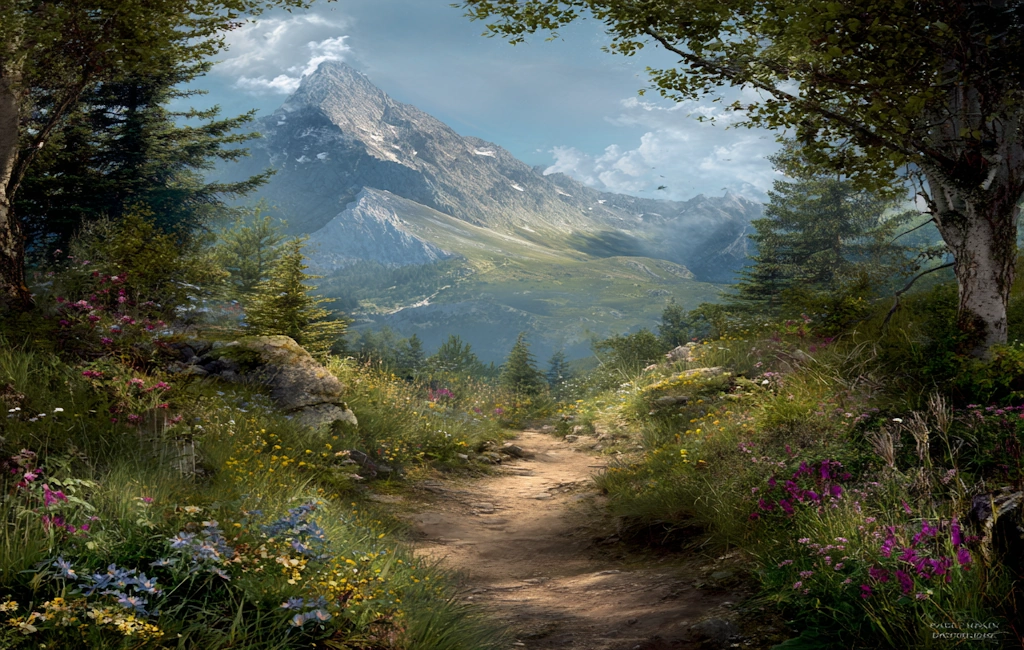
Joffre Lakes Trail - A Turquoise Gem in the Coast Mountains
The Joffre Lakes Trail is a spectacular day hike located in British Columbia, Canada, offering a relatively short but rewarding journey to three stunning turquoise alpine lakes. Nestled within Joffre Lakes Provincial Park, this trail is a popular destination for hikers seeking breathtaking mountain scenery, vibrant glacial-fed waters, and a taste of the rugged Coast Mountains. The trail ascends through diverse forest types before opening up to reveal the iconic Upper, Middle, and Lower Joffre Lakes, each with its own unique charm and perspective. While accessible as a day hike, the sheer beauty and scale of the landscape make it a memorable experience for all who visit. The park's accessibility from Vancouver makes it a prime destination for those looking to escape the city and immerse themselves in the grandeur of the Canadian wilderness.
- Distance: 10.0 km return
- Elevation Gain: 400 m
- Duration: 3-4 hours return
- Season: May to October (snow-free typically June-September)
- Huts: None (day hike)
- Highest point: Upper Joffre Lake (approx. 1,200 m)
- Daily walkers: No limit, but parking is strictly managed and fills extremely quickly
- Direction: Out and back
Overview
The Joffre Lakes Trail is a quintessential Canadian Rockies experience, albeit situated in the Coast Mountains of British Columbia. Its fame rests primarily on the almost impossibly vibrant turquoise hue of its three namesake lakes, a colour derived from rock flour (glacial silt) suspended in the water. The trail itself is a well-maintained, albeit sometimes steep, path that winds its way from the trailhead parking area up to Upper Joffre Lake. The journey is a progression through distinct ecological zones, starting in a lush, temperate rainforest dominated by Western Red Cedar and Hemlock, before transitioning to subalpine meadows and eventually the stark, rocky terrain surrounding the upper lakes.
The hike begins with a gentle incline, gradually steepening as it progresses. Hikers will pass Lower Joffre Lake first, a beautiful introduction to the park's glacial waters. The trail then continues its ascent, offering glimpses of the surrounding snow-capped peaks and rugged glaciers. Middle Joffre Lake is the next major landmark, often providing stunning reflections of the mountains in its calm waters. The final push leads to Upper Joffre Lake, the most iconic of the three, situated directly beneath the imposing Matier Glacier and the jagged peaks of the Mount Matier massif. The sheer scale of the landscape at Upper Joffre Lake is awe-inspiring, with the glacier looming large and the vibrant blue water creating a surreal, almost otherworldly scene.
The trail is popular, especially during peak season (summer and early autumn), and can become quite crowded. BC Parks has implemented a reservation system for day-use access during peak periods to manage visitor numbers and ensure a more enjoyable experience. Despite the crowds, the sheer natural beauty of Joffre Lakes makes it a must-do for anyone visiting the Pemberton region. The accessibility from Vancouver, combined with the dramatic scenery, solidifies its status as one of British Columbia's most beloved hiking destinations.
History and Cultural Context
The land that now comprises Joffre Lakes Provincial Park has a deep and ancient history, intrinsically linked to the Indigenous peoples of the region. For millennia, the Lil'wat Nation (part of the larger St'at'imc First Nation) have utilized this territory for hunting, gathering, and travel. The lakes and surrounding mountains hold significant cultural and spiritual importance, representing ancestral lands and a vital part of their heritage. The trails that hikers now tread often follow ancient routes used by the Lil'wat people for generations, connecting different hunting grounds and facilitating trade.
The modern history of Joffre Lakes as a recreational area began to take shape in the mid-20th century. As road access improved in the Pemberton Valley, the stunning beauty of the Joffre Lakes area began to attract more visitors. The establishment of Joffre Lakes Provincial Park in 1983 was a crucial step in protecting this fragile alpine environment and ensuring its preservation for future generations. The park's designation recognised the unique ecological values, including the vibrant glacial lakes, the old-growth forests, and the significant wildlife habitat.
In recent years, the park's popularity has surged, leading to challenges in managing visitor numbers. BC Parks has responded by implementing a day-use pass reservation system during peak seasons to mitigate overcrowding and protect the sensitive environment. This reflects a growing understanding of the need to balance recreational access with ecological stewardship, a principle that has roots in the long-standing relationship Indigenous peoples have with the land.
Seasonal Highlights and Weather Reality
The Joffre Lakes Trail offers a distinct experience throughout its accessible season, which typically runs from late spring to early autumn. Each period presents unique advantages and challenges.
Late Spring (May - early June): This is a transitional period. While the lower sections of the trail may be clear of snow, higher elevations, including Middle and Upper Joffre Lakes, will likely still be snow-covered. Snowmelt can create muddy conditions and potentially hazardous stream crossings. The landscape is beginning to awaken, with early wildflowers starting to bloom in the lower elevations. Access can be unpredictable due to lingering snow.
Summer (mid-June - August): This is the peak season for Joffre Lakes. The trail is generally snow-free from the trailhead to Upper Joffre Lake. The lakes are at their most vibrant turquoise due to optimal glacial melt and rock flour suspension. Days are long, offering ample time for hiking and photography. However, this is also the busiest period, and parking lots fill extremely early. The weather can be warm, but alpine conditions mean that rain, wind, and even snow are possible at any time, especially at higher elevations. Sandflies can also be present, though generally less intense than in coastal rainforests.
Early Autumn (September - early October): This is often considered one of the best times to visit. The crowds begin to thin, the air is crisp, and the autumn colours start to emerge, adding a golden hue to the surrounding forests. The lakes remain stunningly turquoise. The weather is generally stable, but cooler temperatures and the possibility of early snowfall increase as the season progresses. By mid-October, snow can accumulate significantly, making the trail impassable without winter gear and experience.
Weather Considerations: The weather in the Coast Mountains can change rapidly. Even on a sunny summer day, conditions at Upper Joffre Lake can be significantly cooler and windier. Hikers should always be prepared for rain, wind, and temperature fluctuations. Hypothermia is a risk, even in summer, if one becomes wet and cold at higher elevations.
Recommended Itinerary
Joffre Lakes Day Hike Itinerary
Early Morning (Approx. 7:00 AM - 8:00 AM): Arrival and Lower Lake
- Arrive at Joffre Lakes Provincial Park trailhead parking lot. Crucial: Arrive extremely early (before 8:00 AM, ideally earlier) or secure a reservation if required. Parking fills up rapidly.
- Begin the hike from the trailhead. The initial section is a well-maintained, relatively gentle path through old-growth forest.
- Pass by Lower Joffre Lake. Take a moment to appreciate its beauty and the surrounding forest.
Morning (Approx. 8:00 AM - 10:00 AM): Ascent to Middle Lake
- Continue ascending. The trail becomes steeper and more rugged, with some rocky sections and switchbacks.
- Pass through areas of subalpine forest and open meadows.
- Reach Middle Joffre Lake. This lake often offers spectacular reflections of the surrounding peaks and glaciers.
- Pause here to take photos and enjoy the views.
Midday (Approx. 10:00 AM - 12:00 PM): Upper Lake and Glacier Views
- The final push to Upper Joffre Lake. This section is the steepest and most challenging part of the hike.
- The trail opens up to reveal the dramatic landscape surrounding Upper Joffre Lake.
- Marvel at the vibrant turquoise water, the imposing Matier Glacier, and the surrounding jagged peaks.
- Spend time exploring the shoreline of Upper Joffre Lake, finding a scenic spot for lunch or a snack.
- Note the sheer scale of the glacier and the raw, alpine environment.
Afternoon (Approx. 12:00 PM - 3:00 PM): Descent and Departure
- Begin the descent back towards the trailhead. Take care on the steeper sections.
- Revisit Lower and Middle Joffre Lakes for different perspectives in the afternoon light.
- Return to the parking lot.
- Important: If you did not secure a reservation, be aware that parking may be full, and you may be turned away.
Important Notes:
- This is a day hike; no overnight accommodation is available or permitted.
- Day-use passes are often required during peak season (check BC Parks website).
- Carry sufficient water or a water filter, as water sources are available but should be treated.
- Wear sturdy hiking boots and dress in layers, as weather can change quickly.
- Be prepared for crowds, especially during summer weekends and holidays.
- Pack out all trash and leave no trace.
Planning and Bookings
Book Your Trip
Everything you need to plan your journey
Accommodation
Find places to stay near Pemberton
Flights
Search flights to Pemberton
Essential Preparation
Joffre Lakes Provincial Park is a highly sought-after destination, and effective planning is paramount for a successful visit. The primary logistical challenge is securing parking, as the designated lot is relatively small and can fill up within an hour of opening, especially on weekends and holidays during the peak season (June-September). BC Parks has implemented a day-use pass reservation system for certain periods to manage visitor numbers. It is essential to check the official BC Parks website for the most up-to-date information on reservation requirements, operating hours, and any potential trail advisories or closures.
The closest major town to Joffre Lakes is Pemberton, located approximately 35 kilometres to the south. Pemberton offers essential services, including accommodation, restaurants, grocery stores, and outdoor gear shops. Vancouver is about a 2.5 to 3-hour drive north via the Sea-to-Sky Highway (Highway 99), making it a feasible day trip from the city, though an early start is highly recommended. Ensure your vehicle is in good condition, as the drive involves mountain roads. Mobile phone reception can be spotty along Highway 99 and within the park itself, so download offline maps and information before you go.
Trail Accommodation
This is a day hike requiring no overnight accommodation.
Required Gear
- Hiking Boots: Sturdy, broken-in hiking boots with good ankle support are essential for navigating the varied terrain, which includes rocky sections and steep ascents/descents.
- Waterproof and Windproof Outerwear: A waterproof and breathable jacket (e.g., Gore-Tex) and waterproof overtrousers are highly recommended. Weather in the mountains can change rapidly, and rain or strong winds are common, even in summer.
- Layered Clothing: Dress in layers. A moisture-wicking base layer (synthetic or merino wool), an insulating mid-layer (fleece or down jacket), and an outer shell provide adaptability to changing temperatures. Avoid cotton, as it retains moisture and can lead to hypothermia.
- Navigation: While the trail is generally well-marked, carrying a map of the park and a compass, or using a reliable GPS device or offline mapping app on your phone, is always advisable.
- First-Aid Kit: A comprehensive first-aid kit including blister treatment, bandages, antiseptic wipes, pain relievers, and any personal medications is crucial.
- Sun Protection: Even on cloudy days, the sun's rays can be intense at higher elevations. Bring sunscreen (SPF 30+), sunglasses, and a wide-brimmed hat or cap.
- Headlamp or Torch: Essential in case of unexpected delays or if you start your hike very early or finish late. Ensure it has fresh batteries.
What to Bring
- Food: Pack plenty of high-energy snacks and a substantial lunch. There are no facilities for purchasing food within the park. Consider items like trail mix, energy bars, sandwiches, fruit, and jerky.
- Water: Carry at least 2 litres of water per person. While there are water sources along the trail (streams and lakes), it is strongly recommended to treat all water using a water filter, purification tablets, or by boiling to prevent waterborne illnesses.
- Backpack: A comfortable daypack (20-30 litres) to carry your gear. Ensure it has a rain cover.
- Insect Repellent: While not as severe as some coastal areas, biting insects (like mosquitoes and potentially sandflies) can be present, especially in early summer or near water.
- Trekking Poles: Optional but highly recommended, especially for the steep ascents and descents. They can help reduce strain on your knees and improve balance.
- Camera: You'll want to capture the stunning scenery!
- Small Towel: Useful for drying hands or if you get caught in rain.
- Trash Bag: To pack out all your waste, including food scraps and wrappers.
Permits
Access to Joffre Lakes Provincial Park, particularly for day use during peak season, often requires a day-use pass reservation. This system is managed by BC Parks to control visitor numbers and ensure a sustainable and enjoyable experience for everyone. It is imperative to check the official BC Parks website for the most current information regarding reservation requirements, availability, and booking procedures.
Day-Use Pass Reservations:
- When Required: Typically, reservations are mandatory during the peak season, which usually runs from late May or early June through to early October, and often on weekends and statutory holidays.
- How to Book: Reservations are made online through the BC Parks reservation system. It is advisable to book as far in advance as possible, as popular dates and times can sell out quickly.
- Cost: There is usually a small fee associated with the day-use pass reservation.
- Parking: The reservation system is often linked to parking availability. Having a reservation does not guarantee a parking spot if you arrive too late, as the lot has a finite capacity.
No Permit for Overnight: As Joffre Lakes is a day-use area, there are no permits for overnight camping. Camping is strictly prohibited within the park boundaries.
Off-Season Access: Outside of the peak reservation period, access may be on a first-come, first-served basis. However, conditions can be hazardous due to snow and ice, and the trail may be impassable without winter mountaineering experience and equipment. Always check conditions before venturing out during the shoulder seasons or winter.
Importance of Checking: It cannot be stressed enough: always verify the latest requirements directly with BC Parks before your visit. Policies and dates can change annually.
Other Activities in the Area
While Joffre Lakes is the primary draw, the surrounding Pemberton Valley and Sea-to-Sky region offer a wealth of other outdoor and cultural activities:
- Pemberton Valley Trails: Explore numerous other hiking and biking trails in the Pemberton area, ranging from easy valley bottom walks to more challenging mountain routes.
- Whistler Blackcomb: A world-renowned resort town just a short drive south of Pemberton, offering activities like hiking, mountain biking, sightseeing gondola rides, and dining.
- Sea-to-Sky Gondola (Squamish): Experience stunning panoramic views of Howe Sound and the surrounding mountains from this impressive gondola ride.
- Kayaking and Canoeing: Enjoy the waters of nearby lakes such as Alta Lake or Green Lake (near Whistler) or explore the coastal waters of Howe Sound from Squamish.
- Pemberton Museum and Arts Centre: Learn about the rich history of the Pemberton Valley and its pioneering spirit.
- Local Breweries and Restaurants: Pemberton and Whistler boast excellent local breweries and diverse culinary scenes.
- Fishing: The Pemberton area is known for its excellent fishing opportunities in rivers and lakes.
- Horseback Riding: Several stables in the Pemberton Valley offer guided horseback riding tours through scenic landscapes.
Safety and Conditions
Trail Conditions: The Joffre Lakes Trail is generally well-maintained, but conditions can vary significantly with the season. From late spring to early summer, snow can linger at higher elevations, making the trail slippery and potentially hazardous. Rockfall is a possibility, especially on steeper sections. Always check the BC Parks website for the latest trail reports and advisories before your hike.
Weather: Mountain weather is notoriously unpredictable. Be prepared for rapid changes, including sudden rain, strong winds, and a significant drop in temperature, even on a sunny day. Hypothermia is a real risk if you get wet and cold. Check the mountain forecast for the Pemberton area before you leave home.
Wildlife: Joffre Lakes Provincial Park is home to various wildlife, including black bears, deer, and smaller mammals. While encounters are not common, it is important to be bear aware. Carry bear spray, know how to use it, and make noise while hiking to avoid surprising animals. Store food properly and never feed wildlife.
Water Safety: The glacial lakes are stunning but extremely cold, with strong currents. Swimming is not recommended for safety reasons. Treat all water from streams and lakes before drinking, as it may contain Giardia or other contaminants.
Navigation: While the main trail to Upper Joffre Lake is well-defined, it is always wise to carry a map and compass or a GPS device. Stay on marked trails to avoid getting lost and to protect the fragile alpine environment.
Emergency Preparedness: Mobile phone reception is unreliable in the park and along Highway 99. Inform someone of your hiking plans, including your expected return time. Consider carrying a personal locator beacon (PLB) or satellite messenger for emergencies.
Side Trips and Points of Interest
Lower Joffre Lake: The first lake you encounter, offering a beautiful introduction to the park's turquoise waters. It's a great spot for a brief pause and photo opportunity before continuing the ascent.
Middle Joffre Lake: This lake is renowned for its stunning reflections of the surrounding mountains, particularly Mount Matier and the Matier Glacier. On a calm day, the mirror-like surface provides incredible photographic opportunities.
Upper Joffre Lake: The ultimate destination, situated directly at the base of the Matier Glacier. The vibrant, almost luminous turquoise colour of the water, set against the dramatic backdrop of the glacier and jagged peaks, is truly breathtaking. This is the prime spot for enjoying a packed lunch and soaking in the alpine grandeur.
Matier Glacier: The imposing glacier that feeds Upper Joffre Lake. While you cannot safely walk on the glacier itself, its presence dominates the landscape and is a powerful reminder of the glacial forces that shaped this region.
Mount Matier and surrounding peaks: The jagged, snow-capped peaks that encircle Upper Joffre Lake create a dramatic alpine amphitheatre. These formidable mountains are a testament to the raw power of nature.
Old-Growth Forest: The initial section of the trail winds through a magnificent old-growth forest, featuring towering Western Red Cedar and Hemlock trees. The moss-covered trunks and dense canopy create a serene and ancient atmosphere.
Leave No Trace
Joffre Lakes Provincial Park is a precious natural environment, and it is crucial for all visitors to practice Leave No Trace principles to help preserve its beauty and ecological integrity for future generations. The park's popularity means that even small impacts can accumulate and cause significant damage.
Your responsibility as a visitor:
- Plan Ahead and Prepare: Know the regulations, check conditions, and be prepared for your hike. This includes securing necessary reservations and understanding the trail.
- Travel and Camp on Durable Surfaces: Stay on the marked trails at all times. Do not cut switchbacks or walk on fragile vegetation, especially in the alpine areas where recovery is extremely slow.
- Dispose of Waste Properly: Pack out everything you pack in. This includes all food scraps, wrappers, tissues, and any other trash. Use the provided waste receptacles at the trailhead if available, otherwise, carry it all the way back to Pemberton or Vancouver.
- Leave What You Find: Do not remove any natural objects, such as rocks, plants, or flowers. Take only photographs and memories.
- Minimize Campfire Impacts: Campfires are not permitted in Joffre Lakes Provincial Park.
- Respect Wildlife: Observe wildlife from a distance. Never feed animals, as this can harm their health, alter their natural behaviours, and put them in danger. Store food securely.
- Be Considerate of Other Visitors: Keep noise levels down, yield to uphill hikers, and be mindful of others enjoying the natural setting.
By adhering to these principles, you contribute to the ongoing protection of Joffre Lakes and ensure that its stunning beauty can be enjoyed by all.
 Canada