
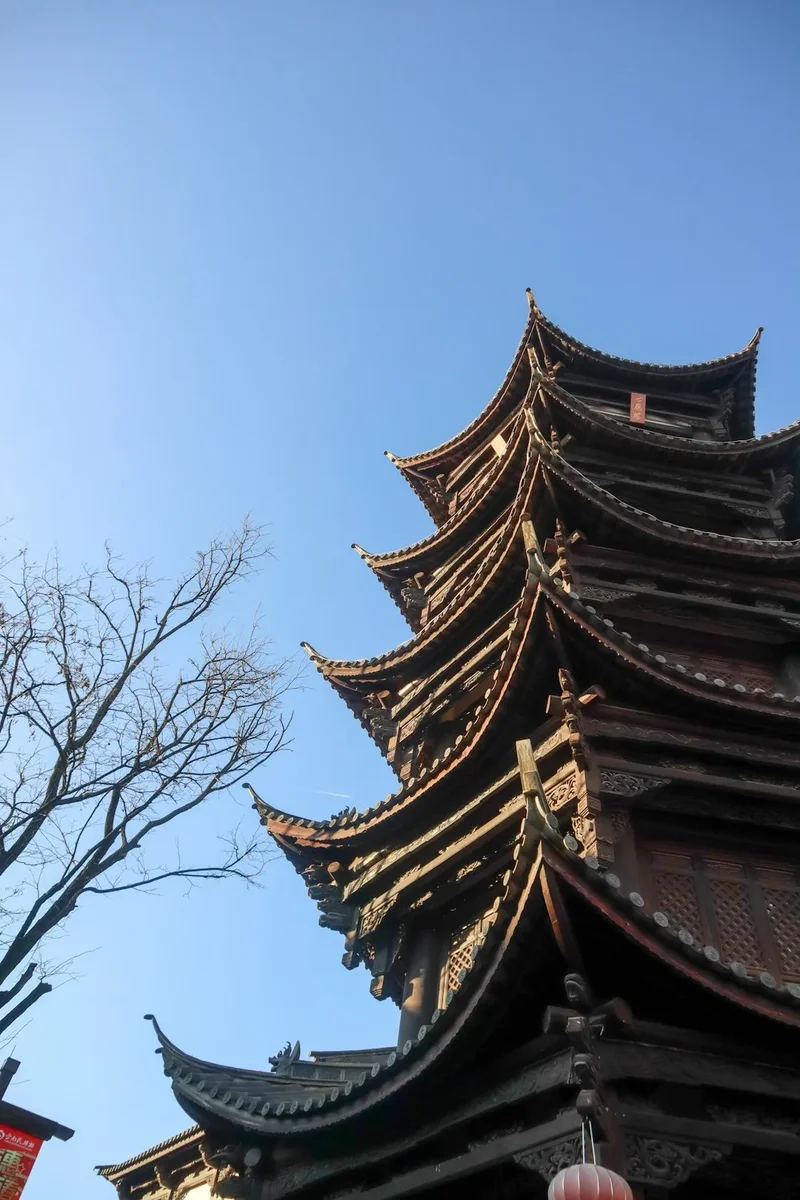
Jade Dragon Snow Mountain - The Sacred Peaks of the Naxi
Jade Dragon Snow Mountain (Yulong Xue Shan) is the southernmost glacier in the Northern Hemisphere, a magnificent massif of 13 peaks that pierce the sky above the ancient city of Lijiang in China's Yunnan Province. Dominated by the highest peak, Shanzidou, which reaches an elevation of 5,596 metres, the mountain is a sanctuary of biodiversity, a sacred site for the local Naxi people, and a challenging destination for hikers seeking high-altitude adventure. The mountain's name is derived from its appearance from a distance: the undulating, snow-capped peaks resemble a silver-white dragon reclining amidst the clouds, its spine formed by the jagged limestone ridges that define the Hengduan mountain range.
For the hiker, Jade Dragon Snow Mountain offers a dramatic vertical journey through multiple climatic zones. From the subtropical meadows of the Ganhaizi at 3,100 metres to the stark, oxygen-thin world of the Glacier Park at 4,506 metres and beyond, the landscape transforms with every hundred metres of ascent. This is not merely a physical challenge; it is a cultural immersion into the heart of the Dongba religion, where the mountain is worshipped as the embodiment of the god Sanduo. Whether you are navigating the steep wooden boardwalks near the summit or trekking through the ancient forests of the lower slopes, the mountain demands respect, preparation, and a keen awareness of the thin alpine air.
- Distance: 20.0 km (total circuit including lower trails and summit boardwalks)
- Duration: 6–8 hours
- Difficulty: Challenging (primarily due to extreme altitude)
- Highest Point: 4,680 metres (accessible via boardwalk)
- Elevation Gain: 1,500 metres
- Closest City: Lijiang (25 km)
- Best Time: April–May (rhododendron blooms) and October–November (clear skies)
Overview
Jade Dragon Snow Mountain is a massive limestone massif that serves as a natural barrier between the Lijiang basin and the deep canyons of the Yangtze River. The mountain is approximately 35 kilometres long and 13 kilometres wide, containing a variety of microclimates that support over 400 species of trees and thousands of medicinal plants. For the modern visitor, the experience is a blend of highly organised scenic infrastructure and raw, high-altitude wilderness. While cable cars provide access to the highest reaches, the true essence of the mountain is found on the trails that wind through the Spruce Meadow (Yunshanping), the Yak Meadow (Maoniuping), and the spectacular Blue Moon Valley.
The hiking experience here is unique in its verticality. Most hikers begin their day at the Ganhaizi, a vast highland meadow that offers the first unobstructed views of the 13 peaks. From here, the journey typically involves a combination of bus transfers, cable car ascents, and significant foot travel. The "Glacier Park" section is the most physically demanding, involving a steep climb up wooden stairs from the cable car terminus at 4,506 metres to the highest accessible viewing platform at 4,680 metres. At this altitude, every step requires conscious effort, and the views of the hanging glaciers and the sheer limestone walls of Shanzidou are nothing short of humbling.
Beyond the summit area, the lower trails offer a more traditional trekking experience. The route through the Spruce Meadow takes hikers through ancient forests of Yunnan pines and firs, where the air is thick with the scent of resin and the ground is carpeted in moss. The Yak Meadow, located at a slightly higher elevation than the Spruce Meadow, provides a more rugged landscape where local Tibetan and Naxi herders still graze their livestock. The contrast between the stark, grey limestone of the peaks and the vibrant greens and blues of the valleys below creates a visual spectacle that has inspired poets and painters for centuries.
History and Cultural Context
The history of Jade Dragon Snow Mountain is inextricably linked to the Naxi people, an ethnic minority group with a rich cultural heritage centred in Lijiang. In the Naxi Dongba religion, the mountain is the earthly manifestation of Sanduo, the supreme protector deity of the Naxi. According to legend, Sanduo was a brave warrior who fought to protect the people and eventually transformed into the mountain to provide eternal guardianship. Every year, on the eighth day of the second lunar month, the Naxi people hold the Sanduo Festival to honour the mountain and pray for prosperity and peace.
The mountain also features prominently in the tragic romantic folklore of the region. It is known as the "Third Kingdom of Jade Dragon," a mythical paradise where young lovers who were forbidden from marrying in the mortal world would go to commit ritual suicide, believing they would find eternal happiness in the mountain's embrace. This poignant history adds a layer of spiritual weight to the landscape, and hikers will often see colourful prayer flags fluttering in the wind, placed by locals to bless the spirits of the mountain.
Scientifically, the mountain has long been a site of interest for botanists and geologists. In the early 20th century, the Austro-American explorer and botanist Joseph Rock spent decades living in Lijiang, using the city as a base to explore Jade Dragon Snow Mountain. Rock collected thousands of plant specimens and documented the Naxi culture for National Geographic, introducing the "Kingdom of the Naxi" to the Western world. His former residence in the village of Yuhu, at the foot of the mountain, remains a popular starting point for hikers who wish to follow in his footsteps and explore the lower slopes of the massif.
Want more background? Read extended notes on history and cultural context → Learn more
Seasonal Highlights and Weather Reality
The weather on Jade Dragon Snow Mountain is notoriously fickle, influenced by its high altitude and its position at the edge of the Tibetan Plateau. Understanding the seasonal variations is crucial for a safe and rewarding hike.
Spring (April to May): This is arguably the best time for hikers. The weather begins to stabilise, and the lower meadows erupt in a riot of colour as the rhododendrons and azaleas bloom. The visibility is generally good, offering clear views of the snow-capped peaks against a deep blue sky. However, temperatures at the summit remain well below freezing, and snow is still common on the higher trails.
Summer (June to August): This is the rainy season in Yunnan. While the mountain is at its greenest and the waterfalls are in full flow, clouds often shroud the peaks for days at a time. Hikers should be prepared for sudden downpours and slippery conditions on the trails. The advantage of summer is the milder temperatures in the lower valleys, though the humidity can make the ascent feel more taxing.
Autumn (September to November): Following the monsoon, autumn brings crisp air and the highest probability of clear, sunny days. The deciduous trees in the lower valleys turn shades of gold and crimson, providing a stunning contrast to the grey limestone and white snow. This is peak season for photography, but it also brings larger crowds, particularly during the National Day holiday in early October.
Winter (December to March): Winter is dry and cold. While the skies are often clear, the winds on the mountain can be ferocious, and the higher boardwalks may be closed due to ice and extreme wind chill. Hiking in winter requires serious cold-weather gear and a high tolerance for freezing temperatures. The snow cover is at its deepest during this time, making the "Jade Dragon" appearance of the mountain most pronounced.
Recommended Itinerary
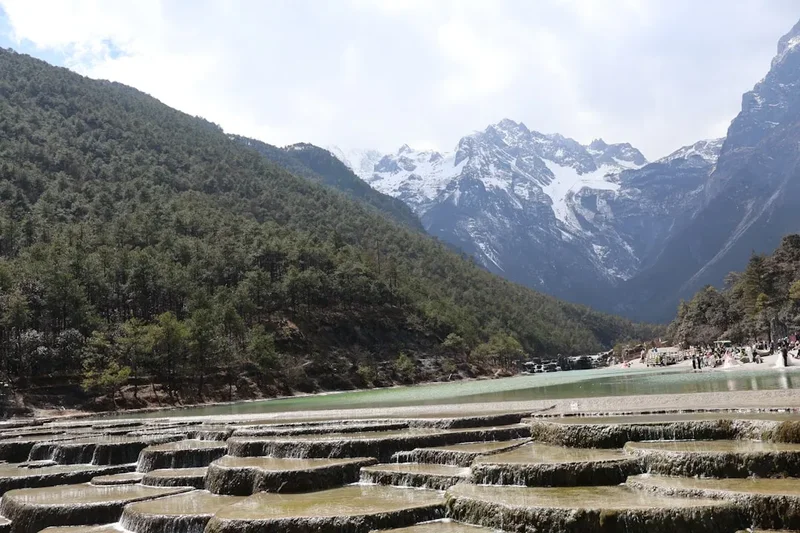
Jade Dragon Snow Mountain Day Hike Itinerary
Early Morning: Lijiang to the Scenic Area Entrance
- 07:00 – Depart Lijiang city centre via Bus Route 7 or private taxi.
- 07:45 – Arrive at the Jade Dragon Snow Mountain Scenic Area entrance gate.
- 08:00 – Purchase or verify pre-booked tickets and board the internal shuttle bus to Ganhaizi (Dry Sea Meadow).
- 08:15 – Brief stop at Ganhaizi (3,100 m) for photographs of the 13 peaks in the morning light.
- 08:30 – Continue on the shuttle bus to the Glacier Park Cable Car lower station.
Morning: The High-Altitude Ascent
- 09:00 – Board the Glacier Park Cable Car. The 15-minute ride ascends from 3,356 m to 4,506 m.
- 09:15 – Arrive at the upper station (4,506 m). Take 10–15 minutes to acclimatise, move slowly, and use oxygen if necessary.
- 09:30 – Begin the ascent of the wooden boardwalk. This 174-metre vertical climb involves hundreds of stairs.
- 10:30 – Reach the highest viewing platform at 4,680 m. Enjoy views of the Shanzidou peak and the hanging glaciers.
- 11:00 – Begin the descent back to the cable car station, moving carefully to avoid slips on the stairs.
Midday: Spruce Meadow and Forest Trails
- 12:00 – Take the cable car back down and board the shuttle bus to the Spruce Meadow (Yunshanping) trailhead.
- 12:30 – Hike the loop trail through the Spruce Meadow (approx. 3 km). This is a gentle walk through ancient forest.
- 13:15 – Find a scenic spot for a packed lunch overlooking the meadow with the peaks as a backdrop.
- 14:00 – Return to the shuttle bus station and head towards the Blue Moon Valley.
Afternoon: Blue Moon Valley and Departure
- 14:30 – Arrive at Blue Moon Valley (Baishui River).
- 14:45 – Hike the 4 km trail alongside the turquoise lakes (Tingtao Lake, Blue Moon Lake, Mirror Pond, and Jade-Like Lake).
- 16:00 – Reach the end of the valley and board the shuttle bus back to the main tourist centre.
- 16:30 – Optional: Watch the "Impression Lijiang" outdoor performance if time permits.
- 17:30 – Board the return bus or taxi back to Lijiang.
- 18:15 – Arrive back in Lijiang for a well-earned dinner.
Important Notes:
- The itinerary is highly dependent on cable car availability; tickets must be booked in advance.
- Altitude sickness is a real risk; do not rush the 4,680 m section.
- Weather can cause the cable car to close without notice; always have a backup plan for the lower meadows.
- The Blue Moon Valley section is mostly flat and provides excellent recovery for the legs.
Planning and Bookings
Book Your Trip
Everything you need to plan your journey
Accommodation
Find places to stay near Lijiang
Flights
Search flights to Lijiang
Essential Preparation
Planning a trip to Jade Dragon Snow Mountain requires more logistical coordination than a typical day hike. The most critical factor is altitude. Lijiang sits at 2,400 metres, which is a good starting point, but the jump to 4,500+ metres is significant. It is highly recommended to spend at least two nights in Lijiang to acclimatise before attempting the summit boardwalks. Physical fitness is important, but altitude tolerance is unpredictable; even fit hikers can struggle in the thin air.
Booking logistics are the second major hurdle. The Chinese tourism system for major sites is increasingly digital and often requires a Chinese phone number or a specific mini-program on WeChat or Alipay. For international travellers, it is often easiest to have your hotel in Lijiang book the Glacier Park cable car tickets 24 hours in advance, as they sell out almost instantly during peak season. You will need your passport for all ticket purchases and entry points.
Trail Accommodation
This is a day hike requiring no overnight accommodation on the mountain itself. Staying overnight within the scenic area is generally not permitted for independent hikers, and there are no mountain huts or campsites available on the upper slopes. Most visitors base themselves in Lijiang or the nearby town of Shuhe.
Nearby Options:
- Lijiang Old Town (Dayan): Hundreds of guesthouses (naxi-style courtyards), ranging from budget hostels to luxury boutique hotels.
- Shuhe Ancient Town: A quieter alternative to Lijiang, located slightly closer to the mountain.
- Baisha Village: The closest village to the trailhead, offering a more rustic and authentic experience.
- Yuhu Village: Located at the very foot of the mountain, this is the best base for those wanting to start their hike as early as possible.
Required Gear
- High-Altitude Clothing: Even in summer, the temperature at 4,680 m can be near or below freezing. A layering system is essential: moisture-wicking base layer, an insulating fleece or down mid-layer, and a windproof/waterproof outer shell.
- Footwear: Sturdy hiking boots with good ankle support and grip. The boardwalks can be slippery when wet or icy.
- Oxygen Canisters: Small portable oxygen bottles are sold throughout Lijiang and at the mountain entrance. Most hikers find at least one canister useful for the final 174-metre climb.
- Sun Protection: The UV radiation at 4,500 m is intense. Bring high-SPF sunscreen, lip balm with SPF, and category 3 or 4 sunglasses to prevent snow blindness.
- Daypack: A 20–30L pack to carry layers, water, and snacks.
What to Bring
- Hydration: At least 2 litres of water. Dehydration exacerbates altitude sickness.
- High-Energy Food: Chocolate, nuts, energy bars, and dried fruit. Digestion slows down at altitude, so small, frequent snacks are better than a heavy meal.
- Personal Medications: Including Acetazolamide (Diamox) if prescribed by your doctor for altitude, and basic pain relief for headaches.
- Passport: Essential for entry and ticket verification.
- Power Bank: Cold temperatures drain phone batteries quickly, and you will need your phone for navigation and photos.
- Tissues/Hand Sanitiser: Facilities at the mountain can be basic.
Permits
There is no "permit" in the traditional wilderness sense, but there is a tiered ticketing system that functions as a permit for different areas of the mountain. You cannot simply walk onto the mountain without passing through the official scenic area infrastructure.
Fee Structure (approximate):
- Scenic Area Entrance Fee: 100 CNY per person. This covers access to the park, the shuttle buses, and the lower meadows.
- Glacier Park Cable Car: 120–140 CNY (round trip). This is the most popular and hardest ticket to get.
- Spruce Meadow Cable Car: 40–60 CNY (round trip).
- Yak Meadow Cable Car: 60–80 CNY (round trip).
- Sustainable Development Fee: Sometimes included in the entrance fee, sometimes charged separately (approx. 20 CNY).
Booking Process:
- Tickets for the Glacier Park cable car are released on a rolling basis, usually 24 to 48 hours in advance.
- During peak season (July–August and October), tickets can sell out within minutes of being released online.
- If you are unable to book online, many local tour operators in Lijiang sell "day packages" that include transport and guaranteed cable car tickets, though these come at a premium.
- Always carry your physical passport; digital copies are rarely accepted at the turnstiles.
Other Activities in the Area
The region surrounding Jade Dragon Snow Mountain is rich in cultural and natural attractions that can easily fill several days of exploration:
- Impression Lijiang: A massive outdoor cultural performance directed by Zhang Yimou. It features hundreds of local actors and horses, performed in a natural amphitheatre with the mountain as the backdrop. It is a powerful display of Naxi, Yi, and Tibetan culture.
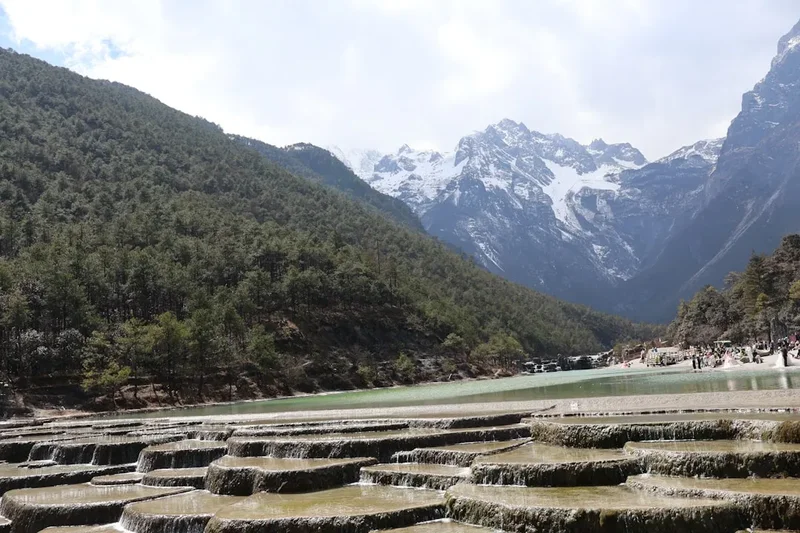
- Blue Moon Valley (Baishui River): Located within the scenic area, this valley features a series of lakes with incredibly clear, turquoise water. The white riverbed (composed of crushed limestone) gives the water its unique colour.
- Baisha Ancient Town: Visit the famous Baisha Murals, which date back to the Ming Dynasty and represent a fusion of Han, Tibetan, and Naxi artistic styles.
- Yuhu Village and Joseph Rock’s House: Explore the stone-built village at the foot of the mountain and visit the museum dedicated to the explorer who made the area famous.
- Black Dragon Pool Park: Located in Lijiang, this park offers the iconic view of the Jade Dragon Snow Mountain reflected in the still waters of the pool, with the Deyue Pavilion in the foreground.
- Tiger Leaping Gorge: One of the deepest canyons in the world, located about 2 hours from Lijiang. It offers a world-class multi-day trek that complements the high-altitude experience of the Snow Mountain.
Safety and Conditions
Altitude Sickness (Acute Mountain Sickness - AMS): This is the primary safety concern. The ascent from Lijiang (2,400 m) to the Glacier Park (4,506 m) is rapid. Symptoms include headache, nausea, dizziness, and shortness of breath. If symptoms become severe, the only cure is immediate descent. Use oxygen canisters proactively rather than waiting until you feel ill. Move slowly—at 4,600 metres, your body has significantly less oxygen than at sea level.
Weather Volatility: The mountain creates its own weather. A sunny morning in Lijiang does not guarantee clear skies on the peaks. Lightning is a serious risk on the exposed boardwalks during summer afternoons. If you hear thunder or see dark clouds gathering, descend immediately. In winter, wind chill can drop temperatures to -20°C or lower, posing a risk of frostbite on exposed skin.
Physical Exertion: The climb from 4,506 m to 4,680 m is only 174 vertical metres, but it consists entirely of steep stairs. This is equivalent to climbing a 50-storey building at an altitude where oxygen is scarce. Hikers with heart conditions or respiratory issues should consult a doctor before attempting this section.
Trail Conditions: While the main tourist routes are well-maintained boardwalks, they can become extremely slippery with ice, snow, or rain. Wear footwear with excellent traction. If you venture onto the less-developed trails around Yak Meadow, be aware that these are shared with livestock and can be muddy and uneven.
Emergency Services: There are medical stations at the main cable car stations and the Ganhaizi visitor centre. However, evacuation from the higher reaches of the mountain is difficult and time-consuming. Always carry a mobile phone, though signal can be spotty in the deeper valleys.
Side Trips and Points of Interest
The 13 Peaks: While Shanzidou is the highest, the other 12 peaks each have their own character and legends. From the Glacier Park, you can see the jagged "Dragon's Teeth" that form the ridge. These peaks remain largely unclimbed due to the unstable limestone and extreme technical difficulty.
The Hanging Glaciers: From the 4,680 m platform, you are standing at the edge of the maritime glaciers. These are some of the fastest-receding glaciers in the world due to climate change. Observing the deep crevasses and the blue ice of the glacier tongue is a sobering reminder of the fragility of this alpine environment.
Yak Meadow (Maoniuping): For those who find the Glacier Park too crowded, the Yak Meadow offers a more peaceful experience. It is located at 3,700 metres and provides a different perspective of the mountain's northern face. The meadow is often dotted with grazing yaks and features a small Tibetan Buddhist temple.
Dry Sea Meadow (Ganhaizi): This was once a glacial lake that dried up, leaving a vast highland prairie. It serves as the main orientation point for the mountain and offers the most expansive "wide-angle" views of the entire massif. It is particularly beautiful at sunrise when the first light hits the peaks.
Leave No Trace
Jade Dragon Snow Mountain is a protected National Scenic Area and a vital watershed for the Lijiang basin. With millions of visitors annually, the environmental pressure is immense. Hikers must be diligent in minimising their impact to preserve this sacred landscape.
Guidelines for Responsible Hiking:
- Stay on the Boardwalks: In the high-altitude zones, the soil is extremely thin and the vegetation is fragile. Stepping off the path can destroy plants that have taken decades to grow.
- Waste Management: There are bins located at the cable car stations and major viewpoints. However, it is always better to pack out your own trash, especially micro-trash like cigarette butts or fruit peels.
- Respect Wildlife: Do not feed the birds or any other animals you encounter. In the lower meadows, respect the livestock (yaks and horses) and maintain a safe distance.
- No Smoking: Fire is a massive risk in the dry pine forests of the lower slopes. Smoking is strictly prohibited outside of designated areas.
- Water Protection: The Blue Moon Valley and Baishui River are sources of drinking water for local communities. Do not wash in the lakes or throw any substances into the water.
- Cultural Respect: The mountain is a place of worship. Avoid loud shouting or disruptive behaviour, especially near shrines or prayer flags.