
Iya Valley Vine Bridge Hike
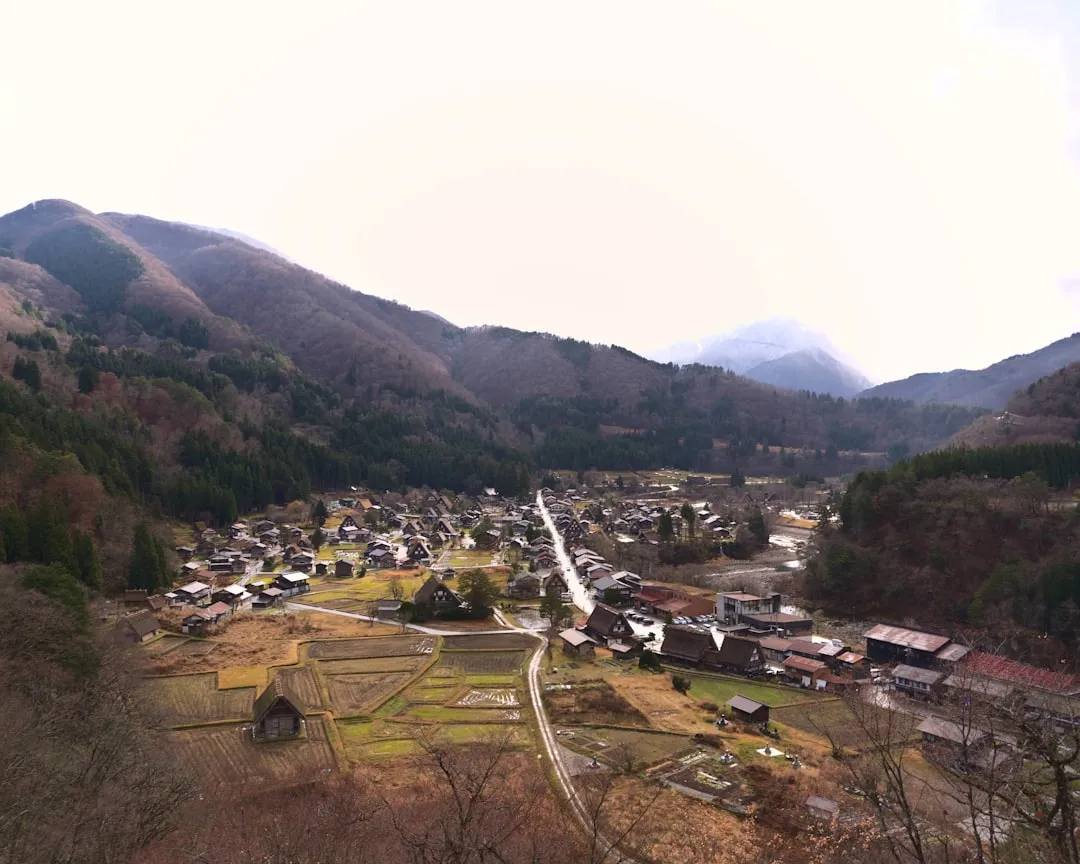
The Iya Valley Vine Bridge Hike is a captivating day walk in the heart of Shikoku, Japan, renowned for its dramatic gorges, traditional villages, and the iconic Kazurabashi vine bridges. This moderate trail offers a glimpse into a remote and historically significant region, where nature's raw beauty intertwines with human ingenuity. The hike culminates at the legendary Iya Kazurabashi, a suspension bridge woven entirely from mountain vines, offering thrilling views of the Iya River flowing far below. This is a journey into a landscape that feels preserved in time, a place where the spirit of old Japan still thrives amidst breathtaking natural scenery.
- Distance: 5.0 km
- Elevation Gain: 300 m
- Duration: 3-4 hours
- Difficulty: Moderate
- Best Time: Spring (April-May) and Autumn (October-November)
- Closest City: Tokushima
- Trailhead Access: Nearest airport: Takamatsu Airport (TAK). From Tokushima City, take a bus to Oboke (approx. 2 hours). From Oboke, take a local bus or taxi to Kazurabashi (vine bridge). Driving is possible; road conditions are generally good. Parking available near the bridge. No permits required.
- Coordinates: 33.8667, 133.8667
Overview
The Iya Valley, often referred to as the "Tibet of Japan," is a remote and mountainous region in Tokushima Prefecture, Shikoku. Its isolation has preserved a unique cultural heritage and a landscape of unparalleled natural beauty. The Iya Valley Vine Bridge Hike is a perfect introduction to this enchanting area, offering a moderate challenge with significant rewards. The trail typically begins near the famous Iya Kazurabashi, one of Japan's three great vine bridges, and winds its way through the steep, forested slopes of the valley.
The hike itself is a sensory experience. You'll traverse well-maintained paths that often feature stone steps and wooden boardwalks, winding through dense cedar and pine forests. The air is fresh, carrying the scent of damp earth and pine needles. As you ascend, the sounds of the river gradually fade, replaced by the rustling of leaves and the calls of unseen birds. The elevation gain of 300 metres is spread over approximately 5 kilometres, making for a steady but manageable climb. Along the way, you'll encounter small, traditional farmhouses clinging to the hillsides, testament to the enduring human presence in this rugged terrain.
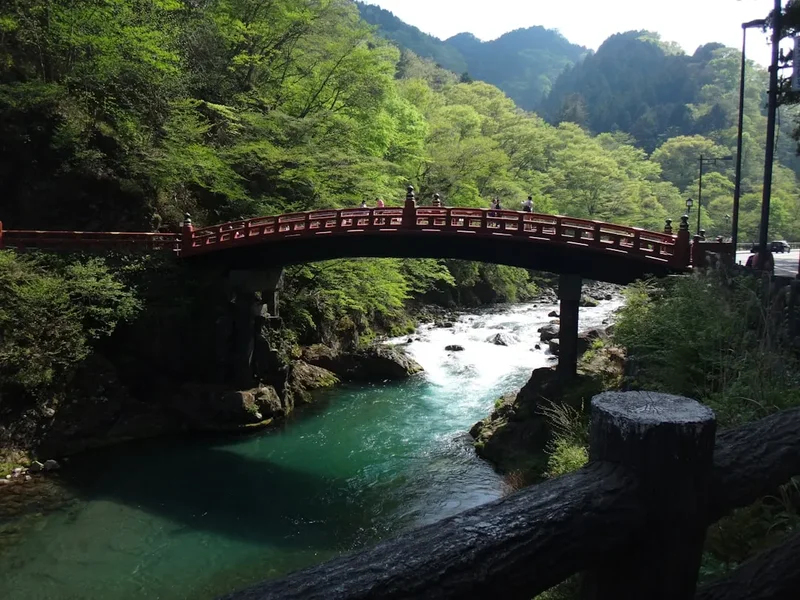
The highlight, of course, is the Iya Kazurabashi itself. This historic bridge, reconstructed every three years, is a marvel of traditional engineering. Walking across its swaying planks, with the emerald green Iya River rushing 14 metres below, is an exhilarating experience. The surrounding gorge walls, covered in lush vegetation, create a dramatic backdrop. While the main attraction is the bridge, the hike provides ample opportunity to appreciate the broader Iya Valley landscape, including panoramic views of the surrounding mountains and the intricate network of valleys that define this remote corner of Japan.
History and Cultural Context
The Iya Valley's history is deeply intertwined with tales of samurai, hermits, and reclusive communities. Legend has it that the valley was settled by the Taira clan, who fled to the mountains after their defeat in the Genpei War in the late 12th century. To evade their pursuers, they are said to have built the vine bridges, using them as a means of quick escape or to deter enemies. While the historical accuracy of this specific legend is debated, it speaks to the valley's long-standing reputation as a place of refuge and isolation.
For centuries, the Iya Valley remained largely cut off from the outside world. Its steep terrain and challenging access fostered a unique way of life, where communities developed self-sufficiency and preserved ancient traditions. The vine bridges, known as "Kazurabashi," were vital lifelines, connecting isolated hamlets and providing access to essential resources. These bridges were not merely functional; they were also imbued with spiritual significance, often seen as gateways between the human world and the realm of the mountain spirits.
The construction and maintenance of the Kazurabashi are a testament to the ingenuity and perseverance of the local people. The bridges are woven from the tough, fibrous vines of the akebia plant, a process that requires considerable skill and labour. The need for frequent reconstruction, typically every three years, highlights the ephemeral nature of these structures and the ongoing commitment of the community to preserving this unique heritage. The Iya Kazurabashi, in particular, has become a symbol of the valley's enduring spirit and its rich cultural tapestry, attracting visitors eager to experience a piece of Japan's hidden history.
Seasonal Highlights and Weather Reality
The Iya Valley offers distinct charms throughout the year, but certain seasons are particularly well-suited for hiking.
Spring (April-May): This is an ideal time to visit. The weather is generally mild and pleasant, with average temperatures ranging from 10°C to 20°C. The valley bursts into life with vibrant greenery, and cherry blossoms often bloom in early April, adding a picturesque touch to the landscape. The forests are lush, and the rivers are clear. This season offers comfortable hiking conditions with a lower chance of heavy rain compared to summer.
Summer (June-August): Summers in the Iya Valley can be hot and humid, with average temperatures reaching 25°C to 30°C. This period also coincides with the rainy season (tsuyu) in June and July, which can bring heavy downpours and increase the risk of landslides. While the lush greenery is at its peak, hiking can be strenuous due to the heat and humidity. However, the waterfalls and rivers are at their most powerful and impressive during this time.
Autumn (October-November): Autumn is arguably the most spectacular season for visiting the Iya Valley. The weather becomes crisp and cool, with average temperatures between 10°C and 20°C. The valley transforms into a breathtaking canvas of vibrant autumn foliage, with fiery reds, oranges, and yellows painting the mountainsides. This season offers excellent hiking conditions and stunning photographic opportunities. The vine bridges against the backdrop of colourful leaves are particularly memorable.
Winter (December-March): Winters in the Iya Valley are cold, with temperatures often dropping below freezing. Snowfall is common, especially at higher elevations, which can make some trails impassable or require specialised winter gear and experience. While the valley can be beautiful under a blanket of snow, hiking is generally not recommended for casual visitors during this period. The vine bridges may be closed or require caution due to icy conditions.
Recommended Itinerary
Iya Valley Vine Bridge Hike (Day Walk)
Morning: Arrival and Initial Exploration
- Arrive at the Iya Kazurabashi parking area.
- Take time to admire the bridge from the viewing platforms.
- Cross the Iya Kazurabashi (expect it to sway!).
- Explore the small village area on the other side of the bridge, which often has souvenir shops and small eateries.
- Consider visiting the nearby Oku-Iya Niju Kazurabashi (Double Vine Bridges) if time and energy permit, though this may require additional travel.
Late Morning/Midday: The Hike Commences
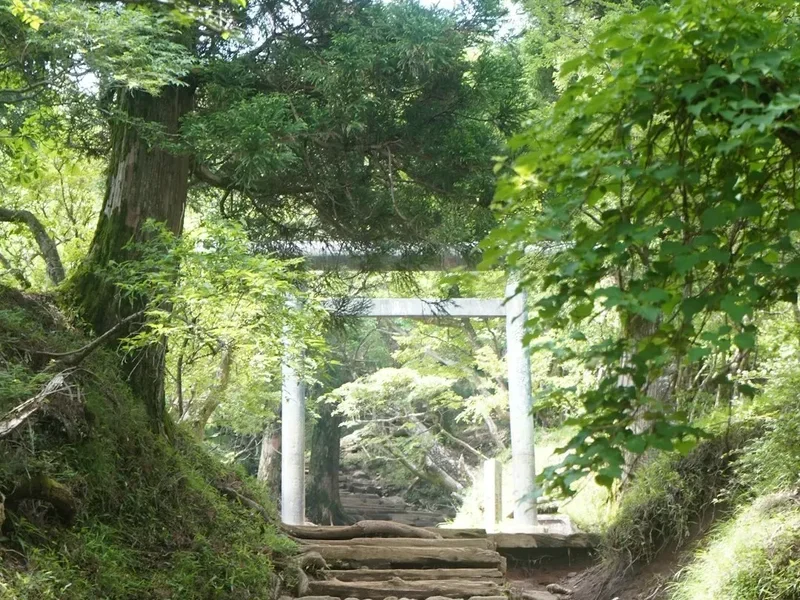
- Begin the hike from the vicinity of the Iya Kazurabashi. The trail is generally well-marked, often starting with stone steps leading away from the bridge area.
- The path ascends through dense forest, with occasional clearings offering glimpses of the valley.
- Follow the trail as it winds upwards, gaining elevation steadily.
- Key waypoints may include small shrines, traditional farmhouses, and viewpoints overlooking the gorge.
- The trail can be narrow and uneven in places, requiring careful footing.
Afternoon: Reaching the Summit and Descent
- Continue ascending towards the highest point of the hike, which offers panoramic views of the Iya Valley.
- The trail may loop back towards the starting point or lead to a different access point, depending on the specific route taken.
- Begin the descent, which can be as challenging as the ascent, particularly on steep or slippery sections.
- Enjoy the changing perspectives of the valley as you descend.
- Return to the vicinity of the Iya Kazurabashi or your designated endpoint.
Late Afternoon: Departure
- After completing the hike, you may wish to revisit the vine bridge for final photographs or enjoy a local meal.
- Depart from the Iya Valley.
Important Notes:
- This is a moderate day hike; ensure you are comfortable with uneven terrain and some steep ascents/descents.
- Wear sturdy, broken-in hiking boots.
- Carry sufficient water and snacks, as facilities on the trail itself are limited.
- Check weather forecasts before your visit, as conditions can change rapidly in mountainous regions.
- The vine bridge can be crowded, especially during peak seasons and weekends. Consider visiting early in the morning or later in the afternoon for a more peaceful experience.
- Be aware of the bridge's swaying motion and take your time crossing.
Planning and Bookings
Book Your Trip
Everything you need to plan your journey
Accommodation
Find places to stay near Tokushima
Flights
Search flights to Tokushima
Essential Preparation
The Iya Valley is a remote destination, and planning is key to a smooth visit. The closest major city with comprehensive services is Tokushima. From Tokushima City, the journey to the Iya Valley typically involves a train ride to Oboke Station, followed by a bus or taxi to the Kazurabashi area. The train journey from Tokushima to Oboke takes approximately 2 hours. Local buses operate from Oboke to Kazurabashi, but their frequency can be limited, so checking schedules in advance is advisable. Driving is also a viable option, with rental cars available from major cities. Road conditions within the valley are generally good but can be narrow and winding, requiring careful driving. Parking is available near the Iya Kazurabashi.
Given the valley's remoteness, it's recommended to book accommodation in advance, especially during peak seasons (spring and autumn). While this is a day hike, if you plan to stay overnight in the area, options range from traditional ryokans (Japanese inns) and minshuku (family-run guesthouses) to more modern hotels. Researching and booking your transport and any desired overnight stays well in advance will ensure a more relaxed experience.
Trail Accommodation
This is a day hike requiring no overnight accommodation.
Required Gear
- Hiking Boots: Sturdy, waterproof hiking boots with good ankle support are essential for navigating the uneven and sometimes steep terrain. Ensure they are well broken-in to prevent blisters.
- Waterproof Jacket: A lightweight, breathable waterproof jacket is crucial, as weather in mountainous regions can change quickly, and rain is possible even outside the main rainy season.
- Backpack: A comfortable daypack (20-30 litres) to carry essentials like water, snacks, a first-aid kit, and extra layers.
- Navigation: While the trail is generally well-marked, a map of the area or a reliable GPS device/app is recommended, especially for exploring beyond the main path.
- Safety Gear: A basic first-aid kit including plasters, antiseptic wipes, pain relievers, and any personal medications. A whistle can be useful in emergencies.
- Head Torch: Although a day hike, a head torch is advisable in case of unexpected delays or if you plan to explore any less-travelled paths where visibility might be reduced.
What to Bring
- Food and Water: Carry at least 1.5-2 litres of water per person. Pack high-energy snacks such as trail mix, energy bars, fruit, and sandwiches. There are limited food options directly on the trail, though small eateries may be found near the Kazurabashi.
- Toiletries: Hand sanitiser, tissues, and any personal hygiene items. Biodegradable soap is recommended if you plan to wash hands near water sources.
- Sun Protection: Sunscreen (SPF 30 or higher), a wide-brimmed hat, and sunglasses are important, especially during spring and autumn when the sun can be strong.
- Insect Repellent: While not as prevalent as in some other regions, insect repellent can be useful, particularly during warmer months.
- Camera: To capture the stunning scenery and the iconic vine bridges.
- Cash: Many smaller establishments in rural Japan, including those near the Iya Kazurabashi, may only accept cash.
- Comfortable Clothing: Wear moisture-wicking layers. Avoid cotton, as it retains moisture and can make you cold.
Permits
No specific permits are required to hike the trails around the Iya Valley Vine Bridge or to cross the Kazurabashi itself. Access to the bridge typically involves a small entrance fee, which contributes to its maintenance and reconstruction. This fee is usually paid at a small ticket booth near the bridge entrance.
Iya Kazurabashi Entrance Fee:
- Adults: Approximately ¥550
- Children: Approximately ¥350
These fees are subject to change and are payable in Japanese Yen (cash is recommended).
Trail Access: The hiking trails in the Iya Valley are generally part of the natural landscape and do not require specific permits for access. However, it is always advisable to stay on marked paths to minimise environmental impact and ensure your safety.
Parking: Paid parking is available near the Iya Kazurabashi. Fees are typically modest and contribute to the upkeep of the facilities.
Other Activities in the Area
The Iya Valley offers a range of activities beyond the main vine bridge hike, allowing visitors to immerse themselves further in its unique culture and stunning natural environment:
- Oku-Iya Niju Kazurabashi (Double Vine Bridges): Located further up the valley, these two bridges are less crowded than the main Kazurabashi and offer a more secluded experience. They are connected by a short walk and are equally impressive in their construction and setting.
- Oboke and Koboke Gorges: These dramatic gorges, carved by the Yoshino River, can be explored by boat cruise. The boat tours offer spectacular views of the sheer cliffs and the vibrant blue-green water.
- Iya Onsen: Experience traditional Japanese hot springs at one of the local onsen resorts. Soaking in the mineral-rich waters while surrounded by nature is a deeply relaxing experience. Some onsen offer outdoor baths with stunning valley views.
- Traditional Villages: Explore the small, often deserted, villages scattered throughout the valley. These offer a glimpse into the traditional rural lifestyle of Japan, with many houses featuring distinctive thatched roofs.
- Hiking and Trekking: Beyond the main vine bridge trail, numerous other hiking routes exist, ranging from short walks to more challenging multi-day treks through the mountains.
- Local Cuisine: Sample regional specialities such as Iya soba (buckwheat noodles), Iya beef, and local sake. Many restaurants and minshuku offer authentic and delicious local dishes.
- Dōgo Onsen: While not in the immediate Iya Valley, Dōgo Onsen in Matsuyama (Ehime Prefecture) is one of Japan's oldest and most famous hot spring resorts, accessible by train from Tokushima.
Safety and Conditions
Trail Conditions: The main trail to and from the Iya Kazurabashi is generally well-maintained, often featuring stone steps and packed earth. However, sections can be steep, uneven, and slippery, especially after rain. Always wear appropriate footwear.
Weather: Mountain weather can be unpredictable. Always check the local weather forecast before your hike. Be prepared for sudden changes, including rain, fog, and temperature drops, even during pleasant seasons. Spring and autumn offer the most stable conditions.
Hydration and Nutrition: Carry ample water, as there are few reliable water sources on the trail. Pack high-energy snacks to maintain your energy levels. Dehydration and fatigue can increase the risk of accidents.
Navigation: While the primary trail is usually clear, it's wise to have a map or GPS device, especially if you plan to explore any side paths. Inform someone of your hiking plans and expected return time.
Vine Bridge Safety: The Iya Kazurabashi is a suspension bridge made of vines. It will sway significantly when walked upon, which is part of the experience but can be unnerving for some. Cross one person at a time, and hold onto the ropes firmly. Do not run or jump on the bridge. Be aware of the small entrance fee and any posted rules.
Emergency Contacts: In case of an emergency, dial 110 for the police or 119 for fire and ambulance services in Japan. It is advisable to have a portable Wi-Fi device or a local SIM card for reliable communication, as mobile phone reception can be spotty in remote areas.
Wildlife: While large dangerous wildlife is rare in this area, be aware of your surroundings. Small snakes or insects may be present. Do not disturb wildlife.
Travel Insurance: It is highly recommended to have travel insurance that covers hiking and potential medical emergencies.
Side Trips and Points of Interest
Iya Kazurabashi: The primary attraction, this historic vine bridge is a marvel of traditional Japanese engineering. Spanning 45 metres across the Iya River, it is constructed from over 3 tonnes of kiwi vines. The thrill of crossing the swaying bridge, with the river rushing 14 metres below, is an unforgettable experience. The bridge is rebuilt every three years by local villagers, preserving this unique cultural heritage.
Oku-Iya Niju Kazurabashi (Double Vine Bridges): Located about 2 kilometres further up the valley from the main Kazurabashi, these two bridges offer a more tranquil experience. Known as the "Husband and Wife Bridges," they are set in a beautiful, less-visited part of the valley. The walk between them is short and scenic, providing excellent photo opportunities.
Biwa Falls (Biwa-no-taki): A beautiful waterfall located near the Iya Kazurabashi. Legend has it that the Taira clan would practice their water-jumping skills here. The falls are picturesque and offer a refreshing natural spectacle.
Statue of the Peeing Boy (Shoben-Kōzō): Perched precariously on a cliff edge overlooking the valley, this statue depicts a young boy urinating. It's a quirky and famous landmark that offers a sense of the daring spirit associated with the Iya Valley. The views from this spot are also spectacular.
Traditional Farmhouses: As you hike, keep an eye out for the distinctive thatched-roof farmhouses (kominka) that dot the hillsides. Many are centuries old and offer a glimpse into the traditional rural architecture and lifestyle of the region.
Scenic Overlooks: Numerous viewpoints along the roads and trails offer breathtaking panoramas of the steep, forested gorges and the winding Iya River. These are perfect spots to pause, take in the scale of the landscape, and capture photographs.
Leave No Trace
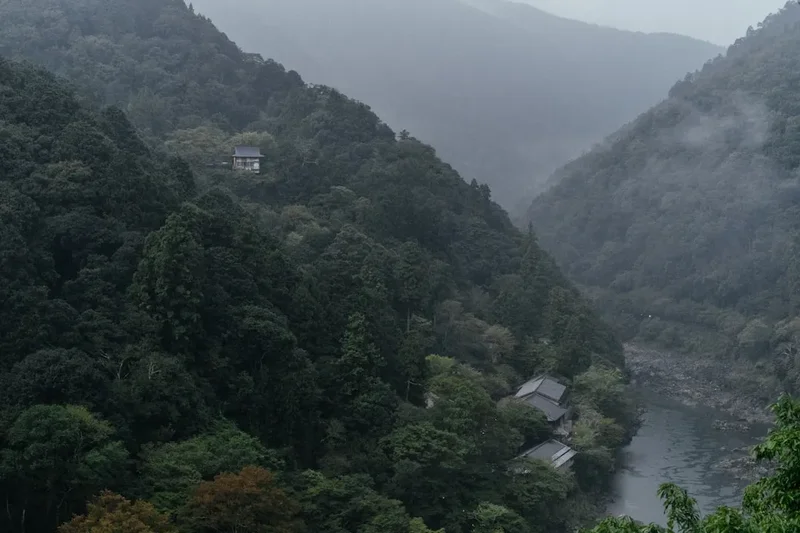
The Iya Valley is a precious natural and cultural landscape that deserves our utmost respect. Practising Leave No Trace principles ensures that this beautiful region remains pristine for future generations and that the local environment and communities are protected.
Plan Ahead and Prepare: Research the trail, understand its difficulty, and be aware of local conditions. Pack appropriate gear and sufficient supplies to avoid needing to forage or rely on limited resources. Familiarise yourself with local customs and regulations.
Travel and Camp on Durable Surfaces: Stick to marked trails and designated paths. Avoid walking on fragile vegetation, especially mosses and small plants, which can take a long time to recover. The trails around the vine bridges are well-established, so remain on them.
Dispose of Waste Properly: Pack out everything you pack in. This includes all food scraps, wrappers, tissues, and any other litter. Use designated bins where available, but be prepared to carry your rubbish back with you if bins are full or absent. Use toilet facilities where provided; if not, dig a cathole at least 60 metres away from water sources, trails, and campsites.
Leave What You Find: Do not take any natural objects (rocks, plants, flowers) or cultural artefacts. Respect historical sites and structures, such as the vine bridges and traditional houses.
Minimise Campfire Impacts: Campfires are generally not permitted on this day hike. If you are camping in the wider region, use established fire rings and keep fires small. Ensure fires are completely extinguished before leaving.
Respect Wildlife: Observe wildlife from a distance. Do not feed animals, as this can disrupt their natural behaviours and diets. Be aware of your surroundings and avoid disturbing any creatures you encounter.
Be Considerate of Other Visitors: Keep noise levels down, especially in natural settings and near residential areas. Yield to others on narrow trails. Respect the peaceful atmosphere of the Iya Valley.
 Japan
Japan