
Israel National Trail - A Journey Through the Cradle of Civilisation
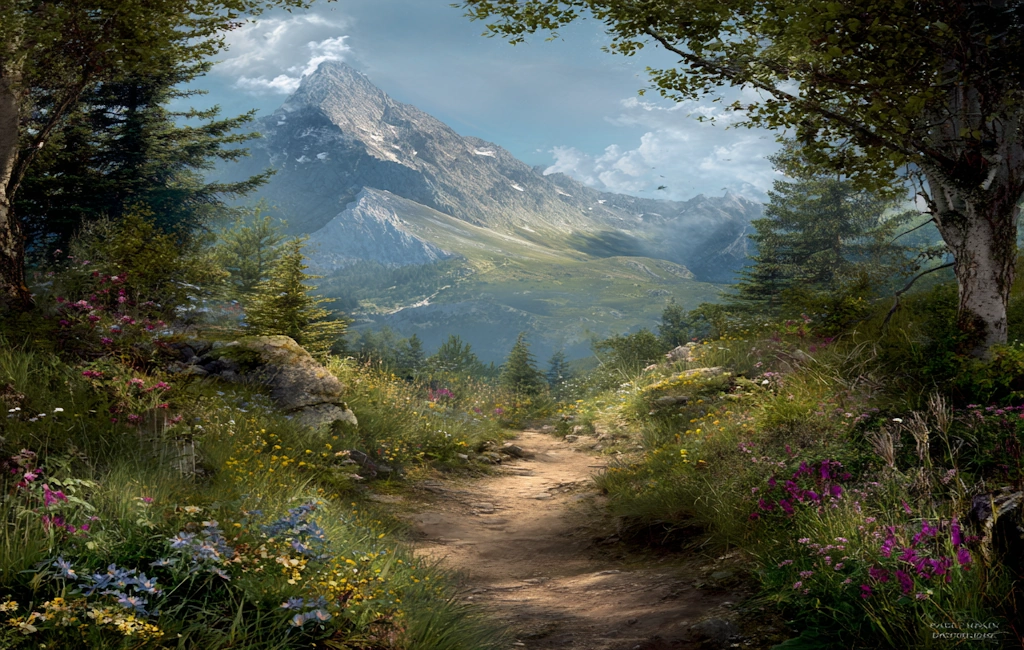
The Israel National Trail (INT), known in Hebrew as Shvil Yisrael, is a monumental 1,015-kilometre thru-hike that traverses the entire length of the State of Israel. Stretching from the lush, water-rich landscapes of the Lebanese border in the north to the sun-scorched granite peaks of the Red Sea in the south, the trail offers an unparalleled odyssey through geological time, biblical history, and modern cultural complexity. This is not merely a walk; it is a cross-section of a land that has served as the bridge between Africa, Asia, and Europe for millennia. Hikers journey through the green hills of the Galilee, along the ancient Roman ruins of the Mediterranean coast, into the sacred heights of the Jerusalem mountains, and across the vast, silent expanse of the Negev Desert. The trail is marked by a distinctive three-stripe blaze—white, blue, and orange—representing the snow of Mount Hermon, the Mediterranean Sea, and the desert sands. To walk the Shvil is to engage with the "Trail Angels" who offer hospitality to strangers, to navigate the challenges of water logistics in the wilderness, and to witness the profound diversity of a landscape that changes character every few days. It is a test of endurance, a lesson in history, and a deeply personal encounter with one of the most significant regions on Earth.
- Distance: 1,015 km one-way
- Duration: 45–60 days
- Season: Autumn (September–November) or Spring (March–May)
- Accommodation: Trail Angels, campsites, hostels, and field schools
- Highest point: Mount Meron (1,208 m)
- Lowest point: Near the Sea of Galilee (-200 m)
- Total Elevation Gain: Approximately 22,000 m
- Direction: North to South (traditional) or South to North
Overview
The Israel National Trail was inaugurated in 1995, inspired by the Appalachian Trail but uniquely tailored to the condensed and varied geography of the Levant. It has since been recognised by National Geographic as one of the world's most "holy" and significant long-distance hikes. The trail's brilliance lies in its pacing and the sheer variety of its terrain. Unlike many thru-hikes that maintain a consistent ecosystem for weeks, the INT shifts dramatically. In the north, hikers encounter the "Finger of the Galilee," where the Jordan River's headwaters create a lush, European-style riparian environment. Within a week, this gives way to the rugged limestone ridges of the Galilee and the volcanic plateaus of the Horns of Hattin. As the trail moves south, it hugs the Mediterranean coastline, allowing hikers to walk on sand beside Crusader fortresses and Roman aqueducts, before turning inland toward the limestone forests of the Judean Hills and the spiritual magnet of Jerusalem.
The southern half of the trail is a radical departure. Crossing the "Green Line" near Arad, the trail enters the Negev Desert, which comprises over half of Israel's landmass. Here, the challenge shifts from elevation and navigation to survival and logistics. Hikers must navigate the Makhteshim—unique geological erosion cirques found only in this region—and traverse the Arava Valley. The final stretch through the Eilat Mountains is arguably the most spectacular and physically demanding, featuring sharp granite ridges and deep canyons that glow with shades of red, purple, and gold in the desert sun. The trail concludes at the Gulf of Aqaba, where the desert meets the coral reefs of the Red Sea.
Beyond the physical landscape, the INT is defined by its human element. The "Trail Angels" (Malachei HaShvil) are a network of hundreds of volunteers across the country who open their homes to hikers, offering a bed, a shower, or a place to charge a phone, often for no cost. This culture of hospitality turns a solitary physical challenge into a communal experience, connecting hikers with the diverse mosaic of Israeli society—Jews, Muslims, Christians, Druze, and Bedouins. Whether you are a seasoned thru-hiker or a pilgrim seeking a deeper connection to the land, the Israel National Trail provides a profound sense of accomplishment and a unique perspective on a region often viewed only through the lens of conflict.
History and Cultural Context
The concept of the Israel National Trail was first proposed in the 1980s by Avraham Tamir, a hiker who had walked the Appalachian Trail and envisioned a similar project for Israel. He collaborated with Ori Dvir, a prominent geographer and one of the founders of the Society for the Protection of Nature in Israel (SPNI). Together, they spent years mapping a route that would avoid major highways while connecting the country's most significant natural and historical sites. The trail was officially opened by then-President Ezer Weizman in 1995. Since its inception, the trail has been rerouted several times to protect sensitive ecosystems, accommodate urban growth, and include newly discovered archaeological sites.
The cultural layers of the trail are staggering. Hikers literally walk through the pages of history. In the north, the trail passes Tel Dan, an archaeological site containing a 4,000-year-old Canaanite gate. In the Galilee, it follows paths likely trodden by figures from the New Testament. Along the coast, the ruins of Caesarea Maritima showcase the architectural ambition of Herod the Great. The ascent to Jerusalem follows the ancient supply routes used during the 1948 War of Independence, marked by the rusted remains of armoured convoys. In the Negev, the trail crosses the Incense Route, where Nabataean traders once led camel caravans laden with frankincense and myrrh from the Arabian Peninsula to the Mediterranean ports.
For many Israelis, walking the "Shvil" is a rite of passage, often undertaken after completing mandatory military service or during significant life transitions. It is seen as a way to "know the land through the feet" (Yedi'at HaAretz), a value deeply embedded in the national psyche. For international visitors, the trail offers a way to bypass the tourist bubbles and see the country's complex reality at a human pace. The land is a palimpsest where every hill and valley holds a story, from prehistoric caves to modern kibbutzim, making the INT one of the most intellectually stimulating hikes in existence.
Want more background? Read extended notes on history and cultural context → Learn more
Seasonal Highlights and Weather Reality
Timing is the most critical factor when planning the Israel National Trail. Because the trail spans a wide range of latitudes and elevations, the weather varies significantly from north to south. There are two primary windows for a full thru-hike: Spring and Autumn.
Spring (March to May): This is widely considered the best time to hike North to South. The Galilee is carpeted in wildflowers, the streams are flowing at their peak, and the temperatures are mild. However, hikers must reach the Negev before the intense heat of May begins. The desert in spring is surprisingly vibrant, with occasional blooms following winter rains. The main risk in spring is the "Sharav" or "Khamsin"—hot, dry desert winds that can cause temperatures to spike to 40°C even in early April.
Autumn (September to November): This is the preferred window for South to North hikers. Starting in Eilat in late September allows the desert heat to begin subsiding as you move north. The landscape is much drier and more "burnt" than in spring, but the visibility is often clearer, and the Mediterranean Sea remains warm enough for swimming. The primary risk in autumn is the arrival of the first winter rains in October or November, which can trigger dangerous flash floods in the desert canyons.
Winter (December to February): While the desert sections can be pleasant during the day, the north becomes muddy and cold. Snow is possible on Mount Meron and in Jerusalem. The greatest danger in winter is flash flooding in the Negev and Judean Deserts. These floods are sudden, powerful, and can be fatal for anyone caught in a wadi (dry riverbed). Thru-hiking in winter is only recommended for those with flexible schedules who can wait out storms in towns.
Summer (June to August): Thru-hiking in summer is strictly discouraged and potentially life-threatening. Temperatures in the Negev and the Jordan Valley regularly exceed 45°C. Dehydration and heatstroke are near-certainties for those attempting long-distance walking during these months. Most "Trail Angels" and desert logistics services do not operate during the peak summer heat.
Recommended Itinerary
The 5-Stage Israel National Trail Itinerary
Stage 1: The Upper Galilee and Sea of Galilee (Days 1–10)
- Distance: Approximately 160 km
- Key Waypoints: Tel Dan, Mount Meron, Safed, Sea of Galilee (Tiberias)
- The journey begins at the Dan Nature Reserve, near the Lebanese border.
- Climb the steep ridges of the Naftali Mountains for views over the Hula Valley.
- Summit Mount Meron (1,208 m), the highest point on the trail, featuring ancient oak forests.
- Descend through the Amud Stream, a perennial canyon that leads directly to the shores of the Sea of Galilee.
- Terrain: Lush, rocky, significant elevation changes, plenty of water sources.
Stage 2: Lower Galilee and Mount Carmel (Days 11–20)
- Distance: Approximately 180 km
- Key Waypoints: Mount Tabor, Nazareth (nearby), Mount Carmel, Caesarea
- Cross the volcanic landscape of the Horns of Hattin, the site of a famous Crusader battle.
- Ascend the iconic dome of Mount Tabor.
- Traverse the oak forests of the Alona Park and the limestone ridges of Mount Carmel.
- Reach the Mediterranean coast at Jisr az-Zarqa and walk south to the Roman ruins of Caesarea.
- Terrain: Rolling hills, agricultural land, and the first taste of coastal walking.
Stage 3: The Coastal Plain and Jerusalem Mountains (Days 21–32)
- Distance: Approximately 210 km
- Key Waypoints: Tel Aviv (nearby), Yarkon River, Latrun, Jerusalem (Old City detour)
- Follow the Yarkon River through the heart of the country's most populated region.
- Turn inland at Tel Afek and begin the long, gradual ascent into the Judean Hills.
- Pass through the "Burma Road" and the forests surrounding Jerusalem.
- Many hikers take a 2-3 day detour to explore the Old City of Jerusalem before returning to the trail at Sataf.
- Terrain: Flat coastal paths transitioning into steep, forested limestone hills.
Stage 4: The Northern Negev and the Craters (Days 33–45)
- Distance: Approximately 240 km
- Key Waypoints: Arad, Makhtesh Katan (Small Crater), Makhtesh Gadol (Large Crater), Sde Boker
- The trail enters the desert at Arad. This is where logistics become critical.
- Descend into the spectacular Makhtesh Katan, a unique geological erosion cirque.
- Cross the rugged "Fin" of the Large Crater and reach the tomb of David Ben-Gurion at Sde Boker.
- Walk through the Zin Valley, home to desert springs and ibex.
- Terrain: Arid, rocky, deep canyons, and vast open plateaus.
Stage 5: The Central Negev and Eilat Mountains (Days 46–60)
- Distance: Approximately 225 km
- Key Waypoints: Mitzpe Ramon, Makhtesh Ramon, Paran Valley, Shaharut, Eilat
- Stand on the rim of Makhtesh Ramon, the world's largest erosion crater (40 km long).
- Cross the immense Paran Valley, the widest wadi in Israel.
- Walk the ridgeline of the Shaharut cliffs overlooking the Arava Valley and Jordan.
- The final three days through the Eilat Mountains are the most technical, involving steep climbs over multi-coloured granite peaks.
- Finish at the Gulf of Eilat on the Red Sea.
- Terrain: Extreme desert, technical rock sections, high heat, and stunning geological diversity.
Important Notes:
- The trail is marked in both directions, but North-to-South is the traditional "Shvilist" experience.
- Water caching is mandatory in the southern sections (Stage 4 and 5).
- The trail markers are orange (bottom), blue (middle), and white (top) for Southbound hikers.
- Friday afternoons and Saturdays (Shabbat) see limited public transport and shop closures.
- Always check for military firing zone permits before entering certain sections of the Negev.
Planning and Bookings
Book Your Trip
Everything you need to plan your journey
Accommodation
Find places to stay near Jerusalem
Flights
Search flights to Jerusalem
Essential Preparation
Preparation for the Israel National Trail requires a blend of physical training and logistical foresight. Unlike European trails with frequent mountain huts, the INT—especially in the south—demands self-sufficiency. Hikers should be comfortable carrying 15–20 kg if they plan to camp and carry multiple days of water. Fitness is paramount; while the elevations aren't Himalayan, the constant "ups and downs" of the Galilee and the heat of the Negev are taxing.
Logistically, the most important preparation is the "Red Book" (the official trail guide) or a reliable GPS app like IsraelHiking.map. You must also familiarise yourself with the "Trail Angels" list, which is updated seasonally. If you are not an Israeli citizen, ensure your visa allows for a 60-day stay. Most hikers base themselves in Tel Aviv or Jerusalem for a few days before starting to purchase gear and supplies. Coordination with water caching services for the Negev should be done at least two weeks before you reach Arad.
Trail Accommodation
Accommodation on the INT is diverse and reflects the country's social fabric. There is no single booking system; instead, you will use a combination of methods.
Trail Angels: These are volunteers who offer everything from a spot to pitch a tent to a full guest room. Some offer meals and laundry. Most require a phone call 24–48 hours in advance. Some are free, while others suggest a small donation for utilities. They are the heart of the trail experience.
Night Camps (Campsites): In the Negev and Galilee nature reserves, you MUST stay in designated "Night Camps." These are often just flat, cleared areas of ground. In the desert, they rarely have water or toilets. They are free of charge but mandatory to protect the wildlife from human encroachment at night.
Hostels and Field Schools: In towns like Arad, Mitzpe Ramon, and Eilat, there are excellent youth hostels and SPNI Field Schools. These provide standard dormitory or private room accommodation and should be booked a few days in advance, especially on weekends.
Kibbutz Guest Houses: More expensive but very comfortable, these are available in several northern and central sections. They offer a glimpse into the communal farming history of Israel.
Required Gear
- Hiking Boots: High-quality, breathable boots with excellent grip. The terrain is exceptionally rocky and "toothy"; flimsy shoes will be destroyed within 300 km.
- Backpack: 50–70 litres with a robust suspension system. You will need to carry up to 6–8 litres of water in the south.
- Sun Protection: A wide-brimmed hat (essential), high-SPF sunscreen, and UV-rated sunglasses. Long-sleeved, breathable "safari" shirts are highly recommended.
- Navigation: A dedicated GPS device or a smartphone with a backup power bank. Physical maps are recommended as a fail-safe.
- Sleeping System: A lightweight tent (for wind and scorpion protection), a 3-season sleeping bag (desert nights are cold), and a high-R-value sleeping pad.
- Water Storage: Multiple bladders and bottles totalling at least 6–8 litres of capacity for the desert stages.
What to Bring
- Water Treatment: While tap water in towns is safe, you may need to treat water from springs in the Galilee or tanks in the desert. A Sawyer Squeeze or Katadyn BeFree is ideal.
- Cooking Gear: A multi-fuel or canister stove. Note: Gas canisters (screw-top) are widely available in outdoor shops in major cities but not in small desert villages.
- Food: Lightweight, high-calorie dried foods. Tahini, dates, and nuts are local staples that travel well. You will typically carry 3–5 days of food at a time.
- First Aid: Focus on blister care (Compeed), electrolyte salts (crucial for heat), and tweezers for removing thorns or cactus needles.
- Clothing: Merino wool layers for the desert nights, a lightweight down jacket, and quick-dry hiking trousers. Avoid cotton.
- Power: A high-capacity power bank (20,000mAh) as you may go 3–4 days without a socket in the Negev.
Permits
For the majority of the Israel National Trail, no specific "hiking permit" is required. The trail is open to the public and free to walk. However, there are several critical regulatory areas that hikers must navigate to stay legal and safe.
Nature Reserves: Large portions of the trail pass through National Parks and Nature Reserves managed by the Israel Nature and Parks Authority (NPA). While entry is free for thru-hikers on the trail, you are strictly forbidden from camping outside designated "Night Camps." In some high-traffic reserves in the north, there may be a nominal entry fee if you enter through a main gate, though the INT usually bypasses these kiosks.
Military Firing Zones: This is the most complex aspect of INT permits. Much of the Negev Desert is used by the Israel Defense Forces (IDF) for training. The trail is generally routed to avoid these zones or stay on their periphery, but some sections are only accessible on weekends (Friday afternoon to Saturday night) or during Jewish holidays when the army is not training. Hikers must coordinate with the "IDF Coordination Centre" (Matak) via phone to ensure they have permission to cross specific areas on weekdays. Failure to do so is dangerous and can lead to detention.
The "Green Card": While not a permit, many hikers purchase an "Israel Pass" or an NPA annual subscription. This provides discounted or free entry to the dozens of National Parks and archaeological sites located on or near the trail (such as Masada, Caesarea, and En Gedi).
Border Zones: In the far north (near Lebanon) and the far south (near Egypt and Jordan), the trail runs close to international borders. You must stay on the marked path. Deviating toward the border fences will trigger a rapid military response.
Other Activities in the Area
Israel's small size means that world-class cultural and historical sites are often just a short bus or taxi ride from the trail. Consider these additions to your journey:
- The Dead Sea: A must-do detour from Arad or the Judean Hills. Float in the lowest point on Earth (-430 m) and apply the mineral-rich mud. It is excellent for soothing tired muscles after weeks of hiking.
- Masada Fortress: Located near the Dead Sea, this UNESCO World Heritage site tells the epic story of Jewish zealots resisting the Roman Empire. Sunrise at Masada is a quintessential Israeli experience.
- Tel Aviv Nightlife and Beaches: When the trail passes near the coast, take a day or two to experience the "Non-Stop City." The culinary scene, Mediterranean beaches, and Bauhaus architecture provide a sharp, vibrant contrast to the wilderness.
- Baha'i Gardens in Haifa: As the trail crosses Mount Carmel, the manicured terraces of the Baha'i World Centre offer some of the most beautiful views in the country.
- Scuba Diving in Eilat: Celebrate the end of your 1,000 km journey by diving or snorkelling in the Coral Beach Nature Reserve. The Red Sea is home to some of the northernmost coral reefs in the world.
- Wine Tasting: The trail passes through several major wine regions, including the Upper Galilee and the Judean Hills. Many boutique wineries are located directly on or near the path.
Safety and Conditions
Heat and Dehydration: This is the primary safety concern on the INT. In the desert, you can lose up to a litre of water per hour through perspiration. You must drink even when you don't feel thirsty. Hyponatremia (salt depletion) is also a risk; always carry electrolyte powders or salty snacks. Never start a desert section without at least 6 litres of water per person.
Flash Floods: In the autumn, winter, and spring, rain falling dozens of kilometres away can cause a "wall of water" to rush down a dry wadi in the Negev or Judean Desert. These floods are unpredictable and extremely powerful. If there is any rain in the forecast for the region's drainage basin, stay out of deep canyons and wadis. Check the IMS (Israel Meteorological Service) daily.
Wildlife: Israel is home to several species of venomous snakes (the Palestine Viper is the most common) and scorpions (the Yellow Scorpion or "Deathstalker"). Always shake out your boots in the morning, never stick your hands into dark rock crevices, and use a tent with a zipped mesh door. While encounters are rare, they require immediate medical attention. Wild boar in the north and ibex in the south are common but generally harmless if given space.
Security: While the trail is generally very safe, it is important to stay informed about the current geopolitical situation. Use the "Red Alert" app to receive notifications of any security incidents. Avoid hiking alone in very remote border areas, and always let someone know your planned route for the day. The "Trail Angels" are an excellent source of real-time local safety information.
Emergency Services: Dial 100 for Police, 101 for Ambulance (Magen David Adom), and 102 for Fire/Rescue. In the desert, search and rescue is performed by highly trained volunteer units. Carrying a Satellite Messenger (like a Garmin inReach) is highly recommended for the Negev sections where mobile signal is non-existent.
Side Trips and Points of Interest
The Jesus Trail Detour: In the Galilee, many hikers take a two-day detour to follow the Jesus Trail from Nazareth to Capernaum. This route offers more historical and religious sites than the standard INT section in that area, including the Mount of Beatitudes and the ancient boat at Ginosar.
Mount Arbel: Located just above the Sea of Galilee, the cliffs of Arbel offer one of the most dramatic views in the country. The descent involves using metal rungs and cables bolted into the rock face, passing through ancient cave dwellings used by rebels against Herod the Great.
En Gedi Nature Reserve: A true desert oasis near the Dead Sea. While the INT passes slightly to the west, a side trip into the David or Arugot streams allows you to swim in freshwater waterfalls surrounded by lush vegetation and desert ibex—a surreal experience in the middle of the Judean Desert.
The "Lost City" of Shivta: For those interested in archaeology, a detour in the central Negev leads to Shivta, a remarkably well-preserved Nabataean and Byzantine city. Unlike the more famous Petra, you can often explore Shivta in complete solitude.
Red Canyon: Located in the Eilat Mountains, this short, spectacular slot canyon is carved from vibrant red sandstone. It is one of the most photogenic spots in the southern desert and is easily accessible from the main trail.
Leave No Trace
The Israel National Trail passes through some of the most ecologically sensitive and historically significant landscapes in the Middle East. With the increasing popularity of the trail, the "Leave No Trace" principles are essential to prevent the degradation of these ancient sites and fragile ecosystems.
Biological Soil Crust: In the Negev, the desert floor is often covered by a "biological crust" of cyanobacteria, lichens, and mosses. This crust prevents erosion and fixes nitrogen in the soil. A single footprint can destroy a crust that took decades to form. Stay strictly on the marked trail and within designated night camps.
Waste Management: In the arid desert environment, organic waste (including orange peels and toilet paper) does not decompose. It can remain visible for years. You must pack out ALL trash. For human waste, use the "cat hole" method (15–20 cm deep) at least 60 metres from any water source or wadi bed, and pack out your toilet paper in a sealed bag.
Water Conservation: Desert springs (Ma'ayanot) are vital for local wildlife. Avoid swimming in small rock pools or using soap in any natural water source. The chemicals in sunscreen and soap can be toxic to the rare amphibians and insects that depend on these limited water sources.
Respecting Antiquities: It is illegal to remove any archaeological fragments, including pottery shards (shards) or flint tools, from the trail. Leave them where you find them so others can enjoy the sense of discovery. Do not climb on ancient walls or deface rock surfaces with graffiti.