
Ishinca Valley Trek
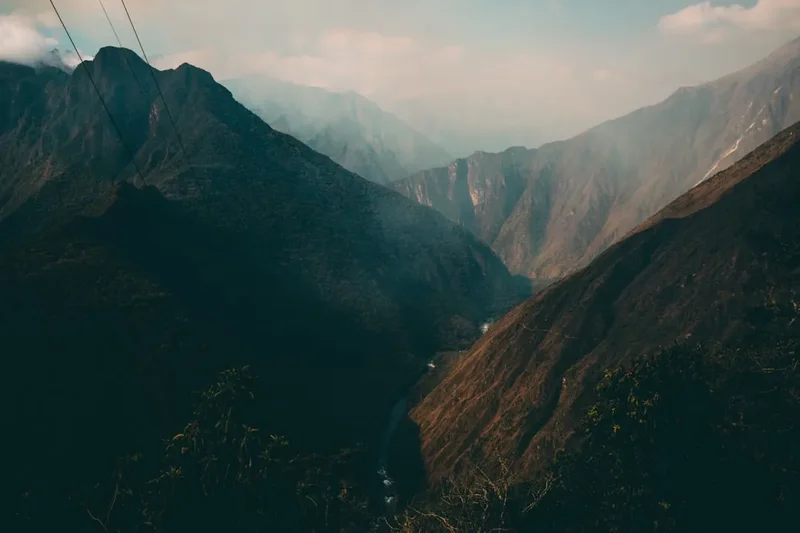
The Ishinca Valley Trek is a spectacular high-altitude adventure in Peru's Cordillera Blanca, offering a gateway to some of the region's most iconic peaks. This trek is renowned for its dramatic glacial landscapes, turquoise lakes, and the imposing presence of snow-capped mountains, including Ishinca itself, Ranrapalca, and Tocllaraju. Unlike more demanding multi-week expeditions, the Ishinca Valley Trek is typically undertaken as a shorter, more accessible journey, often serving as an acclimatisation or introductory trek for those looking to experience the Peruvian Andes at altitude without requiring extensive mountaineering experience. It provides a profound immersion into a raw, powerful alpine environment, characterised by rugged moraines, vibrant glacial meltwater, and the stark beauty of high-altitude desert flora.
- Distance: Approximately 45.0 km (round trip from base camp)
- Duration: 4-5 days
- Season: May to September (dry season)
- Difficulty: Moderate (due to altitude and terrain)
- Highest point: Ishinca Base Camp (approx. 4,350 m)
- Starting Point: Pashpa (near Huaraz)
- Accommodation: Camping (no huts)
- Key Peaks Visible: Ishinca (5,530 m), Ranrapalca (6,162 m), Tocllaraju (6,034 m)
Overview
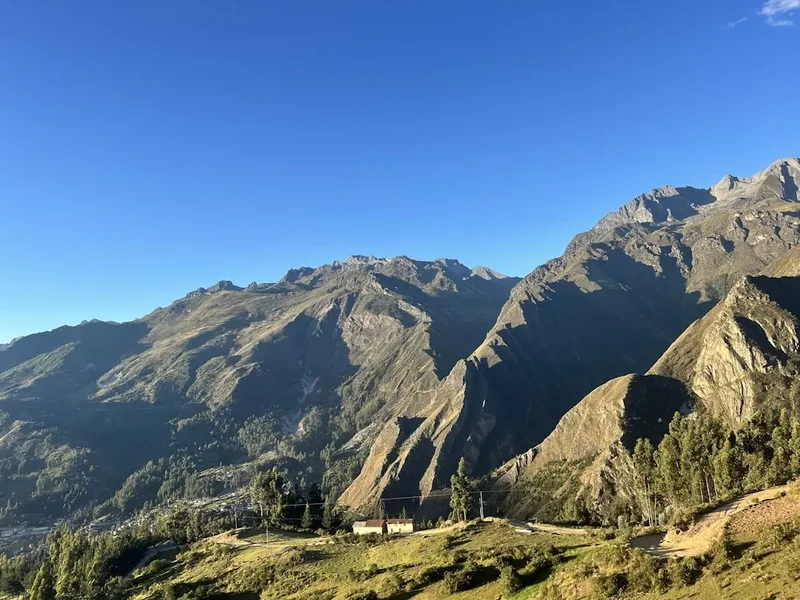
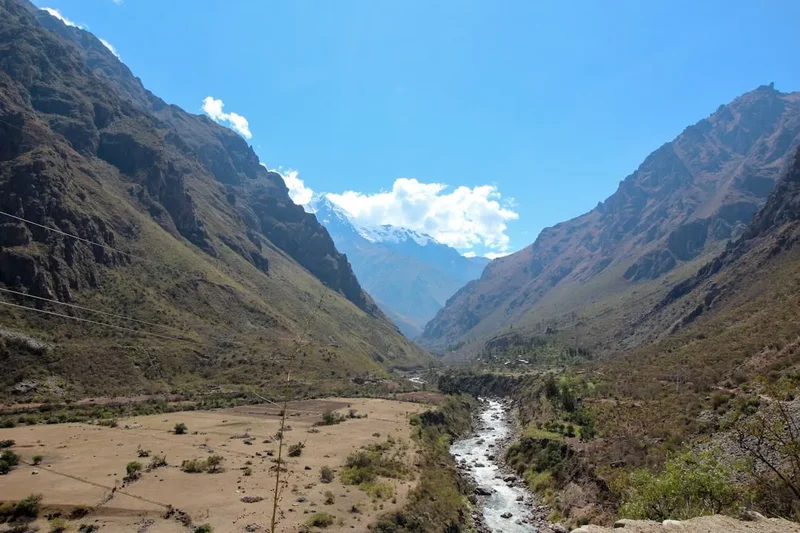
The Ishinca Valley Trek is a journey into the heart of the Cordillera Blanca, a mountain range that forms part of the mighty Andes. This trek is celebrated for its accessibility to high-altitude glacial environments, making it a popular choice for trekkers and aspiring mountaineers. The valley itself is a testament to the immense power of glaciers, with U-shaped valleys, moraine fields, and the constant presence of ice and snow. The trek typically begins from the small village of Pashpa, a short drive from the bustling mountain town of Huaraz. From Pashpa, the trail ascends gradually through increasingly arid landscapes, transitioning from sparse vegetation to the stark beauty of alpine scree and rock.
The primary objective for many on this trek is Ishinca Base Camp, situated at an impressive altitude of around 4,350 metres. From the base camp, the views are breathtaking. Towering above are the formidable peaks of Ishinca, Ranrapalca, and Tocllaraju, their snow-clad summits often shrouded in wisps of cloud. The valley floor is dotted with glacial lakes, their waters a striking turquoise or deep blue, reflecting the surrounding mountains. The air is thin and crisp, and the silence is profound, broken only by the wind or the distant rumble of icefall.
While the trek itself is moderate in terms of technical difficulty, the high altitude presents a significant challenge. Proper acclimatisation is crucial for a safe and enjoyable experience. The terrain involves walking over rocky paths, scree slopes, and potentially crossing small glacial streams. The dry season, from May to September, offers the most stable weather conditions, with clear blue skies and minimal rainfall, making it the ideal time to undertake this adventure. The Ishinca Valley offers a quintessential Cordillera Blanca experience, combining stunning mountain scenery with the thrill of high-altitude trekking.
History and Cultural Context
The Cordillera Blanca, and by extension the Ishinca Valley, has a rich history intertwined with both ancient indigenous cultures and modern mountaineering endeavours. For centuries, the indigenous Quechua people of the Andes have lived in harmony with these mountains, viewing them as sacred entities, or *Apus*, powerful mountain spirits that govern the weather, water, and fertility of the land. The valleys provided grazing for llamas and alpacas, and the high peaks were often the subject of spiritual reverence and ritual.
The modern era of exploration and mountaineering in the Cordillera Blanca began in the early 20th century. European and American climbers, drawn by the allure of unclimbed peaks and challenging alpine terrain, started to explore the range. The Ishinca Valley, with its relatively accessible base camp and proximity to several prominent peaks, quickly became a popular destination for expeditions. Early ascents of Ishinca, Ranrapalca, and Tocllaraju were significant achievements, pushing the boundaries of what was considered possible in high-altitude mountaineering.
Huaraz, the gateway city to the Cordillera Blanca, has a history deeply connected to the mountains. It has served as a base for explorers, scientists, and adventurers for decades. The town itself has faced significant challenges, most notably the devastating earthquake of 1970, which caused widespread destruction. However, Huaraz has rebuilt and continues to be a vibrant hub for trekking and climbing tourism, a testament to the resilience of its people and their enduring connection to the surrounding mountain landscape. The Ishinca Valley Trek, while a relatively modern trekking route, is thus set against a backdrop of ancient spiritual beliefs and a pioneering history of high-altitude exploration.
Seasonal Highlights and Weather Reality
The Cordillera Blanca experiences a distinct wet and dry season, which significantly impacts trekking conditions in the Ishinca Valley.
Dry Season (May to September): This is the prime trekking season. The weather is generally stable, with clear blue skies during the day and cold, crisp nights. Rainfall is minimal, and snow is confined to the higher elevations. The dry season offers the best visibility for mountain views and the most predictable trekking conditions. Temperatures can range from below freezing at night (around -5°C to -10°C at base camp) to pleasant during the day (10°C to 15°C in direct sunlight). However, even in the dry season, weather can change rapidly in the mountains, and unexpected snow showers or strong winds can occur, especially at higher altitudes.
Wet Season (October to April): This period is characterised by frequent and heavy rainfall, particularly in the afternoons. The skies are often overcast, and visibility can be poor. The trails can become muddy and slippery, and river crossings may be more challenging. While trekking is still possible, it is generally less advisable due to the unpredictable weather and potential for landslides or flash floods. Temperatures are slightly milder than in the dry season, but the increased humidity and persistent rain can make it feel colder.
Shoulder Seasons (April/May and September/October): These transitional periods can offer a mix of conditions. You might experience some of the clear skies of the dry season, but also occasional rain showers. The advantage of the shoulder seasons can be fewer crowds and potentially lower prices for services. However, the risk of encountering less predictable weather is higher.
For the Ishinca Valley Trek, the dry season (May to September) is strongly recommended to maximise the chances of clear views and safe trekking conditions.
Recommended Itinerary
4-Day Ishinca Valley Trek Itinerary
Day 1: Huaraz to Ishinca Base Camp (via Pashpa)
- Distance: Approx. 15 km
- Elevation gain: Approx. 1,000 m
- Time: 6–8 hours
- Morning transfer from Huaraz to Pashpa (approx. 1 hour)
- Begin trek from Pashpa, passing through agricultural land and gradually ascending
- The trail follows a clear path, often a dirt track or rocky trail
- Cross the Urashraju River via a bridge
- Ascend through increasingly arid terrain with sparse vegetation
- Arrive at Ishinca Base Camp (approx. 4,350 m) in the afternoon
- Set up camp and rest, beginning acclimatisation to the altitude
- Dinner and overnight at base camp
Day 2: Acclimatisation Day / Exploration around Base Camp
- Distance: Variable (short hikes)
- Elevation gain: Variable (up to 200 m)
- Time: 3–4 hours
- Morning: Short acclimatisation hike to a nearby viewpoint or glacial lake (e.g., Laguna Ishinca)
- Focus on gentle movement and hydration to aid acclimatisation
- Afternoon: Rest at base camp, enjoy the panoramic views of Ishinca, Ranrapalca, and Tocllaraju
- Practice using equipment, review maps, and prepare for potential summit attempts (if applicable to your trip)
- Dinner and overnight at base camp
Day 3: Day Hike to Ishinca Glacier / Optional Summit Attempt
- Distance: Approx. 8–10 km (round trip to glacier)
- Elevation gain: Approx. 300–500 m (to glacier)
- Time: 4–6 hours (to glacier); 8–10 hours (for summit attempt)
- Early morning start (e.g., 4:00 AM for summit attempt, 7:00 AM for glacier hike)
- Option A (Glacier Hike): Hike towards the Ishinca Glacier. This involves walking over moraine fields and scree. You will reach the snout of the glacier, offering close-up views of the ice and surrounding peaks. No technical climbing required for this option.
- Option B (Summit Attempt - Ishinca): For experienced trekkers with mountaineering skills and equipment. This involves crossing the Ishinca Glacier, which requires crampons, ice axe, and rope skills. This is a challenging climb and requires a guide.
- Return to Ishinca Base Camp in the afternoon
- Dinner and overnight at base camp
Day 4: Ishinca Base Camp to Pashpa and Huaraz
- Distance: Approx. 15 km
- Elevation loss: Approx. 1,000 m
- Time: 4–5 hours
- Morning: Pack up camp after breakfast
- Descend back down the Ishinca Valley towards Pashpa
- The descent is generally quicker and easier than the ascent
- Enjoy the changing perspectives of the landscape as you lose altitude
- Arrive back at Pashpa in the early afternoon
- Transfer back to Huaraz
- Celebratory dinner in Huaraz
Notes:
- This itinerary is a guideline and can be adjusted based on acclimatisation, fitness, and specific goals.
- A guide and porters are highly recommended for this trek, especially if attempting any glacier travel or summit climbs.
- Ensure you have adequate acclimatisation time in Huaraz before starting the trek.
Planning and Bookings
Book Your Trip
Everything you need to plan your journey
Accommodation
Find places to stay near Huaraz
Flights
Search flights to Huaraz
Essential Preparation
The Ishinca Valley Trek is located in the Cordillera Blanca, a region of Peru renowned for its high-altitude trekking and mountaineering. Huaraz is the primary gateway city, serving as the logistical hub for all expeditions into the range. It is crucial to spend at least 2-3 days in Huaraz (at approximately 3,050 m) before commencing the trek to acclimatise properly. This allows your body to adjust to the lower oxygen levels, significantly reducing the risk of altitude sickness.
Huaraz offers a range of accommodation options, from budget hostels to comfortable hotels. It also has numerous outdoor gear shops where you can rent or purchase necessary equipment, as well as supermarkets for stocking up on food and supplies. It is highly recommended to arrange your trek with a reputable local tour operator. They will typically provide transportation to the trailhead, arrange for porters or pack animals to carry gear, provide tents and cooking equipment, and most importantly, supply experienced guides who are knowledgeable about the terrain, weather, and altitude safety protocols.
Trail Accommodation
This is a camping trek. There are no permanent huts or lodges along the Ishinca Valley trail. Accommodation is provided by tents, which are typically set up at designated campsites. The primary campsite is Ishinca Base Camp, located at approximately 4,350 metres. This is a well-established camping area used by many trekkers and climbers.
Campsite Facilities:
- Flat, relatively clear ground for pitching tents.
- Access to water from nearby streams (treatment is essential).
- No permanent structures or amenities.
- No electricity or charging facilities.
- No cooking facilities provided at the campsite itself; your trekking operator will set up a separate mess tent for cooking and dining.
What's NOT Provided:
- Personal tents (unless arranged with your operator).
- Sleeping bags, sleeping mats, or pillows.
- Cooking equipment (stoves, pots, utensils) unless part of a guided package.
- Food or water.
- Toilets (digging catholes away from water sources is standard practice, or your operator may provide a portable toilet).
Seasonal Availability: Camping is available year-round, but the dry season (May to September) is highly recommended for optimal weather conditions and safety.
Costs: Campsite fees are generally minimal or included in park entrance fees. The primary costs will be associated with your guided trek package, which includes camping logistics.
Required Gear
- Sturdy Hiking Boots: Waterproof, broken-in hiking boots with good ankle support are essential for navigating rocky and uneven terrain.
- Waterproof Jacket and Trousers: High-quality, breathable waterproofs are crucial due to the potential for sudden weather changes and high-altitude precipitation.
- Warm Layers: Multiple layers of synthetic or wool clothing (base layers, fleece mid-layers) are necessary to adapt to fluctuating temperatures.
- Down Jacket: A warm down or synthetic insulated jacket is vital for cold evenings and early mornings at base camp.
- Sleeping Bag: A 4-season sleeping bag rated to at least -10°C to -15°C is recommended for cold nights at altitude.
- Sleeping Mat: An insulated sleeping mat provides comfort and crucial insulation from the cold ground.
- Backpack: A comfortable trekking backpack (50-70 litres) with a rain cover. Porters will carry the bulk of your gear, but you'll need a daypack for essentials.
- Head Torch: With spare batteries, essential for navigating camp and for early morning starts.
- Sun Protection: High SPF sunscreen, lip balm with SPF, sunglasses (UV protection is intense at altitude), and a wide-brimmed hat or cap.
- First-Aid Kit: Comprehensive personal kit including blister treatment, pain relievers, antiseptic wipes, bandages, and any personal medications. Altitude sickness medication (e.g., Diamox) should be discussed with your doctor.
- Trekking Poles: Highly recommended for stability on ascents and descents, and to reduce strain on knees.
What to Bring
- Food: While guided treks usually provide meals, carry plenty of high-energy snacks (nuts, dried fruit, energy bars, chocolate) for during the day.
- Water Treatment: Water purification tablets or a reliable water filter are essential, as stream water, while plentiful, is not safe to drink untreated.
- Toiletries: Biodegradable soap, toothbrush, toothpaste, hand sanitiser, and any personal hygiene items. Pack out all waste.
- Personal Items: Camera, power bank for electronics, book or journal, small towel.
- Cash: Peruvian Soles for tips, souvenirs, and any personal expenses in Huaraz.
- Identification: Passport and any necessary travel documents.
- Plastic Bags/Dry Bags: To keep gear dry inside your backpack.
- Duct Tape: Invaluable for quick repairs to gear.
Permits
To trek in the Ishinca Valley and access the Huascarán National Park, you will need to obtain an entrance permit. This permit is typically purchased in Huaraz from the National Service of Natural Protected Areas (SERNANP) or the park authorities. It is often included as part of a guided trek package arranged through a local operator, but it's essential to confirm this when booking.
Permit Costs:
- The cost of the permit can vary, but typically ranges from approximately 30 to 65 Peruvian Soles (PEN) for a multi-day trek, depending on the duration of your stay within the park.
- A 1-day permit might be around 15 PEN.
- A 2-day permit might be around 30 PEN.
- A 3-day permit might be around 45 PEN.
- A 5-day permit might be around 65 PEN.
It is advisable to check the current pricing and purchase options in Huaraz before you depart for the trek. Your tour operator will usually guide you through this process.
Park Regulations:
- The Huascarán National Park is a protected area, and visitors are expected to adhere to its regulations.
- This includes following Leave No Trace principles, staying on marked trails, and not disturbing wildlife or vegetation.
- Campfires are strictly prohibited.
- Waste must be packed out.
Booking: While specific permits for the Ishinca Valley itself are not usually booked far in advance like some other famous treks (e.g., Inca Trail), the park entrance permit is mandatory. It's best to secure this in Huaraz a day or two before your trek begins. For guided treks, your operator will handle the logistics of obtaining the permit for you.
Other Activities in the Area
Huaraz and the surrounding Cordillera Blanca region offer a wealth of activities for adventurers and nature lovers:
- Laguna 69 Trek: A classic day hike to a stunning turquoise glacial lake, renowned for its vibrant colour and dramatic mountain backdrop. This trek is at a similar altitude to Ishinca Base Camp and is an excellent acclimatisation option.
- Pastoruri Glacier: Visit the rapidly receding Pastoruri Glacier, a stark reminder of climate change. The trek to the glacier is relatively short and accessible, often including stops at Puya Raimondii forests.
- Chavín de Huántar: Explore the ancient ruins of the Chavín culture, a UNESCO World Heritage site featuring impressive stone carvings and subterranean galleries. This offers a fascinating glimpse into Peru's pre-Inca history.
- Nevado Pisco Summit: For those with mountaineering experience, Nevado Pisco (5,752 m) is a popular and relatively accessible peak offering incredible panoramic views of the Cordillera Blanca, including Huascarán, the range's highest peak.
- Paragliding in Huaraz: Experience the Andes from a different perspective with a tandem paragliding flight, offering breathtaking aerial views of the valley and surrounding mountains.
- Hot Springs: Relax and rejuvenate in the thermal hot springs near Huaraz, such as Baños Termales de Monterrey.
- Rock Climbing: The Cordillera Blanca offers numerous opportunities for rock climbing, with routes catering to various skill levels.
Safety and Conditions
Altitude Sickness (Soroche): This is the primary safety concern. Symptoms include headache, nausea, dizziness, fatigue, and shortness of breath. Prevention is key: acclimatise gradually in Huaraz for 2-3 days before trekking, ascend slowly, stay well-hydrated, avoid alcohol and heavy meals, and consider altitude medication (consult your doctor). If symptoms worsen, descend immediately.
Weather: The Cordillera Blanca is known for its rapidly changing weather. Even in the dry season, expect cold temperatures, strong winds, and the possibility of sudden snow showers or hail. Always carry appropriate layers and waterproof gear. Check the mountain forecast daily.
Terrain: The trails can be steep, rocky, and covered in scree. Glacial moraines are unstable. Proper footwear and trekking poles are essential for stability. If attempting glacier travel, ensure you are with a qualified guide and have the correct equipment (crampons, ice axe, harness, rope).
Water: All water from streams and rivers must be treated (boiled, filtered, or chemically purified) before drinking to prevent waterborne illnesses.
Guides and Porters: Hiring experienced local guides is highly recommended. They are trained in first aid, altitude management, navigation, and local conditions. Porters or pack animals are essential for carrying heavy gear, allowing you to focus on the trek and acclimatisation.
Communication: Mobile phone signal is non-existent in the Ishinca Valley. Consider carrying a Personal Locator Beacon (PLB) or satellite phone for emergencies, especially if trekking independently.
Park Entrance: Ensure you have the correct park entrance permit and carry it with you. Rangers may check for permits.
Emergency Procedures: Discuss emergency plans with your guide or tour operator before starting the trek. Know the evacuation routes and communication protocols.
Side Trips and Points of Interest
Ishinca Glacier: While reaching Ishinca Base Camp is a significant achievement, a popular and highly rewarding side trip is to hike to the snout of the Ishinca Glacier. This involves navigating moraine fields and scree slopes, offering a close-up view of the glacial ice and the imposing faces of Ishinca and Tocllaraju. It's a fantastic opportunity for photography and to appreciate the raw power of glacial forces.
Laguna Ishinca: A beautiful glacial lake often found near the base camp or on the route towards the glacier. Its turquoise waters, reflecting the surrounding snow-capped peaks, make for a picturesque stop and a great spot for a break.
Views of Ranrapalca and Tocllaraju: Even if not attempting to climb these peaks, the Ishinca Valley offers spectacular, unobstructed views of Ranrapalca (6,162 m) and Tocllaraju (6,034 m). These formidable mountains dominate the skyline from the base camp and along the trekking route, providing constant awe-inspiring vistas.
High-Altitude Flora and Fauna: While the higher reaches of the valley are stark, keep an eye out for hardy alpine plants like the Puya Raimondii (though more common in other areas, related species may be present) and various cushion plants adapted to the harsh environment. You might also spot Andean condors soaring overhead or chinchillas in rocky outcrops.
The Moraine Fields: The valley floor is covered in extensive moraine fields – deposits of rock and debris left by retreating glaciers. Walking through these can be challenging but offers a unique geological perspective on the valley's formation.
Leave No Trace
The Ishinca Valley is a fragile alpine ecosystem within the Huascarán National Park, a UNESCO World Heritage site. Adhering to Leave No Trace principles is paramount to preserving its natural beauty and ecological integrity for future generations.
- Plan Ahead and Prepare: Research the trek, understand the conditions, and pack appropriately. Arrange your trek with a responsible tour operator.
- Travel and Camp on Durable Surfaces: Stick to established trails and camp in designated areas or on bare ground where vegetation is sparse. Avoid trampling fragile alpine plants.
- Dispose of Waste Properly: Pack out everything you pack in, including all food scraps, wrappers, and toilet paper. Use designated toilets where available, or dig catholes at least 70 metres away from water sources, trails, and campsites.
- Leave What You Find: Do not remove rocks, plants, or any natural or cultural artifacts. Take only photographs and memories.
- Minimise Campfire Impacts: Campfires are prohibited in Huascarán National Park. Use a lightweight stove for cooking.
- Respect Wildlife: Observe animals from a distance and never feed them. Feeding wildlife can disrupt their natural behaviours and diets.
- Be Considerate of Other Visitors: Keep noise levels down, especially in camp and on the trail, to allow everyone to enjoy the wilderness experience.
By following these principles, you help ensure that the stunning landscapes of the Ishinca Valley remain pristine and wild.