
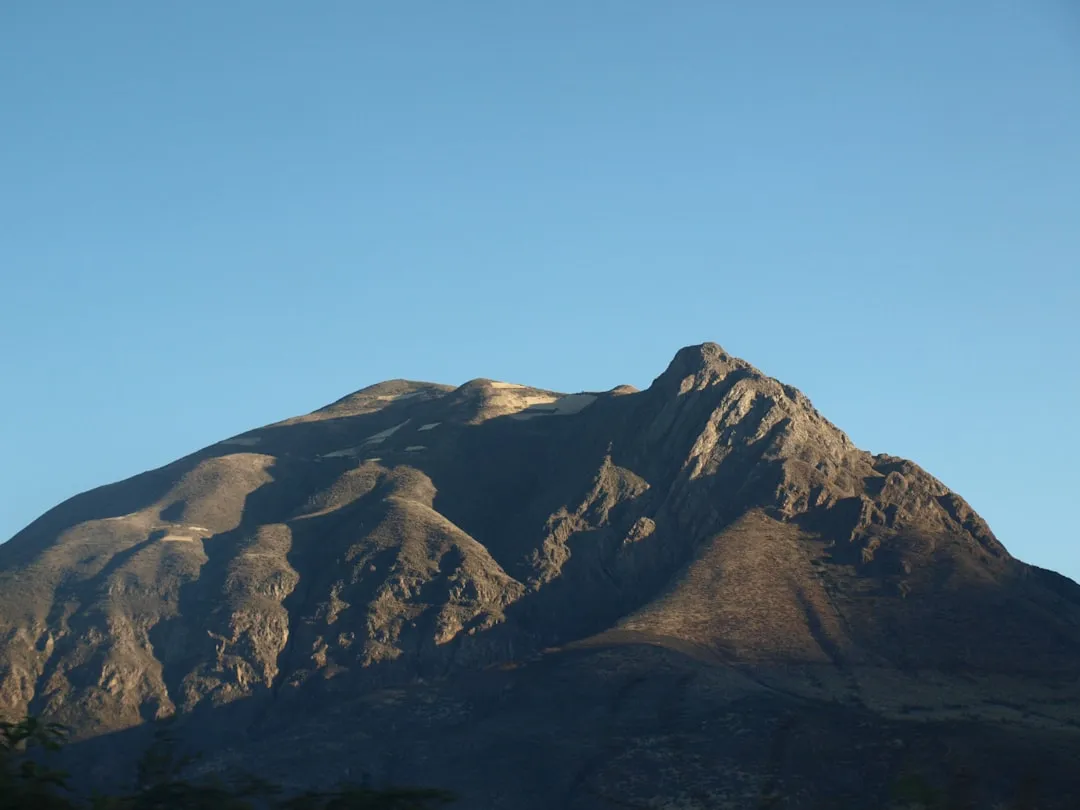
Intipunku Sun Gate Hike
The Intipunku Sun Gate Hike is a rewarding day walk within the iconic Machu Picchu citadel in Peru. This trail leads to the Intipunku (Quechua for "Sun Gate"), the original entrance to Machu Picchu for those arriving via the Inca Trail. Offering spectacular panoramic views of the ancient city and the surrounding Urubamba Valley, this hike is a must-do for visitors seeking a deeper appreciation of the Inca's architectural genius and their connection to the cosmos. The path is well-maintained, making it accessible to most fitness levels, and provides a unique perspective on the vastness and strategic placement of this UNESCO World Heritage site.
- Distance: 12.0 km (round trip)
- Elevation Gain: 290 m
- Duration: 4-6 hours (including time at Intipunku)
- Season: April to October (dry season)
- Difficulty: Moderate
- Closest City: Aguas Calientes
- Trailhead Access: Inside Machu Picchu citadel; requires Machu Picchu entrance ticket and potentially a separate timed entry for the Inca Trail sector if starting from that specific point.
Overview
The Intipunku Sun Gate Hike offers a journey back in time, tracing a segment of the ancient Inca Trail that once served as the primary gateway to the magnificent citadel of Machu Picchu. This moderate day walk begins from within the Machu Picchu archaeological site itself, ascending gradually towards the Sun Gate, known as Intipunku in the Quechua language. As you climb, the iconic views of Machu Picchu unfold below, providing an ever-expanding perspective of its intricate terraces, temples, and residential areas nestled dramatically between the peaks of Huayna Picchu and Machu Picchu mountain.
The trail itself is a testament to Inca engineering, a stone-paved path that winds its way up the mountainside. Along the route, you'll encounter remnants of the ancient road system, offering glimpses into the sophisticated infrastructure that connected the Inca Empire. The ascent is steady, allowing ample opportunity to pause, acclimatise, and absorb the breathtaking scenery. The air grows thinner as you gain elevation, and the sounds of the citadel below gradually fade, replaced by the whispers of the wind and the calls of local birds.
Upon reaching Intipunku, the reward is immense. This natural vantage point offers an unparalleled, sweeping vista of Machu Picchu. From here, you can truly appreciate the scale and strategic placement of the citadel, perched high in the Andes. It's a place where the Incas meticulously aligned their structures with celestial events, and standing at the Sun Gate, one can feel a profound connection to their astronomical knowledge and spiritual beliefs. The gate itself is a simple stone structure, but its significance as the historical entry point for Inca Trail pilgrims is palpable. The return journey offers a different perspective, allowing you to re-examine the citadel from various angles as you descend.
This hike is more than just a physical ascent; it's an immersion into the history, culture, and natural beauty of the Sacred Valley. It provides a unique opportunity to experience Machu Picchu from a different vantage point, one that was central to the lives of the Incas who built and inhabited this extraordinary place.
History and Cultural Context
Intipunku, the Sun Gate, holds a place of profound historical and spiritual significance within the context of Machu Picchu. For centuries, it served as the ceremonial entrance to the citadel for those who completed the arduous journey along the Inca Trail. This ancient pilgrimage route, a marvel of Inca engineering, connected the Sacred Valley with Machu Picchu, traversing diverse Andean landscapes, including cloud forests, high mountain passes, and agricultural terraces.
The Inca Trail was not merely a physical pathway; it was a sacred route imbued with spiritual meaning. Pilgrims, often travelling for days or weeks, would approach Machu Picchu through Intipunku, a symbolic threshold marking their arrival at this sacred city. The gate's name, "Sun Gate," reflects the Inca's deep reverence for the sun god, Inti, and their sophisticated understanding of astronomy. Intipunku is strategically positioned to capture the first rays of the sun during the winter solstice, a significant event in the Inca calendar, highlighting the site's astronomical importance.
The construction of Machu Picchu itself, believed to have been built in the mid-15th century during the reign of the Inca emperor Pachacuti, was a monumental undertaking. The choice of location, high in the Andes and surrounded by dramatic peaks, was deliberate, offering both strategic defence and a profound connection to the natural world. The Incas were master stonemasons, and the precision with which they cut and fitted the stones, without the use of mortar, is still awe-inspiring today. The Intipunku trail, paved with precisely cut stones, is a testament to their skill and dedication.
When Hiram Bingham III rediscovered Machu Picchu in 1911, he initially believed Intipunku to be the main entrance. While subsequent research has revealed other access points and the complexity of the Inca road network, Intipunku remains a vital historical marker and a powerful symbol of the Inca's connection to the sun and the sacred landscape. Today, hiking to Intipunku allows visitors to walk in the footsteps of ancient pilgrims and gain a unique perspective on the grandeur and spiritual essence of Machu Picchu.
Seasonal Highlights and Weather Reality
The Intipunku Sun Gate Hike is best enjoyed during Peru's dry season, which typically runs from April to October. This period offers the most favourable weather conditions for hiking and exploring Machu Picchu.
April to May (Shoulder Season): These months mark the transition from the wet season to the dry season. While there's a chance of lingering rain, the landscapes are incredibly lush and green. The crowds are generally smaller than in the peak months, and the air is crisp and pleasant. The sunrises can be particularly beautiful, casting a golden light over the citadel.
June to August (Peak Dry Season): This is the most popular time to visit Machu Picchu and hike to Intipunku. The weather is typically sunny and dry, with clear blue skies offering excellent visibility. However, this is also the busiest period, so expect larger crowds at Machu Picchu and on the trail. Temperatures can be cooler, especially in the mornings and evenings, so layers are essential.
September to October (Shoulder Season): As the dry season draws to a close, the weather remains generally good, with sunny days and cooler temperatures. The crowds begin to thin out, making it a pleasant time to visit. The vegetation may be drier, but the views remain spectacular.
November to March (Wet Season): This period is characterised by heavy rainfall, which can significantly impact visibility and trail conditions. While the rain can make the landscape incredibly vibrant and the waterfalls more dramatic, it also increases the risk of landslides and can lead to trail closures. The Inca Trail itself is closed for maintenance in February. If you choose to visit during the wet season, be prepared for damp conditions, carry waterproof gear, and check trail status regularly.
Weather Considerations: Even during the dry season, the Andean weather can be unpredictable. Mornings can be cool and misty, giving way to warm sunshine, and afternoon showers are not uncommon. It's crucial to be prepared for a range of conditions, regardless of the season. The altitude also means that temperatures can fluctuate significantly throughout the day.
Recommended Itinerary
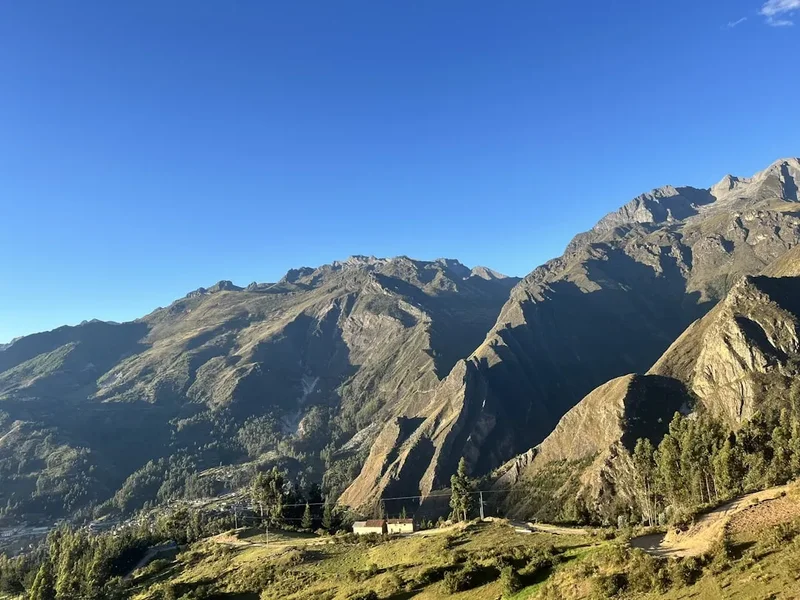
Intipunku Sun Gate Hike - Day Itinerary
Early Morning (Approx. 6:00 AM - 7:00 AM): Arrival and Entry to Machu Picchu
- Arrive in Aguas Calientes (Machu Picchu Pueblo) the night before to maximise your time.
- Take one of the first buses up to the Machu Picchu citadel entrance (buses start running around 5:30 AM).
- Present your pre-booked Machu Picchu entrance ticket and passport at the gate.
- Ensure you have your timed entry slot confirmed.
Morning (Approx. 7:00 AM - 9:00 AM): Begin the Ascent to Intipunku
- Locate the trailhead for the Intipunku hike. This is typically well-signposted within the Machu Picchu site, often near the Guardhouse or the start of the Inca Trail sector.
- Begin your ascent on the stone-paved path. The initial section may involve some stairs and uneven terrain.
- The trail gradually winds upwards, offering increasingly impressive views of the main Machu Picchu citadel below.
- Take your time, pause to admire the architecture and the surrounding valley.
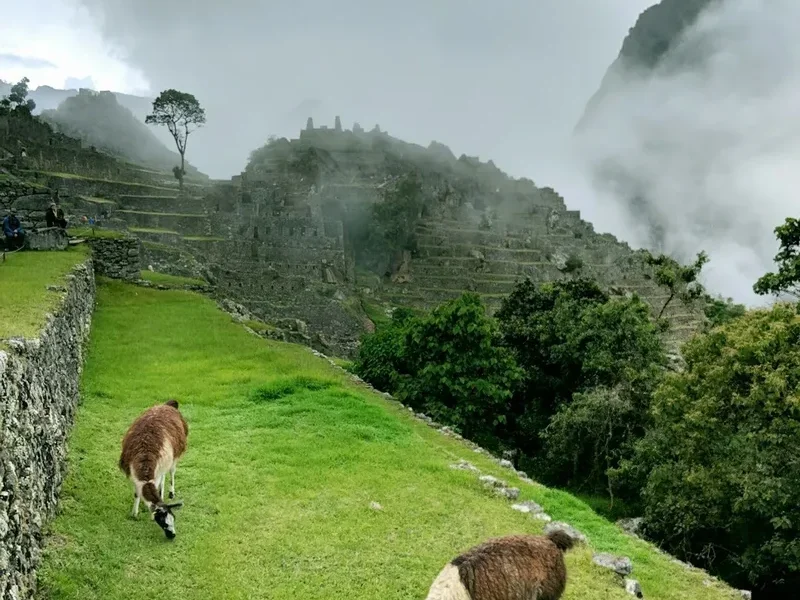
- Keep an eye out for llamas grazing on the terraces.
Midday (Approx. 9:00 AM - 11:00 AM): Reaching Intipunku (The Sun Gate)
- Continue your steady climb. The path becomes more defined as you leave the immediate vicinity of the main ruins.
- The air will feel thinner, and you may notice a slight increase in your heart rate.
- As you approach Intipunku, the panoramic views become truly spectacular.
- Arrive at Intipunku, the Sun Gate. This is a natural vantage point with stone structures that historically marked the entrance.
- Spend ample time here, soaking in the breathtaking 360-degree views of Machu Picchu, Huayna Picchu, and the Urubamba River valley far below.
- Take photographs and reflect on the historical significance of this location.
Afternoon (Approx. 11:00 AM - 1:00 PM): Descent and Exploration of Machu Picchu
- Begin your descent back towards the main Machu Picchu citadel.
- The return journey offers a different perspective on the landscape.
- Once back within the main citadel, you can continue your exploration of Machu Picchu's various sectors, temples, and plazas.
- Allow ample time to explore the main ruins thoroughly after your hike.
Late Afternoon (Approx. 1:00 PM onwards): Departure from Machu Picchu
- Exit the Machu Picchu citadel within your allocated time slot.
- Take the bus back down to Aguas Calientes.
- Enjoy a well-deserved meal in Aguas Calientes before your onward journey.
Important Notes:
- This hike is typically done as part of a visit to Machu Picchu. You will need a valid Machu Picchu entrance ticket.
- If you are hiking the full Inca Trail, Intipunku is your arrival point on Day 4. This description is for a day hike from within Machu Picchu.
- Carry plenty of water and snacks.
- Wear sturdy, comfortable walking shoes.
- Sun protection (hat, sunscreen, sunglasses) is essential.
- Be prepared for changing weather conditions.
- Respect the archaeological site and stay on marked paths.
Planning and Bookings
Book Your Trip
Everything you need to plan your journey
Accommodation
Find places to stay near Aguas Calientes
Flights
Search flights to Aguas Calientes
Essential Preparation
The Intipunku Sun Gate Hike is an integral part of visiting Machu Picchu, and therefore, planning revolves around securing entry to the citadel itself. Advance booking is absolutely essential, often months in advance, especially during the peak dry season (June to August). You will need to purchase a timed entry ticket for Machu Picchu. There are different ticket types, some of which include access to Huayna Picchu or Machu Picchu Mountain, but all include access to the main citadel and the trails within it, including the path to Intipunku.
The closest town to Machu Picchu is Aguas Calientes (also known as Machu Picchu Pueblo). Most visitors stay overnight in Aguas Calientes the night before their visit to Machu Picchu to allow for an early start. Aguas Calientes is accessible by train from Cusco or Ollantaytambo. The train journey itself is a scenic experience. From Aguas Calientes, frequent shuttle buses run up the winding road to the Machu Picchu entrance. These buses begin operating very early in the morning, allowing visitors to be among the first to enter the site.
It is crucial to book your Machu Picchu entrance tickets and train tickets well in advance. Websites like the official Peruvian Ministry of Culture portal or reputable tour operators are the primary channels for booking. Ensure you have your passport details ready for booking, as they will be printed on your ticket.
Trail Accommodation
This is a day hike requiring no overnight accommodation on the trail itself. All visitors undertaking the Intipunku Sun Gate Hike will be staying in Aguas Calientes the night before and will depart from Machu Picchu back to Aguas Calientes at the end of the day.
Aguas Calientes Accommodation:
- Types: Aguas Calientes offers a wide range of accommodation options, from budget-friendly hostels and guesthouses to mid-range hotels and luxury lodges.
- Booking: It is highly recommended to book your accommodation in Aguas Calientes in advance, especially during peak season, to secure your preferred choice and price.
- Facilities: Most accommodations provide standard hotel amenities such as private bathrooms, Wi-Fi (often with varying reliability), and breakfast.
- Seasonal Availability: Accommodation is available year-round, though prices may fluctuate based on demand.
- Costs: Prices vary significantly, ranging from approximately US$20-30 per night for basic hostels to US$100+ for higher-end hotels.
Required Gear
- Sturdy walking shoes: Comfortable, broken-in hiking boots or trail shoes with good grip are essential for navigating the stone paths and uneven terrain.
- Waterproof jacket: Andean weather can change rapidly. A lightweight, breathable waterproof jacket is crucial for protection against sudden rain showers.
- Backpack: A small daypack (20-30 litres) to carry essentials like water, snacks, camera, and extra layers.
- Sun protection: A wide-brimmed hat, sunglasses, and high SPF sunscreen are vital due to the strong equatorial sun at altitude.
- First-aid kit: Include blister treatment, pain relievers, antiseptic wipes, and any personal medications.
- Insect repellent: While not as prevalent as in the Amazon, mosquitoes can be present, especially in warmer months.
- Camera: To capture the incredible views and historical sites.
- Passport: You will need your passport to enter Machu Picchu and for your train tickets.
What to Bring
- Water: Carry at least 1.5-2 litres of water per person. Refill stations are not readily available on the trail itself, though some may be found within the main Machu Picchu citadel.
- Food: Pack high-energy snacks such as trail mix, energy bars, fruit, and sandwiches. There are no food vendors on the trail to Intipunku. Limited food options are available within the main Machu Picchu citadel, but they are expensive.
- Toiletries: Hand sanitiser, tissues, and any personal hygiene items. Biodegradable options are preferred.
- Cash: Peruvian Soles (PEN) for any small purchases in Aguas Calientes or for tips. Credit card facilities may be limited in smaller establishments.
- Portable charger: For your phone or camera, as you'll be taking many photos.
- Rain cover for backpack: To protect your belongings from rain.
- Walking poles (optional): Can be helpful for stability on the descent, especially if you have knee issues.
Permits
To hike to Intipunku, you must have a valid entrance ticket to the Machu Picchu citadel. These tickets are strictly timed and must be purchased in advance, often several months ahead, especially for visits during the peak season (June to August) and for specific circuits that include Huayna Picchu or Machu Picchu Mountain.
Types of Machu Picchu Tickets:
- Machu Picchu Solo: Grants access to the main citadel and the Intipunku trail. This is the most common ticket.
- Machu Picchu + Huayna Picchu: Includes access to the citadel and the challenging hike up Huayna Picchu. This ticket also grants access to Intipunku.
- Machu Picchu + Machu Picchu Mountain: Includes access to the citadel and the hike up Machu Picchu Mountain. This ticket also grants access to Intipunku.
- Machu Picchu + Inca Bridge: Includes access to the citadel and the Inca Bridge. This ticket also grants access to Intipunku.
Booking Process:
- Official Website: The most reliable place to book is the official website of the Peruvian Ministry of Culture (machupicchu.gob.pe).
- Tour Operators: Reputable tour operators can assist with booking tickets, often as part of a package that includes trains and accommodation.
- Advance Purchase: Tickets sell out quickly. It is strongly advised to book at least 3-6 months in advance for peak season travel.
- Passport Details: You will need your passport number to book your ticket, as it will be printed on your entry pass.
Important Considerations:
- Timed Entry: Tickets are issued for specific entry times. Arrive at the Machu Picchu entrance within your allocated window.
- Circuit Restrictions: Some ticket types may restrict you to specific circuits within the citadel. Ensure your chosen circuit allows access to the Intipunku trail.
- No On-Site Purchase: Tickets are generally not available for purchase at the Machu Picchu entrance.
Other Activities in the Area
Beyond the Intipunku Sun Gate Hike, the Machu Picchu region and its surroundings offer a wealth of activities and experiences:
- Exploring the Machu Picchu Citadel: Dedicate ample time to thoroughly explore the main archaeological site. Visit the Temple of the Sun, the Intihuatana stone, the Temple of the Three Windows, and the agricultural terraces.
- Hiking Huayna Picchu: For the adventurous, the steep and challenging hike up Huayna Picchu (the iconic peak behind Machu Picchu) offers incredible, albeit vertigo-inducing, views. This requires a separate, limited ticket booked well in advance.
- Hiking Machu Picchu Mountain: A longer, less steep but equally rewarding hike up the mountain adjacent to the citadel, offering expansive views of Machu Picchu and the surrounding landscape. This also requires a specific ticket.
- Visiting the Inca Bridge: A short, relatively flat walk from the main citadel leads to a section of the Inca Trail that includes a precarious wooden bridge built into the cliff face.
- Museum of the Site (Museo de Sitio Manuel Chávez Ballón): Located near the entrance to Machu Picchu, this small museum provides context and displays artifacts found at the site.
- Aguas Calientes Hot Springs: Relax and rejuvenate in the natural hot springs that give Aguas Calientes its name.
- Exploring Aguas Calientes Town: Wander through the bustling streets of Aguas Calientes, browse local markets for souvenirs, and enjoy the diverse culinary offerings.
- Day Trip to Ollantaytambo: Visit the impressive Inca fortress and town of Ollantaytambo in the Sacred Valley, a significant archaeological site and a living Inca town.
- Sacred Valley Tour: Embark on a full-day tour of the Sacred Valley, visiting sites like Pisac (with its famous market and ruins) and the Maras salt mines.
Safety and Conditions
Altitude Sickness (Soroche): Machu Picchu is situated at an altitude of approximately 2,430 metres (2,429 m). While not extremely high, some visitors can experience symptoms of altitude sickness. It is advisable to acclimatise in Cusco (3,400 m) or the Sacred Valley for a day or two before visiting Machu Picchu. Stay hydrated, avoid alcohol and heavy meals on your first day at altitude, and consider consulting your doctor about altitude medication.
Trail Conditions: The trail to Intipunku is generally well-maintained and paved with Inca stones. However, it can be uneven, steep in sections, and slippery when wet. Wear appropriate footwear with good grip.
Weather: Andean weather is notoriously unpredictable. Be prepared for sunshine, rain, and wind, even within the same day. Carry layers of clothing and waterproof gear.
Hydration and Nutrition: Carry sufficient water and snacks, as there are no facilities along the trail to Intipunku. Dehydration can exacerbate altitude sickness symptoms.
Crowds: Machu Picchu and the Intipunku trail can be very crowded, especially during peak season. Be patient, stay aware of your surroundings, and follow the instructions of the site guides and guards.
Respecting the Site: Machu Picchu is a fragile archaeological site. Stay on marked paths, do not touch or climb on the ruins, and do not remove any stones or artifacts. Follow the guidelines provided by park officials.
Emergency Procedures: In case of a medical emergency, alert a park ranger or guide immediately. There are first-aid stations within the main Machu Picchu citadel. For serious emergencies, evacuation may be necessary, which can be complex and costly.
Side Trips and Points of Interest
The Intihuatana Stone: Located within the main Machu Picchu citadel, this enigmatic carved stone is believed to have been an astronomical clock or calendar. Its name translates to "Hitching Post of the Sun." It's a focal point for understanding the Incas' celestial observations.
Temple of the Sun: A semi-circular structure built with exquisite stonework, believed to have been used for astronomical observations and religious ceremonies dedicated to Inti, the sun god. Its alignment with the solstice sun is remarkable.
The Sacred Plaza: This central area of Machu Picchu is surrounded by important structures like the Temple of the Three Windows and the Principal Temple, showcasing the finest Inca masonry.
The Agricultural Terraces: These vast, stepped terraces are a marvel of Inca engineering, designed to maximise arable land on the steep mountainsides and prevent erosion. They demonstrate the Incas' advanced understanding of agriculture and landscape management.
The Guardhouse (Casa del Vigilante): Situated at a high point overlooking the citadel, the Guardhouse offers one of the most iconic and photographed views of Machu Picchu. It's a great spot to orient yourself and appreciate the overall layout of the site.
The Inca Bridge: A short, relatively easy walk from the main citadel leads to a section of the Inca Trail that features a dramatic wooden bridge built precariously into the cliff face. It's a testament to the Incas' engineering prowess and their ability to navigate challenging terrain.
Leave No Trace
Visiting Machu Picchu and hiking to Intipunku is a privilege, and it is essential to practice Leave No Trace principles to help preserve this incredible UNESCO World Heritage site for future generations.
1. Plan Ahead and Prepare: Research the site regulations, book tickets and accommodation in advance, and pack appropriately for the weather and terrain. Understand the cultural significance of the site.
2. Travel and Camp on Durable Surfaces: Stay on the designated trails and pathways within Machu Picchu and on the route to Intipunku. Avoid walking on or disturbing the delicate vegetation and archaeological structures.
3. Dispose of Waste Properly: Pack out everything you pack in. This includes all food wrappers, fruit peels, and any other trash. There are limited waste disposal facilities within the citadel, so it's best to carry your rubbish back down to Aguas Calientes.
4. Leave What You Find: Do not remove any stones, plants, or artifacts from the site. These are protected historical and natural elements.
5. Minimize Campfire Impacts: Campfires are not permitted within Machu Picchu or on the trail to Intipunku.
6. Respect Wildlife: Observe any wildlife (like llamas or birds) from a distance. Do not feed them, as this can disrupt their natural behaviour and diet.
7. Be Considerate of Other Visitors: Keep noise levels down, especially in quiet areas. Allow others to enjoy the experience. Be patient and courteous, particularly in crowded areas.
By adhering to these principles, you contribute to the long-term preservation of Machu Picchu and ensure that its magic can be experienced by generations to come.