
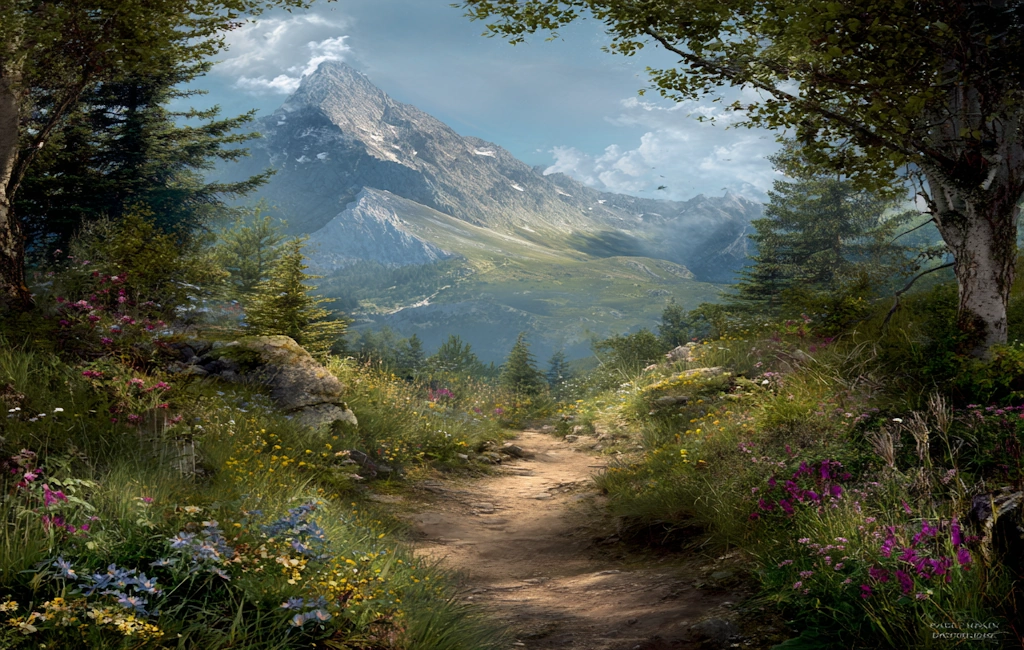
Ingleborough via Clapham - Yorkshire Dales Gem
Ingleborough, one of the Yorkshire Dales' most iconic peaks, offers a rewarding and accessible mountain experience. This description focuses on the popular route starting from the picturesque village of Clapham, providing a comprehensive guide for walkers seeking to conquer this magnificent limestone plateau. The ascent from Clapham is a classic Dales walk, taking you through charming countryside, past dramatic geological features, and ultimately to the summit of one of England's most recognisable hills. While not as technically demanding as some mountain routes, Ingleborough requires a good level of fitness and preparation, especially given its exposed summit plateau and the potential for rapidly changing weather conditions.
- Distance: 12.0 km (approximate, depending on exact route taken)
- Elevation Gain: 730 m
- Duration: 4-5 hours (walking time, excluding breaks)
- Difficulty: Challenging (due to elevation gain and exposed summit)
- Best Time: April to October (for best weather and visibility)
- Closest Village: Clapham
- Trailhead Access: Parking available in Clapham village (pay and display). Nearest major airport is Leeds Bradford (LBA), approximately 1.5 hours drive. Train access to Clapham station is limited; bus services are available.
- Permits: No permits required for this walk.
Overview
The ascent of Ingleborough from Clapham is a quintessential Yorkshire Dales experience. The route begins gently, winding through the delightful village and then following the babbling Clapham Beck. This initial section is relatively flat and passes through pleasant farmland, offering a gentle introduction to the landscape. As you progress, the path begins to climb more steadily, leading you towards the dramatic geological formations that characterise the approach to the mountain. Key landmarks include the impressive Ingleborough Show Cave and the natural arch of Gaping Gill, a colossal pothole that plunges over 100 metres into the earth. The final ascent to the summit is a steep, well-trodden path, often involving a scramble over rocky terrain. The summit itself is a vast, flat plateau, crowned by an ancient Iron Age settlement and a distinctive trig point. The panoramic views from the top are spectacular, encompassing much of the Yorkshire Dales, the Lake District fells in the distance, and on a clear day, even the Lancashire coast.
Ingleborough's unique geological makeup, primarily composed of Carboniferous Limestone, has shaped its distinctive landscape. The summit plateau is a testament to millennia of erosion, featuring numerous limestone pavements, sinkholes, and underground drainage systems. The mountain's conical shape, a result of differential erosion, makes it a prominent landmark visible from miles around. The walk offers a fascinating journey through varied terrain, from verdant valleys and woodland to the stark, exposed environment of the high moorland. The challenge lies not only in the sustained climb but also in the potential for unpredictable weather, which can transform the summit experience from one of breathtaking vistas to one of limited visibility and harsh conditions.
This route is popular with a wide range of walkers, from families seeking a challenging day out to seasoned hikers. Its accessibility from Clapham, combined with the sheer grandeur of the mountain and the rewarding summit views, makes it a must-do for anyone visiting the Yorkshire Dales National Park. Proper planning and preparation are essential to ensure a safe and enjoyable ascent.
History and Cultural Context
Ingleborough has been a significant landmark for millennia, its prominent position and the resources it offered making it a focal point for human activity since prehistoric times. The summit plateau bears the unmistakable signs of ancient settlement, most notably the extensive remains of an Iron Age hillfort. This fortified settlement, with its complex system of ramparts and ditches, speaks to the strategic importance of the mountain in ancient times, likely serving as a defensive stronghold and a centre for community life. Artefacts found on the summit suggest occupation dating back to the late Bronze Age and Iron Age, with evidence of roundhouses and other structures.
The name "Ingleborough" itself is thought to have Old Norse origins, possibly deriving from "Ingel's fort" or "Ing's hill," referring to a Norse god or chieftain. This linguistic link highlights the layers of history present in the Dales, from the indigenous peoples who first settled the land to the Vikings who later left their mark.
In more recent centuries, Ingleborough has been a source of limestone, quarried for building materials and agricultural lime. The landscape around Clapham also bears the imprint of agricultural practices, with drystone walls crisscrossing the lower slopes, a testament to the enduring relationship between the Dales' communities and their land. The development of tourism in the Victorian era saw Ingleborough become a popular destination for "gentlemen climbers" and sightseers, drawn by its natural beauty and the challenge of its ascent. The establishment of paths and the provision of guides facilitated access, cementing its status as a classic Dales walk.
The area's geological wonders, such as Gaping Gill and Ingleborough Show Cave, have also played a role in its history, attracting explorers and naturalists. The Show Cave, in particular, has been a tourist attraction for over a century, offering a glimpse into the subterranean world beneath the limestone plateau.
Seasonal Highlights and Weather Reality
The best time to tackle Ingleborough via Clapham is generally from April to October. During these months, the weather is typically milder, and daylight hours are longer, allowing for a more comfortable and safer ascent. The surrounding countryside is at its most vibrant, with spring wildflowers and summer greenery adding to the visual appeal.
Spring (April-May): The landscape begins to awaken. Wild garlic and bluebells can be found in the woodlands near Clapham. The weather can be variable, with a mix of sunshine and showers, and occasional late frosts are possible at higher elevations. The mountain paths may still be damp from winter rains.
Summer (June-August): This is the most popular season, offering the best chance of clear, warm days and excellent visibility from the summit. The heather on the moorland may begin to bloom, adding splashes of purple to the landscape. However, summer can also bring thunderstorms, which can develop rapidly and pose a significant hazard on the exposed summit. Sandflies can be present, though generally less of an issue than in some other UK upland areas.
Autumn (September-October): The Dales take on a golden hue as the bracken and heather turn. The air is often crisp and clear, providing excellent long-distance views. However, daylight hours shorten, and the weather can become more unpredictable, with increasing chances of rain, wind, and fog. The final ascent can be slippery if wet.
Winter (November-March): While possible for experienced winter mountaineers with the correct equipment and navigation skills, walking Ingleborough in winter is a significantly more challenging undertaking. Snow and ice can make the paths treacherous, visibility can be extremely poor due to fog and low cloud, and strong winds can make conditions hazardous. The summit plateau can be particularly exposed. For most walkers, winter is best avoided unless they possess specific winter hillwalking experience.
Weather Considerations: Ingleborough is an exposed mountain, and weather conditions can change very rapidly. Always check the mountain forecast before setting out and be prepared for all eventualities, including rain, strong winds, and fog, even on a seemingly fine day. Hypothermia is a risk, even in summer, if you get wet and cold.
Recommended Itinerary
Ingleborough via Clapham - Day Walk Itinerary
Early Morning (Approx. 9:00 AM): Arrival and Start
- Arrive in Clapham village.
- Park your vehicle in the designated pay and display car park.
- Use the village facilities (toilets, perhaps a quick coffee).
- Begin the walk from the village centre, heading towards Clapham Beck.
Morning (Approx. 9:30 AM - 11:30 AM): Valley Walk and Initial Ascent
- Follow the well-maintained path alongside Clapham Beck.
- Pass through charming farmland, enjoying the pastoral scenery.
- The path leads towards the entrance of Ingleborough Show Cave.
- Continue on the path as it begins to climb more noticeably, entering woodland.
- Pass the turn-off for Gaping Gill (consider a brief detour if time and conditions permit, but be extremely cautious near the pothole edge).
- The path becomes steeper and rockier as you gain elevation.
Midday (Approx. 11:30 AM - 1:00 PM): Summit Ascent and Lunch
- The final push to the summit begins. This section is steep and can be challenging, often involving navigating over large stones and rocky steps.
- Take your time, pace yourself, and ensure you are well-hydrated.
- Reach the summit plateau.
- Find a sheltered spot (if possible) to enjoy your packed lunch and take in the panoramic views.
- Explore the Iron Age settlement remains and the trig point.
Afternoon (Approx. 1:00 PM - 3:00 PM): Descent and Return to Clapham
- Begin your descent, retracing your steps down the steep path.
- Exercise caution on the descent, as loose stones can make it slippery.
- Continue back through the woodland and farmland towards Clapham village.
- Arrive back in Clapham, where you can use the village facilities or visit a local pub.
Important Notes:
- This is a challenging walk due to the sustained elevation gain and the nature of the terrain, especially on the summit.
- Always check the weather forecast before you leave and be prepared for rapid changes.
- Wear sturdy walking boots with good ankle support.
- Carry sufficient water and high-energy snacks.
- A map and compass are recommended, even though the path is generally clear, especially for navigation in poor visibility.
- Inform someone of your walking plans and expected return time.
Planning and Bookings
Book Your Trip
Everything you need to plan your journey
Accommodation
Find places to stay near Clapham
Flights
Search flights to Clapham
Essential Preparation
Ingleborough via Clapham is a popular day hike that requires careful preparation to ensure a safe and enjoyable experience. The primary considerations are physical fitness, appropriate gear, and awareness of weather conditions. Clapham village serves as the ideal base, offering parking and basic amenities. For those travelling from further afield, nearby towns like Settle or Skipton provide a wider range of accommodation and services. It is advisable to check the weather forecast specifically for the Yorkshire Dales upland areas in the days leading up to your walk and on the morning of your ascent. Ensure you have a reliable method of checking the forecast on the day, as conditions can change rapidly. Planning your route and understanding the terrain, particularly the steep final ascent and the exposed summit plateau, is crucial. Allow ample time for the walk, including breaks for rest and refreshments, and factor in potential delays due to weather or slower progress.
Trail Accommodation
This is a day hike requiring no overnight accommodation. Clapham village offers limited facilities, primarily a pub and a tea room. For overnight stays, visitors typically base themselves in nearby towns such as Settle, Ingleton, or Skipton, which offer a range of hotels, guesthouses, bed and breakfasts, and caravan parks. These towns provide more extensive services, including shops, restaurants, and public transport links.
Required Gear
- Sturdy Walking Boots: Waterproof, with good ankle support and a well-worn sole for grip on rocky and potentially slippery terrain.
- Waterproof Jacket and Trousers: Essential for protection against rain and wind. Ensure they are breathable.
- Warm Layers: Including a fleece or wool jumper, and a base layer. Even in summer, the summit can be cold and windy.
- Hat and Gloves: For warmth and protection against wind chill, especially on the exposed summit.
- Backpack: A comfortable daypack (20-30 litres) to carry essentials.
- Navigation Tools: A map of the area (Ordnance Survey Explorer OL2 - Yorkshire Dales Southern & Western) and a compass. A GPS device or smartphone with offline maps can be a useful supplement, but should not be relied upon solely.
- First Aid Kit: Including blister plasters, bandages, antiseptic wipes, pain relievers, and any personal medication.
- Head Torch: With spare batteries, in case of unexpected delays or if starting early/finishing late.
What to Bring
- Food: Plenty of high-energy snacks such as energy bars, nuts, dried fruit, and sandwiches for lunch.
- Water: At least 1.5-2 litres of water per person. There are no reliable water sources on the upper slopes or summit that can be safely treated for drinking.
- Sun Protection: Sunscreen, sunglasses, and a sun hat, even on cloudy days, as UV radiation can be strong at higher altitudes.
- Mobile Phone: Fully charged, for emergency use. Note that mobile signal can be intermittent on the mountain.
- Whistle: For signalling in an emergency.
- Emergency Shelter: A lightweight emergency bivvy bag or foil blanket can be a lifesaver in unexpected situations.
- Walking Poles (Optional): Can help reduce strain on knees during the descent.
- Camera: To capture the stunning views.
Permits
No specific permits are required to walk Ingleborough via Clapham. The paths are public rights of way, and the mountain is accessible to all. However, it is important to note that while no permits are needed, responsible behaviour and adherence to the Countryside Code are expected. This includes respecting private land, keeping dogs under control, and not disturbing livestock or wildlife. The land is primarily agricultural and moorland, and walkers should be mindful of the impact they have on the environment and the local farming community. Parking in Clapham village is subject to a pay and display charge, which contributes to the upkeep of local amenities.
Other Activities in the Area
The area surrounding Ingleborough and Clapham offers a wealth of activities for visitors:
- Ingleborough Show Cave: Located near the start of the walk in Clapham, this impressive cave system offers guided tours showcasing stunning stalactites, stalagmites, and underground formations.
- Gaping Gill: A spectacular natural pothole with a vertical drop of over 100 metres. While direct access to the cave floor is usually only possible via organised caving expeditions, the view from the surface is awe-inspiring.
- White Scar Cave and Southerscales Cave: Located near Ingleton, these are further examples of the region's extensive cave systems, offering different geological features and visitor experiences.
- Ribblehead Viaduct: A magnificent Victorian railway viaduct, a short drive from Clapham, offering impressive engineering and scenic views.
- Malham Cove and Gordale Scar: Further afield in the southern Dales, these dramatic limestone features offer spectacular scenery and challenging walks.
- Settle and Skipton: These market towns provide opportunities for shopping, dining, and exploring local history, including Settle's historic market place and Skipton Castle.
- Cycling: The Yorkshire Dales offers numerous cycling routes, from gentle valley rides to more challenging off-road trails.
- Potholing and Caving: The Ingleton area is renowned as the "Caving Capital of the North," offering opportunities for guided caving and potholing adventures for the more adventurous.
Safety and Conditions
Weather: The most significant safety consideration for Ingleborough is the weather. Conditions on the summit can change rapidly and dramatically. Always check the MetOffice mountain forecast for the Yorkshire Dales before you set off. Be prepared for strong winds, heavy rain, fog, and even snow or ice at higher elevations, regardless of the season. Hypothermia is a real risk if you become wet and cold.
Navigation: While the main path from Clapham to the summit is generally well-trodden, it can be indistinct in poor visibility (fog, heavy rain, snow). Carrying a map and compass and knowing how to use them is essential. A GPS device or smartphone with offline maps can be a useful backup.
Terrain: The final ascent to the summit is steep and rocky. The summit plateau itself is a vast expanse of limestone pavement, with numerous fissures, sinkholes, and uneven ground. Exercise extreme caution, especially in low visibility, and avoid straying from the main paths. Gaping Gill is a particularly dangerous feature; maintain a safe distance from the edge.
Fitness: Ingleborough is a challenging walk with significant elevation gain. Ensure you are physically fit enough for a sustained climb and descent. Pace yourself, take regular breaks, and stay hydrated.
Equipment: Wearing appropriate footwear (sturdy, waterproof walking boots) and clothing (layers, waterproofs) is crucial for comfort and safety. Ensure you have sufficient food and water.
Emergencies: In case of an emergency, dial 999 or 112 and ask for Police, then Mountain Rescue. Be prepared to give your exact location (grid reference if possible), the nature of the emergency, and the number of people involved. Mobile phone signal can be unreliable on the mountain.
Livestock: You will likely encounter sheep and possibly cattle on the lower slopes. Keep dogs under strict control at all times, especially during lambing season, and do not disturb livestock.
Side Trips and Points of Interest
Ingleborough Show Cave: Located at the start of the walk in Clapham, this is a must-visit. The cave is beautifully illuminated and features impressive stalactites, stalagmites, and flowstones. Guided tours provide fascinating insights into the cave's formation and history.
Gaping Gill: A truly awe-inspiring natural wonder. This massive pothole, over 100 metres deep, is formed by the River Fell Beck disappearing underground. While access to the cave floor is typically restricted to organised caving trips, the view from the surface is spectacular. Be extremely cautious when approaching the edge; there are no safety barriers.
Iron Age Settlement: The summit of Ingleborough is crowned by the remains of a substantial Iron Age hillfort. You can explore the earthworks, ramparts, and the foundations of ancient dwellings, offering a tangible connection to the people who lived here thousands of years ago.
Trig Point: The summit is marked by a traditional Ordnance Survey trig point, providing a focal point for the vast panoramic views. It's a popular spot for photographs and a clear indicator that you've reached the highest point.
Limestone Pavements: The summit plateau is a classic example of limestone pavement, a landscape shaped by glacial action and subsequent erosion. The clints (blocks) and grykes (fissures) create a unique and fascinating terrain.
Views: On a clear day, the views from Ingleborough are exceptional. You can see across the Yorkshire Dales, towards the Lake District fells, the Forest of Bowland, and even the Lancashire coast. Landmarks such as Pen-y-ghent and Whernside (the other Yorkshire Three Peaks) are often visible.
Leave No Trace
Ingleborough, like all natural landscapes, deserves our respect and care. Practising Leave No Trace principles ensures that this beautiful area remains pristine for future generations to enjoy. As you walk, remember:
- Plan Ahead and Prepare: Know the route, check the weather, and pack appropriately.
- Travel and Camp on Durable Surfaces: Stick to the established paths to avoid damaging fragile vegetation, especially on the moorland and summit. Avoid creating new paths.
- Dispose of Waste Properly: Pack out everything you pack in, including all litter, food scraps, and anything else you bring with you. Use the bins provided in Clapham village if necessary.
- Leave What You Find: Do not take rocks, plants, or any other natural or historical items from the mountain. Leave the Iron Age remains undisturbed.
- Minimise Campfire Impacts: This is a day hike, so campfires are not applicable. However, if you were to camp elsewhere, always use a stove and avoid fires.
- Respect Wildlife: Observe wildlife from a distance and do not feed any animals, including sheep or birds.
- Be Considerate of Other Visitors: Keep noise levels down, yield to uphill walkers, and be courteous to fellow hikers and local residents.
By following these principles, you contribute to the preservation of Ingleborough's natural beauty and historical significance.