
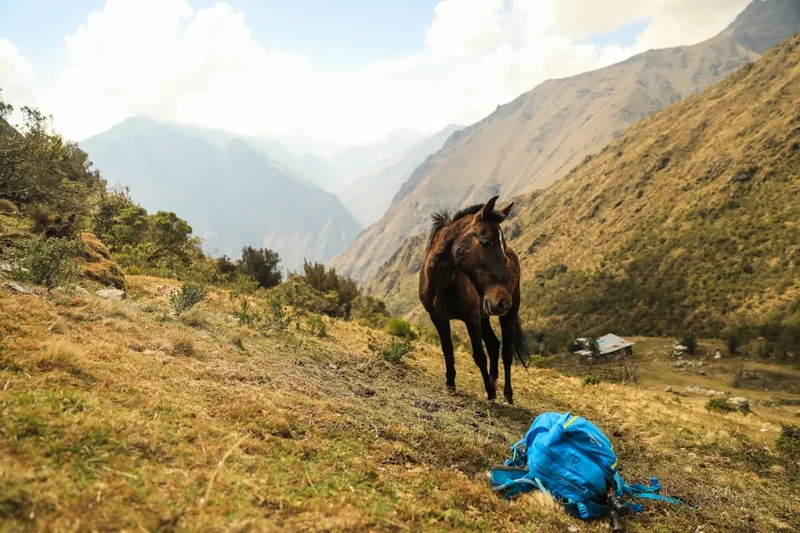
Inca Trail to Sun Gate - The Gateway to the Lost City
The hike to the Sun Gate, or Inti Punku in the native Quechua language, represents the emotional and spiritual crescendo of the Incan experience. Located at 2,720 metres above sea level, this ancient stone portal served as the primary fortress and control point for those entering the sacred citadel of Machu Picchu from the capital of Cusco. For modern travellers, the 12.0 km return journey offers a profound connection to the engineering brilliance of the Incan Empire, winding through high-altitude cloud forests and along original stone pathways that have withstood half a millennium of Andean weather. Unlike the steep, vertical challenge of Huayna Picchu, the trail to the Sun Gate follows a more gradual, rhythmic ascent, allowing walkers to immerse themselves in the dramatic topography of the Vilcanota Valley and the surrounding peaks of the Cordillera Vilcabamba.
Standing at the Sun Gate provides the only perspective from which the entire urban and agricultural sectors of Machu Picchu can be viewed in their geographical context, framed by the iconic silhouette of Huayna Picchu and the winding Urubamba River far below. It is a place of transition—where the wild, untamed jungle meets the precision of Incan masonry. This day walk is not merely a physical exercise but a journey through a landscape that the Incas considered the navel of the world. Whether you are arriving as the final steps of the multi-day Classic Inca Trail or embarking on a dedicated day hike from the citadel itself, the Sun Gate remains the most significant architectural landmark in the sanctuary, offering a panoramic reward that has captivated explorers, archaeologists, and pilgrims for centuries.
- Distance: 12.0 km return
- Duration: 4–6 hours
- Season: May–September (Dry season; accessible year-round except February)
- Elevation Gain: 290 m
- Highest Point: Inti Punku (2,720 m)
- Difficulty: Moderate (due to altitude and uneven stone steps)
- Trailhead: Machu Picchu Citadel (Upper Terrace)
Overview
The Inca Trail to the Sun Gate is a masterclass in ancient landscape architecture. The route follows a section of the Qhapaq Ñan—the vast Incan road system that once spanned over 30,000 kilometres across the South American continent. This specific branch was designed with both defensive and ceremonial purposes in mind. As you depart from the manicured terraces of the Machu Picchu citadel, the trail transitions into a rugged, stone-paved path that clings to the side of Machu Picchu Mountain. The gradient is remarkably consistent, a testament to the Incan engineers' understanding of human physiology and their ability to move large groups of people and llamas across vertical terrain without causing exhaustion.
The environment is a classic example of the Peruvian "Ceja de Selva" or "Eyebrow of the Jungle." This high-altitude cloud forest is characterised by high humidity, frequent mist, and an incredible density of flora. Walkers will find themselves surrounded by over 300 species of orchids, many of which are endemic to this microclimate, alongside giant ferns and bromeliads that cling to the granite cliffs. The air is thin but rich with the scent of damp earth and tropical vegetation. To the left, the mountain rises steeply toward the summit of Machu Picchu Mountain; to the right, the ground drops away into the abyss of the Urubamba Gorge, where the river appears as a silver thread 500 metres below.
The final approach to the Sun Gate involves a series of wider stone steps that lead to a collection of roofless stone structures. These buildings once housed the elite Incan guard who monitored access to the sanctuary. Passing through the gate itself is a transformative experience; the view of the citadel does not appear gradually but is revealed all at once as you crest the final step. This "reveal" was an intentional design element by the Incan architects, meant to inspire awe in those approaching the sacred city. The 12.0 km journey (6.0 km each way) provides ample time to appreciate the silence of the mountains, away from the crowded lower circuits of the ruins, making it one of the most rewarding day walks in the Southern Hemisphere.
History and Cultural Context
The Sun Gate (Inti Punku) was the strategic "front door" to Machu Picchu during the height of the Incan Empire in the 15th and 16th centuries. Built under the reign of the Sapa Inca Pachacuti, the visionary leader who transformed the Incan Kingdom into a sprawling empire, the gate served as a customs house and a military checkpoint. Because Machu Picchu was a royal estate and a religious sanctuary, access was strictly controlled. Only the nobility, priests, and specially sanctioned workers were permitted to pass through Inti Punku. The architecture of the gate reflects this importance; the stonework is of a higher quality than the surrounding agricultural structures, featuring the characteristic trapezoidal windows and niches that define imperial Incan style.
The name "Inti Punku" translates to "Gate of the Sun," a reference to its astronomical significance. During the Winter Solstice (June 21st in the Southern Hemisphere), the sun rises directly through the notch of the gate when viewed from specific points within the citadel, such as the Temple of the Sun. This alignment was not accidental; the Incas were master astronomers who used the movement of celestial bodies to dictate their agricultural calendar and religious festivals. The Sun Gate was the point where the celestial and the terrestrial met, marking the boundary between the mundane world and the sacred space of the sanctuary.
When the Spanish conquistadors arrived in Peru, they never discovered Machu Picchu, largely because the Incas strategically abandoned the site and destroyed sections of the access trails to protect its location. For centuries, the Sun Gate sat in silence, slowly being reclaimed by the cloud forest. It wasn't until Hiram Bingham's "scientific discovery" in 1911 that the world became aware of the site's existence. Bingham himself walked through the Sun Gate, describing the view as "a dream-like vision." Today, the trail is protected as part of the Machu Picchu Historic Sanctuary, a UNESCO World Heritage site, and remains a vital link to the living culture of the Quechua people who still inhabit the surrounding valleys and maintain a deep spiritual connection to these "Apus" (mountain spirits).
Want more background? Read extended notes on history and cultural context → Learn more
Seasonal Highlights and Weather Reality
The weather at the Sun Gate is dictated by the distinct wet and dry seasons of the Peruvian Andes. Because the trail sits on the edge of the Amazon basin, weather patterns can be unpredictable, often changing from brilliant sunshine to dense fog within minutes. Understanding these cycles is crucial for planning a successful hike and ensuring the best possible views of the citadel.
Dry Season (May to September): This is the most popular time to visit. Days are typically characterised by clear blue skies and intense solar radiation. The visibility from the Sun Gate is at its peak, offering crisp views of the surrounding glaciers like Salkantay and Veronica. However, this is also the coldest time of year; while daytime temperatures can reach 20°C, early morning temperatures at the trailhead can hover near freezing. This is also the peak tourist season, meaning the trail will be at its most crowded.
Shoulder Seasons (April and October): These months offer a gamble that often pays off. The landscape is lush and green following the rains, and the orchid blooms are particularly spectacular. You will encounter fewer people on the trail, but you must be prepared for afternoon rain showers. The mist during these months can create a mystical atmosphere, with the ruins appearing and disappearing through the clouds.
Wet Season (November to March): During these months, heavy rain is a daily occurrence. The trail can become slippery, and the Sun Gate is frequently shrouded in "white-out" conditions where the citadel is completely invisible. February is the wettest month, and while the Sun Gate trail itself doesn't always close, the Classic 4-day Inca Trail is closed for maintenance. If you hike during the wet season, high-quality waterproof gear is non-negotiable, and you should aim to reach the gate as early as possible before the afternoon clouds build up.
Recommended Itinerary
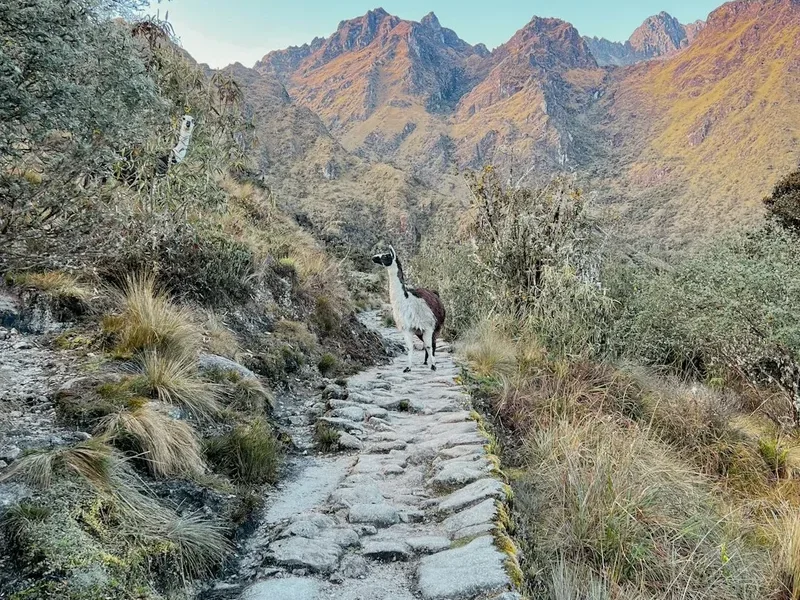
Inca Trail to Sun Gate Day Hike
Early Morning: The Approach
- 05:30 – 06:30: Depart from Aguas Calientes (Machu Picchu Pueblo) via the shuttle bus. The 25-minute journey climbs the Hiram Bingham switchbacks to the sanctuary entrance.
- 07:00: Enter the Machu Picchu Sanctuary. Ensure you have your passport and the correct ticket (Circuit 1 or 2 is traditionally required for the Sun Gate access).
- 07:15: Begin the walk from the "Agricultural Sector" near the Caretaker’s Hut (Guardhouse). This is the classic postcard viewpoint and serves as the unofficial start of the Sun Gate trail.
- Follow the wooden signs marked "Inti Punku" or "Sun Gate." The path begins as a wide, gravelled track before transitioning into original Incan stone paving.
Mid-Morning: The Ascent
- 07:30 – 08:30: Steady climbing along the flank of Machu Picchu Mountain. The trail is a gradual incline with occasional sets of stone stairs.
- Pass through several smaller Incan terraces and ritual niches built into the cliffside.
- Take time to observe the flora; this section of the trail is famous for its wild orchids and the occasional sighting of the Andean Guan (a large, turkey-like bird).
- The trail narrows in sections, with steep drops to the right. While the path is wide enough for safety, those with severe vertigo should stay close to the mountain wall.
Late Morning: Reaching Inti Punku
- 09:00: Arrive at the Sun Gate (Inti Punku). The final approach is a short, steep set of stairs that leads directly into the stone portal.
- Spend 30–45 minutes exploring the ruins at the gate. There are several platforms perfect for photography and resting.
- From this vantage point, you can see the "U" shape of the Urubamba River as it circles the base of the mountain.
- Observe the arrival of the 4-day Inca Trail hikers; for them, this is the end of a 45 km journey, and the atmosphere is often celebratory.
Midday: The Return and Exploration
- 10:00: Begin the descent back toward the citadel. The return journey is much faster but requires care on the uneven stones to avoid ankle injuries.
- 11:30: Re-enter the main Machu Picchu ruins. Use the remainder of your permit time to explore the lower circuits, including the Temple of the Condor and the Main Plaza.
- 13:00: Exit the sanctuary and take the bus back down to Aguas Calientes for a well-earned lunch.
Important Notes:
- The trail is 6 km each way (12 km total). While the elevation gain is modest (290 m), the starting altitude of 2,430 m makes the effort feel more significant.
- There are no toilets or water stations once you leave the main entrance area.
- Walking poles are permitted but MUST have rubber tips to protect the ancient stones.
- Check current Ministry of Culture regulations, as access to the Sun Gate is sometimes restricted to specific morning time slots.
Planning and Bookings
Book Your Trip
Everything you need to plan your journey
Accommodation
Find places to stay near Machu Picchu
Flights
Search flights to Machu Picchu
Essential Preparation
The most critical aspect of planning your hike to the Sun Gate is altitude acclimatisation. Cusco sits at 3,399 metres, while Machu Picchu is lower at 2,430 metres. It is highly recommended to spend at least two to three days in Cusco or the Sacred Valley before attempting this hike. Even a "moderate" 12 km walk can become exhausting if your body is struggling to process oxygen. Drink plenty of water, avoid heavy meals, and consider trying the local coca tea, which has been used for centuries by Andean people to combat "soroche" (altitude sickness).
Logistically, you must coordinate three things: your train from Cusco/Ollantaytambo to Aguas Calientes, your bus from Aguas Calientes to the ruins, and your Machu Picchu entry ticket. During the peak season (June–August), these can sell out months in advance. Most travellers base themselves in Aguas Calientes the night before to catch the earliest possible bus, ensuring they reach the Sun Gate before the heat of the midday sun and the largest crowds arrive.
Trail Accommodation
This is a day hike requiring no overnight accommodation on the trail itself. Camping is strictly prohibited within the Machu Picchu Historic Sanctuary. However, your choice of base location is vital for the experience.
Aguas Calientes (Machu Picchu Pueblo):
- The closest town to the trailhead, located in the valley below the ruins.
- Offers a wide range of accommodation from budget hostels (US$20/night) to 5-star luxury lodges (US$500+/night).
- Facilities: Numerous restaurants, pharmacies, ATMs, and the famous thermal springs.
- Note: The town is pedestrian-only; you will walk from the train station to your hotel.
Ollantaytambo:
- A beautiful living Incan town in the Sacred Valley, 1.5 hours by train from Machu Picchu.
- A great alternative for those who prefer a more authentic atmosphere than the tourist-centric Aguas Calientes.
- Requires taking a very early train (05:00 or 06:00) to reach the trailhead in time for a morning hike.
Belmond Sanctuary Lodge:
- The only hotel located at the actual entrance to Machu Picchu.
- Extremely expensive but offers the convenience of being steps away from the trailhead.
Required Gear
- Footwear: Sturdy hiking boots or high-quality trail running shoes with good grip. The Incan stones are polished and can be incredibly slippery when damp.
- Clothing: Layering is essential. A moisture-wicking base layer, a fleece or light down mid-layer, and a high-quality waterproof shell jacket.
- Sun Protection: The Andean sun is exceptionally strong. Bring a wide-brimmed hat, high-SPF sunscreen, and UV-rated sunglasses.
- Backpack: A small daypack (20L is sufficient). Note that bags larger than 40x40x20 cm are technically not allowed inside Machu Picchu and must be left in the luggage storage at the entrance.
- Walking Poles: Highly recommended for the descent. They must have rubber tips; metal tips are strictly forbidden to prevent damage to the archaeological site.
What to Bring
- Passport: You cannot enter the sanctuary or the trail without your original physical passport. A photocopy is not sufficient.
- Water: At least 2 litres per person. Single-use plastic bottles are officially banned; bring a reusable bladder or Nalgene-style bottle.
- Snacks: Energy bars, nuts, or dried fruit. Eating is technically discouraged inside the ruins, but discreet snacking on the trail to the Sun Gate is generally accepted. Pack out all wrappers.
- Personal Medications: Especially altitude sickness tablets (Acetazolamide/Diamox) if prescribed, and blister plasters.
- Insect Repellent: The "Machu Picchu biting midges" are tiny but ferocious. Use a repellent with DEET.
- Cash: Small denominations of Peruvian Soles for the bus, luggage storage, and the public toilets at the entrance (which require a small fee).
Permits
Access to the Sun Gate is governed by the Peruvian Ministry of Culture's ticketing system. As of 2024 and 2025, the regulations have become increasingly strict to manage the flow of visitors and protect the site. It is no longer possible to simply "walk up" to the Sun Gate with any Machu Picchu ticket.
Ticket Requirements:
- You must purchase a ticket that specifically includes the "Upper Terrace" or "Circuit 1/2" access. Currently, the "Circuit 1 or 2 + Sun Gate" (Inti Punku) is the standard requirement for day visitors.
- Tickets must be booked online at the official government website (machupicchu.gob.pe) or through a registered travel agency.
- During peak season (May to September), tickets sell out 2–4 months in advance. There is no "waiting list" at the gate.
- If you are arriving via the 4-day or 2-day Inca Trail, your trail permit already includes access to the Sun Gate.
Costs and Logistics:
- Adult Foreigner: Approximately 152 PEN (Peruvian Soles), roughly US$42.
- Student (with valid ISIC card): Approximately 77 PEN.
- The ticket is valid only for the specific date and time slot printed on it. If you miss your entry window (usually a 60-minute buffer), you may be denied entry.
- The shuttle bus from Aguas Calientes to the entrance is a separate cost (US$24 return) and can be purchased in town with your passport.
Strategy for Success: If the official website shows no availability, check with reputable local tour operators who often have pre-purchased blocks of tickets. Additionally, a small number of tickets (1,000 per day) are sometimes sold in person at the Cultural Centre in Aguas Calientes for the following day, but this requires standing in line for several hours and is not guaranteed.
Other Activities in the Area
Machu Picchu and the surrounding Urubamba Valley offer a wealth of experiences beyond the Sun Gate hike:
- Huayna Picchu Hike: The famous steep peak behind the ruins. It requires a separate, highly competitive permit and offers a more "aerial" view of the citadel. Not for those with a fear of heights.
- Machu Picchu Mountain (Montaña): The highest peak in the area. The hike is longer and steeper than the Sun Gate but provides a 360-degree view of the entire Vilcanota mountain range.
- The Inca Bridge: A short, 30-minute flat walk from the Guardhouse to a narrow plank bridge built into a sheer cliff face. It demonstrates the terrifying heights at which Incan soldiers operated.
- Mandor Gardens: A 2-hour walk along the train tracks from Aguas Calientes leads to these private botanical gardens and a secluded waterfall. It is a peaceful escape from the crowds and excellent for birdwatching.
- Butterfly House (Mariposario): Located near the base of the Machu Picchu mountain, this centre focuses on the conservation of local butterfly species and is an educational stop for families.
- Ollantaytambo Ruins: Before or after your Machu Picchu trip, explore this massive Incan fortress and temple complex, which was the site of a major battle during the Spanish conquest.
Safety and Conditions
Altitude and Physical Health: The primary safety concern is the altitude. Even fit hikers can experience shortness of breath, headaches, and nausea. If symptoms of altitude sickness persist or worsen, the only cure is to descend. Ensure you are hydrated; the dry Andean air and physical exertion can lead to dehydration faster than you realise. If you have pre-existing heart or lung conditions, consult a doctor before travelling to the Peruvian highlands.
Trail Conditions: The Incan stone path is uneven. Centuries of foot traffic and weather have polished the granite, making it slick. Ankle sprains are the most common injury on this trail. Watch your step, especially on the descent, and use walking poles to take the pressure off your knees. During the rainy season, small mudslides can occur, though the trail is generally well-maintained by park rangers.
Weather Exposure: There is very little shade on the trail to the Sun Gate. Heatstroke and severe sunburn are genuine risks. Conversely, if a storm rolls in, temperatures can drop 10 degrees in minutes. Always carry a waterproof layer and a warm hat, even if it looks sunny when you start. Lightning is a serious hazard on the exposed ridges during the wet season; if you hear thunder, descend immediately.
Wildlife: While the spectacled bear (Andean bear) lives in the sanctuary, they are shy and rarely encounter humans. The most common "danger" is the biting midges. While they don't carry diseases like malaria in this region, their bites can cause intense itching and swelling. Use repellent and wear long sleeves where possible.
Emergency Services: There is a small medical post at the entrance to Machu Picchu, but it is equipped only for basic first aid. Serious emergencies require evacuation to Aguas Calientes and then by train to Cusco. Ensure your travel insurance specifically covers "hiking up to 3,000 metres."
Side Trips and Points of Interest
The Guardhouse (Caretaker’s Hut): Located at the start of the Sun Gate trail, this is the most famous viewpoint in the world. The thatched-roof building has been restored to show how Incan structures appeared. It offers the "classic" view of Machu Picchu and is the perfect place to take your photos before the clouds roll in.
The Agricultural Terraces: As you begin the hike, you will pass through the upper terraces. These were not just for aesthetics; they provided the food for the sanctuary's inhabitants and acted as a sophisticated drainage system that prevented the mountain from collapsing during heavy rains. Observe the "flying steps"—stones protruding from the terrace walls that allowed Incan farmers to climb between levels.
Ritual Niches: Along the trail to the Sun Gate, you will notice several trapezoidal niches carved into the rock faces. Archaeologists believe these were used for "huacas" (sacred objects) or offerings to the mountain spirits. They serve as a reminder that for the Incas, the trail itself was a sacred space, not just a means of transport.
Upper Cemetery: Near the start of the trail lies a large, flat rock known as the Funerary Rock. This area was used for the mummification process and religious ceremonies. The views from here across the urban sector are exceptional and offer a different perspective on the city's layout.
Inti Punku Architecture: Once you reach the gate, look closely at the stonework. Notice the double-jamb doorways, a hallmark of high-status Incan architecture. The gate consists of two distinct levels; the lower level was likely for storage and the upper for the guards. The strategic positioning allows for a clear line of sight to the Wiñay Wayna ruins further down the Inca Trail.
Leave No Trace
Machu Picchu is one of the most visited archaeological sites on Earth, and the cumulative impact of millions of feet is a constant challenge for conservationists. As a visitor, you have a moral and legal responsibility to protect this fragile heritage. The Peruvian government enforces strict rules, and park rangers are stationed along the trail to ensure compliance.
Your responsibility as a walker:
- Respect the Stones: Never lean on, climb, or sit on the ancient walls. The oils from human skin can degrade the lichen and the stone over time, and the structures are more fragile than they appear.
- Waste Management: There are no rubbish bins on the trail or inside the ruins. Everything you bring in—including fruit peels and nut shells—must be carried back to Aguas Calientes.
- No Plastic: Single-use plastic water bottles are banned. Use a reusable bottle. If you are caught with a plastic bottle, it may be confiscated at the entrance.
- Stay on the Path: The cloud forest ecosystem is incredibly delicate. Stepping off the trail to get a "better photo" destroys rare orchids and contributes to soil erosion.
- Silence and Respect: Machu Picchu is a sacred site for many. Avoid shouting, playing music, or using drones (which are strictly prohibited and will be confiscated).
- No Feeding Wildlife: You may see llamas or viscachas (Andean rodents) near the trail. Feeding them disrupts their natural diet and makes them aggressive toward humans.
By following these principles, you ensure that the Sun Gate remains a pristine portal for the generations of travellers who will follow in your footsteps. Leave only footprints, take only photographs, and keep the spirit of the Incas alive through your respect for their land.