
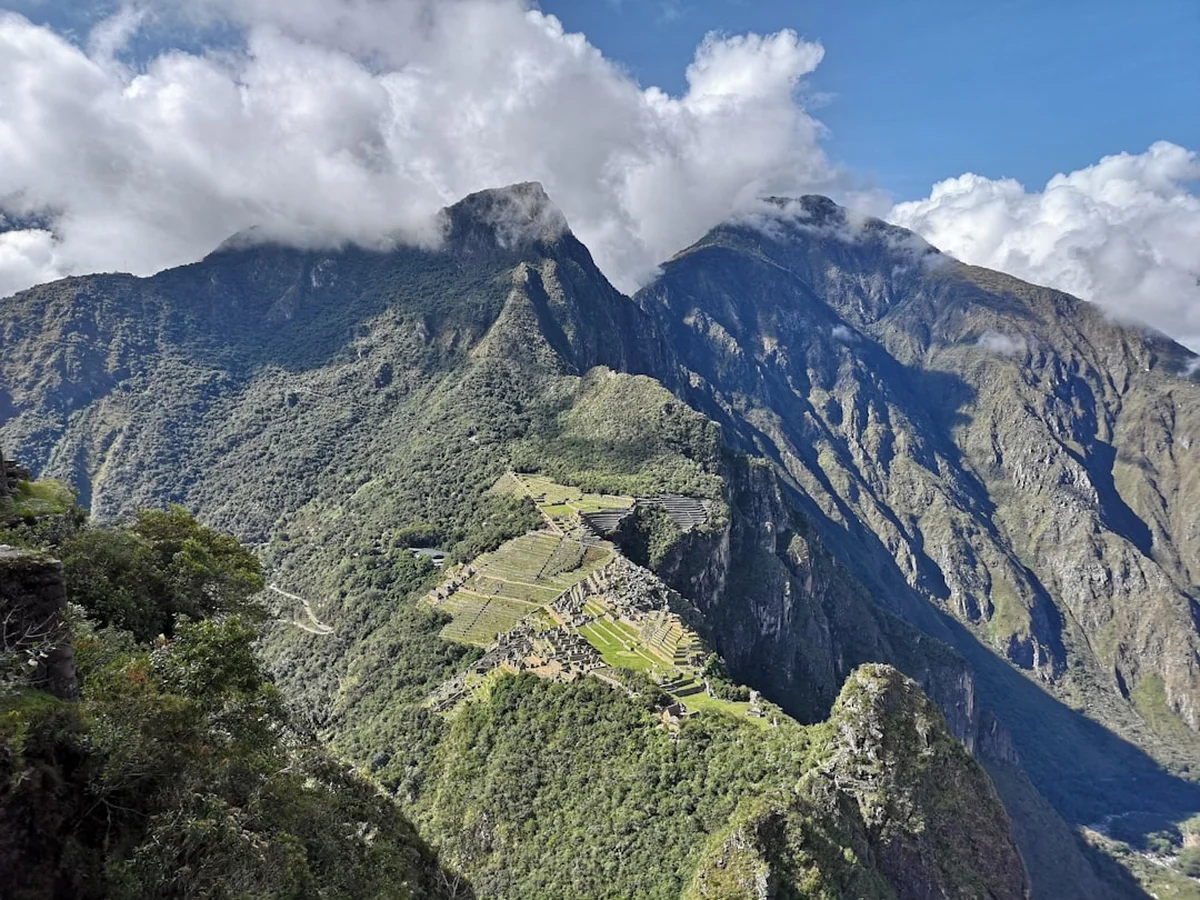
Inca Trail to Machu Picchu (Short Route) - The Sacred Path Reimagined
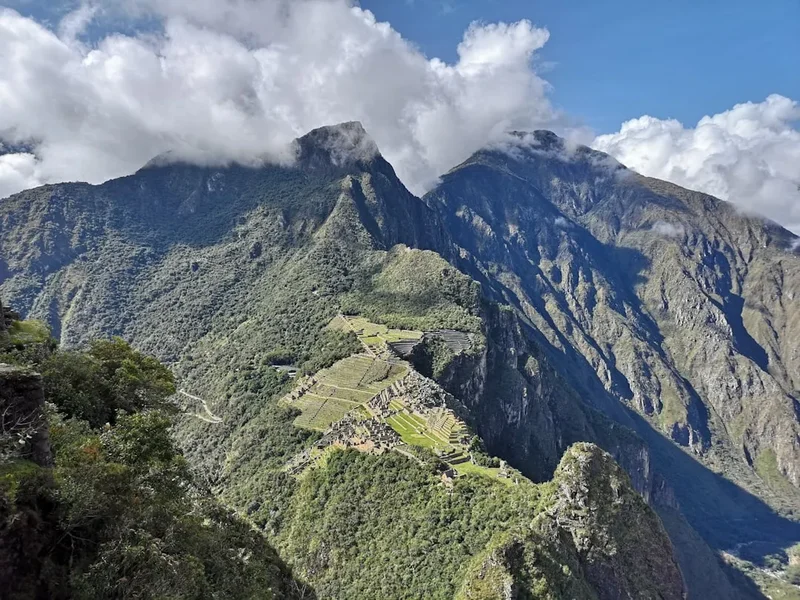
The Inca Trail to Machu Picchu (Short Route), often referred to as the "KM 104" trek or the two-day Inca Trail, is a condensed yet profoundly impactful version of the world's most famous pilgrimage. Spanning approximately 12 kilometres of ancient stone pathways, this route offers a sophisticated alternative for those who wish to experience the historical majesty of the Incan road system without the four days of high-altitude camping required by the classic trek. Starting at a point known as KM 104 on the railway line from Ollantaytambo, the trail ascends through lush cloud forests, past remarkably preserved archaeological sites, and culminates in the breathtaking entrance to Machu Picchu through the Inti Punku (Sun Gate). Unlike the longer route, this journey allows walkers to witness the sunset over the citadel on their first day and return for a comprehensive guided tour on the second, providing a dual perspective of the "Lost City of the Incas" that few other visitors experience.
- Distance: 12.0 km
- Duration: 2 days / 1 night
- Season: April to October (Dry season is best; trail closed in February)
- Elevation Gain: 720 m
- Highest Point: Inti Punku (Sun Gate) at 2,720 m
- Difficulty: Moderate (Steep ascents but lower maximum altitude than the 4-day trek)
- Closest City: Cusco, Peru
Overview
The Short Inca Trail is a masterclass in archaeological pacing and ecological diversity. While the classic four-day trek is a test of endurance and high-altitude resilience, the two-day route focuses on the most scenic and historically significant final stretch of the Qhapaq Ñan (the Great Incan Road). The journey begins at the Urubamba River, at an elevation of approximately 2,100 metres, and climbs steadily through a landscape that transitions from semi-arid valley floor to humid, orchid-rich cloud forest. This route is particularly favoured by those with limited time, families with older children, or travellers who prefer the comfort of a hotel bed in Aguas Calientes over a tent in the Andean wilderness.
The primary allure of this route lies in its exclusive access to the Winay Wayna archaeological site—arguably the most beautiful Incan ruin outside of Machu Picchu itself. Because the site is only accessible by foot, walkers on the Short Inca Trail enjoy a level of solitude and intimacy with the ruins that the thousands of daily train-bound tourists never experience. The trail's climax occurs at the Sun Gate, where the first glimpse of Machu Picchu is revealed, framed by the peaks of Huayna Picchu and Machu Picchu Mountain. This approach, walking into the citadel from above, remains the most authentic way to arrive, mirroring the path taken by Incan royalty and priests five centuries ago.
Physically, the trail is classified as moderate. While the distance is relatively short at 12 kilometres, the ascent is significant, involving hundreds of original Incan stone steps that can be taxing on the knees and lungs. However, because the maximum altitude reached is significantly lower than the 4,200-metre Dead Woman's Pass on the classic route, the risk of severe altitude sickness is reduced, though proper acclimatisation in Cusco remains essential. The path is well-maintained, but its narrow sections and steep drop-offs require a steady foot and a respect for the mountain environment.
Wakahi Guide
Detailed route notes, maps, logistics & tips for the Inca Trail To Machu Picchu Short Route (PDF).
History and Cultural Context
The Inca Trail is not merely a hiking path; it is a surviving segment of the Qhapaq Ñan, a vast network of over 30,000 kilometres of roads that once unified the Tahuantinsuyo (the Incan Empire). This specific branch served as a sacred ceremonial route leading to the religious and political heart of the empire's mountain sanctuary. Built during the height of Incan power in the 15th century, the trail was designed with extraordinary engineering precision, featuring drainage systems, retaining walls, and stone paving that have withstood five centuries of Andean weather and seismic activity.
The Short Route introduces walkers to two major archaeological complexes before reaching the main citadel. The first, Chachabamba, located at the very start of the trek, was likely a religious water shrine and a checkpoint for those entering the sacred precinct. Its fine stonework and ritual baths suggest it was a place of purification. Further up the mountain lies Winay Wayna ("Forever Young" in Quechua), a spectacular complex of agricultural terraces, urban sectors, and a series of ten ritual fountains. Its name refers to a variety of orchid that blooms year-round in the area, symbolising the eternal vitality of the site. Winay Wayna served as a "tambo" or waystation, providing food and shelter for travellers on their way to Machu Picchu.
When the Spanish conquistadors arrived in the 16th century, the Inca Trail was largely abandoned and eventually reclaimed by the dense cloud forest. It remained hidden from the Western world until the early 20th century. While Hiram Bingham is credited with "discovering" Machu Picchu in 1911, the trail itself was mapped and cleared in subsequent decades, revealing the sophisticated logistical network that supported the citadel. Today, the trail is protected as a UNESCO World Heritage site, and its preservation is a matter of national pride for Peru. For the modern walker, every step on these stones is a connection to the Quechua people, whose descendants still live in the surrounding valleys and serve as the expert guides and porters who make these journeys possible.
Want more background? Read extended notes on history and cultural context → Learn more
Seasonal Highlights and Weather Reality
The Andean climate is defined by two distinct seasons: the dry season and the wet season. Understanding these cycles is crucial for a successful trek on the Short Inca Trail.
The Dry Season (April to October): This is the peak trekking window. Days are typically characterised by clear blue skies and intense solar radiation, making for spectacular photography and comfortable walking conditions. However, the lack of cloud cover means that temperatures can drop significantly at night, often reaching near freezing in Cusco and Ollantaytambo. June, July, and August are the busiest months; permits for these times often sell out six months in advance. During this period, the views from the Sun Gate are most reliable, though the landscape can appear more brown and arid than in the shoulder months.
The Wet Season (November to March): Rainfall increases significantly during these months, often manifesting as heavy afternoon downpours. The trail becomes lush, green, and vibrant with blooming orchids, but the stone steps can become slippery and treacherous. Clouds frequently shroud the mountains, which can create a mystical atmosphere but may also obscure the iconic views of Machu Picchu. Crucially, the Inca Trail (both Short and Classic routes) is closed for the entire month of February for essential maintenance and to allow the ecosystem to recover during the peak of the rains.
Shoulder Seasons (April-May and September-October): Many experienced trekkers consider these the "sweet spots." The weather is generally stable, the crowds are thinner than in mid-summer, and the landscape retains the lush greenery of the rainy season without the constant threat of a deluge. May is particularly beautiful as the wildflowers are in full bloom and the air is exceptionally clear.
Regardless of the season, weather in the cloud forest is notoriously unpredictable. It is not uncommon to experience "four seasons in one day," where a morning of intense heat is followed by a sudden hailstorm or a thick mist that rolls in from the Amazon basin. Layers and high-quality waterproof gear are non-negotiable requirements for any month of the year.
Recommended Itinerary
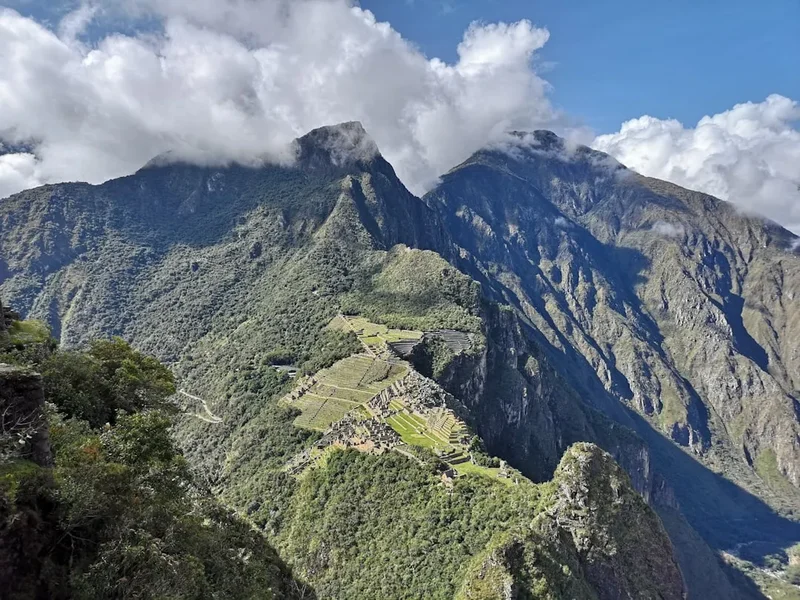
2-Day Short Inca Trail Itinerary
Day 1: Cusco to Aguas Calientes via KM 104
- 04:00 – 06:00: Early morning transfer from Cusco to Ollantaytambo railway station.
- 06:10 – 07:30: Scenic train journey along the Urubamba River to KM 104 (Chachabamba).
- 08:00: Disembark at KM 104, pass through the official checkpoint (permits and passports required).
- 08:30 – 09:30: Explore the Chachabamba archaeological site (2,100 m).
- 09:30 – 12:30: Steady 3-hour ascent through the cloud forest. This is the most challenging section of the hike.
- 12:30 – 13:30: Arrive at Winay Wayna (2,650 m). Explore the terraces and fountains; enjoy a packed lunch with views of the valley.
- 13:30 – 15:00: Continue the trek on a relatively flat section of the trail, culminating in the "Gringo Killer" stairs—a final, steep set of 50 stone steps.
- 15:00 – 15:30: Arrive at Inti Punku (Sun Gate, 2,720 m) for your first panoramic view of Machu Picchu.
- 15:30 – 16:30: Descent from the Sun Gate to the upper terraces of Machu Picchu for afternoon photographs (no tour of the ruins today).
- 17:00: Take the shuttle bus down to the town of Aguas Calientes (Machu Picchu Pueblo).
- 19:00: Dinner and overnight stay in a hotel in Aguas Calientes.
Day 2: Machu Picchu Exploration and Return to Cusco
- 05:30 – 06:30: Early breakfast and shuttle bus ride back up to the Machu Picchu entrance.
- 07:00 – 10:00: Comprehensive 2.5 to 3-hour guided tour of the Machu Picchu citadel, including the Temple of the Sun, the Royal Quarters, and the Main Plaza.
- 10:00 – 12:00: Optional climb of Huayna Picchu or Machu Picchu Mountain (requires separate, advance-booked permits).
- 12:30: Take the bus back down to Aguas Calientes for lunch.
- 14:30 – 16:00: Explore the local markets in Aguas Calientes.
- 16:22 or 19:00: Board the return train to Ollantaytambo.
- 18:30 – 21:00: Private transfer from Ollantaytambo back to your hotel in Cusco.
Important Notes:
- The itinerary is strictly regulated by the Peruvian Ministry of Culture; you must be accompanied by a licensed guide.
- Walking times are estimates and depend on the group's fitness and pace.
- The first day involves approximately 6 to 7 hours of hiking.
- You must carry your own daypack with essentials for the hike and the overnight stay.
- The train journey is a highlight in itself, offering views of the changing vegetation as you descend into the high jungle.
Planning and Bookings
Book Your Trip
Everything you need to plan your journey
Accommodation
Find places to stay near Cusco
Flights
Search flights to Cusco
Essential Preparation
The most critical aspect of planning the Short Inca Trail is the lead time. Permits are strictly limited and often sell out months in advance, particularly for the dry season. You cannot hike this trail independently; you must book through a licensed tour operator who will secure the permits, train tickets, and guide on your behalf. When booking, you will need to provide your full name, passport number, nationality, and date of birth exactly as they appear on your passport.
Physical preparation is equally important. While 12 kilometres may sound short, the 720-metre ascent on uneven stone steps at altitude is physically demanding. It is highly recommended to spend at least two full days in Cusco (3,400 m) or the Sacred Valley (2,800 m) prior to the trek to acclimatise. Engaging in cardiovascular exercise, such as hiking, running, or stair-climbing, in the weeks leading up to your trip will significantly enhance your enjoyment of the trail. Additionally, ensure your footwear is well broken-in to avoid blisters on the steep descents.
Trail Accommodation
Unlike the classic Inca Trail, the Short Route does not involve camping. Instead, walkers spend the night in the town of Aguas Calientes (also known as Machu Picchu Pueblo). This town is entirely geared towards tourism and offers a wide range of accommodation options.
Accommodation Details:
- Standard Tours: Usually include a 3-star hotel with private bathroom, hot water, and breakfast.
- Luxury Options: Several high-end lodges and boutique hotels are available for those wishing to upgrade.
- Facilities: Aguas Calientes has full electricity, WiFi (though often slow), and numerous restaurants and pharmacies.
- What's NOT provided: Most standard packages do not include dinner on the first night or lunch on the second day, allowing you to choose from the local eateries.
- Seasonal Availability: Hotels are open year-round, but prices can spike during the peak months of June and July.
Required Gear
- Daypack: A 25-35 litre pack is sufficient. It must have a rain cover. You will carry this yourself for the duration of the hike.
- Footwear: Sturdy, waterproof hiking boots with good ankle support are essential. Trail running shoes are acceptable but offer less protection on the stone steps.
- Clothing: Use a layering system. Moisture-wicking base layers, a fleece or down mid-layer, and a high-quality waterproof and windproof outer shell.
- Sun Protection: A wide-brimmed hat, high-SPF sunscreen, and UV-protective sunglasses. The Andean sun is exceptionally strong.
- Walking Poles: Highly recommended for the steep descent from the Sun Gate. Note: Poles must have rubber tips to protect the Incan stonework.
- Headlamp: Useful for the early morning start on Day 2, even though you are staying in a hotel.
What to Bring
- Original Passport: This is the most important item. You will not be allowed onto the trail or into Machu Picchu without the physical passport used for the booking.
- Water: Start with at least 2 litres. There are no places to buy water on the trail until you reach the Machu Picchu entrance.
- Snacks: Energy bars, nuts, dried fruit, and chocolate. A packed lunch is usually provided by your tour operator.
- Personal Medications: Including altitude sickness pills (Acetazolamide/Diamox), ibuprofen, and any personal prescriptions.
- Insect Repellent: The "biting midges" in the cloud forest are persistent. Use a repellent with a high DEET concentration.
- Cash: Peruvian Soles in small denominations for tipping guides/porters, buying snacks in Aguas Calientes, and using the toilets at the Machu Picchu entrance (which cost 2 Soles).
- Toiletries: Basic kit including hand sanitiser, wet wipes, and a small towel.
Permits
The permit system for the Inca Trail is managed by the Peruvian Ministry of Culture and is designed to prevent overcrowding and environmental degradation. For the Short Inca Trail (KM 104), there is a daily limit of 250 permits. This quota includes not only the trekkers but also the guides and support staff. Because of this limited capacity, permits are non-refundable and non-transferable.
Booking Process and Strategy:
- Advance Booking: For the peak season (May to August), book at least 4 to 6 months in advance. For the shoulder season, 2 to 3 months is usually sufficient.
- Operator Requirement: You cannot purchase a permit yourself. You must book through an authorised trekking agency.
- Passport Details: Your permit is linked to your passport number. If you renew your passport after booking, you must bring both the old and new passports to the trail checkpoint.
- Student Discounts: Valid University student ID cards (with a clear expiration date) can sometimes secure a discount, but this must be arranged at the time of booking.
Costs:
The cost of the Short Inca Trail varies depending on the tour operator and the level of service (private vs. group). Generally, prices range from $450 to $650 USD per person. This typically includes the permit, train tickets (Ollantaytambo to KM 104 and Aguas Calientes to Ollantaytambo), bus tickets to/from Machu Picchu, entrance fees to the citadel, a licensed guide, one night's hotel, and most meals. If you wish to climb Huayna Picchu or Machu Picchu Mountain on Day 2, this requires an additional permit (approx. $75 USD) which must be requested at the time of the initial booking.
Other Activities in the Area
The region surrounding Cusco and the Sacred Valley is rich with cultural and natural attractions that complement the Inca Trail experience:
- Sacred Valley Tour: Visit the impressive ruins of Pisac and Ollantaytambo, and explore the traditional markets. This is an excellent way to acclimatise before your trek.
- Maras Salt Mines and Moray: Witness the thousands of ancient salt evaporation ponds at Maras and the mysterious circular agricultural terraces of Moray, which served as an Incan laboratory.
- Cusco City Tour: Explore the Qorikancha (Temple of the Sun), the Cathedral, and the nearby fortress of Saqsaywaman, famous for its massive zig-zagging stone walls.
- Rainbow Mountain (Vinicunca): A challenging high-altitude day trip to see the vibrant, multi-coloured mineral stripes of the Andes. Note: This requires significant acclimatisation as it reaches 5,200 m.
- Humantay Lake: A stunning turquoise glacial lake located near the Salkantay trek route, perfect for a day hike from Cusco.
- Aguas Calientes Hot Springs: After your trek, soak your tired muscles in the thermal baths that give the town its name.
Safety and Conditions
Altitude Sickness (Soroche): This is the primary safety concern for any trekker in the Andes. Symptoms include headache, nausea, dizziness, and fatigue. The best prevention is gradual acclimatisation. Drink plenty of water, avoid alcohol and heavy meals upon arrival in Cusco, and consider drinking coca tea, a traditional local remedy. If symptoms persist or worsen, descend immediately and seek medical attention.
Trail Conditions: The Short Inca Trail consists largely of original Incan stonework. These stones can be uneven and, when wet, extremely slippery. Moss growth in the cloud forest sections adds to the hazard. Use walking poles to maintain balance, especially on the steep descent from the Sun Gate. The "Gringo Killer" stairs near the end of the hike are nearly vertical; take your time and use your hands if necessary.
Hydration and Sun: At high altitudes, the air is thin and dry, leading to rapid dehydration. The tropical sun at this latitude is exceptionally fierce. Drink at least 3 litres of water per day and reapply high-SPF sunscreen every two hours, even on cloudy days. Heatstroke and severe sunburn can occur quickly.
Insects: While not a direct safety threat, the biting midges (locally known as "mosquitos") can cause significant discomfort and allergic reactions. They are most active in the humid sections near Winay Wayna and in Aguas Calientes. Wear long sleeves and trousers where possible and use a strong repellent.
Emergency Procedures: Your guide is trained in first aid and carries a basic medical kit. In the event of a serious injury or illness on the trail, evacuation is typically conducted by foot or stretcher to the nearest railway point, from where a train can transport the patient to a clinic in Ollantaytambo or Cusco. There are no helicopter evacuation services available directly on the trail.
Side Trips and Points of Interest
Winay Wayna: Often described as a "miniature Machu Picchu," this site is a highlight of the Short Route. It is built into a steep hillside overlooking the Urubamba River and features a sophisticated series of agricultural terraces that follow the natural contours of the mountain. The urban sector contains houses with classic Incan trapezoidal doors and windows, and a "religious" sector with fine masonry and ritual fountains. Because it is only accessible to those on the Inca Trail, it remains peaceful and evocative.
Inti Punku (The Sun Gate): This was once the main control point for entering Machu Picchu. Standing at 2,720 metres, it offers the first and most iconic view of the citadel. For trekkers on the Short Route, arriving here in the mid-to-late afternoon often means seeing the ruins bathed in the golden light of the setting sun, with far fewer crowds than during the morning rush.
Chachabamba: Located at KM 104, this is the first site you will encounter. It features a large central altar and several water channels. It is believed to have been a site dedicated to the worship of water and the mountains (Apus), where travellers would stop to perform rituals before continuing their ascent toward the sacred city.
The Cloud Forest Flora: The section of trail between Chachabamba and Winay Wayna is a botanical paradise. Keep an eye out for the "Waqanki" orchid (Masdevallia veitchiana), a vibrant orange flower with a poignant legend of a weeping princess attached to it. The forest is also home to bromeliads, tree ferns, and various species of hummingbirds and the elusive Andean Cock-of-the-rock.
Huayna Picchu: For those with extra energy on Day 2, the climb up the "Young Peak" (the iconic mountain behind the ruins) offers a bird's-eye view of the citadel. The path is incredibly steep and features the "Death Stairs," but the perspective from the top is unparalleled. This requires a separate permit and should only be attempted by those with a good head for heights.
Leave No Trace
The Inca Trail is a fragile ecosystem and a priceless archaeological treasure. With thousands of people walking these paths every year, the "Leave No Trace" principles are essential for its survival. The Peruvian government has strict regulations in place, and violations can result in heavy fines for both the trekker and the tour operator.
Core Principles for the Inca Trail:
- Pack it in, pack it out: Carry all your rubbish back to Aguas Calientes. This includes organic waste like banana peels or apple cores, which do not decompose quickly in this environment and can disrupt local wildlife.
- Stay on the path: The Incan stones are ancient. Walking off-trail causes erosion and can damage undiscovered archaeological remains or fragile orchids.
- Respect the stones: Never lean on, climb, or sit on the archaeological walls. The oils from human skin can degrade the stone over time, and the structures are not designed to bear weight.
- No Graffiti: Carving names into stones or trees is strictly prohibited and considered a criminal act of vandalism against national heritage.
- Water Protection: Do not use soaps or detergents in the ritual fountains or nearby streams.
- Wildlife: Observe animals from a distance. Do not feed the llamas at Machu Picchu or the birds along the trail, as this makes them dependent on humans and can lead to aggressive behaviour.
By following these guidelines, you ensure that the "Sacred Path" remains as majestic for future generations as it was for the Incas who built it.