

Trilha da Ilha Grande: Abraão to Dois Rios
The Trilha da Ilha Grande, specifically the route from Abraão to Dois Rios, offers a captivating day hike on one of Brazil's most stunning islands. Ilha Grande, meaning "Big Island," is a protected paradise located off the coast of Rio de Janeiro state, renowned for its pristine beaches, lush Atlantic rainforest, and a complete absence of cars. This particular trail is a popular choice for visitors seeking a moderate challenge with rewarding coastal and forest scenery. It connects the main village of Abraão with the secluded beach of Dois Rios, passing through varied terrain that showcases the island's natural beauty. The journey is a delightful immersion into the tropical environment, with opportunities to encounter diverse flora and fauna, and to enjoy the tranquility of a less-visited beach.
- Distance: 15.0 km one-way
- Duration: 5–7 hours
- Elevation gain: 600 m
- Difficulty: Moderate
- Best Time: April to September (dry season)
- Closest City: Angra dos Reis
- Trailhead Access: Nearest airport: Rio de Janeiro (GIG/SDU). From Rio, take a bus to Angra dos Reis. From Angra, take a ferry to Abraão (Ilha Grande). The trail starts in Abraão. No cars on the island. No permits needed. Trailhead GPS: -23.1517, -44.1733
Overview
The Trilha da Ilha Grande from Abraão to Dois Rios is a quintessential island hiking experience, blending coastal vistas with the dense, verdant embrace of the Atlantic rainforest. This trail is not merely a path between two points; it's an exploration of Ilha Grande's diverse ecosystems and its unique, car-free way of life. Starting in the bustling, yet charming, village of Abraão, the trail quickly ascends, offering panoramic views back over the bay and the colourful rooftops of the main settlement. As you climb, the sounds of the village fade, replaced by the symphony of the rainforest: the chirping of unseen birds, the rustling of leaves, and the distant murmur of the ocean.
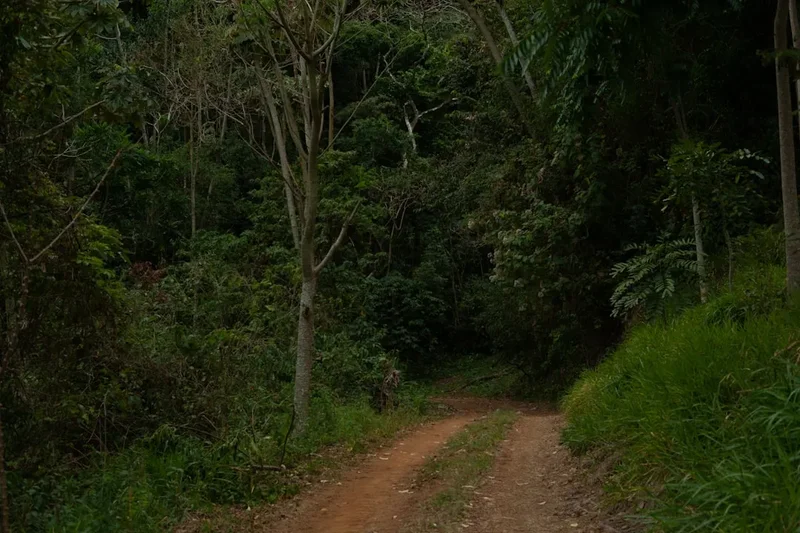
The ascent is steady, leading you through well-maintained but sometimes steep paths that wind through thick vegetation. You'll encounter a rich variety of plant life, from towering trees draped in epiphytes to vibrant flowering plants. The air is humid and fragrant, carrying the scent of damp earth and tropical blossoms. Keep an eye out for local wildlife; Ilha Grande is home to numerous bird species, monkeys, and other small mammals, though sightings can be elusive.
The trail's highest point offers breathtaking vistas of the surrounding coastline and the vast expanse of the Atlantic Ocean. This is often a good spot for a rest and to appreciate the sheer scale of the island's natural beauty. From here, the path begins its descent towards Dois Rios. This section of the trail can be more challenging, with steeper descents and potentially slippery sections, especially after rain. The forest canopy remains dense, providing welcome shade, but the humidity can be high.
Dois Rios, meaning "Two Rivers," is a secluded beach known for its natural beauty and the presence of a former prison complex, which now houses a university research centre. The beach itself is a stunning crescent of golden sand, framed by lush green hills and lapped by clear blue waters. The two rivers that give the beach its name flow down from the hills, creating freshwater streams that meet the sea. The journey to Dois Rios is a rewarding experience, offering a sense of accomplishment and the chance to discover a more remote and tranquil side of Ilha Grande.
History and Cultural Context
Ilha Grande has a rich and varied history, shaped by indigenous peoples, colonial powers, and its unique geographical isolation. Before European arrival, the island was inhabited by the Tupi indigenous peoples, who lived in harmony with the abundant natural resources. The island's strategic location and natural harbours later attracted Portuguese explorers and settlers.
During the colonial era and into the 19th century, Ilha Grande served various purposes, including as a quarantine station for ships arriving in Rio de Janeiro and as a penal colony. The most significant historical landmark on the trail to Dois Rios is the former prison complex itself. Established in the mid-20th century, the Instituto Penal Cândido Mendes was one of Brazil's most notorious prisons, housing dangerous criminals and political prisoners. Its remote location and the island's isolation made it an ideal, albeit harsh, place of confinement. The prison was eventually closed in the late 1990s, and the island was declared a protected ecological reserve, leading to the removal of all permanent residents and the prohibition of vehicular traffic.
The closure of the prison marked a turning point for Ilha Grande, transforming it from a place of confinement into a sanctuary of nature. Today, the former prison site at Dois Rios is occupied by a university research centre, focusing on environmental studies and sustainable development. This transition reflects a broader shift in the island's identity, from a site of historical hardship to a symbol of ecological preservation and responsible tourism. The trail itself, though now a popular hiking route, follows paths that were likely used historically for access, transport, and perhaps even by those confined within the prison walls.
Seasonal Highlights and Weather Reality
Ilha Grande experiences a tropical climate, with distinct wet and dry seasons. The best time for hiking the Trilha da Ilha Grande is during the dry season, which typically runs from April to September. During these months, rainfall is significantly lower, and the weather is generally more pleasant for outdoor activities.
Dry Season (April to September): This period offers the most favourable conditions for hiking. Days are often sunny with clear blue skies, and the humidity is lower compared to the wet season. Temperatures are generally warm but not excessively hot, making the 600 metres of elevation gain more manageable. The reduced rainfall also means the trails are less likely to be muddy or slippery, and river crossings are generally easier. This is the peak tourist season for the island, so expect more people on the trails and in Abraão.
Wet Season (October to March): This season is characterised by higher temperatures, increased humidity, and frequent, often heavy, rainfall. While the rainforest is at its most vibrant during this time, hiking can be more challenging. Trails can become muddy, slippery, and potentially hazardous. River levels can rise significantly, making crossings difficult or impossible. Thunderstorms are common and can occur suddenly, posing a risk to hikers. Despite the challenges, the lush greenery and the dramatic waterfalls created by the rain can be spectacular. However, for a more comfortable and predictable hiking experience, the dry season is highly recommended.
Shoulder Seasons (March/April and September/October): These transitional periods can offer a good balance. You might experience some rain, but generally less than in the peak wet season, and the trails are usually in good condition. Crowds are also typically smaller than during the peak dry season, offering a more tranquil experience.
Recommended Itinerary
Day Hike: Abraão to Dois Rios and Return
This itinerary describes a single-day hike, covering the round trip from Abraão to Dois Rios.
Early Morning (Approx. 7:00 AM - 8:00 AM): Departure from Abraão
- Begin your hike from the village of Abraão. The trailhead is generally well-marked and easily accessible from the main waterfront area.
- Start with a steady ascent through the initial section of Atlantic rainforest. The path is often paved or well-trodden in the early stages.
- Enjoy the first glimpses of the ocean and Abraão village receding below as you gain altitude.
Morning (Approx. 8:00 AM - 11:00 AM): Ascent and Forest Immersion
- Continue climbing, with the trail becoming more rugged and natural.
- Pass through dense forest, with opportunities to observe local flora and fauna. Listen for the sounds of birds and monkeys.
- The trail may involve some steeper sections and rocky terrain.
- Reach a significant viewpoint offering expansive panoramas of the coastline and surrounding islands. This is an excellent spot for photos and a brief rest.
Midday (Approx. 11:00 AM - 1:00 PM): Arrival at Dois Rios
- Descend towards the beach of Dois Rios. The path can be steep and may require careful footing.
- Arrive at the beautiful, secluded beach of Dois Rios.
- Explore the beach, relax by the two rivers that flow into the sea, and observe the former prison complex from the outside.
- Enjoy your packed lunch amidst the natural beauty of the location.
Afternoon (Approx. 1:00 PM - 4:00 PM): Return Journey
- Begin the return hike to Abraão.
- The ascent back up from Dois Rios can be challenging, so pace yourself.
- Take breaks as needed, especially at viewpoints.
- The descent back into Abraão will be a welcome sight.
Late Afternoon (Approx. 4:00 PM onwards): Arrival back in Abraão
- Arrive back in Abraão, tired but accomplished.
- Enjoy a well-deserved rest, perhaps with a refreshing drink or meal at one of the village's many restaurants.
Important Notes:
- This is a demanding day hike due to the elevation gain and distance. Ensure you are adequately prepared.
- Carry plenty of water and snacks, as there are no facilities along the trail until Dois Rios (and even there, facilities are limited).
- Wear sturdy hiking boots and comfortable, moisture-wicking clothing.
- Sun protection (hat, sunscreen) is essential, even when under the forest canopy.
- Be aware of the weather; start early to avoid the hottest part of the day and be prepared for potential rain showers.
Planning and Bookings
Book Your Trip
Everything you need to plan your journey
Accommodation
Find places to stay near Angra dos Reis
Flights
Search flights to Angra dos Reis
Essential Preparation
The Trilha da Ilha Grande to Dois Rios is a popular day hike, but it requires careful planning to ensure a safe and enjoyable experience. Given Ilha Grande's car-free nature, access to the island is solely by ferry from the mainland town of Angra dos Reis. Rio de Janeiro's international airports (GIG and SDU) are the primary gateways for international travellers. From Rio, a bus journey of approximately 3-4 hours will take you to Angra dos Reis. From Angra dos Reis, frequent ferry services operate to Abraão, the main village on Ilha Grande, taking around 1.5 to 2 hours. It is crucial to book ferry tickets in advance, especially during peak season, as they can sell out. Once on Ilha Grande, Abraão is the starting point for this hike. There are no specific permits required for this trail, as it is part of the protected national park and accessible to all visitors. However, it is essential to be physically prepared for a moderate to strenuous hike with significant elevation gain.
Trail Accommodation
This is a day hike requiring no overnight accommodation. The trail starts and ends in Abraão, where a wide range of accommodation options are available, from budget hostels and pousadas (guesthouses) to more comfortable hotels. Visitors typically stay in Abraão before and after their hike to Dois Rios.
Required Gear
- Sturdy hiking boots: Waterproof and with good ankle support are recommended due to the varied terrain, including rocky and potentially slippery sections.
- Comfortable hiking clothing: Moisture-wicking fabrics are ideal for the humid climate. Consider lightweight, long-sleeved shirts and trousers to protect against the sun and insects.
- Rain jacket or poncho: Essential, as tropical rain showers can occur unexpectedly, even during the dry season.
- Backpack: A daypack (20-30 litres) is sufficient to carry essentials.
- Navigation: While the trail is generally well-marked, a map or GPS device with offline maps is advisable, especially for less experienced hikers. A compass can also be useful.
- First-aid kit: Include essentials like bandages, antiseptic wipes, pain relievers, blister treatment, and any personal medications.
- Insect repellent: Mosquitoes and other biting insects are present, particularly in the forest.
- Sun protection: A wide-brimmed hat, sunglasses, and high SPF sunscreen are crucial.
What to Bring
- Plenty of water: At least 2-3 litres per person. There are no reliable water sources or refill points on the trail until Dois Rios, and even there, water treatment is recommended.
- Food: High-energy snacks and a packed lunch. Options in Abraão include supermarkets and bakeries for supplies.
- Toiletries: Hand sanitiser, biodegradable wet wipes.
- Personal items: Camera, mobile phone (though signal may be intermittent), power bank.
- Small towel: Useful if you decide to swim at Dois Rios.
- Cash: While many places in Abraão accept cards, it's wise to carry some Brazilian Reais for smaller purchases or in case of card machine issues.
Permits
No specific permits are required to hike the Trilha da Ilha Grande from Abraão to Dois Rios. Ilha Grande is a protected ecological reserve, and its trails are generally open to the public. However, visitors must adhere to the park's regulations, which focus on conservation and responsible tourism. These typically include staying on marked trails, not littering, and respecting the natural environment. Information regarding park rules and conservation efforts can usually be found at visitor centres or information points in Abraão.
Other Activities in the Area
Ilha Grande offers a wealth of activities beyond the Abraão to Dois Rios hike, catering to various interests:
- Beach Hopping: Explore the island's numerous stunning beaches, many accessible only by boat or hiking. Popular choices include Lopes Mendes (often cited as one of Brazil's most beautiful beaches), Aventureiro, and Parnaioca. Boat tours are a fantastic way to see multiple beaches in a day.
- Boat Tours: Various boat excursions depart from Abraão, offering trips to different parts of the island, including snorkelling spots, secluded coves, and famous beaches. Some tours include stops at Lagoa Azul (Blue Lagoon) and Lagoa Verde (Green Lagoon) for swimming and snorkelling in crystal-clear waters.
- Snorkelling and Diving: The clear waters around Ilha Grande are ideal for snorkelling and diving, with vibrant marine life and several shipwrecks to explore.
- Kayaking and Stand-Up Paddleboarding: Rent equipment in Abraão to explore the coastline at your own pace, discovering hidden coves and enjoying the calm waters of the bay.
- Exploring Abraão Village: Wander through the charming streets of Abraão, browse local craft shops, enjoy fresh seafood at the waterfront restaurants, and soak in the relaxed island atmosphere.
- Visiting the Ilha Grande State Park Interpretation Centre: Located in Abraão, this centre provides valuable information about the island's history, ecology, and conservation efforts.
- Hiking to other viewpoints and beaches: Numerous other trails crisscross the island, leading to different beaches, waterfalls, and panoramic viewpoints, such as the hike to Pico do Papagaio (Parrot's Peak), the island's highest point.
Safety and Conditions
Trail Conditions: The Trilha da Ilha Grande to Dois Rios is generally well-maintained, but conditions can vary. During the wet season (October to March), trails can become muddy, slippery, and overgrown. Steep sections may require careful footing. Always wear appropriate footwear.
Weather: Ilha Grande has a tropical climate. Be prepared for high humidity and sudden rain showers, especially outside the dry season. Start your hike early in the morning to avoid the midday heat and potential afternoon storms. Check the weather forecast before you set off.
Hydration and Nutrition: Carry ample water (at least 2-3 litres per person) and high-energy snacks. There are no facilities for purchasing food or water along the trail until you reach Dois Rios, and even there, options are limited. Dehydration and fatigue can be significant risks on longer hikes.
Insects: Mosquitoes and other biting insects are prevalent, particularly in the forest. Use effective insect repellent and consider wearing long sleeves and trousers, especially during dawn and dusk.
Wildlife: While Ilha Grande is home to diverse wildlife, including monkeys and various bird species, encounters are usually brief and non-threatening. Do not feed any animals, as this can disrupt their natural behaviour and health.
Navigation: The main trail to Dois Rios is relatively straightforward, but it's always wise to have a map or GPS device with offline maps. Inform someone in Abraão about your hiking plans, including your intended route and estimated return time.
Emergencies: In case of an emergency, mobile phone signal can be unreliable. The main village of Abraão has basic medical facilities and a police presence. For serious emergencies, evacuation may be necessary, which can be time-consuming and costly.
Swimming: If you choose to swim at Dois Rios, be aware of currents and conditions. The beach is generally calm, but always exercise caution.
Side Trips and Points of Interest
Dois Rios Beach and Former Prison: The primary destination of this hike, Dois Rios beach is a beautiful, expansive stretch of sand with clear waters. The two rivers that give the beach its name are a notable feature. Adjacent to the beach is the former Instituto Penal Cândido Mendes, a large, imposing former prison complex. While access inside the prison is restricted (it now houses a university research centre), its exterior and historical significance are points of interest. The sheer scale of the complex against the natural beauty of the beach is a striking contrast.
Panoramic Viewpoints: Along the ascent from Abraão, there are several natural clearings and elevated points that offer spectacular panoramic views. These viewpoints provide excellent opportunities to appreciate the scale of the Atlantic rainforest, the coastline of Ilha Grande, and the distant islands and mainland. They are ideal spots for photography and to take a break while admiring the scenery.
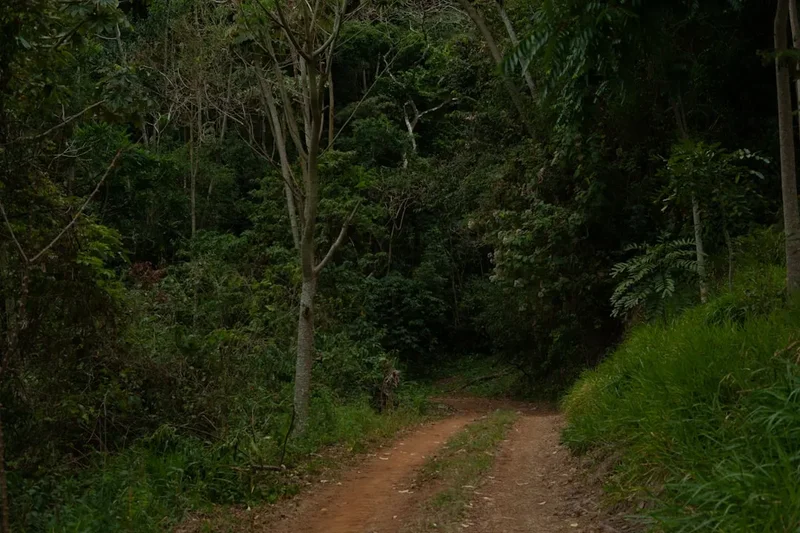
Atlantic Rainforest Flora and Fauna: The trail itself is a journey through a rich ecosystem. Keep an eye out for the diverse plant life, including various species of bromeliads, orchids, ferns, and towering trees. Birdsong is constant, and if you are quiet and observant, you might spot monkeys, lizards, or other small forest creatures. The vibrant green of the rainforest is a constant visual delight.
Leave No Trace
Ilha Grande is a precious natural reserve, and practising Leave No Trace principles is crucial to preserving its beauty and ecological integrity for future visitors. As you hike the Trilha da Ilha Grande to Dois Rios, please adhere to the following guidelines:
- Pack it in, Pack it out: Carry out all your rubbish, including food scraps, wrappers, and any other waste. Do not leave anything behind on the trail or at Dois Rios.
- Stay on Marked Trails: Stick to the designated paths to avoid damaging fragile vegetation, preventing erosion, and minimising your impact on the ecosystem. Venturing off-trail can disturb wildlife and damage sensitive plant life.
- Respect Wildlife: Observe animals from a distance and never feed them. Feeding wildlife can alter their natural behaviours, make them dependent on human food, and potentially harm their health.
- Dispose of Waste Properly: Use designated bins in Abraão for any waste you cannot carry back. If you need to use the toilet along the trail, do so away from water sources and bury human waste at least 15 cm deep and 60 metres away from water, camp sites, and trails. Pack out toilet paper.
- Leave What You Find: Do not take any natural souvenirs, such as rocks, plants, or shells, from the island.
- Minimise Campfire Impacts: Campfires are generally not permitted on Ilha Grande, especially on beaches. If permitted in designated areas (which is unlikely for this day hike), use existing fire rings and ensure fires are completely extinguished.
- Be Considerate of Other Visitors: Keep noise levels down, especially in natural areas, to allow everyone to enjoy the tranquility of the island.
By following these principles, you help ensure that Ilha Grande remains a pristine paradise.