
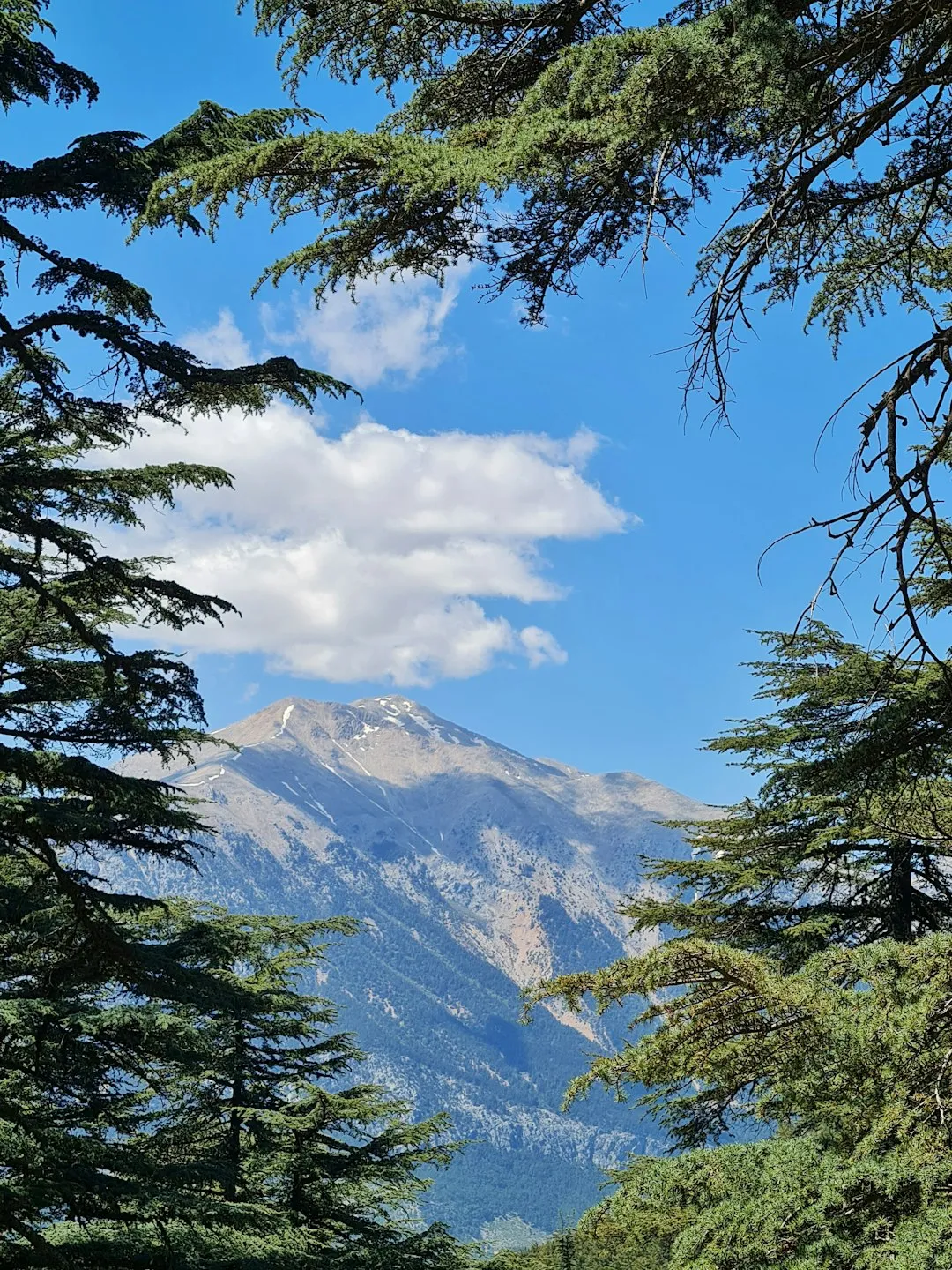
Ilgaz Mountain Trail - A Panoramic Day Hike
The Ilgaz Mountain Trail offers a rewarding day hike experience, showcasing the natural beauty and expansive vistas of the Ilgaz Mountains National Park in Turkey. This trail is ideal for those seeking a moderate challenge with significant elevation gain, culminating in breathtaking panoramic views. It winds through diverse landscapes, from forested slopes to open alpine meadows, providing a true sense of immersion in nature. The trail is well-defined, making it accessible for hikers with a reasonable level of fitness, and its strategic location near Kastamonu ensures it's a feasible excursion for visitors to the region.
- Distance: 12.0 km one-way
- Elevation gain: 600 m
- Duration: 5–7 hours
- Difficulty: Moderate
- Best Time: June to September
- Closest City: Kastamonu
- Trailhead Access: Accessible by car from Kastamonu or Ank
- Coordinates: 41.2500, 33.6167
Overview
The Ilgaz Mountain Trail is a classic day hike that encapsulates the rugged charm of Turkey's Anatolian highlands. Beginning its ascent from a lower elevation, the trail gradually climbs through mixed forests, predominantly featuring pine and oak species, which offer shade and a pleasant walking environment during the warmer months. As the hiker progresses, the forest canopy begins to thin, giving way to more open terrain characterized by alpine meadows dotted with wildflowers during the spring and summer. The air becomes crisper, and the sounds of the forest are replaced by the gentle rustling of grasses and the distant calls of birds.
The defining feature of the Ilgaz Mountain Trail is its summit panorama. Upon reaching the higher elevations, the landscape opens up dramatically. The trail culminates at a vantage point that offers sweeping, 360-degree views across the Ilgaz mountain range and the surrounding valleys. On a clear day, the visibility extends for many kilometres, revealing a tapestry of green forests, rugged peaks, and distant plains. This expansive vista is the ultimate reward for the effort expended on the climb, providing a profound sense of accomplishment and a deep connection with the natural world.
The trail's moderate difficulty rating is attributed to the consistent elevation gain of 600 metres over its 12-kilometre length. While not technically demanding, it requires a good level of cardiovascular fitness and stamina. The path is generally well-trodden, but can be uneven in places, with some rocky sections and steeper gradients, particularly as the summit approaches. The duration of 5–7 hours allows ample time for breaks, photography, and soaking in the scenery without feeling rushed. The best time to undertake this hike is between June and September, when the weather is most favourable, with warmer temperatures and lower chances of snow or extreme conditions.
History and Cultural Context
The Ilgaz Mountains, and the region surrounding them, have a rich and layered history that stretches back millennia. This area has been a crossroads of civilizations, inhabited by various peoples including Hittites, Phrygians, Lydians, Persians, Romans, Byzantines, and later, Seljuks and Ottomans. The strategic importance of the mountain ranges often dictated trade routes and military movements throughout history.
The Ilgaz Mountains themselves have long been a natural barrier and a source of resources for local communities. Historically, the forests provided timber for construction and fuel, while the mountain pastures were used for grazing livestock. The rugged terrain also offered refuge and natural defence. The establishment of the Ilgaz Mountains National Park in 1977 aimed to preserve the unique ecological balance and natural beauty of the region, protecting its diverse flora and fauna, including species like the Anatolian wild sheep (Ovis orientalis anatolicus) and various bird species.
While the Ilgaz Mountain Trail itself may not have a specific, documented historical narrative tied to ancient explorers or settlers in the same way as some world-famous tracks, its existence is a testament to the enduring human interaction with these mountains. The trail likely evolved from ancient shepherd paths or hunting routes, gradually becoming a more defined hiking path as the area gained recognition for its natural appeal. The designation as a National Park has further solidified its role as a destination for recreation and appreciation of natural heritage, connecting modern visitors to the timeless grandeur of the Ilgaz range.
Seasonal Highlights and Weather Reality
The Ilgaz Mountain Trail experiences distinct seasonal variations, each offering a unique hiking experience. The optimal period for tackling this trail is from June to September, when the weather is generally most conducive to hiking.
Spring (April-May): While the lower slopes may begin to show signs of life with emerging wildflowers and greener vegetation, higher elevations can still be covered in snow. Early spring might be challenging due to lingering snow and muddy conditions. However, late spring (May) can be spectacular with a vibrant display of alpine flora, provided the snow has fully melted. Temperatures are mild, but rain is frequent.
Summer (June-August): This is the peak season for hiking the Ilgaz Mountain Trail. The weather is typically warm and sunny, with long daylight hours. The forests are lush, and the alpine meadows are in full bloom, creating a colourful and fragrant landscape. Temperatures can reach the mid-20s Celsius in the lower sections, but will be cooler at higher altitudes. While generally dry, occasional thunderstorms can occur, especially in the afternoons. This is the most reliable time for clear summit views.
Autumn (September-October): Autumn offers a different kind of beauty. The forests begin to change colour, with hues of gold, red, and brown painting the landscape. The air is crisp and cool, and the crowds of summer have thinned. This season is excellent for photography and for those who prefer cooler hiking temperatures. However, the days are shorter, and the possibility of early snow increases towards the end of October.
Winter (November-March): The Ilgaz Mountains are typically covered in significant snowfall during winter. The trail becomes impassable for standard hiking due to deep snow, ice, and avalanche risk. This season is suitable only for experienced winter mountaineers with appropriate gear and knowledge. Temperatures are well below freezing.
Weather Reality: Even during the summer months, mountain weather can be unpredictable. Hikers should always be prepared for sudden changes, including drops in temperature, increased wind, and rain or even hail. Layering clothing is essential, and carrying waterproofs is highly recommended regardless of the forecast.
Recommended Itinerary
Ilgaz Mountain Trail - Day Hike Itinerary
Early Morning (Approx. 8:00 AM): Departure from Kastamonu
- Begin your journey from Kastamonu towards the Ilgaz Mountains National Park.
- The drive to the trailhead typically takes around 1 to 1.5 hours, depending on the specific access point.
- Ensure you have a full tank of fuel and any last-minute supplies.
Morning (Approx. 9:30 AM): Arrival at Trailhead and Start of Hike
- Arrive at the designated trailhead. Confirm your starting point using GPS coordinates (41.2500, 33.6167) or local signage.
- Begin the ascent. The initial section of the trail is often through dense forest, providing shade and a gentle introduction to the climb.
- Distance covered: Approximately 3-4 km.
- Elevation gain: Approximately 150-200 m.
- Time: 1.5–2 hours.
Midday (Approx. 12:00 PM): Mid-Hike and Forest Transition
- Continue climbing. The forest may begin to thin, offering occasional glimpses of the surrounding peaks.
- You will likely encounter more uneven terrain and steeper sections as you gain altitude.
- This is a good point for a short break, a snack, and to rehydrate.
- Distance covered: Approximately 6-7 km from the start.
- Elevation gain: Approximately 300-400 m from the start.
- Time: 3–4 hours from the start.
Afternoon (Approx. 2:00 PM): Summit Approach and Panoramic Views
- The trail opens up into alpine meadows and rocky outcrops. The gradient may increase significantly in the final push to the summit.
- Take your time to appreciate the increasingly expansive views.
- Reach the highest point of the trail, offering 360-degree panoramic vistas. Spend time here to rest, eat your packed lunch, and take photographs.
- Distance covered: Approximately 10-12 km from the start.
- Elevation gain: Approximately 600 m from the start.
- Time: 5–6 hours from the start.
Late Afternoon (Approx. 3:00 PM onwards): Descent and Return Journey
- Begin your descent back to the trailhead. The descent can be as challenging as the ascent, so take care with your footing.
- The return journey will likely take 2–3 hours.
- Distance covered: 12 km (total round trip).
- Time: 7–9 hours (total round trip, including breaks).
Evening: Return to Kastamonu
- Arrive back at your vehicle and begin the drive back to Kastamonu.
- Consider a celebratory meal in Kastamonu to mark the completion of your hike.
Important Notes:
- This is a day hike; no overnight accommodation is required.
- Carry sufficient water and food for the entire duration.
- The trail is one-way in terms of ascent and descent, forming a round trip from the same trailhead.
- Weather can change rapidly; always be prepared for varying conditions.
- Inform someone of your hiking plans and expected return time.
Planning and Bookings
Book Your Trip
Everything you need to plan your journey
Accommodation
Find places to stay near Kastamonu
Flights
Search flights to Kastamonu
Essential Preparation
The Ilgaz Mountain Trail is a day hike, meaning overnight accommodation is not a requirement. However, thorough preparation is still crucial for a safe and enjoyable experience. The closest major city and logistical hub is Kastamonu. It is advisable to base yourself in Kastamonu the night before your hike to allow for an early start and to acclimatise to the region. Kastamonu offers a range of accommodation options, from budget guesthouses to more comfortable hotels, as well as supermarkets for purchasing food and supplies. Ensure your vehicle is in good condition for mountain roads, and consider downloading offline maps of the area, as mobile signal can be unreliable in the mountains.
Trail Accommodation
This is a day hike requiring no overnight accommodation.
Required Gear
- Sturdy hiking boots: Waterproof and with good ankle support are essential for navigating uneven terrain.
- Backpack: A daypack (20-30 litres) is sufficient to carry essentials. Ensure it has a rain cover.
- Waterproof jacket and trousers: Mountain weather can change quickly; be prepared for rain and wind.
- Warm layers: Include a fleece or insulated jacket, and a hat and gloves, as temperatures can drop significantly at higher altitudes, even in summer.
- Navigation tools: A map of the Ilgaz Mountains National Park, a compass, and a GPS device or smartphone with offline maps are highly recommended.
- First-aid kit: A comprehensive kit including blister treatment, pain relievers, antiseptic wipes, and any personal medications.
- Head torch: Essential in case of unexpected delays or if you start before dawn/finish after dusk.
- Sun protection: Sunscreen (SPF 30+), sunglasses, and a wide-brimmed hat are important, as the sun can be intense at higher elevations.
What to Bring
- Water: Carry at least 2-3 litres of water per person. There are no reliable water sources on the trail for refilling.
- Food: High-energy snacks (nuts, dried fruit, energy bars) and a packed lunch are essential.
- Toiletries: Hand sanitiser, toilet paper, and a small trowel for emergencies (though it's best to pack out all waste).
- Insect repellent: Especially important during warmer months to ward off biting insects.
- Camera: To capture the stunning scenery.
- Walking poles: Optional, but can be very helpful for stability on ascents and descents.
- Binoculars: For wildlife spotting and enjoying distant views.
Permits
The Ilgaz Mountain Trail is located within the Ilgaz Mountains National Park. While general access to the national park for day hiking is usually free, it is always advisable to check for any specific entry fees or permit requirements that may be in place. Information can typically be obtained from the Turkish Ministry of Agriculture and Forestry or local park authorities. It is recommended to verify this information closer to your travel date, as regulations can change.
National Park Entry:
- Generally, no specific permit is required for day hiking on established trails within the Ilgaz Mountains National Park.
- However, there might be a nominal entrance fee for vehicles entering the park, or a small fee for access to specific facilities like designated picnic areas or viewpoints.
- It is prudent to carry some cash for any potential minor fees.
Booking Requirements:
- As this is a day hike and does not involve overnight stays in designated huts or campsites, no advance booking for accommodation is necessary.
- However, if you plan to visit during a national holiday or a peak tourist season, it might be wise to confirm park access and any potential crowd management measures.
Contact Information: For the most up-to-date information regarding park access, fees, and any specific regulations, it is recommended to contact the relevant Turkish authorities responsible for national parks or the local tourism information office in Kastamonu.
Other Activities in the Area
The Ilgaz Mountains National Park and its surroundings offer a variety of activities for visitors looking to extend their stay or explore beyond the main hiking trail:
- Skiing (Winter): During the winter months, the Ilgaz Mountains are a popular destination for skiing. The Ilgaz Ski Centre offers slopes for various skill levels.
- Wildlife Watching: The national park is home to diverse wildlife, including deer, wild boar, foxes, and various bird species. Early mornings and late afternoons are the best times for spotting animals.
- Picnicking and Relaxation: Designated picnic areas within the national park provide scenic spots to relax and enjoy the natural environment.
- Photography: The dramatic mountain landscapes, diverse flora, and potential for wildlife sightings make the Ilgaz Mountains an excellent location for photographers.
- Exploring Kastamonu: The nearby city of Kastamonu boasts a rich history and culture. Key attractions include the Kastamonu Castle, the Nasrullah Mosque, and the Ethnography Museum, offering a glimpse into the region's past.
- Driving Tours: Scenic drives through the national park and surrounding countryside offer opportunities to appreciate the landscape at a more leisurely pace.
Safety and Conditions
Pre-Hike Checks:
- Weather Forecast: Always check the local weather forecast for the Ilgaz Mountains region before you set out. Mountain weather can be highly variable and change rapidly. Look for forecasts specific to higher altitudes if available.
- Trail Conditions: While this is a day hike, it's wise to inquire locally about current trail conditions, especially if hiking outside the peak summer season. Recent rainfall can make sections slippery, and early or late snow can be present.
- Inform Someone: Let a friend, family member, or your accommodation provider know your hiking plans, including your intended route, estimated return time, and who to contact if you do not check in.
On the Trail:
- Navigation: Stick to the marked trail. If you are unsure of your route, consult your map and compass or GPS device. Do not rely solely on mobile phone signal, as it can be intermittent.
- Hydration and Nutrition: Carry more water than you think you will need, and consume it regularly. Pack high-energy snacks and a substantial lunch.
- Pacing: Hike at a pace that is comfortable for you. Take regular breaks to rest, hydrate, and enjoy the scenery. Do not push yourself beyond your limits.
- Wildlife: While generally not aggressive, it's best to observe wildlife from a distance and never feed them. Be aware of your surroundings, especially in forested areas.
- Emergency Preparedness: Carry a fully stocked first-aid kit and know how to use its contents. Consider carrying a personal locator beacon (PLB) if hiking in remote areas or if you are hiking solo.
- Footwear: Ensure your hiking boots are well-worn-in and provide adequate support to prevent blisters and ankle injuries.
- Hypothermia Risk: Even in summer, temperatures at higher altitudes can drop significantly, especially if it rains or becomes windy. Dress in layers and have waterproofs readily accessible.
Emergency Contacts: In case of an emergency, dial 112 (the general emergency number in Turkey). Be prepared to provide your location as accurately as possible.
Side Trips and Points of Interest
While the Ilgaz Mountain Trail is a primary attraction, the surrounding Ilgaz Mountains National Park offers several points of interest and potential short detours for those with extra time or a desire to explore further:
Ilgaz Ski Centre: Located within the national park, this is a popular destination during winter. Even outside the ski season, the area around the ski centre can offer different perspectives of the mountains and may have access roads leading to higher viewpoints or trailheads.
Ilgaz Mountains National Park Visitor Centre: If available, a visit to the park's visitor centre can provide valuable information about the local flora, fauna, geology, and any specific trails or points of interest that might not be widely advertised. It's also a good place to inquire about current conditions.
Scenic Drives: The roads within and around the national park offer beautiful vistas. Taking a slow drive through the park can reveal hidden valleys, different forest types, and opportunities for short stops to admire the landscape. Some roads may lead to higher elevations with expansive views without requiring a strenuous hike.
Local Villages: Exploring nearby villages can offer a cultural experience and a chance to interact with local communities. These villages often retain traditional architecture and offer insights into rural Turkish life.
Picnic Areas: The national park is equipped with several designated picnic areas. These spots are often chosen for their scenic beauty and can serve as pleasant resting points or alternative, shorter walking destinations if a full day hike is not desired.
Leave No Trace
The Ilgaz Mountains National Park is a precious natural environment, and it is crucial for all visitors to practice Leave No Trace principles to preserve its beauty and ecological integrity for future generations. Adhering to these guidelines ensures that the impact of human presence is minimised.
Plan Ahead and Prepare:
- Familiarise yourself with park regulations and any specific trail information.
- Pack appropriate gear and sufficient supplies to avoid needing to forage or leave waste behind.
- Be aware of weather conditions and potential hazards.
Travel and Camp on Durable Surfaces:
- Stay on the marked trail at all times. This prevents erosion and protects fragile vegetation.
- Avoid creating new paths or shortcuts.
Dispose of Waste Properly:
- Pack it in, pack it out. This includes all food scraps, wrappers, tissues, and any other refuse.
- Use designated waste bins if available, but be prepared to carry all waste out if bins are full or absent.
- If you must urinate in the backcountry, do so at least 70 metres away from water sources, trails, and campsites. Dig a small cathole for solid human waste if no toilet facilities are available, and bury it.
Leave What You Find:
- Do not remove or disturb natural objects such as rocks, plants, or historical artefacts.
- Leave the landscape as you found it.
Minimise Campfire Impacts:
- Campfires are generally not permitted on day hikes and are often restricted in national parks. Check local regulations. If permitted, use established fire rings and ensure fires are completely extinguished.
Respect Wildlife:
- Observe wildlife from a distance. Never feed animals, as it can harm their health, alter their natural behaviours, and expose them to danger.
- Store food securely to prevent attracting animals.
Be Considerate of Other Visitors:
- Respect the experience of others by keeping noise levels down.
- Yield to other hikers on the trail.
- Be courteous and friendly.