
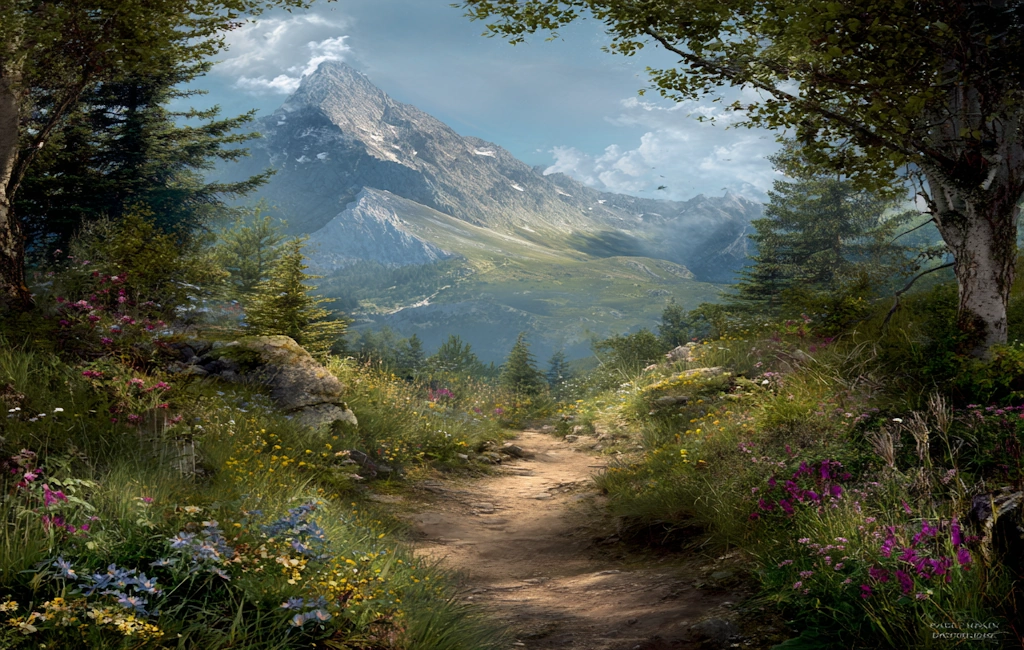
Iceline Trail, Yoho National Park
The Iceline Trail in Yoho National Park, British Columbia, Canada, is a spectacular alpine hike offering breathtaking views of glaciers, turquoise lakes, and rugged mountain peaks. This challenging day hike, or a rewarding overnight option for those seeking a deeper immersion, traverses a high alpine plateau above the Yoho Valley, providing a unique perspective on the park's dramatic glacial landscapes. It's renowned for its accessibility to high alpine scenery without the extreme commitment of multi-day expeditions, making it a must-do for experienced hikers visiting the Canadian Rockies.
- Distance: 21.0 km (loop via Celeste Lake)
- Elevation Gain: 800 m
- Duration: 6-8 hours (day hike)
- Difficulty: Challenging
- Best Time: Mid-July to September
- Closest City: Field, British Columbia
- Trailhead Access: Takakkaw Falls parking area
- Permits: Yoho National Park entry pass required
Overview
The Iceline Trail is a quintessential Canadian Rockies experience, a high-alpine traverse that lives up to its name by taking hikers into the heart of glacial environments. Starting from the base of the magnificent Takakkaw Falls, one of Canada's highest waterfalls, the trail immediately begins a steep ascent, quickly gaining elevation and revealing panoramic vistas of the Yoho Valley. As you climb, the dense subalpine forest gives way to open meadows and eventually the stark, beautiful alpine tundra, dotted with wildflowers in summer and offering unobstructed views of the Daly Glacier and the surrounding peaks of the Waputik Range.
The trail itself is a marvel of engineering, winding its way across scree slopes, along moraines, and through rocky terrain. The highlight is undoubtedly the section that runs parallel to the Daly Glacier, allowing hikers to witness its immense scale and the raw power of glacial forces. Turquoise lakes, such as Celeste Lake, add vibrant splashes of colour to the otherwise rugged landscape. The descent offers equally stunning scenery, often via a different route that can include views of other glaciers and the iconic Takakkaw Falls from a different angle.
This trail is not for the faint of heart. The significant elevation gain and the exposed alpine terrain demand a good level of fitness and preparedness. However, the rewards are immense: unparalleled views, a sense of wildness, and the unforgettable experience of walking amongst giants of ice and rock. It’s a journey that truly immerses you in the grandeur of Yoho National Park.
History and Cultural Context
Yoho National Park, meaning "wonder" in the Cree language, has a rich history intertwined with the natural forces that shaped it and the people who have traversed its landscapes. For millennia, Indigenous peoples, including the Stoney Nakoda and Ktunaxa First Nations, utilized these valleys for hunting, gathering, and travel. The dramatic peaks and glaciers of the Iceline Trail region would have been familiar landmarks, part of a vast network of traditional territories.
The modern era of exploration and tourism in Yoho began with the arrival of the Canadian Pacific Railway (CPR) in the late 19th century. The CPR recognised the immense scenic potential of the area and actively promoted it as a destination. The construction of the railway brought surveyors and adventurers, who began to chart the rugged terrain. The Iceline Trail, as a designated hiking route, emerged from this period of exploration, with early trails often following routes established by prospectors and mountaineers seeking access to the high country.
The establishment of Yoho National Park in 1886 (initially as a forest reserve, later expanded and renamed) marked a significant step in preserving these natural wonders. The park's infrastructure, including the road to Takakkaw Falls, was developed over decades, making areas like the Iceline Trail more accessible to the public. The trail's name, "Iceline," directly reflects its proximity to the glaciers and icefields that dominate the skyline, a testament to the powerful glacial forces that sculpted this landscape over millennia. Today, the Iceline Trail stands as a testament to both the enduring natural beauty of the Rockies and the human desire to explore and connect with these wild places.
Seasonal Highlights and Weather Reality
The Iceline Trail is a high-alpine route, meaning its accessibility and conditions are heavily dictated by the seasons and the unpredictable mountain weather.
Summer (Mid-July to September): This is the prime season for hiking the Iceline Trail. Snow typically melts off the higher sections by mid-July, revealing the alpine meadows carpeted with vibrant wildflowers such as Indian paintbrush, lupine, and glacier lilies. The days are longer, offering ample time for the hike, and the weather, while still prone to sudden changes, is generally more stable. Temperatures can range from cool to warm, but expect significant drops at higher elevations and on exposed ridges. This is also the busiest period, so starting early is recommended.
Late Spring (May to Mid-July): The trail is generally snow-covered and inaccessible during this period. Even in late June, significant snow patches can linger, making navigation difficult and potentially dangerous. Avalanche risk can still be present in early spring. It is crucial to check current trail conditions with Parks Canada before planning a hike during this time.
Autumn (Late September to October): As autumn approaches, the wildflowers fade, and the landscape takes on golden hues. However, the weather becomes much more unpredictable. Snowfall can occur at any time, and temperatures drop significantly. The trail can become icy and hazardous, especially on the exposed sections. While beautiful, hiking in autumn requires a higher degree of caution, experience, and appropriate gear for winter conditions.
Weather: Mountain weather is notoriously fickle. Even in the height of summer, you can experience sunshine, rain, hail, and strong winds all within a few hours. The Iceline Trail is exposed, meaning there is little shelter from the elements once you are above the treeline. Hypothermia is a real risk, even on a warm day, due to wind chill and sudden temperature drops. Always be prepared for the worst-case scenario.
Recommended Itinerary
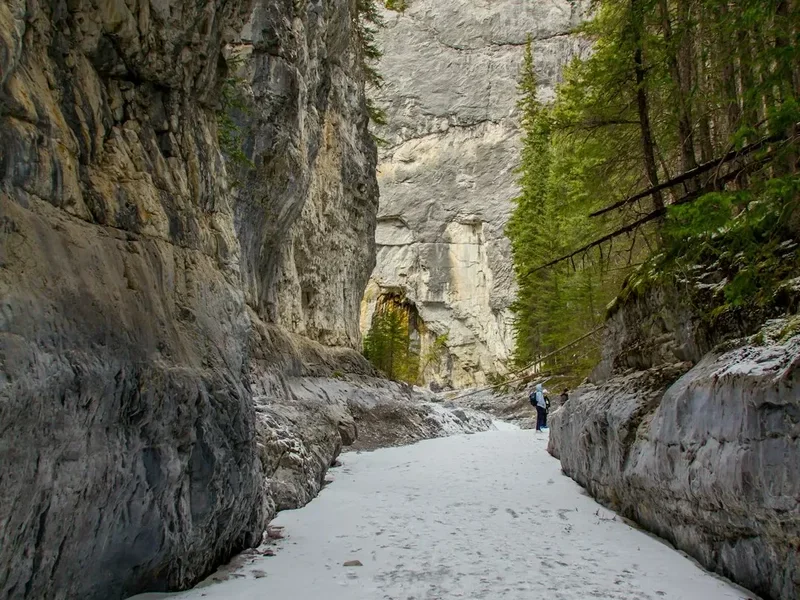
Iceline Trail Day Hike Itinerary (Challenging)
Early Morning (Approx. 7:00 AM - 8:00 AM): Arrival and Ascent Start
- Drive to Takakkaw Falls parking area. Arrive early to secure parking, especially during peak season.
- Begin the steep ascent from the base of Takakkaw Falls. The initial section is a series of switchbacks through dense forest, gaining elevation rapidly.
- The trail is well-maintained but strenuous, offering glimpses of the valley below as you climb.
Morning (Approx. 9:00 AM - 12:00 PM): Reaching the Alpine Plateau
- Continue climbing, emerging from the treeline into subalpine meadows.
- The trail becomes more exposed, with increasing views of the surrounding peaks and glaciers.
- You will reach the junction for the Iceline Trail proper, often marked by signage.
- Begin traversing the alpine plateau, with the Daly Glacier becoming a prominent feature to your left.
- Pass by small tarns and rocky outcrops.
Midday (Approx. 12:00 PM - 2:00 PM): Iceline Traverse and Lunch
- Continue along the Iceline Trail, enjoying expansive views.
- This section offers the most dramatic scenery, with glaciers, icefalls, and rugged mountain faces surrounding you.
- Find a sheltered spot for a well-deserved lunch break, taking in the panoramic vistas.
- Consider the optional detour to Celeste Lake for its stunning turquoise waters.
Afternoon (Approx. 2:00 PM - 5:00 PM): Descent and Return
- Begin the descent. The most common loop route descends via the Celeste Lake trail, offering different perspectives.
- The descent can be steep and rocky in places, requiring careful footing.
- You will pass through varied terrain, from alpine meadows back into subalpine forest.
- The trail eventually rejoins the main path leading back towards the Takakkaw Falls parking area.
- The final section may offer views of Takakkaw Falls from a different angle.
Late Afternoon (Approx. 5:00 PM onwards): Completion
- Arrive back at the Takakkaw Falls parking area.
- Allow ample time for the drive back to Field or your accommodation.
Alternative Overnight Option: For those with more time and a desire for a deeper experience, the Iceline Trail can be combined with a stay at the Stanley Mitchell Hut (requires separate booking and is a significant detour/extension). This would involve a multi-day itinerary, breaking the hike into more manageable sections and allowing for more exploration of the alpine environment.
Planning and Bookings
Book Your Trip
Everything you need to plan your journey
Accommodation
Find places to stay near Field
Flights
Search flights to Field
Essential Preparation
The Iceline Trail is a challenging day hike that requires careful planning. Given its remote alpine location and potential for rapidly changing weather, thorough preparation is paramount. Ensure you have a reliable vehicle capable of navigating the Yoho Valley Road, which can be steep and winding, with some unpaved sections. Check road conditions with Parks Canada before your trip, as it is subject to seasonal closures and can be affected by weather. Parking at the Takakkaw Falls trailhead can be limited, especially during peak season (July and August), so arriving early in the morning is highly recommended. For those considering an overnight stay at Stanley Mitchell Hut, bookings are essential and should be made well in advance through the Alpine Club of Canada. Field, British Columbia, is the closest town and offers basic amenities, including accommodation and a general store. Larger centres like Banff and Golden are within a reasonable driving distance for more extensive services.
Trail Accommodation
The Iceline Trail is primarily a challenging day hike, and therefore, no overnight accommodation is available directly on the main trail itself. Hikers typically return to their vehicles at the Takakkaw Falls parking area at the end of the day.
Day Hike: This is a day hike requiring no overnight accommodation on the trail. Hikers are expected to complete the route within a single day and return to their starting point.
Overnight Option (Stanley Mitchell Hut): For those seeking an extended experience, the Stanley Mitchell Hut, operated by the Alpine Club of Canada, is accessible via a significant detour and extension from the Iceline Trail. This hut is a backcountry facility and requires advance booking through the Alpine Club of Canada. It offers basic shelter, bunks, and cooking facilities. Accessing the hut typically involves a longer, more strenuous hike, often incorporating parts of the Iceline and other connecting trails. This option is for experienced backcountry hikers only and requires separate planning and booking.
Required Gear
- Sturdy Hiking Boots: Waterproof, broken-in hiking boots with good ankle support are essential for navigating the rocky and uneven terrain.
- Backpack: A comfortable daypack (25-40 litres) to carry essentials.
- Waterproof and Windproof Outerwear: A high-quality waterproof and breathable jacket and trousers are non-negotiable. Mountain weather can change rapidly, and you will encounter rain, wind, and potentially even snow.
- Warm Layers: Include a fleece or down jacket, thermal base layers (merino wool or synthetic), and a warm hat and gloves. Even on a warm summer day, temperatures at higher elevations can be significantly colder.
- Navigation Tools: A detailed map of the Iceline Trail and surrounding area, a compass, and a GPS device or smartphone with offline maps are crucial. Do not rely solely on mobile phone signal, as it is unreliable in the park.
- First-Aid Kit: A comprehensive kit including blister treatment, pain relievers, bandages, antiseptic wipes, and any personal medications.
- Headlamp or Torch: With spare batteries, in case your hike takes longer than expected.
- Sun Protection: High SPF sunscreen, sunglasses, and a wide-brimmed hat. The sun at high altitudes can be intense, even on cloudy days.
- Insect Repellent: Especially important during the summer months to ward off mosquitoes and black flies.
What to Bring
- Sufficient Water: Carry at least 2-3 litres of water per person. Water sources are available but should be treated (filter or purification tablets) due to potential contamination from wildlife or glacial melt.
- High-Energy Food: Pack plenty of snacks and a substantial lunch. Think trail mix, energy bars, sandwiches, fruit, and jerky. You will burn a lot of calories on this strenuous hike.
- Water Treatment System: A water filter or purification tablets are essential if you plan to refill your water bottles from natural sources.
- Toiletries: Biodegradable toilet paper, hand sanitizer, and a small trowel for burying human waste if you need to go outside of designated areas (though this is discouraged on popular trails). Pack out all used toilet paper.
- Trekking Poles: Highly recommended for stability on steep ascents and descents, and to reduce strain on your knees.
- Camera: To capture the incredible scenery.
- Binoculars: For spotting wildlife or examining distant glaciers.
- Emergency Whistle: For signalling in case of an emergency.
- Park Pass: Your Yoho National Park entry pass must be displayed on your vehicle.
Permits
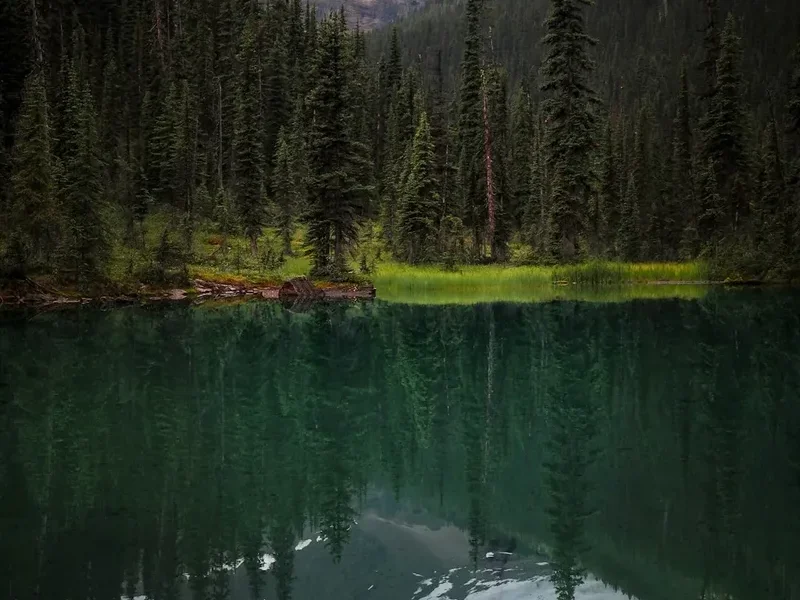
To hike the Iceline Trail, you will need a Parks Canada Discovery Pass, which grants you entry to all Canadian National Parks. These passes can be purchased online through the Parks Canada website or at park gates and visitor centres. The pass is typically valid for one year from the date of purchase.
Parking: While there is no specific permit required for parking at the Takakkaw Falls trailhead, it is important to note that parking is limited and operates on a first-come, first-served basis. Arriving early in the morning, especially during the peak summer season (July and August), is strongly advised to secure a spot. The Yoho Valley Road leading to Takakkaw Falls is also subject to seasonal closures, typically opening in late June or early July and closing in mid-October, depending on snow conditions.
Backcountry Camping: Backcountry camping is not permitted along the Iceline Trail itself. The only designated overnight accommodation is the Stanley Mitchell Hut, which requires separate booking and fees through the Alpine Club of Canada. If you plan to use the hut, ensure you have secured your reservation well in advance, as it is a popular backcountry destination.
Trail Conditions: While no specific permit is needed for day hiking the Iceline Trail, it is always advisable to check the Parks Canada website for any trail advisories, closures, or important safety information before your visit. This includes information on bear activity, trail maintenance, and any potential hazards.
Other Activities in the Area
Yoho National Park offers a wealth of activities beyond the Iceline Trail, allowing visitors to fully immerse themselves in the stunning natural environment:
- Takakkaw Falls: Even if you're not hiking the Iceline, a visit to the base of Takakkaw Falls is a must. The sheer power and height of this waterfall are awe-inspiring.
- Emerald Lake: Famous for its vibrant turquoise waters, Emerald Lake is a picturesque spot for photography, canoeing, or a leisurely stroll along its shores. The lodge at Emerald Lake offers dining and accommodation.
- Lake O'Hara: A world-renowned alpine mecca, Lake O'Hara requires advance reservations for bus access due to its fragile environment. It offers a network of stunning day hikes with incredible alpine scenery.
- Burgess Shale Fossil Beds: A UNESCO World Heritage Site, the Burgess Shale offers a glimpse into ancient marine life. Guided hikes are available to access these fossil beds, providing a unique paleontological experience.
- Hiking in the Yoho Valley: Besides the Iceline, other trails in the Yoho Valley include the trail to Wapta Falls, a powerful waterfall on the Kicking Horse River, and the trail to Laughing Falls.
- Canoeing and Kayaking: Rent a canoe on Emerald Lake or explore the Kicking Horse River (guided tours available for whitewater rafting).
- Wildlife Viewing: Keep an eye out for elk, deer, bighorn sheep, mountain goats, and potentially bears. Always maintain a safe distance and never feed wildlife.
- Visiting Field: The small town of Field serves as the park's hub and offers a charming atmosphere, local amenities, and information about the park.
Safety and Conditions
Pre-Trip Checks:
- Weather Forecast: Always check the mountain weather forecast for Yoho National Park before you depart. Be prepared for rapid changes, including rain, snow, high winds, and temperature drops, even in summer.
- Trail Conditions: Visit the Parks Canada website for the most up-to-date information on trail status, closures, and any wildlife advisories.
- Road Conditions: The Yoho Valley Road to Takakkaw Falls is seasonal and can be affected by weather. Check Parks Canada for current road status.
On the Trail:
- Wildlife Encounters: Yoho National Park is home to bears, cougars, and other large wildlife. Carry bear spray and know how to use it. Make noise while hiking to avoid surprising animals. Never feed wildlife.
- Navigation: The Iceline Trail is generally well-marked, but it is crucial to carry a map and compass and know how to use them. Visibility can drop rapidly in fog or snow, making navigation difficult.
- Terrain: The trail involves steep ascents and descents, loose scree, and rocky sections. Wear appropriate footwear and use trekking poles for stability.
- Hypothermia: Even on a warm day, wind chill at higher elevations can lead to hypothermia. Dress in layers and carry extra warm clothing.
- Water: Treat all water from natural sources before drinking.
- Emergency: Cell phone service is unreliable. Consider carrying a satellite communication device for emergencies. Inform someone of your hiking plans and expected return time.
- Group Hiking: It is always safer to hike with at least one other person.
Specific Hazards:
- Avalanches: While less of a concern in mid-summer, avalanche risk can exist in early season (late June/early July) and late season (late September/October).
- Rockfall: Be aware of potential rockfall, especially in areas with steep cliffs.
- Glacial Hazards: Stay on marked trails and do not attempt to walk on glaciers.
Side Trips and Points of Interest
Celeste Lake: A popular and highly recommended detour from the main Iceline Trail. This stunning turquoise lake offers a beautiful contrast to the rugged alpine landscape and is an ideal spot for a lunch break or photography. The trail to Celeste Lake branches off the main Iceline Trail and adds approximately 2-3 km to the overall hike.
Takakkaw Falls: As one of the highest waterfalls in Canada, Takakkaw Falls is a spectacular sight. The trail begins at its base, allowing hikers to experience its immense power and mist. The sheer scale of the falls is a constant reminder of the glacial forces at play in the region.
Daly Glacier: The Iceline Trail runs in close proximity to the Daly Glacier, offering unparalleled views of this massive ice formation. Hikers can observe its crevasses, icefalls, and the moraines left behind by its slow, powerful movement. It's a stark and beautiful reminder of the ongoing geological processes shaping the landscape.
Waputik Range: The trail provides panoramic views of the Waputik Range, a sub-range of the Canadian Rockies. These peaks, often snow-capped year-round, form a dramatic backdrop to the Iceline traverse.
Alpine Meadows and Wildflowers: During the summer months (typically July and August), the alpine meadows along the Iceline Trail burst into bloom with a vibrant array of wildflowers. This adds a delicate beauty to the rugged terrain and is a highlight for many hikers.
Leave No Trace
The Iceline Trail traverses a fragile alpine environment that is susceptible to human impact. Adhering to Leave No Trace principles is crucial to preserving its natural beauty and ecological integrity for future generations.
- Plan Ahead and Prepare: Research the trail, understand its challenges, and be prepared for all weather conditions. Pack appropriate gear and sufficient food and water.
- Travel and Camp on Durable Surfaces: Stick to the marked trails. Avoid walking on fragile vegetation, meadows, or sensitive alpine flora. The Iceline Trail is well-defined, so stay on the path.
- Dispose of Waste Properly: Pack out everything you pack in, including all food scraps, wrappers, and any other litter. Use designated toilets where available, or if necessary, dig a cathole at least 70 metres away from water sources, trails, and campsites, and bury human waste. Pack out used toilet paper.
- Leave What You Find: Do not remove or disturb natural objects such as rocks, plants, or flowers. Take only photographs and memories.
- Minimize Campfire Impacts: Campfires are not permitted on the Iceline Trail. If camping overnight (at Stanley Mitchell Hut), use established fire rings where permitted and ensure fires are completely extinguished.
- Respect Wildlife: Observe wildlife from a distance. Never feed animals, as this can alter their natural behaviour and diet, and can be harmful to their health. Store food securely to prevent attracting animals.
- Be Considerate of Other Visitors: Keep noise levels down and yield to other hikers. Allow others to enjoy the peace and solitude of the wilderness.
By following these principles, you help ensure that the Iceline Trail remains a pristine and awe-inspiring destination.
 Canada