
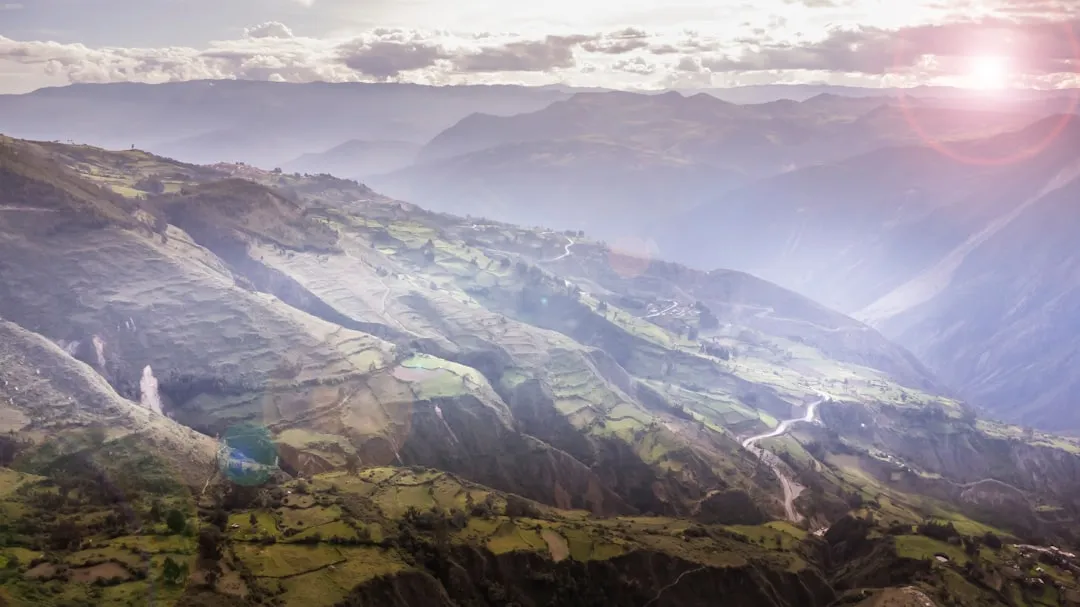
Huchuy Qosqo Trek - The Hidden Inca Citadel
The Huchuy Qosqo Trek is a captivating multi-day walk in the Peruvian Andes, offering a less-trodden path to the impressive Inca ruins of Huchuy Qosqo (meaning "Little Cusco"). This trek provides a unique blend of stunning mountain scenery, authentic cultural encounters, and a profound sense of discovery as you journey through remote valleys and over high passes. Unlike the more famous Inca Trail, Huchuy Qosqo offers a more intimate experience, allowing for a deeper connection with the Andean landscape and its ancient history. The trail winds through traditional Quechua villages, past agricultural terraces, and alongside crystal-clear rivers, culminating in the exploration of the remarkably preserved Huchuy Qosqo archaeological site, perched dramatically on a ridge overlooking the Sacred Valley.
- Distance: Approximately 25.0 km
- Duration: 2-3 days
- Season: April to October (dry season is best)
- Difficulty: Moderate
- Highest point: Approximately 4,000 metres
- Accommodation: Basic campsites and lodges
- Closest City: Cusco
- Direction: Typically starts near Tambomachay and ends in the Sacred Valley
Overview
The Huchuy Qosqo Trek is a journey that unfolds gradually, revealing the raw beauty and ancient heritage of the Cusco region. It begins with an ascent from the highlands near Cusco, often starting from the Inca ruins of Tambomachay, a site known for its water fountains and intricate stonework. From here, the trail climbs steadily, offering panoramic views of the surrounding Andean peaks and valleys. The initial days are characterised by high-altitude walking across open puna landscapes, where hardy ichu grass carpets the rolling hills and llamas and alpacas graze peacefully.
As the trek progresses, the landscape transforms. You'll descend into verdant valleys, passing through small, traditional Quechua communities where life continues much as it has for centuries. These villages offer a glimpse into the daily lives of the local people, their agricultural practices, and their enduring connection to the land. The trail is not as well-maintained or as clearly defined as the Inca Trail, adding to its adventurous appeal. Navigation can be more challenging, requiring a good sense of direction or the guidance of a local expert.
The highlight of the trek is undoubtedly the arrival at Huchuy Qosqo. This sprawling Inca complex is a marvel of engineering and artistry, featuring impressive stone structures, agricultural terraces, and a unique water management system. Its remote location and dramatic setting, perched high on a cliff face with breathtaking views of the Sacred Valley below, make it a truly unforgettable destination. The trek concludes with a descent into the Sacred Valley, often near the town of Calca, from where you can easily access other major Inca sites like Ollantaytambo and Machu Picchu.
The Huchuy Qosqo Trek is an excellent alternative for those seeking a less crowded and more authentic Inca experience. It offers a rewarding challenge for moderately fit hikers and a deep dive into the history, culture, and natural beauty of the Peruvian Andes.
History and Cultural Context
The region surrounding Cusco, and the Sacred Valley in particular, is the heartland of the Inca Empire. Huchuy Qosqo itself is believed to have been a royal estate or administrative centre, possibly built by the Inca ruler Viracocha. Its strategic location, high above the Sacred Valley, provided excellent defensive capabilities and access to fertile agricultural lands. The name "Huchuy Qosqo" translates to "Little Cusco," suggesting it was a significant settlement, perhaps a smaller version of the imperial capital or a place of importance for the Inca elite.
The construction of Huchuy Qosqo dates back to the 15th century, a period of significant expansion for the Inca Empire. The site showcases the sophisticated architectural techniques of the Incas, including precisely cut stone masonry, intricate terracing for agriculture, and a complex water channel system that still functions today. The site was likely abandoned after the Spanish conquest in the 16th century, and for centuries, it remained largely forgotten, hidden by the rugged Andean terrain.
The trek to Huchuy Qosqo follows ancient Inca pathways, some of which were used for centuries by local communities for trade, travel, and religious ceremonies. These paths connect remote villages and offer a tangible link to the past. The cultural context of the trek is rich, as you traverse lands that have been inhabited by indigenous peoples for millennia. The Quechua language is still spoken, and traditional customs and agricultural practices persist, offering a unique opportunity to witness a living heritage.
The rediscovery and ongoing study of Huchuy Qosqo have shed light on the Inca's understanding of their environment and their ability to adapt to challenging mountain conditions. The trek allows modern travellers to walk in the footsteps of the Incas, experiencing the same breathtaking vistas and the same profound connection to the Andean landscape that they must have felt.
Seasonal Highlights and Weather Reality
The best time to undertake the Huchuy Qosqo Trek is during the dry season, which generally runs from April to October. This period offers the most favourable weather conditions for trekking in the Andes.
Dry Season (April to October):
- April-May: The start of the dry season. The landscape is still green from the rainy season, and the weather is typically pleasant with clear skies and moderate temperatures. Days are sunny, but nights can be cold, especially at higher altitudes.
- June-August: This is the heart of the dry season and the peak trekking period. Expect very clear skies, minimal rainfall, and excellent visibility. However, these months are also the coldest, with temperatures often dropping below freezing at night. Daytime temperatures can be warm in direct sunlight but cool quickly in the shade or when the sun sets. This is also the busiest time for trekking in the region.
- September-October: The end of the dry season. The landscape may start to appear drier, but the weather remains generally good. Temperatures begin to moderate slightly, and there's a slightly higher chance of occasional rain showers as the wet season approaches.
Wet Season (November to March):
- November-March: This period is characterised by frequent and heavy rainfall, particularly in the afternoons. While mornings can sometimes be clear, the risk of landslides and trail closures increases significantly. The landscape is lush and green, but trekking can be challenging due to muddy trails, reduced visibility, and colder, damp conditions. Some operators may suspend treks during the wettest months.
Weather Considerations:
Regardless of the season, Andean weather is notoriously unpredictable. Even during the dry season, you can experience sudden changes, including strong winds, fog, and even unexpected snow flurries at higher elevations. It is crucial to be prepared for all conditions. Temperatures can vary significantly between day and night, and between sunny slopes and shaded valleys. Altitude sickness is also a factor, and acclimatisation is essential before starting any trek.
Recommended Itinerary

2-Day Huchuy Qosqo Trek Itinerary
Day 1: Tambomachay to Pukamarca Campsite
- Distance: Approximately 12 km
- Elevation gain: Approximately 800 m
- Time: 5–7 hours
- Start from Tambomachay (approx. 3,700 m)
- Ascend through high Andean puna landscape
- Pass Inca ruins and ancient agricultural terraces
- Cross a high pass (approx. 4,000 m) with panoramic views
- Descend towards the Pukamarca area
- Set up camp at a designated campsite (basic facilities, often no running water)
- Enjoy stargazing in the clear mountain air
Day 2: Pukamarca Campsite to Huchuy Qosqo and Descent to Sacred Valley
- Distance: Approximately 13 km
- Elevation gain: Approximately 300 m, then 1,000 m descent
- Time: 6–8 hours
- Morning hike to the impressive Inca ruins of Huchuy Qosqo (approx. 3,600 m)
- Explore the archaeological site, including its well-preserved structures, terraces, and water channels
- Enjoy breathtaking views of the Sacred Valley and surrounding mountains
- Begin the descent from Huchuy Qosqo
- The trail descends steeply towards the Sacred Valley, often ending near the town of Calca
- Transfer to your accommodation in the Sacred Valley or return to Cusco
3-Day Huchuy Qosqo Trek Itinerary (More Relaxed Pace)
Day 1: Cusco to Tambomachay and Hike to First Campsite
- Distance: Approximately 8 km
- Elevation gain: Approximately 500 m
- Time: 4–5 hours
- Transfer from Cusco to Tambomachay (approx. 3,700 m)
- Explore Tambomachay ruins
- Begin a gentle ascent through the puna
- Set up camp at a scenic location, allowing for better acclimatisation
Day 2: First Campsite to Pukamarca Campsite
- Distance: Approximately 12 km
- Elevation gain: Approximately 800 m
- Time: 5–7 hours
- Continue the ascent, crossing the highest pass of the trek (approx. 4,000 m)
- Enjoy expansive views of the Andes
- Descend towards the Pukamarca area
- Set up camp at Pukamarca
Day 3: Pukamarca Campsite to Huchuy Qosqo and Descent to Sacred Valley
- Distance: Approximately 13 km
- Elevation gain: Approximately 300 m, then 1,000 m descent
- Time: 6–8 hours
- Morning hike to Huchuy Qosqo (approx. 3,600 m)
- Explore the ruins and enjoy the views
- Descend to the Sacred Valley, typically near Calca
- Transfer to accommodation or Cusco
Important Notes:
- This trek requires a guide and porters for carrying gear and for navigation.
- Accommodation is primarily camping, with some basic lodges available in certain areas.
- Acclimatisation in Cusco (at least 2-3 days) is highly recommended before starting the trek.
- The itinerary can be adjusted based on group fitness and preferences.
Planning and Bookings
Book Your Trip
Everything you need to plan your journey
Accommodation
Find places to stay near Cusco
Flights
Search flights to Cusco
Essential Preparation
The Huchuy Qosqo Trek is a moderate-difficulty trek that requires good physical fitness and proper acclimatisation to the high altitude. Cusco, the closest major city, sits at an elevation of approximately 3,400 metres, and the trek itself reaches altitudes of around 4,000 metres. It is crucial to spend at least 2-3 days in Cusco or the Sacred Valley before commencing the trek to allow your body to adjust to the thinner air. This acclimatisation period should involve light activities, plenty of hydration, and avoiding alcohol and strenuous exercise.
Logistics for this trek typically involve booking with a reputable tour operator. These operators will arrange for guides, porters, camping equipment, meals, and transportation to and from the trailhead and your accommodation. When choosing an operator, consider their experience, safety record, and commitment to ethical treatment of their staff and the environment. Ensure your chosen operator provides adequate acclimatisation advice and support.
The trailhead is usually accessed from Tambomachay, an Inca site located a short drive from Cusco. Transportation to the trailhead is typically included in tour packages. The trek concludes in the Sacred Valley, often near Calca, from where you will be transferred back to your accommodation in the Sacred Valley or Cusco.
Trail Accommodation
The Huchuy Qosqo Trek is primarily a camping trek. Accommodation consists of designated campsites, which are often basic and may not have extensive facilities. These campsites are typically located in scenic areas, offering a true wilderness experience.
Campsite Facilities:
- Designated camping areas.
- Basic toilet facilities (often pit latrines or portable toilets provided by the tour operator).
- Access to natural water sources (streams or springs), which will require treatment.
- No electricity or charging facilities.
- No cooking facilities provided at the campsite itself; meals are prepared by your trekking crew.
What's NOT Provided:
- Tents, sleeping bags, and sleeping mats (these are usually rented or provided by the tour operator).
- Hot showers or running water at campsites.
- Food and drink (unless part of a full-board package).
- Toiletries.
Seasonal Availability: Campsites are generally available year-round, but the dry season (April to October) offers the most comfortable camping conditions. During the wet season (November to March), camping can be challenging due to rain, mud, and colder temperatures.
Costs: Campsite fees are usually included in the overall tour package price. If booking independently, expect minimal fees for designated camping areas, but the primary cost will be for the guided trek services.
Alternative Lodging: In some villages along the route, basic homestays or small lodges might be available, offering a more comfortable alternative to camping. However, these are not standard on most Huchuy Qosqo treks and would need to be specifically arranged, potentially increasing costs and complexity.
Required Gear
- Sturdy hiking boots: Waterproof, broken-in, with good ankle support. Essential for navigating uneven terrain and high altitudes.
- Waterproof and windproof jacket: A high-quality shell jacket is crucial for protection against rain and wind, especially at higher elevations.
- Waterproof overtrousers: To keep your legs dry during downpours.
- Warm layers: Including fleece jackets, thermal base layers (merino wool or synthetic), and a warm hat (beanie). Temperatures can drop significantly at night and at altitude.
- Gloves: Warm, waterproof gloves are recommended.
- Backpack: A comfortable daypack (25-35 litres) for carrying essentials like water, snacks, camera, and rain gear. Porters will carry your main camping gear.
- Sleeping bag: Rated for cold temperatures (e.g., -5°C to -10°C comfort rating), as nights can be freezing.
- Sleeping mat: For insulation and comfort (often provided by tour operators).
- Head torch: With spare batteries, essential for navigating campsites and tents at night.
- First-aid kit: Including personal medications, blister treatment, pain relievers, and antiseptic wipes.
- Sun protection: High SPF sunscreen, lip balm with SPF, sunglasses, and a wide-brimmed hat. The sun is intense at high altitudes.
- Trekking poles: Highly recommended for stability on ascents and descents, and to reduce strain on knees.
What to Bring
- Food and snacks: While tour operators usually provide meals, it's wise to carry high-energy snacks like nuts, dried fruit, energy bars, and chocolate for between meals and for personal energy boosts.
- Water bottles or hydration reservoir: Capacity for at least 2-3 litres.
- Water purification method: Water filter, purification tablets, or the ability to boil water. Natural water sources should always be treated.
- Toiletries: Biodegradable soap, toothbrush, toothpaste, hand sanitiser, wet wipes, and any personal hygiene items.
- Quick-drying towel.
- Camera and extra batteries/power bank: The scenery is spectacular.
- Personal identification: Passport copy.
- Small amount of local currency (Peruvian Soles): For purchasing snacks, souvenirs, or tipping guides and porters.
- Insect repellent: Especially for lower elevations and evenings.
- Book or journal: For downtime at camp.
- Duct tape: Useful for quick repairs to gear.
Permits

Unlike the Inca Trail, the Huchuy Qosqo Trek does not require a specific government-issued permit for the trail itself or for the Huchuy Qosqo archaeological site in the same way that Machu Picchu does. However, entrance fees to archaeological sites visited along the route, including Tambomachay and Huchuy Qosqo itself, are typically managed by the Peruvian Ministry of Culture and are usually included in the tour package price arranged by your trekking operator.
Key points regarding permits and fees:
- Boleto Turístico del Cusco (Cusco Tourist Ticket): This is the most common way to access multiple archaeological sites in and around Cusco and the Sacred Valley. There are different versions of the Boleto Turístico, with varying validity periods and inclusions. A comprehensive ticket (Boleto Turístico Integral) often covers Tambomachay, Puka Pukara, Q'enqo, and Sacsayhuamán, as well as sites in the Sacred Valley like Ollantaytambo and Pisac. If your trek starts at Tambomachay, ensure your ticket includes this site. The Boleto Turístico is usually purchased in Cusco and is valid for a set number of days (e.g., 1, 2, 5, or 10 days).
- Huchuy Qosqo Entrance Fee: While often covered by the Boleto Turístico, some operators may include a separate entrance fee for Huchuy Qosqo if it's not part of the standard ticket. It is essential to clarify this with your tour provider.
- Tour Operator Responsibility: Reputable tour operators will handle the purchase of all necessary entrance fees and permits as part of their service. They will inform you which sites are covered and what you need to purchase separately.
- Independent Trekkers: If you are trekking independently, you will need to purchase the appropriate Boleto Turístico in Cusco before starting your trek and ensure it covers all the sites you plan to visit.
It is always advisable to confirm the exact permit and fee requirements with your chosen tour operator well in advance of your trek to avoid any last-minute complications.
Other Activities in the Area
The Huchuy Qosqo Trek is often combined with other incredible experiences in the Cusco region and the Sacred Valley:
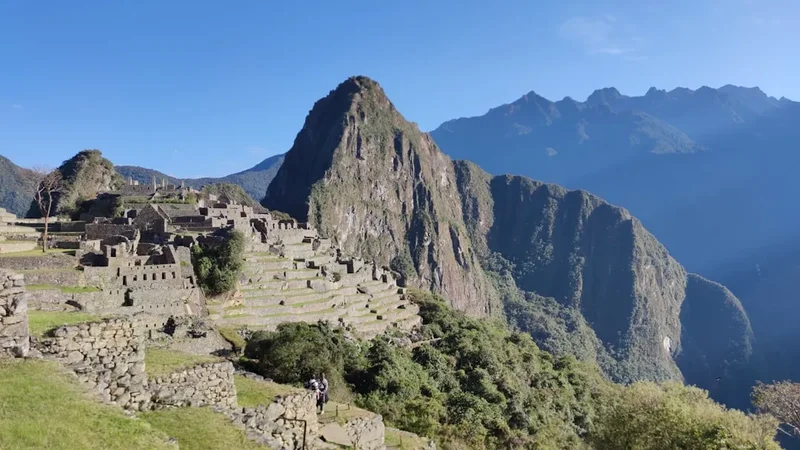
- Machu Picchu: No trip to Peru is complete without visiting the iconic Inca citadel. You can easily travel from the Sacred Valley to Aguas Calientes (the town below Machu Picchu) by train.
- Sacred Valley Exploration: Spend time visiting other significant Inca sites such as Ollantaytambo (a remarkably preserved Inca town and fortress), Pisac (known for its impressive terraces and vibrant market), and Moray (circular agricultural terraces).
- Cusco City Tour: Explore the historic capital of the Inca Empire, including the Plaza de Armas, Cusco Cathedral, Qorikancha (Temple of the Sun), and the nearby ruins of Sacsayhuamán, Q'enqo, Puka Pukara, and Tambomachay.
- Maras Salt Mines: A fascinating pre-Inca salt evaporation site with thousands of individual salt pans cascading down a hillside.
- Andean Markets: Immerse yourself in local culture by visiting the colourful markets in Pisac, Chinchero, or San Blas in Cusco, where you can find traditional textiles, crafts, and local produce.
- Rainbow Mountain (Vinicunca): For those seeking more high-altitude adventure, a day trip to the stunning Rainbow Mountain is a popular option, though it requires significant acclimatisation and an early start.
- Cusco Culinary Scene: Indulge in Peru's world-renowned cuisine, from traditional Andean dishes to modern fusion creations, in Cusco's many excellent restaurants.
Safety and Conditions
Altitude Sickness (Soroche): This is the primary safety concern. Symptoms include headache, nausea, dizziness, fatigue, and shortness of breath. Prevention is key: acclimatise properly in Cusco for 2-3 days before trekking, stay hydrated, avoid alcohol and heavy meals, and consider medication like Diamox (consult your doctor). If symptoms worsen, descend immediately.
Trail Conditions: The Huchuy Qosqo Trek involves walking on ancient Inca trails, which can be uneven, rocky, and steep. Trails can become muddy and slippery during the wet season (November to March). Good hiking boots and trekking poles are essential for stability.
Weather: Andean weather is unpredictable. Be prepared for rapid changes, including strong winds, rain, fog, and cold temperatures, even during the dry season. Hypothermia is a risk at higher altitudes. Always carry waterproof and warm layers.
Navigation: While tour operators provide guides, it's wise to have a basic understanding of the route. Trails can be faint in places, especially in the higher puna sections. Ensure your guide is experienced and knowledgeable.
Water: Always treat water from natural sources before drinking. Carry a reliable water filter or purification tablets.
Guides and Porters: Using a reputable tour operator with experienced guides and porters is highly recommended for safety, navigation, and logistical support. Ensure your operator adheres to fair labour practices for their staff.
Emergency Procedures: Your tour operator should have established emergency protocols. Ensure you know how to contact them in case of an emergency and what their evacuation procedures are. Carrying a personal locator beacon (PLB) can be a valuable safety addition for remote treks.
Health: Consult your doctor about vaccinations and any necessary medications before travelling to Peru. Ensure you have adequate travel insurance that covers high-altitude trekking and medical evacuation.
Side Trips and Points of Interest
Tambomachay: Often the starting point of the trek, Tambomachay is an impressive Inca archaeological site featuring intricate water channels and fountains, believed to have been used for ceremonial purposes related to water worship. Its well-preserved stonework and strategic location make it a fascinating introduction to Inca engineering.
Puka Pukara: Located near Tambomachay, Puka Pukara ("Red Fortress") is a smaller Inca military outpost or administrative centre. Its strategic position offers commanding views of the surrounding valleys, highlighting its defensive purpose.
Inca Agricultural Terraces: Throughout the trek, you will encounter extensive Inca agricultural terraces carved into the hillsides. These demonstrate the Incas' advanced understanding of land management and their ability to cultivate crops in challenging mountain environments. They are a testament to their ingenuity and adaptation.
High Andean Puna: The trek traverses the high Andean puna, a unique ecosystem characterised by vast, rolling grasslands (ichu grass) and sparse vegetation. This landscape is home to llamas, alpacas, and a variety of high-altitude birds. The open vistas and sense of remoteness are a significant part of the trekking experience.
Quechua Villages: The route passes through small, traditional Quechua villages. These offer a glimpse into the daily lives of the local communities, their farming practices, and their enduring cultural traditions. Interacting respectfully with the villagers can be a rewarding cultural experience.
Panoramic Mountain Views: The trek offers spectacular panoramic views of the Andes mountain range. From the high passes, you can often see snow-capped peaks, deep valleys, and the vast expanse of the high-altitude plateau. These vistas are a constant source of awe and wonder.
Leave No Trace
The Huchuy Qosqo Trek traverses sensitive Andean ecosystems and passes through communities that maintain traditional ways of life. Adhering to Leave No Trace principles is paramount to preserving this environment and respecting its inhabitants.
Plan Ahead and Prepare: Understand the conditions, book with responsible operators, and pack appropriately to minimise waste and environmental impact. Ensure your tour operator has a strong commitment to LNT principles.
Travel and Camp on Durable Surfaces: Stick to established trails to avoid damaging fragile vegetation. When camping, use designated campsites and avoid trampling vegetation. Set up tents on bare ground or rock where possible.
Dispose of Waste Properly: Pack out everything you pack in, including all food scraps, wrappers, and toilet paper. Use designated toilet facilities or dig catholes at least 60 metres away from water sources, trails, and campsites. Ensure all waste is carried out and disposed of responsibly.
Leave What You Find: Do not remove any natural objects (rocks, plants) or cultural artefacts. Take only photographs and memories.
Minimise Campfire Impacts: Campfires are generally not permitted on this trek due to the risk of wildfires and the scarcity of suitable firewood. Use portable stoves for cooking.
Respect Wildlife: Observe wildlife from a distance and never feed animals. Feeding them can disrupt their natural behaviours and diets, and can be harmful.
Be Considerate of Other Visitors: Keep noise levels down, especially at campsites. Respect the local culture and traditions of the communities you pass through. Ask for permission before taking photographs of people.
By following these principles, you help ensure that the Huchuy Qosqo Trek remains a pristine and culturally rich experience for future generations.
Useful Links
- Official Tourism Portal of Peru
- Cusco Tourist Ticket Information
- Machu Picchu Official Website (for general information on the region)
- National Service of Natural Protected Areas (SERNANP) - For general park information in Peru
- Andean Region Weather Forecasts (example, check local sources for specific forecasts)