
Huaytapallana Trek - Andes of the Sun
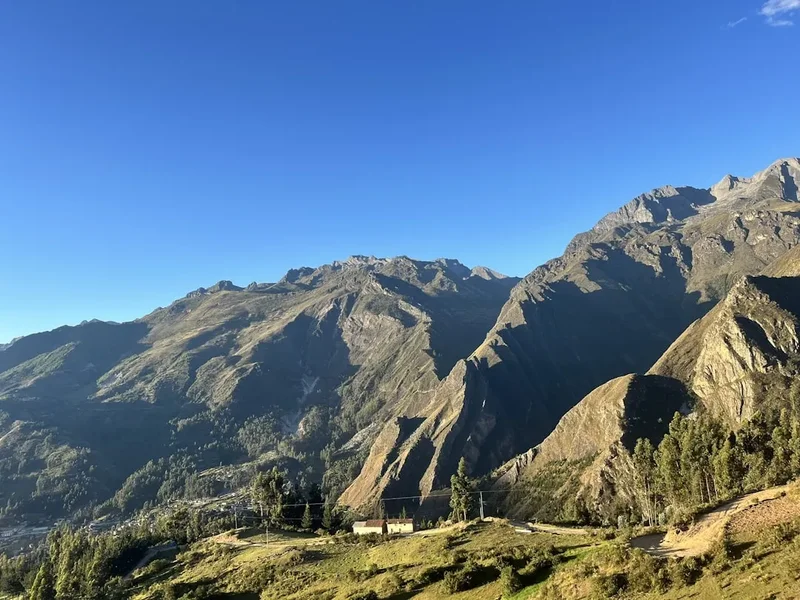
The Huaytapallana Trek is a challenging mountain route in the heart of the Peruvian Andes, offering a profound immersion into high-altitude landscapes, glacial environments, and the rich cultural heritage of the Junín region. This trek traverses a dramatic chain of snow-capped peaks, including the Nevado Huaytapallana, the highest point in the Cordillera Central of the Peruvian Andes. It is a journey that demands physical resilience, respect for the elements, and an appreciation for the raw, untamed beauty of the high Andes. The trail winds through remote valleys, past turquoise glacial lakes, and over high passes that offer breathtaking panoramas of jagged peaks and expansive skies. This is an adventure for those seeking a true wilderness experience, far from the usual tourist trails, where the silence is broken only by the wind and the distant cry of Andean wildlife.
- Distance: 45.0 km one-way
- Duration: 3-4 days
- Season: May to September (dry season)
- Difficulty: Challenging
- Highest point: Nevado Huaytapallana (approx. 5,557 m)
- Closest City: Huancayo
- Trailhead Access: Fly to Lima (LIM), then bus to Huancayo (approx. 8 hours). From Huancayo, hire a taxi or colectivo to the trailhead near Vilcacoto (approx. 1.5 hours). Road is partially paved, then dirt. 4x4 recommended. Check road conditions. Limited parking. No permits needed, but registration at local community office near the trailhead is advisable.
Overview
The Huaytapallana Trek is a spectacular, yet demanding, high-altitude expedition that takes trekkers into the realm of the permanent snow line. Unlike many Andean treks that focus on Inca ruins or lower valleys, this route is defined by its glacial landscapes and formidable peaks. The trek typically begins near the community of Vilcacoto, a small settlement that serves as the gateway to the Huaytapallana massif. From here, the trail ascends steadily, gradually leaving behind the agricultural terraces and sparse vegetation of the lower slopes to enter a world of rock, ice, and alpine meadows.
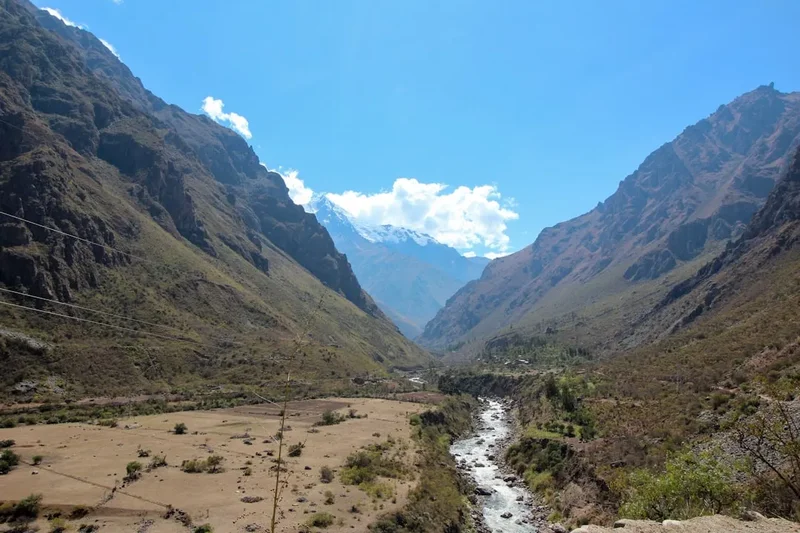
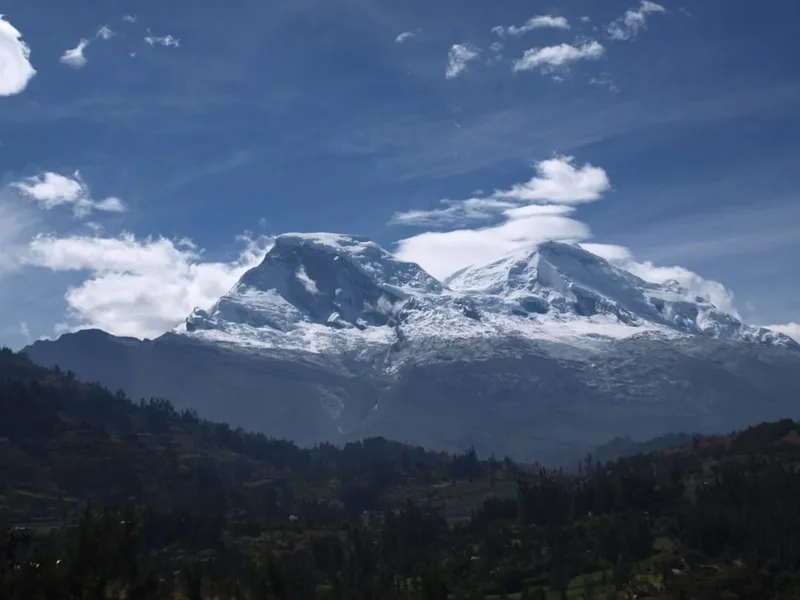
The trek's defining feature is its proximity to Nevado Huaytapallana, a majestic glaciated peak that dominates the skyline. Trekkers will witness firsthand the power of glacial erosion, with U-shaped valleys, moraines, and stunning glacial lakes such as Laguna de las Siete Colores (Lagoon of Seven Colours) and Laguna Chuspicocha. The highest point of the trek often involves crossing passes that sit at altitudes exceeding 4,800 metres, offering unparalleled views of the surrounding Cordillera Central. These passes are not just geographical markers but also spiritual sites, often adorned with apachetas (stone cairns) left by local communities as offerings to the Apus (mountain spirits).
The dry season, from May to September, is the optimal time to undertake this trek. During these months, the skies are typically clear, offering excellent visibility and stable weather conditions, though temperatures can plummet significantly at night. The landscape, while stark, is incredibly beautiful, with the stark contrast between the grey rock, the vibrant blues of the glacial lakes, and the dazzling white of the snow-capped peaks. This trek is a true test of endurance and acclimatisation, rewarding those who undertake it with a profound sense of accomplishment and an unforgettable connection to the raw power of the high Andes.
History and Cultural Context
The Huaytapallana massif has been a sacred landscape for indigenous Andean peoples for millennia. Long before the Inca Empire, communities in the Mantaro Valley revered these towering peaks as powerful deities, or Apus, believed to control weather patterns, water sources, and the fertility of the land. The Nevado Huaytapallana itself, meaning "place of the sun's altar" or "place of offerings" in Quechua, has likely been a site of pilgrimage and spiritual significance for centuries. Local communities, such as those in Vilcacoto and surrounding areas, maintain these ancient traditions, often leaving offerings of coca leaves, chicha (corn beer), and other symbolic items at apachetas and sacred sites to seek blessings and protection from the mountain spirits.
The Inca Empire, known for its sophisticated understanding of astronomy and its reverence for the natural world, would have certainly recognised the importance of the Huaytapallana range. While no major Inca ruins are directly on the trekking route, the extensive network of roads and settlements in the Mantaro Valley below indicates a deep connection to the surrounding mountains. The Incas often built their most important temples and observatories in high-altitude locations, and it is plausible that the Huaytapallana peaks played a role in their cosmology and astronomical observations.
In more recent history, the Huaytapallana region has been a source of mineral wealth, with mining activities occurring in the broader area. However, the specific trekking routes often skirt these industrial zones, preserving the wilderness character of the landscape. The communities living in the foothills of Huaytapallana continue to practice traditional agriculture, herding llamas and alpacas, and maintaining a way of life deeply intertwined with the mountain environment. The trek offers a rare glimpse into this enduring cultural heritage, where the spiritual connection to the mountains remains as strong as it was in ancient times.
Seasonal Highlights and Weather Reality
The Huaytapallana Trek is best undertaken during the dry season, which typically runs from May to September. This period offers the most stable weather conditions, with clear skies and minimal rainfall, making it ideal for high-altitude trekking.
May to June: The beginning of the dry season. Temperatures start to drop significantly, especially at night, but daytime conditions are often pleasant with bright sunshine. The landscape begins to dry out, and the first frosts appear at higher elevations. This is a good time to avoid the harshest winter cold while still benefiting from dry trails.
July to August: These are generally the coldest and driest months. Daytime temperatures can be mild in direct sunlight, but they quickly drop below freezing once the sun sets. Nights can reach -10°C or colder at higher altitudes. Snowfall is possible, especially on the passes, but typically melts quickly on the main trekking routes during the day. This is peak season for clear views and stable conditions, but requires robust cold-weather gear.
September: The end of the dry season. The weather remains largely stable, but there's a slightly increased chance of early rains as the wet season approaches. Temperatures are still cold, but perhaps slightly less extreme than in July and August. The landscape may start to show signs of spring at lower elevations, though the high peaks remain snow-covered.
October to April: This is the wet season in the Andes. Rainfall is frequent and can be heavy, often accompanied by thunderstorms. Snowfall is common at higher elevations, making passes impassable and significantly increasing the risk of avalanches. Visibility is poor, and the trails can become muddy and treacherous. This period is generally not recommended for trekking the Huaytapallana route due to safety concerns and poor conditions.
Weather Considerations: Even during the dry season, weather in the high Andes can change rapidly. Expect strong winds, especially at higher altitudes and on exposed passes. Hypothermia is a significant risk, even on sunny days, due to the combination of altitude, wind chill, and potential for sudden temperature drops. Always be prepared for a range of conditions.
Recommended Itinerary
3-Day Huaytapallana Trek Itinerary
Day 1: Vilcacoto to Laguna de las Siete Colores Camp
- Distance: 12 km
- Elevation gain: 1,200 m
- Time: 6–7 hours
- Start from Vilcacoto (approx. 3,500 m)
- Gradual ascent through agricultural terraces and sparse vegetation
- Pass through small hamlets and observe local Andean life
- The trail begins to steepen as you gain altitude
- Reach the stunning Laguna de las Siete Colores (approx. 4,700 m)
- Set up camp near the lagoon, offering spectacular views of the surrounding peaks
- Acclimatisation is crucial; take it slow and drink plenty of water
Day 2: Laguna de las Siete Colores to Laguna Chuspicocha via Huaytapallana Pass
- Distance: 15 km
- Elevation gain: 400 m, Elevation loss: 500 m
- Time: 7–8 hours
- Early start to cross the highest pass of the trek
- Ascend to Huaytapallana Pass (approx. 4,900 m)
- Experience breathtaking panoramic views of Nevado Huaytapallana and surrounding glaciers
- Descend towards Laguna Chuspicocha (approx. 4,600 m)
- The descent can be steep and rocky
- Camp near Laguna Chuspicocha, another beautiful glacial lake
- This day is physically demanding due to altitude and the pass crossing
Day 3: Laguna Chuspicocha to Vilcacoto
- Distance: 18 km
- Elevation loss: 1,100 m
- Time: 5–6 hours
- Begin the descent back towards Vilcacoto
- The trail follows a valley, offering different perspectives of the mountain range
- Pass through alpine meadows and potentially encounter grazing llamas and alpacas
- The terrain becomes less technical as you descend
- Arrive back in Vilcacoto in the afternoon
- Option to extend to a 4-day trek by spending an extra night at Laguna Chuspicocha or exploring a different route
Important Notes:
- This itinerary is a suggestion and can be adapted based on fitness levels and acclimatisation.
- A 4-day option could include an extra day for acclimatisation at Laguna de las Siete Colores or a more leisurely exploration of the glacial lakes.
- Hiring local guides and porters is highly recommended for safety, navigation, and cultural immersion.
- All camping gear must be carried or arranged with porters.
- Water sources are generally available from streams and lakes, but purification is essential.
- Temperatures at night can drop well below freezing.
Planning and Bookings
Book Your Trip
Everything you need to plan your journey
Accommodation
Find places to stay near Huancayo
Flights
Search flights to Huancayo
Essential Preparation
The Huaytapallana Trek is a high-altitude adventure that requires careful planning and preparation. Given its remote location and challenging terrain, it is strongly advised to undertake this trek with experienced local guides and porters. These individuals possess invaluable knowledge of the routes, weather patterns, and cultural nuances of the region, and are essential for safety and logistical support. Prior to arriving in Huancayo, ensure you have booked your transport from Lima and have accommodation arranged. Huancayo serves as the primary base town, offering a range of hotels, hostels, and restaurants. It is also the place to finalise arrangements for guides, porters, and any last-minute gear purchases. Acclimatisation is paramount; spend at least two to three days in Huancayo (approx. 3,271 m) or a similar altitude before commencing the trek to minimise the risk of altitude sickness. This period allows your body to adjust to the lower oxygen levels, which is critical for a safe and enjoyable experience at the much higher altitudes of the Huaytapallana range.
Trail Accommodation
This is a trekking route that requires overnight camping. There are no established huts or lodges along the Huaytapallana Trek. Trekkers will need to carry or arrange for the transport of all camping equipment, including tents, sleeping bags, and cooking gear.
Camping Locations:
- Designated camping spots are typically near glacial lakes, such as Laguna de las Siete Colores and Laguna Chuspicocha. These locations offer relatively flat ground and access to water sources.
- Wild camping is permitted, but it is essential to choose sites that minimise environmental impact and are away from fragile vegetation or water sources.
Facilities Provided:
- None. Trekkers are entirely self-sufficient.
What's NOT Provided:
- Tents, sleeping bags, sleeping mats
- Cooking equipment (stoves, fuel, pots, utensils)
- Food and water treatment supplies
- Toilets or waste disposal facilities
- Shelter from the elements
Seasonal Availability: Camping is possible throughout the dry season (May to September). During the wet season (October to April), camping is not recommended due to heavy rainfall, potential flooding, and hazardous weather conditions.
Costs: While there are no direct costs for camping sites, the expense of hiring guides, porters, and purchasing or renting camping equipment should be factored into your budget.
Required Gear
- Sturdy Hiking Boots: Waterproof, broken-in, with good ankle support. Essential for navigating rocky and uneven terrain at high altitudes.
- Waterproof Jacket and Trousers: High-quality, breathable, and fully seam-sealed. Essential for protection against rain, wind, and snow.
- Warm Layers: Multiple insulating layers, including a fleece jacket or down vest, and thermal base layers (merino wool or synthetic).
- Sleeping Bag: Rated for sub-zero temperatures (comfort rating of -10°C to -15°C is recommended).
- Sleeping Mat: Insulated mat for warmth and comfort.
- Backpack: 50-70 litre capacity, with a rain cover.
- Head Torch: With spare batteries. Essential for navigating in the dark and for use in the tent.
- First-Aid Kit: Comprehensive kit including blister treatment, pain relievers, antiseptic wipes, bandages, and any personal medications. Altitude sickness medication (e.g., Diamox) should be discussed with a doctor.
- Sun Protection: High SPF sunscreen (SPF 50+), lip balm with SPF, sunglasses (with UV protection), and a wide-brimmed hat or cap.
- Navigation Tools: Map of the area, compass, and GPS device or smartphone with offline maps. Essential even with a guide.
- Trekking Poles: Highly recommended for stability on ascents and descents, and to reduce strain on knees.
What to Bring
- Food: High-energy, non-perishable food for 3-4 days (breakfasts, lunches, dinners, snacks). Consider freeze-dried meals for lightness.
- Water Treatment: Water filter or purification tablets. While glacial meltwater is generally pure, treatment is always recommended.
- Cooking Equipment: Lightweight camping stove, fuel, cooking pot, mug, bowl, spoon/fork.
- Toiletries: Biodegradable soap, toothbrush, toothpaste, toilet paper, hand sanitiser, wet wipes.
- Personal Items: Camera, power bank for electronics, book or journal, small towel.
- Identification: Passport or national ID.
- Cash: Peruvian Soles for local purchases, tips, and emergencies.
- Duct Tape and Repair Kit: For minor gear repairs.
- Plastic Bags: For waterproofing gear and packing out all waste.
Permits
For the Huaytapallana Trek, formal permits are generally not required in the same way as for national parks with strict visitor quotas. However, the trek passes through areas managed by local communities, and it is considered respectful and often necessary to register your trek with the local community office in Vilcacoto or a designated authority near the trailhead. This registration helps the community track visitors, ensures your presence is known, and can contribute to local conservation efforts. It is advisable to inquire about this registration process upon arrival in Huancayo or directly from your guide.
Community Registration:
- Purpose: To inform local authorities of your presence, ensure safety, and potentially contribute to community-based tourism initiatives.
- Location: Typically at a community office or designated point in Vilcacoto or a nearby village.
- Cost: There may be a small administrative fee, or it might be included in the guide's service.
- Recommendation: Always confirm the necessity and procedure with your guide or local contacts before starting the trek.
National Park Status: While the Huaytapallana massif is a significant natural area, it is not typically managed as a national park with stringent permit systems like some other Peruvian destinations. However, it is part of the broader Andean ecosystem, and adherence to Leave No Trace principles is paramount.
Guides and Porters: Hiring local guides and porters is highly recommended. They are familiar with the local customs, the best routes, and the registration requirements. Their services often include facilitating any necessary community interactions.
Other Activities in the Area
The region surrounding Huancayo and the Huaytapallana massif offers a variety of cultural and natural attractions:
- Explore Huancayo: The city itself is a vibrant centre of Andean culture. Visit the Mercado Modelo for local crafts, textiles, and produce. Explore the Museo de Arqueología de la UNCP (Archaeology Museum of the National University of Central Peru) to learn about the region's history.
- San Jerónimo de Tunán: A nearby town renowned for its silversmiths. Witness artisans crafting intricate silver jewellery and decorative items.
- Ingenio: Known for its trout farms. Enjoy a fresh trout lunch at one of the local restaurants.
- Pariamarca Archaeological Complex: Explore pre-Inca ruins that showcase the architectural prowess of ancient Andean civilisations.
- Wanka Culture: Learn about the Wanka people, the indigenous inhabitants of the Mantaro Valley, through their traditions, music, and festivals.
- Day hikes to nearby lakes: If time permits, shorter day hikes to other accessible glacial lakes in the vicinity can offer further exploration without the commitment of a multi-day trek.
- Cultural Festivals: If your visit coincides with local festivals (e.g., Inti Raymi in June, or various patron saint celebrations), you can experience vibrant traditional music, dance, and ceremonies.
Safety and Conditions
Altitude Sickness (Soroche): This is the primary safety concern. Symptoms include headache, nausea, dizziness, fatigue, and shortness of breath. Prevention is key: acclimatise properly by spending at least 2-3 days at altitude (Huancayo) before trekking, ascend gradually, stay well-hydrated, avoid alcohol and heavy meals, and consider consulting your doctor about altitude medication (e.g., Diamox). If symptoms worsen, descend immediately.
Weather: High Andean weather is unpredictable. Be prepared for rapid changes, including strong winds, sudden temperature drops, and potential snow or hail, even during the dry season. Hypothermia is a serious risk. Always carry appropriate layers and waterproof gear.
Terrain: The trek involves steep ascents and descents, rocky paths, scree slopes, and potentially snow or ice on passes. Trekking poles are highly recommended for stability. Ensure your footwear is robust and well-fitting.
Water: While glacial meltwater is generally pure, it is essential to treat all water (filter or use purification tablets) to prevent gastrointestinal illnesses.
Navigation: Trails can be faint or disappear in snow or fog. Hiring a local guide is strongly advised. If trekking independently, carry a detailed map, compass, and GPS device, and know how to use them.
Remoteness: The Huaytapallana Trek is remote, with limited access to emergency services. Carry a fully stocked first-aid kit and consider a personal locator beacon (PLB) or satellite phone for emergencies.
Community Relations: Be respectful of local customs and traditions. Always ask permission before taking photographs of people. Hiring local guides and porters supports the community and ensures a safer, more informed trek.
Road Conditions: The road to the trailhead near Vilcacoto can be rough and is best navigated with a 4x4 vehicle. Check current road conditions before your departure.
Side Trips and Points of Interest
Nevado Huaytapallana Summit (Optional): For highly experienced mountaineers with appropriate gear and acclimatisation, a guided ascent to the summit of Nevado Huaytapallana (approx. 5,557 m) is possible. This is a serious undertaking requiring technical climbing skills, ice axe, crampons, and ropes. It is not part of the standard trek and should only be considered with qualified guides and extensive preparation.
Laguna de las Siete Colores (Lagoon of Seven Colours): This stunning glacial lake is a highlight of the trek. Its name comes from the mineral deposits that create a spectrum of colours in its waters, particularly vibrant under clear skies. It's an ideal spot for photography and a crucial acclimatisation point.
Laguna Chuspicocha: Another beautiful glacial lake, often visited on the second day. It offers a different perspective of the surrounding peaks and is a picturesque camping location.
Apachetas: Throughout the trek, especially near passes, you will encounter apachetas – piles of stones built by travellers as offerings to the Apus (mountain spirits). It is customary to add a stone to these cairns as a sign of respect and to seek safe passage.
Andean Flora and Fauna: Keep an eye out for high-altitude flora such as ichu grass and various hardy alpine plants. You may also spot Andean condors soaring overhead, or herds of llamas and alpacas grazing in the meadows.
Vilcacoto Community: The starting and ending point of the trek. This small community offers a glimpse into traditional Andean life. Interacting respectfully with the locals can be a rewarding cultural experience.
Leave No Trace
The Huaytapallana region is a pristine alpine environment, and it is crucial to minimise our impact to preserve its natural beauty and ecological integrity for future generations. Adhering to Leave No Trace principles is not just a guideline but a responsibility for all trekkers.
Plan Ahead and Prepare: Research the trek, understand the conditions, and prepare adequately. Hire local guides and porters who understand and practice LNT principles.
Travel and Camp on Durable Surfaces: Stick to established trails where they exist. If camping, choose established sites or durable surfaces like rock or dry grass, away from water sources and vegetation.
Dispose of Waste Properly: Pack out everything you pack in, including all food scraps, wrappers, and toilet paper. Use designated toilets where available, or dig catholes at least 60 metres away from water, trails, and campsites. Pack out all toilet paper.
Leave What You Find: Do not remove rocks, plants, or cultural artefacts. Leave the environment as you found it.
Minimise Campfire Impacts: Campfires are generally not recommended or permitted in high-altitude environments due to the scarcity of fuel and the risk of wildfires. Use a lightweight camping stove for cooking.
Respect Wildlife: Observe wildlife from a distance. Never feed animals, as it can disrupt their natural behaviours and diets. Store food securely to prevent attracting animals.
Be Considerate of Other Visitors: Keep noise levels down, especially in camping areas. Respect the local culture and traditions. Yield to ascending trekkers and pack animals.
By following these principles, we can ensure that the Huaytapallana Trek remains a wild and beautiful place for years to come.