
Hornocal Viewpoint Trail
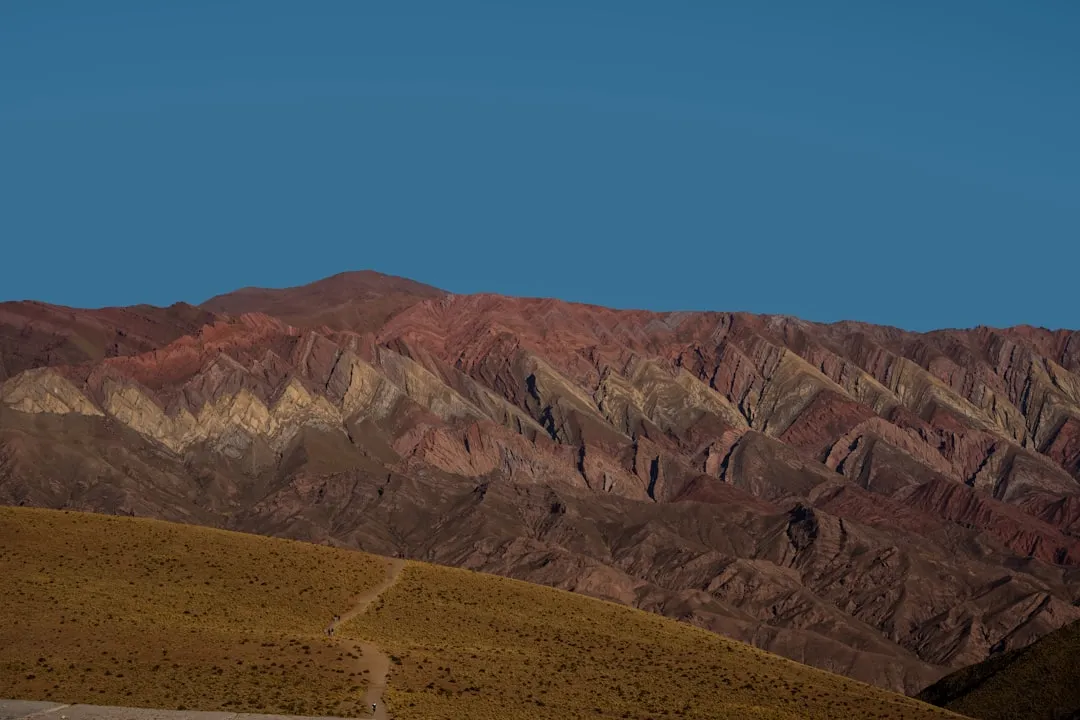
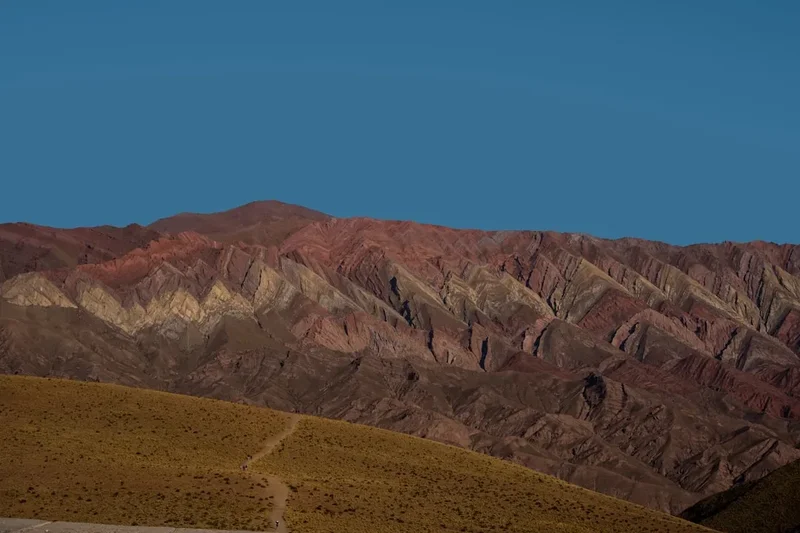
The Hornocal Viewpoint Trail, nestled in the heart of Argentina's Quebrada de Humahuaca, offers a breathtaking, albeit brief, encounter with one of the planet's most extraordinary geological formations. Known locally as the "Cerro de los Catorce Colores" (Hill of Fourteen Colours), the Hornocal is a mountain displaying an astonishing spectrum of mineral hues, painted across its slopes in vibrant bands. This accessible day walk provides unparalleled panoramic views, making it a must-visit for photographers, geology enthusiasts, and anyone seeking a glimpse of nature's most vivid artistry. The trail itself is short and relatively easy, designed to bring visitors directly to a vantage point where the full majesty of the Hornocal can be appreciated. Its proximity to the historic town of Humahuaca makes it a convenient addition to any itinerary exploring the UNESCO World Heritage-listed Quebrada.
- Distance: 2.0 km (return)
- Duration: 1-2 hours
- Elevation Gain: 100 m
- Difficulty: Easy
- Best Time: April to November (dry season)
- Closest City: Humahuaca
- Trailhead Access: Nearest airport: Jujuy (JUJ). Take a bus to Humahuaca (approx. 3 hours). From Humahuaca, hire a taxi or drive (45 min) on Ruta 73. The road is mostly paved, but can be rough in sections. Limited parking available at the viewpoint. No permits required. Trailhead GPS: -23.2719, -65.3016
Overview
The Hornocal Viewpoint Trail is a short, rewarding walk that leads to an iconic natural spectacle. The primary draw is the mountain itself, a geological marvel whose slopes are striated with an incredible array of colours. These hues—ranging from deep reds, ochres, and yellows to purples, greens, and whites—are the result of millions of years of geological processes, including sedimentation and mineralisation. The trail ascends gently from the parking area to a designated viewpoint, offering increasingly expansive vistas of the mountain and the surrounding arid landscape of the Quebrada de Humahuaca.
The walk is designed for accessibility, allowing visitors of varying fitness levels to experience the site. The 100 metres of elevation gain are spread over approximately 1 kilometre, making for a manageable climb. The path is generally well-defined, though it can be uneven in places, typical of mountain trails in arid regions. The true reward lies at the top, where the full panorama unfolds. The viewpoint is strategically positioned to capture the most dramatic angles of the Hornocal, allowing visitors to marvel at the sheer scale and vibrant palette of the mountain.
The surrounding environment is characteristic of the high-altitude Andean desert. Sparse vegetation, hardy shrubs, and the vast, open sky contribute to the sense of remoteness and natural grandeur. The air is thin, and the sun can be intense, even outside of peak summer months. Visiting during the dry season (April to November) ensures clearer skies and more stable weather conditions, enhancing the visual impact of the colourful mountain.
History and Cultural Context
The Quebrada de Humahuaca, a UNESCO World Heritage site, has a rich human history stretching back thousands of years. Indigenous peoples, including the Omaguaca, inhabited this region, utilising its resources and developing sophisticated agricultural techniques. The area later became a significant route during the Spanish colonial era, connecting the Viceroyalty of Peru with Buenos Aires. The town of Humahuaca itself, founded in 1594, retains much of its colonial charm, with adobe buildings, a historic church, and a vibrant indigenous culture that continues to thrive.
The Hornocal mountain, while a natural wonder, is intrinsically linked to this human history. The indigenous communities of the region have long revered the land and its formations, and the vibrant colours of the Hornocal likely held spiritual or symbolic significance. The discovery and popularisation of the Hornocal as a tourist destination is a more recent phenomenon, driven by the increasing recognition of the Quebrada de Humahuaca's unique geological and cultural heritage. The development of the viewpoint trail and access road has made this spectacular site accessible to a wider audience, allowing visitors to appreciate the geological artistry that has been present for millennia.
The colours themselves are a testament to the geological history of the Andes. The layers of sediment, deposited over millions of years, contain varying amounts of iron oxides and other minerals, which oxidise and react to sunlight, creating the spectacular spectrum of colours visible today. The arid climate of the region has helped preserve these delicate mineral deposits, preventing erosion and maintaining the vibrant striations.
Seasonal Highlights and Weather Reality
The Hornocal Viewpoint Trail is best experienced during the dry season, which typically runs from April to November. This period offers the most favourable conditions for visiting the high-altitude region of the Quebrada de Humahuaca.
April to June (Autumn): This is an ideal time to visit. The weather is generally mild, with clear blue skies and comfortable daytime temperatures. The intense summer heat has subsided, and the landscape is still vibrant. The colours of the Hornocal are particularly striking under the clear autumn light.
July to September (Winter): While it is winter, the high altitude means temperatures can still be pleasant during the day, though nights can be cold. This is the driest period, offering excellent visibility and stable weather. The stark beauty of the arid landscape is amplified, and the colours of the mountain are sharp and defined.
October to November (Spring): As spring arrives, temperatures begin to warm up. The skies remain largely clear, and the colours of the Hornocal are once again vibrant. This period can be a good alternative to autumn, with fewer crowds than the peak summer months.
December to March (Summer/Rainy Season): This is the wet season in the region. While daytime temperatures can be warm, there is a higher chance of rain, which can obscure the views and make the unpaved sections of the access road muddy and difficult. Heavy rainfall can also temporarily wash away some of the finer mineral dust, slightly dulling the colours. However, rain can also bring out a richer saturation in the colours after it subsides. Despite the potential for rain, the landscape is still impressive, and the colours remain a significant draw.
Weather Considerations: Regardless of the season, the altitude means that temperatures can fluctuate significantly between day and night. The sun is intense at this elevation, so sun protection is crucial. Wind can also be a factor, especially at the exposed viewpoint. It is advisable to check the local weather forecast before your visit.
Recommended Itinerary
Hornocal Viewpoint Trail - Day Walk Itinerary
Early Morning (Approx. 8:00 AM - 9:00 AM): Departure from Humahuaca
- Depart from Humahuaca via taxi or private vehicle.
- The journey takes approximately 45 minutes to 1 hour.
- The route follows Ruta 73, a road that is mostly paved but can have rough sections, especially closer to the viewpoint.
- Enjoy the changing scenery as you ascend into the higher altitudes of the Quebrada.
Morning (Approx. 9:00 AM - 9:30 AM): Arrival at Trailhead and Parking
- Arrive at the designated parking area near the Hornocal viewpoint.
- Limited parking is available, so arriving earlier in the day is recommended, especially during peak season.
- Take a moment to acclimatise to the altitude and prepare for the short walk.
- The trailhead is clearly marked.
Morning (Approx. 9:30 AM - 10:30 AM): The Walk to the Viewpoint
- Begin the ascent on the well-defined trail.
- Distance: Approximately 1 km one-way.
- Elevation Gain: Approximately 100 metres.
- The path is a steady, gentle climb, suitable for most fitness levels.
- Observe the changing colours and textures of the mountain as you gain elevation.
- Take breaks as needed to enjoy the views and catch your breath.
- The trail is exposed, so sun protection is essential.
Midday (Approx. 10:30 AM - 12:00 PM): At the Hornocal Viewpoint
- Reach the main viewpoint, offering spectacular panoramic vistas of the Cerro de los Catorce Colores.
- Spend ample time admiring the mountain's vibrant striations.
- Take photographs and soak in the unique geological spectacle.
- The viewpoint is an open area, so be mindful of wind.
- Consider bringing binoculars to observe finer details of the mountain's colours.
Midday (Approx. 12:00 PM - 1:00 PM): Descent and Return Journey
- Begin the descent back to the trailhead.
- The descent is quicker and easier than the ascent.
- Return to your vehicle.
- Begin the drive back to Humahuaca.
Afternoon (Approx. 1:00 PM onwards): Return to Humahuaca and Further Exploration
- Arrive back in Humahuaca.
- Enjoy lunch in town and explore the historic centre, museums, and local markets.
- Consider visiting other nearby attractions in the Quebrada de Humahuaca.
Important Notes:
- This is a day walk; no overnight accommodation is required.
- The trail is short but at high altitude; pace yourself and stay hydrated.
- Sunscreen, a hat, and sunglasses are essential due to the intense sun at altitude.
- Carry water and snacks.
- The road to the viewpoint can be rough; a 4x4 vehicle is recommended but not always essential depending on recent road conditions.
Planning and Bookings
Book Your Trip
Everything you need to plan your journey
Accommodation
Find places to stay near Humahuaca
Flights
Search flights to Humahuaca
Essential Preparation
The Hornocal Viewpoint Trail is a relatively straightforward day walk, but proper preparation is key to enjoying the experience. The primary logistical consideration is reaching the trailhead, which is located about 45 minutes to an hour's drive from Humahuaca. While the road is largely paved, sections can be rough, particularly after rain or if not recently maintained. Therefore, hiring a local taxi or a 4x4 vehicle from Humahuaca is highly recommended. These local operators are familiar with the road conditions and can provide safe transport. Booking transport in advance, especially during peak tourist seasons, is advisable.
Humahuaca itself is the closest town and serves as the main base for visiting Hornocal. Humahuaca offers a range of accommodation options, from budget hostels and guesthouses to more comfortable hotels. It also has restaurants, shops for supplies, and tour operators who can arrange transport. Visitors should ensure they have sufficient water and snacks for the trip, as facilities are non-existent at the viewpoint itself. Acclimatisation to the altitude is also important; Humahuaca is already at over 3,000 metres, and the viewpoint is even higher. Spending a day or two in Humahuaca before heading to Hornocal can help prevent altitude sickness.
Trail Accommodation
This is a day hike requiring no overnight accommodation.
Required Gear
- Sturdy walking shoes: Comfortable, closed-toe shoes with good grip are essential for navigating the uneven terrain.
- Sun protection: A wide-brimmed hat, sunglasses, and high SPF sunscreen are crucial due to the intense sun at high altitude.
- Layers of clothing: While daytime temperatures can be warm, the weather can change quickly, and it can be cooler at the viewpoint, especially in the morning or late afternoon. A light jacket or fleece is recommended.
- Waterproof jacket: Although the dry season is best, unexpected showers can occur. A lightweight, waterproof jacket is a sensible addition.
- Backpack: A small daypack to carry water, snacks, camera, and personal items.
What to Bring
- Water: Carry at least 1-2 litres of water per person. Hydration is vital at high altitudes.
- Snacks: Energy bars, fruit, or other portable snacks to keep you fuelled.
- Camera: Essential for capturing the incredible colours of the Hornocal. Ensure you have spare batteries or a power bank.
- Binoculars: Optional, but can enhance the viewing experience by allowing closer inspection of the mountain's details.
- Hand sanitiser and tissues: For personal hygiene.
- Small amount of cash: For potential parking fees or local vendors, though facilities are minimal.
- Personal medication: If you have any specific medical needs.
Permits
No permits are required to access the Hornocal Viewpoint Trail or the surrounding area. The site is managed as a natural attraction, and access is generally open to the public. The primary requirement is the means to reach the trailhead, which typically involves hiring local transport from Humahuaca. While no official permits are needed, it is always good practice to be aware of any local regulations or advisories that may be in place, though these are rare for this specific location.
The road leading to the viewpoint is a public route, and the viewpoint itself is an open area. Visitors are encouraged to respect the natural environment and any local customs. The ease of access without permits makes it a popular and spontaneous destination for travellers exploring the Quebrada de Humahuaca.
Other Activities in the Area
The Hornocal Viewpoint Trail is often part of a broader exploration of the Quebrada de Humahuaca, a UNESCO World Heritage site renowned for its stunning landscapes, rich indigenous culture, and historical significance. Here are some other activities and attractions in the vicinity:
- Explore Humahuaca: The charming colonial town of Humahuaca is a destination in itself. Visit the historic church (Iglesia de la Candelaria), the Monument to the Heroes of Independence (Monumento a los Héroes de la Independencia), and wander through its narrow, cobblestone streets. The local market is a great place to find traditional crafts and textiles.
- Visit Purmamarca: Known for its "Hill of Seven Colours" (Cerro de los Siete Colores), Purmamarca offers another spectacular display of colourful rock formations. The town itself is picturesque, with adobe houses and a lively artisan market.
- Discover Tilcara: This town is home to the Pucará de Tilcara, an impressive pre-Inca fortification offering insights into the region's ancient history. Tilcara also boasts a botanical garden showcasing the diverse flora of the Andes.
- Journey to Iruya: A more remote and challenging destination, Iruya is a picturesque village perched precariously on a mountainside, accessible via a rough road. It offers a glimpse into a more traditional way of life and stunning, dramatic scenery.
- Geological Wonders: The entire Quebrada de Humahuaca is a geological wonderland. Other notable sites include the Paleta del Pintor (Painter's Palette) near Maimará, another mountain displaying a vibrant array of colours, and the Serranía de Hornocal itself, which has numerous other colourful hills and formations in the wider region.
- Hiking and Trekking: Beyond the Hornocal viewpoint, the Quebrada offers numerous opportunities for hiking and trekking, ranging from short walks to multi-day expeditions into the high Andes.
- Cultural Experiences: Engage with the local culture by attending traditional music performances, visiting local festivals (if your timing aligns), and interacting with artisans.
Safety and Conditions
Altitude Sickness: The Hornocal viewpoint is located at a significant altitude (over 4,300 metres). Humahuaca itself is over 3,000 metres. Visitors should take precautions to prevent altitude sickness (soroche). This includes:
- Spending at least one night in Humahuaca to acclimatise before ascending further.
- Avoiding strenuous activity on your first day at altitude.
- Staying well-hydrated by drinking plenty of water.
- Avoiding alcohol and caffeine, which can dehydrate you.
- Eating light, easily digestible meals.
- If symptoms develop (headache, nausea, dizziness), descend to a lower altitude if possible. Consult a doctor if symptoms are severe.
Road Conditions: The road from Humahuaca to the Hornocal viewpoint can be rough, especially the final section. While many standard vehicles can manage it, a 4x4 is recommended for comfort and safety, particularly after rain. Local taxi drivers are experienced with these conditions.
Weather: The weather at high altitudes can change rapidly. Be prepared for strong sun, wind, and potentially cooler temperatures, even during the dry season. Always carry layers of clothing and sun protection.
Trail Conditions: The trail to the viewpoint is generally well-maintained but can be uneven and rocky in places. Wear sturdy walking shoes with good ankle support.
Hydration and Sun Protection: Due to the dry climate and high altitude, dehydration and sunburn are significant risks. Carry ample water and use high SPF sunscreen, a hat, and sunglasses.
Emergency Contacts: In case of an emergency, contact local authorities or your tour operator. Mobile phone signal may be intermittent or non-existent at the viewpoint itself, but is generally available in Humahuaca.
Side Trips and Points of Interest
While the Hornocal Viewpoint Trail itself is a short walk, the surrounding region is rich with geological and cultural points of interest that can be incorporated into a day trip or a longer stay.
The "Painter's Palette" (Paleta del Pintor): Located near the town of Maimará, this is another striking hillside displaying a vibrant spectrum of colours, similar to Hornocal but on a different scale and with a slightly different mineral composition. It's easily accessible from the main road and offers fantastic photographic opportunities.
The Hill of Seven Colours (Cerro de los Siete Colores) in Purmamarca: This iconic hill is perhaps the most famous of the colourful geological formations in the Quebrada. Its distinct bands of colour are a testament to the region's complex geological history. Purmamarca itself is a charming village with a well-preserved colonial centre and a bustling artisan market.
Pucará de Tilcara: This pre-Inca archaeological site offers a fascinating glimpse into the region's ancient past. The reconstructed fortress provides context for the lives of the indigenous peoples who inhabited this area centuries ago. The site also includes a museum and a botanical garden.
The Humahuaca Monument (Monumento a los Héroes de la Independencia): Located in Humahuaca, this monument offers panoramic views of the town and the surrounding valley. It's a significant historical landmark commemorating Argentina's struggle for independence.
The Serranía de Hornocal (Wider Area): While the main viewpoint is the most accessible, the broader Serranía de Hornocal region contains numerous other hills and formations exhibiting similar colourful strata. Exploring these requires more time, potentially off-road vehicles, and local guidance, but offers a deeper immersion into the geological wonders of the area.
Leave No Trace
The Hornocal Viewpoint Trail, while short, traverses a fragile high-altitude environment. Practising Leave No Trace principles is essential to preserve its natural beauty and geological integrity for future visitors.
Stay on the Trail: The path to the viewpoint is designed to minimise impact. Straying from the marked trail can lead to erosion, damage to delicate vegetation, and disturbance of the soil's mineral layers. The colours are a result of exposed minerals; walking off-trail can disrupt these delicate formations.
Pack It In, Pack It Out: Carry out all litter, including food scraps, wrappers, and any other waste you generate. There are no bins at the viewpoint or along the trail. Leave the area as you found it.
Respect the Geology: Do not collect rocks or minerals. The beauty of Hornocal lies in its intact, naturally occurring formations. Removing any part of the mountain diminishes its natural wonder and can contribute to erosion.
Minimise Impact: Keep noise levels down to appreciate the natural sounds of the environment. Avoid loud music or shouting, which can disturb wildlife and other visitors.
Proper Waste Disposal: If you need to use the restroom, do so in designated facilities in Humahuaca before you depart. If absolutely necessary, dig a cathole at least 60 metres away from water sources, trails, and campsites, and bury human waste and toilet paper. However, for a short day hike like this, it's best to plan accordingly.
Be Considerate of Others: Share the viewpoint with other visitors. Allow everyone the opportunity to enjoy the scenery and take photographs.
 Argentina