
Hohturli Pass Crossing
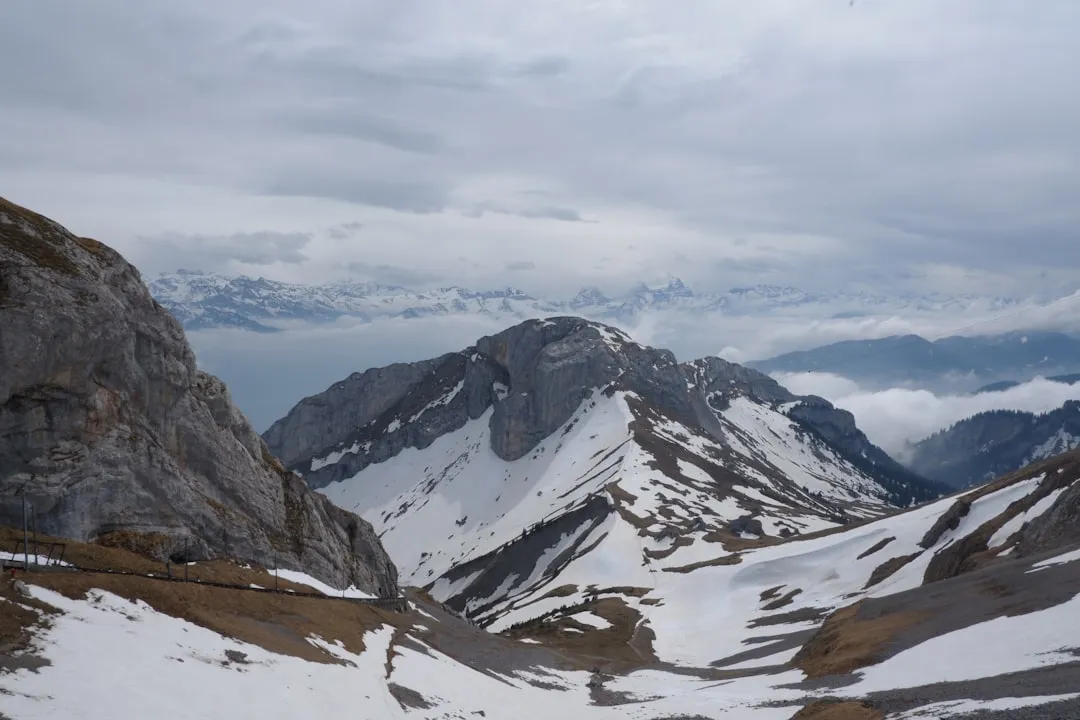
The Hohturli Pass Crossing is a challenging, high-alpine trek in the Bernese Alps of Switzerland, renowned for its dramatic scenery and demanding terrain. This route connects the picturesque village of Kandersteg with the stunning Oeschinensee lake, traversing high mountain passes and offering panoramic views of glaciers, rugged peaks, and verdant valleys. It is a journey that tests endurance and rewards with unparalleled alpine beauty, making it a must-do for experienced hikers seeking an authentic mountain experience.
- Distance: 17.0 km
- Elevation Gain: 1100 m
- Duration: 8-10 hours
- Difficulty: Challenging
- Best Time: July to September
- Closest City: Interlaken
- Trailhead Access: Nearest airport: Zurich (ZRH). Train to Kandersteg (approx. 3 hours). From Kandersteg train station, follow signs to Oeschinensee/Hohturli. Cable car available part way up. Parking in Kandersteg village. No permits needed, but check weather conditions beforehand.
- Coordinates: 46.5567, 7.9039
Overview
The Hohturli Pass Crossing is a spectacular, albeit strenuous, day hike that epitomises the grandeur of the Swiss Alps. Starting from the vicinity of the Oeschinensee, one of Switzerland's most beautiful alpine lakes, the trail ascends steeply towards the Hohturli Pass, the highest point on the route. This ascent is a significant undertaking, involving over 1100 metres of elevation gain, but the ever-expanding vistas serve as a constant motivation. As you climb, the turquoise waters of Oeschinensee shrink below, revealing the vastness of the surrounding mountain landscape, including views towards the iconic peaks of the Blüemlisalp massif.
The path itself is a testament to alpine engineering, often carved into the mountainside, featuring rocky sections, scree slopes, and exposed traverses. While challenging, it is generally well-maintained and marked. The summit of Hohturli Pass, at approximately 2778 metres, offers a breathtaking 360-degree panorama. Here, you are surrounded by a sea of jagged peaks, with glaciers clinging to their upper reaches. The descent, while still demanding, offers a different perspective, leading you through alpine meadows dotted with wildflowers in season, and eventually back towards the Oeschinensee area.
This trek is best undertaken during the summer months when snow has receded from the higher passes, typically from July to September. The weather in the Alps can be highly unpredictable, even in summer, so hikers must be prepared for rapid changes, including sudden storms, strong winds, and temperature drops. The challenging nature of the climb and the high altitude mean that good physical fitness and appropriate gear are essential for a safe and enjoyable experience.
History and Cultural Context
The region surrounding Kandersteg and Oeschinensee has a long history of human interaction with the alpine environment. For centuries, these high pastures were used for transhumance – the seasonal migration of livestock to higher grazing grounds during the summer months. This practice shaped the landscape and fostered a deep understanding of the mountains among the local communities.
The development of mountaineering and hiking as recreational pursuits in the 19th century brought increased attention to the Bernese Alps. Trails were gradually established, often following ancient shepherd paths or routes used by hunters and early explorers. The construction of cable cars and mountain railways in the 20th century made previously remote areas more accessible, transforming them into popular tourist destinations. The Oeschinensee, with its stunning beauty, has long been a focal point for visitors, and the trails leading to and from it, including the challenging route over Hohturli Pass, have become classic alpine excursions.
While the Hohturli Pass Crossing itself may not have a singular, dramatic historical event tied to its name like some more famous mountain passes, it represents the culmination of centuries of human engagement with this formidable alpine terrain. It is a route that allows modern hikers to experience the same awe-inspiring landscapes that have captivated travellers for generations, offering a tangible connection to the region's rich mountaineering heritage.
Seasonal Highlights and Weather Reality
The Hohturli Pass Crossing is a high-alpine route, and its accessibility and character are heavily influenced by the seasons.
Summer (July to September): This is the prime season for tackling the Hohturli Pass. The snow has typically melted from the pass and the majority of the trail, making it safe and navigable. Alpine meadows are often carpeted with vibrant wildflowers, adding a splash of colour to the rugged landscape. The days are longer, providing ample time for the strenuous hike. However, summer in the Alps also brings the possibility of afternoon thunderstorms, which can develop rapidly and pose a significant risk at high altitudes. Hikers must start early and be prepared to descend if weather deteriorates.
Late Spring (June): While some lower sections might be clear, the Hohturli Pass itself is likely to still be covered in snow and ice in June. This period is generally not recommended for this specific route unless you possess advanced winter mountaineering skills and equipment. Conditions can be highly variable, and avalanche risk may still be present.
Autumn (October): As autumn sets in, the weather becomes more unpredictable. While early October can still offer good hiking days with crisp air and stunning autumn colours in the lower valleys, the risk of early snowfall increases significantly. The higher sections of the trail can become treacherous with ice and snow, and visibility can be poor. It is crucial to check weather forecasts meticulously before attempting the hike in autumn.
Winter (November to May): The Hohturli Pass is impassable and extremely dangerous during winter due to heavy snowfall, ice, and avalanche risk. This period is strictly for experienced winter mountaineers with appropriate technical gear and knowledge.
Weather Reality: Regardless of the season, mountain weather is notoriously fickle. Be prepared for all conditions: sunshine, wind, rain, and even snow, sometimes all within the same day. Hypothermia is a real risk, even in summer, due to altitude and wind chill. Always check the most up-to-date mountain weather forecast (e.g., from MeteoSwiss) before setting out.
Recommended Itinerary
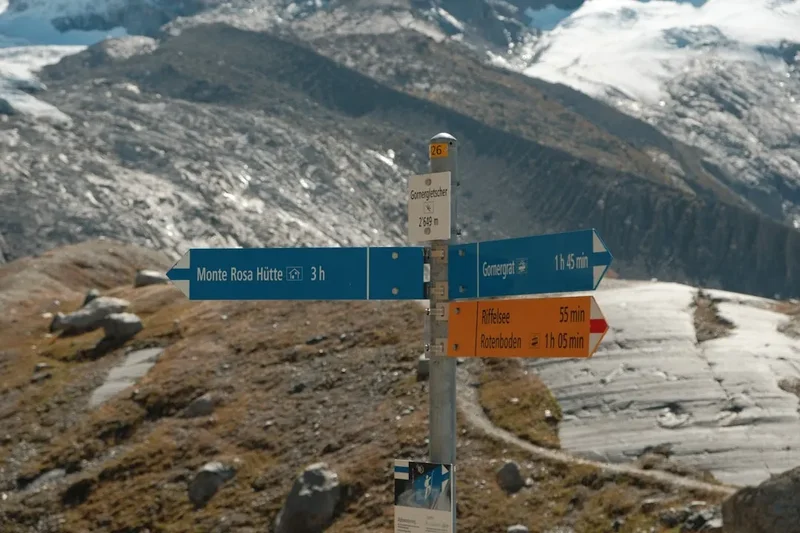
Hohturli Pass Crossing - Day Hike Itinerary
Early Morning (Approx. 7:00 AM): Start from Kandersteg / Oeschinensee Cable Car Top Station
- Begin your journey from the top station of the Oeschinensee cable car. If you've driven, park in Kandersteg village and take the cable car up.
- The initial section of the trail is relatively gentle, leading you towards the stunning Oeschinensee lake.
- Take a moment to admire the lake's vibrant turquoise waters, framed by towering cliffs and the Blüemlisalp massif.
Morning (Approx. 8:00 AM - 12:00 PM): Ascent towards Hohturli Pass
- From the eastern end of Oeschinensee, the trail begins its serious ascent.
- Follow the well-marked path as it climbs steeply, often via switchbacks, away from the lake.
- The terrain becomes increasingly rocky and exposed.
- Pass by smaller alpine lakes and streams, with increasingly expansive views opening up behind you.
- You will pass the Berghaus Oeschinensee (a mountain restaurant) and continue upwards.
- The path can be steep and demanding, requiring good stamina and sure-footedness.
Midday (Approx. 12:00 PM - 2:00 PM): Reaching Hohturli Pass
- Arrive at the Hohturli Pass (approx. 2778 metres).
- This is the highest point of the hike and offers breathtaking 360-degree panoramic views.
- Take a well-deserved break to rest, rehydrate, and enjoy the spectacular scenery.
- Observe the surrounding glaciers, snow-capped peaks, and the vast alpine landscape.
- There is a mountain hut (Berghaus Hohturli) at the pass, which can be a good place for a brief rest or a more substantial meal if planned.
Afternoon (Approx. 2:00 PM - 6:00 PM): Descent and Return
- Begin the descent from Hohturli Pass.
- The initial descent can be steep and requires careful footing, especially on scree or rocky sections.
- Follow the marked trail back down towards Oeschinensee.
- The views on the descent offer a different perspective of the valley and the lake.
- As you get closer to Oeschinensee, the terrain becomes less challenging.
- Option to stop at Berghaus Oeschinensee for refreshments before taking the cable car back down to Kandersteg.
Late Afternoon / Early Evening (Approx. 6:00 PM onwards): Return to Kandersteg
- Take the Oeschinensee cable car back down to Kandersteg village.
- From Kandersteg, you can catch a train back to Interlaken or your onward destination.
Important Considerations:
- Start as early as possible to avoid afternoon thunderstorms and to allow ample time for the challenging hike.
- Carry sufficient water and high-energy snacks.
- Be prepared for rapidly changing weather conditions.
- Wear sturdy, broken-in hiking boots with good ankle support.
- This is a demanding hike; assess your fitness level realistically.
Planning and Bookings
Book Your Trip
Everything you need to plan your journey
Accommodation
Find places to stay near Interlaken
Flights
Search flights to Interlaken
Essential Preparation
The Hohturli Pass Crossing is a serious undertaking that requires thorough preparation. Given its challenging nature and high alpine location, it is crucial to plan meticulously. Start by assessing your physical fitness; this hike involves significant elevation gain and sustained effort over many hours. Ensure you are comfortable with steep ascents and descents on potentially uneven and rocky terrain. Familiarise yourself with the route using maps and guidebooks. The closest major transport hub is Interlaken, from where you can take a train to Kandersteg. Kandersteg is a charming village that serves as the primary base for accessing the Oeschinensee area. Accommodation options in Kandersteg range from simple guesthouses to hotels. Parking is available in Kandersteg if you are travelling by car. The Oeschinensee cable car is essential for reducing the initial ascent, so check its operating hours and schedule in advance. It is also advisable to book accommodation in Kandersteg if you plan to stay overnight before or after your hike, especially during peak season.
Trail Accommodation
This is a day hike requiring no overnight accommodation. However, there are mountain huts that offer refreshments and potential overnight stays for those undertaking multi-day treks in the region:
- Berghaus Oeschinensee: Located near the lake itself, offering meals and accommodation.
- Berghaus Hohturli: Situated at the summit of the pass, providing a place to rest, eat, and potentially stay overnight. Booking is highly recommended for these huts, especially during the summer months, as they are popular with hikers and mountaineers.
For the Hohturli Pass Crossing as a day hike, these huts serve as excellent points for breaks, meals, or emergency shelter, but overnight stays are not part of this specific itinerary.
Required Gear
- Sturdy Hiking Boots: Waterproof, with excellent ankle support and a well-gripped sole for rocky and uneven terrain. Ensure they are broken in to prevent blisters.
- Waterproof and Windproof Outerwear: A high-quality jacket and trousers are essential. Mountain weather can change rapidly, and protection from rain, wind, and cold is critical.
- Warm Layers: Including a fleece or insulated jacket, and thermal base layers. Even in summer, temperatures at the pass can be significantly lower than in the valley.
- Hat and Gloves: A warm hat and gloves are advisable, even in summer, for protection against wind chill and cold at higher altitudes.
- Backpack: A comfortable daypack (25-35 litres) to carry essentials.
- Navigation Tools: A detailed topographic map of the area, a compass, and a GPS device or smartphone with offline maps. Familiarise yourself with how to use them.
- First-Aid Kit: Comprehensive kit including blister treatment, pain relievers, bandages, antiseptic wipes, and any personal medications.
- Head Torch: With spare batteries, in case of an unexpectedly late finish or an emergency.
- Sun Protection: High SPF sunscreen, sunglasses, and a wide-brimmed hat or cap. The sun's intensity is greater at higher altitudes.
- Trekking Poles: Highly recommended for stability on ascents and descents, and to reduce strain on knees.
What to Bring
- Sufficient Water: Carry at least 2-3 litres of water per person. Refill opportunities are limited and may require purification.
- High-Energy Food: Plenty of snacks such as energy bars, nuts, dried fruit, and sandwiches. Pack more than you think you'll need.
- Water Purification Method: A filter or purification tablets as a backup, in case you need to refill from streams.
- Toiletries: Biodegradable soap, toothbrush, toothpaste, hand sanitiser, and toilet paper.
- Emergency Shelter: A lightweight emergency bivvy bag or space blanket.
- Mobile Phone: Fully charged, with a power bank if possible. Note that mobile signal can be intermittent in the mountains.
- Cash: For potential purchases at mountain huts or the cable car, as card payment facilities may not always be available or reliable.
- Camera: To capture the spectacular scenery.
Permits
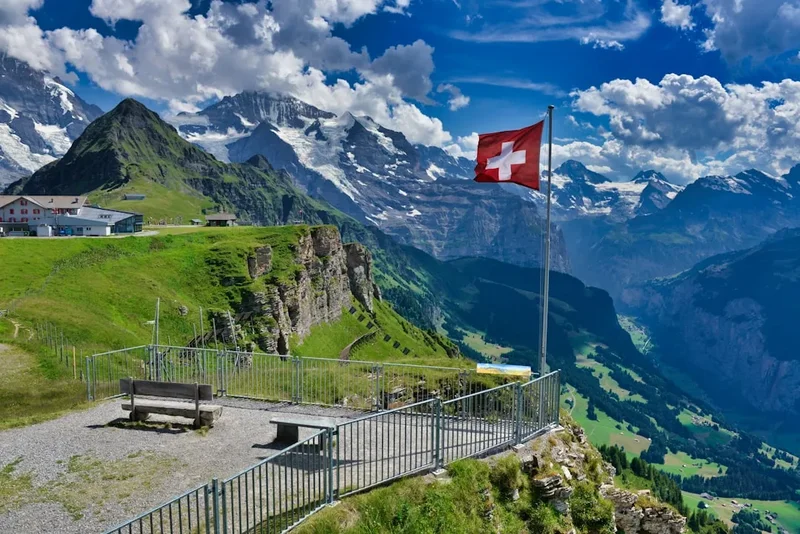
No specific permits are required for hiking the Hohturli Pass Crossing. The trails are part of the public hiking network in Switzerland. However, access to the Oeschinensee area is facilitated by a cable car, for which tickets must be purchased. It is advisable to check the operating times and prices for the Oeschinensee cable car in advance, as these can vary seasonally.
While no permits are needed for the hike itself, it is crucial to be aware of the regulations and guidelines for the area, particularly concerning environmental protection and safety. Respecting the alpine environment and adhering to marked trails is paramount.
Other Activities in the Area
The Kandersteg and Oeschinensee region offers a wealth of activities for visitors:
- Oeschinensee Lake: Beyond the hike, simply enjoying the beauty of the lake is a primary attraction. You can rent rowboats, swim (though the water is very cold), or relax by its shores.
- Oeschinensee Toboggan Run: A popular summer toboggan run near the lake offers a fun, adrenaline-filled descent.
- Via Ferrata: For the adventurous, there are via ferrata routes in the vicinity, offering a protected climbing experience with stunning views.
- Kandersteg Village: Explore the charming village, visit local shops, and enjoy traditional Swiss cuisine in its restaurants.
- Hiking Trails: Numerous other hiking trails of varying difficulty exist around Kandersteg, catering to all levels of hikers.
- Winter Sports: In winter, Kandersteg transforms into a popular ski resort, offering downhill skiing, cross-country skiing, and winter hiking opportunities.
- Blüemlisalp Glacier: For experienced mountaineers, guided ascents of the Blüemlisalp massif are possible, offering a more technical alpine challenge.
Safety and Conditions
Weather: The most significant safety concern is the unpredictable mountain weather. Always check the forecast from a reliable source like MeteoSwiss before and during your hike. Be prepared for rapid changes, including thunderstorms, strong winds, rain, and snow, even in summer. Start your hike early in the morning to avoid potential afternoon storms.
Terrain: The trail is challenging, with steep ascents and descents, rocky sections, and scree. Ensure you have appropriate footwear and trekking poles for stability. Be mindful of loose rocks and potential slips, especially in wet conditions.
Altitude: The Hohturli Pass is at a significant altitude (approx. 2778 m). Be aware of the symptoms of altitude sickness, such as headache, nausea, and dizziness. Ascend gradually and stay hydrated. If symptoms worsen, descend immediately.
Navigation: While the trail is generally well-marked, it is essential to carry a map, compass, and GPS device or app, and know how to use them. Visibility can drop rapidly in fog or cloud, making navigation difficult.
Physical Fitness: This is a strenuous hike. Ensure you have a good level of cardiovascular fitness and leg strength. If you are not accustomed to long, steep hikes, consider a less demanding route.
Emergency Contacts: Save emergency numbers in your phone. In Switzerland, the general emergency number is 112. For mountain rescue, specific numbers may apply depending on the region, but 112 is a universal starting point.
Berghaus Hohturli: The presence of the Berghaus Hohturli at the pass provides a potential refuge in case of emergency or severe weather, but do not rely on it as your sole safety net. It is a remote mountain hut.
Communication: Mobile phone reception can be unreliable in mountainous areas. Consider carrying a personal locator beacon (PLB) for emergencies if you are hiking alone or in remote areas.
Side Trips and Points of Interest
Oeschinensee Lake: The starting point of the hike is a major point of interest in itself. The lake's stunning turquoise colour, fed by glacial meltwater, and its dramatic setting beneath sheer cliffs and the Blüemlisalp glacier make it one of Switzerland's most beautiful alpine lakes. Taking time to walk around its shores or rent a boat offers a different perspective.
Berghaus Oeschinensee: Located at the lake's edge, this mountain restaurant is a pleasant spot for a break, offering refreshments and meals with a view. It's a good place to start or end your hike, depending on your chosen route.
Alpine Meadows: During the summer months, the slopes leading up to Hohturli Pass are often adorned with a vibrant array of alpine wildflowers. These meadows provide a beautiful contrast to the rugged rock and scree.
Blüemlisalp Massif: The imposing Blüemlisalp massif dominates the skyline. Its glaciers and snow-capped peaks are a constant, awe-inspiring presence throughout the hike, offering spectacular photographic opportunities.
Panoramic Views from Hohturli Pass: The summit of the pass is the ultimate point of interest. The 360-degree views encompass a vast expanse of the Bernese Alps, including numerous peaks, glaciers, and valleys. It's a prime location for appreciating the scale and grandeur of the alpine environment.
Berghaus Hohturli: This historic mountain hut at the pass is a point of interest for its location and the services it provides. It has been a refuge for mountaineers and hikers for many years.
Leave No Trace
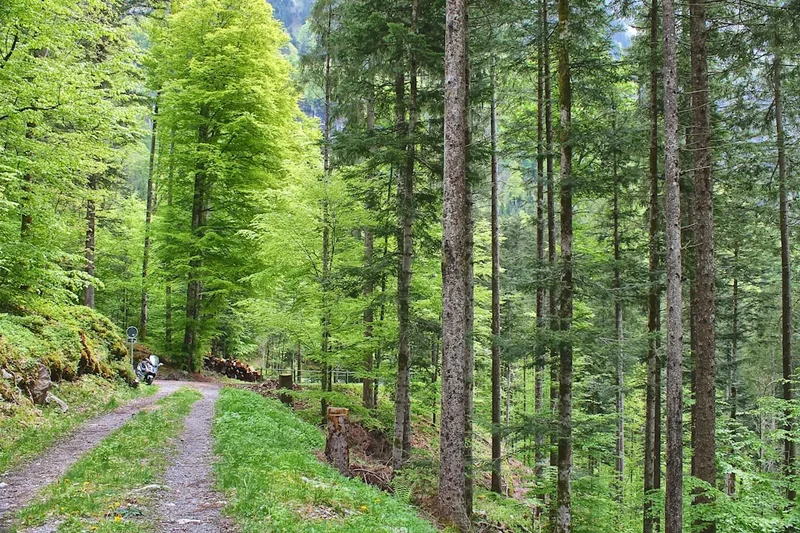
The Hohturli Pass Crossing traverses a pristine alpine environment. Adhering to Leave No Trace principles is crucial to preserving its natural beauty and ecological integrity for future generations.
- Plan Ahead and Prepare: Understand the trail conditions, weather, and your own capabilities. Pack appropriately and be prepared for all eventualities.
- Travel and Camp on Durable Surfaces: Stick to marked trails. Avoid walking on fragile alpine vegetation, which can take years to recover. If camping were permitted (which it is not on this day hike), you would camp on established sites.
- Dispose of Waste Properly: Pack out everything you pack in, including all food scraps, wrappers, and any other litter. Use designated toilet facilities where available. If caught short, dig a cathole at least 70 metres away from water sources, trails, and campsites, and bury human waste. Pack out used toilet paper.
- Leave What You Find: Do not remove or disturb natural objects such as rocks, plants, or flowers. Take only photographs and memories.
- Minimise Campfire Impacts: Campfires are generally not permitted in alpine areas due to the risk of wildfires and damage to vegetation. This is a day hike, so campfires are not relevant.
- Respect Wildlife: Observe wildlife from a distance and never feed animals. Feeding them can disrupt their natural behaviours and diets, and can make them dependent on human food.
- Be Considerate of Other Visitors: Keep noise levels down, yield to other hikers on narrow trails, and maintain a respectful attitude towards fellow visitors and the natural environment.
By following these principles, you help ensure that the Hohturli Pass Crossing remains a wild and beautiful place for everyone to enjoy.
 Switzerland