
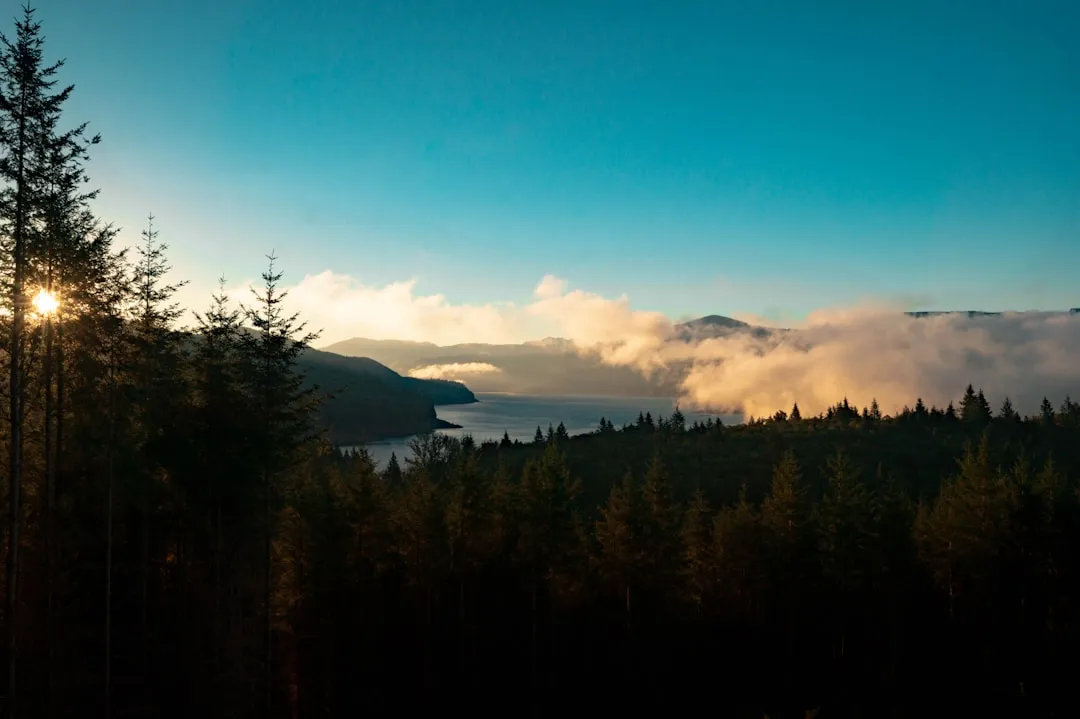
Hoh River Trail to Blue Glacier
The Hoh River Trail to Blue Glacier is a spectacular journey into the heart of Olympic National Park's temperate rainforest, culminating in a breathtaking view of a tidewater glacier. This trail offers a profound immersion into one of the Pacific Northwest's most iconic ecosystems, showcasing colossal Sitka spruce and western hemlock trees draped in vibrant mosses and lichens. The path follows the Hoh River, a glacial meltwater stream renowned for its milky turquoise hue, through a valley that feels ancient and untouched. While the full trail to Blue Glacier is a multi-day backpacking trip, the initial section to Glacier Meadows is a popular day hike, and the further reaches offer a more challenging wilderness experience. This trail is a testament to the raw power and delicate beauty of the temperate rainforest, a place where the sheer scale of nature inspires awe and a deep sense of connection.
- Distance: 17.4 km one-way to Blue Glacier Viewpoint
- Elevation Gain: 365 m to Glacier Meadows, further to Blue Glacier
- Duration: 6-8 hours round trip to Glacier Meadows (longer for Blue Glacier)
- Season: July to September (Summer months for best conditions)
- Closest City: Forks, Washington, USA
- Trailhead Access: Hoh Rain Forest Visitor centre
- Permits: Wilderness permits required for overnight stays; park entrance fee applies
- Facilities: Visitor centre, restrooms, picnic areas at trailhead. No facilities along the trail.
Overview
The Hoh River Trail is a gateway to the magnificent temperate rainforests of Olympic National Park, a UNESCO World Heritage Site. This trail is celebrated for its accessibility to some of the most impressive old-growth forest in the United States. The initial 4.5 kilometres to the Hall of Mosses and Spruce Nature Trail are relatively flat and well-maintained, making them ideal for families and casual walkers. Beyond this point, the trail begins its gentle ascent alongside the vibrant Hoh River, a waterway whose distinctive colour comes from glacial silt. As you progress, the forest canopy becomes even more dominant, with trees reaching staggering heights and a dense understory of ferns and mosses creating a lush, verdant environment.
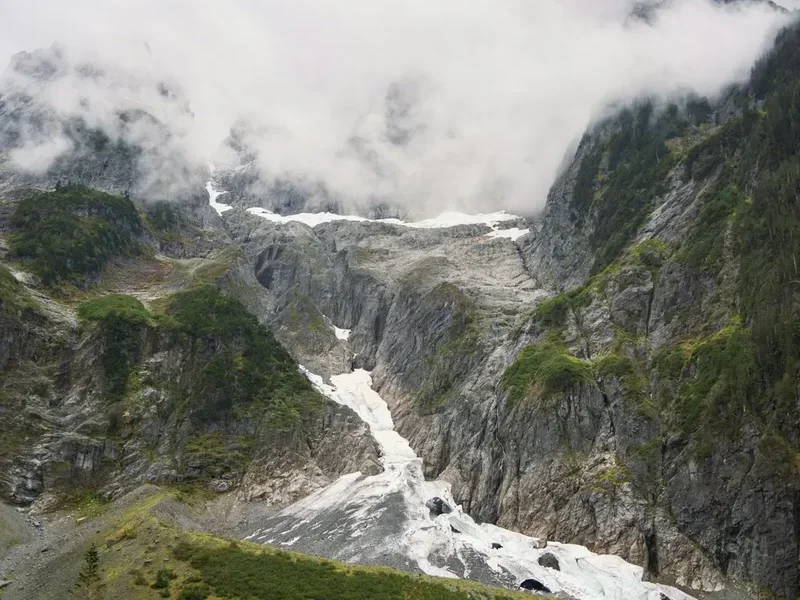
The trail's character shifts as it moves away from the visitor centre. The path becomes more rugged, with occasional roots and rocks, and the gradient gradually increases. The sound of the river is a constant companion, its murmur growing louder and more powerful as you approach the glacier. The air is cool and damp, carrying the scent of rich earth and decaying wood, a signature aroma of the rainforest. Wildlife sightings are common, including Roosevelt elk, various bird species, and smaller forest creatures. The ultimate destination, the Blue Glacier viewpoint, offers a dramatic contrast to the dense forest—a stark, icy expanse of glacial ice clinging to the steep mountain slopes, a powerful reminder of the forces that shaped this landscape.
This trail is a journey through different ecological zones, from the accessible, moss-laden lower forest to the more remote, wilder upper valley leading to the glacier. It offers a chance to experience the grandeur of the Pacific Northwest's ancient forests and the dynamic power of glacial landscapes, all within a single, unforgettable trek.
History and Cultural Context
The Hoh River Valley has been home to the Quinault and Hoh tribes for millennia. These indigenous peoples have a deep and enduring connection to this land, utilising its resources for sustenance, shelter, and spiritual practices. The temperate rainforest provided abundant food sources, including salmon from the Hoh River and berries and roots from the forest. The towering trees were used for building and for spiritual ceremonies. The Hoh River itself, with its distinctive glacial silt, was a vital artery for travel and trade. The presence of ancient petroglyphs and archaeological sites in the broader Olympic Peninsula attests to the long history of human habitation and cultural significance of this region.
The modern era of exploration and logging in the late 19th and early 20th centuries brought significant changes to the Olympic Peninsula. However, the sheer inaccessibility and ruggedness of the Hoh River Valley, particularly its upper reaches, helped preserve its old-growth character. Early conservation efforts, spearheaded by individuals like Arthur Carhart and Robert Marshall, recognised the unique ecological value of these forests. The establishment of Olympic National Park in 1938, and its subsequent expansion and designation as a World Heritage Site, was crucial in protecting areas like the Hoh Rainforest from further logging and development.
The Hoh River Trail itself evolved from indigenous pathways and later became a route for forest rangers and early explorers. The development of the trail into a more formal hiking path, particularly the section leading to the Blue Glacier viewpoint, was part of the park's infrastructure development in the mid-20th century. Today, the trail serves as a vital link for hikers to experience the protected wilderness, offering a glimpse into a landscape that has remained remarkably intact, a testament to both natural resilience and dedicated conservation efforts.
Seasonal Highlights and Weather Reality
The Hoh River Trail to Blue Glacier is primarily a summer destination, with the peak season running from July through September. During these months, the weather is generally more stable, and snow has typically receded from the higher elevations, making the trail to Blue Glacier accessible and safer.
Summer (July–September): This is the most popular time to visit. The rainforest is at its most vibrant, with lush greenery and the Hoh River flowing with its characteristic milky blue colour. Days are longer, offering ample time for hiking. However, even in summer, rain is a frequent occurrence in this temperate rainforest. Expect cool temperatures, often in the range of 10–18° Celsius, and persistent mist or drizzle. Snow can linger at higher elevations well into July, and early snowfalls can occur in September. Sandflies can be present, especially in damp, shaded areas, so insect repellent is advisable.
Spring (April–June): The lower sections of the trail, such as the Hall of Mosses and Spruce Nature Trail, are accessible and beautiful in spring, with new growth emerging and wildflowers beginning to bloom. However, the upper trail to Blue Glacier will likely still be snow-covered and impassable until late June or even July. Rivers can be swollen with snowmelt, and conditions can be wet and muddy. This season is best for experiencing the lower rainforest at its freshest, but not for reaching the glacier.
Autumn (October–November): The autumn colours in the Olympic National Park can be stunning, with deciduous trees turning shades of yellow and gold. The crowds thin out, offering a more solitary experience. However, rainfall increases significantly, and the risk of snow at higher elevations grows. The trail to Blue Glacier may become hazardous or impassable due to snow and ice. Daylight hours shorten, requiring careful planning for hikes.
Winter (December–March): The Hoh Rainforest receives substantial rainfall and occasional snow in winter. The lower trails remain accessible but can be very wet and muddy. The upper trail to Blue Glacier is typically impassable due to deep snow and avalanche risk. This season is best suited for short, accessible walks in the lower rainforest, and only for experienced winter hikers with appropriate gear and avalanche knowledge if venturing further.
Recommended Itinerary
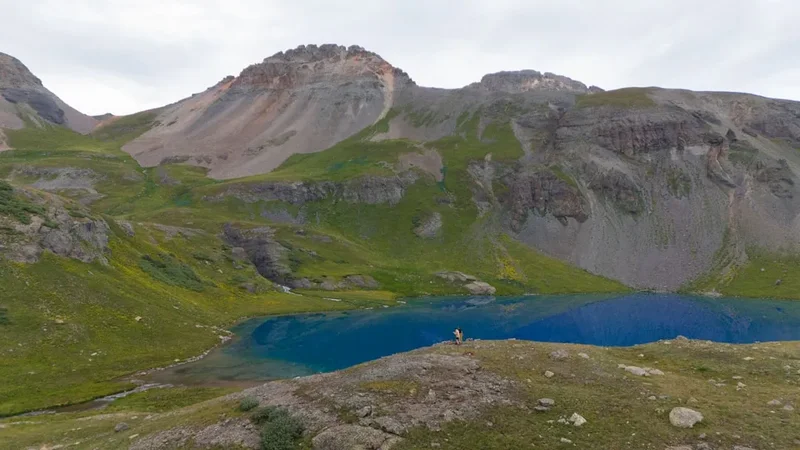
Day Hike: Hoh River Trail to Glacier Meadows
This itinerary focuses on reaching Glacier Meadows, a common turnaround point for day hikers, offering a substantial taste of the trail's character and a glimpse of the glacier's influence.
Early Morning (Approx. 7:00 AM - 8:00 AM): Arrival at Hoh Rain Forest Visitor centre
- Arrive at the Hoh Rain Forest Visitor centre.
- Ensure you have your park entrance pass and any necessary permits (if planning overnight).
- Use restrooms and fill water bottles.
- Check trail conditions and weather forecasts at the visitor centre.
- Begin your hike on the Hoh River Trail.
Morning (Approx. 8:00 AM - 11:00 AM): Lower Rainforest Exploration
- Distance: 0 km - 4.5 km
- Elevation Gain: Minimal
- Key Waypoints: Hall of Mosses, Spruce Nature Trail
- Hike through the iconic Hall of Mosses, marvelling at the thick mosses and lichens draping ancient trees.
- Explore the short Spruce Nature Trail loop for a concentrated rainforest experience.
- Continue along the Hoh River Trail, noting the increasing size of the trees and the vibrant colour of the river.
Midday (Approx. 11:00 AM - 1:00 PM): Ascent towards Glacier Meadows
- Distance: 4.5 km - 8.7 km
- Elevation Gain: Approximately 200 m
- Key Waypoints: River crossings (bridges), increasing gradient
- The trail begins to climb more noticeably.
- Cross several bridges over tributaries of the Hoh River.
- The forest remains dense, but glimpses of the river and surrounding mountains become more frequent.
- Enjoy a packed lunch at a scenic spot along the trail.
Afternoon (Approx. 1:00 PM - 3:00 PM): Arrival at Glacier Meadows and Return Journey
- Distance: 8.7 km - 17.4 km (round trip to Glacier Meadows)
- Elevation Gain: Approximately 365 m to Glacier Meadows
- Key Waypoints: Glacier Meadows, return hike
- Arrive at Glacier Meadows. While not the final viewpoint of Blue Glacier itself, it offers a sense of the upper valley's wildness and proximity to the ice.
- Take time to rest, observe the surroundings, and perhaps enjoy a final snack.
- Begin your descent back towards the Hoh Rain Forest Visitor centre.
- The return journey allows for a different perspective on the forest and river.
Late Afternoon (Approx. 3:00 PM - 5:00 PM): Return to Trailhead
- Complete your hike back at the Hoh Rain Forest Visitor centre.
- Allow time for reflection on the incredible rainforest environment you've experienced.
Note: Reaching the actual Blue Glacier viewpoint requires continuing beyond Glacier Meadows for several more kilometres and significant elevation gain, typically making it an overnight backpacking trip. This day hike itinerary focuses on a rewarding and achievable goal for most visitors.
Planning and Bookings
Book Your Trip
Everything you need to plan your journey
Accommodation
Find places to stay near Forks
Flights
Search flights to Forks
Essential Preparation
The Hoh River Trail is located within Olympic National Park, a popular destination requiring careful planning, especially during peak season. The closest town with significant amenities is Forks, Washington, approximately a 30-minute drive from the Hoh Rain Forest Visitor centre. Seattle-Tacoma International Airport (SEA) is the nearest major airport, located about a 3.5 to 4-hour drive from Forks. Ensure your vehicle is in good condition, as the drive to the trailhead involves winding roads. The road to the Hoh Rain Forest Visitor centre is paved and well-maintained, with a large parking area. However, parking can fill up quickly, especially on summer weekends and holidays. Arriving early in the morning is highly recommended.
A National Park Entrance Pass is required for all visitors entering Olympic National Park. These can be purchased at entrance stations or online in advance. For those planning to backpack to Blue Glacier or other backcountry sites, a wilderness permit is mandatory and must be obtained in advance through the Olympic National Park's Wilderness Information centre. These permits are often competitive, especially for popular destinations like the Blue Glacier area, and should be secured as early as possible.
Trail Accommodation
This is a day hike requiring no overnight accommodation. For those planning to backpack to Blue Glacier or other backcountry areas along the Hoh River Trail, designated wilderness campsites are available. These require a wilderness permit, which must be reserved in advance through the Olympic National Park Wilderness Information centre. Campsites are typically primitive, offering no facilities beyond a designated area for tents. Campers must be entirely self-sufficient, carrying all necessary gear, food, and water treatment supplies. Bear canisters are often required for food storage due to the presence of black bears and Roosevelt elk. Backcountry camping is a more challenging and rewarding experience, requiring significant preparation and adherence to Leave No Trace principles.
Required Gear
- Sturdy hiking boots: Waterproof and broken-in, with good ankle support for uneven terrain.
- Waterproof and windproof jacket: Essential for protection against frequent rain and cool temperatures, even in summer.
- Waterproof overtrousers: Highly recommended due to the high probability of rain.
- Layered clothing: Synthetic or wool base layers, insulating mid-layers (fleece or down), and an outer shell. Avoid cotton.
- Backpack: A comfortable daypack (20-30 litres) for carrying essentials. For overnight trips, a larger backpacking pack (50-70 litres) is needed.
- Navigation tools: A map of the Hoh River Trail and a compass, or a GPS device/smartphone with downloaded offline maps. Cell service is unreliable.
- Headlamp or flashlight: With extra batteries, in case of unexpected delays or for early/late starts.
- First-aid kit: Including blister treatment, bandages, antiseptic wipes, pain relievers, and any personal medications.
- Sun protection: Sunscreen, sunglasses, and a hat, even though the forest canopy is dense, sun can be intense at higher elevations or on clear days.
- Insect repellent: Especially for sandflies, which can be prevalent in damp areas.
What to Bring
- Water: Carry at least 2 litres of water per person for a day hike. Water sources are available along the trail (Hoh River and tributaries), but all water must be treated (filtered, boiled, or chemically treated) before consumption.
- Food: High-energy snacks and a packed lunch. For overnight trips, plan all meals and carry sufficient non-perishable food.
- Water treatment system: Water filter, purification tablets, or a method to boil water.
- Toiletries: Biodegradable soap, toothbrush, toothpaste, hand sanitiser, and toilet paper. Pack out all used toilet paper.
- Trekking poles: Optional, but can be helpful for stability on uneven terrain and for reducing strain on knees during descents.
- Camera: To capture the stunning scenery.
- Binoculars: For wildlife viewing.
- Trash bags: To pack out all your waste, including food scraps and wrappers.
- Bear spray: Recommended for backcountry travel in bear country, though encounters are rare. Know how to use it.
- Camp stove and fuel (for overnight trips): If planning to cook meals.
- Tent, sleeping bag, sleeping pad (for overnight trips): Appropriate for the expected conditions.
Permits
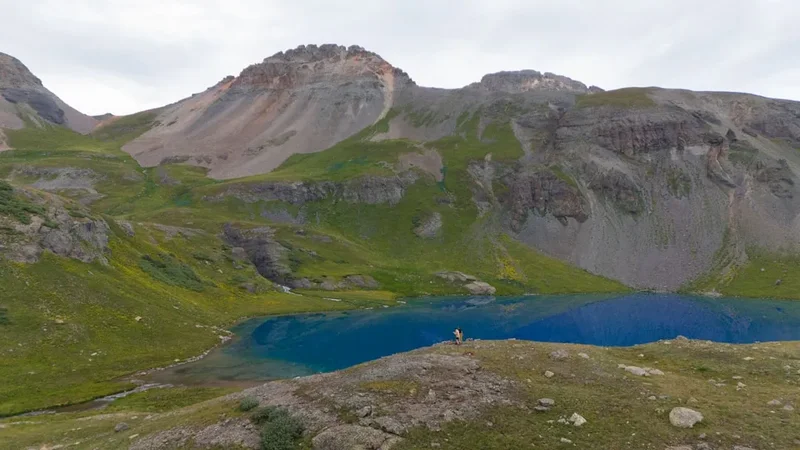
A National Park Entrance Pass is required for all visitors entering Olympic National Park. This pass covers access to the Hoh Rain Forest and its associated facilities. Passes can be purchased at entrance stations or online in advance from the National Park Service website.
For those planning to hike beyond Glacier Meadows and camp overnight in the backcountry along the Hoh River Trail, a wilderness permit is mandatory. These permits are issued by the Olympic National Park Wilderness Information centre and are required for all overnight stays in the park's wilderness areas, including designated campsites along the Hoh River.
Obtaining Wilderness Permits:
- Advance Reservations: The majority of wilderness permits are available through an advance reservation system. Reservations typically open several months in advance of the hiking season (usually in March for the summer season). Due to high demand, especially for popular areas like the Blue Glacier route, it is crucial to book as early as possible. The Olympic National Park website provides detailed information on the reservation system, dates, and how to apply.
- Walk-up Permits: A limited number of walk-up permits may be available on a first-come, first-served basis at the Wilderness Information centre. However, relying on walk-up permits is not recommended for popular destinations.
- Permit Fees: There is a reservation fee for advance permits and a per-person, per-night fee for the wilderness permit itself.
Key Information for Permits:
- Designated Campsites: Wilderness permits are tied to specific designated campsites or zones. You must camp only in the site or zone for which you have a permit.
- Bear Canisters: Bear-resistant food canisters are often required for overnight stays in the Hoh River backcountry to protect food from bears and elk. Check current regulations.
- Group Size Limits: There are limits on the number of people allowed in a group for wilderness travel.
- Permit Pick-up: Advance reservation permits must typically be picked up in person at a Wilderness Information centre before your trip.
It is essential to visit the official Olympic National Park website for the most up-to-date information on permit requirements, fees, reservation windows, and regulations before planning your trip.
Other Activities in the Area
Beyond the Hoh River Trail, Olympic National Park and its surrounding areas offer a wealth of activities for nature enthusiasts:
- Explore other rainforest trails: Within the Hoh Rainforest, the Hall of Mosses and Spruce Nature Trail are short, accessible loops perfect for a quick immersion. Other rainforest valleys in the park, such as the Quinault and Sol Duc, also offer stunning trails.
- Visit Rialto Beach and the Pacific Coast: Experience the dramatic ruggedness of the Olympic Coastline. Hike to Hole-in-the-Wall, explore tide pools, and witness spectacular sunsets over the Pacific Ocean.
- Hike to Hurricane Ridge: Drive up to Hurricane Ridge for panoramic views of the Olympic Mountains, alpine meadows, and potentially spot deer and marmots. Numerous hiking trails are available here, ranging from short paved walks to more challenging alpine routes.
- Discover Lake Crescent: This stunningly clear, deep glacial lake offers opportunities for swimming, kayaking, and hiking along its shores, including the popular Marymere Falls trail.
- Soak in Sol Duc Hot Springs: Relax in the natural mineral hot springs located in the Sol Duc Valley, surrounded by lush forest.
- Visit the Quinault Rainforest: Another magnificent temperate rainforest area within the park, offering different perspectives and trails, including the Quinault Big Sitka Spruce, one of the largest trees in the world.
- Explore the town of Forks: Known for its logging history and as the setting for the "Twilight" book series, Forks offers local amenities, shops, and a visitor centre.
- Wildlife viewing: Keep an eye out for Roosevelt elk, black bears, deer, marmots, and a variety of bird species throughout the park.
Safety and Conditions
Trail Conditions: The Hoh River Trail is generally well-maintained, especially the lower sections. However, beyond Glacier Meadows, the trail becomes more rugged, with potential for fallen trees, muddy sections, and stream crossings that can be challenging, especially after heavy rain. Always check the Olympic National Park website for current trail conditions, closures, and alerts before your hike.
Weather: The Hoh Rainforest is known for its high annual rainfall, with over 140 inches (3,500 mm) per year. Expect rain, mist, and cool temperatures at any time of year, even in summer. Temperatures can range from 10-18° Celsius in summer and much colder in winter. Hypothermia is a risk, even in mild temperatures, if you become wet and exposed to wind. Always carry waterproof and warm layers.
River Crossings: While the main Hoh River is crossed via bridges, smaller tributaries may require careful navigation. During periods of heavy rain or snowmelt, these streams can become swollen and dangerous. Assess conditions carefully before attempting any crossing.
Wildlife: Roosevelt elk are common in the Hoh Valley and can be unpredictable. Maintain a safe distance and never feed them. Black bears are also present; store food properly in bear canisters if camping overnight and know how to react if you encounter one. Other wildlife includes deer, marmots, and various bird species.
Navigation: While the main trail is generally clear, it is essential to carry a map and compass or GPS device, especially if venturing beyond Glacier Meadows. Fog and heavy rain can reduce visibility significantly. Inform someone of your hiking plans, including your intended route and expected return time.
Sandflies: Sandflies can be a nuisance, particularly in damp, shaded areas and during warmer months. Use effective insect repellent containing DEET or picaridin.
Emergency Preparedness: Carry a fully stocked first-aid kit and know how to use it. Consider carrying a personal locator beacon (PLB) or satellite messenger for remote areas where cell service is unavailable. Cell phone reception is extremely limited to non-existent along most of the trail.
Side Trips and Points of Interest
Hall of Mosses: Located just 0.8 km from the Hoh Rain Forest Visitor centre, this short, easy loop trail is an absolute must-see. It winds through a dense forest where ancient Sitka spruce and western hemlock trees are completely draped in vibrant green mosses and lichens, creating an ethereal, fairy-tale atmosphere. The sheer abundance and variety of mosses are astounding.
Spruce Nature Trail: Another short, accessible loop (2 km) near the visitor centre, this trail offers a different perspective on the rainforest, showcasing the massive Sitka spruce trees, some of the largest in the world. It also provides excellent views of the Hoh River and its braided channels.
Glacier Meadows: While not the final destination for the Blue Glacier viewpoint, Glacier Meadows (8.7 km from the trailhead) is a significant waypoint and a common turnaround point for day hikers. It offers a more remote feel, with larger trees and a sense of being deeper within the wilderness. The river here is wider, and the surrounding mountains begin to loom larger.
Blue Glacier Viewpoint (beyond Glacier Meadows): For those undertaking the full trek (typically an overnight trip), the trail continues beyond Glacier Meadows, ascending more steeply towards the Blue Glacier. The final push offers increasingly dramatic views of the glacier itself, a powerful river of ice carving its way down the mountainside. The viewpoint provides a stark contrast to the lush rainforest, showcasing the raw, icy power of the alpine environment.
Roosevelt Elk: Keep a keen eye out for herds of Roosevelt elk, the largest subspecies of elk in North America. They are frequently seen grazing in meadows and along the riverbanks, especially in the early morning and late evening. Remember to observe them from a safe distance.
Leave No Trace
The Hoh River Trail and the surrounding Olympic National Park are pristine natural environments that require careful stewardship. Adhering to Leave No Trace principles is crucial to preserving this delicate ecosystem for future generations.
Plan Ahead and Prepare: Research trail conditions, weather forecasts, and permit requirements before your visit. Pack appropriate gear and sufficient food and water. Know the regulations regarding campfires and food storage.
Travel and Camp on Durable Surfaces: Stick to the established trails to avoid damaging fragile vegetation. When camping overnight, use designated campsites whenever possible. If dispersed camping, choose sites that are already impacted or on bare ground, away from water sources.
Dispose of Waste Properly: Pack it in, pack it out. This includes all food scraps, wrappers, and any other trash you generate. Use designated toilets where available. If no toilets are available, dig a cathole at least 60 metres (60 m) away from water, trails, and campsites. Pack out all toilet paper and hygiene products.
Leave What You Find: Do not remove natural objects such as rocks, plants, or cultural artifacts. Leave them for others to enjoy and for the ecosystem to maintain.
Minimize Campfire Impacts: Campfires are often prohibited in the Olympic National Park backcountry. If permitted, use established fire rings and keep fires small. Ensure fires are completely extinguished before leaving.
Respect Wildlife: Observe wildlife from a distance. Never feed animals, as this can harm their health, alter their natural behaviours, and put you at risk. Store food securely to prevent attracting animals.
Be Considerate of Other Visitors: Respect the solitude of others. Avoid loud noises and loud music. Yield to other hikers on the trail.
 USA
USA