
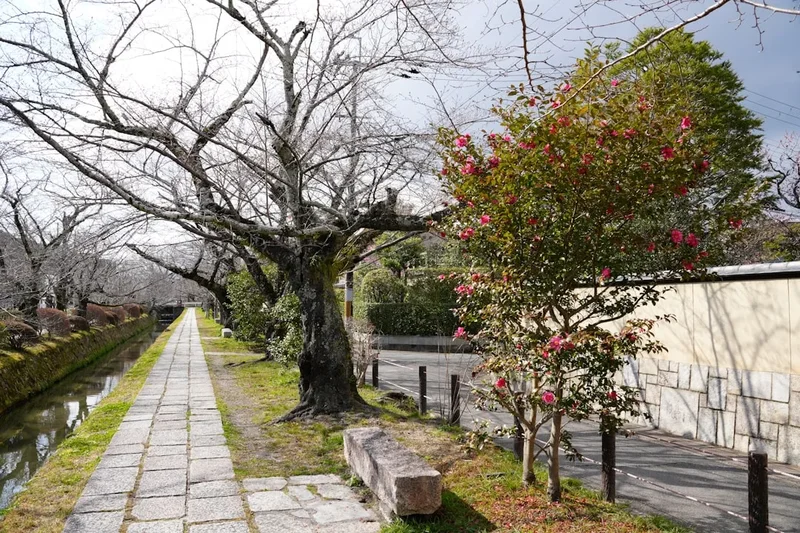
Hikone Castle Historical Walk
The Hikone Castle Historical Walk is a gentle, accessible day walk that immerses you in the history and natural beauty of Hikone, Japan. This short but rewarding trail circles the grounds of the magnificent Hikone Castle, a National Treasure and one of Japan's most well-preserved original castles. Offering panoramic views of Lake Biwa and the surrounding city, the walk is particularly enchanting during spring cherry blossom season or autumn's vibrant foliage. It's an ideal excursion for those interested in Japanese history, architecture, and scenic vistas, providing a peaceful escape within the urban landscape.
- Distance: 3.5 km
- Elevation gain: 80 m
- Duration: 2-3 hours
- Season: Spring (April-May) or Autumn (October-November)
- Difficulty: Easy
- Closest City: Hikone
- Trailhead Access: Nearest major city: Kyoto. From Kyoto Station, take the JR Biwako Line to Hikone Station (approx. 50 mins). From Hikone Station, walk or take a short taxi/bus ride to Hikone Castle (approx. 15 mins walk). Parking available near the castle.
- Permits: No permits required.
Overview
The Hikone Castle Historical Walk is a circular route that begins at the base of Hikone Castle, leading visitors through meticulously maintained gardens, along the castle moats, and up to the castle keep itself. The path is well-paved and clearly marked, making it suitable for all ages and fitness levels. The primary attraction is Hikone Castle, a stunning example of Japanese feudal architecture, boasting a three-tiered main keep (tenshu) that has survived centuries of conflict and change. The walk offers multiple vantage points to appreciate the castle's imposing structure, its strategic placement on a hill overlooking Lake Biwa, and the surrounding defensive fortifications.
Beyond the castle itself, the walk highlights the castle's extensive grounds, including the serene Genkyu-en Garden, a beautiful Edo-period landscape garden designed for strolling and contemplation. This garden, with its ponds, tea houses, and carefully sculpted scenery, provides a tranquil contrast to the imposing military architecture of the castle. The route also takes you along the outer moats, where you can observe the impressive scale of the castle's defences and enjoy views of the city and the vast expanse of Lake Biwa, Japan's largest freshwater lake.
The walk is designed to be a leisurely exploration, allowing ample time to absorb the historical significance and aesthetic appeal of the site. Whether you are a history enthusiast, a photography buff, or simply seeking a pleasant stroll with beautiful views, the Hikone Castle Historical Walk offers a rich and memorable experience.
History and Cultural Context
Hikone Castle's history is deeply intertwined with the Edo period (1603–1868) and the unification of Japan. Construction began in 1604 under the order of Tokugawa Ieyasu, the founder of the Tokugawa Shogunate, and was completed in 1622 by his grandson, Ii Naokatsu. The castle was built to guard the strategic Tokaido road, which connected Edo (modern-day Tokyo) with Kyoto and Osaka, and to serve as the seat of the powerful Ii clan, one of the most influential samurai families of the era.
The Ii clan played a pivotal role in Japanese history, particularly during the Bakumatsu period (late Edo period). Ii Naosuke, a prominent figure from the Ii family, served as the chief minister (tairō) and was instrumental in signing the Anglo-Japanese Treaty of Amity and Commerce in 1858, a move that opened Japan to foreign trade but was deeply unpopular with many traditionalist samurai, leading to his assassination in 1860. The castle itself, however, remarkably escaped destruction during the Meiji Restoration and subsequent periods of conflict, largely due to its strategic importance and the respect it commanded.
The castle's design is a testament to the military engineering of the time, featuring a complex system of moats, walls, and turrets. The main keep, a three-story structure, is a prime example of early Edo period castle architecture, known for its elegant yet robust design. The surrounding grounds also include the exquisite Genkyu-en Garden, which was originally built as a detached villa for the lord of Hikone. This garden, with its borrowed scenery of Lake Biwa and Mount Ibuki, reflects the aesthetic sensibilities of the Edo period, offering a peaceful retreat that complements the castle's martial history.
Designated a National Treasure in 1952, Hikone Castle stands as one of Japan's most significant historical landmarks, preserving the legacy of the samurai era and offering a tangible connection to the nation's past. The historical walk allows visitors to explore these layers of history, from the defensive might of the castle to the refined artistry of its gardens.
Seasonal Highlights and Weather Reality
The Hikone Castle Historical Walk is a year-round destination, but certain seasons offer particularly enhanced experiences:
Spring (April-May): This is arguably the most popular time to visit. The castle grounds are adorned with thousands of cherry blossoms (sakura), creating a breathtaking spectacle of pink and white against the ancient stone walls and dark timber of the castle. The weather is generally mild and pleasant, with average temperatures ranging from 10°C to 20°C. The combination of historical grandeur and natural beauty makes spring a truly magical time.
Summer (June-August): Summers in Hikone can be hot and humid, with average temperatures often exceeding 30°C. While the castle is still impressive, the heat can make walking less comfortable. However, the lush greenery of the gardens is at its peak, and occasional summer festivals might be held. Visitors should be prepared for high temperatures and humidity, carrying water and seeking shade.
Autumn (October-November): Autumn offers another spectacular season for the walk. The maple trees and other deciduous foliage surrounding the castle turn vibrant shades of red, orange, and yellow, creating a stunning contrast with the castle's architecture. The weather is typically crisp and clear, with average temperatures between 15°C and 25°C, making it ideal for exploring the grounds. This season provides a different, yet equally beautiful, visual experience compared to spring.
Winter (December-March): Winters in Hikone are generally cool to cold, with average temperatures ranging from 2°C to 10°C. Snowfall is infrequent but possible, which can add a unique charm to the castle landscape. The grounds are less crowded during winter, offering a more tranquil experience. The stark beauty of the castle against a winter sky can be quite dramatic. Visitors should dress warmly in layers.
Weather Considerations: While the walk is generally easy, the castle grounds are exposed. Be prepared for wind, especially at higher elevations around the keep. Rain is possible in any season, so carrying a light waterproof jacket is advisable.
Recommended Itinerary
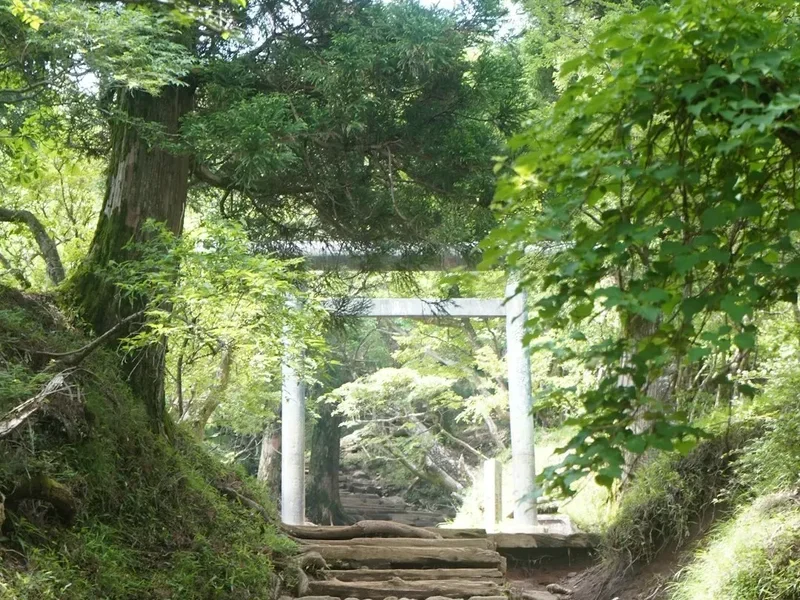
Hikone Castle Historical Walk - Day Itinerary
Early Morning (9:00 AM - 10:00 AM): Arrival and Approach
- Arrive at Hikone Station.
- Walk or take a short taxi/bus ride to the Hikone Castle entrance.
- Admire the imposing outer moats and stone walls as you approach the main gate.
- Purchase your entrance ticket.
Morning (10:00 AM - 12:00 PM): Castle Grounds and Gardens
- Begin your exploration by walking through the castle grounds.
- Visit the Genkyu-en Garden, a beautiful Edo-period landscape garden.
- Stroll around the garden's pond, admire the tea houses, and enjoy the borrowed scenery of Lake Biwa.
- Ascend the stone paths towards the castle keep.
- Explore the various baileys (courtyards) and admire the defensive structures.
Midday (12:00 PM - 1:30 PM): Castle Keep and Panoramic Views
- Enter the main castle keep (tenshu).
- Climb the steep wooden stairs to each of the three floors.
- Examine the historical displays and artefacts within the keep.
- Reach the top floor for breathtaking 360-degree panoramic views of Hikone city, Lake Biwa, and the surrounding mountains.
- Take time to appreciate the architectural details and the strategic design of the keep.
Afternoon (1:30 PM - 3:00 PM): Descent and Departure
- Descend from the castle keep.
- Take a final stroll around the castle perimeter, perhaps revisiting a favourite viewpoint.
- Exit the castle grounds.
- Optional: Visit the Hikone Castle Museum for further historical context.
- Walk back towards Hikone Station or your chosen mode of transport.
Notes:
- The walk is entirely within the castle grounds and is well-signposted.
- Wear comfortable walking shoes.
- Carry water, especially during warmer months.
- The castle keep has steep stairs and may not be suitable for those with mobility issues.
- Photography is permitted, but flash photography may be restricted inside the keep.
Planning and Bookings
Book Your Trip
Everything you need to plan your journey
Accommodation
Find places to stay near Hikone
Flights
Search flights to Hikone
Essential Preparation
The Hikone Castle Historical Walk is a straightforward day trip, requiring minimal advance planning. The closest major city is Kyoto, from which Hikone is easily accessible by train. From Kyoto Station, the JR Biwako Line offers frequent services to Hikone Station, with a journey time of approximately 50 minutes. Upon arrival at Hikone Station, the castle is a pleasant 15-minute walk away, or you can opt for a short taxi or local bus ride. Parking is available near the castle for those travelling by car.
Hikone itself is a charming city with a range of accommodation options, from business hotels to more traditional ryokans, should you wish to extend your stay. However, for the purpose of the walk, it can easily be completed as a day excursion from Kyoto or other nearby cities.
The castle grounds are open daily, but it's advisable to check the official website for any seasonal variations in opening hours or potential closures for maintenance. No special permits are required to walk the grounds, and entrance fees are modest.
Trail Accommodation
This is a day hike requiring no overnight accommodation.
Required Gear
- Comfortable walking shoes: Essential for navigating the stone paths and stairs within the castle grounds.
- Weather-appropriate clothing: Layers are recommended, as temperatures can vary. A light waterproof jacket is advisable year-round.
- Sun protection: Hat, sunglasses, and sunscreen are recommended, especially during spring and summer, as much of the walk is exposed.
- Camera: For capturing the stunning architecture and scenic views.
- Small backpack: To carry water, snacks, and personal items.
What to Bring
- Water bottle: Staying hydrated is important, especially during warmer months.
- Snacks: While there are facilities near the castle, bringing your own snacks can be convenient.
- Cash: For entrance fees, souvenirs, and any small purchases, as not all vendors may accept cards.
- Guidebook or map: While the grounds are well-signed, a guidebook can enhance your understanding of the history and significance of the various structures.
- Mobile phone: For navigation, communication, and photography. Ensure it is fully charged.
Permits
No permits are required to access and walk the grounds of Hikone Castle. The site is a public historical park and a National Treasure of Japan. Visitors are required to purchase an entrance ticket to access the main castle keep and the surrounding historical areas. These tickets can be purchased at the entrance gate on the day of your visit.
Entrance Fees (as of recent information, subject to change):
- Adults: Approximately ¥600
- Children (elementary school age and younger): Free
It is always advisable to check the official Hikone Castle website for the most up-to-date information on entrance fees and opening hours before your visit.
Other Activities in the Area
Hikone offers several attractions and activities that complement the castle walk:
- Genkyu-en Garden: While part of the castle grounds, this Edo-period garden is a destination in itself, offering a tranquil escape with its ponds, tea houses, and scenic views.
- Hikone Castle Museum: Located near the castle entrance, this museum provides further historical context and displays artefacts related to the castle and the Ii clan.
- Lake Biwa Cruise: Take a leisurely cruise on Japan's largest freshwater lake. Various operators offer tours that provide different perspectives of the surrounding landscape, including views of Hikone Castle from the water.
- Omihachiman: A short train ride from Hikone, this historic merchant town features well-preserved canals, traditional houses, and a charming atmosphere reminiscent of old Japan.
- Shopping and Dining in Hikone: Explore the local shops and restaurants around Hikone Station for regional specialities and souvenirs.
- Hikone City Art Museum: Showcasing local and national art, this museum offers a cultural diversion.
Safety and Conditions
The Hikone Castle Historical Walk is considered very safe due to its well-maintained paths, clear signage, and urban location. However, as with any outdoor activity, it's important to be aware of potential hazards:
Terrain: The walk involves paved paths, gravel walkways, and steep, narrow wooden stairs within the castle keep. Ensure you wear appropriate footwear to prevent slips and falls. The stairs inside the keep can be challenging for those with mobility issues or a fear of heights.
Weather: Be prepared for the prevailing weather conditions. In summer, high temperatures and humidity can lead to heatstroke; carry plenty of water and seek shade. In winter, temperatures can be cold, and while snow is infrequent, icy patches can form. Always check the weather forecast before your visit.
Crowds: During peak seasons (spring cherry blossoms, autumn foliage) and weekends, the castle grounds can become crowded. Exercise patience and be mindful of other visitors.
Valuables: While Hikone is a safe city, it's always prudent to keep an eye on your belongings, especially in crowded areas.
Emergency Services: In case of an emergency, contact local authorities. Information for emergency services is usually available at the castle entrance or information points.
General Advice:
- Stay on marked paths and trails.
- Do not climb on walls or structures not intended for public access.
- Respect the historical significance of the site and refrain from littering.
- Follow any instructions or guidelines provided by castle staff.
Side Trips and Points of Interest
Hikone Castle Keep (Tenshu): The primary point of interest. This three-story structure is a National Treasure and offers a glimpse into feudal Japanese architecture. Its steep, narrow wooden stairs lead to the top floor, which provides unparalleled panoramic views of the surrounding landscape, including Lake Biwa and the city of Hikone. The interior houses historical displays and artefacts.
Genkyu-en Garden: Located within the castle grounds, this beautiful Edo-period landscape garden is a designated Place of Scenic Beauty. It features a central pond, traditional tea houses, and meticulously maintained flora. The garden is designed to incorporate the scenery of Lake Biwa and Mount Ibuki into its composition, creating a harmonious and tranquil atmosphere.
Castle Moats and Walls: The extensive moats and formidable stone walls surrounding Hikone Castle are impressive feats of defensive engineering. Walking along the paths that follow the moats offers a sense of the castle's scale and strategic importance. You can observe the different types of stonework and the sheer size of the fortifications.
Hikone Castle Museum: Situated near the castle entrance, this museum complements the castle visit by providing deeper historical context. It showcases artefacts, documents, and exhibits related to the castle's construction, the Ii clan, and the history of Hikone.
Yamazato-maru and Nishinomaru Areas: These are subsidiary baileys within the castle complex, offering different perspectives of the castle's layout and defensive structures. Exploring these areas allows for a more comprehensive understanding of the castle's military design.
Leave No Trace
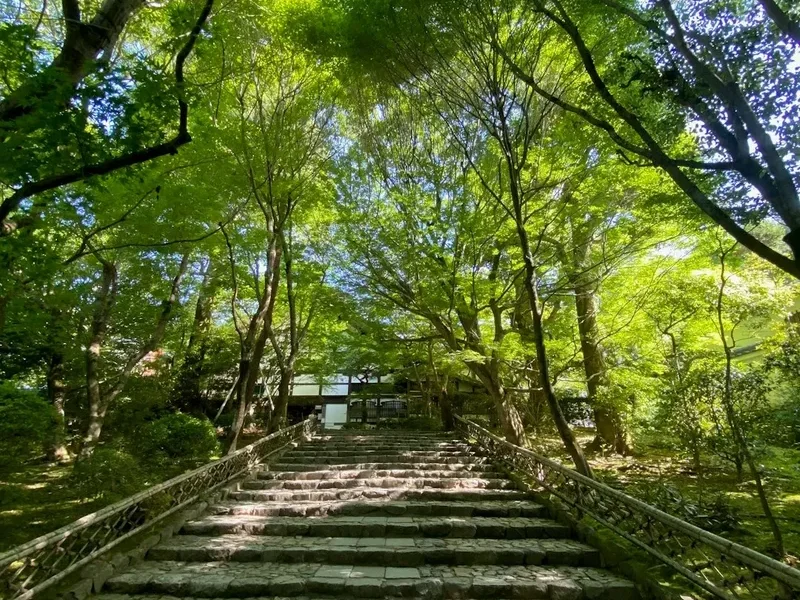
The Hikone Castle Historical Walk, while not a wilderness trail, still benefits from the principles of Leave No Trace to preserve its historical integrity and natural beauty for all visitors.
Respect Historical Structures: Hikone Castle is a National Treasure and a significant historical monument. Do not touch, lean on, or climb on any part of the castle structure or walls that are not designated for public access. This includes ancient stonework, wooden beams, and decorative elements.
Stay on Marked Paths: The castle grounds have well-defined paths and walkways. Stick to these designated routes to protect the delicate gardens, historical foundations, and surrounding vegetation. Straying off-path can lead to erosion and damage to sensitive areas.
Dispose of Waste Properly: Carry out all litter, including food wrappers, drink containers, and any other waste. There are rubbish bins available within the castle grounds and near the entrance, but it is always best practice to pack out what you pack in.
Minimize Impact on Gardens: The Genkyu-en Garden is a place of beauty and tranquility. Avoid picking flowers, stepping on plants, or disturbing the natural elements of the garden. Treat it with the same respect you would a natural landscape.
Be Considerate of Others: Keep noise levels down, especially within the castle keep and the gardens, to allow everyone to enjoy the historical atmosphere and natural serenity. Avoid loud conversations or playing music.
Photography Etiquette: While photography is encouraged, be mindful of other visitors. Avoid blocking pathways or viewpoints for extended periods. Respect any signage regarding photography restrictions inside the castle keep.
By adhering to these simple principles, you help ensure that Hikone Castle remains a well-preserved and enjoyable destination for generations to come.
 Japan
Japan