
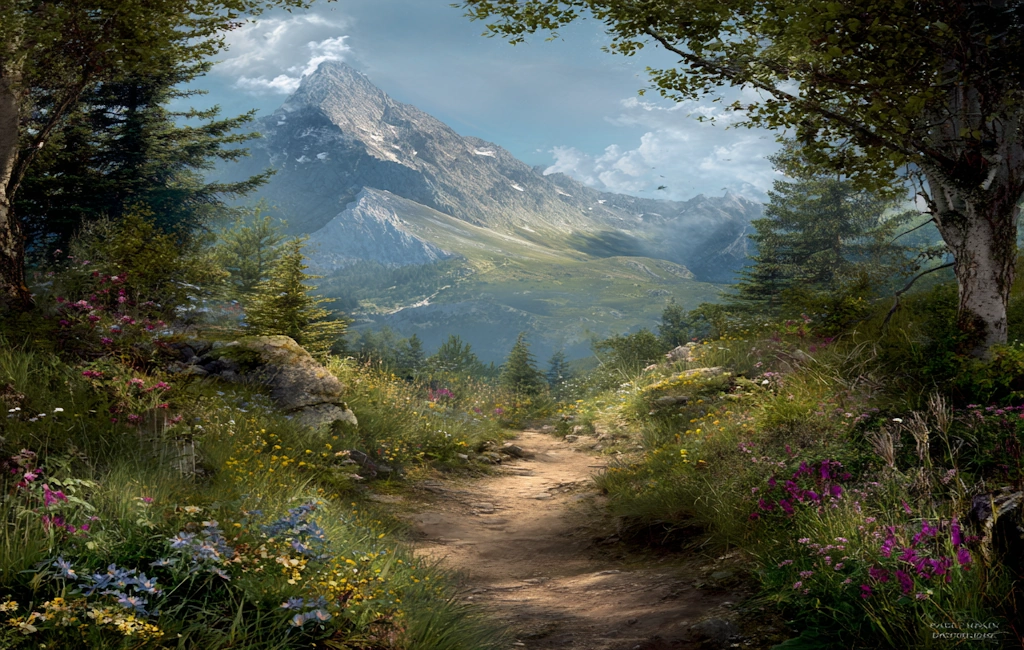
Highline Trail to Granite Park Chalet
The Highline Trail, a quintessential Glacier National Park experience, offers an unparalleled journey through the heart of the Montana Rockies. This iconic trail, renowned for its dramatic alpine scenery, traverses the Garden Wall, a rugged spine of mountains that forms the Continental Divide. Beginning at Logan Pass, the trail winds its way through alpine meadows bursting with wildflowers, past sheer cliff faces, and offers breathtaking panoramic views of glaciers, jagged peaks, and pristine valleys. It's a moderate-to-strenuous day hike that rewards every step with awe-inspiring vistas, making it a must-do for any visitor to Glacier National Park.
- Distance: 23.2 km (one-way to Granite Park Chalet, or 11.4 km to The Loop trailhead)
- Duration: 6-8 hours
- Elevation Gain: 823 m
- Difficulty: Moderate to Strenuous
- Season: July to September (when Going-to-the-Sun Road is fully open)
- Trailhead Access: Logan Pass Visitor centre
- Highest Point: Garden Wall (approx. 2,100 m)
- Direction: Westbound from Logan Pass
Overview
The Highline Trail is more than just a hike; it's an immersion into the raw, untamed beauty of Glacier National Park. Carved into the side of the Garden Wall, the trail offers a continuous spectacle of alpine grandeur. From its starting point at Logan Pass, the trail immediately plunges you into a world of sweeping meadows, vibrant wildflowers (in season), and the constant, humbling presence of towering peaks. The initial section is relatively level, allowing hikers to acclimatise to the altitude and soak in the expansive views. As you progress, the trail narrows and hugs the sheer rock face, creating a thrilling sense of exposure, though safety railings and a well-maintained path mitigate any undue risk. This section is often referred to as the "hanging valley" portion, as the trail seems to float above the landscape below.
The trail's namesake, the Garden Wall, is a dramatic geological feature that forms the backbone of the park's interior. This ridge is part of the Continental Divide, meaning water that falls on one side flows to the Pacific Ocean, and water on the other flows to the Atlantic. The views from the Garden Wall are simply spectacular, encompassing the vast expanse of the park, including iconic peaks like Reynolds Mountain and Mount Cannon. Wildlife sightings are common, with mountain goats and bighorn sheep often seen grazing on the steep slopes, seemingly unfazed by the hikers passing by. Marmots and pikas are also frequent inhabitants of the rocky terrain.
The Highline Trail can be completed in several ways. The most popular option is to hike it one-way from Logan Pass to The Loop trailhead, a distance of 11.4 km. For those seeking a longer, more challenging adventure, the trail continues past The Loop to Granite Park Chalet, adding another 11.8 km and significant elevation change. This extended route offers a more remote and rugged experience, culminating at the historic chalet. Regardless of the chosen endpoint, the Highline Trail is an unforgettable journey through one of America's most stunning national parks, a true testament to the power and beauty of the alpine environment.
History and Cultural Context
The Highline Trail, like many of Glacier National Park's iconic routes, has roots in the early 20th century, a period of intense exploration and development within the park. Its construction was part of a broader effort to make the park's spectacular interior accessible to visitors, particularly those arriving via the newly constructed Going-to-the-Sun Road. The road itself, a marvel of engineering, was designed to traverse the park's rugged mountainous terrain, and trails like the Highline were conceived to complement it, offering hikers a way to experience the alpine environment up close.
The trail was primarily built by the Civilian Conservation Corps (CCC) during the 1930s. The CCC, a New Deal agency established during the Great Depression, employed thousands of young men in conservation projects across the United States. In Glacier National Park, CCC crews were instrumental in building and maintaining trails, constructing bridges, and developing park infrastructure. Their work on the Highline Trail was particularly challenging, involving the meticulous carving of a path into the steep, often unstable slopes of the Garden Wall. The sheer effort and skill required to construct such a trail with the tools and technology of the era are a testament to their dedication and the enduring legacy of their work.
Culturally, the land through which the Highline Trail passes has been home to Indigenous peoples for millennia. The Blackfeet Nation, in particular, has deep historical and spiritual connections to this region, which they refer to as the "Backbone of the World." The mountains, valleys, and rivers were vital for hunting, gathering, and spiritual practices. While the modern trail is a product of 20th-century engineering, it traverses lands that hold profound significance for these original stewards. Understanding this context adds another layer of appreciation to the experience of walking the Highline Trail, reminding us of the long human history intertwined with this magnificent landscape.
Seasonal Highlights and Weather Reality
The Highline Trail is a summer-only hike, dictated by the seasonal opening of the Going-to-the-Sun Road and the presence of snow. The optimal window for hiking the Highline Trail is typically from July through September. During these months, the road is usually fully accessible, and the trail is largely free of snow, though patches can linger into early July at higher elevations.
July: This is often the peak wildflower season. The alpine meadows explode with colour, with species like glacier lilies, Indian paintbrush, and bear grass carpeting the landscape. The weather can be variable, with warm, sunny days interspersed with afternoon thunderstorms. Snow may still be present in shaded areas or on the Garden Wall itself in early July, potentially requiring careful navigation or even turning back if conditions are unsafe.
August: Generally considered the most stable month for weather. Days are typically warm and sunny, though thunderstorms remain a possibility, especially in the afternoons. Wildflowers may be past their peak but still present. Wildlife sightings are often at their highest during this month as animals are active and visible.
September: The colours of the landscape begin to change, with some vegetation turning golden and red. The air becomes crisper, and the crowds tend to thin out. However, September also brings an increased risk of early snowstorms. While beautiful, the possibility of encountering significant snow, ice, and colder temperatures increases as autumn approaches. The Going-to-the-Sun Road typically closes sometime in mid-October, so late September hikes should always be undertaken with caution and a thorough check of current conditions.
Weather Reality: It is crucial to understand that alpine weather is notoriously unpredictable. Even on a clear summer morning, conditions can deteriorate rapidly. Expect significant temperature fluctuations, strong winds, and the potential for rain or even hail. Hypothermia is a risk even in summer at higher elevations. Always be prepared for a wide range of conditions, regardless of the forecast.
Recommended Itinerary
Highline Trail to Granite Park Chalet - One-Way Itinerary
Day 1: Logan Pass to Granite Park Chalet
- Distance: 23.2 km
- Elevation Gain: 823 m
- Elevation Loss: 731 m
- Time: 7-9 hours
- Start: Logan Pass Visitor centre (GPS: 48.6862, -113.7474)
- Trailhead: Highline Trailhead, adjacent to Logan Pass Visitor centre
- Key Waypoints:
- Continental Divide at Logan Pass (2,026 m)
- The "Garden Wall" section with sheer drop-offs and railings
- Granite Park Junction (where the trail splits for The Loop)
- Granite Park Chalet (1,981 m)
- Description: This is the full, epic Highline Trail experience. Begin at Logan Pass, immediately ascending onto the Garden Wall. The initial section offers stunning views and a thrilling, exposed walk. Continue past Granite Park Junction, descending gradually towards the historic Granite Park Chalet. This route requires good fitness and a full day commitment.
Alternative Itinerary: Highline Trail to The Loop - One-Way Itinerary
- Distance: 11.4 km
- Elevation Gain: 244 m
- Elevation Loss: 610 m
- Time: 3-5 hours
- Start: Logan Pass Visitor centre (GPS: 48.6862, -113.7474)
- Trailhead: The Loop Trailhead (accessible via Going-to-the-Sun Road shuttle bus)
- Key Waypoints:
- Continental Divide at Logan Pass (2,026 m)
- The "Garden Wall" section with sheer drop-offs and railings
- Granite Park Junction (where the trail splits for The Loop)
- Description: This is the most popular option, offering the core Highline Trail experience without the extended mileage to Granite Park Chalet. Hike from Logan Pass, enjoy the Garden Wall, and then descend via the switchbacks to The Loop trailhead. This option is more manageable for a wider range of hikers and allows for easier transportation logistics using the park shuttle.
Important Notes:
- This is a one-way hike. Transportation logistics must be planned in advance.
- The Going-to-the-Sun Road is only fully open seasonally (typically late June/early July to mid-October). Check road status.
- A vehicle reservation may be required to access Going-to-the-Sun Road during peak season.
- Parking at Logan Pass is extremely limited; arrive very early or use the park shuttle.
- Water sources can be scarce; carry sufficient water or a reliable filter/purifier.
- Wildlife encounters are possible; maintain a safe distance and never feed animals.
- Weather can change rapidly; always carry layers and rain gear.
Planning and Bookings
Book Your Trip
Everything you need to plan your journey
Accommodation
Find places to stay near Whitefish, Montana
Flights
Search flights to Whitefish, Montana
Essential Preparation
The Highline Trail is a popular hike, and planning is essential to ensure a smooth and enjoyable experience. The primary logistical challenge is transportation, as it's a one-way hike. The Going-to-the-Sun Road, the only access route to the trailhead at Logan Pass, is open seasonally and can experience closures due to weather or maintenance. It's crucial to check the road status before your visit. Parking at Logan Pass is extremely limited, especially during peak season (July and August). Arriving before 8:00 AM is highly recommended, or alternatively, utilising the park's free shuttle system is a viable option. For those hiking to Granite Park Chalet, overnight accommodation requires advance booking, which is highly competitive.
The closest major airport is Glacier Park International Airport (FCA) near Kalispell, Montana. From there, you can rent a car and drive north on US-2 to West Glacier, then east onto the Going-to-the-Sun Road. Whitefish, Montana, is a popular base town offering a range of accommodation, dining, and amenities. Ensure you have a plan for getting back to your vehicle if you hike one-way to The Loop or Granite Park Chalet. This typically involves using the park shuttle system or arranging a taxi service in advance.
Trail Accommodation
The Highline Trail itself does not have designated campsites for overnight use by general hikers. However, there is one historic accommodation option along the extended route:
Granite Park Chalet:
- Type: Historic backcountry chalet offering dormitory-style lodging.
- Booking Requirements: Mandatory advance reservations are required and are extremely competitive. Bookings typically open in the autumn of the preceding year and sell out very quickly. Reservations are managed by the Glacier National Park Conservancy.
- Facilities Provided: Bunk beds with mattresses, common dining/lounge area, basic kitchen facilities (for preparing your own meals), pit toilets, and access to potable water. Rangers are typically on duty to provide information and assistance.
- What's NOT Provided: Linens, pillows, blankets, food, cooking utensils, electricity, or charging facilities. Hikers must be fully self-sufficient for their overnight stay.
- Seasonal Availability: Open seasonally, typically from early July to mid-September, coinciding with the opening of the Going-to-the-Sun Road and the trail's accessibility.
- Costs: Prices vary but are generally in the range of $100-$150 per person per night for dormitory-style lodging.
This is a day hike requiring no overnight accommodation. (For the shorter 11.4 km hike to The Loop, no overnight accommodation is required.)
Required Gear
- Sturdy Hiking Boots: Waterproof, broken-in hiking boots with good ankle support are essential for navigating uneven terrain and potential wet conditions.
- Backpack: A comfortable daypack (20-35 litres) is sufficient for the shorter hike. For the full hike to Granite Park Chalet, a slightly larger pack (30-45 litres) may be beneficial to carry overnight gear. A rain cover for your pack is highly recommended.
- Waterproof and Windproof Outerwear: A high-quality waterproof and breathable jacket (e.g., Gore-Tex) and waterproof overtrousers are non-negotiable. Weather can change rapidly in the mountains.
- Warm Layers: Include a fleece jacket or insulated mid-layer, a wool or synthetic base layer, and a warm hat (beanie) and gloves. Temperatures can drop significantly at higher elevations, even on a sunny day.
- Navigation Tools: While the trail is generally well-marked, a map of the area and a compass are recommended. A GPS device or a smartphone with downloaded offline maps is also advisable.
- Sun Protection: High SPF sunscreen, sunglasses, and a wide-brimmed hat are crucial due to the intense sun at higher altitudes and potential lack of shade.
- First-Aid Kit: A comprehensive kit including blister treatment, pain relievers, antiseptic wipes, bandages, and any personal medications.
- Headlamp or Flashlight: Essential, especially if you plan to hike later in the day or if you are hiking to Granite Park Chalet. Carry spare batteries.
What to Bring
- Sufficient Water: Carry at least 2-3 litres of water per person. Water sources are available but can be unreliable or require filtration/purification.
- Water Filter or Purification Tablets: Essential if you plan to refill your water bottles from natural sources.
- High-Energy Food: Pack plenty of snacks and lunch. Trail mix, energy bars, sandwiches, fruit, and jerky are good options. For the longer hike to Granite Park Chalet, pack enough food for dinner and breakfast.
- Toiletries: Biodegradable soap, toothbrush, toothpaste, hand sanitiser, and toilet paper. Pack out all used toilet paper.
- Insect Repellent: Especially important during July and August to ward off mosquitoes and biting flies.
- Trekking Poles: Highly recommended, particularly for the descent to The Loop or Granite Park Chalet, as they can significantly reduce strain on your knees.
- Camera: You'll want to capture the incredible scenery.
- Binoculars: For spotting wildlife at a distance.
- Identification and Park Pass: Carry your driver's license, park pass, and any reservation confirmations.
- Cash: For potential shuttle fees or purchases at the chalet (though card payments are usually accepted).
Permits
For day hiking the Highline Trail from Logan Pass to The Loop, no specific permit is required beyond the standard Glacier National Park entrance fee. However, a vehicle reservation may be required to access the Going-to-the-Sun Road during peak season (typically late May through early September). These reservations are time-specific and allow entry into the park during designated hours. They are separate from the park entrance fee and can be obtained online through Recreation.gov.
If you plan to stay overnight at Granite Park Chalet, a backcountry permit is required. These permits are managed by the Glacier National Park Conservancy and are highly sought after. Reservations typically open in the autumn of the year prior to your intended visit and are usually booked within minutes. You will need to create an account on the Glacier National Park Conservancy's reservation system and be prepared to book immediately when reservations become available.
Key Permit Information:
- Park Entrance Fee: Required for all vehicles entering Glacier National Park. Valid for 7 days.
- Going-to-the-Sun Road Vehicle Reservation: May be required during peak season. Check the official Glacier National Park website for current requirements and reservation windows. These are obtained via Recreation.gov.
- Granite Park Chalet Permit: Required for overnight stays. Booked through the Glacier National Park Conservancy.
It is essential to check the official Glacier National Park website (nps.gov/glac) for the most up-to-date information on reservation requirements, permit availability, and fees, as these can change annually.
Other Activities in the Area
Glacier National Park offers a wealth of activities beyond the Highline Trail:
- Going-to-the-Sun Road Exploration: Drive the entire length of this engineering marvel, stopping at numerous viewpoints and short trails.
- Boat Tours: Enjoy scenic boat tours on Lake McDonald, St. Mary Lake, and Swiftcurrent Lake, offering unique perspectives of the park's landscapes.
- Other Hikes: Explore trails such as the Avalanche Lake Trail, Grinnell Glacier Trail, or Iceberg Lake Trail, each offering its own spectacular scenery.
- Wildlife Viewing: Keep an eye out for grizzly bears, black bears, mountain goats, bighorn sheep, elk, and a variety of bird species. Always maintain a safe distance and carry bear spray.
- Ranger Programs: Attend informative talks and guided walks led by park rangers to learn about the park's natural and cultural history.
- Stargazing: Glacier is an International Dark Sky Park, offering incredible opportunities for stargazing away from light pollution.
- Fishing: Permitted in designated areas with a valid Montana fishing license.
- Horseback Riding: Guided horseback riding tours are available from various stables within the park.
Safety and Conditions
Wildlife Safety: Glacier National Park is home to grizzly bears and black bears. Always carry bear spray and know how to use it. Make noise while hiking, especially in areas with limited visibility. Hike in groups whenever possible. Never feed wildlife, and maintain a safe distance (at least 100 yards for bears and wolves, 25 yards for other animals like mountain goats and bighorn sheep).
Weather Preparedness: Alpine weather is unpredictable. Be prepared for sudden changes, including rain, snow, high winds, and temperature drops, even in summer. Carry layers of clothing, including waterproof and windproof outer shells. Hypothermia is a risk at higher elevations.
Trail Conditions: The Highline Trail can be exposed and narrow in sections, with steep drop-offs. While there are railings in the most exposed areas, hikers should be comfortable with heights. Snow can linger on the trail into July, and ice can form on shaded sections. Always check current trail conditions with a park ranger before you set out.
Water Availability: Water sources can be scarce along the Highline Trail. Carry sufficient water (at least 2-3 litres per person) and a reliable water filter or purification tablets if you plan to refill from natural sources.
Altitude: Logan Pass is at an elevation of 2,026 metres. Be aware of the symptoms of altitude sickness, such as headache, nausea, and dizziness. Acclimatise gradually if possible.
Emergency Preparedness: Cell phone service is unreliable to non-existent on most of the Highline Trail. Carry a fully charged phone, but do not rely on it for emergencies. Consider carrying a satellite communication device for remote areas. Inform someone of your hiking plans, including your intended route and expected return time.
Going-to-the-Sun Road Safety: The road is narrow, winding, and has steep drop-offs. Drive cautiously, obey speed limits, and be aware of other vehicles, cyclists, and pedestrians. Pull over only in designated pull-offs.
Side Trips and Points of Interest
The "Garden Wall" Section: This is the most iconic and thrilling part of the Highline Trail. The path is carved directly into the sheer rock face of the Garden Wall, with a dramatic drop-off to the valley floor below. Metal railings are installed in the most exposed sections, providing a sense of security, but hikers should still be comfortable with heights. The views from this section are unparalleled, offering sweeping panoramas of the surrounding peaks and glaciers.
Granite Park Chalet: For those hiking the full length of the trail, the historic Granite Park Chalet is a significant point of interest. This rustic backcountry lodge, built in 1914, offers a glimpse into the park's early tourism history. Even if not staying overnight, it's a worthwhile destination to reach and provides a sense of accomplishment.
Swiftcurrent Pass Trail Junction: Approximately 1.6 km past Granite Park Junction, the Highline Trail intersects with the Swiftcurrent Pass Trail. This junction offers an opportunity for a short detour to explore further into the Swiftcurrent Valley, though it adds significant mileage and elevation gain.
Wildlife Viewing Opportunities: The Highline Trail is an excellent place to spot mountain goats and bighorn sheep, which are often seen grazing on the steep slopes. Keep an eye out for marmots and pikas in the rocky areas. While less common on the trail itself, bears are present in the park, so always be bear-aware.
Wildflower Displays: During July and early August, the alpine meadows along the Highline Trail are ablaze with wildflowers. Species such as glacier lilies, Indian paintbrush, bear grass, and columbine create a vibrant tapestry of colour against the rugged mountain backdrop.
Leave No Trace
The Highline Trail traverses a fragile alpine environment. Adhering to Leave No Trace principles is paramount to preserving its beauty and ecological integrity for future generations. As a visitor to this stunning landscape, your actions have a direct impact.
Your responsibility as a hiker:
- Plan Ahead and Prepare: Research the trail, understand its challenges, and be prepared for all weather conditions. Know the regulations regarding vehicle reservations and backcountry permits.
- Travel and Camp on Durable Surfaces: Stick to the established trail. Avoid cutting switchbacks, as this causes erosion and damages vegetation. When resting, use established viewpoints or bare rock areas.
- Dispose of Waste Properly: Pack out everything you pack in, including all food scraps, wrappers, and any other trash. Use designated toilets where available, or dig a cathole at least 60 m (70 paces) from water, trails, and campsites if no facilities exist. Pack out all toilet paper.
- Leave What You Find: Do not remove or disturb natural objects such as rocks, plants, or wildflowers. Take only photographs and memories.
- Minimise Campfire Impacts: Campfires are not permitted on the Highline Trail or at Granite Park Chalet. Use a lightweight stove for cooking.
- Respect Wildlife: Observe wildlife from a distance. Never feed animals, as this can harm their health, alter their natural behaviours, and put you at risk. Store food securely if staying overnight.
- Be Considerate of Other Visitors: Yield to uphill hikers. Keep noise levels down to appreciate the natural sounds of the environment.
By following these principles, you help ensure that the Highline Trail remains a pristine and awe-inspiring experience for everyone.
Useful Links
- Glacier National Park - Highline Trail
- Glacier National Park - Going-to-the-Sun Road
- Glacier National Park - Vehicle Reservations
- Glacier National Park - Backcountry Permits
- Glacier National Park Conservancy - Granite Park Chalet
- Glacier National Park - Wildlife Safety
- Glacier National Park - Weather
 USA
USA