
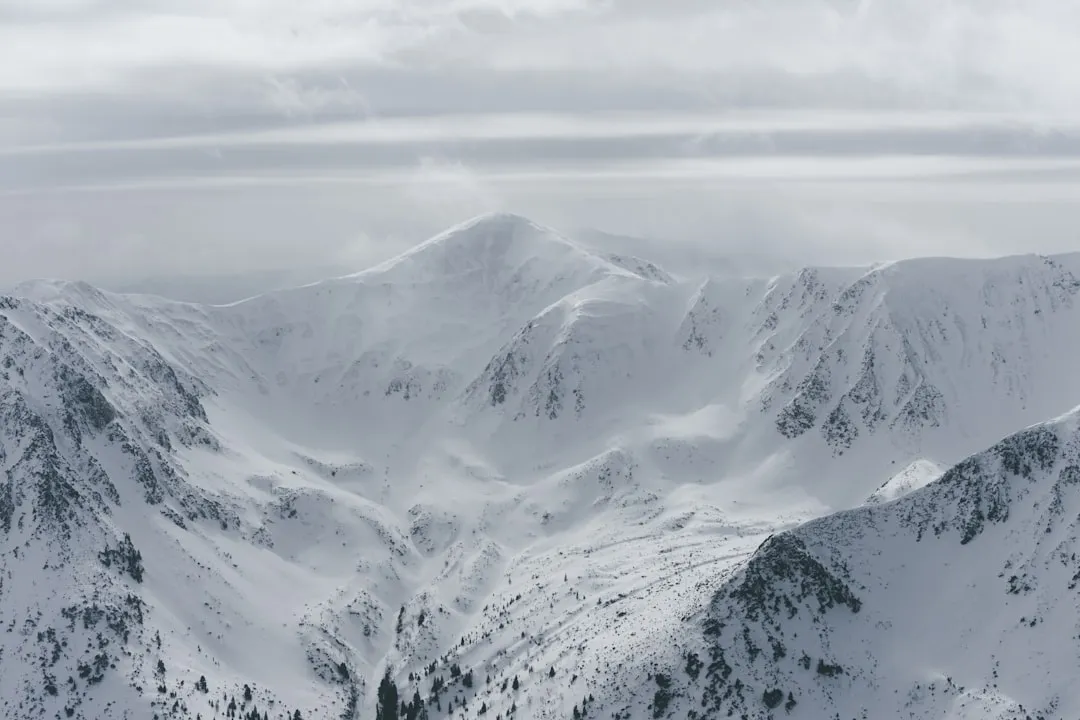
High Tatras Traverse - A Carpathian Crown Jewel
The High Tatras Traverse is a challenging, multi-day mountain trek spanning the highest peaks of the Carpathian Mountains, straddling the border between Poland and Slovakia. This route offers a dramatic and varied experience, from the granite spires and glacial lakes of the Slovakian side to the rolling alpine meadows and deep valleys of the Polish side. It is a journey through a landscape sculpted by ice and time, offering breathtaking vistas, opportunities for wildlife spotting, and a deep immersion into a unique mountain culture.
- Distance: Approximately 70.0 km
- Duration: 7–10 days
- Season: July to September
- Accommodation: Mountain huts (chaty/schroniska) and potentially basic shelters
- Highest point: Gerlachovský štít (2,655 m) - accessible via guided tour only
- Difficulty: Challenging
- Closest City: Zakopane (Poland), Poprad (Slovakia)
- Trailhead Access: Various points, often starting near Zakopane or Štrbské Pleso
Overview
The High Tatras Traverse is not a single, officially designated trail but rather a network of interconnected paths and routes that allow for a comprehensive exploration of the range's most spectacular features. This traverse typically involves ascending to high mountain passes, traversing ridges, and descending into glacial valleys, offering a true alpine experience. The terrain is rugged, with steep ascents and descents, rocky paths, and exposed sections, demanding a good level of fitness and sure-footedness.
The Slovakian side of the High Tatras is known for its dramatic, jagged peaks, deep glacial cirques, and numerous pristine mountain lakes (plesá). Trails here are often well-marked but can be steep and demanding, leading to iconic locations like the Veľká Studená dolina (Great Cold Valley) and the area around Lomnický štít. The Polish side, while generally lower in elevation, offers expansive alpine meadows, picturesque valleys like the Dolina Pięciu Stawów Polskich (Valley of the Five Polish Lakes), and the charming mountain resort town of Zakopane as a gateway.
This traverse is a journey of contrasts. One day you might be navigating a rocky ridge with panoramic views stretching for kilometres, the next you could be descending into a serene valley, surrounded by ancient pine forests and the sound of rushing streams. The huts (chaty in Slovak, schroniska in Polish) provide essential refuges, offering basic but welcome accommodation and hearty meals, fostering a sense of camaraderie among hikers from around the world. The best time to undertake this traverse is during the summer months when snow has largely receded from the higher passes, and the weather is generally more stable, though mountain weather can change with alarming speed.
History and Cultural Context
The High Tatras have a long history of human interaction, primarily driven by pastoralism, mining, and later, tourism. For centuries, the valleys were used by shepherds tending their flocks of sheep and goats, a tradition that has left its mark on the landscape and local culture. The distinctive wooden architecture of towns like Zakopane, with its characteristic gables and decorative carvings, is a testament to this heritage.
The formal exploration and charting of the High Tatras began in the 18th and 19th centuries. Geologists, botanists, and cartographers were drawn to the unique alpine environment. The construction of mountain huts, starting in the late 19th century, was crucial for developing tourism. These early refuges were often basic structures built by mountaineering clubs, providing shelter for climbers and hikers venturing into the higher reaches.
The region's history is also intertwined with the political landscape of Central Europe. The High Tatras have been part of the Austro-Hungarian Empire, Czechoslovakia, and are now divided between Poland and Slovakia. This shared history has fostered a common mountaineering tradition and a network of trails that often cross the modern border. The establishment of national parks on both sides (Tatrzański Park Narodowy in Poland and Tatranský národný park in Slovakia) in the mid-20th century was a significant step in preserving the natural beauty and biodiversity of the range.
Today, the High Tatras are a premier destination for hikers and mountaineers, attracting visitors who seek both the challenge of the peaks and the beauty of the alpine scenery. The cultural heritage, from the traditional Highlander (Górale) culture of Poland to the distinct mountain communities of Slovakia, adds another rich layer to the experience of traversing these mountains.
Seasonal Highlights and Weather Reality
The High Tatras offer a distinct experience throughout the year, but the most favourable period for a comprehensive traverse is from July to September.
Summer (July–August): This is the peak season. The weather is generally warmest and most stable, with long daylight hours. Snow has typically melted from most trails below 2,000 metres, making higher passes accessible. Wildflowers are in bloom, creating vibrant alpine meadows. However, this is also the busiest time, and huts can be crowded. Afternoon thunderstorms are common and can develop rapidly, posing a significant risk in exposed alpine terrain.
Late Summer/Early Autumn (September): This period often offers excellent hiking conditions with clearer skies and fewer crowds than August. The autumn colours begin to appear in the lower valleys, adding a beautiful golden hue to the landscape. However, temperatures start to drop, and early snowfalls are possible, especially at higher elevations. The days become shorter, requiring more careful planning for daylight hours.
Spring (May–June): While beautiful, spring is generally not ideal for a full traverse. Significant snow cover persists at higher altitudes, making many trails impassable or dangerous without winter mountaineering equipment and expertise. Lower valleys may be accessible, but the high passes and ridges are usually still snow-covered and prone to avalanche risk.
Winter (October–April): The High Tatras transform into a winter wonderland, but this is a season for experienced ski tourers and winter mountaineers only. Trails are covered in deep snow, and avalanche danger is high. Huts operate with reduced services or may be closed. This period is not suitable for a standard hiking traverse.
Weather Considerations: Mountain weather in the High Tatras is notoriously unpredictable. Even in summer, conditions can change from sunny and warm to cold, wet, and windy within hours. Fog can descend rapidly, reducing visibility to mere metres. Hypothermia is a risk, even in summer, due to altitude, wind chill, and sudden downpours. Always check the forecast before setting out each day and be prepared for all conditions.
Recommended Itinerary
7-Day High Tatras Traverse (Sample Itinerary)
Day 1: Arrival in Zakopane (Poland) and Transfer to Dolina Kościeliska
- Arrive in Zakopane, a vibrant mountain town known for its unique architecture and culture.
- Organise final supplies and check gear.
- Transfer to the trailhead of Dolina Kościeliska (Kościeliska Valley).
- Hike into Dolina Kościeliska, a beautiful valley with limestone formations and a stream.
- Stay at Schronisko PTTK na Hali Ornak or a similar hut within the valley.
- Distance: ~8-10 km
- Elevation Gain: ~300-400 m
- Time: 3-4 hours
Day 2: Dolina Kościeliska to Dolina Chochołowska (Poland)
- Continue through Dolina Kościeliska, potentially visiting the Smocza Jama (Dragon's Cave).
- Ascend towards the main ridge or a connecting pass.
- Descend into the vast Dolina Chochołowska, the longest valley in the Polish Tatras.
- Stay at Schronisko PTTK na Polanie Chochołowskiej.
- Distance: ~15-18 km
- Elevation Gain: ~600-800 m
- Time: 5-7 hours
Day 3: Dolina Chochołowska to Siwa Przełęcz and into Slovakia
- Ascend from Dolina Chochołowska towards Siwa Przełęcz (Grey Pass) or a similar border crossing.
- Enjoy panoramic views as you cross into Slovakia.
- Descend into a Slovakian valley, potentially towards the area of Bobrovecká dolina.
- Stay at a hut or shelter in the western High Tatras (e.g., near Bobrovecká Vápenka).
- Distance: ~12-15 km
- Elevation Gain: ~700-900 m
- Time: 5-7 hours
Day 4: Western Tatras (Slovakia) to Štrbské Pleso
- Traverse through the western Slovakian Tatras, known for their gentler, more rounded peaks compared to the eastern part.
- Hike towards the iconic mountain lake of Štrbské Pleso.
- Enjoy the views of the surrounding peaks reflected in the lake.
- Stay at a hotel or pension in Štrbské Pleso.
- Distance: ~10-12 km
- Elevation Gain: ~400-600 m
- Time: 4-5 hours
Day 5: Štrbské Pleso to Horský Hotel Sliezsky Dom
- Begin the ascent into the heart of the High Tatras on the Slovakian side.
- Hike through the Mengusovská dolina (Mengusovská Valley) towards the dramatic glacial cirques.
- Pass by beautiful lakes like Popradské pleso.
- Ascend to Horský Hotel Sliezsky Dom, situated at a high altitude with stunning views.
- Distance: ~12-14 km
- Elevation Gain: ~800-1000 m
- Time: 6-8 hours
Day 6: Sliezsky Dom to Téryho Chata and the Five Lakes Valley
- A challenging day involving high passes and potentially exposed sections.
- Ascend towards Priecne sedlo (Crossed Saddle) or a similar high pass, offering spectacular views.
- Descend into the breathtaking Malá Studená dolina (Small Cold Valley), home to the Dolina Piatich Spišských plies (Valley of the Five Lakes).
- Stay at Téryho Chata, a high-altitude hut nestled among the peaks.
- Distance: ~10-12 km
- Elevation Gain: ~700-900 m
- Time: 6-8 hours
Day 7: Téryho Chata to Tatranská Lomnica (Slovakia) and Departure
- Descend from Téryho Chata through the Malá Studená dolina.
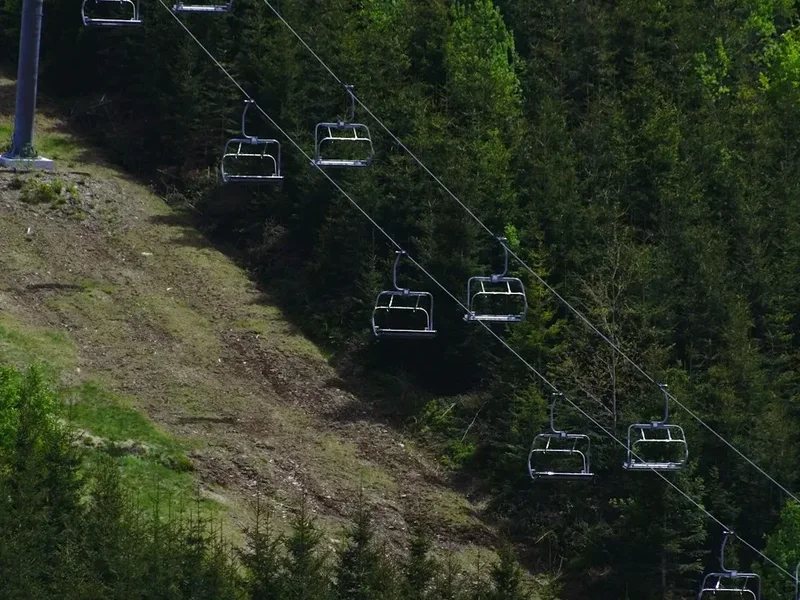
- Option to take a cable car from Skalnaté Pleso down to Tatranská Lomnica for a quicker descent.
- Alternatively, hike the entire way down.
- From Tatranská Lomnica, arrange transport to Poprad for departure.
- Distance: ~8-10 km (hiking)
- Elevation Loss: ~1000-1200 m
- Time: 4-5 hours (hiking)
Notes:
- This is a sample itinerary and can be adjusted based on fitness, weather, and desired pace.
- Some sections may require using cable cars or funiculars to save time or overcome difficult terrain.
- The highest peaks like Gerlachovský štít require a certified mountain guide and specific equipment.
- Hut bookings are highly recommended, especially during peak season.
- Always carry sufficient water and food, as resupply points can be infrequent.
Planning and Bookings
Book Your Trip
Everything you need to plan your journey
Accommodation
Find places to stay near Zakopane
Flights
Search flights to Zakopane
Essential Preparation
The High Tatras Traverse requires meticulous planning due to its multi-country nature and challenging terrain. Start by defining your route and desired duration. Research specific trail conditions, hut availability, and transport options for both Poland and Slovakia. Fitness is paramount; this traverse involves significant elevation gain and loss daily, often on rocky and uneven ground. A good level of cardiovascular fitness, leg strength, and endurance is essential. Practice hiking with a loaded backpack to get accustomed to the weight.
Logistics: The primary gateways are Zakopane in Poland and Poprad in Slovakia. Both have airports (Krakow KRK is a common international gateway for Zakopane, and Poprad TAT has limited international flights). From Krakow, buses and trains connect to Zakopane. From Poprad, local buses and taxis serve the Tatra National Park trailheads. Road conditions are generally good, but mountain roads can be narrow and winding. Parking is available at many trailheads but can be limited and may incur fees.
Base Towns:
- Zakopane (Poland): A bustling mountain resort town offering a wide range of accommodation, restaurants, gear shops, and cultural experiences. It's an excellent starting point for the Polish side of the traverse.
- Štrbské Pleso (Slovakia): A popular tourist resort in the Slovak Tatras, offering hotels, pensions, and access to hiking trails and cable cars. It serves as a good hub for exploring the Slovakian side.
- Poprad (Slovakia): A larger city with better transport links, serving as a gateway to the Slovak Tatras.
Trail Accommodation
Accommodation in the High Tatras primarily consists of mountain huts (chaty in Slovak, schroniska in Polish). These vary in size and comfort but generally offer basic dormitory-style sleeping arrangements, communal dining areas, and often serve hearty meals. Booking in advance is strongly recommended, especially during the peak summer season (July-August) and on weekends.
Hut Facilities:
- Dormitory-style bunks with mattresses and pillows (bed linen or sleeping bag liner usually required).
- Communal dining areas.
- Some huts offer private rooms, but these are limited and book up quickly.
- Hot meals and drinks are typically available for purchase.
- Toilets (often squat toilets) and washbasins. Hot showers may be available at some larger huts but are not guaranteed and may incur a fee.
- Some huts have limited Wi-Fi or charging facilities, but do not rely on them.
What's NOT Provided:
- Towels.
- Toothbrushes, toothpaste, and other personal toiletries (though some basic items might be for sale).
- Cooking equipment or food supplies (unless you plan to self-cater, which is often possible in designated areas or if you bring your own stove).
- Electricity for charging devices is often limited or unavailable.
Seasonal Availability: Huts are generally open from June to September/October. Some larger huts may remain open year-round or during winter, but services are significantly reduced, and access requires winter mountaineering skills.
Costs: Prices vary but expect to pay approximately €20-€40 per person per night for a dormitory bed. Private rooms are more expensive. Payment is usually in cash (Euros in Slovakia, Polish Złoty in Poland), though some larger huts may accept cards.
Booking: Websites for individual huts or national park services often provide booking information. For Poland, PTTK (Polish Tourist and Sightseeing Society) manages many huts. For Slovakia, TANAP (Tatranský národný park) or individual hut websites are the best resources. Booking well in advance is crucial.
Required Gear
- Sturdy Hiking Boots: Waterproof, with good ankle support and a well-worn sole. Essential for rocky and uneven terrain.
- Waterproof Jacket and Trousers: Breathable and fully waterproof (e.g., Gore-Tex). Mountain weather can change rapidly.
- Warm Layers: Fleece jacket, thermal base layers (merino wool or synthetic). Evenings and higher altitudes can be cold.
- Daypack: 25-35 litre capacity for carrying essentials during daily hikes.
- Backpack: 45-65 litre capacity for multi-day treks, with a rain cover.
- Sleeping Bag Liner: Many huts require this for hygiene.
- Head Torch: With spare batteries. Essential for navigating huts at night or early morning starts.
- Navigation Tools: Detailed maps of the High Tatras (both Polish and Slovak sides), compass, and a GPS device or smartphone with offline maps.
- First-Aid Kit: Including blister treatment, pain relievers, antiseptic wipes, bandages, and any personal medications.
- Sun Protection: High SPF sunscreen, sunglasses, and a wide-brimmed hat. The sun can be intense at altitude.
- Trekking Poles: Highly recommended for stability on descents and ascents, and for reducing strain on knees.
- Water Bottles/Hydration Reservoir: Capacity for at least 2 litres per person.
What to Bring
- Food: While huts offer meals, carrying high-energy snacks (nuts, dried fruit, energy bars) is essential for between-meal sustenance and for days when you might not be near a hut at lunchtime. Consider packing some of your own breakfast or lunch items to save money.
- Water Treatment: While many streams are clear, it's advisable to carry a water filter or purification tablets as a precaution, especially if you are sensitive.
- Toiletries: Biodegradable soap, toothbrush, toothpaste, small quick-dry towel, hand sanitiser.
- Personal Items: Camera, power bank for electronics, book or journal for downtime.
- Cash: Euros for Slovakia and Polish Złoty for Poland. Many smaller huts and some transport options may not accept cards.
- Duct Tape and Cord: Useful for repairs to gear.
- Insect Repellent: Especially for lower elevations and evenings.
- Plastic Bags: For rubbish and keeping gear dry.
Permits
For general hiking on marked trails within the national parks of the High Tatras (Tatrzański Park Narodowy in Poland and Tatranský národný park in Slovakia), a specific permit is generally not required for individual hikers. However, both national parks have entrance fees or daily charges that must be paid. These fees contribute to the maintenance of trails, infrastructure, and conservation efforts.
Poland (Tatrzański Park Narodowy):
- There is an entrance fee to the national park, which can be paid at various entry points or online.
- The fee is typically a few Polish Złoty per person per day.
- Dogs are generally not allowed on the trails.
Slovakia (Tatranský národný park):
- A visitor fee is also applicable for entering the Slovak Tatras. This can often be paid at trailheads or purchased in advance.
- The fee is usually in Euros.
- Similar restrictions on dogs and camping apply.
Important Considerations:
- Guided Tours: If you plan to ascend to the highest peaks like Gerlachovský štít or attempt any off-trail routes, a certified mountain guide is mandatory. These guides will handle any necessary permits or permissions for such expeditions.
- Hut Bookings: While not a permit, booking accommodation in mountain huts is essential and should be done well in advance, especially during peak season.
- Camping: Wild camping is strictly prohibited within both national parks. You must stay in designated huts or official campsites (which are rare within the core mountain areas).
- Check Official Websites: It is always advisable to check the official websites of the respective national parks for the most up-to-date information on fees, regulations, and any specific requirements before your trip.
Other Activities in the Area
The High Tatras offer a wealth of activities beyond the main traverse, catering to various interests and fitness levels:
- Cable Car and Funicular Rides: Access high-altitude viewpoints and trailheads without strenuous climbing. Notable examples include the cable car to Lomnický štít (Slovakia) and the funicular to Kasprowy Wierch (Poland), offering spectacular panoramic views.
- Lake Exploration: Many glacial lakes (plesá in Slovak, stawy in Polish) are accessible via shorter hikes. Štrbské Pleso, Popradské pleso, and the Valley of the Five Polish Lakes are prime examples, offering stunning reflections and serene environments.
- Via Ferrata Routes: For those seeking a more adventurous challenge, the High Tatras offer several equipped climbing routes (via ferratas) on the Slovakian side, requiring specific gear and experience.
- Cultural Experiences in Zakopane: Explore the unique wooden architecture, visit the local markets for traditional crafts and food, and experience the vibrant Górale culture.
- Spa and Wellness: Zakopane and some Slovakian towns offer thermal baths and wellness centres, perfect for relaxing after a few days of hiking.
- Wildlife Spotting: The Tatras are home to diverse wildlife, including chamois, marmots, red deer, and potentially bears and wolves (though sightings are rare). Birdwatching is also excellent.
- Winter Sports: During winter, the High Tatras are a popular destination for skiing, snowboarding, and ski touring.
Safety and Conditions
Pre-Trip Checks:
- Weather Forecast: Always check the mountain weather forecast from reliable sources (e.g., MetService for Slovakia, IMGW for Poland) before and during your trek. Be prepared for rapid changes.
- Trail Conditions: Consult national park websites or local information centres for any trail closures, warnings, or specific conditions (e.g., snow, landslides).
- Emergency Contacts: Save emergency numbers for mountain rescue services in both Poland and Slovakia.
On the Trail:
- Navigation: Stay on marked trails. Use your map, compass, and GPS diligently. Fog can reduce visibility to near zero very quickly.
- Altitude: While not extremely high, the altitude can affect some individuals. Ascend gradually and be aware of symptoms of altitude sickness.
- Terrain: The trails are often rocky, steep, and can be slippery, especially after rain or when snow is present. Wear appropriate footwear and use trekking poles for stability.
- Exposure: High passes and ridges are exposed to wind, sun, and rapid weather changes. Carry adequate protection.
- Hypothermia: Even in summer, temperatures can drop significantly at higher elevations, especially with wind chill and rain. Carry warm, waterproof, and windproof layers.
- Water: While streams are generally clear, treat water from unknown sources to avoid gastrointestinal issues.
- Wildlife: Maintain a safe distance from all wildlife. Do not feed animals. Be aware of the potential presence of bears, especially in more remote areas.
- Communication: Mobile phone signal can be intermittent or non-existent in many areas. Consider carrying a personal locator beacon (PLB) for emergencies.
- Hut Etiquette: Follow hut rules, be respectful of other hikers, and keep noise to a minimum, especially during sleeping hours.
Mountain Rescue:
- Poland: GOPR (Górskie Ochotnicze Pogotowie Ratunkowe) - Emergency number: 985 or +48 18 206 77 77
- Slovakia: HZS (Horská záchranná služba) - Emergency number: 1830 or +421 52 442 21 11
Travel Insurance: Ensure your travel insurance covers hiking and mountain rescue in both Poland and Slovakia.
Side Trips and Points of Interest
Gerlachovský štít (2,655 m): The highest peak in the High Tatras and the entire Carpathian range. Ascending Gerlachovský štít is a serious undertaking and requires a certified mountain guide and appropriate equipment. It's a challenging scramble and often involves glacier travel or snowfields depending on the season. Even if not summiting, the views towards it from surrounding trails are spectacular.
Lomnický štít (2,634 m): The second highest peak, accessible via a cable car from Tatranská Lomnica. The summit station offers incredible panoramic views and a restaurant. This is a great option for those who want high-altitude views without the strenuous climb.
Dolina Piatich Spišských plies (Valley of the Five Polish Lakes): A stunning glacial valley on the Polish side, featuring five beautiful mountain lakes. The hike to and around these lakes is a highlight for many visitors.
Dolina Pięciu Stawów Polskich (Valley of the Five Polish Lakes): Similar to the Slovakian counterpart, this valley on the Polish side is renowned for its picturesque lakes and dramatic mountain scenery. The hike here is a classic.
Kasprowy Wierch (1,987 m): Accessible by cable car from Zakopane, this peak offers expansive views over both the Polish and Slovakian Tatras. It's a popular starting point for ridge hikes.
Štrbské Pleso and Popradské Pleso: These iconic glacial lakes on the Slovakian side are easily accessible and offer beautiful walking paths, boat rentals (at Štrbské Pleso), and stunning reflections of the surrounding peaks.
Morskie Oko (Eye of the Sea): The largest lake in the Polish Tatras, accessible via a relatively easy walk or horse-drawn carriage ride from the Palenica Białczańska trailhead. It's a very popular destination, offering dramatic mountain scenery.
Leave No Trace
The High Tatras are a fragile alpine environment with unique ecosystems. Adhering to Leave No Trace principles is crucial for preserving their beauty and integrity for future generations.
- Plan Ahead and Prepare: Research your route, understand the terrain and weather, and pack appropriately. Book accommodation in advance.
- Travel and Camp on Durable Surfaces: Stick to marked trails. Avoid walking on fragile vegetation, especially alpine meadows and mossy areas. Use designated huts for overnight stays; wild camping is prohibited.
- Dispose of Waste Properly: Pack out everything you pack in, including all food scraps, wrappers, and toilet paper. Use designated waste bins where available, or carry your rubbish back to civilisation.
- Leave What You Find: Do not remove rocks, plants, or any natural or historical objects. Take only photographs and memories.
- Minimize Campfire Impacts: Campfires are generally prohibited in national parks. Use a portable stove for cooking if necessary.
- Respect Wildlife: Observe wildlife from a distance. Never feed animals, as it can disrupt their natural behaviours and diets. Store food securely to prevent attracting animals.
- Be Considerate of Other Visitors: Keep noise levels down, especially in huts and on trails. Yield to uphill hikers. Respect the local culture and traditions.
By following these principles, you help ensure that the High Tatras remain a pristine and enjoyable destination for all.
Useful Links
- Tatrzański Park Narodowy (Poland) - Official Website
- Tatranský národný park (Slovakia) - Official Website
- IMGW - Mountain Weather Forecast (Poland)
- SHMU - Mountain Weather Forecast (Slovakia)
- GOPR - Mountain Rescue Poland
- HZS - Mountain Rescue Slovakia
- Zakopane Official Tourism Website
- Štrbské Pleso Official Tourism Website
 Australia