Nepal — Pokhara
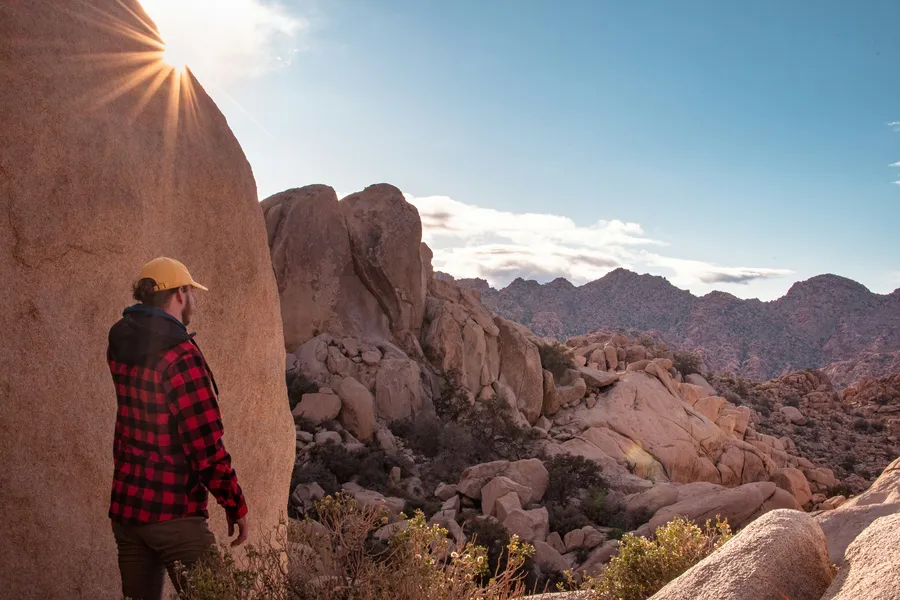
Hidden Valley Trek, Nepal: A moderate 25km, 2-3 day route offering stunning Annapurna panoramas. Traverse ancient rhododendron forests and traditional Gurung villages, reaching high-altitude pastures. This secluded wilderness provides an intimate Himalayan introduction without extensive logistics.
Distance: 25.0 km
Elevation Gain: 1200 m
Difficulty: Moderate
Duration: 2-3 days
The Hidden Valley Trek is one of Nepal's most captivating short-duration mountain journeys, offering an intimate encounter with the Annapurna Massif without the logistical demands of a multi-week expedition. Spanning 25 kilometres over two to three days, this trek serves as a perfect introduction to Himalayan trekking, weaving through ancient rhododendron forests, traditional Gurung villages, and high-altitude pastures that feel worlds away from the bustling streets of Pokhara. Starting from the riverside trailhead at Nayapul, the route ascends 1,200 metres into a secluded alpine basin—the "Hidden Valley"—where the sheer granite faces of Annapurna South and the iconic "Fishtail" peak of Machhapuchhre dominate the skyline. This is a landscape defined by dramatic verticality, where subtropical valleys transition into temperate oak forests and eventually into the crisp, thin air of the high mountains. For those with limited time but a deep desire for wilderness, the Hidden Valley Trek provides a profound sense of isolation and natural beauty, preserved by its position away from the more heavily trafficked main arterial routes of the Annapurna Sanctuary.
The Hidden Valley Trek is a masterclass in ecological diversity, packed into a compact timeframe. While many Himalayan treks require ten days or more to reach significant viewpoints, this route delivers trekkers to the heart of the mountains with remarkable efficiency. The journey begins in the humid, fertile lowlands near the Modi Khola river, where terraced millet and rice paddies paint the hillsides in vibrant shades of green and gold. As you ascend, the air cools and the vegetation shifts dramatically. You enter a world of ancient rhododendron forests—some of the largest in the world—where trees grow to heights of twenty metres, their gnarled branches draped in moss and epiphytic orchids. In the spring, these forests erupt in a spectacular display of crimson, pink, and white blooms, creating a floral canopy that stretches as far as the eye can see.
The "Hidden Valley" itself is a high-altitude plateau tucked behind the primary ridges of the Annapurna foothills. It remains largely shielded from the wind and the noise of the lower valleys, creating a silent, cathedral-like atmosphere. From this vantage point, the scale of the Himalayas becomes visceral. Annapurna South (7,219 m) and Hiunchuli (6,441 m) appear close enough to touch, their glaciers glistening in the morning sun. To the east, the sacred peak of Machhapuchhre (6,993 m) rises in a perfect, unclimbed pyramid of rock and ice. The trek is not merely a physical challenge but a sensory immersion into the rhythms of mountain life. You will share the trail with mule trains carrying supplies to remote outposts, pass through villages where stone-roofed houses have stood for centuries, and experience the legendary hospitality of the Gurung people, whose culture is inextricably linked to these high peaks.
Physically, the trek is characterised by the "Nepali Flat"—a local euphemism for a trail that constantly oscillates between steep climbs and sharp descents. The terrain is dominated by thousands of hand-laid stone steps, a testament to the incredible labour of the local communities who have maintained these trade routes for generations. While the distance of 25 kilometres may seem modest, the 1,200-metre elevation gain ensures a rigorous workout for the legs and lungs. However, the reward is a level of solitude and scenic grandeur that far exceeds the effort required, making it an essential experience for any hiker visiting the Pokhara region.
The trails of the Hidden Valley have served as vital arteries for the Gurung and Magar ethnic groups for centuries. Long before the arrival of international trekkers in the 1960s and 70s, these paths were used for seasonal transhumance—the movement of livestock between summer and winter pastures—and for trade between the high mountains and the lowland markets. The Gurung people, who are the primary inhabitants of this region, have a rich martial and cultural history. They are world-renowned for their service in the Gurkha regiments of the British and Indian armies, a tradition that has brought both economic stability and a unique cosmopolitan influence to these remote mountain villages.
The Hidden Valley itself was historically a place of refuge and spiritual significance. Local legends speak of "Beyul"—hidden valleys or sacred lands described in Tibetan Buddhist tradition as places where the physical and spiritual worlds meet. While the Hidden Valley Trek is more focused on the natural landscape today, the presence of small stone shrines (chortens) and prayer flags fluttering at every high pass serves as a constant reminder of the deep spiritual connection the local people maintain with the mountains. The peaks themselves are often considered the abodes of deities; Machhapuchhre, in particular, is sacred to the god Shiva and remains strictly off-limits to climbers, preserving its pristine "fishtail" summit from human footprints.
The development of trekking in this area was pioneered by early explorers like Colonel Jimmy Roberts, who is often called the "father of trekking in Nepal." In the post-WWII era, Roberts recognised that the ancient trade routes of the Annapurna region offered some of the finest walking on Earth. Over the decades, the local economy has transitioned from purely subsistence farming and military service to include sustainable tourism. The teahouses you stay in today are often family-run enterprises that have evolved from simple family homes into well-organised lodges, yet they retain the warmth and authenticity of traditional Nepali mountain life.
Want more background? Read extended notes on history and cultural context → Learn more
The timing of your trek is the single most important factor in determining the quality of your experience. Nepal's climate is dominated by the monsoon, which dictates the trekking seasons with absolute authority. For the Hidden Valley Trek, there are two primary windows of opportunity, each offering a distinct character.
Autumn (October to November): This is widely considered the "gold standard" for Himalayan trekking. Following the monsoon rains, the atmosphere is washed clean of dust and haze, resulting in exceptionally sharp, clear views of the peaks. The weather is generally stable, with warm, sunny days and crisp, cool nights. This is also the time of major Nepali festivals like Dashain and Tihar, adding a vibrant cultural layer to your journey. However, because conditions are so perfect, this is also the busiest time on the trails, and teahouses can fill up quickly.
Spring (April to May): The second peak season is defined by the spectacular blooming of the rhododendron forests. The hillsides are transformed into a riot of colour, and the birdlife is at its most active. Temperatures are slightly warmer than in autumn, making the higher elevations very comfortable. The trade-off is a slight increase in afternoon haze, which can occasionally obscure the distant peaks, though the morning views remain spectacular. This is the best time for nature lovers and photographers interested in flora and fauna.
Winter (December to February): While the Hidden Valley Trek is at a relatively low altitude compared to the high Himalayan passes, winter still brings freezing temperatures at night and the possibility of snow in the valley. The skies are often brilliantly clear, and the trails are nearly empty, offering a true wilderness experience for those prepared for the cold. Many teahouses remain open, but you will need a high-quality sleeping bag and warm layers.
Monsoon (June to September): Trekking during the monsoon is generally discouraged. Heavy rains make the stone steps slippery, clouds frequently obscure the mountains, and leeches become a significant nuisance in the forest sections. However, the landscape is incredibly lush, and for those interested in botany rather than mountain views, it can be a unique time to visit, provided you have high-quality waterproof gear and a high tolerance for damp conditions.
Day 1: Nayapul to Ghandruk
Day 2: Ghandruk to Hidden Valley (Tadapani)
Day 3: Tadapani to Nayapul via Birethanti
Important Notes:
While the Hidden Valley Trek is shorter than many Nepali routes, it should not be underestimated. The primary challenge is the "staircase" nature of the terrain. Preparation should focus on cardiovascular fitness and leg strength, particularly eccentric loading (descending). If possible, train on stairs or steep hills in the weeks leading up to your trip. Coordination is relatively straightforward compared to the Great Walks of New Zealand; you do not need to book teahouses months in advance, but you must have your permits organised before leaving Pokhara.
Pokhara is your essential base. It is a vibrant lakeside city with hundreds of gear shops, pharmacies, and trekking agencies. You can rent almost everything you need here—from down jackets to sleeping bags—for a few dollars a day. Ensure you have at least one full day in Pokhara before your trek to secure your permits at the Nepal Tourism Board office and to attend a briefing if you are using a guide.
Accommodation on the Hidden Valley Trek is provided by "teahouses"—locally owned lodges that offer a unique blend of a mountain hut and a bed-and-breakfast. In villages like Ghandruk and Tadapani, these facilities are surprisingly comfortable, though they remain rustic.
Hut Facilities:
What Teahouses Don't Provide:
Booking Requirements:
To trek in the Hidden Valley and the wider Annapurna region, you require two specific documents. These must be obtained in advance at the Nepal Tourism Board (NTB) office in Pokhara or Kathmandu. You cannot purchase these at the trailhead in Nayapul.
1. Annapurna Conservation Area Permit (ACAP):
2. Trekkers' Information Management System (TIMS) Card:
Important Permit Tips:

Detailed route notes, maps, logistics & tips for the Hidden Valley Trek (PDF).

Precisely traced GPX for the Hidden Valley Trek, ready for your GPS or favourite mapping app.
Pokhara and the surrounding Annapurna foothills offer a wealth of experiences to complement your trek:
Altitude Awareness: While the Hidden Valley Trek reaches a maximum altitude of approximately 2,650 metres—well below the threshold for serious Acute Mountain Sickness (AMS)—some trekkers may still feel the effects of thinner air. Symptoms can include mild headaches or shortness of breath. The best prevention is to stay hydrated (3–4 litres of water per day), walk at a steady pace, and avoid alcohol until you have reached your highest point.
Trail Conditions: The stone steps of the Annapurna region are legendary. While they provide a stable surface, they can be incredibly punishing on the joints, especially when wet. In the forest sections, be aware of exposed roots and muddy patches. During the monsoon or early post-monsoon, leeches are common; carrying a small pouch of salt or tobacco can help in removing them safely.
Water Safety: Never drink untreated tap or stream water. While the water in the mountains looks pristine, it can carry parasites like Giardia. Use a reliable filtration system, UV purifier, or chlorine dioxide tablets. Most teahouses sell "safe water" (boiled and filtered), which is a more environmentally friendly option than buying plastic bottles.
Weather Hazards: Afternoon thunderstorms are common, particularly in the spring. These can bring sudden drops in temperature and heavy rain. Always carry your waterproof shell in your daypack, regardless of how clear the morning sky appears. If trekking in winter, be prepared for icy patches on the stone steps in shaded forest areas.
Emergency Contacts: Ensure you have travel insurance that specifically covers trekking up to 3,000 metres. In the event of a serious injury, helicopter evacuation is the only way out of the higher villages. Keep the contact details of your insurance provider and the Himalayan Rescue Association (HRA) accessible.
Ghandruk Cultural Museum: Located in the heart of the village, this small, privately-run museum is a treasure trove of Gurung heritage. It houses traditional farming tools, intricate hand-woven clothing, and historical photographs that tell the story of the village's evolution. The curators are often local elders who are happy to share stories of the "old days" before the road reached the lower valleys.
Old Gurung Village (Ghandruk): While the main trail passes through the newer parts of the village, taking an hour to explore the "Old Village" is highly rewarding. Here, the houses are built entirely of dry-stone masonry with slate roofs, and the narrow alleys are designed to protect inhabitants from the mountain winds. It is a living museum of vernacular architecture.
The Tadapani Sunrise: While not a "side trip" in the traditional sense, the sunrise at Tadapani is a mandatory experience. Because the village sits on a narrow ridge, it offers an unobstructed view of the sun hitting the summits of Annapurna South and Machhapuchhre. The transition of the peaks from ghostly grey to brilliant gold and finally to blinding white is one of the most moving sights in the Himalayas.
Modi Khola River Banks: On your final day, take a moment to sit by the banks of the Modi Khola near Birethanti. The river is fed by the glaciers of the Annapurna Sanctuary and its turquoise, glacial-fed waters are a powerful reminder of the geological forces that shaped this valley. It is a peaceful spot to reflect on your journey before returning to the noise of the city.
The Annapurna Conservation Area is a pioneer in community-based conservation, but the sheer volume of trekkers poses a constant threat to its delicate ecosystem. As a visitor, you have a responsibility to minimise your impact on this ancient landscape.
Your responsibility as a trekker:
By following these principles, you help ensure that the Hidden Valley remains a sanctuary for the generations of trekkers and local residents who will follow in your footsteps.
