
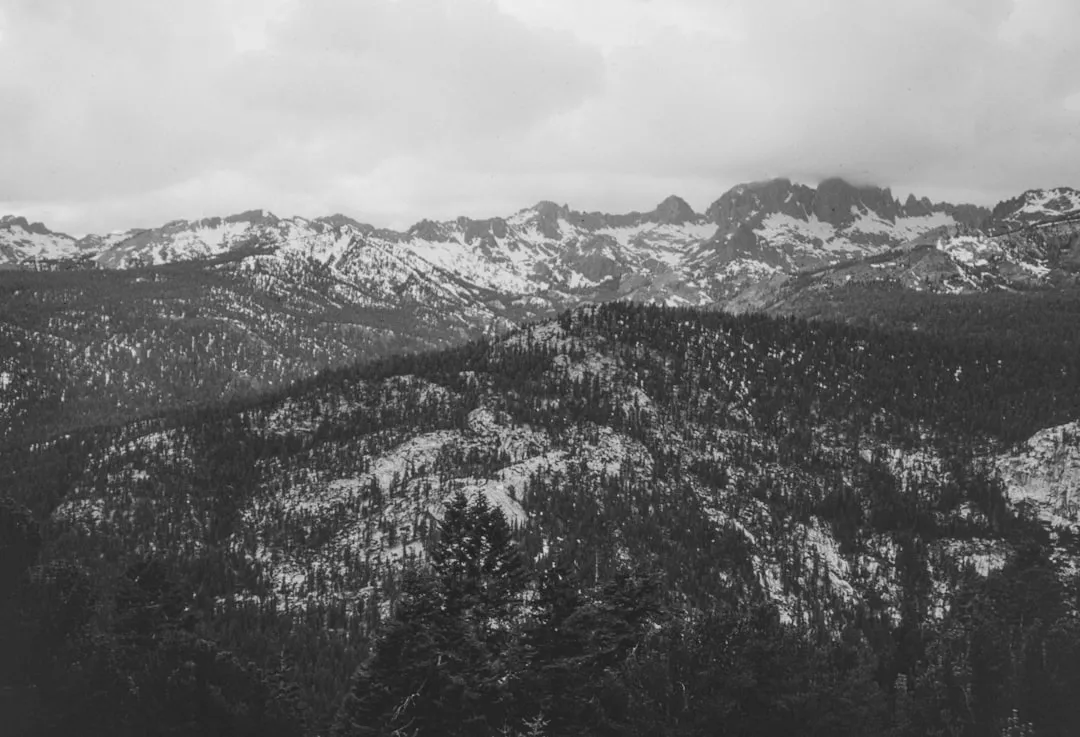
Hidden Lake Trail - The Crown of the Continent's Alpine Jewel
The Hidden Lake Trail is arguably the most iconic day walk within Glacier National Park, Montana—a breathtaking 8.9-kilometre return journey that traverses the high-altitude "Hanging Gardens" of Logan Pass. Perched directly upon the Continental Divide at an elevation of 2,025 metres, this trail offers walkers an unparalleled window into the raw, glaciated splendour of the Rocky Mountains. The route begins at the bustling Logan Pass Visitor Centre and ascends through a delicate tapestry of alpine meadows, where snow lingers well into the summer months and wildflowers erupt in a brief, brilliant display of resilience. With the towering, pyramid-like peak of Bearhat Mountain serving as a constant sentinel, the trail leads walkers to a dramatic overlook before plunging down to the turquoise shores of Hidden Lake itself. This is a landscape defined by its verticality, its ancient geology, and its status as a sanctuary for iconic North American megafauna, including mountain goats, bighorn sheep, and the formidable grizzly bear.
- Distance: 8.9 km return (to the lake shore); 4.8 km return (to the overlook only)
- Duration: 3–5 hours
- Season: July to September (highly dependent on snowmelt)
- Elevation Gain: 487 m
- Highest Point: 2,180 m (near the overlook)
- Difficulty: Moderate (steep sections and high altitude)
- Trailhead: Logan Pass Visitor Centre, Going-to-the-Sun Road
Overview
The Hidden Lake Trail is a masterclass in alpine transition. It begins not in a forest, but in the sub-alpine krummholz and open meadows known as the Hanging Gardens. Because the trailhead at Logan Pass is already situated at a significant elevation, walkers are immediately immersed in a high-mountain environment that would usually require hours of strenuous climbing to reach. The first half of the journey is characterised by a sophisticated boardwalk system, designed to protect the incredibly fragile alpine tundra from the thousands of feet that traverse it each season. As you ascend, the views expand in every direction: to the north, the jagged Garden Wall looms; to the east, the massive bulk of Mount Siyeh and Going-to-the-Sun Mountain dominate the skyline.
The trail's primary destination for many is the Hidden Lake Overlook. From this vantage point, the landscape opens up to reveal Hidden Lake, a deep cerulean basin cradled by the sheer cliffs of Bearhat Mountain to the west, Dragon's Tail to the south, and Mount Clements to the north. The water's colour is a result of "rock flour"—fine particles of silt suspended in the water, created by the grinding action of glaciers on the surrounding limestone and dolomite. For those with the stamina to continue, the trail leaves the boardwalk and descends steeply through a series of switchbacks, dropping nearly 240 metres in elevation over 2 kilometres to reach the lake's edge. Here, the perspective shifts from a grand aerial panorama to an intimate lakeside experience, where the silence of the backcountry replaces the wind-whipped chatter of the overlook.
Wildlife encounters are a defining feature of the Hidden Lake experience. The area around Logan Pass is a favoured summer range for mountain goats (Oreamnos americanus), whose thick white coats and nimble hooves are perfectly adapted to the rocky ledges. Bighorn sheep are also frequent visitors, often seen grazing in the meadows near the trail. However, the presence of these animals, combined with the dense patches of huckleberries and glacier lilies, makes this prime grizzly bear habitat. It is not uncommon for the trail to be temporarily closed by Park Rangers due to bear activity, a reminder that despite its popularity, Hidden Lake remains a wild and unpredictable environment.
History and Cultural Context
The area encompassing Hidden Lake and Logan Pass holds profound spiritual and historical significance for the Indigenous peoples of the region. For the Niitsitapi (Blackfeet Nation) to the east and the Kootenai and Salish tribes to the west, these mountains are known as the "Backbone of the World." Logan Pass was a traditional crossing point, though the extreme weather and rugged terrain meant it was used primarily for seasonal hunting and spiritual quests rather than permanent habitation. The peaks surrounding the lake are woven into the oral histories of these nations, representing a sacred landscape where the veil between the physical and spiritual worlds was considered thin.
The modern history of the trail is inextricably linked to the creation of Glacier National Park in 1910 and the subsequent engineering marvel that is the Going-to-the-Sun Road. Before the road reached the pass in 1932, Hidden Lake was a remote destination accessible only by multi-day horse packing trips. The pass itself is named after Major William R. Logan, the park's first superintendent, who was instrumental in the early administration of the protected area. The construction of the trail and the visitor centre transformed the area into a focal point for tourism, reflecting the early 20th-century philosophy of making "sublime" nature accessible to the general public.
In the 1980s and 90s, the National Park Service recognised that the sheer volume of visitors was destroying the very environment they came to see. The alpine plants at Logan Pass have a growing season of only 6 to 8 weeks and can be killed by just a few footsteps. This led to the construction of the extensive boardwalk system that walkers use today. This infrastructure represents a delicate balance between conservation and recreation, allowing millions to experience the Continental Divide while preserving the integrity of the "Hanging Gardens" for future generations.
Want more background? Read extended notes on history and cultural context → Learn more
Seasonal Highlights and Weather Reality
The Hidden Lake Trail is a seasonal experience, with its accessibility dictated entirely by the heavy snowpack of the Northern Rockies. Even in years of average snowfall, the trail is typically buried under several metres of snow until late June or early July. The National Park Service road crews work for months to clear the Going-to-the-Sun Road, and the trail usually opens shortly after the road is cleared to Logan Pass.
July: The Season of Snow and Lilies
In early July, walkers should expect to traverse significant snowfields. The boardwalk is often still covered, requiring careful footwork and waterproof boots. This is the peak time for Glacier Lilies—bright yellow flowers that actually generate heat to melt through the receding snow. The contrast between the white snow, the yellow lilies, and the deep blue sky is spectacular, but the trail can be slippery and muddy.
August: The Peak of the Hanging Gardens
By August, the snow has usually retreated to the highest couloirs, and the meadows are in full bloom. This is the best time to see Beargrass (Xerophyllum tenax), the park's unofficial floral emblem, with its tall, creamy-white plumes. Temperatures are at their warmest, often reaching 20–25° Celsius, though the wind at the pass can still be biting. This is also the peak of the "bug season," where biting flies can be a nuisance in the meadows.
September: Autumn Gold and Quietude
September brings a dramatic shift. The huckleberry bushes turn a deep, vibrant red, and the larch trees on distant slopes begin their transition to gold. The air becomes crisp, and the first dustings of "termination dust" (the season's first snow) often appear on the peaks of Bearhat and Clements. While the crowds thin out, the weather becomes more volatile, with sudden autumn storms capable of dropping temperatures to near freezing in a matter of minutes.
Winter and Spring: The Inaccessible Wild
From October through June, the trail is effectively closed to all but the most experienced winter mountaineers. The Going-to-the-Sun Road is closed to vehicles, and the pass becomes a landscape of extreme avalanche danger and sub-zero temperatures. The Hidden Lake basin becomes a silent, frozen world, inaccessible to the average hiker.
Recommended Itinerary
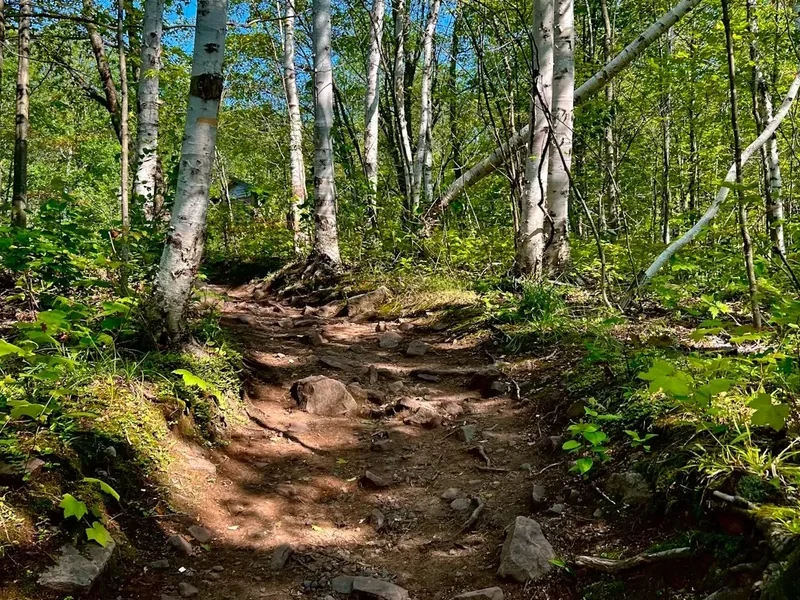
Hidden Lake Route Progression
Phase 1: The Logan Pass Ascent (0.0 km – 1.5 km)
- Start at the Logan Pass Visitor Centre (2,025 m).
- Follow the paved path behind the centre which quickly transitions into a raised wooden boardwalk.
- Ascend through the "Hanging Gardens" meadows.
- Elevation gain is steady but moderate, with several sets of stairs.
- Look for mountain goats and bighorn sheep in the meadows to your right.
- Pass through sections of krummholz (stunted, wind-blown sub-alpine fir and spruce).
- This section is often congested; maintain a steady pace and allow others to pass at designated wider spots.
Phase 2: The Overlook Reach (1.5 km – 2.4 km)
- The boardwalk ends and transitions to a well-maintained gravel and rock trail.
- The gradient levels out as you approach the saddle between Mount Clements and the Dragon's Tail.
- Arrive at the Hidden Lake Overlook (2,180 m).
- Take time to appreciate the panoramic view of Hidden Lake and Bearhat Mountain.
- This is the turnaround point for approximately 70% of walkers.
- Total time to this point: 45–75 minutes.
Phase 3: The Descent to the Lake (2.4 km – 4.45 km)
- The trail narrows and becomes significantly steeper and rockier.
- Descend via a series of long switchbacks down the eastern wall of the basin.
- Drop approximately 240 metres in elevation.
- The environment changes from open alpine tundra to more sheltered forest and scrub.
- Pass through prime grizzly bear habitat; make noise and stay alert.
- Arrive at the northern shore of Hidden Lake.
- Explore the rocky shoreline or find a quiet spot for lunch away from the water's edge.
Phase 4: The Return Journey (4.45 km – 8.9 km)
- The return requires a strenuous 240-metre climb back to the overlook.
- Take frequent breaks and stay hydrated, as the afternoon sun can be intense in the basin.
- Once back at the overlook, the final 2.4 kilometres are almost entirely downhill.
- The descent on the boardwalk provides a different perspective of the Garden Wall and the McDonald Valley.
- Finish back at the Logan Pass Visitor Centre.
- Total duration for the full trip: 3–5 hours depending on fitness and time spent at the lake.
Important Notes:
- The trail is often closed due to bear activity; check the status at the Visitor Centre before starting.
- Parking at Logan Pass is extremely difficult; arrive before 7:00 AM or use the park shuttle.
- Water is not available on the trail; carry at least 2 litres per person.
- Toilets are only available at the Logan Pass Visitor Centre.
Planning and Bookings
Book Your Trip
Everything you need to plan your journey
Accommodation
Find places to stay near West Glacier
Flights
Search flights to West Glacier
Tours & Activities
Guided tours and local experiences
Essential Preparation
The most critical aspect of planning a Hidden Lake hike is logistics, specifically transport and timing. Logan Pass is the highest point accessible by car in the park, and its parking lot is notoriously small for the volume of visitors. During the peak months of July and August, the car park is typically full by 7:30 AM. If you are driving, you must be prepared for an early start. Alternatively, the Glacier National Park Shuttle System is a highly recommended way to reach the trailhead without the stress of parking. The shuttle operates from approximately 7:00 AM to 7:00 PM, connecting the Apgar Visitor Centre (West side) and St. Mary Visitor Centre (East side) to Logan Pass.
Fitness requirements for the overlook section are moderate, but the full descent to the lake and the subsequent climb back out require a good level of cardiovascular health. The altitude (over 2,000 metres) can cause shortness of breath and fatigue more quickly than at sea level. Ensure you have spent at least a day or two acclimatising in the park before attempting the full lake descent.
Trail Accommodation
This is a day hike requiring no overnight accommodation. Camping is strictly prohibited at Hidden Lake and anywhere within the Logan Pass area to protect the fragile ecosystem and prevent human-wildlife conflicts. However, there are several options for staying nearby to facilitate an early start:
- Campgrounds: St. Mary Campground (East side) and Apgar Campground (West side) are the largest. Rising Sun Campground is the closest to Logan Pass on the east side. Most require advanced bookings via Recreation.gov.
- Lodges: Lake McDonald Lodge (West side) and St. Mary Village (East side) offer hotel-style accommodation. Granite Park Chalet is a backcountry lodge accessible via the Highline Trail, but it is not directly on the Hidden Lake route.
- Backcountry: There are no backcountry campsites at Hidden Lake. The nearest backcountry sites are located in the Sperry or Gunsight Lake areas, which require separate multi-day itineraries and permits.
Required Gear
- Footwear: Sturdy hiking boots with good ankle support and grip. The descent to the lake is rocky and can be slippery when wet.
- Bear Spray: Non-negotiable. This is grizzly country. Ensure it is easily accessible (on a belt or chest strap), not buried in your pack, and that you know how to use it.
- Clothing Layers: The weather at Logan Pass can change in minutes. Bring a moisture-wicking base layer, an insulating mid-layer (fleece or light down), and a high-quality waterproof/windproof shell.
- Sun Protection: At 2,000+ metres, the UV radiation is intense. Bring a wide-brimmed hat, high-SPF sunscreen, and polarised sunglasses.
- Navigation: While the trail is well-marked, a physical map or an offline GPS map (like AllTrails or Gaia GPS) is recommended. Mobile signal is non-existent at the lake and spotty at the pass.
What to Bring
- Water: At least 2 litres per person. There are no potable water sources on the trail. While you can filter water from Hidden Lake, it requires a high-quality filter to remove glacial silt and potential pathogens like Giardia.
- Food: High-energy snacks (nuts, dried fruit, energy bars) and a substantial lunch if going to the lake. Remember to pack out all crumbs and wrappers.
- Trekking Poles: Highly recommended for the steep descent and ascent between the overlook and the lake shore to save your knees.
- First Aid: A basic kit including blister plasters (moleskin), antiseptic wipes, and any personal medications.
- Binoculars: Excellent for spotting mountain goats on the distant cliffs of Bearhat Mountain or bighorn sheep in the meadows.
Permits
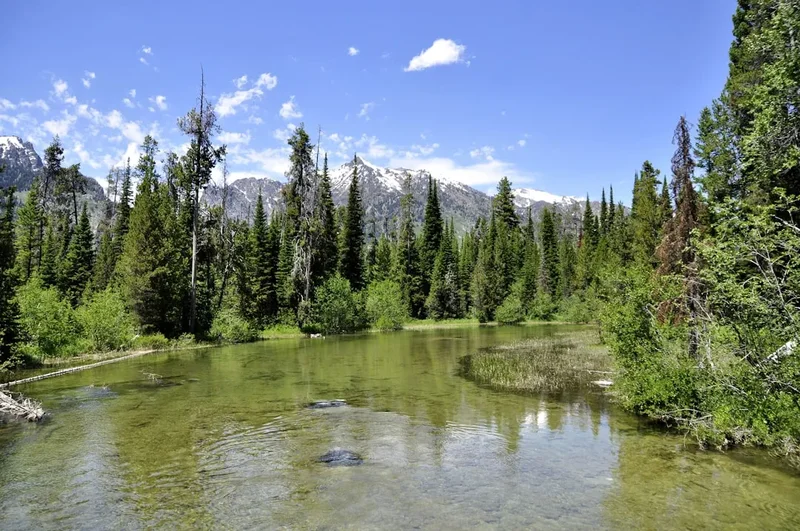
While no specific hiking permit is required to walk the Hidden Lake Trail, you must navigate the Glacier National Park vehicle reservation system and have a valid Park Entrance Pass.
Vehicle Reservations:
- As of 2024, a vehicle reservation is required to access the Going-to-the-Sun Road corridor (which includes Logan Pass) during peak hours (typically 6:00 AM to 3:00 PM) from late May through early September.
- Reservations are released in two blocks: a portion are available 120 days in advance, and the remainder are released at 7:00 PM MDT the day before the arrival date.
- These reservations sell out within seconds. You must have a Recreation.gov account set up and be logged in exactly when they are released.
- If you have a booking for a boat tour, lodge, or guided activity within the corridor, that serves as your vehicle reservation for that day.
Park Entrance Fees:
- A standard 7-day vehicle pass costs US$35.
- Alternatively, the "America the Beautiful" annual pass (US$80) covers entrance to all US National Parks.
- Passes can be purchased at the park entrance stations or online in advance.
Backcountry Permits:
- No backcountry permit is needed for the Hidden Lake Trail as it is a day-use only area. Overnight stays are not permitted.
Other Activities in the Area
Logan Pass is a hub for several other world-class experiences. If you have multiple days in the area, consider these options:
- The Highline Trail: Starting from the opposite side of the Going-to-the-Sun Road at Logan Pass, this 18.6-km one-way trail follows the "Garden Wall" with spectacular views and a thrilling (but safe) ledge section.
- Mount Oberlin Climb: For those with scrambling experience, Mount Oberlin offers a relatively accessible "off-trail" peak experience starting from Logan Pass, providing a bird's-eye view of the Hidden Lake basin.
- St. Mary Lake Boat Tours: Located about 30 minutes east of Logan Pass, these historic wooden boat tours offer a relaxing way to see Wild Goose Island and the surrounding peaks from the water.
- Virginia and St. Mary Falls: A popular and relatively easy hike on the east side of the pass that leads to two of the park's most beautiful waterfalls.
- Ranger-Led Programs: Check the schedule at the Logan Pass Visitor Centre for guided walks and talks on geology, wildflowers, and wildlife.
Safety and Conditions
Bear Safety: Glacier National Park is home to one of the densest populations of grizzly bears in the lower 48 states. The Hidden Lake Trail, particularly the section between the overlook and the lake, is a high-activity zone. You must carry bear spray, know how to use it, and keep it accessible. Walk in groups, make noise (shout "Hey Bear!" periodically), and never leave food or scented items unattended. If you encounter a bear, do not run. Speak calmly and back away slowly.
Weather and Exposure: The weather at 2,000 metres is unpredictable. Hypothermia is a genuine risk even in summer if you are caught in a sudden rainstorm without proper gear. Conversely, heat exhaustion and dehydration are common on the climb back from the lake. There is almost no shade on this trail; you are exposed to the elements for the entire duration.
Altitude Sickness: While 2,100 metres is not "extreme" altitude, it is high enough to cause headaches, nausea, and dizziness in some individuals. Drink plenty of water, eat salty snacks, and descend immediately if symptoms become severe.
Snow Hazards: In early summer, snow bridges can form over hidden streams or rocks. Be extremely cautious when crossing snowfields, as a collapse can lead to injury. If the snow is frozen and hard, the slope towards the lake can be dangerous without traction devices (like micro-spikes).
Steep Terrain: The trail to the lake shore has several sections with steep drop-offs. While the trail is wide enough for safety, those with severe vertigo may find the descent challenging. Always stay on the maintained trail; shortcuts cause erosion and can lead to dangerous rockfalls.
Side Trips and Points of Interest
The Dragon's Tail: For experienced scramblers, the Dragon's Tail is a jagged ridge that extends south from the Hidden Lake Overlook. It offers a more technical challenge and incredible views of the Sperry Glacier. This is not a maintained trail and involves significant exposure; it should only be attempted by those with mountain navigation skills and a high comfort level with heights.
The Hanging Gardens: Take time to look closely at the flora near the boardwalk. You will find species like the Elephanthead Lousewort (which looks exactly like a tiny pink elephant's head) and various species of Paintbrush. The geology here is also fascinating; look for "stromatolites"—fossilised algae colonies that are over a billion years old, visible in the limestone rocks along the trail.
Hidden Lake Shoreline: Once at the lake, if you walk a few hundred metres along the shore to the south, you can find more secluded spots away from the main trail terminus. The reflection of Bearhat Mountain in the still morning water is one of the most photographed scenes in the American West.
Leave No Trace
The alpine environment at Logan Pass is one of the most fragile ecosystems on Earth. Because of the short growing season and harsh conditions, plants grow extremely slowly. A single footprint off the boardwalk can destroy decades of growth.
The Seven Principles at Hidden Lake:
- Plan Ahead and Prepare: Check trail status and weather. Ensure you have your vehicle reservation.
- Travel on Durable Surfaces: Stay on the boardwalk and the established trail. Never step off the path to take a photo or pass someone. Use the designated wider sections of the boardwalk for passing.
- Dispose of Waste Properly: Pack out everything. This includes fruit peels, nut shells, and tissues. Use the toilets at the Visitor Centre before you start.
- Leave What You Find: Do not pick wildflowers or collect rocks. The stromatolite fossils are protected by federal law.
- Minimise Campfire Impacts: Fires are strictly prohibited.
- Respect Wildlife: Maintain a distance of at least 100 metres from bears and wolves, and 25 metres from all other animals, including goats and sheep. Do not feed the animals; "habituated" animals often have to be euthanised.
- Be Considerate of Others: Keep noise levels down. Yield to uphill hikers on the steep section to the lake.
 USA
USA