
The Heysen Trail: A Journey Through South Australia's Wild Heart
The Heysen Trail is one of Australia's premier long-distance walking tracks, stretching 1,200 kilometres from Cape Jervis on the Fleurieu Peninsula to the rugged outback town of Parachilna in the Flinders Ranges. This iconic trail offers an unparalleled journey through South Australia's diverse landscapes, from rolling coastal hills and lush vineyards to ancient mountain ranges and arid outback vistas. Designed for walkers of all abilities, the Heysen Trail can be tackled in its entirety for an epic multi-week adventure or explored in shorter sections, revealing the state's natural beauty, rich history, and unique flora and fauna.
- Distance: 1,200 km one-way
- Duration: 4–8 weeks (full trail); variable for sections
- Season: April to October (cooler months recommended)
- Accommodation: Huts, campsites, and nearby towns
- Highest point: Mount Remarkable (960 m)
- Difficulty: Moderate to Challenging (depending on section)
- Closest City: Adelaide (ADL)
Overview: A Tapestry of South Australian Landscapes
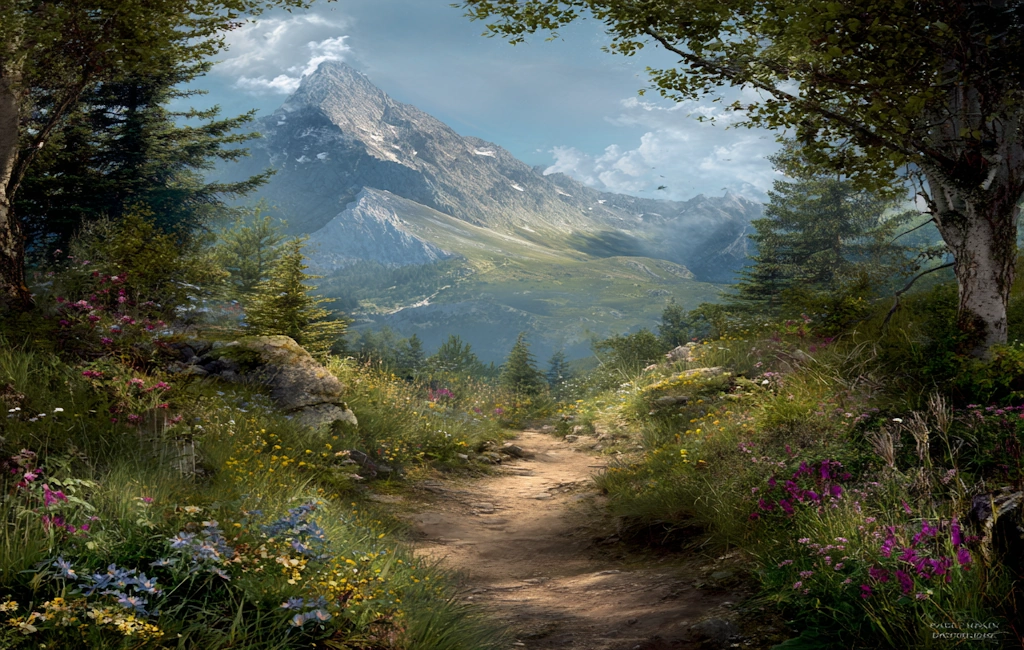
The Heysen Trail is a testament to the varied and often dramatic beauty of South Australia. Its southern sections wind through the picturesque Fleurieu Peninsula, offering coastal views, vineyards, and the charming towns of the Adelaide Hills. As the trail progresses north, it traverses the Mount Lofty Ranges, showcasing eucalyptus forests, rolling farmland, and significant conservation parks. Further north still, the landscape transforms dramatically, leading walkers into the rugged, ancient Flinders Ranges. Here, the trail climbs through dramatic gorges, past towering peaks, and across vast, arid plains, offering a profound sense of wilderness and isolation.
The trail is meticulously marked with distinctive red-and-white painted blazes on trees, rocks, and posts, ensuring walkers can navigate even in remote areas. It is divided into 10 sections, each offering a unique experience and varying levels of challenge. The southern sections are generally more accessible, with well-maintained paths and frequent opportunities for resupply in towns. The northern sections, particularly in the Flinders Ranges, become more remote and demanding, requiring greater self-sufficiency, navigation skills, and physical fitness. These sections often involve steep ascents, rocky terrain, and significant elevation changes, rewarding walkers with breathtaking panoramic views.
Beyond its natural beauty, the Heysen Trail also tells a story of human history. It passes through areas of significant Aboriginal heritage, reflecting thousands of years of connection to the land. It also traverses landscapes shaped by early European settlement, including historic farming properties, old mining sites, and the remnants of colonial infrastructure. This blend of natural wonder and cultural narrative makes the Heysen Trail a deeply enriching experience for those who walk it.
History and Cultural Context
The Heysen Trail is named after Sir Hans Heysen (1877–1968), a renowned landscape artist celebrated for his evocative depictions of the South Australian bush, particularly the Flinders Ranges and the Adelaide Hills. Heysen's passion for the natural environment and his deep connection to these landscapes inspired the vision for a walking trail that would allow others to experience their beauty firsthand.
The concept of a long-distance walking trail in South Australia began to gain momentum in the 1960s. A group of dedicated bushwalkers, inspired by Heysen's art and the desire to preserve and promote access to the state's natural areas, began advocating for such a project. The South Australian Department of Lands and Surveys, in collaboration with the newly formed Heysen Trail Committee (now Trails SA), played a crucial role in planning and developing the route. The trail was officially opened in stages, with the first section completed in 1977. Over the following years, the route was extended and refined, incorporating new areas and improving access, culminating in its current 1,200-kilometre length.
The development of the Heysen Trail involved extensive consultation with landowners, government agencies, and local communities. Much of the trail traverses public land, including national parks and reserves, but it also crosses private property, requiring careful negotiation and ongoing relationships with landowners. This collaborative approach has been fundamental to the trail's success and its ability to connect diverse landscapes.
Culturally, the Heysen Trail passes through areas of deep significance to the Adnyamathanha people, the traditional custodians of the Flinders Ranges. These lands hold ancient stories, sacred sites, and a profound spiritual connection that predates European settlement by tens of thousands of years. Respect for this heritage is an integral part of the Heysen Trail experience, and walkers are encouraged to learn about and honour the cultural landscape they are traversing.
Seasonal Highlights and Weather Reality
The Heysen Trail is best walked during the cooler months, from April to October. This period offers more comfortable temperatures for hiking, especially in the northern sections where summer can be extremely hot and dangerous.
Autumn (April–May): This is an ideal time to start the trail. The weather is generally mild and pleasant, with daytime temperatures in the southern sections ranging from 15–25°C. The landscape begins to show the colours of autumn, particularly in the vineyards and deciduous trees of the Adelaide Hills. The northern sections start to cool down, making them more accessible.
Winter (June–August): While cooler, winter can bring rain, especially to the southern and central parts of the trail. Daytime temperatures might range from 10–18°C in the south, dropping to 5–15°C in the Flinders Ranges. Snow is rare but can occur at higher elevations in the Mount Lofty Ranges. This season is excellent for experiencing the lushness of the landscape after autumn rains, but walkers must be prepared for wet conditions and potential track closures due to flooding in low-lying areas.
Spring (September–October): Spring is a spectacular time, particularly in the southern and central sections, as wildflowers bloom in abundance. Daytime temperatures gradually warm up, typically ranging from 18–28°C. The northern Flinders Ranges can still be warm, but generally more pleasant than in summer. This is a popular time for shorter walks and sections of the trail.
Summer (November–March): Walking the entire Heysen Trail during summer is strongly discouraged due to extreme heat, particularly in the northern Flinders Ranges, where temperatures can regularly exceed 40°C. Bushfire risk is also significantly higher during this period. While some sections in the cooler coastal areas or higher elevations might be manageable for day hikes, attempting long-distance walks is dangerous and potentially life-threatening.
Recommended Itinerary
Heysen Trail Sectional Itinerary Example (Southern to Northern Progression)
Section 1: Cape Jervis to Victor Harbor (Fleurieu Peninsula)
- Distance: 60 km
- Duration: 3–4 days
- Highlights: Coastal cliffs, beaches, historic towns, vineyards.
- Key Waypoints: Cape Jervis, Deep Creek Conservation Park, Blowhole Beach, Victor Harbor.
- Accommodation: Campsites, motels, B&Bs in towns.
Section 2: Victor Harbor to Mount Barker (Adelaide Hills)
- Distance: 90 km
- Duration: 4–5 days
- Highlights: Rolling hills, vineyards, forests, historic towns like Hahndorf.
- Key Waypoints: Mount Compass, Echunga, Hahndorf, Mount Barker.
- Accommodation: Campsites, motels, B&Bs in towns.
Section 3: Mount Barker to Tanunda (Barossa Valley)
- Distance: 80 km
- Duration: 4–5 days
- Highlights: Famous wine regions, scenic farmland, historic villages.
- Key Waypoints: Birdwood, Eden Valley, Tanunda.
- Accommodation: Wineries with accommodation, motels, B&Bs.
Section 4: Tanunda to Burra (Mid North)
- Distance: 100 km
- Duration: 5–6 days
- Highlights: Transition to drier landscapes, historic mining towns.
- Key Waypoints: Waterloo, Kapunda, Burra.
- Accommodation: Motels, caravan parks in towns.
Section 5: Burra to Spalding (Mid North)
- Distance: 70 km
- Duration: 3–4 days
- Highlights: Pastoral country, rolling hills, smaller rural towns.
- Key Waypoints: Redruth, Spalding.
- Accommodation: Limited options, may require pre-arranged transport or camping.
Section 6: Spalding to Mount Remarkable (Southern Flinders Ranges)
- Distance: 110 km
- Duration: 5–7 days
- Highlights: First glimpse of the Flinders Ranges, rugged terrain, conservation parks.
- Key Waypoints: Wilmington, Mount Remarkable National Park.
- Accommodation: Campsites within national parks, limited options in towns.
Section 7: Mount Remarkable to Parachilna (Flinders Ranges)
- Distance: 150 km
- Duration: 7–10 days
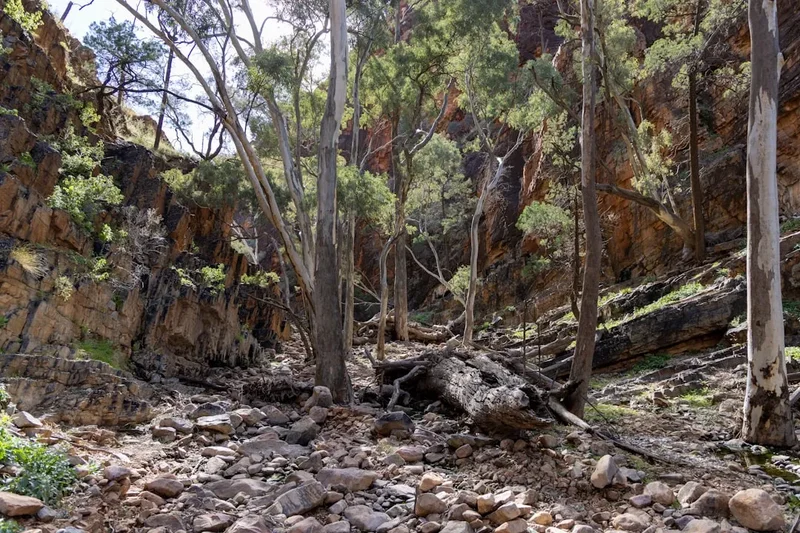
- Highlights: Iconic Flinders Ranges gorges, dramatic peaks, arid landscapes.
- Key Waypoints: Alligator Gorge, Wilpena Pound (nearby access), Parachilna.
- Accommodation: National park campsites, station stays, motel in Parachilna.
Section 8: Parachilna to Blinman (Flinders Ranges)
- Distance: 60 km
- Duration: 3–4 days
- Highlights: Remote outback scenery, historic mining towns.
- Key Waypoints: Parachilna Gorge, Blinman.
- Accommodation: Limited, camping or station stays.
Section 9: Blinman to Arkaroola (Northern Flinders Ranges)
- Distance: 100 km
- Duration: 5–7 days
- Highlights: Rugged, remote outback, unique geological formations.
- Key Waypoints: Yudnamutana, Arkaroola Wilderness Sanctuary.
- Accommodation: Arkaroola Wilderness Sanctuary (requires booking).
Section 10: Arkaroola to Lake Frome (Outback)
- Distance: 150 km
- Duration: 7–10 days
- Highlights: Vast salt lakes, arid plains, extreme remoteness.
- Key Waypoints: Lake Frome.
- Accommodation: Very limited, requires extensive self-sufficiency and camping.
Note: This is a sample itinerary. The full 1,200 km can take 4–8 weeks depending on pace, rest days, and resupply logistics. Many walkers choose to complete the trail section by section over multiple trips.
Planning and Bookings
Book Your Trip
Everything you need to plan your journey
Accommodation
Find places to stay near Parachilna
Flights
Search flights to Parachilna
Essential Preparation
Planning is paramount for a successful Heysen Trail journey, especially for longer sections or the full trail. Given the trail's length and diverse environments, careful consideration must be given to logistics, fitness, and resupply. The trail is divided into 10 sections, and many walkers opt to complete it section by section over several years. For those attempting the full 1,200 km, a minimum of 4–8 weeks is typically required, depending on pace and resupply strategies.
Fitness: The Heysen Trail presents a range of challenges. While southern sections are moderate, the Flinders Ranges sections involve significant elevation gains, steep ascents and descents, and rugged, uneven terrain. A good level of cardiovascular fitness, muscular endurance, and experience with multi-day hiking carrying a pack is essential. Training hikes with a weighted pack are highly recommended. For the northern sections, acclimatisation to heat and carrying sufficient water are critical.
Logistics and Transport: Access to trailheads varies. The southern sections are relatively accessible from Adelaide, with public transport options to some towns. However, for many trailheads, particularly in the northern Flinders Ranges, private vehicle transport or pre-booked shuttles are necessary. Consider how you will get to the start of your chosen section and how you will exit at the end. Many walkers arrange for friends or family to assist with transport or use commercial shuttle services. Parking at trailheads can be limited and sometimes insecure, so research options carefully.
Base Town/City Information: Adelaide is the primary gateway city for the Heysen Trail. It offers comprehensive services for hikers, including outdoor gear stores, supermarkets for resupply, accommodation options, and transport links. Smaller towns along the trail, such as Victor Harbor, Mount Barker, Tanunda, Burra, and Parachilna, provide essential services like accommodation, food, and limited supplies for shorter sections. For the more remote northern sections, towns like Blinman and the Arkaroola Wilderness Sanctuary are key points for resupply and accommodation.
Trail Accommodation
Accommodation options along the Heysen Trail vary significantly by section, ranging from basic campsites to comfortable lodgings in towns and unique station stays.
- Huts: A limited number of basic hiker's huts are available, primarily within national parks and conservation reserves. These are often simple shelters with bunks and may have basic cooking facilities. They are usually first-come, first-served, but booking is sometimes recommended or required for specific locations.
- Campsites: Numerous designated campsites are located along the trail, particularly within national parks and on Crown land. These range from basic sites with no facilities to more developed campgrounds with toilets and water. Some private campgrounds are also available near towns. Booking is often required, especially during peak seasons.
- Station Stays: In the Flinders Ranges and other rural areas, some sheep and cattle stations offer accommodation for hikers. These can range from basic shearer's quarters to more comfortable cabins and provide a unique outback experience. Booking well in advance is essential.
- Town Accommodation: Many sections of the trail pass through towns that offer motels, caravan parks, B&Bs, and hotels. These are crucial for resupply and rest days.
- Bush Camping: In some areas, particularly on public land outside of national parks and away from private property, informal bush camping may be permitted. However, always check local regulations and landowner permissions before camping outside designated areas.
Booking Requirements: For national park campsites and huts, bookings are typically made through the relevant state government parks authority (e.g., National Parks and Wildlife Service SA). Station stays and town accommodation require direct booking with the provider. It is highly recommended to book accommodation, especially for popular locations or during peak seasons, well in advance.
Facilities Provided: Facilities vary greatly. Huts may offer bunks, tables, and sometimes a fireplace or basic cooking shelter. Campsites may have toilets, picnic tables, and water (which may need treatment). Station stays and town accommodation offer standard amenities.
What's NOT Provided: Huts and campsites generally do not provide food, cooking equipment, bedding, or potable water (always treat water from natural sources). You are responsible for all your own gear, food, and water purification.
Seasonal Availability: Most accommodation is available year-round, but some remote campsites or station stays may have seasonal closures or limited access due to weather conditions (e.g., heavy rain making access roads impassable). Summer months can see higher demand in tourist areas.
Costs: Costs vary widely. National park campsites might range from $10–$30 per night. Huts can be similar or slightly more. Station stays and town accommodation can range from $50 to $200+ per night, depending on the level of comfort and services.
Required Gear
- Sturdy Hiking Boots: Waterproof, well-broken-in boots with good ankle support are essential for varied terrain.
- Backpack: A comfortable pack of 50–70 litres capacity for multi-day trips, with a rain cover.
- Tent: A lightweight, durable tent suitable for various weather conditions.
- Sleeping Bag: Rated for temperatures down to 0°C or lower, especially for Flinders Ranges sections.
- Sleeping Mat: For insulation and comfort.
- Waterproof Jacket and Trousers: Essential for protection against rain and wind.
- Warm Layers: Fleece or down jacket, thermal base layers (merino wool is ideal).
- Sun Protection: Wide-brimmed hat, sunglasses, high SPF sunscreen.
- Navigation Tools: Detailed maps of the Heysen Trail (available from Trails SA), compass, and a GPS device or smartphone with offline mapping capabilities.
- First-Aid Kit: Comprehensive kit including blister treatment, pain relievers, antiseptic wipes, bandages, and any personal medications.
- Head Torch: With spare batteries.
- Trekking Poles: Highly recommended for stability and reducing strain on joints, especially on steep or rocky terrain.
- Insect Repellent: Particularly important for sandflies and mosquitoes in certain areas and seasons.
What to Bring
- Food: Sufficient non-perishable food for the duration of your section, plus extra for emergencies. Plan meals carefully for weight and nutritional value. Dehydrated meals are a good option.
- Water Bottles/Bladder: Carry sufficient capacity to hold at least 3–4 litres per person, especially in drier sections.
- Water Treatment: Water filter, purification tablets, or UV steriliser. Never assume water sources are safe to drink without treatment.
- Cooking Gear: Lightweight stove, fuel, pot, utensils, mug, plate/bowl.
- Toiletries: Biodegradable soap, toothbrush, toothpaste, toilet paper, trowel (for burying human waste where no toilets are available), hand sanitiser.
- Repair Kit: Duct tape, cordage, needle and thread, safety pins, multi-tool.
- Personal Items: Camera, book, journal, power bank for electronics.
- Trash Bags: To pack out all rubbish.
- Emergency Communication: Personal Locator Beacon (PLB) or satellite phone for remote sections. Mobile phone reception is unreliable.
Permits
The Heysen Trail traverses a variety of land tenures, including national parks, conservation parks, reserves, and private property. Permits are generally not required for walking on the trail itself in most public areas. However, specific regulations apply to certain areas, and it is crucial to be aware of these.
National Parks and Conservation Parks: For camping within national parks (e.g., Deep Creek Conservation Park, Mount Remarkable National Park, Ikara-Flinders Ranges National Park), a camping permit is usually required. These can often be booked online through the National Parks and Wildlife Service SA website. Day entry fees may also apply to some parks.
Private Property: A significant portion of the Heysen Trail crosses private land. Walkers are granted access by landowners as a privilege. It is essential to respect these agreements by staying on the marked trail, closing gates behind you, not disturbing livestock, and leaving no trace. No specific permit is needed for walking across private land, but adherence to trail etiquette is paramount.
Aboriginal Heritage Sites: The trail passes through areas of significant cultural importance to the Adnyamathanha people and other Aboriginal groups. Walkers are expected to treat these areas with the utmost respect. Avoid disturbing any cultural sites, and be mindful of the sensitive nature of the landscape. Information about cultural heritage is often provided by local Indigenous tourism operators or within park visitor centres.
Fire Restrictions: During the warmer months (typically October to April), fire bans are often in place across South Australia, especially in national parks and rural areas. Always check current fire danger ratings and restrictions before and during your walk. Campfires may be prohibited, and the use of stoves might be restricted during total fire bans.
Research is Key: Before embarking on any section of the Heysen Trail, it is highly recommended to consult the official Trails SA website and the relevant Parks SA information for the specific area you will be walking in. This will provide the most up-to-date information on permit requirements, camping regulations, track conditions, and any temporary closures.
Other Activities in the Area
The regions through which the Heysen Trail passes offer a wealth of additional activities and attractions:
- Wine Tasting: The Barossa Valley, Eden Valley, and McLaren Vale regions are world-renowned for their wines. Numerous cellar doors offer tastings and tours.
- Coastal Exploration: The Fleurieu Peninsula boasts stunning beaches, surfing spots, and opportunities for whale watching (in season, June–October).
- Historic Towns: Explore charming towns like Hahndorf (Australia's oldest surviving German settlement), Kapunda, and Burra, with their unique heritage buildings and local crafts.
- Wildlife Spotting: Look for kangaroos, wallabies, emus, koalas, and a vast array of birdlife in national parks and conservation areas.
- Scenic Drives: The Flinders Ranges offer spectacular scenic drives, particularly through gorges like Parachilna Gorge and Brachina Gorge.
- Stargazing: The Flinders Ranges, with its minimal light pollution, offers some of the best stargazing opportunities in Australia.
- Adelaide Hills Attractions: Visit the Adelaide Botanic Garden, Cleland Wildlife Park, or the Mount Lofty Botanic Garden.
- 4WD Adventures: Many areas in the Flinders Ranges are accessible by 4WD, offering further exploration opportunities.
Safety and Conditions
Weather: South Australia's weather can be unpredictable. Be prepared for heat, cold, wind, and rain, especially in the Flinders Ranges where conditions can change rapidly. Always check the forecast before and during your hike. Summer heat is extreme and dangerous; avoid hiking in the northern sections during this period.
Water: Water sources can be scarce, particularly in the northern sections. Always carry more water than you think you will need and know where your next reliable water source is. Treat all water from natural sources.
Navigation: While the trail is well-marked, it is essential to carry maps and a compass and know how to use them. Mobile phone reception is unreliable in many areas, especially in the Flinders Ranges. Consider carrying a Personal Locator Beacon (PLB) or satellite phone for remote sections.
Bushfires: Bushfire season is a significant risk, particularly from late spring through summer. Always check the CFS (Country Fire Service) website for fire bans and warnings. If a fire is declared in your area, seek immediate safe refuge or evacuate if possible.
Wildlife: Be aware of snakes, spiders, and other potentially dangerous wildlife. Maintain a safe distance and do not disturb animals. Kangaroos and emus are common; be cautious when driving or walking near them.
Terrain: The trail can be steep, rocky, and uneven, especially in the Flinders Ranges. Wear appropriate footwear and use trekking poles for stability. Be mindful of loose rocks and potential for slips and falls.
Remoteness: Many sections of the Heysen Trail are remote, with limited access and no mobile phone coverage. Inform someone of your itinerary and expected return time. Carry a first-aid kit and know basic first-aid procedures.
Respect Private Property: Always stay on the marked trail and respect the boundaries of private land. Close gates behind you and do not disturb livestock or property.
Side Trips and Points of Interest
Ikara-Flinders Ranges National Park: While not directly on the main trail for its entirety, the park is a major highlight of the northern sections. Key points of interest accessible from or near the trail include:
- Wilpena Pound (Ikara): A spectacular natural amphitheatre, this ancient landform is a must-see. While the Heysen Trail bypasses the immediate pound area, it offers stunning views from surrounding ridges and is accessible via short detours.
- Brachina Gorge Geological Trail: A scenic drive (or challenging walk) showcasing 500 million years of geological history.
- Bunyeroo Gorge: Offers dramatic landscapes and excellent opportunities for wildlife spotting.
Parachilna Gorge: A stunning drive and walk through rugged country, offering incredible vistas and a sense of true outback isolation. The historic Parachilna Gorge Hotel is a famous stop for weary travellers.
Alligator Gorge: Located within Mount Remarkable National Park, this gorge offers a spectacular walk through narrow, towering rock formations. The "Terraces" and "The Gates" are particularly impressive features.
Historic Mining Towns: Towns like Kapunda, Burra, and Blinman offer a glimpse into South Australia's mining past, with preserved buildings, museums, and heritage trails.
Coastal Walks (Fleurieu Peninsula): Sections near Cape Jervis and along the coastline offer dramatic cliff-top walks with ocean views, sea caves, and opportunities to see marine life.
Vineyard Exploration: Detours into the Barossa Valley or McLaren Vale allow for exploration of world-class wineries and gourmet food experiences.
Leave No Trace
The Heysen Trail traverses diverse and often fragile environments, from coastal heathlands to ancient arid landscapes. Adhering to Leave No Trace principles is crucial for preserving these areas for future generations and maintaining positive relationships with landowners.
- Plan Ahead and Prepare: Research your route, understand the conditions, and be prepared for remoteness and variable weather. Inform someone of your plans.
- Travel and Camp on Durable Surfaces: Stick to the marked trail. Camp in designated campsites or on durable surfaces like rock or dry grass, well away from water sources. Avoid trampling vegetation.
- Dispose of Waste Properly: Pack out everything you pack in, including all food scraps, wrappers, and toilet paper. Use designated toilets where available. If no toilets are present, dig a cathole at least 10 metres from water sources, trails, and campsites, and bury human waste and toilet paper.
- Leave What You Find: Do not remove plants, rocks, or cultural artefacts. Take only photographs and memories.
- Minimise Campfire Impacts: Campfires are often prohibited, especially in national parks and during fire bans. Use a lightweight stove for cooking. If fires are permitted, use existing fire rings and keep fires small. Ensure fires are completely extinguished.
- Respect Wildlife: Observe wildlife from a distance. Never feed animals, as it can harm their health and alter their natural behaviours. Store food securely to prevent attracting pests.
- Be Considerate of Other Visitors: Keep noise levels down, especially in camping areas. Yield to other walkers and horse riders. Respect private property and the rights of landowners.
By following these principles, you contribute to the ongoing health and accessibility of the Heysen Trail and the natural and cultural heritage it protects.
 Australia