
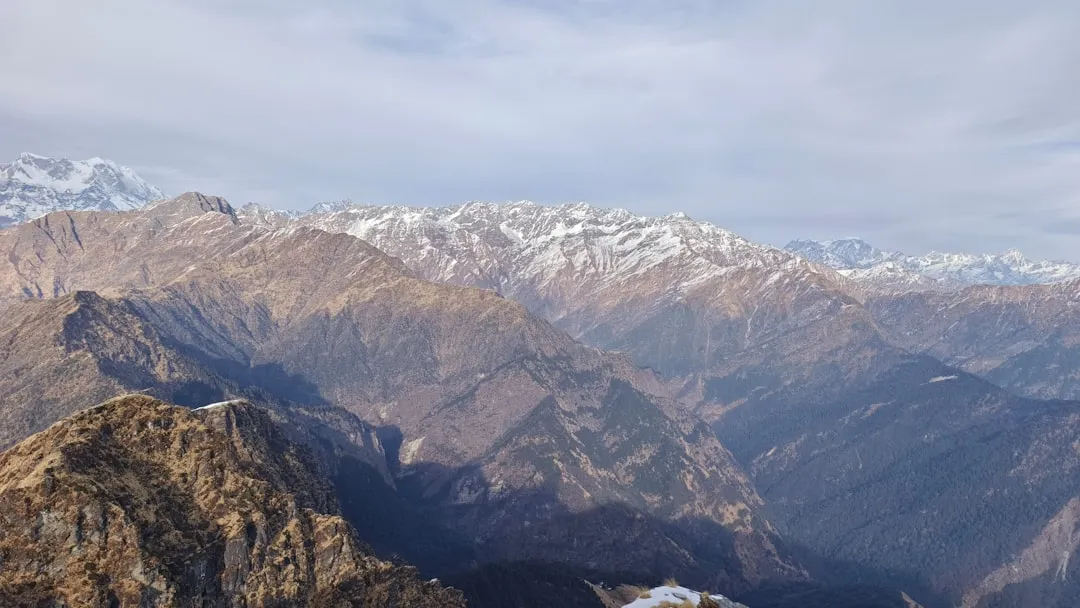
Hemkund Sahib Trek - The Sacred Lake of Ice
The Hemkund Sahib Trek is one of India’s most revered high-altitude pilgrimages, a 46-kilometre journey that ascends to the staggering height of 4,329 metres in the Chamoli district of Uttarakhand. Known as the "Lake of Ice," Hemkund Sahib is home to the world’s highest Gurudwara, a star-shaped structure of white marble reflecting in the crystal-clear glacial waters of a lake surrounded by seven snow-capped peaks. This is not merely a physical challenge; it is a spiritual odyssey that traverses the transition from the lush, temperate forests of the lower Himalayas to the stark, oxygen-thin alpine meadows of the high peaks. The trail follows the Lakshman Ganga river, weaving through ancient rhododendron forests and past thundering waterfalls, eventually culminating in a steep, zig-zagging ascent that tests the resolve of every traveller. Whether you come for the religious significance or the unparalleled Himalayan scenery, the Hemkund Sahib Trek offers a profound sense of achievement and serenity that few other trails on the planet can replicate.
- Distance: 46.0 km (total return journey including Valley of Flowers)
- Duration: 5–6 days
- Season: Late May to October (closed during winter due to heavy snow)
- Accommodation: Gurdwaras, private lodges, and guest houses in Ghangaria
- Highest point: Hemkund Sahib (4,329 m)
- Difficulty: Moderate to Strenuous (due to steep gradients and high altitude)
- Closest City: Joshimath (base for logistics and supplies)
Overview
The Hemkund Sahib Trek is a masterclass in Himalayan diversity, offering a dramatic progression of landscapes that change with every thousand metres of elevation gain. The journey begins at Govindghat, situated at the confluence of the Alaknanda and Lakshman Ganga rivers. From here, the trail is a steady, well-paved climb through dense forests where the air is thick with the scent of pine and the sound of rushing water. As you ascend toward the village of Ghangaria—the final human settlement before the high-altitude shrines—the vegetation shifts from broadleaf trees to towering conifers and eventually to the stunted shrubs of the sub-alpine zone. Ghangaria serves as the base camp for two distinct wonders: the spiritual sanctuary of Hemkund Sahib and the botanical paradise of the Valley of Flowers National Park.
The final 6-kilometre push from Ghangaria to Hemkund Sahib is the defining moment of the trek. It is a relentless ascent that gains over 1,100 metres in a remarkably short distance. The path is a series of steep switchbacks, often shared with pilgrims, mules, and porters. As the treeline disappears, the landscape opens into a vast amphitheatre of rock and ice. The air grows thin, and every step requires a conscious effort of breath and will. Upon reaching the summit, the sight of the glacial lake—often partially frozen even in early summer—and the golden-domed Gurudwara provides an emotional release that transcends physical exhaustion. The atmosphere is thick with the sound of the *Ardas* (prayer) and the sight of devotees taking a dip in the freezing waters, a testament to the enduring power of faith in the face of nature’s extremes.
What sets this trek apart is its accessibility combined with its intensity. Unlike many high-altitude Himalayan treks that require weeks of self-sustained camping, Hemkund Sahib is supported by a robust infrastructure of tea stalls, rest points, and the incredible hospitality of the Sikh community. The *Langar* (community kitchen) at the Gurudwara provides hot meals to all, regardless of creed or background, embodying the spirit of selfless service. This blend of raw natural beauty, extreme altitude, and deep-rooted cultural tradition makes the Hemkund Sahib Trek a unique entry in the world of mountain trekking—a journey that is as much about the internal landscape as it is about the peaks that surround it.
History and Cultural Context
The history of Hemkund Sahib is deeply intertwined with the *Bachitar Natak*, the autobiographical account of Guru Gobind Singh, the tenth Sikh Guru. In this text, the Guru describes a place called "Sapta Shring" (Seven Peaks) where he meditated in a previous life, surrounded by mountains of ice. For centuries, the exact location of this site remained a mystery, hidden in the inaccessible heights of the Garhwal Himalayas. It was not until the early 20th century that the site was rediscovered through the dedicated efforts of Sikh scholars and soldiers.
In 1932, Sant Sohan Singh, a retired army person and religious scholar, was inspired to find the location described in the Guru’s writings. After several arduous expeditions into the high mountains, he identified the glacial lake surrounded by seven peaks as the site of the Guru’s meditation. He was later joined by Havildar Modan Singh, who helped establish the first small shrine at the site. Over the following decades, the path was improved, and the current star-shaped Gurudwara was constructed, designed specifically to withstand the immense pressure of winter snow and the high-velocity winds of the alpine zone. The architecture is unique, featuring a sloping roof and reinforced structures that blend modern engineering with traditional spiritual aesthetics.
Beyond its Sikh heritage, the site also holds great significance for Hindus. Adjacent to the Gurudwara stands a small temple dedicated to Lord Lakshman, the brother of Lord Rama. Local folklore suggests that Lakshman meditated here to regain his strength after being wounded in battle, or in some versions, that this is the site where the *Sanjivani* herb was sought. This dual religious importance creates a beautiful tapestry of shared devotion, where pilgrims of different faiths walk the same path, share the same meals, and find peace in the same mountain air. The land is considered sacred by the local Garhwali people, who have lived in the shadow of these peaks for generations, maintaining a deep respect for the spirits they believe inhabit the high passes.
Want more background? Read extended notes on history and cultural context → Learn more
Seasonal Highlights and Weather Reality
The Hemkund Sahib Trek is strictly seasonal, governed by the heavy snowfall that blankets the region for more than half the year. The trail typically opens in late May or early June, once the Indian Army and local volunteers have cleared the snow from the path, and closes by early October as the first winter storms begin to arrive.
Early Summer (May to June): This is the period of the "Big Melt." The trail is often flanked by walls of snow several metres high, and the lake itself is frequently covered in a layer of ice. The weather is crisp and clear, offering the best views of the surrounding peaks. However, the climb can be more challenging as melting snow makes the path slippery. This is the peak season for pilgrims who wish to witness the lake in its frozen state.
Monsoon (July to August): While most Himalayan treks are avoided during the monsoon, this is the prime time for the Hemkund Sahib and Valley of Flowers region. The rain brings the landscape to life, turning the meadows into a vibrant carpet of thousands of wildflower species, including the rare Blue Poppy and the Brahma Kamal. The waterfalls are at their most thunderous, and the mist swirling around the peaks creates an ethereal, mystical atmosphere. The downside is the constant dampness, the risk of landslides on the access roads to Joshimath, and the increased difficulty of the steep, wet trail.
Autumn (September to October): As the rains recede, the air becomes exceptionally clear, providing sharp, high-contrast views of the Himalayan giants. The flowers begin to fade, replaced by the golden and bronze hues of autumn. The temperatures begin to drop significantly, especially at night, and the first dustings of new snow may appear on the higher reaches. This is a quieter time on the trail, ideal for those seeking solitude and photography opportunities before the winter closure.
Recommended Itinerary
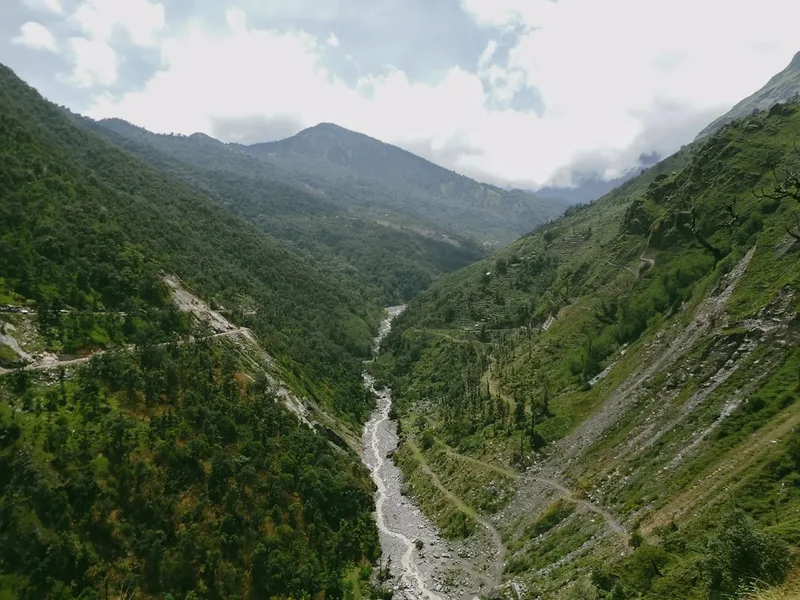
6-Day Hemkund Sahib and Valley of Flowers Itinerary
Day 1: Rishikesh to Joshimath
- Distance: 250 km (Drive)
- Elevation gain: 1,500 m
- Time: 9–10 hours
- Long drive along the Ganges, Alaknanda, and Mandakini rivers
- Pass through the famous "Prayags" (confluences) of Devprayag and Rudraprayag
- Arrive in Joshimath, the gateway to the high Himalayas
- Evening briefing and final gear check in Joshimath
- Overnight in a hotel to begin acclimatisation
Day 2: Joshimath to Ghangaria via Govindghat
- Distance: 20 km drive / 13 km trek
- Elevation gain: 1,200 m
- Time: 6–7 hours
- Short drive to Govindghat, the official trailhead
- Trek along a well-defined stone path following the Lakshman Ganga river
- Pass through the village of Pulna and several small tea stalls
- The trail is a steady ascent through dense forest
- Arrive in Ghangaria (3,049 m), a seasonal village with lodges and a Gurudwara
- Rest and hydrate to prepare for the high-altitude climb tomorrow
Day 3: Ghangaria to Hemkund Sahib and back
- Distance: 12 km (return)
- Elevation gain: 1,280 m
- Time: 7–9 hours
- Early morning start (4:00 AM or 5:00 AM) is essential
- Relentless steep ascent via switchbacks above the treeline
- Spectacular views of the Ghangaria valley and surrounding glaciers
- Reach Hemkund Sahib (4,329 m); visit the Gurudwara and Lakshman Temple
- Spend 1–2 hours at the summit (avoid staying too long due to thin air)
- Descend back to Ghangaria for a well-earned rest
- This is the most physically demanding day of the trek
Day 4: Ghangaria to Valley of Flowers and back
- Distance: 8–10 km (return)
- Elevation gain: 400 m
- Time: 6–7 hours
- Enter the UNESCO World Heritage site (permit required at the gate)
- Gentle climb compared to the previous day
- Explore the vast meadows filled with endemic Himalayan flora
- Visit the grave of Margaret Legge, a botanist who died here in 1939
- The trail ends at a massive glacier at the head of the valley
- Return to Ghangaria by late afternoon
Day 5: Ghangaria to Govindghat and drive to Joshimath
- Distance: 13 km trek / 20 km drive
- Elevation loss: 1,200 m
- Time: 5–6 hours
- Easy downhill trek back to the trailhead at Govindghat
- Enjoy the changing perspectives of the valley on the descent
- Board transport at Govindghat for the short drive back to Joshimath
- Evening celebration meal in Joshimath
- Optional visit to the Narsingh Temple or Auli via ropeway
Day 6: Joshimath to Rishikesh
- Distance: 250 km (Drive)
- Elevation loss: 1,500 m
- Time: 9–10 hours
- Return drive through the scenic mountain roads
- Final views of the Alaknanda river
- Arrive in Rishikesh by evening
- End of the journey
Important Notes:
- The climb to Hemkund Sahib is very steep; pace yourself and use trekking poles
- Mules and porters are available at Govindghat and Ghangaria for those who cannot carry their bags
- Helicopter services often operate between Govindghat and Ghangaria (weather permitting)
- Ghangaria has no mobile network (except BSNL occasionally) and limited electricity
- Always carry a raincoat, even on sunny mornings
Planning and Bookings
Book Your Trip
Everything you need to plan your journey
Accommodation
Find places to stay near Joshimath
Flights
Search flights to Joshimath
Essential Preparation
The Hemkund Sahib Trek requires significant physical and logistical preparation. Because the trail reaches altitudes above 4,000 metres, cardiovascular fitness is paramount. Prospective trekkers should engage in regular aerobic exercise (running, swimming, or cycling) for at least 4–6 weeks prior to the trip. Strengthening the quadriceps and calves is also vital for the steep descent. Acclimatisation is the most critical factor; spending at least one night in Joshimath (1,875 m) before heading to Ghangaria is highly recommended to help the body adjust to the decreasing oxygen levels.
Logistically, Joshimath serves as the primary base. It is a bustling town with banks, pharmacies, and outdoor gear shops. It is advisable to withdraw sufficient cash in Joshimath, as ATMs in Govindghat are unreliable and there are none in Ghangaria. Ensure you have arranged your transport from Rishikesh or Dehradun in advance, as the mountain roads can be unpredictable and shared taxis fill up early in the morning.
Trail Accommodation
Accommodation on the Hemkund Sahib Trek is concentrated in Ghangaria, as overnight stays at the lake itself are strictly prohibited due to the extreme altitude and religious sanctity. There are three main types of accommodation available:
Gurdwaras: The Hemkund Sahib Management Trust operates large Gurdwaras in Joshimath, Govindghat, and Ghangaria. These provide basic, clean, and free (or donation-based) accommodation in large halls or dormitories. Blankets are provided, but you should bring a lightweight sleeping bag liner for hygiene. The Gurdwaras also provide free meals (Langar).
Private Lodges and Hotels: Ghangaria has numerous private hotels ranging from basic budget rooms to slightly more comfortable "deluxe" options. Facilities are generally modest: expect attached bathrooms with buckets of hot water (available for a small fee), basic beds, and thick quilts. Electricity is limited to a few hours in the evening, usually powered by local generators.
Campsites: While there are some fixed tented camps on the outskirts of Ghangaria, independent camping is restricted within the National Park boundaries. Most trekkers find the lodges in Ghangaria to be the most practical option.
What is NOT provided: Luxury amenities, consistent high-speed internet, room heating, or 24-hour hot running water. This is a remote mountain environment, and facilities reflect that reality.
Required Gear
- Trekking boots: Waterproof with deep lugs and excellent ankle support. The stone path can be very slippery when wet.
- Trekking poles: Essential for the 1,100 m descent from Hemkund Sahib to protect your knees.
- Waterproof jacket and trousers: High-quality breathable waterproofs are mandatory, especially during the monsoon.
- Layered clothing: Moisture-wicking base layers, a fleece mid-layer, and a down jacket for the freezing temperatures at the summit.
- Backpack: 30–40L for day trips from Ghangaria, or 50–60L if carrying all your gear from Govindghat.
- Headlamp: Essential for the early morning start to Hemkund Sahib.
- Sun protection: High SPF sunscreen, lip balm, and polarised sunglasses (the glare from the snow and lake is intense).
- Personal First Aid Kit: Including blister pads, rehydration salts, and medication for altitude sickness (consult a doctor).
What to Bring
- Water purification: Purification tablets or a filter bottle. While mountain water is plentiful, it should be treated before drinking.
- High-energy snacks: Nuts, dried fruits, chocolate, and energy bars for the steep climb.
- Toiletries: Biodegradable soap, wet wipes, hand sanitiser, and toilet paper (lodges often do not provide this).
- Power bank: To charge cameras and phones, as wall outlets are scarce and unreliable in Ghangaria.
- Dry bags: To keep your electronics and spare clothes dry inside your pack during rain.
- Cash: Sufficient Indian Rupees for meals, hot water, porters, and emergency transport.
- Identity proof: Original and photocopies of your ID (Aadhar, Passport, etc.) for registration and permits.
Permits
The Hemkund Sahib Trek requires mandatory registration, which is part of the Uttarakhand government’s effort to monitor pilgrim and trekker flow for safety and environmental management. For the Valley of Flowers section, a separate entry permit is required from the Forest Department.
Registration Process:
- Biometric Registration: All travellers must register at the Govindghat registration centre or online via the Char Dham registration portal. This is free of charge and provides you with a registration card or QR code.
- Valley of Flowers Permit: This is obtained at the forest check-post located just outside Ghangaria on the way to the valley. The permit is valid for three days.
- Permit Costs: For Indian nationals, the fee is approximately ₹150; for international visitors, it is approximately ₹600. These prices are subject to change by the Forest Department.
- Photography/Video: While personal photography is allowed, professional filming or drone usage requires separate, expensive permits and prior approval from the Chief Wildlife Warden.
Important Considerations: The Valley of Flowers is a strictly "day-trip" zone. You must enter after 7:00 AM and exit by 5:00 PM. No overnight stays are permitted within the valley. For Hemkund Sahib, there is no specific entry fee, but the registration mentioned above is mandatory for all who pass through Govindghat.
Other Activities in the Area
The region around Joshimath and Ghangaria offers several other world-class attractions that can be easily integrated into your itinerary:
- Valley of Flowers National Park: A UNESCO World Heritage site and one of the most beautiful alpine valleys in the world. It is home to over 500 species of wildflowers and rare animals like the snow leopard and Asiatic black bear.
- Auli: Known as the skiing capital of India, Auli is accessible via a spectacular 4-kilometre ropeway from Joshimath. In summer, it offers lush green meadows and panoramic views of Nanda Devi (7,816 m).
- Badrinath Temple: One of the four "Char Dham" pilgrimage sites, located just 25 km from Govindghat. The temple is dedicated to Lord Vishnu and is set against the backdrop of the Neelkanth peak.
- Mana Village: Known as the "Last Village of India" before the Tibetan border. It features the Vyas Gufa (cave) where the Mahabharata was reportedly composed and the Bheema Pul, a natural stone bridge over the Saraswati river.
- Tapovan Hot Springs: Located near Joshimath, these natural sulphur springs are believed to have medicinal properties and offer a relaxing soak after the trek.
Safety and Conditions
Altitude Sickness (AMS): This is the primary safety concern on the Hemkund Sahib Trek. The ascent from Ghangaria (3,049 m) to Hemkund Sahib (4,329 m) is a gain of over 1,200 metres in a single day, which significantly exceeds the recommended daily ascent limit. Symptoms of Acute Mountain Sickness (AMS) include headache, nausea, dizziness, and loss of appetite. If symptoms persist or worsen, the only cure is immediate descent. Trekkers should drink 4–5 litres of water daily, avoid alcohol, and consider a preventative course of Acetazolamide (Diamox) after consulting a physician.
Weather and Terrain: The Himalayan weather is notoriously fickle. Even in peak summer, temperatures at Hemkund Sahib can drop to near zero Celsius. Sudden rain or sleet can turn the stone path into a slippery hazard. Always check the local weather forecast in Joshimath before starting. The trail is shared with mules; always stay on the "mountain side" of the path when a mule train passes to avoid being accidentally pushed toward the edge.
Physical Exhaustion: The steepness of the trail, combined with the thin air, places immense strain on the heart and lungs. It is not a race. Take frequent breaks, use the "rest step" technique, and listen to your body. If you feel exceptionally weak, consider using a mule or the helicopter service for the descent to avoid injury.
Emergency Services: There is a basic medical dispensary in Ghangaria and a small first-aid post at Hemkund Sahib. However, for serious emergencies, evacuation to Joshimath or Dehradun is required. Ensure your travel insurance covers high-altitude trekking and emergency helicopter evacuation.
Side Trips and Points of Interest
Lakshman Temple: Located just a few metres from the Gurudwara at Hemkund Sahib, this small, ancient stone temple is dedicated to Lord Lakshman. It is a rare example of a temple dedicated to him and serves as a beautiful symbol of the syncretic religious culture of the region. Pilgrims often visit both the Gurudwara and the temple, offering prayers for health and protection.
Ghangaria Waterfalls: On the trail between Govindghat and Ghangaria, several massive waterfalls cascade down the granite cliffs. The most impressive of these are particularly dramatic during the monsoon months. They provide excellent spots for short rests and photography, though trekkers should be careful of slippery rocks near the spray zones.
The Brahma Kamal: While not a "place," the sighting of this rare, sacred flower is a highlight for many. The Brahma Kamal (Saussurea obvallata) is the state flower of Uttarakhand and blooms only at altitudes above 3,500 metres. It is often found in the rocky crevices around Hemkund Sahib and is considered an offering to the gods. Its unique, translucent yellowish-green petals protect the delicate purple flowers inside from the harsh alpine sun and cold.
Bheema Pul and Saraswati River: If you visit Mana Village near Badrinath, the Bheema Pul is a must-see. It is a massive natural rock bridge spanning the roaring Saraswati river. Legend says Bheema, one of the Pandava brothers, placed the rock there for his wife Draupadi to cross. The river itself disappears into the ground shortly after, leading to the myth that it flows underground to join the Ganges and Yamuna at Prayagraj.
Leave No Trace
The Hemkund Sahib and Valley of Flowers region is an ecologically sensitive zone that faces immense pressure from the thousands of pilgrims and trekkers who visit each year. Preserving this pristine environment is the collective responsibility of every visitor. The Valley of Flowers is a UNESCO World Heritage site, and its fragile ecosystem can be easily disrupted by human interference.
Core Principles for this Trail:
- Zero Plastic Policy: Ghangaria and the surrounding trails have a strict ban on single-use plastics. Carry a reusable water bottle and avoid bringing plastic-wrapped snacks. If you do bring them, you MUST pack out every piece of wrapper.
- Stay on the Path: The alpine meadows are home to rare and delicate flora. Stepping off the trail to take a photo can crush plants that take years to grow in the short summer season.
- Respect the Sanctity: Hemkund Sahib is a place of deep religious significance. Maintain a quiet demeanour, do not play loud music, and follow the local customs regarding clothing and behaviour at the shrines.
- Waste Management: Use the designated dustbins in Ghangaria and Govindghat. Never throw waste into the rivers or the lake. The "Lake of Ice" is a source of drinking water for the valleys below; keep it pure.
- No Feeding Wildlife: You may encounter Himalayan marmots, blue sheep, or various bird species. Feeding them disrupts their natural diet and makes them dependent on humans.
- Biodegradable Products: If you must wash, do so at the lodges in Ghangaria using biodegradable soap. Never use soap or detergents directly in the Lakshman Ganga or the Hemkund lake.