
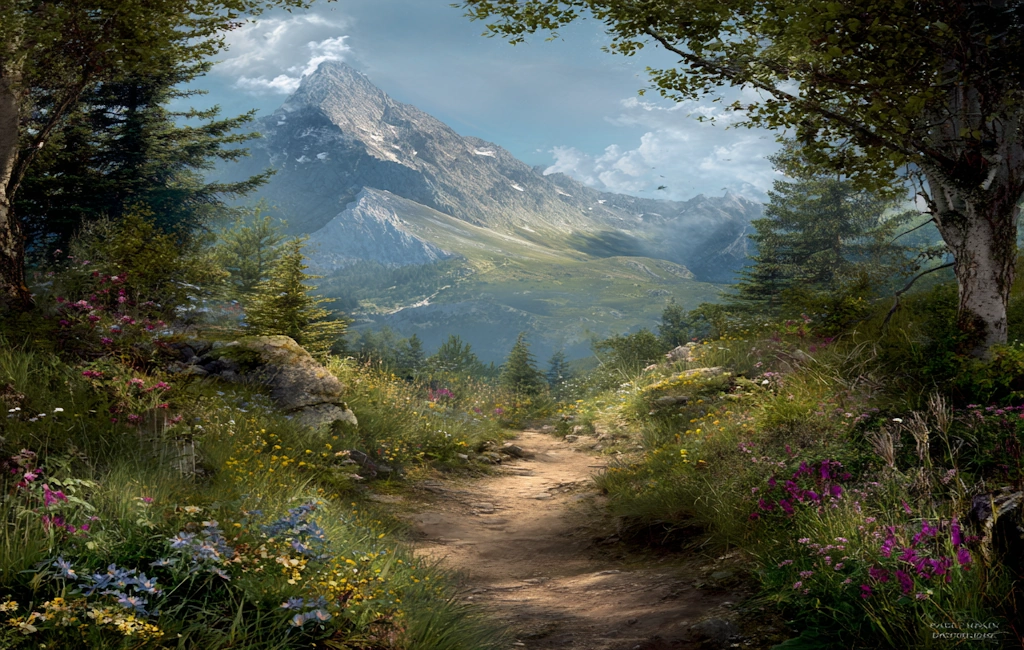
Helvellyn via Striding Edge
Helvellyn, one of England's most iconic and dramatic peaks, offers a truly exhilarating mountain experience. While numerous routes ascend its summit, the traverse of Striding Edge is arguably the most celebrated and thrilling. This challenging ridge walk, often described as a "knife-edge" scramble, provides breathtaking panoramic views across the Lake District fells and requires a good head for heights and a reasonable level of fitness. Starting from the picturesque village of Glenridding, this route takes you on a spectacular circuit, culminating in a descent via the gentler path of Swirral Edge.
- Distance: 13.0 km
- Elevation Gain: 900 m
- Duration: 5–6 hours
- Difficulty: Challenging
- Best Time: April–October
- Closest Town: Glenridding
- Trailhead Access: Nearest airport: Manchester (MAN). Drive approx. 2 hours via M6/A66/A592. Bus service available from Penrith. Limited parking in Glenridding; arrive early. Road conditions generally good. GPS: 54.5443, -2.9492. No permits needed.
Overview
The ascent of Helvellyn via Striding Edge is a classic Lake District adventure, a route that combines rugged mountain terrain with a thrilling ridge traverse. This walk is not for the faint-hearted; it demands respect for the mountain environment and a confident approach to exposed sections. The journey begins in the charming village of Glenridding, nestled on the shores of Ullswater, and quickly ascends into the heart of the fells.
The initial climb is steep, gaining significant elevation as you make your way towards the start of Striding Edge. This section is often boggy and can be challenging, especially in wet conditions. As you approach the ridge, the landscape opens up, revealing the dramatic topography that defines this route. Striding Edge itself is a narrow, rocky arête that forms the eastern approach to Helvellyn's summit. Walking along it is an unforgettable experience, with steep drops on either side. The path is well-trodden but requires careful foot placement and a steady nerve. The views from the ridge are simply spectacular, offering sweeping vistas of Ullswater, the surrounding peaks of the Eastern Fells, and the vast expanse of the Lake District National Park.
Reaching the summit of Helvellyn (950 m) is a significant achievement. From this vantage point, you can truly appreciate the scale and beauty of the Lake District. The descent is typically made via Swirral Edge, a slightly less exposed but still steep and rocky path that offers a different perspective on the mountain. This route provides a satisfying conclusion to the circuit, leading you back down towards the valley and the welcoming village of Glenridding. The entire walk is a testament to the raw, untamed beauty of the English mountains, offering a rewarding challenge for experienced walkers and a memorable adventure for all.
History and Cultural Context
Helvellyn's history is deeply intertwined with the development of mountaineering and fell walking in the Lake District. For centuries, the mountain was primarily a grazing area for sheep, with local shepherds knowing its contours intimately. However, it wasn't until the 19th century, with the rise of tourism and the Romantic movement's fascination with wild landscapes, that Helvellyn began to attract wider attention as a destination for exploration and recreation.
The routes that are popular today, including Striding Edge and Swirral Edge, were likely used by shepherds for generations. However, their formalisation as walking routes owes much to the early pioneers of fell walking and the burgeoning outdoor literature of the Victorian era. Writers and artists like Alfred Wainwright, whose influential "Pictorial Guides to the Lakeland Fells," have immortalised Helvellyn and its surrounding landscape, played a crucial role in popularising these routes. Wainwright's detailed descriptions and hand-drawn maps have guided countless walkers and instilled a deep appreciation for the region's natural beauty.
The name "Helvellyn" itself is thought to have Old Norse origins, possibly relating to a "high, bare, or lofty place." The mountain has witnessed countless stories of human endeavour, from the survival tales of those caught in sudden storms to the triumphs of those who have conquered its summit. The area around Glenridding and Ullswater also has a rich industrial heritage, particularly related to mining, which has shaped the landscape and the lives of its inhabitants for centuries. The remnants of this past can still be seen in the landscape, adding another layer of historical context to the walking experience.
Seasonal Highlights and Weather Reality
Helvellyn via Striding Edge is a route that can be enjoyed year-round, but each season offers a distinct experience and presents its own set of challenges.
Spring (April–May): This is a popular time to tackle Helvellyn as the snow begins to melt, and the fells come alive with new growth. The days are getting longer, offering more daylight hours for the walk. However, spring weather can be highly unpredictable, with sudden changes from sunshine to heavy rain, sleet, or even snow, particularly at higher altitudes. The paths can be wet and boggy, and Striding Edge may still hold patches of snow or ice early in the season, requiring caution and appropriate gear.
Summer (June–August): Summer offers the longest daylight hours and generally the most stable weather. This is peak season for walking in the Lake District, and you can expect to encounter other walkers on the route, especially on weekends and during school holidays. The fells are at their most vibrant, with heather and wildflowers in bloom. However, summer can also bring heatwaves, and dehydration can be a risk. Thunderstorms are also a possibility, and it's crucial to be aware of the forecast and descend if conditions deteriorate rapidly.
Autumn (September–October): Autumn is a spectacular time to visit Helvellyn, with the landscape transforming into a tapestry of reds, golds, and browns. The air is often crisp and clear, offering excellent visibility. The crowds of summer begin to thin, providing a more tranquil experience. However, daylight hours decrease, and the weather can become more challenging, with increased rainfall and stronger winds. Frosts become more common, and snow can begin to fall on the higher peaks towards the end of the season.
Winter (November–March): Winter ascents of Helvellyn via Striding Edge are for experienced mountaineers only. The route becomes an alpine environment, with significant snow and ice, high winds, and extremely low temperatures. Ice axe and crampons are essential, along with advanced navigation skills and a thorough understanding of winter conditions and avalanche risk. Visibility can be reduced to near zero, and the ridge becomes a treacherous place. While the challenge is immense, the beauty of a snow-covered Helvellyn is unparalleled for those equipped to handle it.
Weather Reality: It cannot be stressed enough that mountain weather in the Lake District is notoriously changeable. Even on a clear summer's day, conditions can shift dramatically. Always check the mountain forecast before setting out and be prepared for all eventualities. Hypothermia is a real risk, even in milder months, due to wind chill and sudden downpours.
Recommended Itinerary
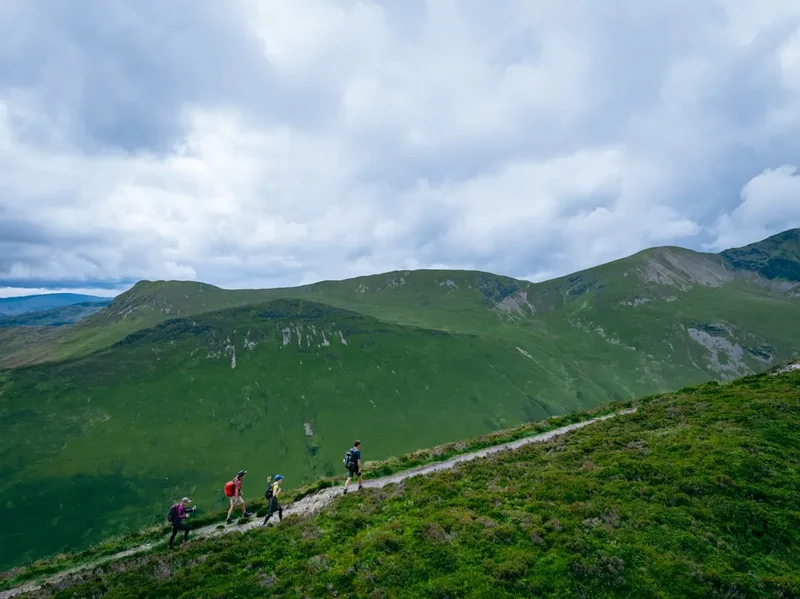
Helvellyn via Striding Edge - Day Hike Itinerary
Early Morning (Approx. 8:00 AM): Arrival and Start in Glenridding
- Arrive in Glenridding village.
- Park your vehicle (arrive early, as parking is limited and fills quickly, especially during peak season).
- Begin the walk from the village, heading towards the path leading up to the fell.
- The initial section involves a steady, often steep, climb away from the village, gaining altitude rapidly.
Morning (Approx. 9:00 AM - 11:00 AM): Ascent towards Striding Edge
- Continue the ascent, following the well-defined path.
- The terrain becomes rougher and potentially boggy, especially after rain.
- You will pass the remains of old mining infrastructure, a reminder of the area's industrial past.
- Aim to reach the point where the path begins to level out and you get your first clear views of Striding Edge.
Late Morning (Approx. 11:00 AM - 1:00 PM): Traverse Striding Edge
- This is the most exhilarating part of the walk.
- Carefully navigate the narrow, rocky ridge of Striding Edge.
- Maintain a steady pace, placing your feet with care.
- Enjoy the spectacular panoramic views of Ullswater and the surrounding fells.
- Be mindful of other walkers and give way where necessary.
- The ridge leads directly to the summit plateau of Helvellyn.
Midday (Approx. 1:00 PM - 2:00 PM): Summit of Helvellyn
- Reach the summit of Helvellyn (950 m).
- Take time to rest, enjoy your packed lunch, and soak in the 360-degree views.
- Locate the summit cairn and the memorial to Charles Vaughan, who died here in 1857.
- Note the weather conditions; be prepared for rapid changes.
Afternoon (Approx. 2:00 PM - 4:00 PM): Descent via Swirral Edge
- Begin your descent via Swirral Edge.
- This path is also steep and rocky but generally considered less exposed than Striding Edge.
- Carefully make your way down the scree and rock.
- The views down towards Red Tarn and the valley are impressive.
- Continue descending towards the valley floor.
Late Afternoon (Approx. 4:00 PM - 5:00 PM): Return to Glenridding
- The path from the base of Swirral Edge leads back towards Glenridding.
- This section is generally easier underfoot, though still can be uneven.
- Arrive back in Glenridding village, completing your challenging and rewarding circuit.
Important Considerations:
- This is a challenging route requiring good fitness and a head for heights.
- Weather can change rapidly; always check the forecast and be prepared for all conditions.
- Wear sturdy, broken-in walking boots with good ankle support.
- Carry sufficient water and high-energy food.
- A map and compass are essential, and knowledge of how to use them is vital.
- Mobile phone signal can be intermittent.
Planning and Bookings
Book Your Trip
Everything you need to plan your journey
Accommodation
Find places to stay near Glenridding
Flights
Search flights to Glenridding
Essential Preparation
Helvellyn via Striding Edge is a demanding day hike that requires careful planning. The primary consideration is the weather; conditions on the mountain can change rapidly and dramatically. Always check the mountain forecast from a reliable source like the Met Office or MWIS (Mountain Weather Information Service) specifically for the Helvellyn area before you set off. Arriving early in Glenridding is crucial, as parking is extremely limited and can be a significant challenge, especially during peak season (weekends, school holidays, and fine weather). Consider travelling by public transport if possible; buses run from Penrith to Glenridding.
The closest major town with comprehensive amenities is Penrith, which is approximately a 30-minute drive from Glenridding. Glenridding itself offers a few pubs, cafes, and a small shop for basic supplies. For more extensive shopping, accommodation options, or outdoor gear retailers, Penrith is the better choice. Ensure your vehicle is in good condition, as the roads leading to Glenridding are generally good but can be narrow and winding in places.
Trail Accommodation
This is a day hike requiring no overnight accommodation. Walkers typically base themselves in nearby villages such as Glenridding, Pooley Bridge, or Patterdale, or in the larger town of Penrith, which offers a wider range of hotels, guesthouses, and bed and breakfasts. For those seeking a more remote experience, camping is available at designated campsites in the surrounding areas, but wild camping is generally discouraged and often prohibited in the Lake District National Park.
Required Gear
- Sturdy Walking Boots: Waterproof, with good ankle support and a well-worn sole for grip on rocky and uneven terrain.
- Waterproof Jacket: Essential, with taped seams and a good hood. Even on a clear day, rain can appear suddenly.
- Waterproof Overtrousers: Equally important for staying dry and comfortable.
- Warm Layers: Including a fleece or insulated jacket. Temperatures can be significantly colder on the summit than in the valley.
- Hat and Gloves: Even in summer, these can be vital for warmth and protection against wind chill.
- Backpack: A comfortable daypack (20-30 litres) to carry essentials.
- Navigation Tools: A detailed map of the area (e.g., OS Explorer OL5 or OL7) and a compass. Knowledge of how to use them is paramount. A GPS device or smartphone with offline maps can be a useful backup.
- Head Torch: With spare batteries, in case of unexpected delays or if starting very early/finishing late.
- First Aid Kit: Including blister plasters, bandages, antiseptic wipes, pain relievers, and any personal medication.
- Sun Protection: Sunscreen, sunglasses, and a sun hat, as the sun can be intense at altitude, even on cloudy days.
What to Bring
- Food: High-energy snacks such as energy bars, nuts, dried fruit, and sandwiches. Pack more than you think you'll need.
- Water: At least 1.5-2 litres per person. Water sources on the mountain can be unreliable or contaminated, so it's best to carry all you need.
- Mobile Phone: Fully charged, but be aware that signal can be intermittent.
- Whistle: For emergency signalling.
- Emergency Shelter: A lightweight emergency bivvy bag or foil blanket can be a lifesaver in an unexpected situation.
- Trekking Poles: Optional, but can aid stability on steep ascents and descents, and reduce strain on knees.
- Camera: To capture the stunning scenery.
Permits
No permits are required to walk Helvellyn via Striding Edge. This is a public footpath within the Lake District National Park, and access is free for all. However, parking in Glenridding can incur charges, and it is advisable to check local signage for current rates. The primary "requirement" is to be adequately prepared and to respect the mountain environment.
Other Activities in the Area
The Ullswater area offers a wealth of activities for those looking to extend their stay or enjoy a more relaxed pace:
- Ullswater Steamers: Take a scenic cruise on Ullswater, England's most beautiful lake. The heritage steamships offer various routes, allowing you to hop on and off at picturesque villages like Pooley Bridge, Howtown, and Glenridding.
- Aira Force Waterfall: A short walk from the Ullswater Steamer pier at Howtown, Aira Force is a magnificent 65-foot waterfall set within woodland. It's a beautiful spot for a gentle stroll.
- Pooley Bridge: Explore this charming village at the northern end of Ullswater, with its iconic bridge (recently rebuilt after flood damage), shops, and pubs.
- Patterdale Village: Located at the southern end of Ullswater, Patterdale is another excellent base for exploring the fells and offers a good selection of accommodation and amenities.
- Cycling: The lanes around Ullswater offer scenic cycling routes, though some can be challenging with steep gradients.
- Watersports: Ullswater is popular for kayaking, paddleboarding, and sailing.
- Exploring the Eastern Fells: Numerous other walking routes exist in the surrounding fells, offering varying levels of difficulty and spectacular scenery.
Safety and Conditions
Weather: The most critical safety factor is the weather. Always check the mountain forecast for Helvellyn before you depart and be prepared for rapid changes. Conditions can be significantly different at the summit compared to the valley. Hypothermia is a serious risk, even in summer, due to wind chill and sudden downpours.
Striding Edge: This section is a narrow, exposed ridge with steep drops on either side. It requires a good head for heights and confident footwork. In high winds, fog, or icy conditions, it can become extremely dangerous. If you are uncomfortable with heights or the conditions are poor, consider an alternative route to the summit, such as the path from Thirlmere or the gentler ascent from the north.
Swirral Edge: While generally less exposed than Striding Edge, Swirral Edge is still a steep, rocky descent. Loose scree can make it treacherous, especially when wet or icy. Take your time and place your feet carefully.
Navigation: Visibility can drop to near zero very quickly on Helvellyn. It is essential to carry a map and compass and know how to use them. Do not rely solely on mobile phone GPS, as signal can be unreliable, and batteries can drain quickly in cold weather.
Fitness and Experience: This route is challenging and requires a good level of physical fitness and stamina. It is not suitable for novice walkers or those with a fear of heights. Ensure you are adequately prepared for the physical demands of the climb and descent.
Emergency Procedures: In case of an emergency, dial 999 or 112 and ask for Mountain Rescue. Provide your location as accurately as possible. If you have a mobile phone, keep it charged and conserve battery. If you are unable to get a signal, try moving to a higher vantage point or a more open area.
Water and Food: Carry sufficient water and high-energy food. There are no facilities on the mountain. Dehydration and lack of energy can impair judgment and increase the risk of accidents.
Side Trips and Points of Interest
Red Tarn: Nestled beneath the dramatic cliffs of Striding Edge and Swirral Edge, Red Tarn is a beautiful mountain tarn. It's a popular spot for a break and offers stunning reflections of the surrounding peaks on calm days. The path to Red Tarn is part of the approach to Striding Edge.
The Hole of Howgate: A small, sheltered hollow on the approach to Striding Edge, offering a brief respite from the wind and a good spot to check your bearings. It's a natural landmark that helps orient walkers.
The Summit Cairn: The highest point of Helvellyn is marked by a substantial cairn. From here, on a clear day, the views are expansive, stretching across much of the Lake District and beyond. It's a popular spot for photographs and a moment of reflection.
The Memorial to Charles Vaughan: Near the summit cairn, you'll find a memorial to Charles Vaughan, a young man who tragically died on Helvellyn in 1857 after becoming disoriented in a blizzard. His story serves as a stark reminder of the mountain's potential dangers.
The "Pillar" on Striding Edge: A distinctive rock formation on Striding Edge that walkers often use as a landmark. It's a good point to pause and assess the remaining traverse.
Leave No Trace
Helvellyn and the Lake District National Park are precious natural environments that we must all strive to protect. Adhering to Leave No Trace principles ensures that these landscapes remain beautiful and accessible for future generations.
- Plan Ahead and Prepare: Understand the route, check the weather, and pack appropriately. Know the local regulations regarding fires and camping.
- Travel and Camp on Durable Surfaces: Stick to established paths to avoid damaging fragile vegetation. Avoid walking on moss or heather, especially when wet.
- Dispose of Waste Properly: Pack out everything you pack in, including all litter, food scraps, and toilet paper. Use designated toilet facilities where available, or dig a cathole at least 60 metres away from water sources, trails, and campsites.
- Leave What You Find: Do not remove rocks, plants, or any other natural objects. Take only photographs and memories.
- Minimise Campfire Impacts: Campfires are generally not permitted on Helvellyn. If permitted in designated areas, use existing fire rings and keep fires small.
- Respect Wildlife: Observe wildlife from a distance and never feed animals. They have specific dietary needs, and human food can be harmful.
- Be Considerate of Other Visitors: Keep noise levels down, yield to other walkers on narrow paths, and be mindful of the impact your presence has on others' enjoyment of the outdoors.
By following these principles, you contribute to the preservation of the Lake District's natural beauty and ensure a positive experience for everyone.