
Helmsley to Rievaulx Abbey: A Yorkshire Stroll
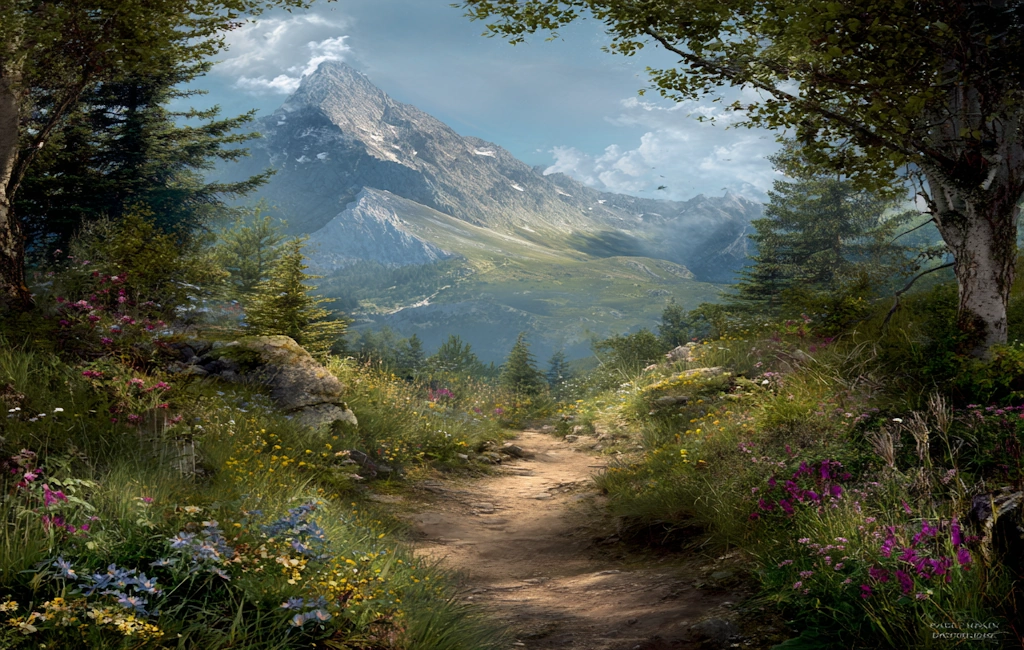
The walk from Helmsley to Rievaulx Abbey is a delightful and accessible day hike in the heart of North Yorkshire, England. This relatively short route offers a perfect blend of charming market town atmosphere, rolling countryside vistas, and the awe-inspiring ruins of a magnificent Cistercian abbey. It's an ideal excursion for those seeking a gentle introduction to the North York Moors National Park, combining natural beauty with significant historical and architectural interest. The path meanders through picturesque farmland, offering glimpses of rural life and expansive views before culminating at the dramatic and evocative remains of Rievaulx Abbey, a testament to medieval monastic life.
- Distance: 7.0 km one-way
- Duration: 2-3 hours
- Season: April to October (best weather)
- Difficulty: Easy
- Closest Town: Helmsley
- Trailhead Access: Parking in Helmsley Market Square
- No permits required
Overview
This walk is a gentle introduction to the southern edge of the North York Moors, showcasing the transition from the cultivated farmlands surrounding the historic market town of Helmsley to the more rugged, yet still pastoral, landscape that cradles the River Rye and the grand ruins of Rievaulx Abbey. The route is predominantly on well-maintained footpaths and quiet country lanes, making it suitable for families and less experienced walkers. The elevation gain is modest, ensuring that the focus remains on enjoying the scenery and the historical destination.
Starting in Helmsley, a town renowned for its market square, independent shops, and the imposing Helmsley Castle, the walk quickly leaves the urban environment behind. It heads south-east, initially following public footpaths that traverse open fields and pastures. These fields are often dotted with sheep and cattle, characteristic of the Yorkshire countryside. The path offers expansive views across the Vale of York and towards the North York Moors escarpment. The River Rye, a key feature of the landscape, guides the walker towards the abbey, its presence often marked by lush vegetation and the sounds of flowing water.
The final approach to Rievaulx Abbey is particularly rewarding. As the abbey's impressive stone structures come into view, they dominate the valley floor, a stark and beautiful contrast to the surrounding green hills. The scale of the ruins, even in their current state, is breathtaking, evoking a sense of history and the grandeur of medieval religious life. The walk concludes at the abbey itself, providing ample opportunity to explore the site and absorb its atmosphere before returning to Helmsley or arranging onward transport.
History and Cultural Context
Helmsley, the starting point of this walk, boasts a rich history dating back to Norman times. Its market charter was granted in 1254, and the town has retained its character as a vibrant rural centre. Dominating the town's skyline is Helmsley Castle, a formidable fortress that has witnessed centuries of English history, from its construction in the 12th century to its role in the English Civil War. The town itself is a conservation area, with many of its buildings reflecting its long heritage.
The true historical heart of this walk, however, lies at its destination: Rievaulx Abbey. Founded in 1132 by Cistercian monks from the abbey of Clairvaux in France, Rievaulx (pronounced "Reevo") quickly became one of the wealthiest and most powerful Cistercian monasteries in England. The monks were pioneers in sheep farming and wool production, and their industriousness transformed the valley into a thriving agricultural centre. At its peak in the 12th century, Rievaulx was home to over 600 monks and lay brothers, and its influence extended far and wide.
The abbey's prosperity was short-lived, however. The Cistercian order's emphasis on austerity and manual labour, coupled with the political and religious upheavals of the 16th century, led to its downfall. During the Dissolution of the Monasteries under King Henry VIII, Rievaulx Abbey was surrendered to the Crown in 1538. The monastic buildings were largely dismantled for their stone, which was repurposed for other constructions, including local manor houses. Despite this, the surviving ruins remain remarkably intact and are considered one of the most impressive monastic sites in Britain. The scale of the nave, choir, and transepts, along with the chapter house and cloister, still conveys the immense power and architectural sophistication of the medieval church.
The landscape surrounding Rievaulx has also played a role in its history. The River Rye provided water and power, while the surrounding hills offered grazing land for the abbey's vast flocks. The valley setting, with its dramatic slopes and the river winding through it, creates a sense of seclusion and spiritual contemplation that the monks would have sought. Today, the site is managed by English Heritage, which has undertaken extensive preservation work, allowing visitors to explore the ruins and imagine life in this once-thriving monastic community.
Seasonal Highlights and Weather Reality
The Helmsley to Rievaulx Abbey walk is a year-round destination, but certain seasons offer distinct advantages and challenges.
Spring (April-May): This is a particularly beautiful time to undertake the walk. The countryside bursts into life with vibrant green fields, wildflowers begin to appear along the footpaths, and the air is fresh and invigorating. The weather is generally mild, though showers are common. The surrounding woodlands and hedgerows will be in full bloom, adding colour and fragrance to the journey. The abbey ruins also look stunning against a backdrop of new growth.
Summer (June-August): Summer offers the warmest weather and longest daylight hours, making it ideal for a leisurely exploration. The fields will be lush, and the abbey site will be at its most accessible. However, this is also the peak tourist season, so the abbey itself may be busier. Sandflies can sometimes be a nuisance in damp, sheltered areas, though they are less prevalent than in some other parts of the UK.
Autumn (September-October): Autumn transforms the North York Moors into a spectacle of colour. The heather, if still in bloom, can create a purple haze, and the deciduous trees along the route will display a rich palette of reds, oranges, and yellows. The air is crisp, and the light can be particularly beautiful for photography. This season offers a quieter experience than summer, with fewer crowds.
Winter (November-March): While the walk is still possible in winter, it requires more careful planning. The days are short, and the weather can be cold, wet, and windy. Snow is infrequent but can transform the landscape into a winter wonderland. Footpaths may be muddy and slippery, and visibility can be reduced. However, winter offers a unique, atmospheric experience of the abbey ruins, often with a sense of solitude and dramatic beauty. Ensure you have appropriate waterproof and warm clothing, and check daylight hours carefully.
Weather Considerations: North Yorkshire's weather can be unpredictable at any time of year. Be prepared for rain, wind, and cooler temperatures, even in summer. Layering clothing is always recommended. The route is exposed in parts, so wind can be a significant factor.
Recommended Itinerary
Helmsley to Rievaulx Abbey Day Walk
Morning: Start in Helmsley
- Arrive in Helmsley Market Square. Ample parking is available (may be fee-paying).
- Explore Helmsley's charming market square, perhaps grab a coffee and a pastry from a local bakery.
- Consider a brief visit to Helmsley Castle (optional, requires separate admission fee and time).
- Locate the public footpath signs heading south-east out of town, often near the edge of the town or by crossing the River Rye.
Late Morning: The Countryside Path
- Follow the well-marked public footpaths across farmland.
- The route will involve crossing fields, often with stiles or kissing gates.
- Enjoy views of rolling hills, agricultural land, and distant moorland.
- The path may involve short sections on quiet country lanes.
- Distance covered: Approximately 3.5 km.
- Time taken: 1–1.5 hours.
Midday: Approaching the River Rye
- The path will begin to descend towards the River Rye valley.
- You may hear the river before you see it, indicating you are nearing the abbey.
- The landscape becomes more wooded and sheltered as you enter the valley.
- Look for signs directing you towards Rievaulx Abbey.
- Distance covered: Approximately 2.0 km.
- Time taken: 30–45 minutes.
Early Afternoon: Arrival at Rievaulx Abbey
- The magnificent ruins of Rievaulx Abbey will come into view.
- Arrive at the English Heritage site.
- Spend time exploring the extensive abbey ruins, including the nave, choir, transepts, and chapter house.
- Visit the visitor centre for historical context and interpretation.
- Distance covered: Approximately 1.5 km.
- Time taken: 1.5–2 hours (or longer, depending on interest).
Afternoon: Return Journey or Onward Travel
- Option 1 (Return Walk): Retrace your steps back to Helmsley (approx. 2-3 hours).
- Option 2 (Bus): Check local bus timetables for services returning from near Rievaulx Abbey to Helmsley. This may require a short walk from the abbey to the nearest bus stop.
- Option 3 (Taxi/Pre-booked Transport): Arrange for a taxi or pre-booked transport to collect you from Rievaulx Abbey and take you back to Helmsley or your accommodation.
Important Notes:
- Wear sturdy, comfortable walking shoes or boots.
- Carry water and snacks, especially if planning to walk back.
- Check the weather forecast and dress accordingly.
- English Heritage opening times and admission fees apply to Rievaulx Abbey.
- Bus services can be infrequent; check timetables in advance.
Planning and Bookings
Book Your Trip
Everything you need to plan your journey
Accommodation
Find places to stay near Helmsley
Flights
Search flights to Helmsley
Essential Preparation
This walk is a straightforward day hike, requiring minimal complex planning. The primary considerations are transport to and from Helmsley, and the logistics for the return journey from Rievaulx Abbey. Helmsley is a well-served market town with good road access. The nearest major city is York, approximately 45 minutes to an hour's drive away. Leeds Bradford Airport (LBA) is the closest international airport, about an hour and a half's drive. Public transport options include bus services from York to Helmsley, which are reasonably frequent. For those driving, parking is available in Helmsley Market Square, though it can be busy at peak times and may incur a fee. Road conditions are generally good, with well-maintained A and B roads leading to the area.
For the return from Rievaulx Abbey, options include walking back to Helmsley, using a local bus service (check timetables carefully as they can be infrequent), or pre-booking a taxi. It is advisable to book a taxi in advance, especially if you plan to visit the abbey during peak hours or on weekends, as local taxi availability can be limited.
Trail Accommodation
This is a day hike requiring no overnight accommodation. The walk starts and ends in or near Helmsley, which offers a range of accommodation options should you wish to extend your stay in the area. These include:
- Hotels and Guesthouses: Several traditional inns and guesthouses are located in Helmsley and the surrounding villages, offering comfortable rooms and often excellent local cuisine.
- Bed and Breakfasts (B&Bs): Numerous B&Bs provide a more personal and often budget-friendly option.
- Self-Catering Cottages: For longer stays or families, self-catering cottages offer flexibility and a home-away-from-home experience.
- Campsites: Several campsites are located within a short drive of Helmsley, catering to tents, caravans, and motorhomes.
Booking accommodation in advance is recommended, particularly during the summer months and school holidays.
Required Gear
- Walking Boots/Shoes: Sturdy, comfortable footwear with good grip is essential. Waterproofing is advisable, especially for spring and autumn walks.
- Waterproof Jacket: A lightweight, breathable waterproof jacket is recommended, as the weather in Yorkshire can change quickly.
- Waterproof Overtrousers: Optional, but useful in persistent rain.
- Backpack: A small daypack (15-25 litres) to carry essentials.
- Navigation: While the route is generally well-marked, a map of the area (e.g., Ordnance Survey Explorer OL26) and a compass are advisable, especially if you plan to deviate or for general safety. A GPS device or smartphone with a mapping app can also be useful.
- First Aid Kit: A basic kit including plasters, antiseptic wipes, pain relievers, and any personal medication.
- Mobile Phone: For communication and emergencies. Ensure it is fully charged.
What to Bring
- Food: Packed lunch, snacks (e.g., energy bars, fruit, nuts). There are limited facilities for purchasing food directly on the route, though Helmsley has shops and cafes.
- Water: At least 1 litre of water per person. Refill points may be available in Helmsley or at Rievaulx Abbey (check facilities).
- Toiletries: Sunscreen, lip balm with SPF, hand sanitiser.
- Clothing: Layers are key. Bring a base layer (e.g., merino wool or synthetic), a mid-layer (fleece or jumper), and your waterproof outer layer. A hat and gloves can be useful, even in summer, for cooler or windier conditions.
- Camera: To capture the beautiful scenery and abbey ruins.
- Cash: For parking fees in Helmsley, potential bus fares, or purchases at the abbey shop or cafe.
- Insect Repellent: May be useful during warmer months, particularly in shaded or damp areas.
Permits
No specific permits are required for walking the public footpaths between Helmsley and Rievaulx Abbey. The route utilises established public rights of way and access land. However, entry to Rievaulx Abbey itself, managed by English Heritage, requires admission. Visitors should check the English Heritage website for current opening times, admission fees, and any booking requirements, especially during peak seasons or for special events.
Rievaulx Abbey Admission:
- English Heritage Membership: Free entry for English Heritage members.
- Standard Admission: Fees apply for non-members. Prices vary for adults, children, concessions, and families. It is advisable to book tickets online in advance via the English Heritage website to guarantee entry and potentially save money.
- Opening Hours: Vary seasonally. Always check the official English Heritage website for the most up-to-date information before your visit.
Parking:
- Helmsley: Parking is available in Helmsley Market Square and other designated car parks. Fees may apply, and spaces can be limited during busy periods.
- Rievaulx Abbey: There is a dedicated car park at Rievaulx Abbey, usually managed by English Heritage, with associated fees.
Other Activities in the Area
The area around Helmsley and Rievaulx Abbey offers a wealth of activities for visitors:
- Helmsley Castle: Explore the impressive ruins of this well-preserved medieval fortress, offering insights into Norman and later military architecture.
- National Centre for Birds of Prey: Located near Helmsley Castle, this centre offers fascinating flying displays and opportunities to see a variety of birds of prey.
- Helmsley Walled Garden: A beautiful and tranquil garden, once the kitchen garden for Helmsley Castle, now a popular attraction with themed areas and plant sales.
- North York Moors National Park: The walk is situated on the southern edge of the park. Further exploration can include hiking on the moors, visiting charming villages like Hutton-le-Hole or Lastingham, or cycling along scenic routes.
- Thirsk: A short drive away, Thirsk is famous as the home of the World of James Herriot, a museum dedicated to the veterinary author Alf Wight.
- York: The historic city of York, with its Minster, Shambles, and city walls, is an easy day trip from Helmsley, offering a wealth of cultural and historical attractions.
- Local Pubs and Tea Rooms: Helmsley and the surrounding villages are dotted with traditional pubs and cosy tea rooms, perfect for sampling local ales and Yorkshire fare.
Safety and Conditions
Pre-Walk Checks:
- Weather Forecast: Always check the local weather forecast for Helmsley and the North York Moors before setting out. Met Office or BBC Weather are reliable sources. Be prepared for changeable conditions.
- Footpath Conditions: The paths are generally well-maintained, but can become muddy and slippery after rain, especially in the valley sections near the River Rye.
- Daylight Hours: Be mindful of the time of year and the length of daylight. Ensure you have ample time to complete the walk and return before dark, especially if walking back to Helmsley.
On the Trail:
- Navigation: While the route is relatively straightforward, it is advisable to carry a map and compass or use a reliable GPS device/app. Public footpaths are usually marked with waymarkers, but these can sometimes be obscured or missing.
- Livestock: You will likely encounter sheep and cattle in the fields. Keep dogs under close control at all times, and do not disturb the animals. Close gates behind you to prevent livestock from escaping.
- River Crossings: The route involves crossing the River Rye, usually via bridges or stiles. Ensure these are safe and stable before crossing.
- Rievaulx Abbey: Be cautious when exploring the abbey ruins. Some areas may have uneven surfaces, steps, or steep drops. Follow any safety instructions provided by English Heritage.
- Emergency Contact: Ensure your mobile phone is fully charged and has signal. Know the emergency number (999 or 112 in the UK).
General Safety:
- Footwear: Wear appropriate footwear to prevent slips and falls.
- Hydration and Nutrition: Carry sufficient water and snacks, as facilities on the route are limited.
- First Aid: Be prepared to administer basic first aid if necessary.
Side Trips and Points of Interest
Helmsley Castle: Before or after your walk, a visit to Helmsley Castle is highly recommended. This impressive 12th-century fortress offers a fascinating glimpse into medieval life and warfare. Its well-preserved curtain walls, towers, and keep provide a substantial historical experience.
Helmsley Walled Garden: Located adjacent to the castle, this beautiful garden is a tranquil oasis. It was once the kitchen garden for the castle and has been lovingly restored. It's a perfect spot for a peaceful stroll and to admire the horticultural displays.
The River Rye Valley: The walk itself offers a pleasant journey through the River Rye valley. Pay attention to the changing vegetation and the sounds of the river. The valley setting provides a sense of enclosure and natural beauty that contrasts with the open fields.
Views of the North York Moors: While this walk stays on the southern fringes, the surrounding landscape hints at the wilder beauty of the North York Moors National Park. On clear days, you may catch glimpses of the moorland escarpment in the distance.
Local Villages: If you have extra time, consider visiting nearby villages such as Hutton-le-Hole, known for its picturesque stream running through the centre, or Lastingham, with its ancient crypt.
Leave No Trace
The walk from Helmsley to Rievaulx Abbey traverses beautiful countryside and a significant historical site. Adhering to Leave No Trace principles ensures that this area remains enjoyable for everyone and that its natural and cultural heritage is preserved.
Plan Ahead and Prepare:
- Check weather forecasts and plan your trip accordingly.
- Familiarise yourself with the route and any potential hazards.
- Book accommodation and transport in advance if needed.
Travel and Camp on Durable Surfaces:
- Stick to marked footpaths and trails. Avoid cutting across fields or through sensitive vegetation, especially in the farmland sections.
- When exploring Rievaulx Abbey, stay within designated visitor areas and on paths.
Dispose of Waste Properly:
- Pack out everything you pack in. This includes all litter, food scraps, and wrappers.
- Use designated bins where available, but be prepared to carry your rubbish back to Helmsley if bins are full or unavailable.
- If nature calls, use toilet facilities at Helmsley or Rievaulx Abbey. If absolutely necessary to go outdoors, do so well away from water sources and bury human waste properly, packing out toilet paper.
Leave What You Find:
- Do not pick wildflowers or remove any natural or historical artefacts from the site.
- Respect the historical integrity of Rievaulx Abbey; do not climb on or damage the ruins.
Minimise Campfire Impacts: (Not applicable for this day walk, but a general LNT principle).
Respect Wildlife:
- Observe wildlife from a distance. Do not feed birds or other animals.
- Keep dogs under control to avoid disturbing livestock or wildlife.
Be Considerate of Other Visitors:
- Keep noise levels down, especially in the abbey ruins and on quiet sections of the path.
- Yield to other walkers, particularly on narrow paths or stiles.
- Be courteous and respectful to local residents and other visitors.