
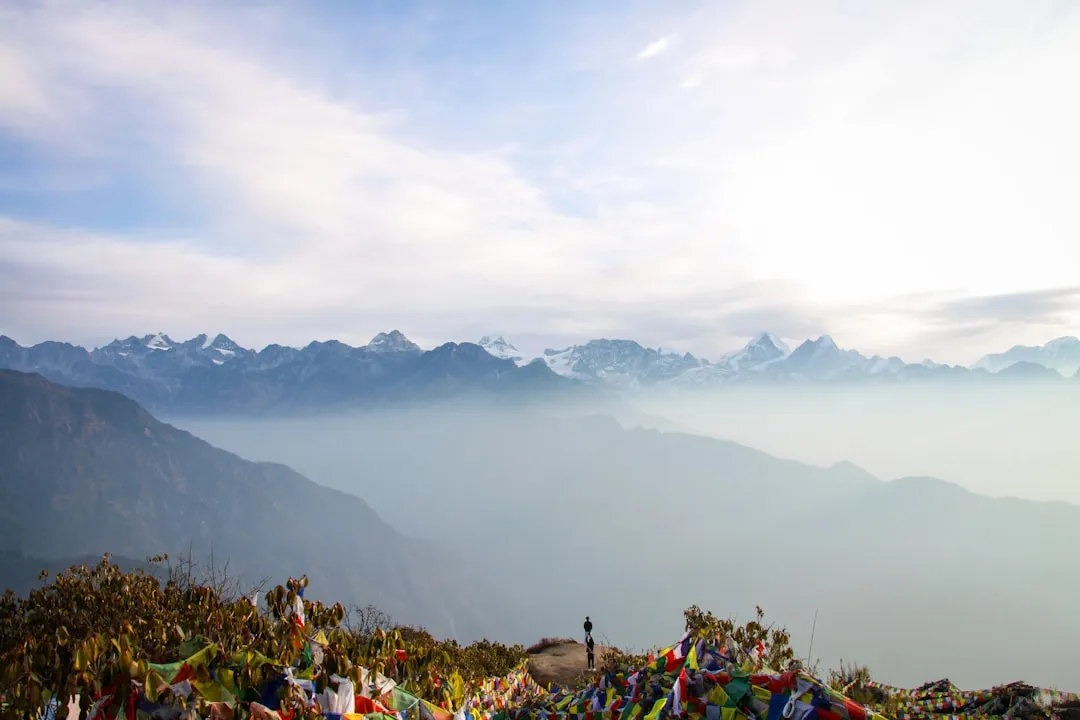
Helambu Trek - A Cultural and Natural Immersion
The Helambu Trek is a captivating journey through the Langtang National Park in Nepal, offering a rich blend of cultural encounters with Tamang and Sherpa communities and stunning Himalayan vistas. This trek is renowned for its accessibility from Kathmandu, making it a popular choice for those seeking a shorter yet deeply rewarding Himalayan experience. Unlike some of the more remote treks, Helambu provides a unique opportunity to witness traditional village life, visit ancient monasteries, and marvel at snow-capped peaks without requiring extensive travel time or extreme physical exertion.
The trail winds through rhododendron forests, terraced fields, and charming villages, gradually ascending to higher altitudes where panoramic views of Langtang Lirung, Ganesh Himal, and even the distant Annapurnas and Manaslu can be enjoyed. The Helambu region is particularly known for its Buddhist heritage, with numerous gompas (monasteries) and chortens (stupas) dotting the landscape, offering insights into the spiritual life of the local people. The trek's moderate difficulty and relatively short duration make it an ideal introduction to trekking in Nepal, suitable for families and those with limited time.
- Distance: Approximately 72.0 km
- Duration: 5-8 days
- Season: October-November (autumn) or March-May (spring)
- Accommodation: Teahouses and lodges
- Highest point: Tarke Gyang (approx. 2,700 m) or Melamchi Ghyang (approx. 2,560 m)
- Difficulty: Moderate
- Closest City: Kathmandu
Overview
The Helambu Trek offers a delightful contrast to the more challenging high-altitude treks in Nepal. It is a journey that prioritises cultural immersion and scenic beauty over extreme mountaineering, making it accessible to a wider range of trekkers. The trek typically begins with a scenic drive from Kathmandu to Sundarijal, a small town on the outskirts of the capital, marking the official start of the adventure. From Sundarijal, the trail ascends through Shivapuri National Park, a vital watershed for the Kathmandu Valley, before descending into the picturesque Helambu region.
As you progress, the landscape transforms from lush sub-tropical forests to terraced fields and then to alpine meadows. The villages of Melamchi Ghyang, Tarke Gyang, and Sermanthang are highlights, each offering a unique glimpse into the lives of the Tamang and Sherpa people. These villages are characterised by their traditional stone houses, colourful prayer flags fluttering in the breeze, and the ever-present scent of juniper incense. The warmth and hospitality of the local communities are a significant part of the Helambu experience, with opportunities to interact with villagers, visit ancient monasteries, and learn about their customs and traditions.
The trek's moderate elevation means that altitude sickness is less of a concern compared to higher treks, allowing trekkers to focus more on enjoying the scenery and cultural interactions. The views of the surrounding Himalayan peaks, including Langtang Lirung and Ganesh Himal, are a constant companion, providing breathtaking backdrops to the villages and forests. The Helambu region is also known for its unique dialect and cultural practices, distinct from other trekking areas in Nepal, adding another layer of fascination to the journey.
History and Cultural Context
The Helambu region has a long and rich history, deeply intertwined with Tibetan Buddhism and the migration patterns of various ethnic groups. Historically, the area was a significant trade route connecting the Kathmandu Valley with Tibet. The Tamang people, believed to have migrated from Tibet centuries ago, form the predominant ethnic group in the lower Helambu region. Their culture, language, and traditions are distinct, with a strong emphasis on Tibetan Buddhism.
The name "Helambu" itself is derived from the name of a group of people called the "Hyolmo," who are believed to be of Tibetan origin and have settled in this region for generations. These communities have maintained their unique cultural identity, preserving ancient customs, religious practices, and architectural styles. The numerous monasteries and stupas found throughout the region are testaments to their deep-rooted Buddhist faith.
The Helambu Trek, as a recognised trekking route, gained popularity in the latter half of the 20th century with the rise of tourism in Nepal. Before this, the region was primarily accessed by locals for trade and pilgrimage. The development of trekking infrastructure, such as teahouses and trails, has made the region more accessible to international visitors, allowing them to experience its cultural and natural beauty.
The region also holds significance in Buddhist mythology. It is believed to be the birthplace of the tantric master Padmasambhava (Guru Rinpoche), who is credited with spreading Buddhism in Tibet. This spiritual connection adds another layer of reverence to the Helambu region, making it a pilgrimage site for many Buddhists.
Seasonal Highlights and Weather Reality
The Helambu Trek is best enjoyed during two primary seasons, each offering distinct advantages:
Autumn (October-November): This is widely considered the peak trekking season in Nepal, and Helambu is no exception. The skies are typically clear, offering excellent visibility of the Himalayan peaks. The weather is stable, with moderate temperatures during the day and cool evenings. The air is crisp and clean, making for comfortable trekking conditions. The post-monsoon period means the landscape is lush and green, with blooming wildflowers in the lower altitudes.
Spring (March-May): Spring is another excellent time to trek in Helambu. The weather is generally pleasant, with warming temperatures as winter recedes. This season is particularly famous for the blooming rhododendrons, which carpet the hillsides in vibrant shades of red, pink, and white, creating a spectacular visual display. The visibility of the mountains is also good, though it can sometimes be slightly hazier than in autumn.
Monsoon (June-September): The monsoon season brings heavy rainfall to the region, making trekking challenging. Trails can become muddy and slippery, and visibility of the mountains is often obscured by clouds and fog. While the landscape is incredibly green and lush during this time, it is generally not recommended for trekking due to the adverse weather conditions and potential for landslides.
Winter (December-February): Winter in Helambu is cold, especially at higher elevations. Snowfall can occur, particularly on the higher passes, which may make some sections of the trail impassable. However, the lower parts of the trek can still be manageable for experienced trekkers with appropriate gear. The skies are often clear, offering crisp mountain views, but daytime temperatures can be low, and nights are freezing.
Recommended Itinerary
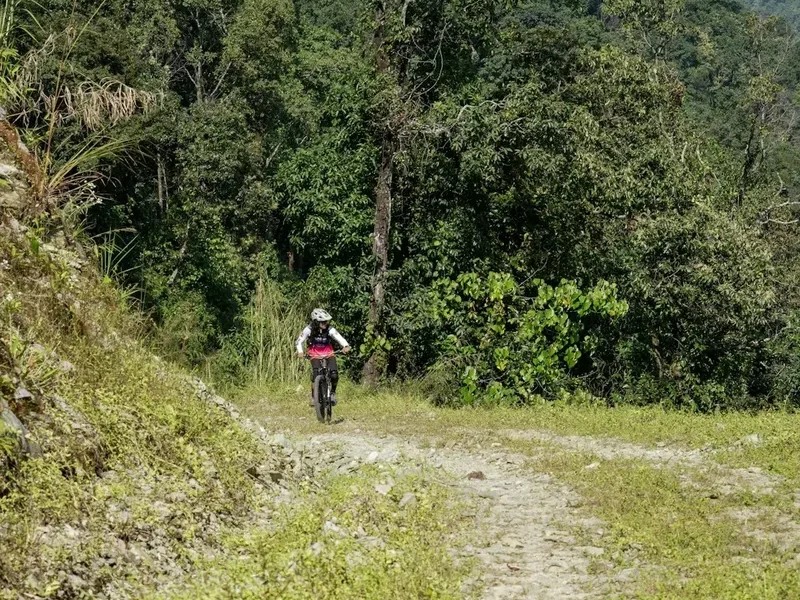
5-Day Helambu Trek Itinerary (Moderate Pace)
Day 1: Kathmandu to Sundarijal, Trek to Chisapani
- Distance: Approx. 8 km
- Elevation gain: Approx. 700 m
- Time: 4-5 hours
- Morning drive from Kathmandu to Sundarijal (approx. 1 hour)
- Begin trek by ascending through Shivapuri National Park
- Pass through terraced fields and local villages
- Reach Chisapani (2,200 m) in the afternoon
- Enjoy first panoramic views of the Himalayas, including Langtang Lirung and Ganesh Himal
Day 2: Chisapani to Nagarkot
- Distance: Approx. 12 km
- Elevation gain: Approx. 400 m, then descent
- Time: 5-6 hours
- Trek through forests and along ridges
- Pass through small Tamang settlements
- Reach Nagarkot (2,175 m), a popular viewpoint known for its stunning sunrise and sunset views
- Spectacular panoramic views of the eastern Himalayas, including Mount Everest on a clear day
Day 3: Nagarkot to Tarke Gyang
- Distance: Approx. 15 km
- Elevation gain: Approx. 300 m, then significant descent and ascent
- Time: 6-7 hours
- Descend from Nagarkot towards the Indrawati River valley
- Cross the river and begin ascent towards Tarke Gyang
- Pass through terraced fields and rhododendron forests
- Arrive in Tarke Gyang (2,700 m), a large Tamang village with a beautiful monastery
- Experience the unique culture and architecture of the Helambu region
Day 4: Tarke Gyang to Melamchi Ghyang
- Distance: Approx. 10 km
- Elevation gain: Approx. 200 m, then descent
- Time: 4-5 hours
- Trek through forests and along ridges
- Visit the ancient monastery in Tarke Gyang
- Descend to Melamchi Ghyang (2,560 m), another significant Tamang village
- Explore the village and its monastery, known for its impressive murals
- Enjoy views of the surrounding valleys and peaks
Day 5: Melamchi Ghyang to Timbu/Chautara, Drive to Kathmandu
- Distance: Approx. 8 km trek
- Time: 3-4 hours trek, then drive
- Descend from Melamchi Ghyang towards Timbu or Chautara
- The exact endpoint may vary depending on road access and transport arrangements
- Board a vehicle for the drive back to Kathmandu (approx. 4-5 hours)
- Reflect on the cultural and scenic journey through the Helambu region
Note: This is a sample itinerary and can be extended to 8 days by spending more time in villages, exploring side trips, or taking a more leisurely pace. Alternative endpoints like Sermanthang can also be incorporated.
Planning and Bookings
Book Your Trip
Everything you need to plan your journey
Accommodation
Find places to stay near Kathmandu
Flights
Search flights to Kathmandu
Essential Preparation
The Helambu Trek is relatively accessible, but proper planning is still crucial for a smooth and enjoyable experience. Given its proximity to Kathmandu, logistics are generally straightforward. The closest major city is Kathmandu, which serves as the primary gateway for international travellers. From Kathmandu, you will need to arrange transportation to the trailhead at Sundarijal.
Fitness Requirements: The trek is considered moderate. While it doesn't reach extreme altitudes, it involves daily walking for several hours with ascents and descents. A reasonable level of cardiovascular fitness is recommended. Regular walking, hiking, or other aerobic activities for a few weeks prior to the trek will be beneficial. You should be comfortable walking for 4-7 hours a day with a backpack.
Booking Coordination: For independent trekkers, booking accommodation in advance is not strictly necessary during the shoulder seasons, as teahouses are generally available. However, during peak seasons (October-November and March-May), it is advisable to book your first and last night's accommodation in Kathmandu and potentially the first night's teahouse in Chisapani to ensure availability. If you are travelling with a guide or agency, they will handle all accommodation bookings.
Logistics: Transportation to and from the trailhead (Sundarijal) and from the endpoint (e.g., Timbu or Chautara) back to Kathmandu needs to be arranged. This can be done via local buses, private taxis, or pre-booked jeeps. The roads can be rough and winding, so allow ample time for travel.
Base Town/City Information: Kathmandu is the bustling capital of Nepal and the main hub for all trekking activities. It offers a wide range of accommodation options, from budget guesthouses to luxury hotels. You can find trekking gear shops, travel agencies, ATMs, and restaurants serving diverse cuisines. It's advisable to spend at least one or two nights in Kathmandu before and after your trek to acclimatise, finalise arrangements, and explore the city's cultural heritage sites.
Trail Accommodation
The Helambu Trek primarily utilises teahouses and lodges along the route. These are locally-owned establishments that provide basic accommodation and meals for trekkers.
Teahouses/Lodges:
- Booking Requirements: During peak seasons, it's wise to book at least a day in advance or upon arrival at the previous village. During the off-season, walk-ins are usually accommodated.
- Facilities Provided:
- Basic rooms with twin beds and mattresses.
- Blankets are usually provided, but a sleeping bag is highly recommended for warmth and hygiene.
- Communal dining areas, often heated by a wood-burning stove in the evenings.
- Toilets are typically squat-style and may be shared. Some higher-end lodges might offer western-style toilets.
- Basic shower facilities may be available, often with heated water (sometimes for an extra charge).
- What's NOT Provided:
- Towels.
- Toiletries (bring your own biodegradable soap, shampoo, etc.).
- Hot water for drinking (you will need to purchase boiled water or use purification methods).
- Electricity for charging devices is often available in the dining area for a small fee.
- Internet access (Wi-Fi is becoming more common in some lodges but can be unreliable and costly).
- Seasonal Availability: Teahouses are generally open year-round, but services might be reduced during the monsoon and winter months.
- Costs: Room rates are typically low (around $5-15 USD per night), but the cost of meals and drinks is higher. The expectation is that trekkers will eat at the teahouse where they stay.
Note: This is a day hike requiring no overnight accommodation.
Required Gear
- Hiking Boots: Sturdy, waterproof, and well-broken-in hiking boots are essential for ankle support and comfort on varied terrain.
- Socks: Several pairs of moisture-wicking hiking socks (wool or synthetic).
- Trousers: Comfortable, quick-drying hiking trousers (avoid jeans).
- Base Layers: Thermal tops and bottoms made of merino wool or synthetic material for warmth.
- Mid Layers: Fleece jacket or down vest for insulation.
- Outer Layer: Waterproof and windproof jacket (Gore-Tex or similar) with a hood.
- Waterproof Overtrousers: Essential for protection against rain and wind.
- Headwear: Warm hat (beanie) for cold evenings and a sun hat or cap for daytime protection.
- Gloves: Warm gloves or mittens.
- Backpack: A comfortable daypack (25-35 litres) for carrying essentials during the day. If you are hiring a porter, a smaller daypack is sufficient.
- Sleeping Bag: A 3-season sleeping bag (rated to around 0°C) is highly recommended for warmth and hygiene in teahouses.
- Headlamp/Torch: With spare batteries, for navigating in the dark or during power outages.
- First-Aid Kit: Including personal medications, blister treatment, pain relievers, antiseptic wipes, bandages, and any other essentials.
- Navigation: A map of the Helambu region and a compass. A GPS device or smartphone with offline maps is also useful.
What to Bring
- Water Bottles/Hydration Reservoir: At least 1-2 litres capacity.
- Water Purification: Water purification tablets or a filter are essential as tap water is not safe to drink.
- Sunscreen: High SPF sunscreen to protect against strong UV rays at altitude.
- Lip Balm: With SPF protection.
- Sunglasses: For eye protection from the sun and glare.
- Toiletries: Biodegradable soap, shampoo, toothbrush, toothpaste, hand sanitiser, wet wipes.
- Quick-Dry Towel: Lightweight and fast-drying.
- Snacks: Energy bars, nuts, dried fruit, chocolate for quick energy boosts during the trek.
- Personal Items: Camera, power bank for charging electronics, book or journal, trekking poles (optional but recommended for descents).
- Cash: Sufficient Nepalese Rupees for meals, drinks, accommodation, tips, and any personal expenses. ATMs are not available on the trek.
- Documents: Passport, visa, trekking permits, travel insurance details.
Permits
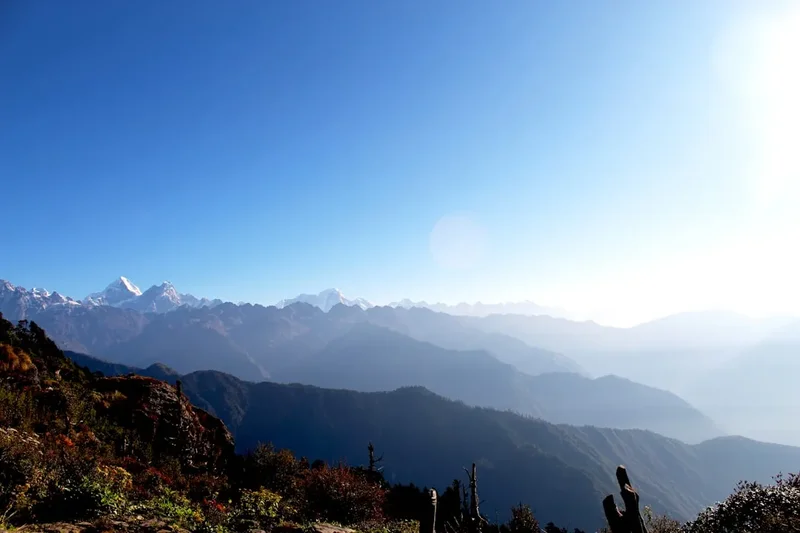
To trek in the Helambu region, you will need to obtain a few essential permits. These permits help manage tourism, conserve the environment, and contribute to the local economy.
1. Shivapuri National Park Entry Permit:
- This permit is required to enter Shivapuri National Park, which is the starting point of the trek from Sundarijal.
- You can purchase this permit at the park entrance in Sundarijal.
- Cost: Approximately NPR 300-500 for foreigners.
2. Langtang National Park Entry Permit:
- While the Helambu region is often considered distinct, it falls within the broader buffer zone or is closely associated with Langtang National Park. Depending on the exact route and current regulations, a Langtang National Park permit might be required.
- This permit can typically be obtained in Kathmandu from the Nepal Tourism Board or at the park entrance if you are approaching from a different direction.
- Cost: Approximately NPR 3000 for foreigners.
3. TIMS Card (Trekkers' Information Management System):
- This card is mandatory for all trekkers in Nepal and helps in tracking trekkers for safety purposes.
- You can obtain a TIMS card from the Nepal Tourism Board office in Kathmandu or from registered trekking agencies.
- Cost: Approximately NPR 2000 for independent trekkers.
Important Notes:
- It is highly recommended to obtain your permits in Kathmandu before starting the trek to avoid delays and complications.
- Always carry your permits with you as they may be checked at various points along the trail.
- Permit fees are subject to change, so it's advisable to check the latest information with the Nepal Tourism Board or your trekking agency.
Other Activities in the Area
While the Helambu Trek itself is a rich experience, the surrounding region offers several other activities and points of interest that can enhance your trip:
- Cultural Village Homestays: Beyond the standard teahouse experience, consider arranging a homestay in one of the Tamang villages for a deeper immersion into local life.
- Monastery Visits: The Helambu region is dotted with ancient Buddhist monasteries (Gompas) and stupas. Visiting these sacred sites, such as the monasteries in Tarke Gyang and Melamchi Ghyang, offers a glimpse into the spiritual heart of the community.
- Local Festivals: If your trek coincides with local festivals like Losar (Tibetan New Year) or other Buddhist celebrations, you'll have the opportunity to witness vibrant cultural performances and rituals.
- Exploring Kathmandu: Before or after your trek, dedicate time to exploring Kathmandu's UNESCO World Heritage sites, including Durbar Square, Swayambhunath (Monkey Temple), and Boudhanath Stupa.
- Day Hikes from Kathmandu: For those seeking shorter excursions, day hikes to places like Nagarkot for sunrise views or to nearby hill stations can be arranged.
- Cooking Classes: Learn to prepare traditional Nepali dishes like Dal Bhat in Kathmandu or even in some of the villages.
Safety and Conditions
Pre-Trek Preparation:
- Medical Check-up: Consult your doctor before travelling, especially if you have pre-existing health conditions. Discuss vaccinations and any necessary medications.
- Travel Insurance: Ensure you have comprehensive travel insurance that covers trekking at moderate altitudes, medical emergencies, and evacuation.
- Acclimatisation: While Helambu is at moderate altitudes, it's still wise to spend a day or two in Kathmandu to acclimatise before starting the trek.
On the Trail:
- Altitude Sickness: Although the risk is lower than on high-altitude treks, be aware of the symptoms of Acute Mountain Sickness (AMS), such as headache, nausea, dizziness, and fatigue. Ascend gradually, stay hydrated, and avoid alcohol. If symptoms worsen, descend immediately.
- Hydration: Drink plenty of purified water throughout the day. Dehydration can exacerbate altitude sickness and other health issues.
- Food Safety: Eat well-cooked meals at teahouses. Avoid raw or unpeeled fruits and vegetables. Always use purified water for drinking and brushing your teeth.
- Trail Conditions: Trails can be uneven, rocky, and slippery, especially after rain. Wear appropriate footwear and use trekking poles for stability.
- Weather: Mountain weather can change rapidly. Be prepared for variations in temperature, wind, and precipitation. Always carry layers of clothing.
- Communication: Mobile phone reception can be intermittent. Consider hiring a satellite phone for emergencies if trekking independently in remote areas.
- Guides and Porters: Hiring a local guide can enhance your experience by providing cultural insights and ensuring safety. Porters can carry your main backpack, making the trek more comfortable.
Emergency Contacts: Keep a list of emergency contact numbers, including your embassy, travel insurance provider, and local emergency services.
Side Trips and Points of Interest
Shivapuri National Park: The starting point of the trek, this park is a vital watershed for the Kathmandu Valley and is home to diverse flora and fauna, including various bird species and monkeys. The initial ascent through the park offers a refreshing introduction to Nepal's natural beauty.
Chisapani Viewpoint: Located at approximately 2,200 metres, Chisapani offers one of the first truly spectacular panoramic views of the Himalayas. On a clear day, you can see Langtang Lirung, Ganesh Himal, and even the distant Annapurna and Manaslu ranges. It's an ideal spot for sunrise and sunset photography.
Nagarkot: Famous for its breathtaking sunrise and sunset views over the Himalayas, Nagarkot is a popular hill station. From here, on a very clear day, you can even glimpse Mount Everest. The panoramic vista includes a vast swathe of the eastern Himalayas.
Tarke Gyang Monastery: This ancient monastery is a significant spiritual centre in the Helambu region. Its traditional architecture and intricate murals offer a fascinating insight into the Buddhist heritage of the Tamang people. The village itself is one of the largest and most picturesque in Helambu.
Melamchi Ghyang Monastery: Another important Tamang village and monastery, Melamchi Ghyang is known for its serene atmosphere and beautiful surroundings. The monastery here also features impressive artwork and provides a peaceful place for reflection.
Rhododendron Forests: During the spring season (March-May), the trails through the lower and mid-altitudes of Helambu are adorned with vibrant rhododendron blooms, creating a spectacular natural spectacle.
Leave No Trace
The Helambu region, like all natural environments, is fragile and requires responsible tourism practices to preserve its beauty and cultural integrity. Adhering to Leave No Trace principles ensures that future generations can also enjoy this magnificent area.
Plan Ahead and Prepare: Research the trek, understand the local culture, and pack appropriately. This includes bringing reusable items to minimise waste.
Travel and Camp on Durable Surfaces: Stick to established trails and campsites. Avoid walking on vegetation, especially in sensitive areas like meadows and near water sources.
Dispose of Waste Properly: Pack out everything you pack in, including all food scraps, wrappers, and any other litter. Use designated toilets where available. If no toilet facilities exist, dig a cathole at least 60 metres away from water sources, trails, and campsites.
Leave What You Find: Do not remove natural objects like rocks, plants, or cultural artefacts. Respect the local culture and traditions.
Minimise Campfire Impacts: Campfires are generally not permitted on this trek due to the risk of environmental damage and fire hazards. Use a portable stove for cooking.
Respect Wildlife: Observe wildlife from a distance and never feed animals. Feeding them can alter their natural behaviour and diet, and can be harmful to their health.
Be Considerate of Other Visitors: Keep noise levels down, especially in villages and natural areas. Respect the peace and tranquility of the environment. Yield to oncoming traffic on narrow trails.
 Nepal
Nepal