
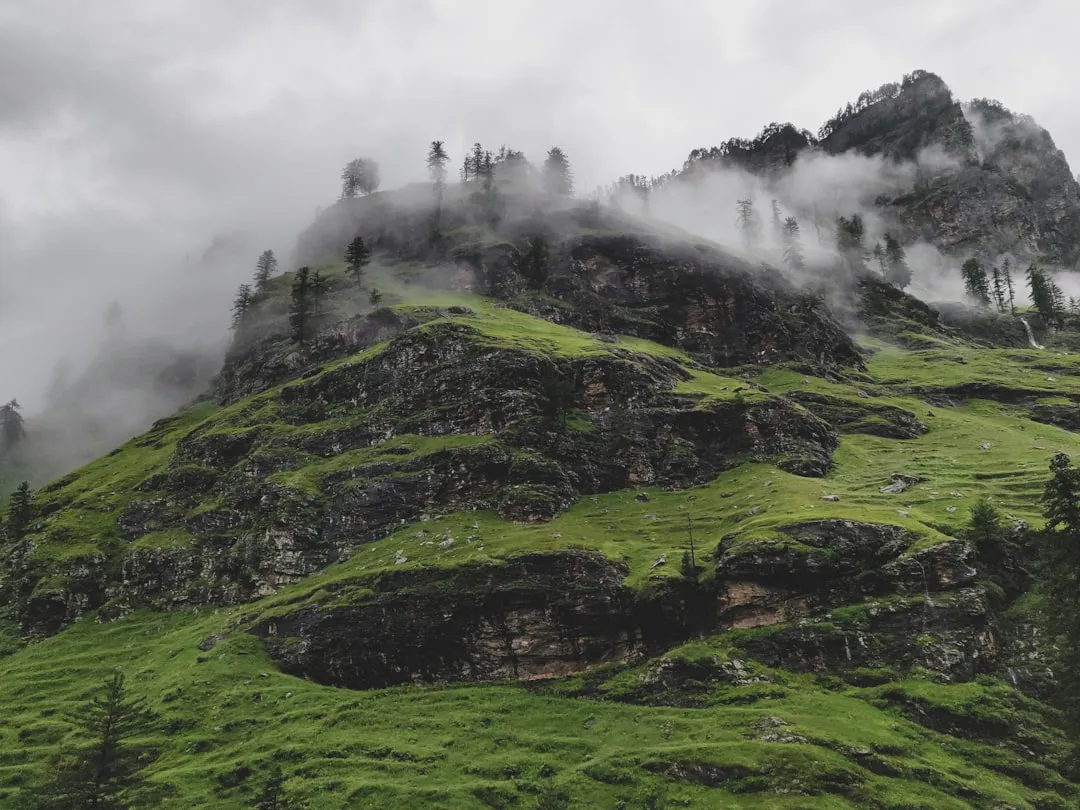
Har Ki Dun Trek - The Valley of Gods
The Har Ki Dun trek, often referred to as the "Valley of Gods," is a captivating journey into the heart of the Garhwal Himalayas in Uttarakhand, India. This moderate-difficulty trek spans approximately 47 kilometres, typically completed over 6 to 8 days, and ascends to an elevation of around 3,566 metres. It winds through a landscape of unparalleled natural beauty, showcasing dense pine forests, alpine meadows, and the majestic snow-capped peaks of Swargarohini and Bandarpoonch. The trail is renowned for its cultural significance, passing through ancient villages that offer a glimpse into the traditional Himachali way of life, and its ecological richness, being part of the Govind Pashu Vihar National Park, a sanctuary for rare flora and fauna, including the elusive snow leopard.
- Distance: 47.0 km one-way
- Duration: 6-8 days
- Season: April-June and September-November
- Huts/Campsites: Basic campsites and forest rest houses along the route
- Highest point: Har Ki Dun Valley (approx. 3,566 m)
- Daily walkers: Variable, generally less crowded than popular Himalayan treks
- Direction: Out-and-back route from Sankri
Overview
The Har Ki Dun trek is a quintessential Himalayan experience, offering a perfect blend of challenging trekking, breathtaking scenery, and rich cultural immersion. The trail begins in the quaint village of Sankri, a gateway to the Govind Pashu Vihar National Park. From Sankri, the path gradually ascends through dense forests of pine, oak, and deodar, following the turquoise waters of the Tons River. The initial days are characterised by a gentle climb, allowing trekkers to acclimatise and soak in the serene environment.
As the trek progresses, the landscape opens up to reveal vast alpine meadows dotted with wildflowers, particularly vibrant during the spring and early summer months. The higher reaches offer panoramic views of formidable peaks like Swargarohini (6,252 m) and Bandarpoonch (6,316 m), whose snow-clad summits create a dramatic backdrop. The Har Ki Dun valley itself is a wide, U-shaped glacial valley, carpeted with lush green grass and surrounded by towering mountains. The presence of ancient temples dedicated to local deities adds a spiritual dimension to the trek, reinforcing its "Valley of Gods" moniker.
The trek is suitable for individuals with a moderate level of fitness and prior trekking experience. The altitude gain is significant but spread over several days, making it manageable. The trail is well-defined for most parts, but can be challenging in certain sections, especially during and immediately after the monsoon season. The remoteness of the region ensures a relatively uncrowded experience, allowing for a deeper connection with nature and local culture. The return journey retraces the same path, offering a different perspective on the landscapes encountered on the way up.
History and Cultural Context
The Har Ki Dun region has a deep-rooted history intertwined with local folklore and ancient traditions. For centuries, this valley has been considered sacred by the indigenous communities of the Garhwal Himalayas. The name "Har Ki Dun" translates to "The Valley of Gods," a testament to its spiritual significance. Local legends suggest that this is where the Pandavas, heroes of the epic Mahabharata, ascended to heaven. The presence of ancient temples, such as the one dedicated to Duryodhana in the nearby village of Taluka, further underscores the historical and mythological importance of the area.
The region was historically inhabited by various tribal communities who relied on agriculture, pastoralism, and forest resources for their livelihood. Their unique customs, architecture, and social structures have been preserved due to the valley's relative isolation. The traditional Himachali architecture, characterised by wooden houses with slate roofs, can still be observed in villages like Sankri and Taluka.
In more recent times, the Har Ki Dun trek gained popularity among trekkers and mountaineers seeking adventure in the Indian Himalayas. The establishment of the Govind Pashu Vihar National Park in 1980 has played a crucial role in conserving the region's rich biodiversity, including its unique flora and fauna. The park is named after Pandit Govind Ballabh Pant, a freedom fighter and the first Chief Minister of Uttar Pradesh. The trek offers a unique opportunity to witness the harmonious coexistence of nature and culture, a hallmark of the Garhwal region.
Seasonal Highlights and Weather Reality
The Har Ki Dun trek is best undertaken during two distinct seasons, each offering a unique experience:
Spring (April to June): This is arguably the most popular time to trek to Har Ki Dun. The snow begins to melt, revealing vibrant green meadows carpeted with a riot of wildflowers. The weather is generally pleasant, with clear skies and moderate temperatures during the day. However, nights can still be cold, especially at higher altitudes. This season offers excellent visibility of the surrounding snow-capped peaks and is ideal for photography. The Tons River is usually at its most picturesque, with clear, flowing water.
Autumn (September to November): Following the monsoon season, the autumn months bring crisp, clear air and stable weather conditions. The skies are typically a brilliant blue, offering stunning views of the Himalayan panorama. The forests turn golden and brown, creating a beautiful contrast with the white snow on the peaks. Temperatures are cooler than in spring, and the risk of rain is significantly lower. This season is also excellent for wildlife spotting, as animals tend to be more active before the onset of winter.
Monsoon (July to August): While the monsoon season brings lush greenery to the lower altitudes, it also brings heavy rainfall, increased humidity, and the risk of landslides. The trails can become slippery and treacherous, and visibility of the peaks is often obscured by clouds. River levels can rise significantly, making crossings dangerous. Therefore, trekking during the monsoon is generally not recommended for this route.
Winter (December to March): The winter months transform Har Ki Dun into a snow-laden wonderland. While beautiful, the trek becomes significantly more challenging, requiring advanced winter trekking skills, specialised equipment (snowshoes, ice axes, crampons), and experience in navigating snow-covered terrain. Temperatures drop well below freezing, and heavy snowfall can block trails. This period is suitable only for experienced winter trekkers.
Recommended Itinerary
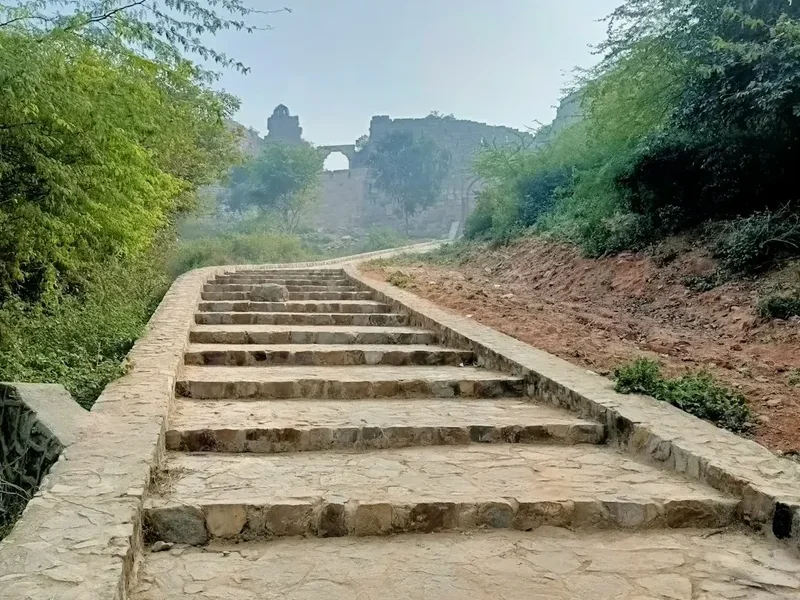
6-Day Har Ki Dun Trek Itinerary
Day 1: Dehradun to Sankri
- Distance: Approx. 200 km
- Time: 8-10 hours by road
- Start from Dehradun, the nearest major city and gateway to the trek.
- Travel by taxi or shared jeep to Sankri (1,880 m), a picturesque village nestled in the Tons River valley.
- The journey involves winding mountain roads with scenic views of forests and rivers.
- Check into a guesthouse or campsite in Sankri.
- Briefing about the trek, gear check, and acclimatisation.
- Settle in and enjoy the local Himachali hospitality.
Day 2: Sankri to Taluka, then Trek to Paunri Ghaat
- Distance: 12 km by road to Taluka, 11 km trek to Paunri Ghaat
- Elevation gain: Approx. 300 m
- Time: 1 hour drive to Taluka, 5-6 hours trekking
- After breakfast, drive to Taluka (2,100 m), the actual starting point of the trek.
- Begin trekking along the Tons River, passing through dense forests of pine and oak.
- The trail is relatively moderate with some ascents and descents.
- Reach Paunri Ghaat (2,400 m), a beautiful campsite by the river.
- Set up camp and relax amidst nature.
Day 3: Paunri Ghaat to Chilurgad
- Distance: 14 km
- Elevation gain: Approx. 400 m
- Time: 6-7 hours
- Continue trekking along the Tons River, the trail gradually ascending.
- Pass through charming villages and witness the local way of life.
- The landscape becomes more rugged and mountainous.
- Reach Chilurgad (2,800 m), a scenic campsite offering stunning views.
- Enjoy the tranquility of the mountains and prepare for the higher altitudes.
Day 4: Chilurgad to Har Ki Dun Valley
- Distance: 10 km
- Elevation gain: Approx. 766 m
- Time: 5-6 hours
- This is the final ascent to the Har Ki Dun Valley (3,566 m).
- The trail becomes steeper as you gain altitude.
- Pass through alpine meadows and witness the majestic peaks of Swargarohini and Bandarpoonch.
- Arrive at Har Ki Dun Valley, a vast, U-shaped glacial basin.
- Set up camp or stay in the basic forest rest house.
- Explore the valley and visit the ancient temples.
Day 5: Exploration Day / Return to Chilurgad
- Option 1: Explore the valley further, perhaps hiking towards Jaundhar Glacier or exploring the surrounding meadows.
- Option 2: Begin the descent back towards Chilurgad (2,800 m).
- Time: Variable for exploration, 3-4 hours for descent.
- Enjoy the serene beauty of Har Ki Dun in the morning.
- If descending, retrace your steps, enjoying the changing perspectives.
- Overnight at Chilurgad campsite.
Day 6: Chilurgad to Taluka, then drive to Sankri
- Distance: 24 km trek to Taluka, 12 km drive to Sankri
- Elevation loss: Approx. 700 m
- Time: 7-8 hours trekking, 1 hour drive
- Descend from Chilurgad back towards Taluka, retracing your steps.
- The descent is generally easier but requires careful footing.
- Reach Taluka and board your pre-arranged vehicle for the drive back to Sankri.
- Celebrate the completion of the trek with a hearty meal in Sankri.
- Overnight in Sankri.
Note: This itinerary can be extended to 7-8 days to allow for more exploration in the Har Ki Dun valley, a day trip to Ruinsara Lake, or a more relaxed pace.
Planning and Bookings
Book Your Trip
Everything you need to plan your journey
Accommodation
Find places to stay near Dehradun
Flights
Search flights to Dehradun
Essential Preparation
The Har Ki Dun trek requires careful planning, especially concerning logistics and permits. The closest major city and transportation hub is Dehradun. From Dehradun, you will need to arrange transport to Sankri, the base village for the trek. This journey typically takes 8-10 hours by road and can be done via taxi or shared jeep. It is advisable to book your transport in advance, especially during peak trekking seasons. Accommodation in Sankri ranges from basic guesthouses to campsites. It is recommended to book your accommodation in Sankri and your return transport from Taluka to Sankri in advance.
Fitness is paramount for this trek. While classified as moderate, the altitude gain and daily trekking distances require a good level of cardiovascular fitness and muscular endurance. Begin a training regimen at least 2-3 months prior to your trek, focusing on activities like hiking with a weighted backpack, running, cycling, and strength training. Acclimatisation is crucial; the itinerary is designed to allow for gradual ascent, but it is essential to listen to your body and report any symptoms of altitude sickness to your guide immediately.
It is highly recommended to trek with a registered local guide or a reputable trekking agency. They will assist with permits, logistics, and ensure your safety. They can also provide valuable insights into the local culture and environment. Ensure you have adequate travel insurance that covers high-altitude trekking and emergency evacuation.
Trail Accommodation
Accommodation along the Har Ki Dun trek is basic and primarily consists of campsites and a few forest rest houses. There are no luxury lodges or established hotels on the trail itself.
Sankri: Offers a range of options including guesthouses, homestays, and basic hotels. Some trekking agencies also set up campsites here. Booking in advance is recommended, especially during peak season.
Taluka: The trek officially begins from Taluka. There might be a basic forest rest house here, but most trekkers proceed to camp further along the trail.
Paunri Ghaat, Chilurgad, and Har Ki Dun Valley: These are the primary camping locations. Trekkers typically set up their own tents. Some trekking agencies may arrange for pre-pitched tents. There are basic forest rest houses at some of these locations (e.g., Har Ki Dun), but these are often rudimentary and require prior booking through the forest department, which can be challenging to secure independently. Facilities at these campsites are minimal, usually limited to open spaces for pitching tents and access to water sources.
Facilities Provided:
- Designated camping areas.
- Access to natural water sources (stream water, which should be treated).
- Basic toilet facilities (pit toilets or designated areas) may be available at some established campsites or rest houses.
What's NOT Provided:
- Tents, sleeping bags, sleeping mats (unless arranged through a trekking agency).
- Food and cooking equipment (you must carry your own or arrange with an agency).
- Hot water or showers.
- Electricity or charging facilities.
- Flush toilets or modern sanitation.
- Medical facilities (carry a comprehensive first-aid kit).
Seasonal Availability: Campsites are generally accessible from April to June and September to November. Winter trekking requires specialised camping gear and experience due to heavy snowfall.
Costs: Campsite fees are usually nominal if any. Forest rest house charges vary and require advance booking. The primary cost will be associated with hiring a trekking agency or guide, which includes camping equipment, food, and permits.
Required Gear
- Trekking Boots: Waterproof, sturdy, ankle-supporting trekking boots that are well broken-in.
- Backpack: A 45-60 litre trekking backpack with a rain cover.
- Clothing:
- Moisture-wicking base layers (thermals).
- Insulating mid-layers (fleece jacket, down jacket).
- Waterproof and windproof outer shell jacket and trousers.
- Trekking trousers (quick-drying).
- Warm hat (beanie) and gloves.
- Sun hat or cap.
- Sleeping Gear: A warm sleeping bag (rated for at least -5°C to 0°C comfort) and a sleeping mat.
- Navigation: Map of the Har Ki Dun trek, compass, and GPS device or smartphone with offline maps.
- Safety Gear:
- First-aid kit with personal medications, blister treatment, pain relievers, antiseptic wipes, bandages.
- Headlamp or torch with extra batteries.
- Sunscreen (SPF 30+ or higher).
- Sunglasses.
- Whistle.
- Personal Locator Beacon (PLB) or satellite phone (highly recommended for remote areas).
- Trekking Poles: Highly recommended for stability and reducing strain on knees.
What to Bring
- Food: High-energy, non-perishable food items for the duration of the trek. This includes breakfast cereals, energy bars, nuts, dried fruits, instant noodles, soup packets, and ready-to-eat meals. Ensure you carry enough for the planned duration plus at least one extra day.
- Water Treatment: Water filter or purification tablets. While streams are present, it is essential to treat all drinking water.
- Cooking Equipment: Lightweight camping stove, fuel, cooking pot, mug, bowl, spoon/fork, lighter/matches.
- Toiletries: Biodegradable soap, toothbrush, toothpaste, toilet paper, hand sanitiser, wet wipes.
- Personal Items: Camera, power bank for electronics, insect repellent, lip balm with SPF, small towel.
- Documents: Identification (ID card/passport), permits, emergency contact information.
- Cash: Sufficient Indian Rupees for any local purchases, tips, or unforeseen expenses. ATMs are not available on the trek.
Permits
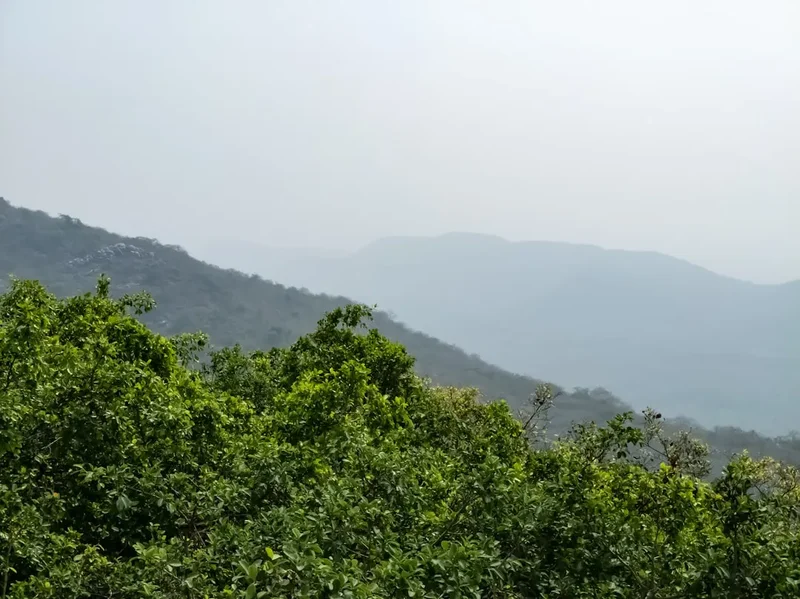
Trekking to Har Ki Dun requires permits, primarily for entry into the Govind Pashu Vihar National Park. These permits are essential for responsible trekking and contribute to the conservation efforts in the region.
National Park Entry Permit:
- All trekkers must obtain an entry permit for the Govind Pashu Vihar National Park.
- These permits can typically be obtained from the Forest Department office in Dehradun or at the forest check post in Sankri.
- It is advisable to secure these permits in advance, especially if you are travelling independently. Trekking agencies usually handle this as part of their package.
- The permit fee is nominal and varies, but usually ranges from INR 150 to INR 300 per person for the duration of the trek.
Camping/Accommodation Permits:
- If you plan to stay in the forest rest houses at locations like Har Ki Dun, separate booking and permits are required.
- These rest houses are managed by the Uttarakhand Forest Department and have limited capacity.
- Bookings for forest rest houses should ideally be made well in advance through the Divisional Forest Officer (DFO) in Dehradun or the local forest office in Sankri. Independent booking can be challenging due to limited availability and administrative processes.
- If you are using a trekking agency, they will typically arrange these bookings for you.
Registration:
- In addition to permits, trekkers may be required to register their trek details at the forest check post in Sankri. This is a safety measure to keep track of trekkers in the region.
- Ensure you carry a copy of all your permits and registration documents with you throughout the trek.
Important Considerations:
- Always check the latest permit requirements and fees with the local Forest Department or your trekking agency before your trip, as regulations can change.
- Trekking without the necessary permits can result in fines or being denied entry into the national park.
- Respect the rules and regulations of the national park to ensure its preservation.
Other Activities in the Area
While the Har Ki Dun trek is the primary attraction, the surrounding region offers several other activities and points of interest for those with extra time or a desire to explore further:
- Ruinsara Lake: A stunning alpine lake located a few hours' trek from Har Ki Dun. It is known for its pristine beauty and the surrounding meadows, making it an excellent day hike or an optional overnight camping spot. The lake is considered sacred by the locals.
- Jaundhar Glacier: For the more adventurous, a trek towards the Jaundhar Glacier from Har Ki Dun offers a glimpse of glacial landscapes and challenging terrain. This is a strenuous excursion and requires good fitness and potentially a guide.
- Local Village Exploration: Spend time in villages like Sankri, Taluka, and Osla to experience the unique culture, architecture, and lifestyle of the Garhwali people. Observe their traditional farming practices and interact with the friendly locals.
- Temples and Monasteries: Visit the ancient temples in Har Ki Dun valley, dedicated to local deities like Duryodhana and Lord Shiva. These sites hold significant cultural and religious importance for the local communities.
- Wildlife Spotting: Govind Pashu Vihar National Park is a sanctuary for various species, including the Himalayan black bear, musk deer, and the elusive snow leopard. While spotting these animals is rare, the possibility adds an element of excitement to the trek. Birdwatching is also rewarding, with numerous species found in the diverse habitats.
- Photography: The entire region is a photographer's paradise, offering breathtaking landscapes, vibrant flora, traditional villages, and majestic mountain vistas.
Safety and Conditions
Altitude Sickness (AMS):
- Har Ki Dun is at an altitude of 3,566 metres. Altitude sickness can affect anyone, regardless of fitness level.
- Symptoms include headache, nausea, dizziness, fatigue, and shortness of breath.
- Ascend gradually, stay hydrated, avoid alcohol and smoking, and eat light meals.
- If symptoms worsen, descend immediately. Inform your guide or group leader about any symptoms.
Weather:
- Mountain weather is unpredictable and can change rapidly. Be prepared for sun, rain, wind, and even snow, especially at higher altitudes.
- Carry appropriate layered clothing and waterproof gear.
- Check weather forecasts before starting your trek and be aware of any warnings.
Trail Conditions:
- The trail can be steep, rocky, and slippery, especially after rain or during the monsoon season.
- Wear sturdy, broken-in trekking boots with good grip.
- Trekking poles are highly recommended for stability and to reduce strain on your knees.
- Be cautious on narrow paths and river crossings.
Wildlife:
- The region is home to various wild animals. Maintain a safe distance and never feed them.
- Be aware of potential encounters with bears or other large mammals. Make noise while walking to alert them of your presence.
Communication:
- Mobile phone connectivity is extremely limited or non-existent on most parts of the trek.
- Consider carrying a satellite phone or a Personal Locator Beacon (PLB) for emergencies.
- Inform your family or friends about your itinerary and expected return date.
Emergency Preparedness:
- Carry a comprehensive first-aid kit and know how to use it.
- Have emergency contact numbers readily available.
- Trekking with a local guide is strongly advised for safety and navigation.
- Ensure you have adequate travel insurance that covers high-altitude trekking and emergency evacuation.
Side Trips and Points of Interest
Har Ki Dun Valley Exploration: The valley itself is the main attraction. Spend ample time exploring its vast expanse, enjoying the panoramic views of the surrounding peaks. The valley floor is a gentle meadow, perfect for leisurely walks and photography. The ancient temples dedicated to Lord Shiva and Duryodhana are significant cultural landmarks within the valley.
Jaundhar Glacier: For those seeking a more challenging adventure, a day hike towards the Jaundhar Glacier is a rewarding experience. This excursion offers a closer look at glacial formations and the raw beauty of the high Himalayas. It requires good fitness and is best undertaken with a guide.
Ruinsara Lake: Located a few hours' trek from Har Ki Dun, Ruinsara Lake is a beautiful, serene alpine lake. The trek to the lake passes through picturesque meadows and offers stunning views. It is an ideal spot for a day trip or an optional overnight camping experience, providing a different perspective of the region's natural beauty.
Osla Village: While not a side trip in the traditional sense, a stop or overnight stay in Osla village, on the descent, offers a unique cultural experience. Osla is known for its well-preserved traditional architecture and its unique customs, including the worship of Duryodhana. Interacting with the villagers provides insight into the local way of life.
Views of Swargarohini and Bandarpoonch: The Har Ki Dun valley offers unobstructed, breathtaking views of the iconic Swargarohini and Bandarpoonch peaks. These majestic mountains dominate the skyline and are a constant source of awe for trekkers. The changing light throughout the day offers different perspectives and photographic opportunities.
Leave No Trace
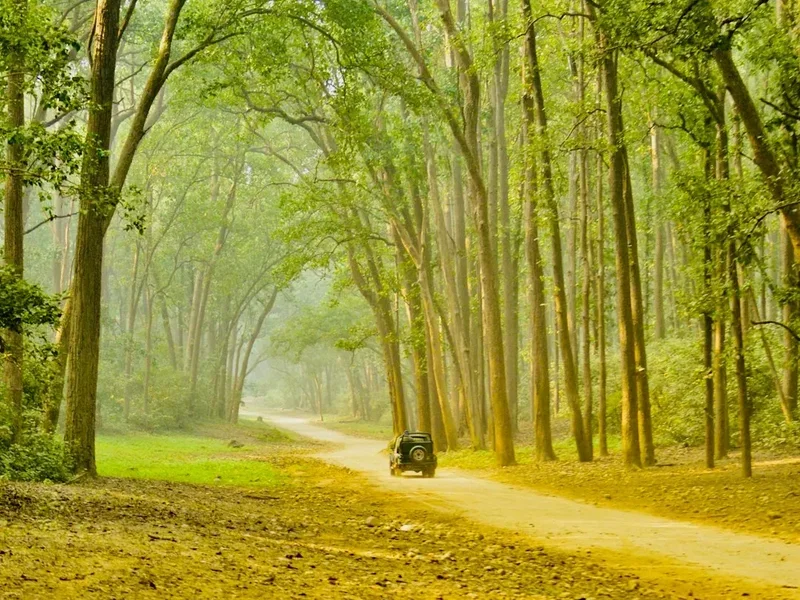
The Har Ki Dun trek traverses through the pristine environment of the Govind Pashu Vihar National Park, a fragile ecosystem that must be protected. Adhering to Leave No Trace principles is paramount to preserving its natural beauty and ecological integrity for future generations.
Plan Ahead and Prepare:
- Research the trail and regulations thoroughly.
- Pack appropriately to minimise waste and ensure you have the necessary gear.
- Organise your food to avoid excess packaging.
Travel and Camp on Durable Surfaces:
- Stick to the established trails to avoid damaging vegetation.
- Camp in designated areas or on bare ground, away from water sources and fragile plant life.
Dispose of Waste Properly:
- Pack out everything you pack in, including all food scraps, wrappers, and toilet paper.
- Use designated toilet facilities where available. If not, dig a cathole at least 60 metres away from water sources, trails, and campsites.
- Do not bury toilet paper; pack it out.
Leave What You Find:
- Do not remove any natural objects, such as rocks, plants, or flowers.
- Respect cultural heritage sites and avoid disturbing historical or archaeological features.
Minimise Campfire Impacts:
- Campfires are generally discouraged or prohibited in national parks due to the risk of wildfires and environmental damage.
- Use a lightweight camping stove for cooking.
Respect Wildlife:
- Observe wildlife from a distance. Never feed animals, as it disrupts their natural behaviour and diet.
- Store food securely to prevent attracting animals to your campsite.
Be Considerate of Other Visitors:
- Yield to other trekkers on the trail.
- Keep noise levels down to enjoy the natural sounds and respect the peace of others.
- Maintain a respectful attitude towards local communities and their customs.
By following these principles, you contribute to the conservation of the Har Ki Dun valley and ensure a positive experience for yourself and others.