
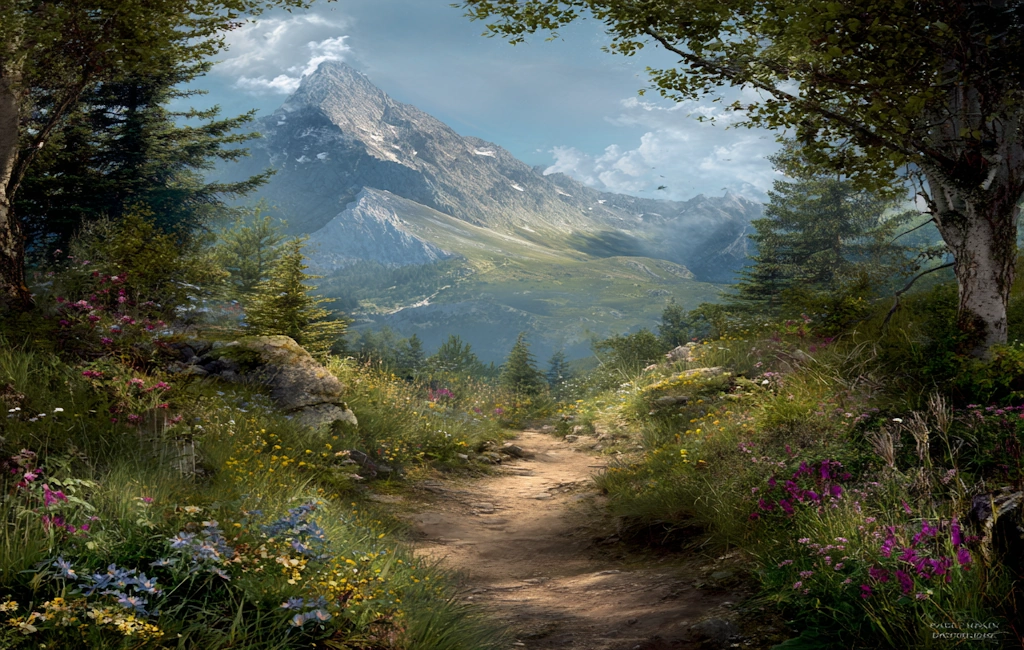
Hampta Pass Trek - A Himalayan Adventure
The Hampta Pass Trek is a captivating journey through the heart of the Indian Himalayas, offering a spectacular blend of lush green valleys, barren alpine landscapes, and breathtaking mountain vistas. Located in the Kullu Valley of Himachal Pradesh, this moderate-difficulty trek is renowned for its accessibility, stunning scenery, and the dramatic transition from the verdant Parvati Valley to the stark, arid Spiti Valley. It's a popular choice for trekkers seeking a taste of high-altitude adventure without extreme technical challenges.
- Distance: 35.0 km
- Duration: 4-5 days
- Season: May to October
- Difficulty: Moderate
- Highest point: Hampta Pass (4,270 m)
- Base Town: Manali
- Trailhead Access: Jobra
- Category: Mountain Track
Overview
The Hampta Pass Trek is a quintessential Himalayan experience, celebrated for its dramatic geographical contrasts and accessibility from the popular tourist town of Manali. The trek typically spans four to five days, allowing ample time to acclimatise and soak in the magnificent surroundings. It begins in the lush, pine-forested valleys near Manali, gradually ascending through charming meadows dotted with wildflowers and shepherd encampments. The trail follows the gurgling Hampta River, a tributary of the Beas River, offering constant companionship with the sound of flowing water.
As the trek progresses, the landscape undergoes a remarkable transformation. The dense forests give way to open alpine meadows, and the air becomes thinner and crisper. The ascent towards Hampta Pass (4,270 metres) is challenging but rewarding, culminating in a panoramic view of the surrounding snow-capped peaks and the stark, moon-like terrain of the Lahaul and Spiti region on the other side. This stark contrast between the verdant Kullu Valley and the arid Spiti Valley is a defining feature of the Hampta Pass experience.
The descent into the Spiti Valley leads trekkers through a landscape that feels almost otherworldly, with barren mountains, clear blue skies, and a profound sense of solitude. The trek concludes with a visit to the picturesque village of Chhatru, a gateway to the Spiti region, before returning to Manali. The Hampta Pass Trek is an ideal introduction to Himalayan trekking, offering a rich tapestry of natural beauty, cultural encounters, and a genuine sense of adventure.
History and Cultural Context
The Hampta Pass has historically served as a vital trade route connecting the fertile Kullu Valley with the remote, high-altitude desert region of Lahaul and Spiti. For centuries, this pass was traversed by traders, shepherds, and pilgrims, facilitating the exchange of goods and cultural ideas between these distinct Himalayan regions. The route allowed for the movement of essential supplies, agricultural produce, and livestock, playing a crucial role in the sustenance and economy of these isolated communities.
The Kullu Valley, often referred to as the "Valley of Gods," has a rich cultural heritage deeply intertwined with Hinduism and local animistic beliefs. Ancient temples dedicated to various deities dot the landscape, and festivals are celebrated with great fervour. The people of Kullu are known for their warm hospitality and their traditional way of life, which has been shaped by the agricultural rhythms of the valley and the influence of the surrounding mountains.
In contrast, the Lahaul and Spiti region, with its harsh, arid climate and Buddhist traditions, presents a starkly different cultural landscape. The monasteries, prayer flags, and the resilient spirit of the local people reflect a unique adaptation to life in one of the world's highest inhabited regions. The Hampta Pass Trek offers a unique opportunity to witness this cultural juxtaposition, as trekkers transition from the vibrant, green Kullu Valley to the austere, spiritual realm of Spiti.
The modern trekking route largely follows these ancient pathways, preserving the historical significance of the pass. The trek is a testament to the enduring human connection with these formidable mountains and the ingenuity of those who have navigated them for generations.
Seasonal Highlights and Weather Reality
The Hampta Pass Trek is best undertaken during the summer and early autumn months, when the weather is relatively stable and the trails are clear of snow. The trekking season typically runs from May to October.
May and June: These months mark the beginning of the trekking season. The valleys are lush and green, with wildflowers in full bloom. The weather is generally pleasant, with clear skies and moderate temperatures during the day. However, nights can still be cold, especially at higher altitudes. Snow may still be present on the higher reaches of the pass in early May.
July and August: This is the peak monsoon season in the Indian Himalayas. While the lower reaches of the Kullu Valley might experience rain, the higher altitudes, including the Hampta Pass and the Spiti side, often remain relatively dry due to the rain shadow effect. The landscape is at its most vibrant, with swollen rivers and abundant greenery. However, there is an increased risk of landslides and road closures due to heavy rainfall, particularly on the approach to the trailhead.
September and October: These months offer some of the best trekking conditions. The monsoon has receded, and the skies are typically clear, offering excellent visibility of the surrounding peaks. The autumn colours begin to appear in the valleys, adding another layer of beauty to the landscape. The temperatures start to drop, especially at night, and snow can begin to fall on the higher passes towards the end of October. This period is ideal for photography and enjoying panoramic views.
Weather Considerations: Despite the general seasonal patterns, Himalayan weather is notoriously unpredictable. Trekkers should be prepared for sudden changes, including rain, snow, strong winds, and significant temperature fluctuations, especially at higher altitudes. Acclimatisation is crucial to mitigate the risks of altitude sickness.
Recommended Itinerary
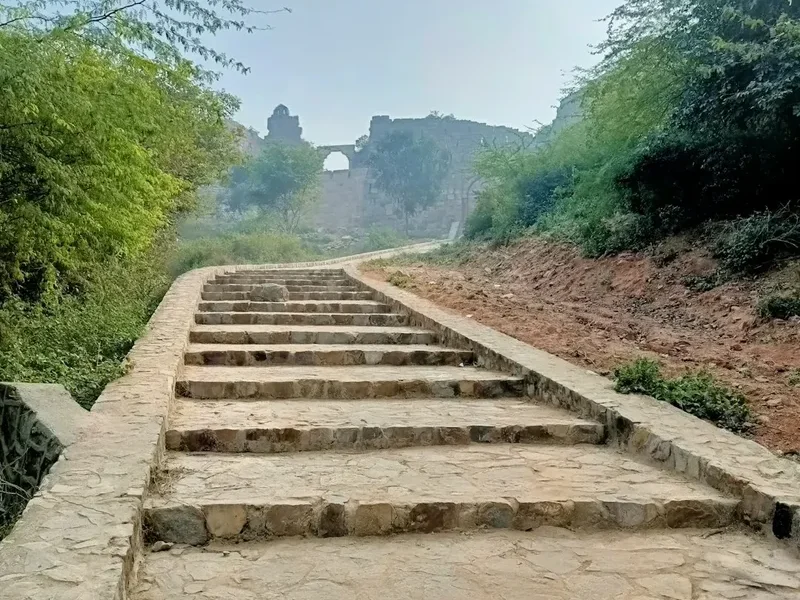
4-Day Hampta Pass Trek Itinerary
Day 1: Manali to Jobra (Drive) and Trek to Chika
- Distance: 6.5 km
- Elevation gain: 200 m
- Time: 3-4 hours
- Morning drive from Manali to Jobra (approx. 2-3 hours, depending on road conditions)
- The drive offers scenic views of the Kullu Valley
- Trailhead at Jobra, situated amidst pine forests
- Gentle ascent through dense pine and deodar forests
- Cross the Hampta River via a small wooden bridge
- Reach Chika, a beautiful meadow beside the river
- Set up camp at Chika
- Enjoy the serene surroundings and the sound of the river
Day 2: Chika to Balu ka Ghera
- Distance: 9.0 km
- Elevation gain: 600 m
- Time: 5-6 hours
- Trek through open meadows and rocky terrain
- The trail gradually ascends, offering wider views of the valley
- Pass through areas with shepherd encampments
- Cross small streams and rivulets
- Reach Balu ka Ghera, a large, flat sandy ground (meaning "heap of sand")
- Spectacular views of the surrounding peaks, including Deo Tibba
- Camp at Balu ka Ghera
- This day involves a steady climb, preparing you for the pass
Day 3: Balu ka Ghera to Hampta Pass and descend to Shea Goru
- Distance: 14.0 km
- Elevation gain: 1,000 m to pass, 700 m descent
- Time: 7-9 hours
- Early morning start for the ascent to Hampta Pass (4,270 m)
- The trail becomes steeper and more challenging
- Cross snow patches, especially early in the season
- Reach the summit of Hampta Pass, marked by prayer flags
- Enjoy breathtaking panoramic views of the Kullu Valley on one side and the stark Spiti Valley on the other
- Begin the descent into the Spiti Valley
- The landscape dramatically changes to a barren, rocky terrain
- Reach Shea Goru, a campsite with a stream
- Camp at Shea Goru
- This is the most challenging day, involving a significant ascent and descent
Day 4: Shea Goru to Chhatru and Drive to Manali
- Distance: 8.0 km
- Elevation loss: 700 m
- Time: 3-4 hours
- Descend from Shea Goru towards Chhatru
- The trail is mostly downhill, with some undulating sections
- Pass through a more arid and rugged landscape characteristic of Spiti
- Reach Chhatru, a small settlement and a common base for exploring Spiti
- From Chhatru, board a pre-arranged vehicle for the drive back to Manali
- The drive from Chhatru to Manali is scenic, passing through different terrains
- Arrive in Manali by evening
Optional Day 5: Buffer Day or Exploration
- This day can be used as a buffer in case of weather delays or for further exploration around Manali or Chhatru.
- Alternatively, it can be used to visit nearby Spiti villages like Chandratal Lake (requires additional time and permits).
Important Notes:
- This itinerary is a guideline and can be adjusted based on weather conditions and group pace.
- Acclimatisation is crucial. Spend at least one day in Manali before starting the trek.
- Carry sufficient food and water, as facilities are limited on the trail.
- Permits may be required for certain sections or for camping in specific areas; check with local authorities.
- The drive from Manali to Jobra and from Chhatru to Manali can be rough and is subject to road conditions.
Planning and Bookings
Book Your Trip
Everything you need to plan your journey
Accommodation
Find places to stay near Manali
Flights
Search flights to Manali
Essential Preparation
The Hampta Pass Trek is a moderate-level trek, but proper preparation is essential for a safe and enjoyable experience. Given its popularity, booking with a reputable trekking agency is highly recommended, especially for first-time trekkers. Agencies handle logistics such as permits, transportation, accommodation (tents), meals, and guide services.
Fitness: A good level of physical fitness is required. Regular cardiovascular exercise, including hiking, running, or cycling, for at least 1-2 months prior to the trek is advisable. Focus on building stamina and leg strength. Practice hiking with a backpack to get accustomed to the weight.
Logistics: The closest major city to Manali is Chandigarh, which has good rail and air connectivity. From Chandigarh, you can take a bus or hire a taxi to Manali. Manali itself is a bustling tourist town with numerous guesthouses, hotels, and restaurants. It serves as the primary base for organising the Hampta Pass Trek. Ensure you have arranged your transport to and from Manali well in advance, especially during peak season.
Base Town Information: Manali is situated at an altitude of approximately 2,050 metres. It offers all the necessary amenities for trekkers, including gear rental shops, pharmacies, ATMs, and internet cafes. It's advisable to spend at least one full day in Manali for acclimatisation and last-minute preparations before commencing the trek.
Trail Accommodation
The Hampta Pass Trek is primarily a camping trek. Accommodation is provided in tents, with campsites set up in designated areas along the route.
Campsites:
- Chika: A popular campsite located in a beautiful meadow beside the Hampta River. Offers relatively flat terrain for pitching tents.
- Balu ka Ghera: A large, sandy expanse that serves as an excellent campsite. It provides stunning views of the surrounding peaks.
- Shea Goru: Located in the Spiti region, this campsite is situated near a stream and offers a starkly beautiful, arid landscape.
Facilities Provided:
- Tents for accommodation (usually two-person sharing)
- Sleeping bags and sleeping mats
- Common dining tent
- Portable toilets (in some organised treks)
- Basic first-aid kit
What's NOT Provided:
- Personal toiletries
- Sleeping bag liners
- Pillows (though you can use your extra clothes)
- Hot water for bathing (only cold water from streams is available)
- Electricity for charging devices (carry power banks)
Seasonal Availability: Campsites are generally accessible and safe from May to October. Outside this period, heavy snowfall can make the route impassable and campsites inaccessible.
Costs: The cost of accommodation is typically included in the overall trekking package organised by agencies. Prices vary depending on the agency, duration, and inclusions, but expect to pay anywhere from ₹8,000 to ₹15,000 per person for a 4-5 day trek.
Required Gear
- Trekking Boots: Waterproof, sturdy, and well-broken-in trekking boots with good ankle support are essential.
- Backpack: A 45-60 litre backpack with a rain cover. Ensure it fits comfortably and has a good hip belt.
- Clothing:
- Moisture-wicking base layers (thermals)
- Insulating mid-layers (fleece jacket or down jacket)
- Waterproof and windproof outer jacket (Gore-Tex or similar)
- Waterproof and windproof overtrousers
- Trekking trousers (quick-drying, avoid jeans)
- Warm hat (beanie) and gloves
- Sun hat or cap
- Navigation: While guides are provided, carrying a map and compass or a GPS device is advisable for experienced trekkers. A downloaded offline map on your phone is also useful.
- Safety Gear:
- First-aid kit (including personal medications, blister treatment, pain relievers)
- Headlamp or torch with extra batteries
- Sunscreen (SPF 50+)
- Sunglasses (UV protection)
- Whistle
- Personal Locator Beacon (PLB) or satellite phone (highly recommended for remote areas)
What to Bring
- Food and Water:
- High-energy snacks (nuts, dried fruits, energy bars, chocolate)
- Water bottles or hydration reservoir (minimum 2-litre capacity)
- Water purification tablets or a water filter (essential for treating stream water)
- Toiletries:
- Biodegradable soap and shampoo
- Toothbrush and toothpaste
- Toilet paper (carry a small amount in a waterproof bag)
- Hand sanitiser
- Moisturiser and lip balm with SPF
- Personal Items:
- Camera and extra batteries/power bank
- Personal identification (ID card, passport)
- Cash (for emergencies, tips, and local purchases)
- Trekking poles (highly recommended for stability and reducing knee strain)
- Small towel (quick-drying)
- Book or journal for downtime
- Duct tape (for repairs)
- Ziploc bags (for waterproofing small items)
Permits
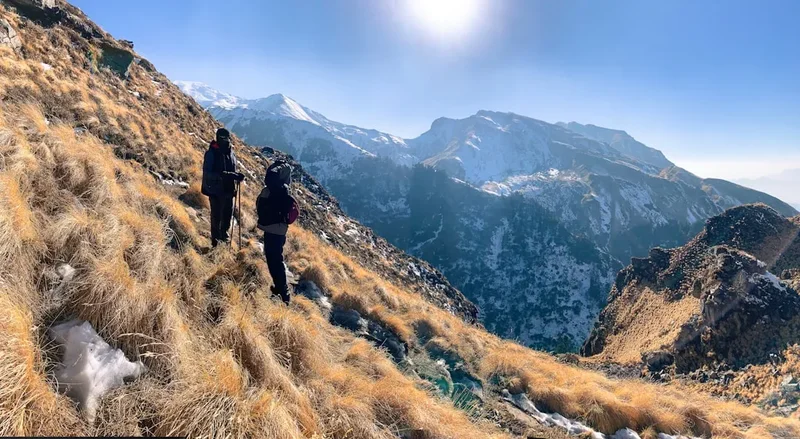
For the standard Hampta Pass Trek, specific permits are generally not required for individual trekkers or small groups, especially when organised through a registered trekking agency. However, regulations can change, and it's always advisable to confirm the latest requirements with your chosen agency or local tourism authorities in Manali.
Key Considerations:
- Agency Arrangements: Reputable trekking agencies typically handle all necessary permissions and liaison with local forest departments or authorities as part of their package. This often includes permits for camping in designated areas.
- National Park Entry: While the trek passes through areas that are part of the larger Himalayan ecosystem, it doesn't typically enter a strictly regulated national park that mandates individual entry permits for the standard route.
- Spiti Region Access: If your itinerary extends into the core Spiti Valley beyond Chhatru, or if you plan to visit sensitive areas like Chandratal Lake, Inner Line Permits (ILP) might be required for foreign nationals and sometimes for Indian nationals, depending on the specific region and current government regulations. These are usually obtained in Shimla or Kaza.
- Environmental Fees: Some regions may have nominal environmental fees, which are usually incorporated into agency costs.
- Group Size Limitations: While not a strict permit requirement for Hampta Pass, very large groups might need to inform local authorities.
Recommendation: Always consult with your trekking operator well in advance. They will have the most up-to-date information on permit requirements and will ensure all necessary documentation is in order for your trek.
Other Activities in the Area
Beyond the Hampta Pass Trek, the Kullu and Spiti Valleys offer a wealth of experiences for travellers:
- Manali Exploration: Visit the Hadimba Devi Temple, explore the bustling Mall Road, relax in the Vashisht hot springs, or take a day trip to Solang Valley for adventure sports like paragliding and zorbing.
- Spiti Valley Circuit: For those with more time, extending the journey into the Spiti Valley is highly recommended. This can include visiting ancient monasteries like Key Monastery and Tabo Monastery, exploring the high-altitude villages of Kaza and Kibber, and witnessing the stark beauty of the desert landscape.
- Chandratal Lake: Often referred to as the "Moon Lake," Chandratal is a stunning crescent-shaped lake in the Spiti region, known for its ethereal beauty and changing colours. It requires an additional day or two to visit from Chhatru.
- Bhrigu Lake Trek: A shorter, moderate trek from Manali that leads to a sacred glacial lake, offering beautiful alpine scenery.
- Malana Village: Visit the unique village of Malana, known for its distinct culture, ancient traditions, and independent governance.
- River Rafting: The Beas River offers opportunities for white-water rafting, particularly in the stretch near Kullu.
Safety and Conditions
Altitude Sickness (AMS): The Hampta Pass reaches an altitude of 4,270 metres. Altitude sickness is a serious concern. Symptoms include headache, nausea, dizziness, and fatigue. To prevent AMS:
- Acclimatise properly: Spend at least 1-2 days in Manali (2,050 m) before starting the trek.
- Ascend gradually: The itinerary is designed for gradual ascent, but listen to your body.
- Stay hydrated: Drink plenty of water (3-4 litres per day).
- Avoid alcohol and smoking: These can exacerbate AMS symptoms.
- Inform your guide: If you experience any symptoms, inform your guide immediately. They are trained to manage altitude-related issues.
Weather: Himalayan weather is unpredictable. Be prepared for sudden changes, including rain, snow, strong winds, and significant temperature drops, even during the trekking season. Carry appropriate waterproof and warm clothing.
Trail Conditions: The trail can be rocky, uneven, and steep in places. Snow patches are common on the pass, especially in early summer (May-June). Trekking poles are highly recommended for stability and to reduce strain on your knees.
River Crossings: You will encounter several stream and river crossings. These can be swift and deep, especially after rain. Your guide will assist you in crossing safely. Avoid crossing during heavy rainfall or when the water level is high.
Communication: Mobile phone network coverage is limited to non-existent once you leave Manali. Carry a power bank to keep your devices charged. For emergencies, consider carrying a satellite phone or a Personal Locator Beacon (PLB).
First Aid: Ensure you have a comprehensive first-aid kit. Your trekking agency will provide a basic kit, but it's wise to supplement it with personal medications and blister treatment supplies.
Guides and Porters: Hiring experienced local guides is crucial for safety and navigation. Porters can carry your main backpack, making the trek more manageable.
Emergency Evacuation: In case of a serious medical emergency, evacuation might be necessary. This can be expensive. Ensure you have adequate travel insurance that covers high-altitude trekking and emergency helicopter evacuation.
Side Trips and Points of Interest
Hampta Pass Summit: The primary objective of the trek, the pass at 4,270 metres offers a dramatic transition from the lush Kullu Valley to the arid Spiti region. The panoramic views from the summit are a major highlight, with snow-capped peaks stretching as far as the eye can see.
Deo Tibba Base: While not directly on the standard Hampta Pass route, the campsite at Balu ka Ghera offers views of the majestic Deo Tibba peak (6,001 m). For experienced trekkers, a detour towards the base of Deo Tibba can be arranged, offering a glimpse of a more challenging alpine environment.
Chhatru Village: The endpoint of the trek before the drive back to Manali. Chhatru is a small settlement that serves as a gateway to Spiti. It offers a basic glimpse into the life of people in this remote region and is a popular base for further exploration into Spiti.
Shepherd Camps: Along the route, particularly between Chika and Balu ka Ghera, you may encounter temporary camps of local shepherds with their flocks of sheep and goats. This offers a unique cultural insight into the traditional pastoral lifestyle of the Himalayas.
Flora and Fauna: Keep an eye out for the diverse flora and fauna of the region. The lower altitudes are rich in pine and deodar forests, while higher up, you'll find alpine meadows dotted with wildflowers. Birdlife is also abundant, and if you're lucky, you might spot some high-altitude mammals.
Leave No Trace
The Hampta Pass Trek traverses pristine natural environments, and it is imperative that all trekkers adhere to Leave No Trace principles to preserve the beauty and ecological integrity of the region for future generations.
Plan Ahead and Prepare:
- Organise your trek with a reputable agency that follows LNT principles.
- Pack appropriately to minimise waste.
- Familiarise yourself with the trail and potential hazards.
Travel and Camp on Durable Surfaces:
- Stick to the established trails to avoid damaging vegetation.
- Camp in designated campsites or on durable surfaces like rock, gravel, or dry grass. Avoid camping on fragile meadows.
Dispose of Waste Properly:
- Pack out everything you pack in, including all food scraps, wrappers, and toilet paper.
- Use designated toilets where available. If not, dig a cathole 6-8 inches deep, at least 60 m (70 steps) away from water sources, trails, and campsites. Pack out all toilet paper.
- Do not bury human waste or toilet paper.
Leave What You Find:
- Do not remove or disturb natural objects, plants, or cultural artifacts.
- Respect the local culture and traditions.
Minimise Campfire Impacts:
- Campfires are generally not permitted on organised treks due to environmental concerns and the availability of cooking fuel (gas stoves).
- If a campfire is absolutely necessary and permitted, use existing fire rings and keep fires small. Ensure the fire is completely extinguished before leaving.
Respect Wildlife:
- Observe wildlife from a distance. Do not feed animals, as it can disrupt their natural behaviours and diets.
- Store food securely to prevent attracting animals.
Be Considerate of Other Visitors:
- Yield to other trekkers on the trail.
- Keep noise levels down to enjoy the natural sounds and respect the peace of others.
By following these principles, you contribute to the conservation of the magnificent Himalayan landscape.