
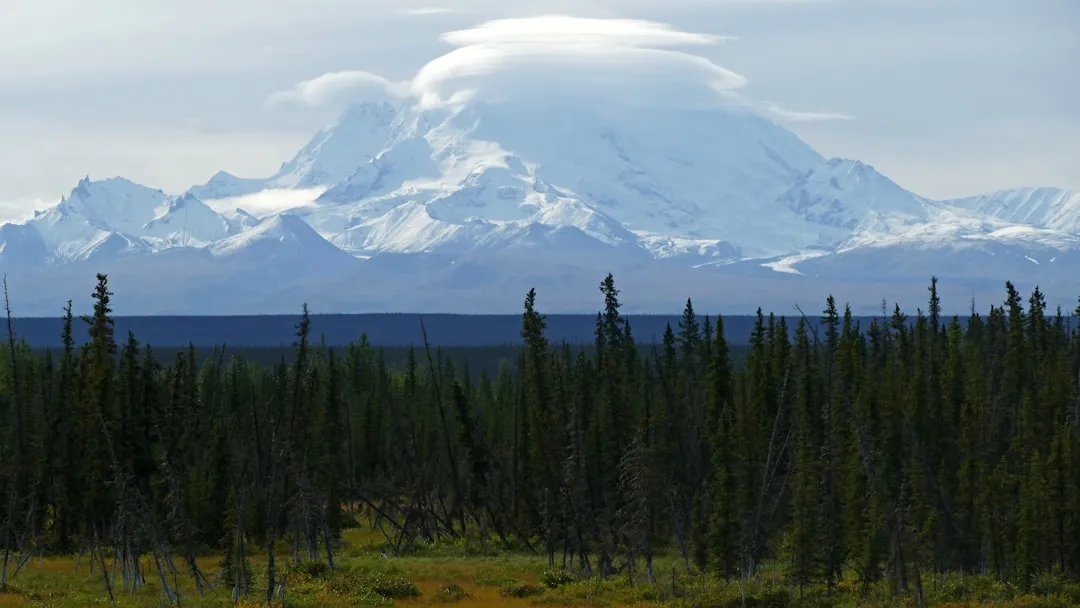
Grinnell Glacier Trail
The Grinnell Glacier Trail is a quintessential Glacier National Park experience, offering a challenging yet immensely rewarding day hike into the heart of the park's rugged backcountry. This iconic trail leads hikers to the edge of the Grinnell Glacier, a remnant of the last ice age, and provides unparalleled views of turquoise lakes, dramatic cirques, and towering peaks. It's a journey through a landscape sculpted by ice, a testament to the raw power of nature and a vivid reminder of the changing climate. The trail is renowned for its stunning scenery, abundant wildlife, and the sheer grandeur of its alpine environment. It is a must-do for any visitor seeking an immersive wilderness experience within the park.
- Distance: 17.1 km (round trip)
- Elevation Gain: 762 m
- Duration: 6–8 hours
- Difficulty: Challenging
- Best Time: July to September (when the trail is snow-free)
- Trailhead Access: Many Glacier area, Glacier National Park, Montana, USA
- Closest City: Whitefish, Montana
Overview
The Grinnell Glacier Trail is a strenuous but highly sought-after hike in Glacier National Park, Montana. It begins in the popular Many Glacier valley, a region celebrated for its dramatic scenery and accessibility to the park's interior. The trail ascends steadily, offering increasingly spectacular vistas as it climbs out of the forested valley floor and into the alpine zone. Hikers will traverse open meadows, rocky slopes, and cross several streams, with the ever-present backdrop of the park's iconic peaks.
The trail's namesake, Grinnell Glacier, is one of the park's most accessible glaciers, though it has receded significantly in recent decades, serving as a poignant indicator of climate change. Reaching the glacier's terminus provides a tangible connection to the forces that shaped this landscape. Along the way, the trail passes by Grinnell Lake and Josephine Lake, their vibrant turquoise hues a result of glacial silt suspended in the water. These lakes are often accessible via boat shuttle, which can shorten the hike but still requires significant elevation gain to reach the glacier itself.
Wildlife sightings are common, including mountain goats, bighorn sheep, marmots, and occasionally bears. The trail is well-maintained but steep in sections, requiring good physical fitness and appropriate gear. The panoramic views from the upper reaches of the trail, particularly as you approach the glacier, are breathtaking, encompassing vast glacial cirques, waterfalls, and the rugged peaks of the Lewis Range. This hike is a true immersion into the wild heart of Glacier National Park.
History and Cultural Context
The area now known as Glacier National Park has been inhabited by Indigenous peoples for thousands of years. The Blackfeet (Siksikaitsitapi) have a deep historical and spiritual connection to this land, which they call "The Backbone of the World." Their traditional territories encompass the eastern side of the park, and they have utilized the resources of the mountains for hunting, gathering, and spiritual practices for generations. The Grinnell Glacier area, with its abundant wildlife and dramatic landscapes, would have been a significant part of their ancestral lands.
The modern history of the Grinnell Glacier Trail is intertwined with the development of tourism in Glacier National Park during the late 19th and early 20th centuries. As the Great Northern Railway expanded westward, it promoted the park as a premier destination, marketing it as the "Switzerland of North America." The construction of the iconic lodges, such as the Many Glacier Hotel, and the development of hiking trails were part of this effort to attract visitors. George Grinnell, a prominent conservationist and advocate for the region, played a crucial role in the establishment of the park. He was instrumental in lobbying for its protection and was a passionate explorer of its wilderness. The glacier and the trail were named in his honour, recognizing his significant contributions to preserving this natural treasure.
The trail itself evolved from rudimentary game trails and early exploration routes. Over time, it was improved and formalised by the National Park Service to accommodate increasing visitor numbers. The construction of the trail involved significant labour, often by Civilian Conservation Corps (CCC) crews during the Great Depression, who built many of the park's enduring infrastructure elements. The trail's history is a narrative of exploration, conservation, and the ongoing effort to balance public access with the preservation of a fragile ecosystem.
Seasonal Highlights and Weather Reality
The Grinnell Glacier Trail is typically accessible from July through September. The exact opening and closing dates are highly dependent on snowpack and weather conditions. Early season (July) may still feature significant snowfields, especially on north-facing slopes and at higher elevations, which can make the trail challenging and require specialized gear like microspikes or an ice axe. By mid-August, most of the snow has usually melted, revealing the full extent of the trail and its wildflowers.
Summer (July–August): This is the peak season for hiking the Grinnell Glacier Trail. The weather is generally warmer, and the days are long, providing ample time for the hike. Wildflowers are often in full bloom, creating a vibrant tapestry of colour in the alpine meadows. Wildlife is also active during this period. However, summer also brings the highest number of visitors, so expect the trail and parking areas to be crowded. Afternoon thunderstorms are common and can develop rapidly, bringing lightning, heavy rain, and hail. It is crucial to start early to avoid these storms and to be prepared for rapidly changing conditions.
Early Autumn (September): September can offer crisp, clear days with fewer crowds and reduced insect activity. The foliage may begin to change, adding autumnal colours to the landscape. However, the weather becomes more unpredictable, with a higher chance of early snowstorms and colder temperatures. The trail may close due to snow at any time during September, so checking conditions before and during your hike is essential. The boat shuttle service typically ceases operations in early September, meaning a longer hike if you choose to walk the full distance to and from the trailhead.
Winter (October–June): The Grinnell Glacier Trail is impassable and dangerous during winter due to heavy snow, ice, and avalanche risk. The area is subject to extreme winter conditions, and attempting to hike it during this period is strongly discouraged and requires advanced winter mountaineering skills and equipment.
Recommended Itinerary
Grinnell Glacier Trail Day Hike Itinerary
Option 1: Hiking the Full Trail (Recommended for a complete experience)
- Early Morning (6:00 AM - 7:00 AM): Arrive at the Grinnell Glacier Trailhead near the Many Glacier Hotel. Parking is extremely limited and fills very early. Consider arriving the evening before and staying in the Many Glacier area or taking the park shuttle if available.
- Morning (7:00 AM - 11:00 AM): Begin the hike. The initial section is a steady climb through forested areas and open meadows. You will pass the turn-off for Grinnell Lake. Continue ascending towards the Grinnell Glacier Overlook.
- Midday (11:00 AM - 1:00 PM): Reach the Grinnell Glacier Overlook. This is a fantastic viewpoint, but the true destination is the glacier itself. Continue on the trail, which becomes rockier and steeper as it approaches the glacier.
- Afternoon (1:00 PM - 3:00 PM): Arrive at the Grinnell Glacier terminus. Spend time exploring the area, observing the glacier, and enjoying the panoramic views of the surrounding cirque, waterfalls, and turquoise lakes. Have lunch and take photographs.
- Late Afternoon (3:00 PM - 6:00 PM): Begin the descent back to the trailhead. The descent can be hard on the knees, so take your time.
- Evening (6:00 PM onwards): Arrive back at the trailhead.
Option 2: Using the Boat Shuttle (Reduces distance and elevation gain)
- Early Morning (8:00 AM - 9:00 AM): Take the first boat shuttle from the Many Glacier dock across Swiftcurrent Lake and Lake Josephine to the North Shore Boat Dock. Purchase tickets in advance as they sell out.
- Morning (9:00 AM - 11:00 AM): From the North Shore Boat Dock, begin your hike. This section of the trail is approximately 3.4 km (3.4 km) to the Grinnell Glacier Overlook and involves significant elevation gain.
- Midday (11:00 AM - 1:00 PM): Reach the Grinnell Glacier Overlook and continue towards the glacier.
- Afternoon (1:00 PM - 3:00 PM): Arrive at Grinnell Glacier.
- Late Afternoon (3:00 PM - 5:00 PM): Descend back to the North Shore Boat Dock to catch the return boat shuttle. Ensure you know the last departure time.
- Evening (5:00 PM onwards): Return to the Many Glacier dock via boat shuttle.
Key Waypoints and Features:
- Many Glacier Hotel
- Swiftcurrent Lake
- Lake Josephine
- North Shore Boat Dock (if using shuttle)
- Grinnell Lake Overlook
- Grinnell Glacier Overlook
- Grinnell Glacier terminus
- Multiple waterfalls and streams
- Alpine meadows and rocky terrain
Important Notes:
- Start as early as possible to avoid crowds and afternoon thunderstorms.
- Carry plenty of water and snacks. Water sources are available but should be treated.
- Be prepared for rapidly changing weather conditions.
- Carry bear spray and know how to use it. Make noise while hiking.
- Check trail conditions and weather forecasts before you go.
- The boat shuttle operates seasonally and requires advance booking.
Planning and Bookings
Book Your Trip
Everything you need to plan your journey
Accommodation
Find places to stay near Whitefish, Montana
Flights
Search flights to Whitefish, Montana
Essential Preparation
The Grinnell Glacier Trail is a challenging hike that requires careful planning. The most critical aspect is securing access to the Many Glacier area, as parking at the trailhead is extremely limited and fills by sunrise, often before the park officially opens. Visitors should consider staying at the Many Glacier Hotel or Swiftcurrent Motor Inn, or utilizing the park's shuttle system if it serves the Many Glacier area. If driving, arriving at the trailhead by 5:00 AM or 6:00 AM is often necessary during peak season. For those using the boat shuttle, tickets must be purchased in advance, as they sell out quickly. It is also essential to be physically prepared for a strenuous hike with significant elevation gain. Familiarise yourself with bear safety protocols and carry bear spray. Check the National Park Service website for current trail conditions, closures, and weather forecasts before your visit.
Trail Accommodation
This is a day hike requiring no overnight accommodation. Hikers typically base themselves in the Many Glacier area, which offers lodging options such as the historic Many Glacier Hotel and the Swiftcurrent Motor Inn. These accommodations require booking well in advance, often a year or more ahead of time, due to their popularity. Alternatively, visitors can stay in nearby towns like St. Mary or Babb, or in Whitefish, Montana, which requires a longer daily drive to the park entrance and trailhead. Camping is available at designated campgrounds within Glacier National Park, such as Apgar Campground or St. Mary Campground, but these also require reservations and are often booked far in advance.
Required Gear
- Sturdy hiking boots: Waterproof and broken-in, with good ankle support for rocky and uneven terrain.
- Backpack: A comfortable daypack (20-35 litres) to carry essentials.
- Waterproof and windproof jacket: Essential for protection against sudden rain showers and high winds, especially at higher elevations.
- Layers of clothing: Including moisture-wicking base layers, an insulating mid-layer (fleece or down), and a warm hat and gloves. Temperatures can fluctuate significantly.
- Navigation tools: A map of the area and a compass, or a GPS device/smartphone with downloaded offline maps. While the trail is generally well-marked, it's crucial to be prepared.
- Headlamp or flashlight: With extra batteries, in case of unexpected delays or early starts/late finishes.
- First-aid kit: Including blister treatment, bandages, antiseptic wipes, pain relievers, and any personal medications.
- Sun protection: High SPF sunscreen, sunglasses, and a wide-brimmed hat. The sun's intensity is high at altitude, even on cloudy days.
- Bear spray: And knowledge of how to use it. This is a critical safety item in bear country.
What to Bring
- Water: Carry at least 2-3 litres of water per person. Water sources are available along the trail (streams, lakes), but all water should be treated (filtered or purified) before drinking.
- Food: High-energy snacks and a packed lunch. Options include trail mix, energy bars, fruit, sandwiches, and jerky.
- Trekking poles: Highly recommended for stability on steep ascents and descents, and to reduce strain on knees.
- Insect repellent: Especially important during summer months to ward off mosquitoes and biting flies.
- Camera: To capture the stunning scenery.
- Binoculars: For wildlife viewing.
- Toilet paper and a small trowel: For emergencies if away from designated facilities. Pack out all used toilet paper.
- Hand sanitizer.
- Identification and park pass.
Permits
For day hiking the Grinnell Glacier Trail, a standard Glacier National Park entrance pass is required for each vehicle entering the park. This pass is valid for seven days. No separate permit is required for day hiking the Grinnell Glacier Trail itself. However, if you plan to camp overnight in the backcountry, a backcountry permit is mandatory and must be obtained in advance through a lottery system or on a first-come, first-served basis at park visitor centres. These permits are highly competitive, especially for popular areas like Many Glacier.
Vehicle Reservations: During peak season (typically late May through early September), Glacier National Park implements a vehicle reservation system for certain areas, including the Going-to-the-Sun Road and the Many Glacier corridor. Visitors will need to obtain a vehicle reservation for the Many Glacier area in addition to their park entrance pass to access the Grinnell Glacier Trailhead by car during these times. These reservations are released in advance and sell out very quickly. Check the official Glacier National Park website for the most up-to-date information on reservation requirements and release dates.
Boat Shuttle Tickets: If you plan to use the boat shuttle across Swiftcurrent Lake and Lake Josephine to shorten the hike, tickets must be purchased separately. These tickets are available for purchase online or in person at the Many Glacier Boat Company dock. It is highly recommended to purchase these tickets in advance, as they often sell out, especially for early morning departures.
Other Activities in the Area
The Many Glacier area offers a wealth of activities beyond the Grinnell Glacier Trail:
- Boat Tours on Swiftcurrent Lake and Lake Josephine: These scenic boat tours provide a relaxing way to experience the beauty of the lakes and offer different perspectives of the surrounding mountains. They can also serve as a shuttle to access other trailheads.
- Hiking to Grinnell Lake: A shorter, less strenuous hike that leads to the stunningly coloured Grinnell Lake. This can be combined with the boat shuttle for a shorter day.
- Iceberg Lake Trail: Another popular and challenging hike in the Many Glacier area, leading to a lake often dotted with icebergs even in summer.
- Ptarmigan Tunnel Trail: A longer, more strenuous hike that includes a unique, hand-dug tunnel through a mountain ridge, offering spectacular views.
- Wildlife Viewing: The Many Glacier area is renowned for its wildlife. Keep an eye out for mountain goats, bighorn sheep, moose, bears, and various bird species.
- Photography: The dramatic landscapes, turquoise lakes, and abundant wildlife make this area a photographer's paradise.
- Stargazing: Glacier National Park is an International Dark Sky Park, offering incredible opportunities for stargazing away from light pollution.
Safety and Conditions
Bear Safety: Glacier National Park is bear country. Always carry bear spray and know how to use it. Hike in groups of three or more, make noise (talk, sing, clap) to avoid surprising bears, and be aware of your surroundings. Store food properly and never feed wildlife.
Weather: Mountain weather can change rapidly. Be prepared for sun, rain, wind, and even snow, regardless of the season. Afternoon thunderstorms are common and can bring lightning. Start your hike early to avoid them. Check the forecast before you go and be prepared to turn back if conditions deteriorate.
Trail Conditions: The Grinnell Glacier Trail can be steep, rocky, and exposed in sections. Snow can linger on the trail well into July, especially on north-facing slopes. Check the National Park Service website for current trail conditions and closures before your hike. Microspikes or an ice axe may be necessary in early season.
Water: Carry sufficient water (at least 2-3 litres per person) and a water filter or purification tablets. While water sources are available, they should always be treated.
Altitude: The trail gains significant elevation. Be aware of the symptoms of altitude sickness and acclimatize if possible.
Navigation: While the trail is generally well-marked, it is essential to carry a map and compass or a GPS device with downloaded offline maps. Do not rely solely on your phone's GPS, as service can be unreliable.
Emergency: Cell service is limited to non-existent on most of the trail. Consider carrying a satellite communication device for emergencies. Inform someone of your hiking plans and expected return time.
Side Trips and Points of Interest
Grinnell Glacier Overlook: Even if you don't hike all the way to the glacier, the overlook provides a spectacular vantage point. From here, you can see the vastness of the cirque and the distant glacier, offering a sense of the scale of the landscape.
Grinnell Lake: A beautiful, turquoise lake accessible via a shorter hike or by combining the boat shuttle with a walk. The colour of the water, due to glacial flour, is stunning.
Waterfalls: Numerous waterfalls cascade down the steep valley walls, especially in early to mid-summer when snowmelt is at its peak. These add to the dramatic scenery and the soundscape of the hike.
Wildlife Viewing Opportunities: Keep an eye out for mountain goats and bighorn sheep often seen on the rocky slopes. Marmots are common in the alpine meadows, and bears are frequently sighted in the Many Glacier area.
Geological Features: Observe the U-shaped valleys, cirques, and moraines that are clear evidence of past glaciation. The exposed rock layers tell a story of millions of years of geological history.
The Grinnell Glacier itself: The ultimate point of interest. Witnessing this remnant of the ice age, even in its diminished state, is a powerful experience. Observe the ice formations, the meltwater streams, and the surrounding barren rock sculpted by its movement.
Leave No Trace
The Grinnell Glacier Trail traverses a fragile alpine environment. Adhering to Leave No Trace principles is crucial to preserving its beauty and ecological integrity for future generations.
- Plan Ahead and Prepare: Know the regulations, be aware of weather conditions, and pack appropriately.
- Travel and Camp on Durable Surfaces: Stay on the marked trail to avoid damaging vegetation and soil. Stick to established paths and viewpoints.
- Dispose of Waste Properly: Pack out everything you pack in, including all food scraps, wrappers, and toilet paper. Use designated restrooms where available. If caught short, dig a cathole at least 60 m (60 metres) from water, trails, and campsites.
- Leave What You Find: Do not remove rocks, plants, or any other natural objects. Take only photographs and memories.
- Minimize Campfire Impacts: Campfires are not permitted on this day hike.
- Respect Wildlife: Observe wildlife from a distance. Never feed animals, as it can harm their health and alter their natural behaviour. Store food securely.
- Be Considerate of Other Visitors: Yield to uphill hikers. Keep noise levels down and respect the wilderness experience of others.
By following these principles, you help ensure that the Grinnell Glacier Trail remains a pristine and awe-inspiring destination.
 USA
USA