
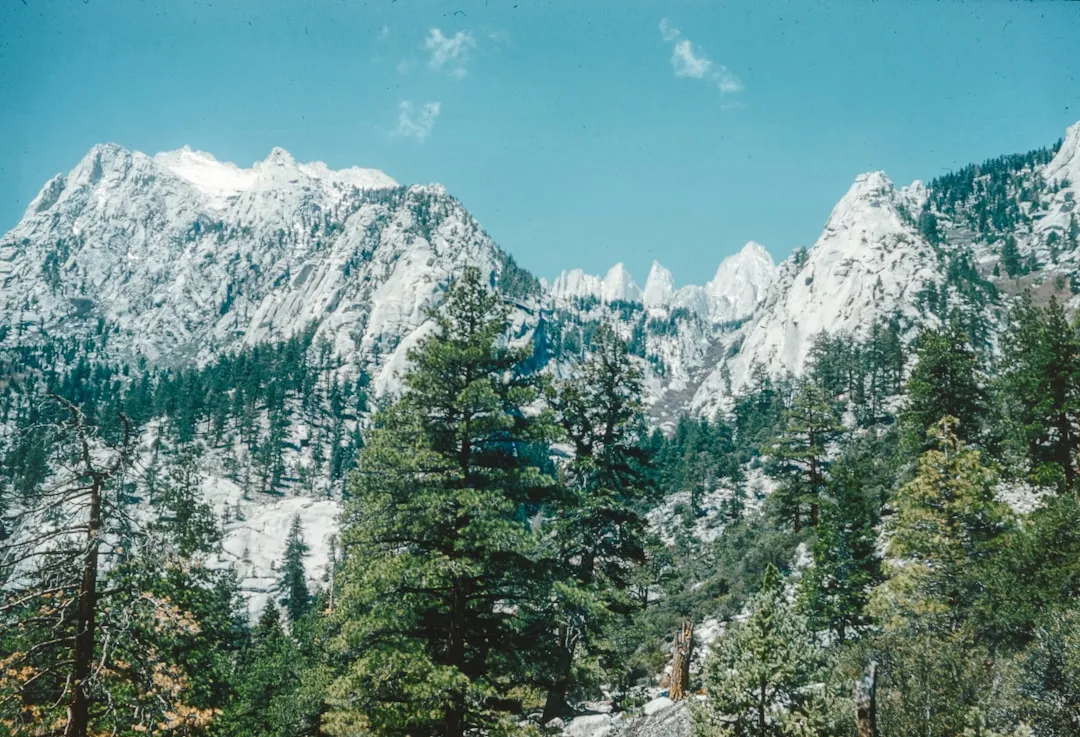
Griffith Observatory Hike
The Griffith Observatory Hike offers a quintessential Los Angeles experience, blending urban exploration with natural beauty. This popular day walk provides stunning panoramic views of the city, the Pacific Ocean, and the iconic Hollywood Sign, all accessible from the heart of Griffith Park. It's a relatively short but rewarding trek, suitable for most fitness levels, making it a must-do for visitors and locals alike. The trail winds through chaparral and coastal sage scrub, offering a glimpse into Southern California's native flora, while the observatory itself stands as a beacon of astronomical discovery and public engagement.
- Distance: 4.8 km (approximate, depending on starting point)
- Duration: 2-3 hours (including time at the observatory)
- Season: Year-round, but best during cooler months (October-April)
- Elevation gain: 200 m
- Difficulty: Moderate
- Closest City: Los Angeles
- Trailhead Access: Multiple access points within Griffith Park; parking is limited.
Overview
The Griffith Observatory Hike is not a single, defined trail but rather a network of paths and fire roads that converge on the iconic Griffith Observatory. The most common routes begin from the lower parking areas of Griffith Park, such as the Fern Dell Nature Trail or the areas near the Merry-Go-Round. These paths ascend gradually through the park's rolling hills, offering increasingly expansive vistas as you climb. The terrain is a mix of paved paths, well-maintained dirt trails, and fire roads, making it accessible for a wide range of hikers.
As you ascend, the urban sprawl of Los Angeles unfolds below. The view encompasses downtown skyscrapers, the sprawling residential areas, and the vast expanse of the Pacific Ocean on a clear day. The Hollywood Sign, a global symbol of the entertainment industry, is prominently visible from several vantage points along the trail, offering excellent photo opportunities. The air is often filled with the scent of sage and eucalyptus, characteristic of the Mediterranean climate of Southern California.
The destination, Griffith Observatory, is a landmark in itself. Perched atop Mount Hollywood, it offers not only breathtaking views but also fascinating exhibits on astronomy, space exploration, and the history of the observatory. The grounds surrounding the observatory are perfect for a picnic or simply to soak in the atmosphere and the unparalleled cityscape. The hike is a perfect blend of physical activity, natural scenery, and cultural enrichment, embodying the spirit of Los Angeles.
History and Cultural Context
Griffith Park, where the observatory is located, is one of the largest urban parks in North America, spanning over 1,200 hectares. Its creation and development are largely attributed to Colonel Griffith J. Griffith, a Welsh immigrant who made his fortune in mining and real estate. In 1896, he donated 3,015 acres of his land to the City of Los Angeles, with the stipulation that it be used as a public park and that an observatory, planetarium, and astronomical exhibit be built on the highest point, Mount Hollywood.
Griffith's vision was to make astronomy accessible to the public, believing that understanding the cosmos would elevate humanity. He funded the construction of the observatory, which opened its doors in 1935, during the Great Depression. The Art Deco building, designed by architects John C. Austin and Frederick M. Lyman, quickly became a beloved icon of the city. Its design was inspired by ancient Greek temples, with a distinctive copper dome and classical detailing.
The observatory has played a significant role in public education and scientific outreach for decades. It has been featured in numerous films and television shows, most notably the 1955 film "Rebel Without a Cause," which cemented its place in popular culture. Over the years, it has undergone renovations and expansions to incorporate modern technology and exhibits, ensuring its continued relevance as a centre for learning and inspiration. The trails leading to the observatory have been used by Angelenos for recreation and exercise for generations, connecting the community to the natural beauty within their urban environment.
Seasonal Highlights and Weather Reality
The Griffith Observatory Hike is a year-round destination, but certain times of the year offer a more pleasant experience. The best time to visit is during the cooler months, from October to April. During this period, the weather is generally mild, with average temperatures ranging from 15°C to 22°C. Mornings can be crisp, making for an invigorating hike, while afternoons are typically sunny and pleasant. This season also offers the clearest skies, ideal for enjoying the panoramic views and for stargazing at the observatory.
The summer months (May to September) can be quite hot, with temperatures frequently exceeding 30°C. Hiking during midday in summer is not recommended due to the intense sun and heat, which can lead to dehydration and heatstroke. If hiking during summer, it is essential to start very early in the morning, carry ample water, wear sun protection, and stick to shaded areas where possible. Evenings can offer a reprieve from the heat, making sunset hikes a popular option, though the observatory itself may have limited hours after dark.
Rainfall is infrequent in Los Angeles, but when it occurs, typically during the winter months (December to February), it can transform the landscape. The dry hills turn a vibrant green, and the air becomes fresh and clean. However, heavy rains can make some of the unpaved trails muddy and slippery, so caution is advised. Regardless of the season, it is always wise to check the weather forecast before your hike.
Recommended Itinerary
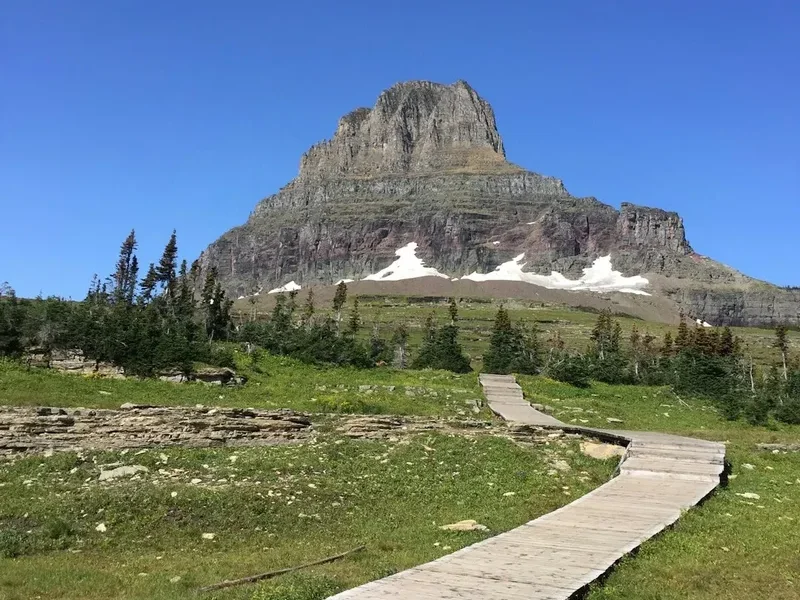
Griffith Observatory Hike - Sample Itinerary
Early Morning (approx. 8:00 AM): Start from Fern Dell Nature Trail
- Begin at the Fern Dell Nature Trail parking area, located off Fern Canyon Drive.
- This trailhead offers a shaded, pleasant start through a grove of ferns and native plants.
- The initial section is a paved path, gradually transitioning to a dirt trail as it begins to ascend.
- Enjoy the tranquil atmosphere of the park before the crowds arrive.
Morning (approx. 8:30 AM - 10:00 AM): Ascent via Fire Road/Trails
- Follow the signs for the Observatory Trail or the Fire Road.
- The path becomes steeper, offering your first expansive views of the city.
- Pass by various viewpoints where you can pause to admire the landscape and take photographs.
- Keep an eye out for the Hollywood Sign, which becomes increasingly visible as you gain elevation.
- The trail is well-maintained but can be exposed to the sun, so sun protection is advised.
Midday (approx. 10:00 AM - 12:00 PM): Arrive at Griffith Observatory & Explore
- Reach the Griffith Observatory.
- Spend time exploring the building's interior, including the Samuel Oschin Planetarium (show tickets may be required and booked separately) and the various astronomical exhibits.
- Step out onto the terraces for unparalleled 360-degree views of Los Angeles, the Pacific Ocean, and the surrounding mountains.
- Locate the best vantage points for viewing the Hollywood Sign.
- Consider a light snack or drink at the café if available.
Afternoon (approx. 12:00 PM - 1:00 PM): Descent and Departure
- Begin your descent back to the trailhead. You can retrace your steps or explore alternative paths for a slightly different perspective.
- The descent is generally quicker than the ascent.
- Return to the Fern Dell Nature Trail parking area.
- Total hiking time: approximately 2-3 hours, depending on pace and time spent at the observatory.
Alternative Starting Points:
- Griffith Park Merry-Go-Round: Offers a more direct, paved path to the observatory, often busier.
- Upper Fern Dell Parking: A slightly higher starting point, reducing the overall ascent.
- Griffith Park Drive: Various pull-offs and parking areas along the main park road offer access to trails.
Important Notes:
- Arrive early, especially on weekends and holidays, as parking is extremely limited.
- Carry plenty of water, even on cooler days.
- Wear comfortable, sturdy footwear.
- Sunscreen, a hat, and sunglasses are essential.
- Check the observatory's opening hours and planetarium show schedules in advance.
Planning and Bookings
Book Your Trip
Everything you need to plan your journey
Accommodation
Find places to stay near Los Angeles
Flights
Search flights to Los Angeles
Essential Preparation
The Griffith Observatory Hike is a popular urban excursion, and while it doesn't require extensive logistical planning like a multi-day wilderness trek, some preparation will enhance your experience. The primary challenge is often parking, especially during peak times. Arriving early in the morning, particularly on weekends or holidays, is highly recommended. Consider using rideshare services or public transportation if parking is a concern. The closest major airport is Los Angeles International Airport (LAX), approximately 45 minutes to 1.5 hours away depending on traffic and mode of transport. From LAX, you can take a taxi, rideshare, or a combination of public transit (bus and subway) to reach Griffith Park. If driving, navigate to Griffith Park and follow signs for the Observatory or specific trailheads like Fern Dell. Familiarise yourself with the park's layout and potential parking areas beforehand. While no specific permits are required for hiking in Griffith Park, be aware of park hours and any regulations regarding drones or amplified music.
Trail Accommodation
This is a day hike requiring no overnight accommodation.
Required Gear
- Footwear: Sturdy, comfortable walking shoes or hiking boots with good traction are recommended. Trainers are acceptable for the paved sections, but hiking boots offer better support on dirt trails.
- Clothing: Wear comfortable, breathable clothing suitable for the weather. Layers are advisable, as temperatures can change throughout the day and with elevation. A light jacket or fleece is useful for cooler mornings or evenings.
- Sun Protection: A wide-brimmed hat, sunglasses, and high-SPF sunscreen are essential due to the strong Southern California sun, even on cloudy days.
- Navigation: While the trails are generally well-marked, a basic map of Griffith Park or a reliable GPS app on your phone can be helpful. The observatory is a prominent landmark, making it difficult to get truly lost.
- Safety Gear: A basic first-aid kit for minor scrapes or blisters is always a good idea. A fully charged mobile phone is crucial for communication and emergencies.
What to Bring
- Water: This is the most critical item. Carry at least 1-2 litres of water per person, especially during warmer months. Hydration is key to enjoying the hike and preventing heat-related issues.
- Snacks: Energy bars, fruit, or trail mix can provide a boost during your hike or be enjoyed at the observatory.
- Camera: To capture the stunning city views, the Hollywood Sign, and the observatory itself.
- Binoculars (optional): For a closer look at distant landmarks or the night sky if visiting in the evening.
- Park Map: Available at visitor centres or online, helpful for understanding the trail network.
- Cash: For potential purchases at the observatory café or gift shop, or for parking metres if applicable.
- Personal Items: Hand sanitiser, tissues, and any personal medications.
Permits

No specific permits are required for hiking the trails within Griffith Park to reach the Observatory. The park is open to the public, and access to the trails and the observatory grounds is generally free. However, it's important to be aware of park operating hours and any specific regulations that may be in place. For instance, drones are typically prohibited in the park, and amplified music may be restricted. Parking within Griffith Park, especially near the Observatory, can be challenging and may involve fees depending on the lot and time of day. It is advisable to check the official Griffith Observatory website for any updates on parking regulations or access information.
Other Activities in the Area
Griffith Park offers a wealth of activities beyond the hike to the Observatory:
- Griffith Observatory Exhibits: Explore the fascinating displays on astronomy, space, and the history of the observatory. The Samuel Oschin Planetarium offers immersive shows (separate ticket required).
- Hollywood Sign Views: While visible from the Observatory, dedicated viewpoints within Griffith Park offer even closer perspectives of the iconic sign.
- Los Angeles Zoo and Botanical Gardens: Located within Griffith Park, this is a popular destination for families, featuring a wide array of animals and diverse plant collections.
- Autry Museum of the American West: This museum, also within the park, showcases the art, history, and culture of the American West.
- Griffith Park Trails: Numerous other hiking and biking trails crisscross the park, offering varied terrain and different scenic outlooks. The Fern Dell Nature Trail provides a gentler, shaded walk.
- Picnicking: Numerous picnic areas are scattered throughout the park, providing ideal spots to relax and enjoy the scenery.
- Stargazing: On clear nights, the Observatory grounds are a popular spot for amateur astronomers to set up telescopes and observe the night sky.
Safety and Conditions
Trail Conditions: The trails leading to Griffith Observatory are generally well-maintained, consisting of paved paths, dirt trails, and fire roads. However, after rain, some unpaved sections can become muddy and slippery. Always check the weather forecast before your hike.
Weather: Los Angeles experiences a Mediterranean climate. Summers (May-September) are hot and dry, with temperatures often exceeding 30°C. Winters (November-March) are mild and can be wet. Always be prepared for the prevailing weather conditions. Sun protection is crucial year-round.
Hydration: Carry ample water, especially during warmer months. Dehydration is a significant risk in the Southern California climate. There are limited water fountains available, and they are not always operational.
Wildlife: Griffith Park is home to various wildlife, including coyotes, raccoons, and various bird species. While encounters are usually harmless, it's important to maintain a safe distance and never feed the animals.
Navigation: While the main trails are straightforward, it's wise to have a map or GPS device, especially if exploring less-travelled paths. The Observatory is a prominent landmark, serving as a good orientation point.
Emergency: Cell phone service is generally reliable in the park. In case of an emergency, dial 911. The Griffith Observatory has staff available during operating hours.
Crowds: Griffith Observatory is a very popular attraction. Expect crowds, especially on weekends, holidays, and during sunset. Arrive early to secure parking and enjoy a less crowded experience.
Side Trips and Points of Interest
Hollywood Sign Viewpoints: While the Observatory offers excellent views, there are specific spots within Griffith Park that provide even more direct and iconic perspectives of the Hollywood Sign. These often involve short detours from the main trails or specific designated viewing areas. The hike itself often leads you to several excellent vantage points for the sign.
Griffith Observatory Building: The building itself is a point of interest, with its striking Art Deco architecture. Explore the exterior terraces for panoramic city views, and step inside to discover the historical exhibits, the Hall of the Sky, and the Hall of the Eye.
Greek Theatre: Located in Griffith Park, this historic outdoor amphitheatre hosts numerous concerts and events. While not directly on the hiking path, it's a significant landmark within the park and can be visited before or after your hike.
Old Zoo Picnic Area: The site of the former Griffith Park Zoo offers a unique historical point of interest. You can still see some of the old animal enclosures, and it's a popular spot for picnics and photography.
Bronson Caves: Famous as the entrance to the Batcave in the 1960s Batman television series, these caves are accessible via a short trail from the park's eastern side. They offer a glimpse into Hollywood history and a unique geological feature.
Leave No Trace
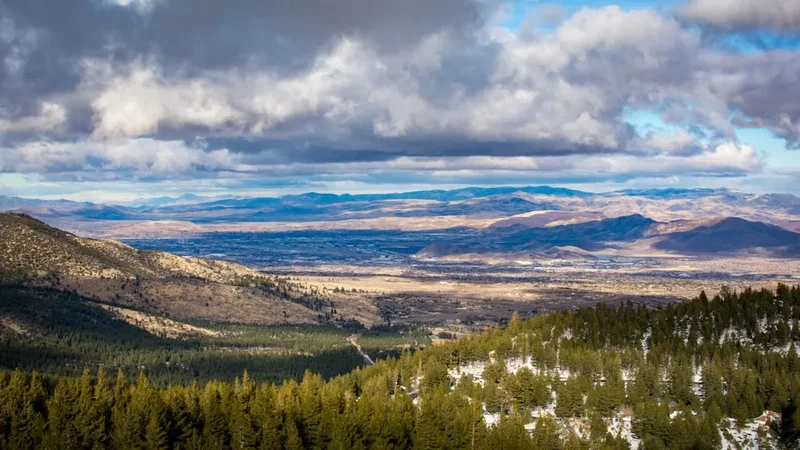
As a popular urban park, Griffith Park and the Griffith Observatory are heavily used. Practising Leave No Trace principles is crucial to preserving this beautiful natural space for everyone.
- Pack It In, Pack It Out: Carry out all trash, including food scraps, wrappers, and any other waste you generate. Do not leave anything behind.
- Stay on Marked Trails: Stick to designated paths and fire roads to prevent erosion and protect fragile vegetation. Venturing off-trail can damage plant life and disturb wildlife habitats.
- Respect Wildlife: Observe animals from a distance and never feed them. Feeding wildlife can alter their natural behaviours and make them dependent on human food, which is often unhealthy for them.
- Dispose of Waste Properly: Use designated trash and recycling bins where available. If bins are full, pack your waste out with you.
- Leave What You Find: Do not take rocks, plants, or any natural objects from the park.
- Be Considerate of Other Visitors: Keep noise levels down, especially in natural areas. Avoid playing loud music or shouting. Yield to other hikers and cyclists on the trail.
- Plan Ahead and Prepare: Know the park rules and regulations, check weather conditions, and carry adequate supplies to ensure a safe and enjoyable visit.
By following these principles, you help ensure that Griffith Park remains a vibrant and accessible natural resource for generations to come.
 USA
USA