
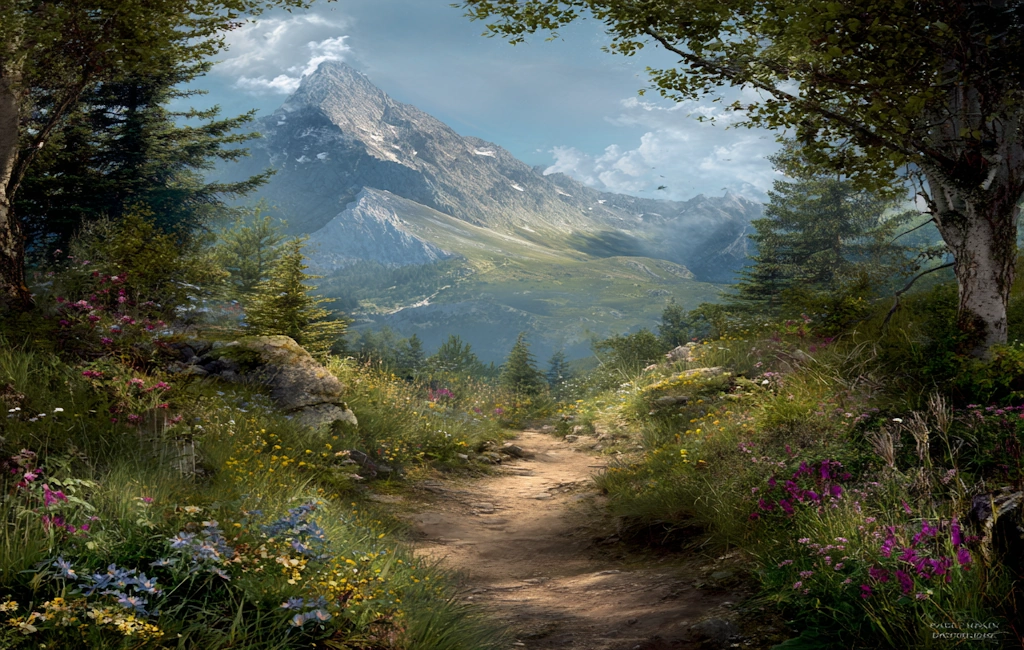
Grey Glacier Trail - Patagonia's Glacial Majesty
The Grey Glacier Trail is a spectacular multi-day walk in Chile's Torres del Paine National Park, offering an unparalleled immersion into the raw, untamed beauty of Patagonia. This trail is renowned for its dramatic glacial landscapes, turquoise lakes, and the imposing presence of the Grey Glacier itself. While not as famous as the "W" or "O" circuits, the Grey Glacier Trail provides a more focused and often less crowded experience, allowing walkers to truly connect with the powerful forces of nature that have shaped this region.
The trail winds through a diverse range of environments, from windswept plains and hardy Lenga forests to the stark, rocky terrain surrounding the glacier. It culminates at viewpoints offering breathtaking perspectives of the vast Grey Glacier, its calving icebergs, and the expansive Lago Grey. This is a journey that challenges the senses, rewards perseverance, and leaves an indelible mark on the soul of any adventurer.
- Distance: 28.0 km (one-way, typically from Paine Grande to Refugio Grey and back, or as part of a larger circuit)
- Duration: 3-4 days (can be adapted for shorter or longer stays)
- Season: October to April (best weather, but can be unpredictable)
- Accommodation: Refugio Grey, Camping Grey
- Highest point: Approximately 300-400 m (varied terrain, no single high pass)
- Difficulty: Moderate
- Access: Fly to Puerto Natales, bus to Pudeto, ferry to Paine Grande.
Overview
The Grey Glacier Trail is a segment of the larger Torres del Paine National Park circuit, offering a concentrated dose of Patagonian wilderness. Its primary draw is the magnificent Grey Glacier, a colossal ice river that flows from the Southern Patagonian Ice Field. The trail's progression is a masterclass in building anticipation. It begins with a journey across the open plains and through the resilient Lenga forests, where the wind is a constant companion, shaping the landscape and the trees themselves.
As you approach Lago Grey, the scenery transforms. The lake, a stunning shade of milky turquoise due to glacial silt, is often dotted with icebergs calved from the glacier. The trail then hugs the western shore of the lake, offering increasingly dramatic views of the glacier's immense ice wall. The sheer scale of the ice, its deep crevasses, and the constant creaking and groaning of the ice mass are awe-inspiring. The trail is not a single linear path but rather a network of routes that lead to various viewpoints of the glacier, with Refugio Grey serving as a central hub.
The experience is one of profound natural power. The wind, the ice, the water—all are forces to be reckoned with. Even on a clear day, the air can be crisp and cool, a reminder of the glacial origins of the landscape. In contrast, the weather can shift rapidly, bringing rain, snow, or intense sunshine, each transforming the visual spectacle. The Grey Glacier Trail is an accessible yet deeply rewarding encounter with one of the planet's most dynamic and beautiful glacial environments.
History and Cultural Context
Torres del Paine National Park, and by extension the Grey Glacier region, has a rich history shaped by indigenous peoples, early explorers, and modern conservation efforts. For millennia, the Kawésqar (or Alacalufes) and Tehuelche peoples traversed these lands, their lives intrinsically linked to the abundant wildlife and challenging terrain. Their knowledge of the land, its resources, and its seasonal rhythms was profound.
European exploration of Patagonia began in earnest in the 16th century, but it was in the late 19th and early 20th centuries that figures like the Italian explorer Alberto De Agostini began to document the region's glaciers and mountains in detail. De Agostini, a Salesian priest and geographer, was instrumental in mapping and naming many of the area's prominent features, including the Grey Glacier, which he named after the colour of the glacial meltwater.
The establishment of Torres del Paine National Park in 1959 was a crucial step in preserving this unique ecosystem. The park's designation as a UNESCO Biosphere Reserve in 1977 further underscored its global significance. The development of trekking routes, including those leading to Grey Glacier, has made this remote wilderness accessible to a wider audience, while also presenting the challenge of managing tourism impacts on a fragile environment.
The Grey Glacier itself is a dynamic entity, a remnant of the vast ice sheets that once covered much of South America. Its retreat in recent decades is a stark visual reminder of global climate change, adding a layer of poignant significance to any visit. The trail's history is thus intertwined with the natural history of the glacier and the ongoing efforts to understand and protect this extraordinary corner of the world.
Seasonal Highlights and Weather Reality
The Patagonian climate is notoriously unpredictable, and the Grey Glacier region is no exception. The best time to visit is during the Southern Hemisphere's summer and shoulder seasons, when daylight hours are longer and the weather is generally more stable, though still prone to rapid changes.
Spring (October - November): The park begins to awaken after winter. Wildflowers start to bloom, and the landscape takes on a fresh, vibrant hue. Days are getting longer, but temperatures can still be cool, and snow is possible, especially at higher elevations. The wind is often strong, a characteristic of Patagonian spring.
Summer (December - February): This is the peak season. Days are longest, and temperatures are at their warmest, though rarely hot. The weather can be a mix of brilliant sunshine, dramatic cloud formations, and sudden rain or windstorms. Sandflies can be present, particularly on calmer, warmer days. This is the most popular time to visit, so expect more people on the trails and at the refugios.
Autumn (March - April): The landscape transforms into a spectacle of golden and red hues as the Lenga trees change colour. The crowds thin out, and the weather can be crisp and clear, offering stunning photographic opportunities. However, days are shorter, and temperatures begin to drop. Snowfall becomes more frequent, and some services may begin to scale back towards the end of April.
Winter (May - September): The park is largely closed to independent trekkers, with limited access and services. Trails can be covered in snow and ice, requiring advanced winter mountaineering skills and equipment. Refugios may be closed or operate with minimal facilities. This season is for experienced winter adventurers only.
Weather Reality: Regardless of the season, expect the unexpected. The "four seasons in one day" cliché is very real in Patagonia. Strong, persistent winds are a constant feature, capable of making even short distances feel arduous. Rain, sleet, and even snow can occur at any time of year. Hypothermia is a risk, even in summer, due to wind chill and sudden temperature drops. Always be prepared for all conditions.
Recommended Itinerary
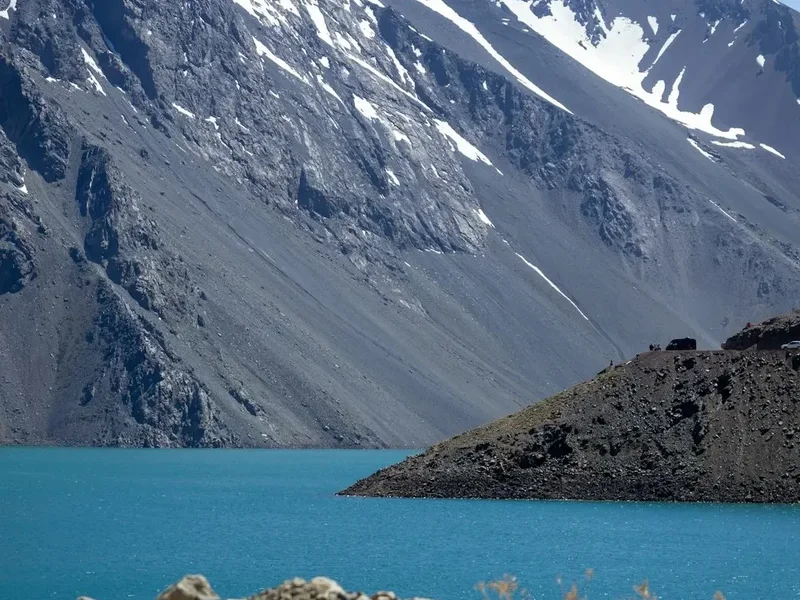
3-Day Grey Glacier Trail Itinerary (from Paine Grande)
Day 1: Paine Grande to Refugio Grey
- Distance: 11.0 km
- Elevation gain: Approximately 200 m
- Time: 3.5–4.5 hours
- Start at Paine Grande, a major hub accessible by ferry from Pudeto.
- The trail initially follows the western shore of Lago Skottsberg, offering glimpses of the lake and surrounding mountains.
- Ascend through Lenga forests, which can be dense and windswept.
- The terrain becomes more open and rocky as you approach Lago Grey.
- First views of Lago Grey, often filled with icebergs.
- Continue along the lake's edge towards Refugio Grey and Camping Grey.
- Arrive at Refugio Grey, a key base for exploring the glacier.
- Option to set up camp or check into the refugio.
Day 2: Glacier Exploration and Lago Grey
- Distance: Variable (depending on chosen activities)
- Elevation gain: Minimal for viewpoints, more for ice hiking
- Time: Full day
- Morning: Explore viewpoints of Grey Glacier. Walk closer to the glacier's face for impressive perspectives.
- Optional: Ice hiking or ice climbing tours on Grey Glacier (must be booked in advance with certified guides). These tours offer an incredible opportunity to walk on the ice, explore crevasses, and learn about glaciology.
- Optional: Kayaking on Lago Grey. Paddle amongst icebergs for a unique and intimate experience of the glacial environment.
- Optional: Visit the suspension bridges further north of the refugio for different vantage points of the glacier and surrounding valleys.
- Return to Refugio Grey for the evening.
Day 3: Refugio Grey to Paine Grande and Departure
- Distance: 11.0 km
- Elevation loss: Approximately 200 m
- Time: 3–4 hours
- Enjoy a final Patagonian breakfast at Refugio Grey.
- Begin the return journey along the western shore of Lago Grey and back through the Lenga forests.
- The return walk offers a different perspective on the landscape, often with new light conditions.
- Arrive back at Paine Grande.
- Catch the afternoon ferry back to Pudeto.
- From Pudeto, take a bus back to Puerto Natales.
Important Notes:
- This itinerary assumes starting and ending at Paine Grande. It can be integrated into the "W" or "O" circuits.
- Book accommodation (Refugio or Camping Grey) and ferry tickets well in advance, especially during peak season.
- Guided glacier tours and kayaking must be booked separately and in advance.
- Weather can significantly impact ferry schedules and trail conditions. Be flexible.
- Carry sufficient food and water, although Refugio Grey offers meals and supplies for purchase.
Planning and Bookings
Book Your Trip
Everything you need to plan your journey
Accommodation
Find places to stay near Puerto Natales
Flights
Search flights to Puerto Natales
Essential Preparation
Planning a trip to Torres del Paine National Park requires careful coordination, especially for accessing the Grey Glacier region. The primary gateway city is Puerto Natales, a charming town that serves as the logistical base for most park visitors. From Puerto Natales, you'll need to arrange transport to the park entrance and then to the specific trailhead.
Logistics:
- Flights: Fly into Punta Arenas (PUQ) and then take a bus to Puerto Natales (approx. 3 hours). Alternatively, fly directly to Puerto Natales (PNT) if flights are available and suitable.
- Bus to Park: Buses run regularly from Puerto Natales to the park entrance and various drop-off points, including Pudeto.
- Ferry: From Pudeto, a catamaran ferry crosses Lago Pehoé to Paine Grande. This ferry is a crucial link for accessing the Grey Glacier trail. Booking this ferry in advance is highly recommended, as it can fill up, especially during peak season.
- Park Entry: A park entrance fee is required, which can often be purchased online in advance or at the park entrance.
- Accommodation: Refugio Grey and Camping Grey are the primary accommodation options near the glacier. These must be booked months in advance, particularly for the peak season (December-February).
- Base Town: Puerto Natales offers a wide range of accommodation, from hostels to hotels, as well as restaurants, gear rental shops, and supermarkets. It's essential to spend at least one night here before entering the park to finalise preparations.
Trail Accommodation
Accommodation along the Grey Glacier trail is primarily managed by Vertice Patagonia and CONAF (Chilean National Forest Corporation).
Refugio Grey:
- Type: Mountain lodge/hostel with dormitory-style rooms.
- Booking Requirements: Mandatory booking, often months in advance, through Vertice Patagonia.
- Facilities Provided: Bunk beds with mattresses, shared bathrooms (some with hot water), common dining area, restaurant/shop selling meals and basic supplies (expensive), sometimes electricity for charging devices (limited availability).
- What's NOT Provided: Bedding (sleeping bags and liners are essential), cooking equipment (no self-catering facilities available), food (unless purchased from the restaurant).
- Seasonal Availability: Open year-round, but services and availability vary. Peak season is October to April.
- Costs: Varies significantly by season and room type, typically ranging from USD $70-$150 per person per night for a dorm bed.
Camping Grey:
- Type: Designated campsites adjacent to Refugio Grey.
- Booking Requirements: Mandatory booking, often months in advance, through Vertice Patagonia.
- Facilities Provided: Flat tent sites, access to refugio facilities (bathrooms, dining area, shop - for a fee or if staying at the refugio).
- What's NOT Provided: Tents, sleeping bags, cooking equipment, food.
- Seasonal Availability: Open year-round, but conditions can be harsh in winter.
- Costs: Typically USD $20-$40 per person per night.
Note: There are no other official camping or hut options directly on the trail to Grey Glacier from Paine Grande. Wild camping is strictly prohibited within the park.
Required Gear
- Waterproof and Windproof Outerwear: A high-quality, breathable waterproof jacket and trousers are essential. Patagonia's weather is notoriously fierce.
- Insulated Mid-Layer: Fleece or down jacket for warmth.
- Base Layers: Moisture-wicking thermal tops and bottoms (merino wool or synthetic).
- Sturdy Hiking Boots: Waterproof, broken-in boots with good ankle support are crucial for the varied and sometimes rugged terrain.
- Warm Hat and Gloves: Even in summer, temperatures can drop significantly, especially with wind chill.
- Backpack: A comfortable daypack (25-35L) if staying at the refugio, or a larger multi-day pack (50-70L) if carrying camping gear. A rain cover is highly recommended.
- Headlamp or Torch: With spare batteries, essential for early mornings, late evenings, or in case of delays.
- First-Aid Kit: Including blister treatment, pain relievers, antiseptic wipes, and any personal medications.
- Navigation Tools: While the trail is generally well-marked, a map and compass or GPS device are advisable, especially if venturing off the main path or in poor visibility.
- Sun Protection: High SPF sunscreen, sunglasses, and a wide-brimmed hat. The sun can be intense, especially reflecting off snow and ice.
What to Bring
- Food: High-energy, non-perishable food for lunches and snacks. If not planning to eat at Refugio Grey, bring all your meals. Dehydrated meals are a good option for campers.
- Water Bottle/Hydration Reservoir: At least 1-2 litres capacity.
- Water Purification: While water sources are generally clean, a filter or purification tablets are recommended as a precaution.
- Sleeping Bag: A 0°C to -10°C (0°C to -10°C) rated sleeping bag is recommended for refugio stays, and a warmer one for camping. A sleeping bag liner can add warmth and keep your sleeping bag cleaner.
- Toiletries: Biodegradable soap, toothbrush, toothpaste, quick-drying towel, toilet paper (carry out used paper if not using refugio facilities).
- Trekking Poles: Highly recommended for stability on uneven terrain and for reducing strain on knees during descents.
- Camera: To capture the stunning scenery.
- Power Bank: For charging electronic devices if refugio charging points are limited or unavailable.
- Cash: Chilean Pesos (CLP) are recommended for small purchases, though some places may accept USD. Credit card facilities can be unreliable.
- Duct Tape and Cordage: Useful for repairs.
Permits
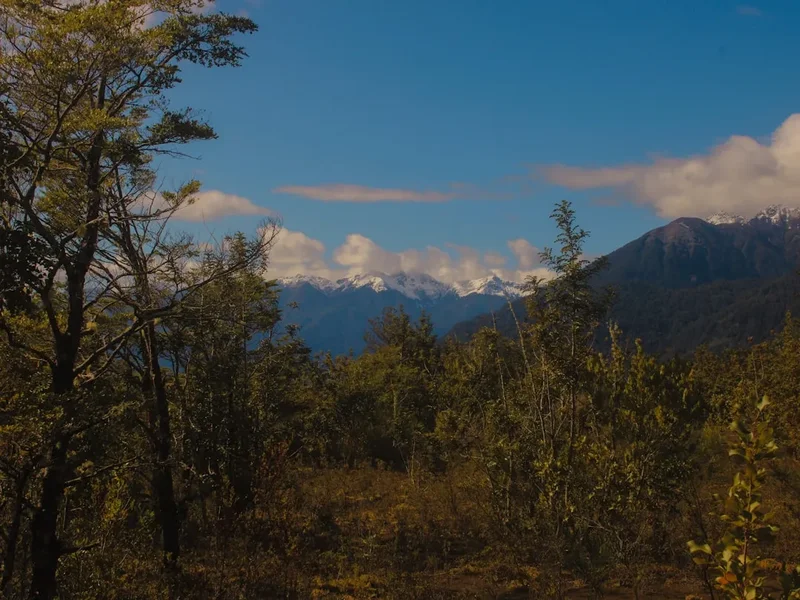
To hike the Grey Glacier Trail and stay at Refugio Grey or Camping Grey, you will need to secure permits for both park entry and accommodation. These are essential and should be booked well in advance, especially if travelling during the peak season (October to April).
Park Entrance Fee:
- This fee grants you access to Torres del Paine National Park.
- It can be purchased online through the CONAF (Corporación Nacional Forestal) website or at designated points of sale within the park.
- Prices vary, but typically range from USD $35-$45 for international visitors for a 3-day pass. Longer stays may require additional fees.
- It is highly recommended to purchase this online in advance to save time upon arrival.
Accommodation Permits (Refugio Grey & Camping Grey):
- These are managed by Vertice Patagonia.
- Bookings are essential and can be made through the Vertice Patagonia website.
- Due to high demand, especially for the peak season, it is advisable to book accommodation 3-6 months in advance.
- When booking, you will select your dates and the type of accommodation (dormitory bed at the refugio or a campsite).
- Confirmation of your booking serves as your permit for staying at these specific locations.
Ferry Tickets:
- The catamaran ferry from Pudeto to Paine Grande is operated by Las Torres Patagonia (formerly provided by various operators).
- Tickets should be booked online in advance through their official website.
- The ferry is a critical link for accessing the trail from the main road access point.
- Ensure your ferry booking aligns with your park entry and accommodation dates.
Guided Tours (Optional):
- If you plan to participate in guided glacier hiking, ice climbing, or kayaking tours, these also require advance booking directly with the tour operators.
- These tours often have limited spots and are popular, so booking early is crucial.
Important Considerations:
- Flexibility: While booking is essential, be aware that weather can cause disruptions. Have a flexible mindset and be prepared for potential changes to schedules.
- Confirmation: Keep all booking confirmations (park entry, accommodation, ferry, tours) readily accessible, either printed or digitally.
Other Activities in the Area
Beyond the direct trek to Grey Glacier, Torres del Paine National Park offers a wealth of activities for visitors:
- The "W" Trek: The Grey Glacier trail is a segment of the famous "W" trek, which also includes visits to the French Valley and the base of the Towers. Completing the full "W" is a multi-day adventure in itself.
- The "O" Circuit: For the ultimate Torres del Paine experience, the "O" circuit encompasses the entire park, including the remote backside and the John Gardner Pass, offering unparalleled views of the Southern Patagonian Ice Field.
- Hiking to the Base of the Towers (Mirador Las Torres): This iconic day hike leads to the dramatic granite spires that give the park its name. It's a challenging but incredibly rewarding trek.
- French Valley (Valle Francés): Accessible from Paine Grande, this hike offers stunning views of hanging glaciers, granite peaks, and a dramatic amphitheatre of rock.
- Wildlife Spotting: Torres del Paine is home to a diverse array of wildlife, including guanacos, ñandús (rheas), condors, foxes, and if you're very lucky, the elusive puma.
- Horseback Riding: Several estancias (ranches) around Puerto Natales and within the park offer guided horseback riding tours, providing a different perspective on the Patagonian landscape.
- Kayaking on Lago Grey: As mentioned, this offers an intimate encounter with the icebergs and the glacier itself.
- Ice Hiking/Climbing on Grey Glacier: Guided tours provide an opportunity to safely explore the glacier's surface.
- Photography Tours: Dedicated tours focus on capturing the best light and landscapes within the park.
Safety and Conditions
Pre-Departure Checks:
- Weather Forecasts: Always check the latest weather forecasts for Torres del Paine National Park before and during your trip. Websites like MetSrvice (for Chile) or local park advisories are invaluable. Be prepared for rapid changes.
- Park Alerts: Visit the CONAF website or inquire at the park entrance for any trail closures, fire warnings, or other important alerts.
- Ferry Status: Confirm ferry schedules, as they can be affected by weather conditions.
Trail Hazards:
- Wind: The most significant hazard. Strong, gusting winds can make walking difficult, unstable, and dangerous, especially on exposed sections. Always face into the wind when necessary and use trekking poles for balance.
- Unpredictable Weather: Be prepared for rain, sleet, snow, and intense sun all in the same day. Hypothermia is a real risk, even in summer, due to wind chill and sudden temperature drops.
- Slippery Surfaces: Wet rocks, muddy sections, and icy patches (especially in shoulder seasons) can be treacherous.
- River Crossings: While the main trail to Grey Glacier has bridges, smaller streams or meltwater channels can pose minor crossing challenges.
- Icebergs: If kayaking or getting close to the lake shore, be aware of the potential for icebergs to shift or calve. Maintain a safe distance.
General Safety Advice:
- Stay on Marked Trails: Venturing off-trail can lead to getting lost, damaging fragile vegetation, and encountering hidden hazards.
- Inform Someone of Your Plans: Let your accommodation provider in Puerto Natales or a trusted contact know your itinerary and expected return time.
- Carry Sufficient Supplies: Always have enough food, water, and layers of clothing.
- Pace Yourself: The terrain and weather can be demanding. Take breaks, stay hydrated, and listen to your body.
- Emergency Communication: Mobile phone signal is unreliable in most parts of the park. Consider carrying a personal locator beacon (PLB) or satellite messenger for emergencies, especially if hiking solo or on less-travelled routes.
- Respect Wildlife: Maintain a safe distance from all animals, especially guanacos and pumas. Do not feed them.
Travel insurance is strongly recommended to cover potential medical emergencies, evacuation, and trip cancellations due to weather or other unforeseen circumstances.
Side Trips and Points of Interest
Grey Glacier Viewpoints: The primary objective of the trail. Multiple viewpoints offer increasingly dramatic perspectives of the glacier's immense ice wall, its deep blue crevasses, and the constant movement of ice. The scale is truly humbling.
Lago Grey Icebergs: The lake is often filled with icebergs of all shapes and sizes, calved from the glacier. These can range from small chunks to massive, sculpted formations, creating a surreal and beautiful landscape. The colours of the ice, from brilliant white to deep sapphire blue, are captivating.
Suspension Bridges: Further north of Refugio Grey, a series of impressive suspension bridges cross ravines and offer elevated views of the glacier and the surrounding valleys. These are part of the longer circuit routes but can be accessed as a day trip from the refugio for different perspectives.
Refugio Grey Restaurant/Bar: While not a natural point of interest, the refugio offers a place to rest, refuel, and often enjoy a drink with a view of the lake and glacier. It's a social hub for trekkers.
The Lenga Forests: The hardy Lenga trees (Nothofagus pumilio) that dominate the lower sections of the trail are a point of interest in themselves. Their twisted, wind-sculpted forms are a testament to the harsh Patagonian environment. In autumn, they provide a spectacular display of colour.
Leave No Trace
Torres del Paine National Park is a pristine wilderness, and preserving its natural beauty is paramount. Adhering to Leave No Trace principles ensures that this incredible environment remains for future generations.
Your responsibility as a walker:
- Plan Ahead and Prepare: Research the trail, book accommodation and transport in advance, and pack appropriate gear. Understand the weather and potential hazards.
- Travel and Camp on Durable Surfaces: Stick to marked trails and designated campsites. Avoid walking on fragile vegetation, especially mosses and small plants.
- Dispose of Waste Properly: Pack out everything you pack in, including all food scraps, wrappers, and toilet paper. Use designated toilets at refugios and campsites. If wild camping (not permitted in most of Torres del Paine), dig catholes at least 70 metres from water sources, trails, and campsites.
- Leave What You Find: Do not remove rocks, plants, or any natural objects. Take only photographs and memories.
- Minimize Campfire Impacts: Campfires are generally prohibited in Torres del Paine due to high fire risk. Use a stove for cooking.
- Respect Wildlife: Observe animals from a distance. Do not feed them, as it can harm their health and alter their natural behaviours. Keep pets under control (pets are generally not allowed on trails).
- Be Considerate of Other Visitors: Keep noise levels down, yield to others on the trail, and maintain a respectful attitude.
By following these principles, you contribute to the conservation of Torres del Paine and ensure a positive experience for yourself and others.
 Chile
Chile