
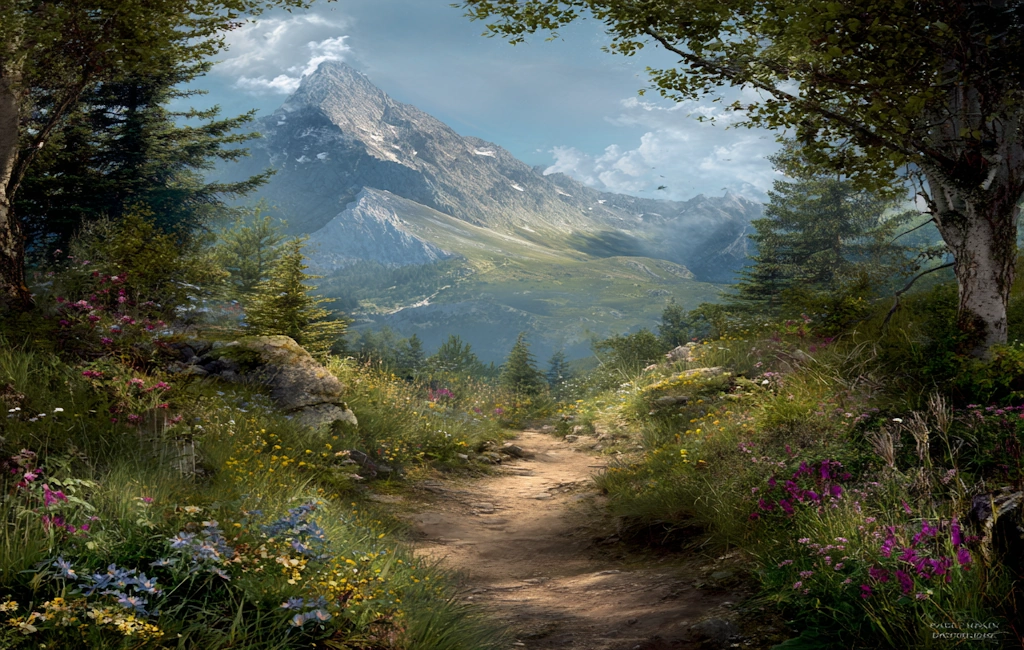
Greenstone-Caples Track - A Journey Through Sub-Alpine Splendour
The Greenstone-Caples Track is one of New Zealand’s most cherished multi-day tramping experiences, offering a spectacular loop through two distinct sub-alpine valleys in the heart of the Wakatipu region. Spanning approximately 61 kilometres, this journey traverses the traditional pounamu (greenstone) trails of the Ngāi Tahu people, linking the shores of Lake Wakatipu with the high-country wilderness of the Whakaari Conservation Park and Mount Aspiring National Park. Unlike the more rigid Great Walks, the Greenstone-Caples offers a sense of rugged freedom, where the landscape transitions from the wide, pastoral expanses of the Greenstone Valley to the tighter, more intimate beech-clad corridors of the Caples Valley. It is a track of contrasts: ancient forests draped in emerald moss give way to vast tussock flats, while the crystal-clear waters of the Greenstone and Caples Rivers provide a constant, melodic companion to the traveller. For those seeking the grandeur of the Southern Alps without the restrictive booking windows of the neighbouring Routeburn Track, this circuit provides a profound immersion into the raw beauty of the South Island’s backcountry.
- Distance: 61.0 km loop
- Duration: 3–4 days
- Season: November to April (best conditions; accessible year-round for experienced trampers)
- Huts: Mid Caples, McKellar, and Greenstone Huts (serviced huts)
- Highest point: McKellar Saddle (945 m)
- Difficulty: Moderate (well-formed tracks, but requires fitness for long days)
- Closest City: Queenstown (approx. 1.5–2 hours to trailhead)
Overview
The Greenstone-Caples Track is a masterclass in New Zealand’s diverse topographical character. Located near Glenorchy, at the northern tip of Lake Wakatipu, the track is essentially a tale of two valleys connected by the alpine crossing of McKellar Saddle. The Greenstone Valley, to the south, is characterised by its broad, glaciated floor and extensive open grasslands. Historically used for cattle grazing, these flats offer wide-angle views of the surrounding peaks and a sense of immense scale. The Greenstone River itself is a world-renowned fly-fishing destination, its turquoise pools so clear that large brown and rainbow trout can often be spotted from the track. Walking here feels like traversing a high-country estate, where the path is gentle and the horizon is distant.
In stark contrast, the Caples Valley to the north is narrower and more densely forested. Here, the track winds through magnificent stands of silver and red beech (tawhai), where the air is cool and the ground is a carpet of ferns and crown moss. The Caples River is more boisterous than its neighbour, tumbling over boulders and through rocky gorges. The transition between these two environments occurs at McKellar Saddle, a 945-metre pass that provides the physical and metaphorical bridge of the journey. From the saddle, trampers are rewarded with panoramic views of the Darran Mountains and the upper reaches of both valleys, a sight that captures the essence of the Southern Alps.
What sets the Greenstone-Caples apart from the nearby Great Walks is its accessibility and flexibility. While the huts are serviced and require payment, the track does not suffer from the same extreme "sell-out" pressure as the Routeburn or Milford tracks. It remains a favourite for local New Zealanders and international visitors alike who prefer a slightly more traditional tramping experience. The track is well-maintained by the Department of Conservation (DOC), featuring sturdy swing bridges over major river crossings and clear marking throughout. However, it remains a backcountry experience; the weather can be fickle, and the physical demand of walking 15 to 20 kilometres a day with a full pack should not be underestimated. Whether you are watching the morning mist rise off the Greenstone River or navigating the sub-alpine scrub of the saddle, the track offers a deep, meditative connection to the New Zealand wilderness.
History and Cultural Context
The history of the Greenstone and Caples valleys is deeply intertwined with the story of the Ngāi Tahu, the Māori iwi (tribe) of the South Island. For centuries, these valleys served as a vital "highway" for the transport of pounamu (greenstone or nephrite jade). Pounamu was, and remains, a highly prized resource for Māori, used for making tools, weapons, and prestigious ornaments. The stone was sourced from the West Coast (Te Tai Poutini) and carried over the mountain passes—including the nearby Harris Saddle and McKellar Saddle—to the settlements around Lake Wakatipu and beyond. The Greenstone Valley, in particular, was a key link in this ancient trade network, and the name of the river itself is a direct translation of its historical significance.
With the arrival of European explorers and settlers in the mid-19th century, the focus of the valleys shifted toward pastoralism and gold prospecting. The valleys were surveyed in the 1860s, with the Caples Valley named after Patrick Quirk Caples, a prospector who explored the area in 1863 in search of gold. While the gold rushes in the nearby Shotover and Arrow rivers were more lucrative, the Greenstone and Caples valleys proved ideal for high-country farming. Large pastoral runs were established, and for over a century, the valleys were home to hardy shepherds and thousands of sheep and cattle. Remnants of this farming history can still be seen today in the form of old fence lines and the continued presence of cattle in the lower Greenstone Valley, which remains a working leasehold run.
In the late 20th century, the recreational value of the area was formally recognised. The establishment of Mount Aspiring National Park and the Whakaari Conservation Park ensured that the natural beauty of the valleys would be preserved for future generations. Today, the track is managed under a unique arrangement where the land in the Greenstone Valley is owned by Ngāi Tahu and leased back to the Crown for conservation and recreation purposes. This partnership reflects a modern commitment to acknowledging indigenous heritage while providing world-class outdoor experiences. Walking the track today is not just a physical exercise; it is a journey through layers of human history, from the ancient footsteps of pounamu traders to the rugged lives of early European pioneers.
Want more background? Read extended notes on history and cultural context → Learn more
Seasonal Highlights and Weather Reality
The Greenstone-Caples Track is most popular during the Great Walks season (late October to April), when the weather is generally more stable and the huts are fully serviced. However, being in the Southern Alps, the track is subject to the unpredictable whims of the Roaring Forties. Even in the height of summer, trampers must be prepared for four seasons in a single day. Rain is frequent and can be heavy, turning small side-streams into significant obstacles and making the forest sections beautifully lush but undeniably damp.
Summer (December to February): This is the peak season. Expect long daylight hours, with the sun not setting until after 9:00 PM. Temperatures can reach 25°C in the valleys, though the alpine sections remain cool. This is also the peak season for sandflies, particularly near the river flats and lake edges. The alpine flowers on McKellar Saddle are in full bloom during this period, providing splashes of white and yellow against the green tussock.
Autumn (March to May): Many locals consider this the best time to walk. The air is crisper, the sandflies begin to diminish, and the beech forest takes on a subtle, golden hue. The weather is often more settled than in mid-summer, though the nights become significantly colder, often dropping below freezing in the upper valleys. Early snow can occasionally dust the peaks and the saddle in late April.
Winter (June to August): The track remains open, but it becomes a serious undertaking suitable only for experienced winter trampers. McKellar Saddle is frequently covered in deep snow, and avalanche risk must be assessed. Huts are not serviced (no gas, limited firewood), and daylight is short. However, for those with the right skills, the sight of the glaciated valleys under a blanket of snow is breathtakingly beautiful.
Spring (September to November): This is a period of transition. Snowmelt can make river crossings dangerous, and the track can be very muddy. However, the birdlife is at its most active, and the waterfalls are at their most powerful. Trampers should check for track alerts regarding windfall or slips after winter storms.
Recommended Itinerary
4-Day Greenstone-Caples Loop Itinerary
Day 1: Greenstone Road End to Mid Caples Hut
- Distance: 9 km
- Elevation gain: 150 m
- Time: 2–3 hours
- Start at the Greenstone Road End parking area near the shores of Lake Wakatipu.
- Cross the bridge over the Greenstone River and follow the track as it enters the Caples Valley.
- The path winds through beautiful beech forest, staying relatively close to the Caples River.
- This is a gentle introduction to the track, allowing time to enjoy the forest birdlife.
- Arrive at Mid Caples Hut (24 bunks), situated on a terrace overlooking the river and the valley.
- Evening: Relax on the hut deck and watch for the resident fantails (pīwakawaka) and tomtits (ngirungiru).
Day 2: Mid Caples Hut to McKellar Hut via McKellar Saddle
- Distance: 22 km
- Elevation gain: 550 m
- Time: 7–9 hours
- This is the most challenging and rewarding day of the circuit.
- Continue up the Caples Valley through alternating forest and open clearings.
- Begin the steady climb toward McKellar Saddle (945 m). The track zigzags through sub-alpine scrub.
- At the summit of the saddle, enjoy expansive views of the Darran Mountains and the upper Greenstone Valley.
- Descend steeply on a well-formed boardwalk and track toward Lake McKellar.
- Follow the shoreline of Lake McKellar, a serene alpine lake surrounded by mountains.
- Arrive at McKellar Hut (24 bunks), located near the junction of the Greenstone and Routeburn tracks.
Day 3: McKellar Hut to Greenstone Hut
- Distance: 18 km
- Elevation loss: 200 m
- Time: 5–7 hours
- The track enters the broad Greenstone Valley, following the river downstream.
- The landscape opens up into vast tussock flats, offering a completely different feel to the Caples.
- Pass through sections of ancient beech forest where the trees are draped in "old man's beard" lichen.
- The Greenstone River is often visible, with its deep blue pools and shingle beaches.
- Arrive at Greenstone Hut (20 bunks), which sits on the edge of a large forest clearing.
- This section is mostly flat but long, requiring steady pacing.
Day 4: Greenstone Hut to Greenstone Road End
- Distance: 12 km
- Elevation loss: 100 m
- Time: 3–5 hours
- The final leg follows the lower Greenstone River back toward Lake Wakatipu.
- The track passes through a dramatic gorge where the river is squeezed between rock walls.
- Look out for the "Slip" area, where a massive landslide once altered the river's course.
- The final section crosses open farmland (please stay on the track and respect the cattle).
- Finish back at the Greenstone Road End.
- Transport: Most trampers arrange a shuttle back to Glenorchy or Queenstown.
Important Notes:
- The loop can be walked in either direction, but starting with the Caples is generally preferred for the gradual build-up to the saddle.
- Fit trampers can complete the circuit in 3 days by combining Day 1 and Day 2, though this makes for a very long first day (31 km).
- Always check the river levels at the DOC office in Queenstown or Glenorchy before starting, as heavy rain can make side-streams impassable.
Planning and Bookings
Book Your Trip
Everything you need to plan your journey
Accommodation
Find places to stay near Queenstown
Flights
Search flights to Queenstown
Essential Preparation
Preparation for the Greenstone-Caples Track begins with logistics. The trailhead is located at the Greenstone Road End, which is approximately 85 kilometres from Queenstown. The final 30 kilometres of the drive from Glenorchy is on a gravel road that includes several fords. While usually passable in a standard vehicle, heavy rain can make these fords deep and dangerous. Many trampers choose to use the scheduled shuttle services that run from Queenstown and Glenorchy, which eliminates the worry of vehicle security and road conditions.
Physical fitness is a key requirement. While the track is not as steep as the nearby Routeburn, the daily distances (up to 22 km) are significant. You should be comfortable walking for 7–8 hours with a 10–15 kg pack. Before leaving, ensure you have left your intentions with a trusted contact or via the New Zealand Outdoors Intentions website. There is no mobile phone coverage on the track once you leave the trailhead.
Trail Accommodation
The track features three main Department of Conservation (DOC) huts: Mid Caples, McKellar, and Greenstone. These are "Serviced Huts" during the peak season and "Standard Huts" in the winter.
Hut Facilities:
- Bunk beds with mattresses in communal sleeping areas.
- A common room with tables, benches, and a wood-burning stove for heating.
- Gas cookers are provided during the peak season (November to April).
- Treated or untreated tank water (boiling or filtering is recommended).
- Long-drop (composting) toilets located a short walk from the hut.
- No electricity, no charging ports, and no rubbish bins (pack it in, pack it out).
Camping:
- Camping is permitted along the track, but you must be at least 50 metres away from the track itself.
- Camping is NOT permitted within 500 metres of the Great Walks sections (where the track overlaps with the Routeburn).
- Campers can use the hut toilets and water but are generally not permitted to use the hut cooking facilities or bunk spaces.
- A small fee applies for camping near the huts, payable via Backcountry Hut Passes or tickets.
Costs: During the peak season, hut tickets or a Backcountry Hut Pass are required. As of the current season, serviced hut tickets are approximately NZ$25 per adult per night. It is highly recommended to purchase these in advance from a DOC Visitor Centre.
Required Gear
- Footwear: Sturdy tramping boots with good ankle support and grip. The track can be muddy and rocky in sections.
- Clothing: The layering system is essential. Include a base layer (merino or synthetic), an insulating mid-layer (fleece or down), and a high-quality waterproof shell jacket. Avoid cotton, as it provides no warmth when wet.
- Pack: A 50–65 litre tramping pack with a waterproof liner or rain cover.
- Sleeping Bag: A 3-season sleeping bag (rated to 0°C or lower) is necessary, even in summer.
- Navigation: A physical topographic map (NZTopo50 sheet CB09) and a compass, or a GPS device with offline maps.
- Safety: A first aid kit, a head torch with spare batteries, and a multi-tool or knife.
- Emergency: A Personal Locator Beacon (PLB) is highly recommended, as there is no cell service.
What to Bring
- Food: Lightweight, high-energy meals (dehydrated meals, pasta, oats) and plenty of snacks (nuts, chocolate, dried fruit). Bring one extra day's worth of food in case of weather delays.
- Water: A 2-litre water capacity. While water is plentiful in the valleys, it should be treated (boiled, filtered, or chemically treated) to prevent Giardia.
- Cooking: While gas is provided in huts during summer, it is wise to bring a small backup stove and lighter. You must bring your own pots, plates, and cutlery.
- Toiletries: Toothbrush, biodegradable soap, and a small towel. Don't forget sunblock and a high-concentration insect repellent for the sandflies.
- Personal Items: Earplugs (for communal bunkrooms), a journal, and a camera.
Permits
Unlike the Great Walks, the Greenstone-Caples Track does not require a specific "permit" or a pre-booked slot to walk the trail. This makes it an excellent option for those who have missed out on Routeburn or Milford bookings. However, you still need to pay for your accommodation.
Hut Tickets and Passes:
- During the peak season (1 November – 30 April), you must stay in the huts using Serviced Hut Tickets or a Backcountry Hut Pass.
- Hut tickets can be purchased from any DOC Visitor Centre (Queenstown, Glenorchy, or Te Anau).
- The Backcountry Hut Pass is a cost-effective option if you plan on doing multiple tracks in New Zealand over a 6 or 12-month period.
- You cannot "book" a specific bunk; it is a first-come, first-served system. During busy periods (Christmas and Easter), huts can reach capacity, so it is wise to arrive early in the afternoon.
Registration: While not a permit, it is standard practice to sign the hut books at each location. This provides DOC with vital statistics and helps Search and Rescue in the event of an emergency. Always ensure you have paid the correct fees, as hut wardens do patrol the track and check for tickets.
Other Activities in the Area
The region surrounding the Greenstone-Caples Track is an outdoor enthusiast's paradise. Consider these activities to round out your trip:
- Glenorchy: This small township is the gateway to the track. Visit the iconic red shed on the waterfront, enjoy a coffee at a local café, or take a stroll on the Glenorchy Lagoon Boardwalk.
- Dart River Jet: For a high-speed adventure, take a jet boat tour up the Dart River into the heart of Te Wāhipounamu World Heritage Area.
- Routeburn Track: The Greenstone-Caples connects with the Routeburn Track at Lake Howden. Many trampers combine the two for a longer, 5–6 day "Grand Circuit."
- Fly Fishing: The Greenstone River is legendary among anglers. If you have a valid New Zealand fishing licence (and a backcountry endorsement), the river offers world-class stalking for large trout.
- Lord of the Rings Tours: Many filming locations for Isengard, Lothlórien, and Amon Hen are located near Glenorchy and Paradise.
- Skydiving and Bungy: Queenstown, the "Adventure Capital of the World," is just a short drive away for those seeking an adrenaline fix after their hike.
Safety and Conditions
River Crossings: This is the primary safety concern on the Greenstone-Caples. While the main rivers have bridges, numerous side-streams must be forded. After heavy rain, these streams can rise rapidly and become impassable. Never attempt to cross a flooded river; if in doubt, wait for the water levels to drop, which usually happens quickly once the rain stops.
Hypothermia: Even in summer, temperatures can plummet if a southerly front moves through. Wet clothing and wind chill are a dangerous combination. Always carry waterproof layers and a warm hat and gloves, regardless of the forecast.
The "Slip" and Rockfalls: The lower Greenstone Valley has areas prone to landslides and rockfalls. Follow all DOC signage and move through these sections without stopping. After heavy rain, be particularly vigilant for falling debris.
Sandflies: While not a direct safety threat, sandflies can cause significant distress and allergic reactions. Their bites are itchy and can become infected if scratched. Use repellent and wear long sleeves and trousers during breaks.
Emergency Communication: There is no cell service on the track. Carrying a PLB is the only reliable way to signal for help in a life-threatening emergency. These can be hired from outdoor stores in Queenstown or Glenorchy.
Side Trips and Points of Interest
Lake McKellar: This beautiful alpine lake is a highlight of Day 2. The track follows its western shore, offering numerous spots to sit and enjoy the reflections of the surrounding mountains. The water is cold, but a quick dip is a traditional (and bracing) way to celebrate crossing the saddle.
Upper Caples Valley: For those with extra time, exploring the upper reaches of the Caples Valley above the tree line offers a more rugged, alpine experience with fewer people. The valley opens into a high basin that feels incredibly remote.
The Greenstone Gorge: Located between Greenstone Hut and the road end, the river carves through a narrow limestone gorge. The power of the water here is impressive, and the deep, swirling pools are a vibrant shade of turquoise.
Birdlife: The valleys are a stronghold for native New Zealand birds. Keep an eye out for the South Island robin (toutouwai), which often approaches trampers on the forest floor. In the higher sections, you may hear the screech of the kea, the world’s only alpine parrot.
Leave No Trace
The Greenstone-Caples Track passes through fragile ecosystems and land of great cultural significance. It is the responsibility of every tramper to minimise their impact by following the Leave No Trace principles:
- Plan Ahead and Prepare: Ensure you have the right gear and knowledge to avoid emergencies.
- Travel and Camp on Durable Surfaces: Stay on the formed track to prevent erosion and protect delicate mosses and ferns.
- Dispose of Waste Properly: Pack out everything you pack in. This includes food scraps, tea bags, and silver foil. Use the hut toilets; if you must go between huts, bury waste at least 15 cm deep and 50 m from water.
- Leave What You Find: Do not remove plants, stones, or historical artefacts. Respect the pounamu heritage of the area.
- Minimise Campfire Impacts: Use a portable stove for cooking. Fires are generally not permitted except in the hut fireplaces.
- Respect Wildlife: Observe birds and animals from a distance. Never feed them, as this can make them dependent on humans or ill.
- Be Considerate of Others: Keep noise levels down in the huts and allow faster walkers to pass on the track.
 New Zealand