
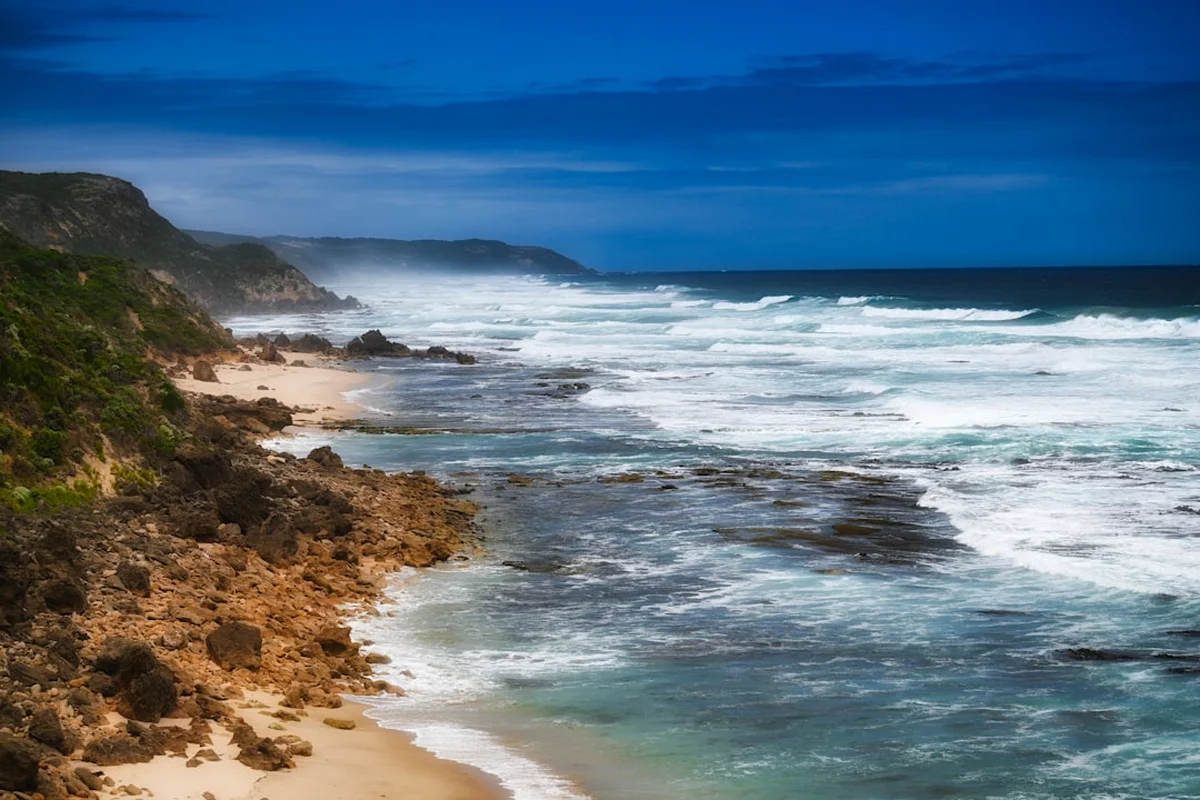
Great Ocean Walk - Victoria’s Premier Coastal Odyssey
The Great Ocean Walk is Australia’s iconic long-distance coastal trail, stretching 104 kilometres along the rugged and spectacular shipwreck coast of Victoria. Traversing the traditional lands of the Gadubanud people, the walk begins in the charming seaside town of Apollo Bay and weaves its way westward to the world-renowned Twelve Apostles. Unlike the Great Ocean Road, which clings to the cliffs for motorists, the Great Ocean Walk takes hikers deep into the heart of the Great Otway National Park and the Port Campbell National Park, offering access to remote beaches, hidden shipwrecks, and ancient rainforests that remain invisible from the bitumen. This is a journey of immense geological scale, where the relentless Southern Ocean has carved a landscape of towering limestone stacks, sheer cliffs, and sweeping sandy bays.
Over the course of eight days, walkers experience a profound transition in ecology and atmosphere. The journey begins under the canopy of tall mountain grey gums and lush tree ferns, eventually emerging onto windswept heathlands and dramatic clifftops where the salt spray of the Antarctic-born swells hangs heavy in the air. The trail is designed to be flexible, allowing for short day-walks or the full end-to-end experience, with purpose-built hike-in campsites situated at strategic intervals. It is a walk that demands a moderate level of fitness but rewards the traveller with some of the most photographed and awe-inspiring coastal scenery on the planet. From the koalas of Cape Otway to the haunting history of the Loch Ard Gorge, the Great Ocean Walk is a masterclass in Australian natural beauty and maritime heritage.
- Distance: 104.0 km one-way
- Duration: 8 days (recommended)
- Season: October to April (shoulder seasons preferred for mild weather)
- Campsites: 7 dedicated hike-in campsites (booking mandatory)
- Highest point: Approximately 250 m above sea level
- Difficulty: Moderate (varied terrain including soft sand, forest tracks, and steep stairs)
- Direction: East to West (Apollo Bay to Twelve Apostles)
Overview
The Great Ocean Walk is often described as a "step-by-step" revelation of the Victorian coastline. While the Great Ocean Road is famous for its driving views, the walk provides a much more intimate and visceral connection to the landscape. The trail was officially opened in 2004 and has since become a bucket-list destination for international and domestic hikers alike. It is not a wilderness track in the purest sense—you are rarely more than a few kilometres from the road—but the clever routing ensures a sense of profound isolation. You will find yourself standing on deserted beaches like Milanesia or Ryan’s Den, where the only footprints in the sand are your own, and the only sound is the rhythmic thundering of the Southern Ocean.
The walk is divided into sections that vary significantly in character. The eastern end, near Apollo Bay and Elliot Ridge, is defined by the wet sclerophyll forests of the Otways. Here, the air is cool and damp, and the scent of eucalyptus is pervasive. As you move west towards Cape Otway, the forest thins into coastal scrub and heathland, providing expansive views of the Bass Strait. The central section, around Johanna Beach and Milanesia, is arguably the most challenging, featuring significant elevation changes as the trail climbs over high ridges and drops down to sea level. The final stretch towards the Twelve Apostles is a dramatic finale, where the limestone plateau has been eroded into the iconic stacks that rise like sentinels from the sea.
Wildlife is a constant companion on the Great Ocean Walk. It is almost a guarantee that you will spot koalas wedged into the forks of manna gums around Cape Otway. Eastern grey kangaroos are frequently seen grazing in the clearings at dawn and dusk, while echidnas often forage in the leaf litter beside the track. For birdwatchers, the region is a paradise, home to the vibrant crimson rosella, the elusive ground parrot, and the majestic white-bellied sea eagle. Between June and October, the walk also serves as a prime vantage point for whale watching, as southern right whales and humpbacks migrate along the coast to their breeding grounds.
History and Cultural Context
The Great Ocean Walk traverses the traditional country of the Gadubanud (King Parrot) people of the Maar nation. For thousands of years, the Gadubanud lived as coastal specialists, utilising the rich resources of both the rainforest and the sea. Evidence of their long occupation is scattered throughout the walk in the form of shell middens—ancient mounds of discarded abalone, mussel, and oyster shells—found in the dunes and clifftops. These sites are of immense cultural significance and are protected by law; walkers are reminded to view them with respect and never disturb the ground. The Gadubanud people maintained a complex relationship with the land, using fire to manage the heathlands and creating pathways that the modern trail often follows.
European history in the region is inextricably linked to the "Shipwreck Coast." During the 19th century, the Bass Strait was a treacherous gateway for immigrant ships bound for Melbourne. The combination of unpredictable Southern Ocean storms, jagged limestone reefs, and the lack of navigational lights led to hundreds of maritime disasters. The Great Ocean Walk passes several sites of these tragedies. At Wreck Beach, the anchors of the *Marie Gabrielle* (1869) and the *Fiji* (1891) are still embedded in the rock platform, visible at low tide as rusted monuments to the power of the sea. The Cape Otway Lighthouse, built in 1848, was the first sight of land for many immigrants after months at sea, and its history is a central pillar of the walk’s narrative.
The construction of the Great Ocean Road itself, built by returned soldiers after World War I as a memorial to their fallen comrades, also looms large in the local history. While the walk is a newer addition, it honours this spirit of endurance and connection. The trail was developed by Parks Victoria to provide a sustainable way for people to experience the coastline without the environmental impact of increased vehicle traffic. Today, the walk stands as a bridge between the ancient indigenous heritage, the colonial maritime struggle, and the modern conservation movement.
Want more background? Read extended notes on history and cultural context → Learn more
Seasonal Highlights and Weather Reality
The Great Ocean Walk is located in a temperate maritime climate, meaning weather can be highly unpredictable and can change within minutes. The "Roaring Forties"—strong westerly winds that circle the globe—hit this coastline directly, bringing moisture and wind from the Southern Ocean. Understanding the seasons is crucial for a successful trek.
Spring (September to November): This is arguably the best time to walk. The heathlands erupt in a spectacular display of wildflowers, including native orchids, wattles, and peas. The weather is generally mild, though spring showers are common. The waterfalls in the Otways are at their most impressive after winter rains, and the birdlife is particularly active during the breeding season.
Summer (December to February): Summer offers the most stable weather and the best conditions for beach walking. However, temperatures can occasionally soar above 35 degrees Celsius, and the risk of bushfires is a serious consideration. Walkers must be prepared for intense UV radiation and carry significantly more water during these months. The trail is also at its busiest during the summer school holidays.
Autumn (March to May): Autumn brings stable, golden days with less wind than spring. The sea temperatures are at their warmest, making a quick dip in the ocean (where safe) more appealing. The light in autumn is particularly beautiful for photography, especially in the late afternoon over the Twelve Apostles. This is a popular time for experienced hikers seeking quieter trails.
Winter (June to August): Winter is for the hardy. While the temperatures rarely drop below freezing, the wind chill and persistent rain can make for challenging conditions. The track can become muddy and slippery, particularly in the forested sections. However, winter offers the best chance for whale spotting and the unique experience of seeing the Southern Ocean at its most wild and powerful. You will likely have the campsites to yourself, but you must have high-quality waterproof gear.
Recommended Itinerary
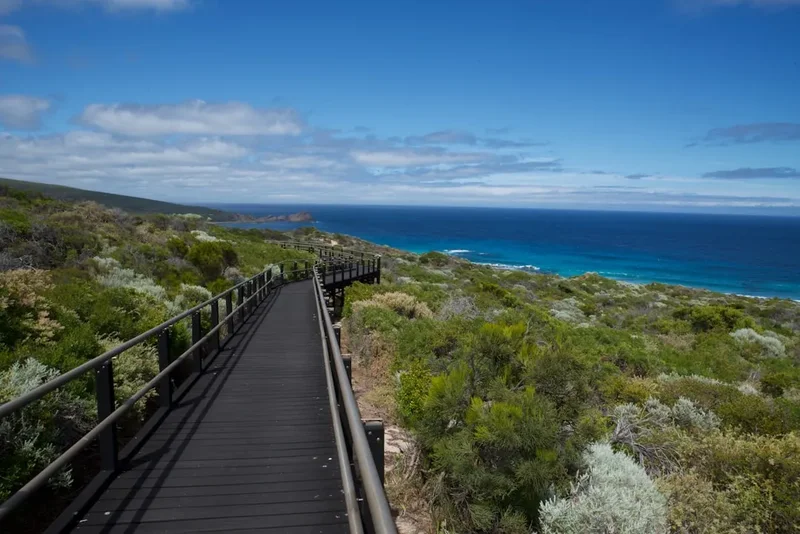
8-Day Great Ocean Walk Itinerary
Day 1: Apollo Bay to Elliot Ridge
- Distance: 10 km
- Elevation gain: 210 m
- Time: 3–3.5 hours
- Start at the Apollo Bay Visitor Information Centre
- Walk along the beach and through the Marengo Reef Marine Sanctuary
- Enter the Great Otway National Park and climb into the tall blue gum forests
- Arrive at Elliot Ridge Hike-in Campsite, nestled among the trees
- A gentle introduction to the walk with a mix of coastal and forest scenery
Day 2: Elliot Ridge to Blanket Bay
- Distance: 12 km
- Elevation gain: 350 m
- Time: 4–4.5 hours
- Follow old management tracks through magnificent mountain grey gum forests
- Listen for the calls of yellow-tailed black cockatoos
- Descend towards the coast, catching glimpses of the ocean through the trees
- Arrive at Blanket Bay, a beautiful secluded cove with a popular campsite
- Blanket Bay is an excellent spot for a refreshing (but cold) swim in the shallows
Day 3: Blanket Bay to Cape Otway
- Distance: 11 km
- Elevation gain: 250 m
- Time: 3.5–4 hours
- The trail hugs the clifftops, offering spectacular views of the Parker Inlet
- Check tide times for the Parker River crossing; an inland route is available if the tide is high
- Walk through manna gum woodlands—keep a sharp eye out for koalas here
- Arrive at the Cape Otway Hike-in Campsite, located near the historic lighthouse
- Visit the lighthouse (entry fee applies) for a dose of maritime history
Day 4: Cape Otway to Aire River
- Distance: 10 km
- Elevation gain: 300 m
- Time: 3–3.5 hours
- Traverse windswept clifftops and coastal heathlands
- Pass the "Rainbow Falls" turn-off (a spring-fed waterfall over calcified rock)
- Descend into the Aire River valley, a significant wetland area
- The Aire River Hike-in Campsite overlooks the estuary and is great for birdwatching
- Look for azure kingfishers and various waterfowl in the reeds
Day 5: Aire River to Johanna Beach
- Distance: 14 km
- Elevation gain: 450 m
- Time: 5–5.5 hours
- A more strenuous day with several climbs and descents
- The trail offers some of the most expansive coastal views of the entire walk
- Descend onto the wide, wild sands of Johanna Beach, a famous surfing spot
- Walk along the beach (check tides) to the Johanna Beach Hike-in Campsite
- The campsite is located on a grassy ridge with stunning sunset views over the surf
Day 6: Johanna Beach to Ryan’s Den
- Distance: 14 km
- Elevation gain: 550 m
- Time: 5.5–6 hours
- The most challenging section of the walk, featuring the climb to Milanesia Beach
- Milanesia is a remote, rugged beach that feels like the edge of the world
- Follow the trail as it climbs steeply from the beach back to the clifftops
- Arrive at Ryan’s Den Hike-in Campsite, perched high on a headland
- The views from the "Den" towards Cape Volney are arguably the best on the trail
Day 7: Ryan’s Den to Devils Kitchen
- Distance: 13 km
- Elevation gain: 450 m
- Time: 5–5.5 hours
- Continue along the high cliffs through coastal scrub and forest
- Pass the Gables Lookout, one of the highest clifftops in mainland Australia
- Descend to Wreck Beach to see the anchors of the *Marie Gabrielle* and *Fiji* (low tide only)
- Climb back up to the Devils Kitchen Hike-in Campsite
- The campsite is set back from the cliffs in a sheltered, forested pocket
Day 8: Devils Kitchen to Twelve Apostles
- Distance: 16 km
- Elevation gain: 350 m
- Time: 6–6.5 hours
- The final push towards the iconic limestone stacks
- The trail moves inland slightly before returning to the coast at Princetown
- Cross the Gellibrand River and enter the Port Campbell National Park
- The first views of the Twelve Apostles appear in the distance, growing larger as you approach
- Finish at the Twelve Apostles Visitor Centre, a triumphant end to a 104 km journey
Important Notes:
- The walk is designed to be walked East to West to keep the sun at your back and the wind behind you
- Tide charts are essential for beach sections at Parker Inlet, Johanna Beach, and Wreck Beach
- Always use the provided "Decision Points" to choose between beach or clifftop routes based on tides
- Water at campsites is rainwater and must be treated before drinking
- Mobile phone reception is patchy; do not rely on it for navigation
Planning and Bookings
Book Your Trip
Everything you need to plan your journey
Accommodation
Find places to stay near Melbourne
Flights
Search flights to Melbourne
Essential Preparation
The Great Ocean Walk requires careful logistical planning, particularly regarding transport and campsite bookings. Most walkers base themselves in Melbourne, which is approximately a 3-hour drive or a 4-hour public transport journey from the start point in Apollo Bay. It is highly recommended to spend a night in Apollo Bay before starting to ensure an early departure on Day 1. The town has full services, including supermarkets, outdoor stores, and pharmacies, making it the ideal place for a final gear check and food resupply.
Fitness is a key consideration. While the trail is well-marked and maintained, walking 10 to 16 kilometres a day with a full pack (15–20 kg) is physically demanding. The sections between Johanna Beach and Ryan’s Den are particularly steep. Training with a weighted pack on varied terrain in the weeks leading up to the walk is strongly advised. Additionally, you must coordinate your finish at the Twelve Apostles. There is no public transport directly from the Apostles back to Apollo Bay; you will need to pre-book a private shuttle or arrange for a friend to pick you up. Some walkers choose to park their car at the end and take a shuttle to the start.
Trail Accommodation
There are seven dedicated hike-in campsites along the Great Ocean Walk: Elliot Ridge, Blanket Bay, Cape Otway, Aire River, Johanna Beach, Ryan’s Den, and Devils Kitchen. These sites are for the exclusive use of walkers and must be booked in advance through the Parks Victoria website. Each site features a limited number of individual tent pads (usually 8 to 12 per site).
Campsite Facilities:
- Timber tent platforms or cleared earth pads
- A shared three-sided shelter with a table and benches
- Composting toilets (toilet paper is usually provided but bring a spare roll)
- Rainwater tanks (supply is dependent on rainfall; water MUST be treated)
- Map displays and information boards
- Small lockers for food storage (at some sites) to protect against possums
What Campsites Don't Provide:
- No power or charging stations
- No rubbish bins (you must carry out all waste)
- No showers or laundry facilities
- No cooking equipment or fuel
- No lighting (bring a head torch)
Booking Requirements:
- Bookings are made per tent pad, per night
- Cost is approximately AUD$16.70 per night, per site (subject to change)
- Sites book out months in advance for peak periods (Easter, Christmas, and long weekends)
- Wild camping (camping outside designated sites) is strictly prohibited to protect the environment
Required Gear
- Hiking boots: Sturdy, waterproof, and well-worn. The terrain includes sharp limestone, soft sand, and muddy forest tracks.
- Backpack: 50–70L capacity with a high-quality harness and rain cover.
- Tent: Lightweight, 3-season tent capable of withstanding high winds.
- Sleeping system: A sleeping bag rated to at least 0°C (even in summer, coastal nights can be chilly) and a comfortable sleeping mat.
- Waterproofs: A high-quality Gore-Tex (or similar) jacket and over-trousers. The Southern Ocean weather is relentless.
- Navigation: A physical map (the Great Ocean Walk Map by Parks Victoria is excellent) and a compass or GPS.
- Head torch: With spare batteries for camp use and emergency night walking.
- First aid kit: Including blister pads (essential), snake bite bandages, antiseptic, and personal medications.
- Emergency whistle and a small mirror for signalling.
What to Bring
- Food: All meals for the duration of your walk. There are no resupply points on the track itself, although some shuttle services can arrange food drops at specific road crossings.
- Water treatment: Purification tablets, a squeeze filter, or a UV steriliser. Tank water is untreated and can contain pathogens.
- Stove and fuel: Lightweight gas or liquid fuel stove. Open fires are strictly prohibited at all times.
- Cooking utensils: Pot, mug, spoon, and a lightweight knife.
- Sun protection: SPF 50+ sunscreen, a wide-brimmed hat, and polarised sunglasses. The Australian sun is exceptionally strong on the coast.
- Clothing: Moisture-wicking base layers (merino is best), an insulating mid-layer (fleece or down), and several pairs of high-quality hiking socks.
- Toiletries: Biodegradable soap, toothbrush, toothpaste, and hand sanitiser.
- Tide chart: A current tide table for the Cape Otway region is mandatory for safe beach crossings.
- Power bank: To keep your phone or GPS charged for emergency use.
Permits
While you do not need a "permit" to walk the trail as a day hiker, any overnight stay requires a confirmed campsite booking. This booking acts as your permit. Parks Victoria rangers frequently patrol the campsites and the trail to check for valid bookings. You should carry a printed copy of your booking confirmation or have a digital version saved on your phone (though batteries can fail).
Booking Process:
- Visit the Parks Victoria "Stay" portal online.
- Select "Great Ocean Walk" from the list of hike-in options.
- Choose your specific dates and campsites. Note that you must book each night individually if you are doing the full walk.
- Payment is required at the time of booking via credit card.
- Cancellations or changes are subject to Parks Victoria’s terms and conditions, which usually require at least 30 days' notice for a partial refund.
Group Sizes:
- Individual bookings are limited to a maximum of 12 people.
- Larger school or commercial groups must book through the dedicated "Group" booking system to ensure they do not overwhelm the small hike-in sites.
- Commercial operators (guided tours) must hold a valid Licensed Tour Operator (LTO) permit from Parks Victoria.
Seasonal Availability: The trail and campsites are open year-round. However, during periods of extreme fire danger, the National Park may be closed entirely. It is your responsibility to check the "Change of Conditions" or "Alerts" section of the Parks Victoria website before you set off. If the park is closed due to fire risk, all bookings for that period are typically cancelled and refunded.
Other Activities in the Area
The Great Ocean Road region is a major tourism hub, and there are plenty of ways to supplement your walk or relax afterwards:
- Cape Otway Lightstation: Take a guided tour of Australia’s oldest surviving lighthouse. The views from the balcony are breathtaking, and the history of the "Telegraph Station" is fascinating.
- Otway Fly Treetop Adventures: Located inland from the walk, this features a 600-metre-long elevated walkway through the rainforest canopy and a zip-line tour for adrenaline seekers.
- Surfing at Johanna Beach: Known for its powerful swells, Johanna is a world-class surf beach. It is only recommended for experienced surfers, but watching the pros from the sand is a great way to spend an afternoon.
- Twelve Apostles Scenic Flights: For a completely different perspective, take a helicopter flight from the Twelve Apostles heliport. Seeing the limestone stacks and the trail you just walked from the air is an unforgettable experience.
- Wildlife Spotting at Kennett River: A short drive from Apollo Bay, this is one of the best places in Australia to see wild koalas and colourful king parrots in the wild.
- Gourmet Food Trail: The Otway hinterland is famous for its produce. Visit local cheesemakers, berry farms, and breweries in towns like Forrest and Timboon.
Safety and Conditions
Tides and Ocean Safety: This is the most critical safety factor on the Great Ocean Walk. Several sections of the trail offer a choice between a beach route and an inland clifftop route. Beach routes (such as Wreck Beach or Johanna Beach) can become impassable and extremely dangerous at high tide or during heavy seas. Always check the tide charts before starting your day. If in doubt, take the inland route. Never attempt to "race" the tide around a headland.
Bushfire Risk: The walk passes through fire-prone vegetation. During the summer months, "Total Fire Ban" days are common. On these days, no fires of any kind (including gas stoves) are permitted. In "Extreme" or "Catastrophic" fire weather, the park will be closed. Always have a "Bushfire Survival Plan" and know your escape routes to the nearest beach or cleared area.
Snake Safety: Tiger snakes and Lowland Copperheads are common in the Otways and along the coast. They are venomous but generally shy. Wear gaiters, stay on the path, and watch where you step, especially in long grass or near water. If you encounter a snake, stop, remain calm, and allow it to move away. Carry a dedicated snake bite kit and know how to apply a pressure immobilisation bandage.
Cliffs and Erosion: The limestone cliffs are inherently unstable. Stay well back from the edges, as undercut sections can collapse without warning. Always stick to the marked trail and obey all safety signage, particularly around the Twelve Apostles and Loch Ard Gorge.
Weather Extremes: Hypothermia is a risk even in summer if you are caught in a cold Southern Ocean storm without adequate gear. Conversely, heat exhaustion is a threat on the exposed clifftop sections. Carry at least 3 litres of water on hot days and wear appropriate clothing.
Emergency Communication: Mobile coverage is unreliable. It is highly recommended to carry a Personal Locator Beacon (PLB) or a satellite communication device (like a Garmin inReach). In an emergency, dial 000 (or 112 from a mobile).
Side Trips and Points of Interest
Rainbow Falls: Located between Cape Otway and Aire River, this is a short but steep detour from the main track. The falls are unique because the water trickles over a cliff face covered in lush green algae and moss, which, when hit by the sun, creates a shimmering rainbow effect. The rock here is "tufa"—a form of limestone created by the mineral-rich spring water.
Wreck Beach Anchors: A must-visit for history buffs. At the base of a long staircase near Devils Kitchen, you can walk out onto the rock platform at low tide to see the massive rusted anchors of the *Marie Gabrielle* and the *Fiji*. It is a sobering reminder of the "Shipwreck Coast" and the lives lost in these waters.
The Gables Lookout: This lookout provides one of the most dramatic vistas on the walk. Standing on a platform perched 130 metres above the ocean, you look out over the Great Ocean Road Marine Sanctuary. It is one of the best spots for whale watching during the winter months.
Loch Ard Gorge: While technically at the very end of the walk (near the Twelve Apostles), it is worth spending extra time here. Explore the "Razorback" formation, the "Island Archway," and the beach where the only two survivors of the *Loch Ard* shipwreck washed ashore in 1878. The storytelling at this site is exceptional.
Parker Inlet: A tranquil and beautiful spot where the Parker River meets the sea. It’s a great place for a break, with rock pools to explore and a sheltered beach that feels worlds away from the rugged cliffs nearby.
Leave No Trace
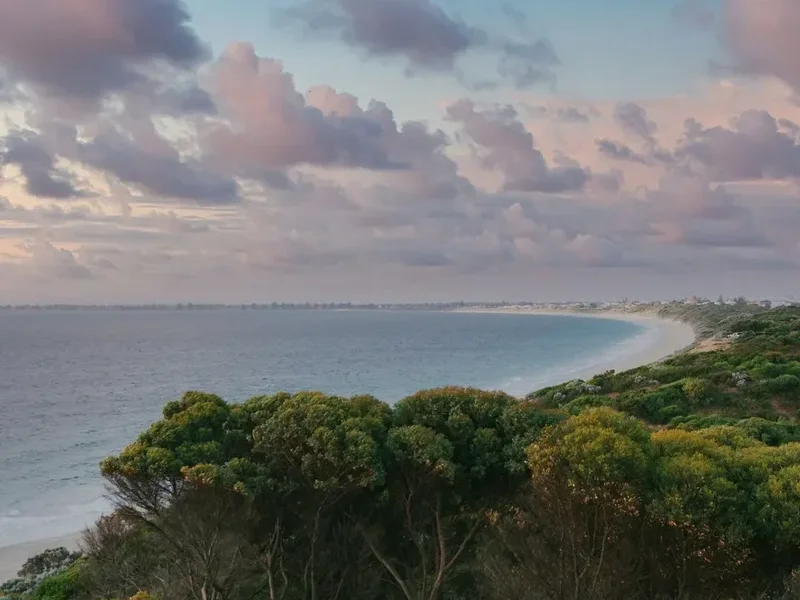
The Great Ocean Walk passes through fragile ecosystems that are under constant pressure from tourism and climate change. As a walker, you have a responsibility to minimise your impact so that future generations can enjoy this pristine coastline.
The Seven Principles:
- Plan Ahead and Prepare: Know the regulations, check the weather, and ensure you have the right gear to avoid emergencies.
- Travel and Camp on Durable Surfaces: Stay on the marked track. Do not create "social trails" or shortcuts, which lead to erosion. Only camp on the provided tent pads.
- Dispose of Waste Properly: Pack it in, pack it out. This includes all food scraps (even apple cores), tea bags, and hygiene products. Use the composting toilets at the campsites.
- Leave What You Find: Do not pick wildflowers, remove rocks, or disturb cultural sites like shell middens. Take photos, not souvenirs.
- Minimise Campfire Impacts: Fires are strictly prohibited. Use a lightweight stove for cooking.
- Respect Wildlife: Observe animals from a distance. Never feed wildlife, as it disrupts their natural diet and can make them aggressive or sick.
- Be Considerate of Your Hosts and Other Visitors: Keep noise levels low in camp. Yield to other walkers on narrow sections of the trail.
By following these principles, you help protect the biodiversity of the Great Otway National Park and ensure the Great Ocean Walk remains a world-class hiking destination.
 Australia