
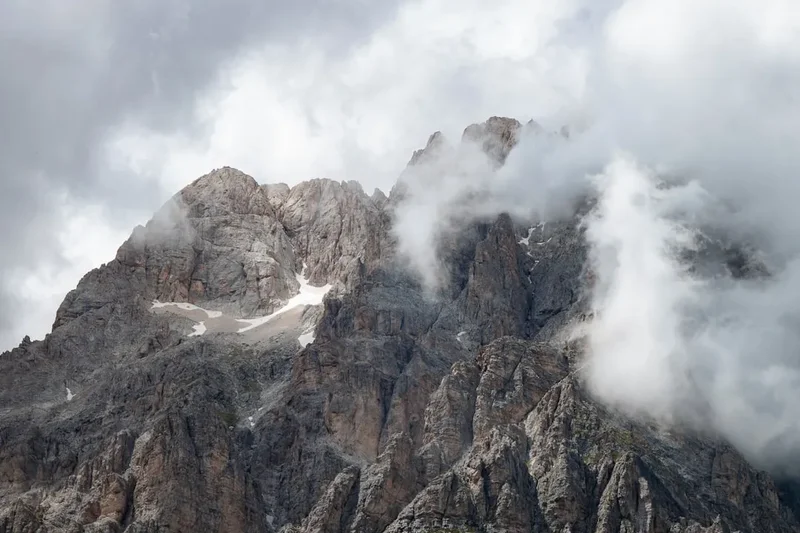
Gran Sasso Traverse - The Roof of the Apennines
The Gran Sasso Traverse is a challenging multi-day trek across the highest massif in the Apennine Mountains, located in the Abruzzo region of Italy. This route offers a dramatic journey through rugged alpine landscapes, vast high-altitude plateaus, and spectacular panoramic views. It is a true mountain experience, demanding good fitness and navigational skills, but rewarding walkers with a profound sense of wilderness and awe-inspiring scenery. The traverse typically connects the western side of the Gran Sasso range to the eastern approaches, showcasing the diverse geological and ecological character of this unique mountain environment.
- Distance: Approximately 35.0 km
- Elevation Gain: Approximately 2,500 m
- Duration: 2-3 days
- Difficulty: Challenging
- Best Time: July to September
- Closest City: L'Aquila
- Trailhead Access: Nearest city: L'Aquila. From L'Aquila, take a bus or taxi to Prati di Tivo (trailhead start). Driving time ~1 hour. Limited parking available at Prati di Tivo cable car station. Check bus schedules in advance. No permits required currently. GPS: 42.4722, 13.5211.
- Coordinates: 42.4543, 13.5658
Overview
The Gran Sasso Traverse is a journey into the heart of Italy's "wildest region," Abruzzo. This trek is not a single, officially designated path but rather a route pieced together from existing trails, mule tracks, and high-altitude paths that traverse the Gran Sasso d'Italia massif. The landscape is starkly beautiful, characterised by vast, windswept plateaus like Campo Imperatore, often referred to as "Little Tibet" for its resemblance to Tibetan steppes, and dramatic, jagged peaks that soar above 2,900 metres. The highest point, Corno Grande, stands at 2,912 metres, its summit often snow-capped well into summer.
The traverse typically begins at Prati di Tivo, a popular mountain resort on the northern side of the massif, and concludes on the southern side, often near Campo Imperatore or a nearby village. The route ascends through varied terrain, from beech forests and alpine meadows to scree slopes and rocky ridges. Key landmarks include the imposing Corno Grande, the vastness of Campo Imperatore, and numerous shepherd's huts (bivacchi) and refuges that offer shelter and a glimpse into the region's pastoral heritage.
This trek is best undertaken during the summer months when snow has receded from the higher passes and plateaus. The weather can be unpredictable, with strong winds, sudden storms, and significant temperature fluctuations common even in July and August. The remoteness of much of the route means self-sufficiency is crucial, with limited facilities and long stretches between settlements. The Gran Sasso Traverse offers a genuine alpine adventure, a chance to experience the raw, untamed beauty of the Apennines far from the crowds.
History and Cultural Context
The Gran Sasso massif has a long history of human interaction, primarily driven by pastoralism. For centuries, shepherds have guided their flocks across these high pastures, following ancient transhumance routes that connect the mountains to the coastal plains. The vast plateau of Campo Imperatore, in particular, has been a vital grazing area, supporting a unique way of life that has shaped the cultural landscape of Abruzzo.
The area also holds significance in more recent history. During World War II, Benito Mussolini was imprisoned at Campo Imperatore before his dramatic rescue by German paratroopers in 1943. The hotel where he was held still stands as a stark reminder of this historical event.
The development of mountain infrastructure, including refuges and marked trails, has made the Gran Sasso accessible to hikers and climbers. While not as extensively developed as some Alpine regions, the network of paths allows for multi-day traverses that explore the massif's diverse environments. The region's natural parks, such as the Parco Nazionale del Gran Sasso e Monti della Laga, are dedicated to preserving its unique biodiversity and cultural heritage, ensuring that the traditions of pastoralism and the wild beauty of the mountains are protected.
Seasonal Highlights and Weather Reality
The optimal season for the Gran Sasso Traverse is from July to September. During these months, the snow typically melts from the higher passes and trails, making them passable and safer for hikers. The weather is generally more stable, with longer daylight hours and warmer temperatures, although mountain conditions can change rapidly.
July: The high plateaus begin to bloom with wildflowers, creating a vibrant carpet of colour across Campo Imperatore and surrounding meadows. The weather is usually pleasant, but thunderstorms can develop in the afternoons. Snow may still linger on the highest shaded slopes and north-facing aspects.
August: This is peak summer, with the warmest temperatures and longest days. The landscape is dry and golden, and the mountain air is crisp. August can also be the busiest month for hikers and climbers, especially on popular routes and near refuges. Afternoon thunderstorms remain a possibility.
September: The autumn colours begin to appear, offering a different kind of beauty to the landscape. The crowds thin out, and the air becomes cooler and clearer. The risk of early snowfalls increases towards the end of the month, particularly at higher elevations. The weather can be more settled than in mid-summer, but it's essential to be prepared for cooler temperatures and potential frost.
Outside the recommended season (October to June): The Gran Sasso becomes a serious undertaking requiring advanced mountaineering skills, winter gear, and extensive experience. Snowfall can be heavy and persistent, creating avalanche hazards. Trails can be obscured, and temperatures can drop well below freezing. Access to higher areas may be impossible without specialised equipment like crampons and ice axes. This period is strictly for experienced winter mountaineers.
Recommended Itinerary
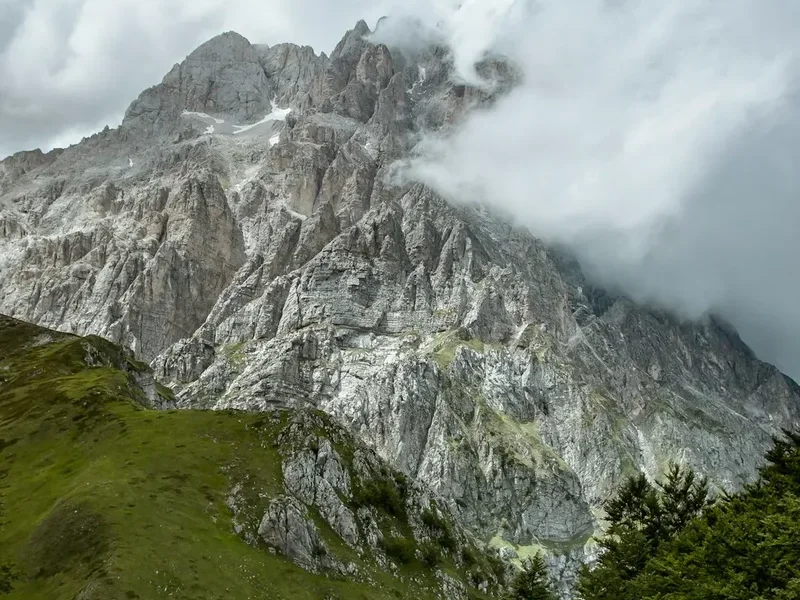
2-3 Day Gran Sasso Traverse Itinerary
Day 1: Prati di Tivo to Rifugio Franchetti
- Distance: Approximately 8-10 km
- Elevation Gain: Approximately 1,000-1,200 m
- Time: 4-6 hours
- Start at Prati di Tivo (1,450 m).
- Ascend via the cable car to the upper station (approx. 2,000 m) to save initial elevation, or hike directly from Prati di Tivo through beech forests.
- Follow marked trails (e.g., CAI trails) towards the imposing Corno Grande.
- The route becomes more rugged, with scree slopes and rocky sections as you approach the saddle between Corno Grande and Corno Piccolo.
- Arrive at Rifugio Franchetti (2,433 m), a well-situated refuge offering spectacular views.
- This day focuses on gaining significant altitude and immersing yourself in the high mountain environment.
Day 2: Rifugio Franchetti to Campo Imperatore (or nearby Bivacco)
- Distance: Approximately 15-18 km
- Elevation Gain: Approximately 800-1,000 m (with significant ups and downs)
- Elevation Loss: Approximately 600-800 m
- Time: 6-8 hours
- Depart Rifugio Franchetti, potentially taking a brief detour to admire the views from the base of Corno Grande.
- Traverse across the high plateau, aiming towards the vast expanse of Campo Imperatore.
- The route may involve navigating rocky terrain, crossing smaller passes, and descending into valleys before re-ascending.
- Pass by or visit smaller bivacchi (shepherd's shelters) which can offer basic emergency shelter.
- Arrive at or near Campo Imperatore (2,130 m), a vast high-altitude plain.
- Accommodation options include the Albergo Campo Imperatore or potentially a more basic bivacco if pre-arranged or available.
- This day is characterised by the immense scale of the landscape and the feeling of remoteness.
Day 3 (Optional Extension): Campo Imperatore to Castel del Monte or Calascio
- Distance: Approximately 10-15 km
- Elevation Gain: Variable, generally descending
- Time: 3-5 hours
- From Campo Imperatore, descend towards one of the picturesque medieval villages on the southern slopes, such as Castel del Monte or Calascio (famous for its Rocca).
- This descent offers a transition from the high alpine environment back to the foothills, with stunning views of the surrounding valleys and villages.
- The route will follow marked trails, often old shepherd paths, through a mix of scrubland and more cultivated areas.
- End the traverse in a village where transport can be arranged back to L'Aquila or other destinations.
- This optional day provides a cultural counterpoint to the high mountain trekking.
Important Notes:
- This itinerary is a suggestion and can be adapted based on fitness, weather, and available accommodation.
- Water sources can be scarce at higher elevations; carry sufficient water or a reliable purification method.
- Navigation is crucial; carry detailed maps, a compass, and a GPS device or app.
- Check weather forecasts diligently before and during the trek.
- Accommodation in refuges and bivacchi should be confirmed and booked in advance where possible.
Planning and Bookings
Book Your Trip
Everything you need to plan your journey
Accommodation
Find places to stay near L'Aquila
Flights
Search flights to L'Aquila
Essential Preparation
The Gran Sasso Traverse requires careful planning due to its challenging terrain and remote nature. Fitness is paramount; participants should be comfortable with sustained ascents and descents, carrying a backpack for multiple days, and navigating varied terrain including scree and rocky paths. The altitude can also be a factor, so acclimatisation is advisable if possible.
Logistics involve reaching the trailhead at Prati di Tivo and arranging transport from the endpoint, which could be Campo Imperatore or a village like Castel del Monte. L'Aquila is the primary gateway city, offering train and bus connections. From L'Aquila, local buses or taxis can reach Prati di Tivo. It is essential to check bus schedules in advance, as services can be infrequent, especially outside peak season. Driving is an option, with limited parking available at Prati di Tivo, particularly near the cable car station.
Given the limited accommodation options on the mountain, booking refuges or bivacchi well in advance is highly recommended, especially during July and August. If planning to camp, research regulations and designated areas, though wild camping may be restricted or discouraged in national park areas.
Trail Accommodation
Accommodation on the Gran Sasso Traverse is varied and requires careful research and booking.
Rifugio Franchetti (2,433 m): This is a key refuge located in a spectacular position between Corno Grande and Corno Piccolo. It offers dormitory-style accommodation and usually a meal service. Booking is essential, particularly during the summer months. Facilities typically include beds with mattresses, common areas, and basic sanitary facilities. It is advisable to confirm what is provided (e.g., blankets, meals) when booking.
Bivacchi (Shepherd's Shelters): Several small, basic shelters (bivacchi) are scattered across the higher parts of the Gran Sasso. These are often unmanned and provide rudimentary shelter, typically just a roof and a few sleeping platforms. They are not bookable and are available on a first-come, first-served basis. They offer no services and are intended for emergency use or for very experienced, self-sufficient trekkers. Examples include Bivacco Rossi e Magnanini.
Albergo Campo Imperatore: Located on the Campo Imperatore plateau, this hotel offers more conventional accommodation. It is a good option for ending or breaking the trek. Booking is essential.
Camping: Wild camping is generally discouraged or prohibited within national park boundaries. If permitted in specific areas, it would require full self-sufficiency and adherence to strict Leave No Trace principles. Designated campsites are rare in the high mountain areas.
What's NOT Provided: Generally, refuges and bivacchi do not provide sleeping bags, towels, cooking equipment, or food unless specified as part of a meal service. Hikers must be prepared to be self-sufficient for meals and sleeping gear.
Seasonal Availability: Refuges and bivacchi are typically open and accessible from June/July to September/October, depending on snow conditions. Outside these months, they may be closed or require special arrangements.
Costs: Costs vary significantly. Dormitory beds in refuges can range from €25-€50 per night, with meals extra. Albergo Campo Imperatore will be more expensive. Bivacchi are usually free but offer no services.
Required Gear
- Sturdy hiking boots: Waterproof, broken-in, with good ankle support for rocky and uneven terrain.
- Backpack: 40-60 litre capacity, with a rain cover.
- Waterproof jacket and trousers: Essential for protection against rain and wind, which can be severe at altitude.
- Warm layers: Fleece jacket, thermal base layers (merino wool or synthetic), warm hat, and gloves. Temperatures can drop significantly, especially at night and on passes.
- Navigation tools: Detailed topographic maps of the Gran Sasso massif, a compass, and a GPS device or smartphone with offline maps and navigation app.
- Head torch: With spare batteries, for use in refuges or if hiking in low light.
- First-aid kit: Comprehensive kit including blister treatment, pain relievers, antiseptic wipes, bandages, and any personal medications.
- Sun protection: High SPF sunscreen, sunglasses, and a wide-brimmed hat. The sun is intense at altitude, even on cloudy days.
- Trekking poles: Highly recommended for stability on ascents and descents, and for reducing strain on knees.
- Emergency shelter: A lightweight emergency bivvy bag or space blanket.
What to Bring
- Food: Sufficient non-perishable food for 2-3 days, including high-energy snacks, meals, and breakfast items. Consider lightweight, high-calorie options.
- Water bottles or hydration reservoir: Capacity for at least 2-3 litres per person.
- Water purification method: Filter, purification tablets, or UV steriliser, as water sources can be unreliable or require treatment.
- Sleeping bag: A 3-season sleeping bag (comfort rating around 0-5°C) is recommended, even if staying in refuges, as bedding is not always provided.
- Toiletries: Biodegradable soap, toothbrush, toothpaste, toilet paper, hand sanitiser.
- Personal items: Camera, power bank for electronics, book or journal for downtime.
- Cash: For refuges, small villages, and potential transport, as card payment facilities may be limited.
- Duct tape and cordage: Useful for repairs.
Permits
Currently, no specific permits are required to hike the Gran Sasso Traverse. However, the area is part of the Parco Nazionale del Gran Sasso e Monti della Laga, and visitors are expected to adhere to park regulations. These typically include rules regarding waste disposal, camping, and respecting wildlife and natural habitats.
It is always advisable to check the official website of the Parco Nazionale del Gran Sasso e Monti della Laga for any updated regulations or specific requirements before your trip. While no booking system exists for the trails themselves, booking accommodation in refuges or hotels is essential and should be done well in advance, especially during the peak summer season (July and August).
Key considerations for permits and access:
- Trail Access: Trails are generally open to the public.
- Accommodation Bookings: Essential for Rifugio Franchetti, Albergo Campo Imperatore, and any other established refuges. Contact them directly to reserve your spot.
- Camping: Wild camping is generally not permitted within the national park. If allowed in designated areas, it would require adherence to strict Leave No Trace principles and potentially local permits. Research this thoroughly if planning to camp.
- Vehicle Access: Access to Prati di Tivo is via public road. Parking is available but can be limited, especially during busy periods.
Other Activities in the Area
The Gran Sasso region offers a wealth of activities beyond the traverse itself, catering to various interests:
- Climbing: The Gran Sasso is a premier destination for rock climbing and mountaineering, with numerous routes on Corno Grande and other peaks.
- Via Ferrata: Several well-equipped via ferratas offer thrilling routes for those with a head for heights and basic climbing skills.
- Stargazing: Campo Imperatore, with its high altitude and minimal light pollution, is an exceptional location for astronomical observation. The Albergo Campo Imperatore often hosts stargazing events.
- Exploring Medieval Villages: The southern slopes are dotted with charming medieval villages such as Castel del Monte, Calascio (with its iconic Rocca fortress), Santo Stefano di Sessanio, and Rocca Calascio, offering a glimpse into Abruzzo's rich history and culture.
- Horse Riding: Guided horse riding tours are available on the plateaus, offering a different perspective on the landscape.
- Wildlife Watching: The national park is home to diverse wildlife, including chamois, wolves, and various bird species.
- Photography: The dramatic landscapes, unique geological formations, and historic villages provide endless opportunities for photographers.
Safety and Conditions
Weather: Mountain weather in the Gran Sasso can change very rapidly. Be prepared for strong winds, sudden storms, rain, hail, and even snow, especially at higher elevations, even in summer. Always check the forecast before setting out and be prepared to alter your plans if conditions deteriorate.
Navigation: While many trails are marked (often with CAI - Club Alpino Italiano - signage), the terrain can be complex, and visibility can drop significantly in fog or cloud. Carry detailed maps, a compass, and a GPS device or app with offline maps. Familiarise yourself with the route beforehand.
Altitude: The traverse reaches altitudes of over 2,900 metres. Be aware of the symptoms of altitude sickness (headache, nausea, dizziness) and acclimatise properly if possible. Descend if symptoms worsen.
Water: Water sources can be scarce on the high plateaus. Carry sufficient water for the day's hike and a reliable water purification method. Refuges may have water, but it's not guaranteed.
Terrain: The trails involve significant ascents and descents, rocky paths, scree slopes, and potentially exposed sections. Sturdy footwear and trekking poles are highly recommended.
Remoteness: Much of the traverse is remote, with limited mobile phone signal. Inform someone of your itinerary and expected return time. Consider carrying a personal locator beacon (PLB) or satellite messenger for emergencies.
Wildlife: While encounters are rare, be aware of the presence of wildlife such as wolves and wild boar. Maintain a safe distance and do not feed animals.
Emergency Contacts: In case of emergency, contact the Italian emergency services (112). Local mountain rescue services are available but may take time to reach remote locations.
Side Trips and Points of Interest
Corno Grande Ascent: For experienced climbers and mountaineers, a summit attempt on Corno Grande (2,912 m) is a significant undertaking. The normal route (Via Normale) is challenging and requires good fitness, sure-footedness, and comfort with exposure. The views from the summit are unparalleled.
Corno Piccolo Ascent: The second highest peak, Corno Piccolo (2,655 m), also offers climbing opportunities and impressive views. It is generally considered slightly less demanding than Corno Grande.
Rocca Calascio: A stunning medieval fortress perched on a hilltop, offering panoramic views of the surrounding landscape. It's a popular destination and can be visited as a day trip or incorporated into a longer itinerary if ending near Calascio.
Campo Imperatore Observatory: Located on the plateau, the Campo Imperatore Observatory is a significant astronomical research facility. While access to the observatory itself may be restricted, the surrounding area is ideal for stargazing.
Bivacco Rossi e Magnanini: This small, unmanned shelter offers a basic refuge and a sense of adventure for those seeking a more rugged experience. Its location provides excellent views and a sense of isolation.
Wildflower Meadows: During late spring and early summer, the high plateaus, particularly Campo Imperatore, are carpeted with a spectacular array of wildflowers, making for a visually stunning experience.
Leave No Trace
The Gran Sasso massif is a fragile alpine environment and part of a protected national park. Practising Leave No Trace principles is crucial to preserving its natural beauty and ecological integrity for future generations.
- Plan Ahead and Prepare: Research your route, understand the terrain and weather, and pack appropriately. Know the regulations of the Parco Nazionale del Gran Sasso e Monti della Laga.
- Travel and Camp on Durable Surfaces: Stick to marked trails to avoid damaging vegetation. If camping is permitted, choose established sites or durable surfaces away from water sources.
- Dispose of Waste Properly: Pack out everything you pack in, including all food scraps, wrappers, and toilet paper. Use designated toilets where available, or dig catholes at least 70 metres away from water, trails, and campsites.
- Leave What You Find: Do not remove rocks, plants, or any natural or cultural artifacts.
- Minimise Campfire Impacts: Campfires are generally prohibited in national parks and alpine areas. Use a portable stove for cooking.
- Respect Wildlife: Observe wildlife from a distance. Never feed animals, as it can harm their health and alter their natural behaviours.
- Be Considerate of Other Visitors: Keep noise levels down, yield to others on the trail, and maintain a respectful attitude towards the natural environment and local culture.
By adhering to these principles, you help ensure that the Gran Sasso remains a wild and beautiful place for all to enjoy.
Useful Links
- Parco Nazionale del Gran Sasso e Monti della Laga (Official Website)
- Rifugio Franchetti (Official Website - check for booking information)
- Albergo Campo Imperatore (Official Website)
- Club Alpino Italiano (CAI) - For trail information and maps
- Regione Abruzzo Official Website
- Example Traverse Route Description (for reference)
 Italy
Italy