
Gran Paradiso Summit - Italy's Highest Peak
The Gran Paradiso summit ascent is a quintessential alpine challenge, offering a taste of high-altitude mountaineering in the heart of Italy's oldest national park. This iconic peak, standing at 4,061 metres, is a popular objective for experienced hikers and aspiring mountaineers, providing breathtaking panoramic views across the Graian Alps and beyond. The route typically involves an overnight stay at a mountain hut, followed by an early morning summit push across glaciers, rocky ridges, and snowfields. It's a journey that demands respect for the mountain environment, solid physical fitness, and proficiency with basic mountaineering techniques. The Gran Paradiso National Park itself is a sanctuary for wildlife, most notably the ibex, and the surrounding valleys offer a rich tapestry of natural beauty and cultural heritage.
- Distance: 12.0 km (summit day)
- Elevation Gain: 1300 m (summit day)
- Duration: 1-2 days (including hut stay)
- Difficulty: Challenging (requires glacier travel and basic mountaineering skills)
- Season: July to September (Summer)
- Closest City: Aosta
- Trailhead Access: Pont Valsavarenche
- Highest point: Gran Paradiso summit (4,061 m)
- Accommodation: Rifugio Vittorio Emanuele II or Rifugio Chabod
Overview
The ascent of Gran Paradiso is a rewarding experience that combines stunning alpine scenery with the thrill of reaching a significant summit. While not technically as demanding as some of its higher Alpine neighbours, the 4,061-metre peak presents a genuine challenge due to its altitude, the need for glacier travel, and the potential for rapidly changing weather conditions. The most common approach involves an overnight stay at either Rifugio Vittorio Emanuele II or Rifugio Chabod, both situated at altitudes of around 2,730 metres. From these comfortable mountain refuges, the summit push begins in the pre-dawn darkness, typically around 3:00 AM.
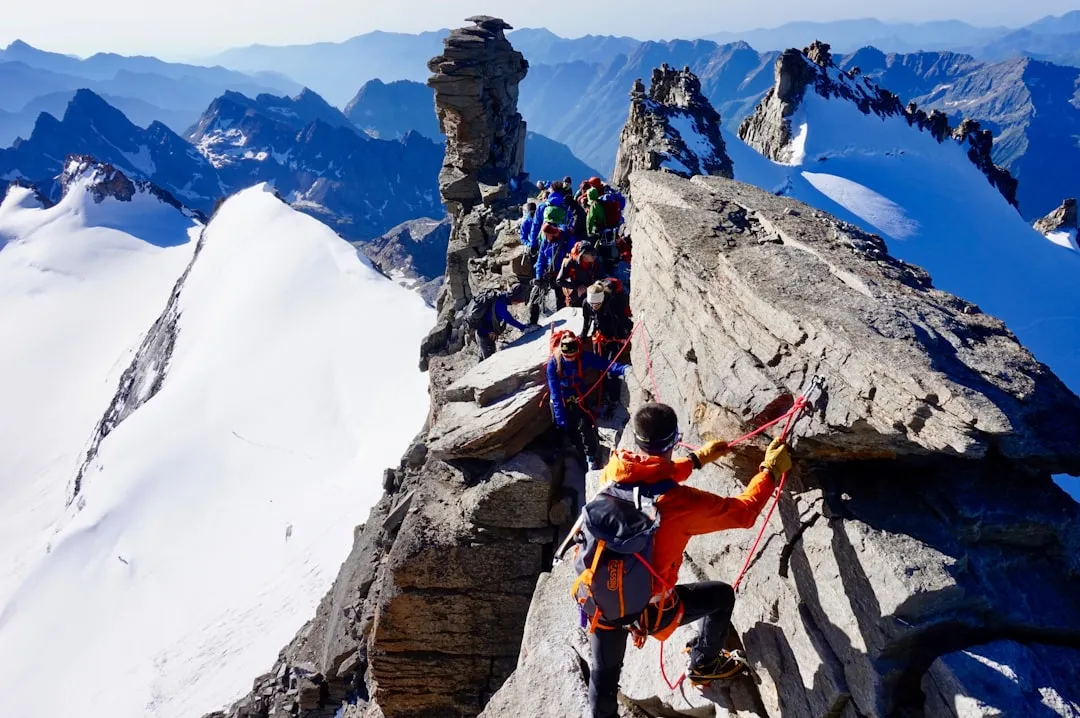
The route from Rifugio Vittorio Emanuele II traverses a rocky moraine before reaching the glacier. From Rifugio Chabod, the approach to the glacier is slightly more direct. Once on the glacier, crampons and an ice axe become essential tools. The ascent involves navigating crevassed terrain, often roped up with a guide or experienced companion for safety. The final section to the summit is a steep, rocky ridge, often covered in snow or ice depending on conditions, culminating in the iconic statue of the Madonna that crowns the peak. The panoramic views from the summit are spectacular, encompassing the Mont Blanc massif, the Matterhorn, and countless other peaks of the Western Alps.
The descent follows the same route, and the return journey to Pont Valsavarenche is often as demanding as the ascent, especially on tired legs. The Gran Paradiso National Park, established in 1922, is Italy's first and largest national park, dedicated to protecting the ibex, which was once on the brink of extinction. Hikers are likely to encounter these sure-footed mountain goats during their approach and descent. The park's valleys are also home to diverse flora and fauna, making the entire experience a rich immersion in the alpine environment.
History and Cultural Context
The Gran Paradiso massif has a long history of human interaction, primarily driven by hunting and later by the burgeoning interest in mountaineering. The region's most famous inhabitant, the Alpine ibex (Capra ibex), was once hunted to near extinction. By the early 19th century, only a few dozen remained, primarily on the Gran Paradiso massif. King Victor Emmanuel II of Italy, an avid hunter, declared the Gran Paradiso a Royal Hunting Reserve in 1856 to protect the ibex, thus inadvertently creating the foundation for the future national park. This royal protection allowed the ibex population to recover significantly.
Following the end of the monarchy in Italy, the Royal Hunting Reserve was transferred to the state and officially established as the Gran Paradiso National Park on 12 July 1922. This marked a pivotal moment in conservation history, making it Italy's first national park and one of the oldest in the Alps. The park's primary mission was, and remains, the protection of the ibex and its habitat, but it also safeguards the diverse alpine ecosystem, including chamois, marmots, eagles, and a rich variety of plant life.
The first recorded ascent of Gran Paradiso was made on 4 September 1860 by Sir Leslie Stephen, with guides François Devouassoud and Michel Croz. Their successful climb opened the door for other mountaineers, and the routes from the Vittorio Emanuele II and Chabod huts became established. The huts themselves have a history tied to the development of mountaineering and tourism in the region. Rifugio Vittorio Emanuele II, built in 1874, is one of the oldest mountain huts in the Alps. Rifugio Chabod, established later, offers a slightly different approach and perspective. Today, Gran Paradiso remains a popular destination for both mountaineers and nature enthusiasts, a testament to its enduring appeal and the success of its conservation efforts.
Seasonal Highlights and Weather Reality
The prime season for ascending Gran Paradiso is during the summer months, from July to September. During this period, the weather is generally more stable, and the snow cover on the glacier and summit ridge is typically at its minimum, making the ascent safer and more accessible.
July: The season typically opens in early July. Snow cover can still be significant at higher altitudes, and glacier conditions may require more extensive snow travel. The ibex are often seen at lower altitudes, and the wildflowers begin to bloom in the valleys. Days are long, offering ample daylight for the ascent.
August: This is usually the busiest month, with the most stable weather patterns and the least snow on the mountain. The huts are at their fullest, and early starts are essential to avoid queues on the summit ridge. The alpine meadows are vibrant with flowers, and wildlife is abundant.
September: The weather can become more unpredictable in September, with a higher chance of early snowfalls and colder temperatures. However, the autumn colours in the valleys can be spectacular, and the crowds tend to thin out. The ibex are often more active and visible as they prepare for the rutting season.
Weather Reality: It is crucial to understand that alpine weather is notoriously fickle. Even during the summer months, conditions on Gran Paradiso can change rapidly. Sudden storms, fog, strong winds, and significant temperature drops can occur at any time. Snowfall is possible even in July and August, especially at higher elevations. Hypothermia is a real risk, and it is essential to be prepared for all conditions. Always check the mountain forecast before setting out and be prepared to turn back if conditions deteriorate.
Recommended Itinerary
2-Day Gran Paradiso Summit Itinerary
Day 1: Pont Valsavarenche to Rifugio Vittorio Emanuele II or Rifugio Chabod
- Distance: 6.0 km (to Rifugio Vittorio Emanuele II) or 7.0 km (to Rifugio Chabod)
- Elevation gain: 900 m (to Rifugio Vittorio Emanuele II) or 950 m (to Rifugio Chabod)
- Time: 3–4 hours
- Drive to Pont Valsavarenche (approx. 2 hours from Aosta).
- Park at the designated parking area.
- Begin the hike from Pont Valsavarenche (1,960 m).
- The trail is well-marked and ascends steadily through pine forests and alpine meadows.
- Pass through the hamlet of Eaux Rousses.
- Continue the ascent towards the chosen refuge.
- Rifugio Vittorio Emanuele II (2,730 m) is reached first, offering classic views.
- Rifugio Chabod (2,750 m) is a slightly longer walk, offering a different perspective.
- Check into the refuge, enjoy dinner, and prepare for the early start.
- Briefing with guides if applicable.
- Early bedtime is recommended.
Day 2: Summit Push to Gran Paradiso (4,061 m) and Descent to Pont Valsavarenche
- Distance: 6.0 km (to summit from Vittorio Emanuele II) or 7.0 km (to summit from Chabod)
- Elevation gain: 1331 m (from Vittorio Emanuele II) or 1311 m (from Chabod)
- Time: 3–4 hours to summit, 2–3 hours descent to hut, 3–4 hours descent to valley
- Wake up around 2:00 AM – 3:00 AM.
- Breakfast at the refuge.
- Begin the ascent in the dark, using headlamps.
- From Rifugio Vittorio Emanuele II: Traverse rocky moraine, then join the glacier.
- From Rifugio Chabod: A more direct approach to the glacier.
- Rope up for glacier travel. Use crampons and ice axe.
- Navigate the glacier, being mindful of crevasses.
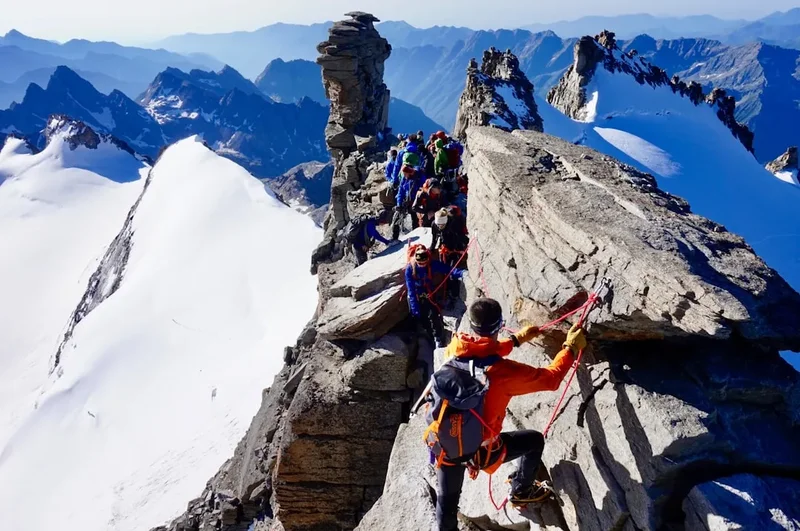
- The final section involves a steep, rocky ridge, often with snow or ice.
- Reach the summit statue of the Madonna.
- Enjoy the panoramic views (weather permitting).
- Begin the descent, carefully navigating the glacier.
- Return to the refuge for a brief rest and refuel.
- Continue the descent back to Pont Valsavarenche.
- Celebrate your achievement!
Important Notes:
- This itinerary assumes good weather and conditions. Always be prepared to adapt.
- Hut bookings are essential, especially during peak season.
- If hiring a guide, they will provide specific timings and safety briefings.
- Carry sufficient water and high-energy snacks.
- The summit day is long and demanding; pace yourself and listen to your body.
Planning and Bookings
Book Your Trip
Everything you need to plan your journey
Accommodation
Find places to stay near Aosta
Flights
Search flights to Aosta
Essential Preparation
Ascending Gran Paradiso requires careful planning and preparation. The primary logistical hub for this climb is the town of Aosta, which offers a range of accommodation, restaurants, and outdoor gear shops. From Aosta, you will need to drive to Pont Valsavarenche, the starting point for the trek to the mountain huts. This drive takes approximately 2 hours and involves navigating mountain roads that are generally well-maintained but can be narrow and winding.
Fitness: A high level of cardiovascular fitness is essential. You should be comfortable hiking for extended periods with significant elevation gain, carrying a moderately heavy backpack. Training should include regular hikes with elevation, strength training for legs and core, and endurance activities like running or cycling. Acclimatisation is also crucial; spending a day or two in Aosta or at a slightly higher altitude before the ascent can help prevent altitude sickness.
Guides: For those without extensive mountaineering experience, hiring a certified mountain guide is highly recommended. Guides provide essential knowledge of glacier travel, crevasse rescue, navigation, and route-finding, significantly enhancing safety and enjoyment. Booking a guide well in advance is advisable, especially during peak season.
Logistics: Ensure you have reliable transportation to Pont Valsavarenche. Check road conditions, especially if travelling outside the main summer season. Inform someone of your itinerary and expected return time.
Trail Accommodation
The Gran Paradiso ascent typically involves an overnight stay in one of two mountain refuges (huts):
Rifugio Vittorio Emanuele II
- Location: 2,730 metres
- Booking Requirements: Mandatory booking, especially during July-September. Book directly with the refuge or through the Italian Alpine Club (CAI).
- Facilities Provided: Dormitory-style bunk beds with mattresses and blankets, communal dining area, gas stoves for cooking, running water (often cold), basic toilets (outhouse style or composting), emergency telephone.
- What's NOT Provided: Sleeping bag liner (required), food (full board available - dinner, breakfast, packed lunch), cooking equipment (pots, pans, utensils), electricity for charging devices, showers.
- Seasonal Availability: Typically open from late June/early July to mid-September.
- Costs: Approximately €50-€70 per person per night for half-board (dinner and breakfast).
Rifugio Chabod
- Location: 2,750 metres
- Booking Requirements: Mandatory booking, especially during July-September. Book directly with the refuge or through the Italian Alpine Club (CAI).
- Facilities Provided: Dormitory-style bunk beds with mattresses and blankets, communal dining area, gas stoves for cooking, running water (often cold), basic toilets (outhouse style or composting), emergency telephone.
- What's NOT Provided: Sleeping bag liner (required), food (full board available - dinner, breakfast, packed lunch), cooking equipment (pots, pans, utensils), electricity for charging devices, showers.
- Seasonal Availability: Typically open from late June/early July to mid-September.
- Costs: Approximately €50-€70 per person per night for half-board (dinner and breakfast).
Note: Both refuges offer a "half-board" option which includes dinner, breakfast, and a packed lunch for the summit day. This is highly recommended for convenience and to save weight.
Required Gear
- Mountaineering Boots: Sturdy, waterproof, insulated boots with a stiff sole suitable for crampon attachment (B2 or B3 rating).
- Crampons: Steel crampons with anti-balling plates, compatible with your boots.
- Ice Axe: A technical ice axe suitable for glacier travel and steep snow slopes.
- Helmet: Essential for protection against falling rock or ice, especially on the summit ridge.
- Harness: A lightweight climbing harness for glacier travel and ridge ascent.
- Rope: If not guided, a dynamic climbing rope (50-60m) is required for glacier travel.
- Belay Device and Carabiners: For rope management and safety.
- Headlamp: Powerful headlamp with spare batteries (essential for pre-dawn start).
- Sunglasses: High-quality, glacier-rated sunglasses to protect against intense UV radiation.
- Goggles: Ski goggles are recommended for protection against wind, snow, and glare.
- Waterproof Jacket and Trousers: Breathable, waterproof outer shell (e.g., Gore-Tex).
- Insulating Layers: Fleece jacket, down or synthetic insulated jacket.
- Base Layers: Merino wool or synthetic thermal tops and bottoms.
- Gloves: Warm, waterproof gloves and a lighter pair for dexterity.
- Hat: Warm beanie or wool hat.
- Socks: Wool or synthetic hiking socks (bring spares).
- Backpack: 30-45 litre mountaineering backpack with a rain cover.
- First Aid Kit: Comprehensive kit including blister treatment, pain relievers, and personal medications.
- Sunscreen: High SPF (50+), lip balm with SPF.
What to Bring
- Sleeping Bag Liner: Mandatory for hygiene in mountain refuges.
- Water Bottles/Hydration Reservoir: At least 2 litres capacity. Water is available at the refuges, but carry enough for the summit day.
- Food: High-energy snacks (nuts, dried fruit, energy bars, chocolate). If not taking half-board, sufficient food for dinner and breakfast.
- Toiletries: Toothbrush, toothpaste, biodegradable soap, small towel.
- Personal Items: Camera, power bank for electronics, book or journal.
- Identification and Money: Passport or ID, cash (Euros) for refuge fees and incidentals (card payments may not be accepted).
- Trekking Poles: Optional, but can be helpful for the approach and descent.
- Gaiters: To keep snow and debris out of boots.
Permits
For the standard summer ascent of Gran Paradiso via Rifugio Vittorio Emanuele II or Rifugio Chabod, no specific climbing permit is required for individuals or small groups. The Gran Paradiso National Park does not issue permits for day-use or overnight stays in the huts in the same way that some other alpine regions do. However, access to the park and the use of the mountain refuges are governed by specific regulations and booking procedures.
Hut Bookings: As detailed in the "Trail Accommodation" section, booking your stay at Rifugio Vittorio Emanuele II or Rifugio Chabod is mandatory and should be done well in advance, especially during the peak season (July to September). These bookings are managed directly by the refuges or through the Italian Alpine Club (CAI). Failure to book can result in being turned away, as huts often operate at full capacity.
National Park Regulations: While no specific permit is needed to enter the park or hike the trails, visitors are expected to adhere to the park's regulations. These generally include:
- Staying on marked trails to protect fragile vegetation and wildlife habitats.
- Not feeding or disturbing wildlife, particularly the ibex.
- Proper disposal of waste – pack out everything you pack in.
- Respecting the natural environment and avoiding any form of pollution.
- Not camping outside designated areas (camping is generally not permitted near the huts or on the approach routes).
Guided Ascents: If you are undertaking the climb with a certified mountain guide or through a guiding company, they will typically handle the hut bookings as part of their service. They will also ensure that all participants are aware of and adhere to the park's regulations and safety guidelines.
Important Note: While no permit is required for the standard routes, any activities that deviate significantly from typical hiking and mountaineering, such as commercial filming or scientific research, may require special authorisation from the park authorities.
Other Activities in the Area
The Gran Paradiso region offers a wealth of activities beyond the summit climb, catering to various interests:
- Hiking in Gran Paradiso National Park: Numerous well-marked trails wind through the valleys, offering spectacular scenery, opportunities to see wildlife (ibex, chamois, marmots), and visit smaller alpine lakes and waterfalls. Trails range from easy valley walks to more challenging multi-day treks.
- Wildlife Watching: The park is renowned for its ibex population. Early mornings and late afternoons are the best times to spot them grazing on alpine meadows. Birdwatching is also excellent, with opportunities to see golden eagles and bearded vultures.
- Via Ferrata: Several via ferrata routes are available in the Aosta Valley, offering a thrilling way to experience cliff faces and high mountain terrain with the aid of steel cables, rungs, and ladders.
- Rock Climbing: The Aosta Valley has numerous climbing areas, from sport climbing crags to multi-pitch trad routes, catering to all skill levels.
- Cultural Exploration in Aosta: The historic city of Aosta, the regional capital, boasts impressive Roman ruins, including a theatre, arch, and city walls, as well as medieval churches and a charming old town.
- Thermal Baths: The town of Pré-Saint-Didier, near Courmayeur, offers renowned thermal baths with stunning views of Mont Blanc, providing a relaxing experience after a strenuous hike.
- Exploring other Alpine Peaks: The Aosta Valley is a gateway to many other famous peaks, including Mont Blanc (accessible via cable car from Courmayeur), the Matterhorn (Cervino), and Monte Rosa.
- Mountain Biking: Dedicated trails and routes are available for mountain bikers, offering a different perspective on the alpine landscape.
Safety and Conditions
Altitude Sickness: Gran Paradiso's summit is over 4,000 metres, making altitude sickness a significant concern. Symptoms can include headache, nausea, dizziness, and fatigue. Proper acclimatisation is key: spend at least one night at a refuge before the summit push. Ascend slowly, stay hydrated, and avoid alcohol and strenuous activity on the day before the climb. If symptoms worsen, descend immediately.
Glacier Travel: The glacier ascent requires knowledge of glacier travel techniques, including roped travel, crevasse rescue, and navigation. If you are not experienced, hiring a certified mountain guide is essential. Always check current glacier conditions before setting out.
Weather: Alpine weather can change rapidly. Be prepared for sudden storms, fog, strong winds, and significant temperature drops, even in summer. Always check the mountain forecast (e.g., from Meteo-France or Meteo-Svizzera for the region) before starting your climb and be prepared to turn back if conditions deteriorate. Hypothermia is a serious risk.
Rockfall and Icefall: The summit ridge can be prone to rockfall and icefall, especially early in the season or after warm spells. Wearing a helmet is mandatory. Be aware of your surroundings and avoid lingering in exposed areas.
Route Finding: While the main routes are generally well-marked, visibility can be poor in fog or snow. A map, compass, and GPS device (with pre-loaded routes) are recommended, especially if you are not with a guide.
Emergency Contacts: In case of emergency, contact the local mountain rescue services. The emergency number in Italy is 112. The mountain refuges also have emergency telephones. It is advisable to have travel insurance that covers mountain rescue and medical evacuation.
Refuge Safety: Follow the rules and guidelines provided by the refuge wardens. Be mindful of noise levels, especially during sleeping hours. Ensure you have a reliable headlamp for the early morning start.
Side Trips and Points of Interest
Gran Paradiso Summit Statue: The iconic bronze statue of the Madonna crowning the summit is a significant landmark and a symbol of the mountain's popularity among climbers. It was placed there in 1958.
The Ibex: Gran Paradiso National Park is a sanctuary for the Alpine ibex. Keep an eye out for these magnificent animals, particularly on the slopes and rocky outcrops during the approach and descent. They are most active in the early morning and late afternoon.
Alpine Flora and Fauna: The park is rich in biodiversity. During the summer months, the alpine meadows are carpeted with wildflowers. Other wildlife you might encounter include chamois, marmots, and various bird species, including the golden eagle.
Views from the Summit: On a clear day, the panoramic views from the summit are unparalleled. You can see the Mont Blanc massif, the Matterhorn, Monte Rosa, and a vast expanse of the Graian Alps. The sheer scale of the landscape is breathtaking.
Rifugio Vittorio Emanuele II and Rifugio Chabod: These historic mountain refuges are points of interest in themselves, offering a glimpse into the history of mountaineering and alpine life. They provide a comfortable base and a social atmosphere for climbers.
The Glacier: The Gran Paradiso glacier, while receding, is a significant feature of the ascent. Understanding its dynamics and navigating it safely is a key part of the mountaineering experience.
Leave No Trace
The Gran Paradiso National Park is a precious natural environment, and it is crucial for all visitors to practice Leave No Trace principles to preserve its beauty and ecological integrity for future generations. As you ascend Gran Paradiso, remember that you are a guest in a fragile alpine ecosystem.
Plan Ahead and Prepare: Research your route, understand the conditions, and pack appropriately. This includes carrying the right gear for mountaineering and being aware of altitude sickness symptoms. Hiring a guide if you lack experience is a key part of preparation.
Travel and Camp on Durable Surfaces: Stick to marked trails and paths. Avoid walking on fragile vegetation, especially alpine meadows, which can take years to recover. When staying at the refuges, use the designated facilities and common areas.
Dispose of Waste Properly: Pack out everything you pack in. This includes all food scraps, wrappers, and any other litter. Use the toilet facilities provided at the refuges. If caught short in the wilderness, dig a cathole at least 60 metres away from water sources, trails, and campsites.
Leave What You Find: Do not take rocks, plants, or any other natural objects. Leave the mountain as you found it. Do not disturb wildlife; observe from a distance and never feed them.
Minimize Campfire Impacts: Campfires are generally not permitted in the high alpine environment of Gran Paradiso. Use portable stoves for cooking.
Respect Wildlife: Observe animals from a distance and do not approach them. Feeding wildlife can harm their health, alter their natural behaviours, and expose them to predators. The ibex are a protected species.
Be Considerate of Other Visitors: Keep noise levels down, especially at the refuges. Yield to others on the trail. Respect the efforts of the park authorities and refuge wardens.
 Italy
Italy